After a few days in Antigua, we took a shuttle bus to Lago de Atitlàn, or Lake Atitlàn. Since the lake is located in the Guatemalan highlands, our shuttle had to climb quite a bit. The curves are so sharp that cars, shuttles, and chicken buses honk to warn each other that they are coming. (Thankfully, it’s always a short-and-friendly honk, not a I’m-angry-so-I’ll-hold-the-horn-for-10-minutes honk.) As we climbed, we caught glimpses of the lake. The video below doesn’t quite capture the sight of the lake, but you can get the general idea.
Adam’s post about Lake Atitlàn will really get into the lake itself, but what you need to know for this post is that the lake is surrounded by 11 towns, each with its own personality. We only visited the four that interested us: San Pedro de Laguna (the “backpackers town”); Santiago D’Atitlàn (the largest city); Panajachel (the “tourist town”); and Santa Catarina Palopo (“the blue town”). However, the common denominator between all of the towns is how chilled out everyone is, no matter how many tuk-tuks whiz by or how loudly tourists sing karaoke.
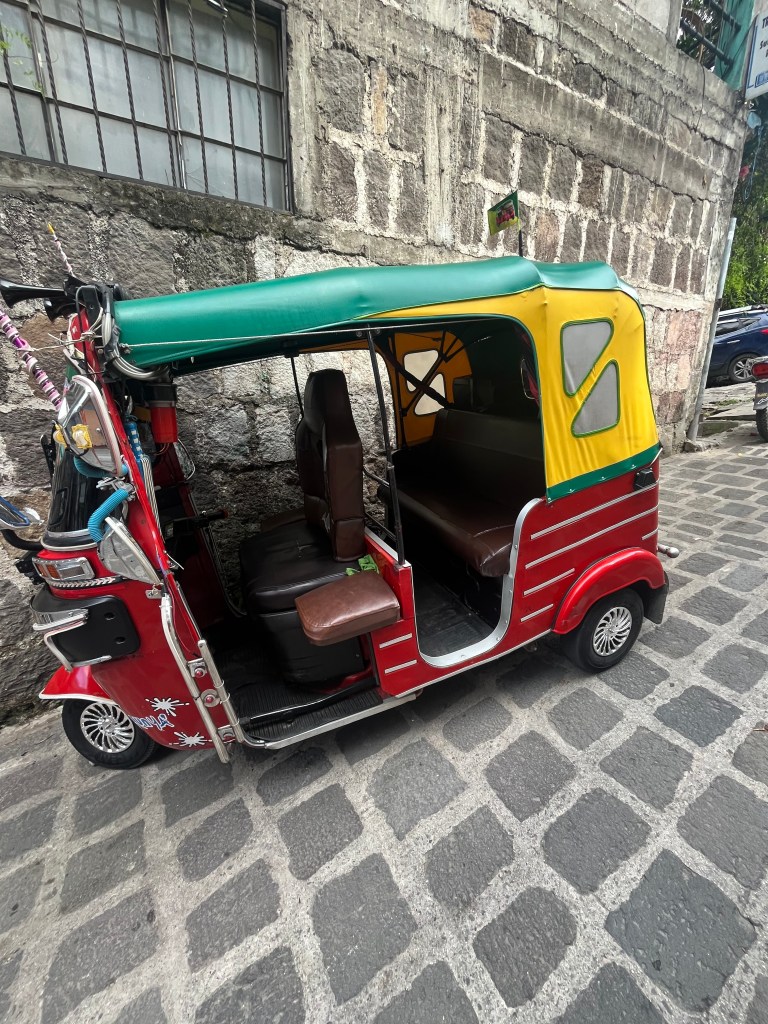
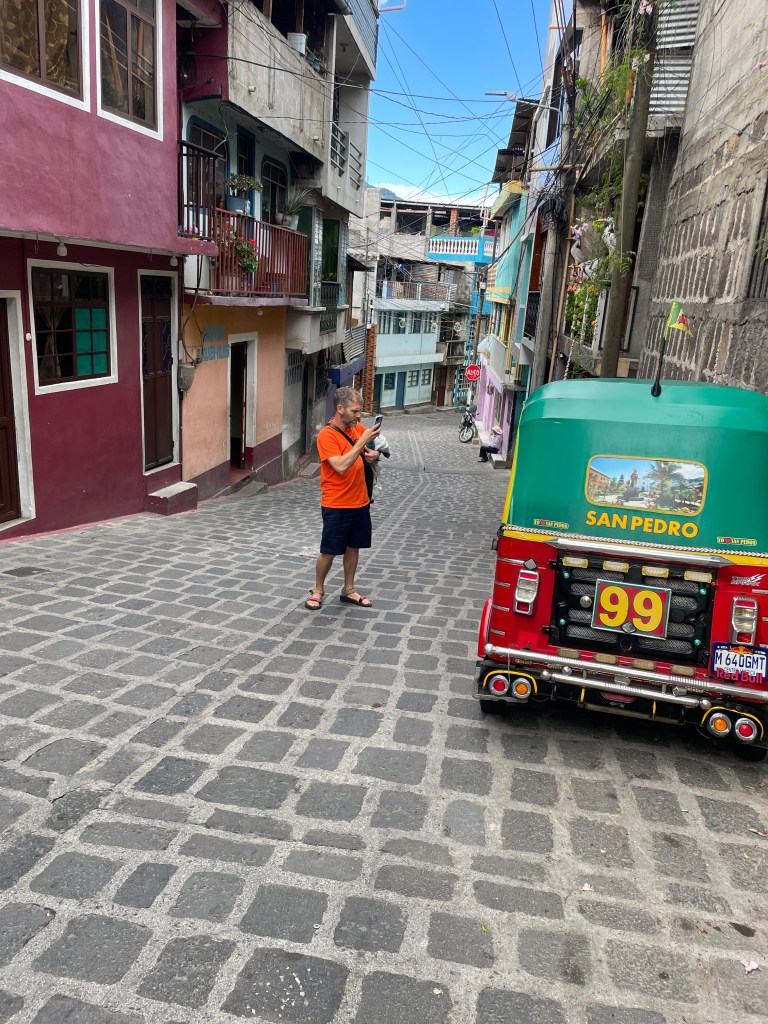
Tuk-tuks, by the way, are the fastest and easiest way to get around town. Drivers will customize them with names, stickers, and even flashing lights to stand out amongst each other. It’s so easy to hop in and get to wherever you need to go, especially when you need to climb up steep streets. To get between towns, you need to take a boat or lancha. (Adam will get into that in his post.)

We decided to stay in San Pedro de Laguna because it is less touristy and more backpack-y. We stayed in Casa Llemo, which is actually Julio and Vilma’s home that they rent out. (Llemo is a reference to their first born, Guillermo.) Their home is modest and, at first, we were a little surprised by its homeliness, but by the end of our stay we were sad to leave. The hospitality of Guatemalans everywhere is so refreshing that it makes us feel very comfortable, despite our limited Spanish.
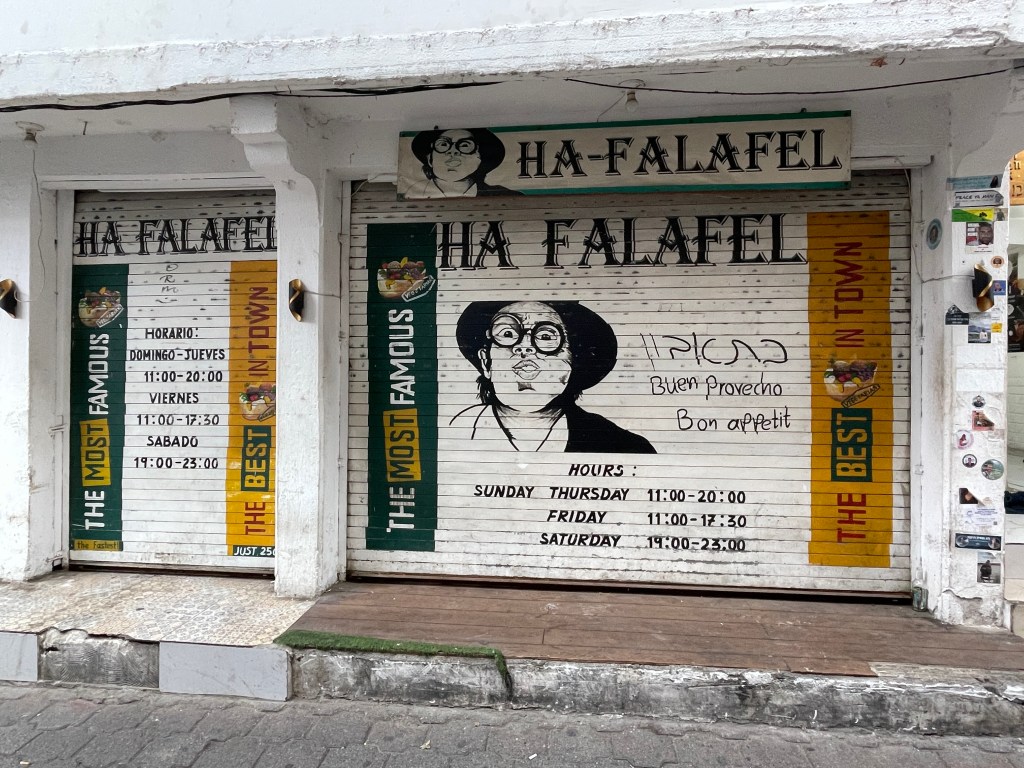
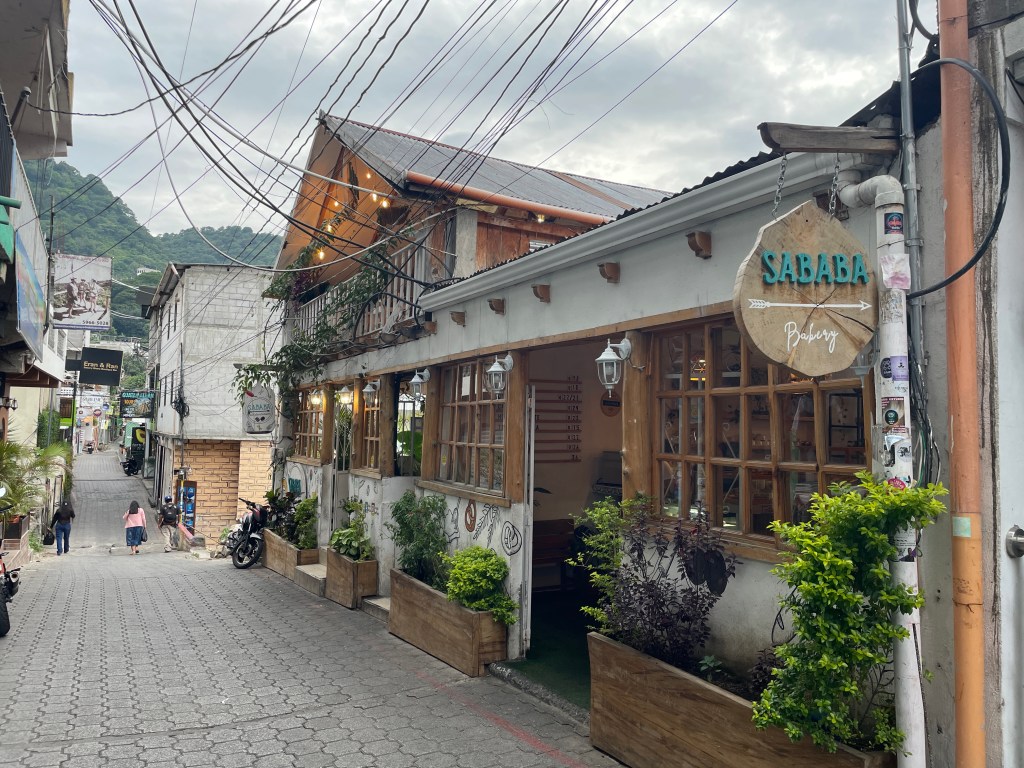
San Pedro de Laguna (or San Pedro for short) seems to have two flavors. One end is hyper-local and tourists may by around, but it’s intended for locals. (Casa Llemo is located in that part of town.) Whereas by the embarcadero, international tourists and the businesses that cater to them flourish. So often this dichotomy creates tensions, but, somehow, in Guatemala, it all mixes beautifully and everyone finds a little corner to chat and rest. Funnily enough, one of the most prominent groups of tourists & expats in San Pedro are Israelis. In the tourist area, signs are often in Spanish, Hebrew and English:

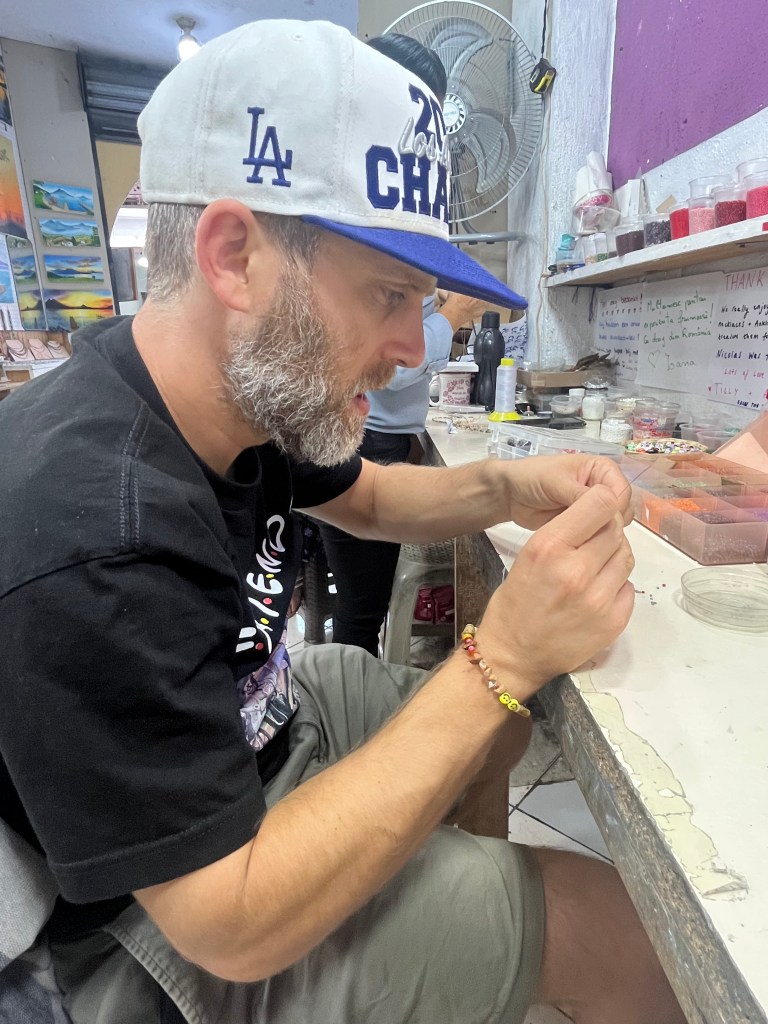
At one point we had time in between meals but were too tired to go to another town. There are handicraft classes all over the tourist area and so we spent an hour making bracelets. Of course everyone in the store was Israeli and of course the teacher, Nicholas, who is Guatemalan, spoke Hebrew with incredible diction. How strange to be in another country and yet feel so at home.
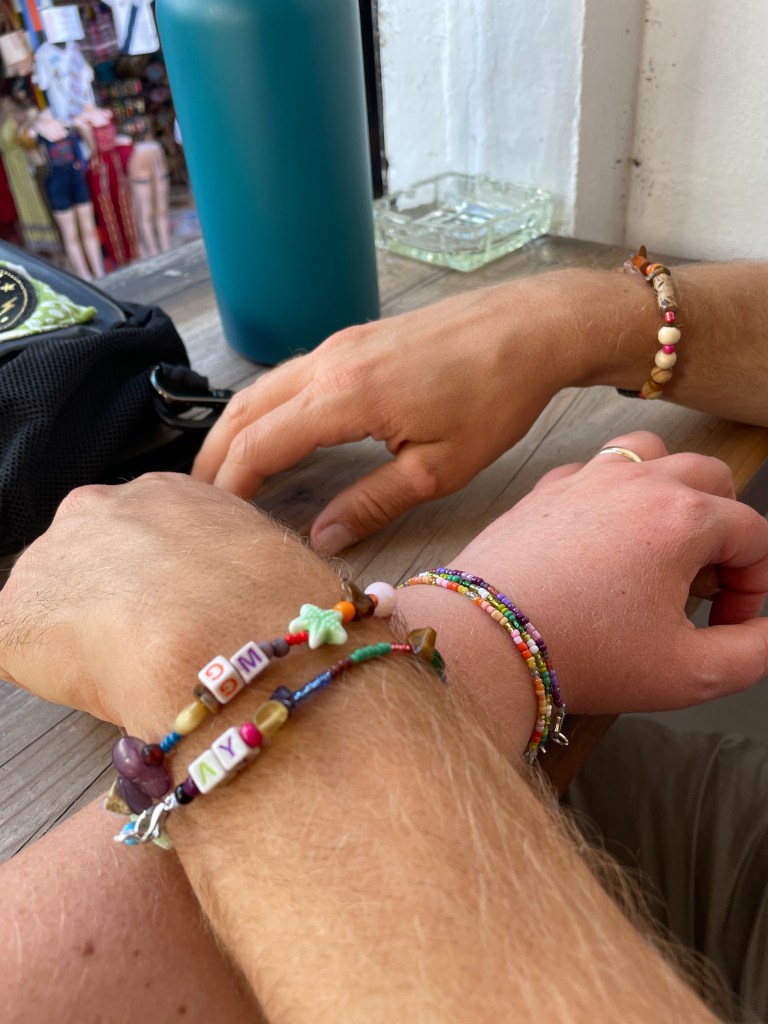
(Yahm knows that you’re thinking. MG? Who is MG? Adam’s not-so-secret lover? Yes! We’re officially coming out as poly!
No, just kidding. It’s a reference to one of his nicknames for me. The other bracelet is supposed to say YA for Yahm-Adam but he accidentally picked up V.)
When we travelled to Santiago D’Atitlàn, the largest town surrounding the lake, we learned that three Mayan languages are spoken across this area: Kaqchikel, Tz’utujil, and K’iche’. Once we knew what to listen for, we heard it everywhere and proceeded to, of course, ask every local who seemed chatty, which of the three languages they spoke. Turns out that in the public school system, children learn English, Spanish, and at least one Mayan language.
The main reason we (mostly Yahm) wanted to go to Santiago D’Atitlàn was the market which occurs every Thursday and Sunday. We didn’t take any photos because it was so chaotic and we didn’t want to get in anyone’s way, but it was overwhelming. Yahm loves open markets (obviously for food but also just to see what’s popular and how people haggle prices), but even she was overwhelmed. It’s didn’t help that she felt like a giant, which is wild since she’s only 5’1″ (1.5m). Besides clothes, both modern and traditional, cleaning products, and random housewares, the produce was mostly uniform between stalls: tomatoes, beans, potatoes, corn, onions, and, surprisingly, lots of peaches and apples. Later we realized that stewed peaches sold in baggies are a lovely afternoon treat to beat the heat and increase blood sugar. Unfortunately, we didn’t get one, but we did try a new fruit. To learn about that, visit Yahm’s corner.
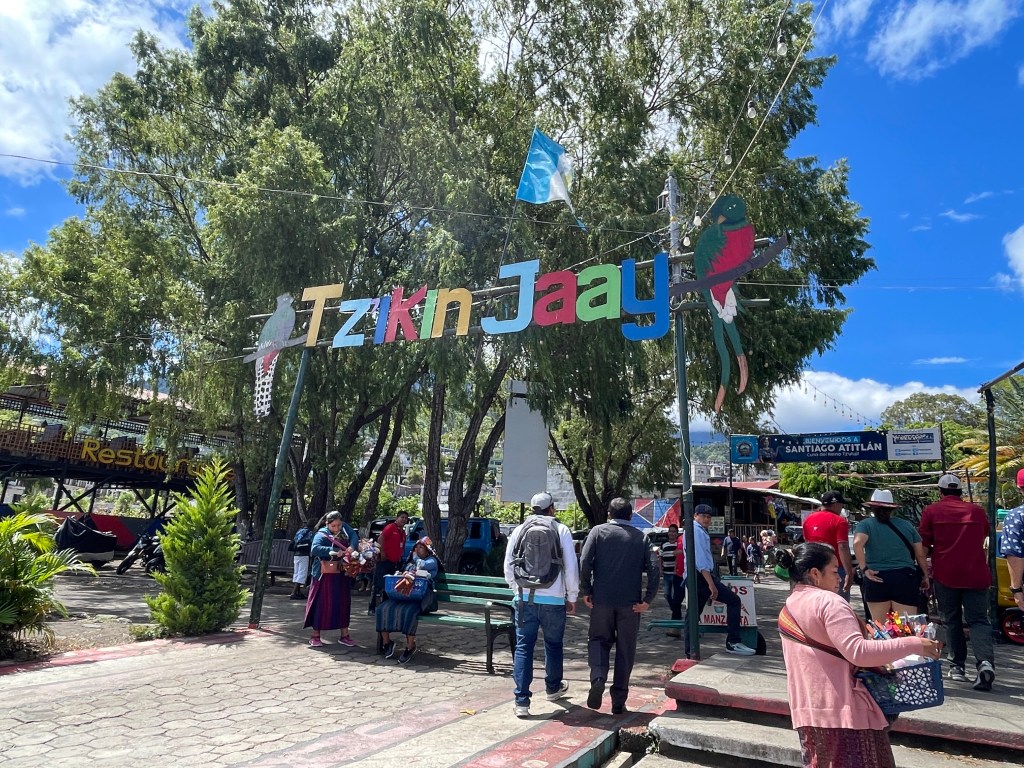
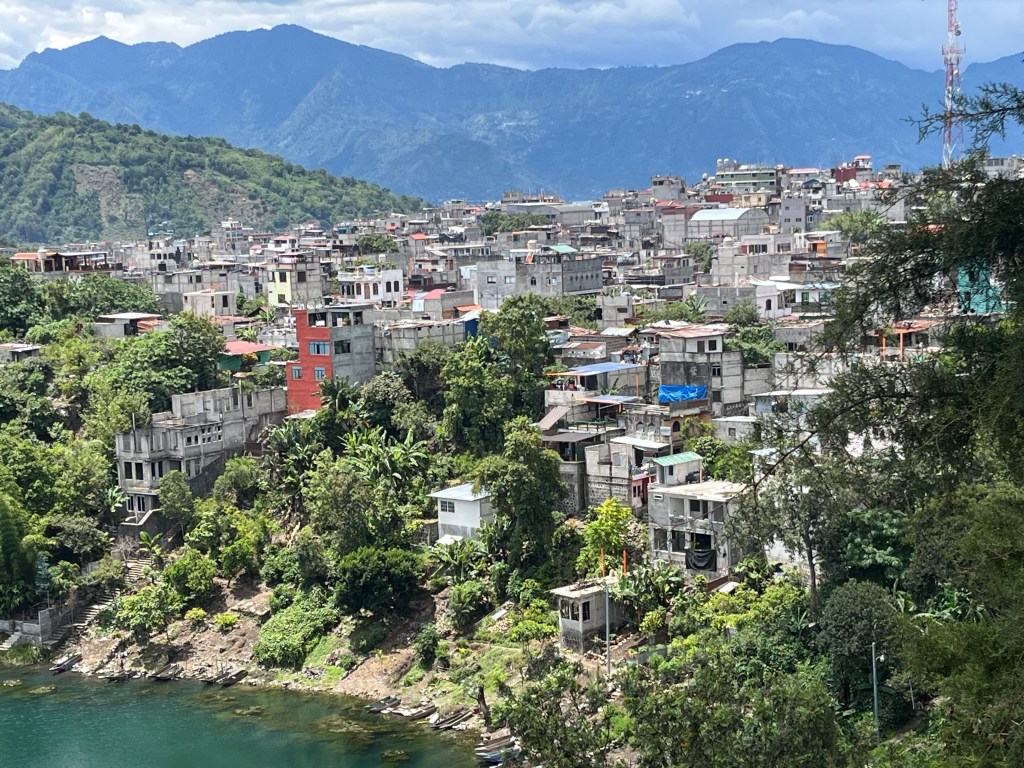
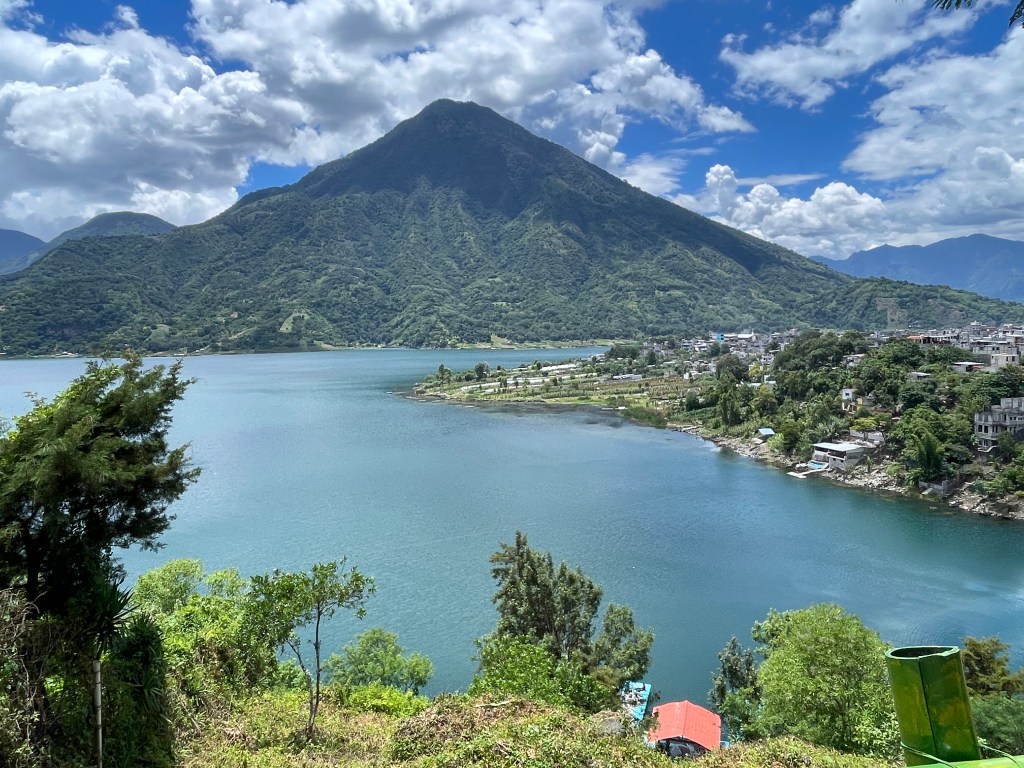
What we did take pictures of, though, were the views:
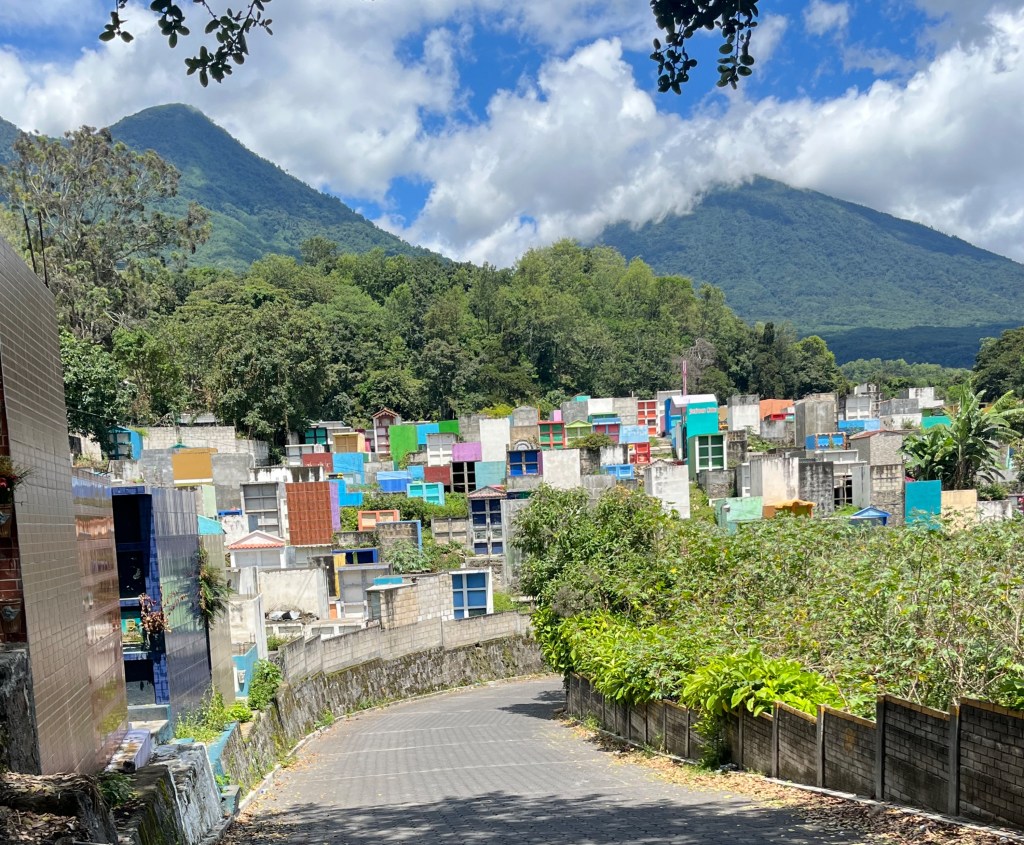
As we explored, we stumbled upon the most colorful cemetery we’ve ever seen:
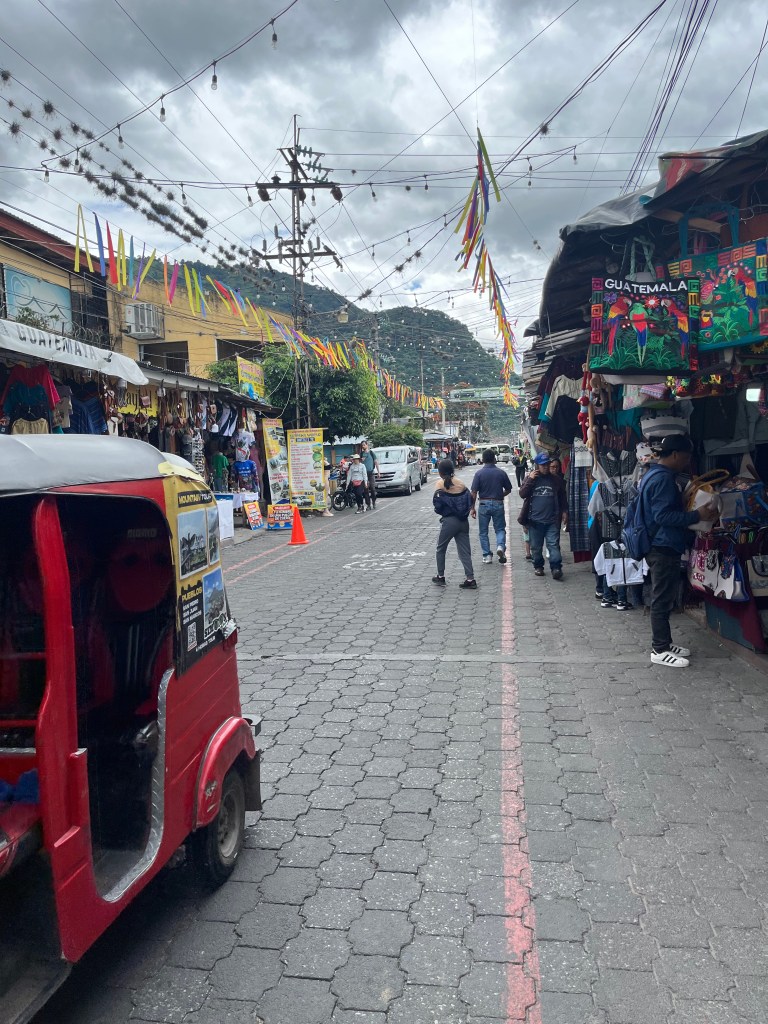
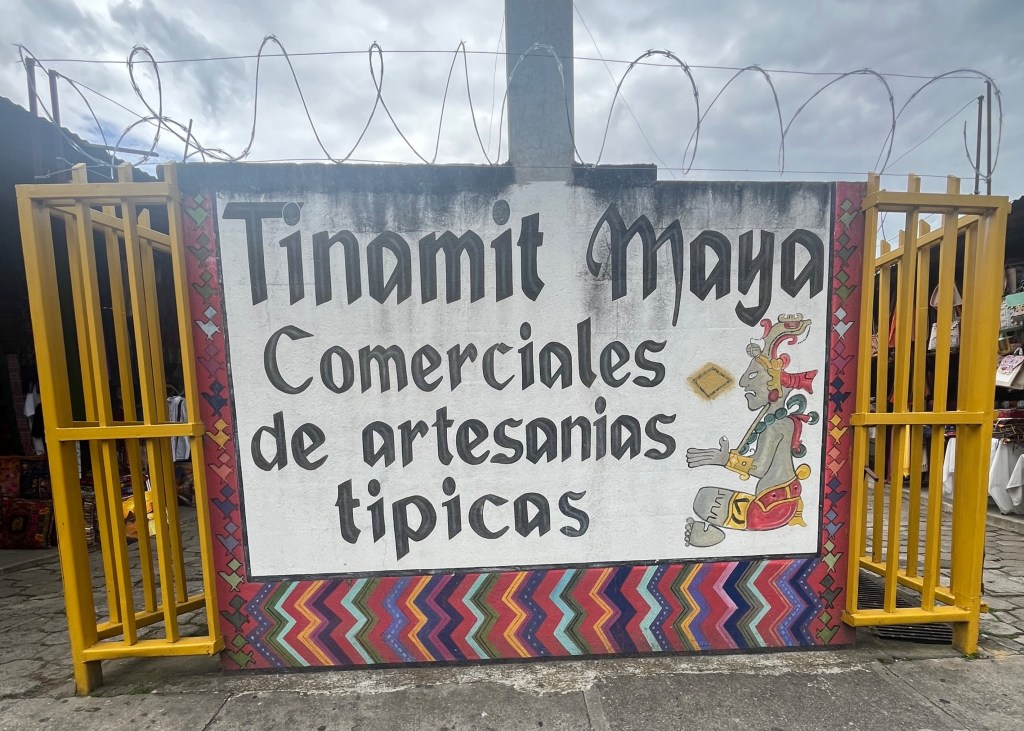
To get to Santa Catarina Palopo, we first took a lancha to Panajachel. As soon as we walked to the main street, we realized that this town is designed for tourists. It is a sizable town with plenty of local areas, but the main drag is catered to international tourists who likely have a little more money than those in San Pedro. The road infrastructure and exteriors of buildings hinted at this. (If you remember from our Antigua post, the exteriors of buildings beguile the lovely interiors.)

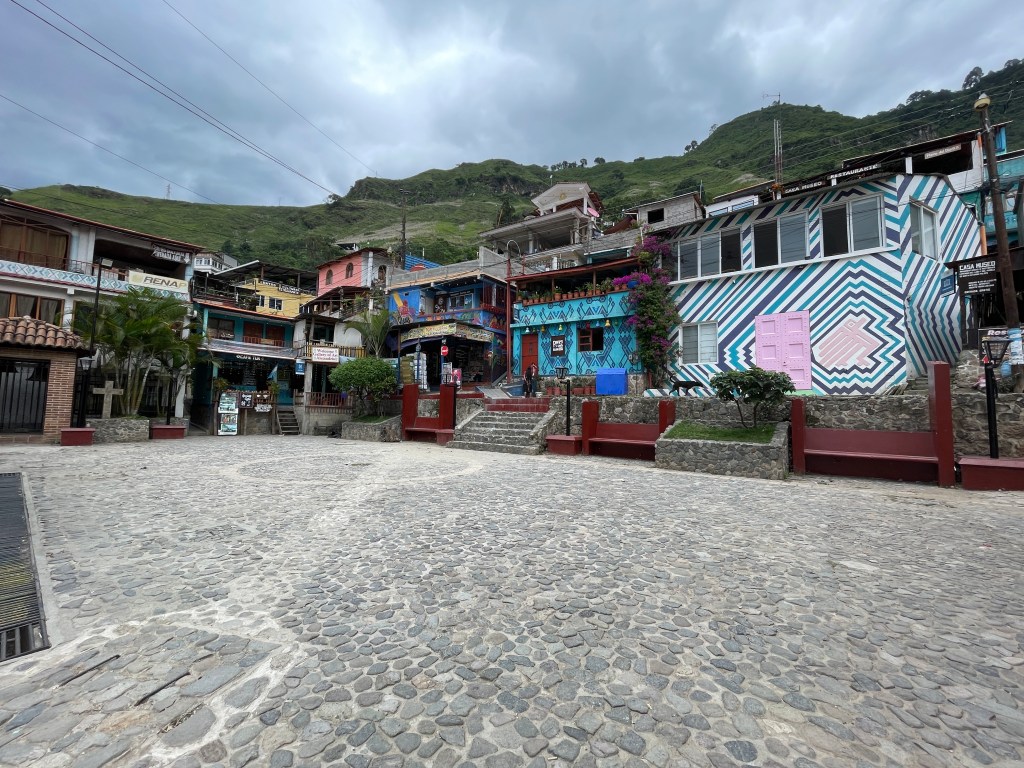
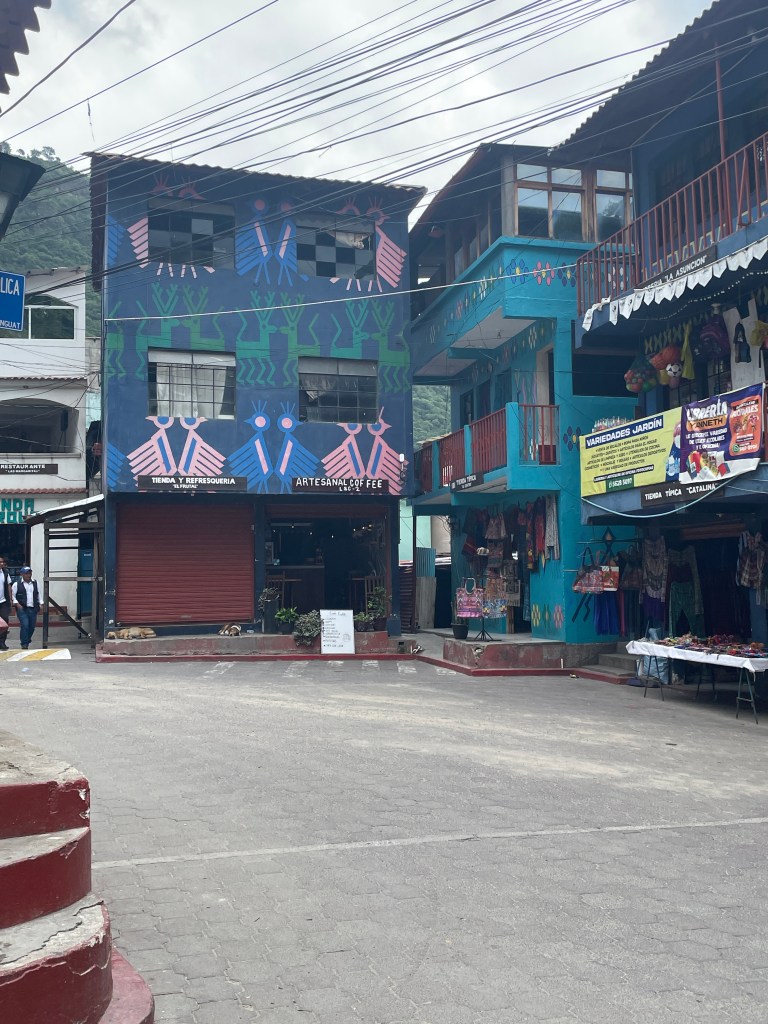
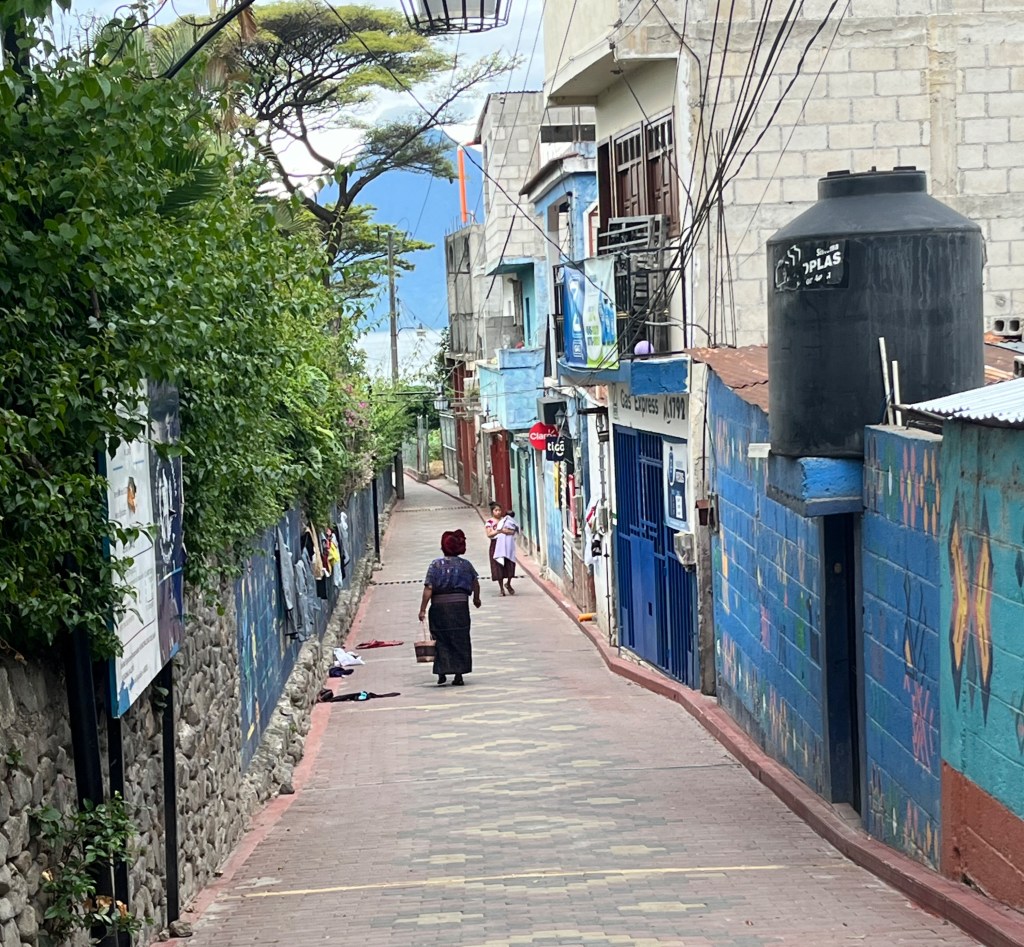
We then took a tuk-tuk to Santa Catarina Palopo to see the blue town. Of the towns we visited, this one had the fewest tourists. When we stopped for lunch, the women working in the comedor (dining room; it wasn’t even a restaurant), was very surprised to see a pair of gringos. There’s not too much going on, but it is very blue and pretty. Of note is the traditional dress that women wear. In each town across the lake, women will weave a different pattern of textile that represents their town. In Santa Catarina Palopo, even the traditional garb is blue.
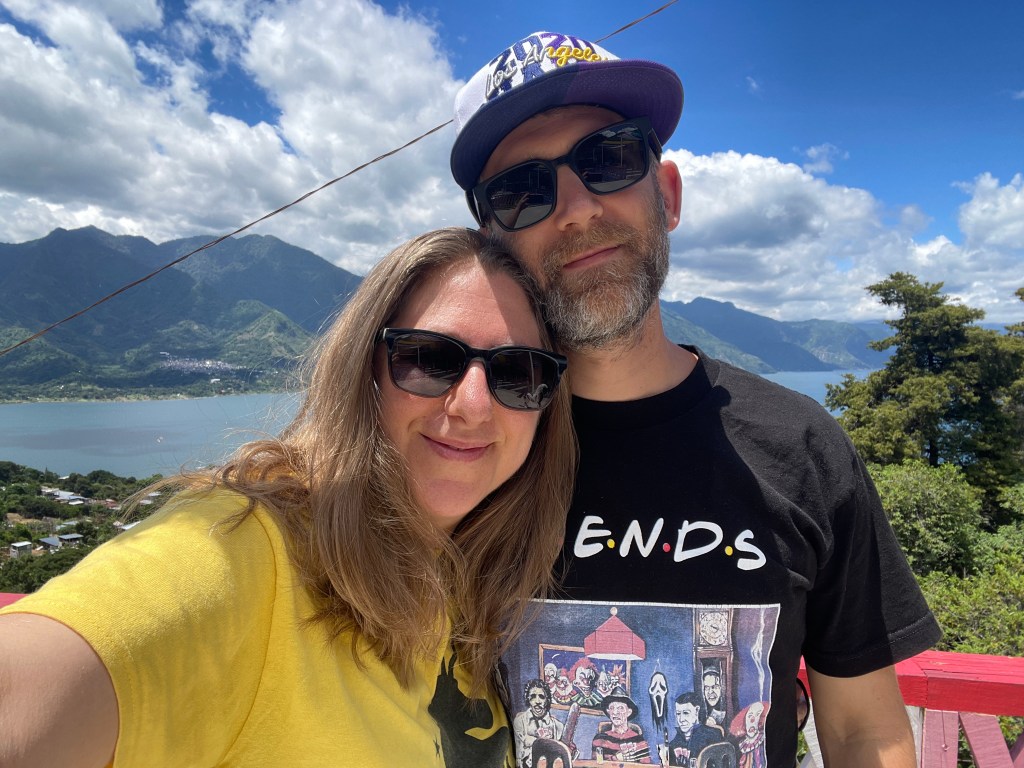
After four days of exploring, we spent our final day traveling back to Guatemala City so that the next day, we could fly to Flores, in the north. (The other option was a 15-hour bus ride and neither one of us have the patience for that much sitting.) For now, we leave you with one more cutesy selfie, until the next post en nuestro gran viaje (on our great journey).
Be sure to like, comment and subscribe to Traveling While Introverted so you don’t miss our next post!

 Traveling While Introverted
Leave a comment