Guatemala is truly a country of lakes. Along with volcanoes and mountains, this country features 23 major lakes and over 110 smaller lagoons. Of all of its lakes, none is more famous and perhaps none more beautiful than Lake Atitlàn.
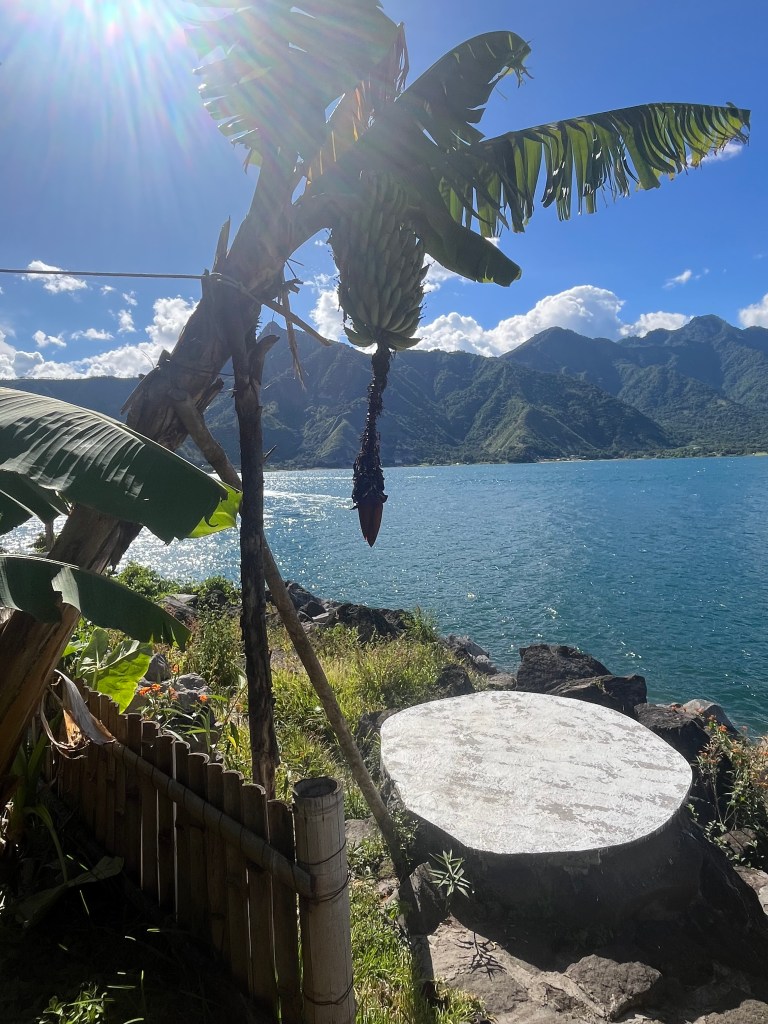
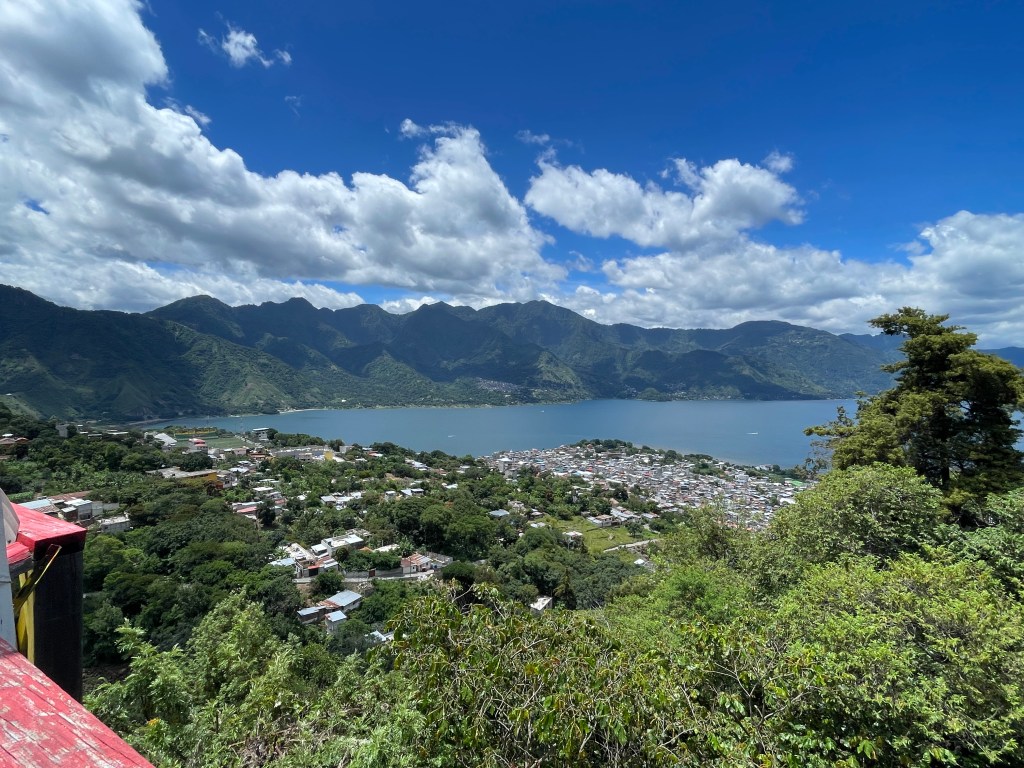
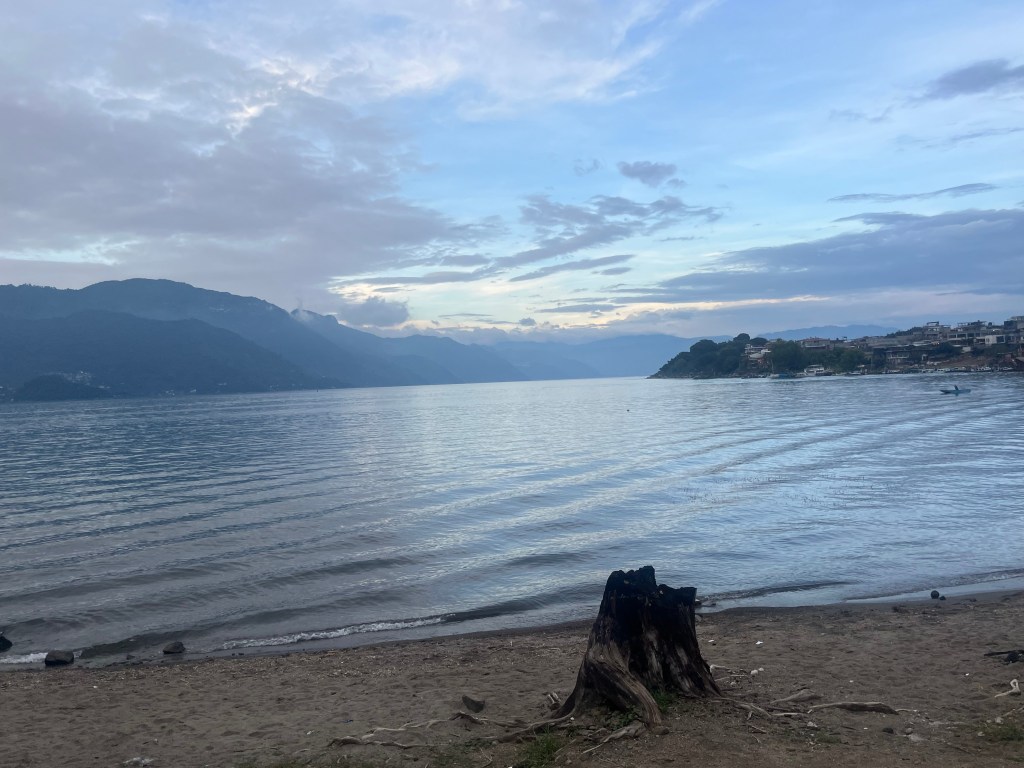

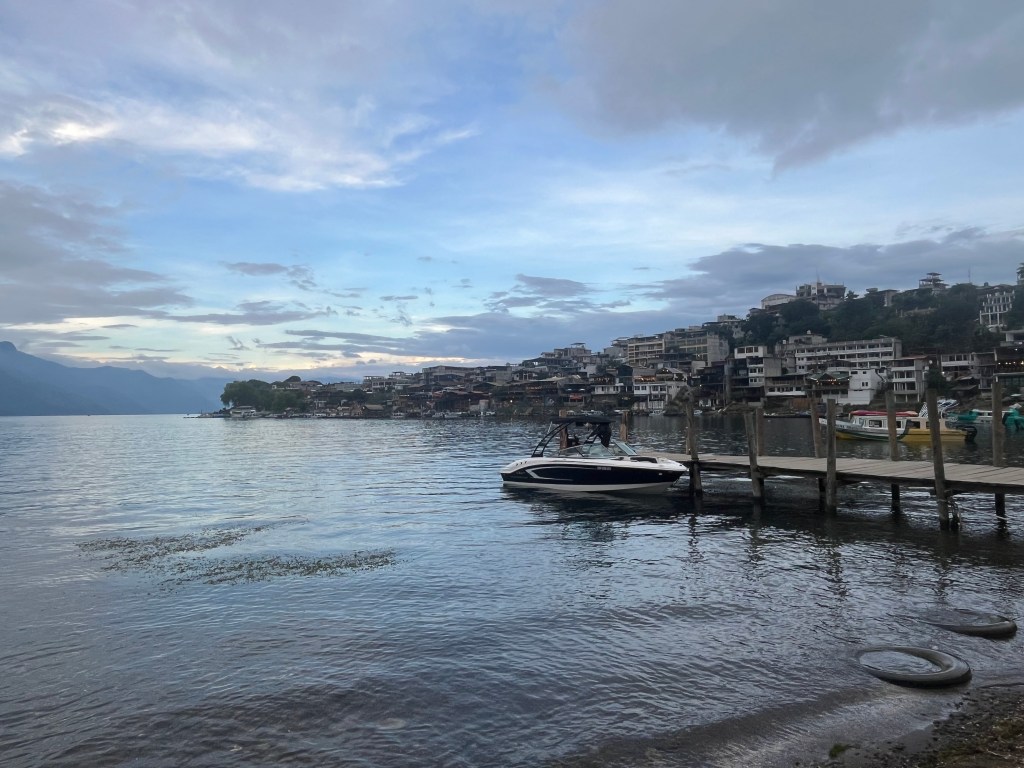
Don’t take just my word for it. German explorer and naturalist Alexander von Humboldt called it “the most beautiful in the world”. English philosopher and writer Aldous Huxley once noted that Atitlàn “[picturesque like Italy’s Lake Como] with additional embellishments of several immense volcanoes. It really is too much of a good thing.” The name Atitlàn has its origins in Nahuatl language and means the water in between. In between what you may ask? Between three volcanoes (Atitlàn, San Pedro, and Tolimàn) that frame the lake and add to the stunning landscape in this part of the country.
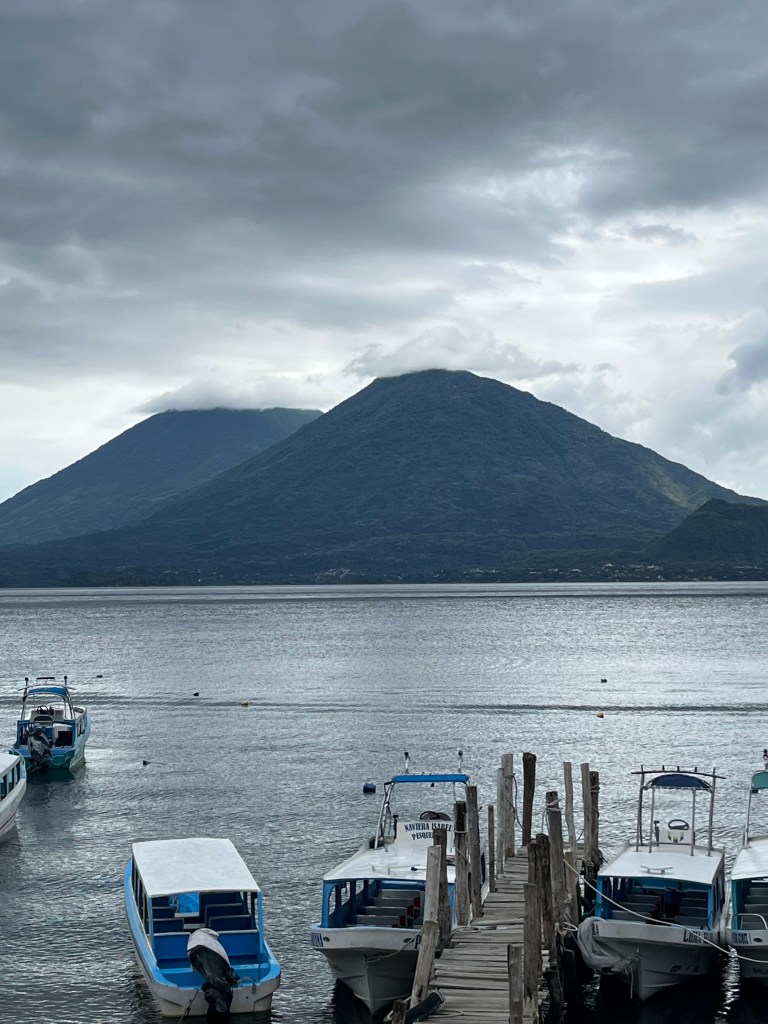
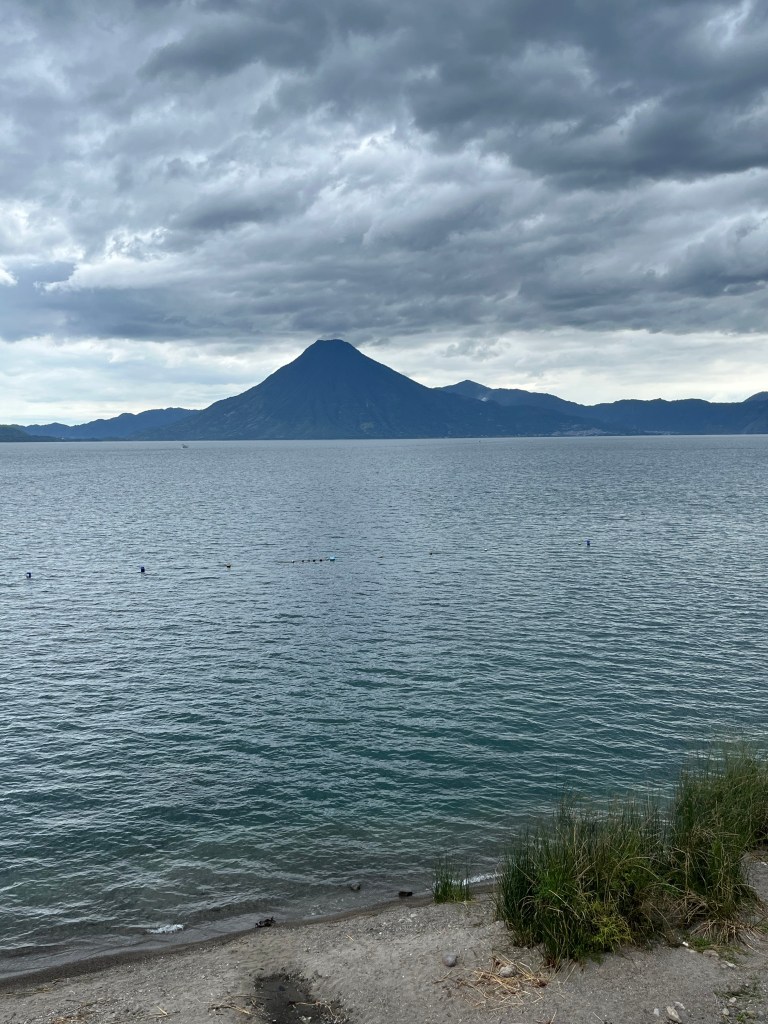
Like so many of the lakes within Guatemala, the seismic activity (earthquakes and volcanoes) created huge calderas and depressions in the earth which filled with water or were filled by rivers. Lake Atitlàn was formed by a super volcanic eruption over 79,000 years ago that resulted in a caldera that filled with water. The result is that this endoheric lake (fed by two rivers but not draining into an ocean) is the country’s third largest lake, and the deepest in all of Central America (maximum depth of 1,120 feet [340 meters] and an average depth of 505 feet [154 meters]). The mountains and the three volcanoes that surround it contain 800 different plant species (61 of which are found nowhere else in the world), 116 species of amphibians and reptiles (12 of which are found nowhere else in the world), 141 mammal species (7 of which are found nowhere else in the world) and 236 bird species ( 12 of which are found nowhere else in the world). The highlands around the lake also contain some of the highest percentages of threatened and endangered species in the country. The government set up conservation zones to protect the forests and hills as reserves and to provide refuge for species that have seen declines due to habitat loss and poaching in other parts of the country. (See more about wildlife around the lake here).
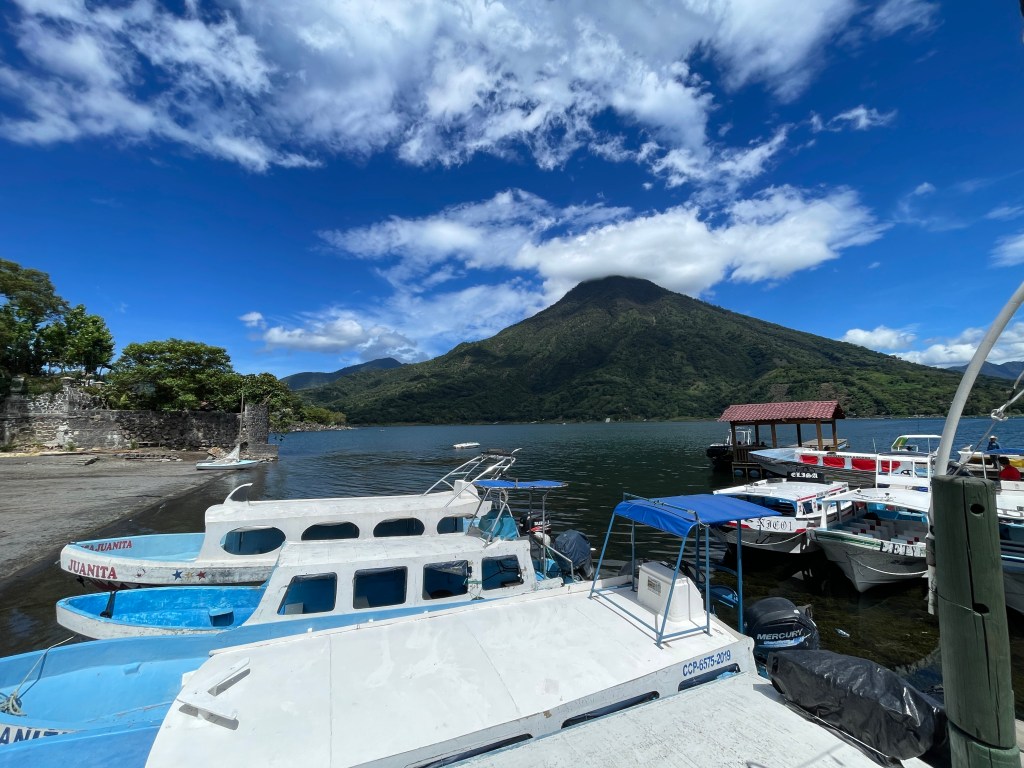
Unfortunately, Yahm and I did not do as much exploring of the highlands and forests surrounding the lake, and mostly explored the 11 towns that surround it. The towns in this region are influenced by the Mayan culture and many of the country’s indigenous peoples live around the lake, which adds to its beauty. Read about in our main blog post. We did take advantage of using the main form of transport between towns for both tourists and locals: lanchas! These long single-motor boats are the taxis of the lake, carrying people and goods from town to town. There are roads that traverse the steep mountainous terrain between most towns, but they can take much longer to move goods and people than lanchas. Some towns are only accessible by boat. It took some getting used to at first, but by our second day in the area, we loved taking them.
The clear blue waters truly shimmer when you are in a lancha. Sitting inside these surprisingly roomy boats, there are opportunities to mingle with foreign tourists as well as locals taking their kids to and from school or going to work. The captain plays music and the dockman bobs with along while hitching a ride on the boat’s roof to the next town.
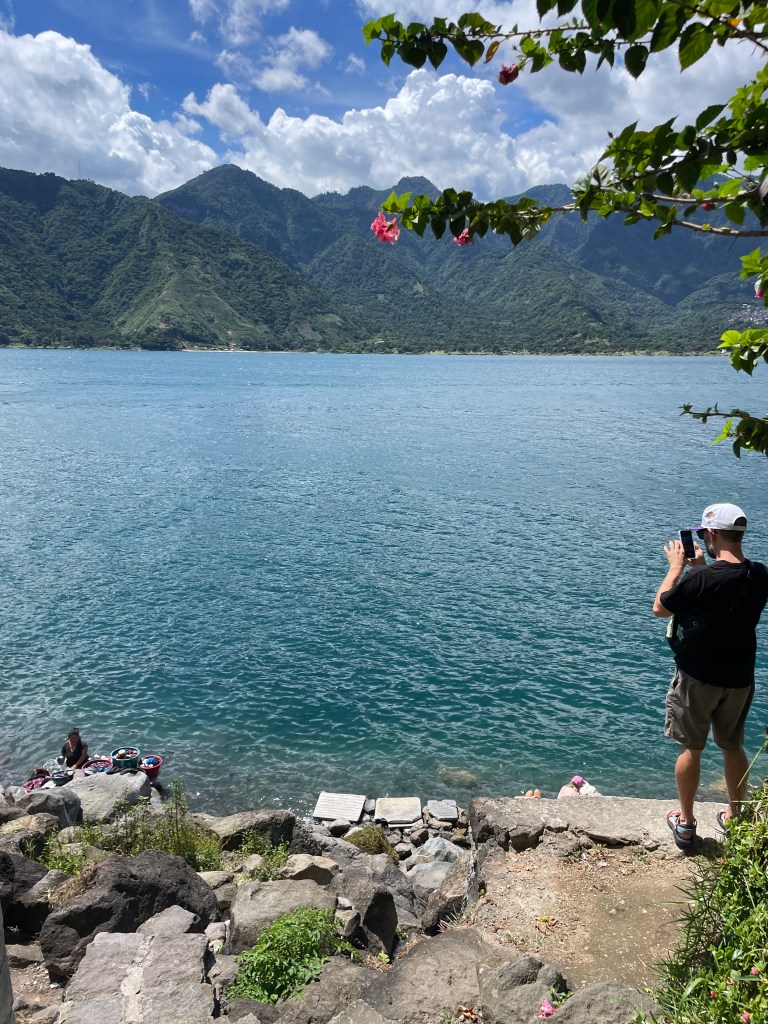
Before signing off on this chapter, I would be remiss not to mention that the lake has seen an unfortunate decline in water quality, which affects the livelihood of the many people who rely on it for food. Water pollution as a whole is an issue in Guatemala due to a variety of factors (more on that here). Lake Atitlàn’s decline in water quality is due to pesticide use, inadequate sewage systems, and the influx of trash and cooking oil. It was common to see trash along the lake shore in many places. Warming lake temperatures due to global warming have also impacted the water quality (see here). However, it was also common to see locals taking pride in cleaning up around the lake and the B’atz family, whom we stayed with while in the region, were serious about ensuring that different waste (compost, recycling, general trash) were sorted correctly into different buckets. The people, for their part, are trying to help their lake.
The Lake Atitlàn region is a unique part of an incredible country. If you decide to travel to Guatemala, do not miss out on exploring this lake and its wonders. That’s all for now. In the next chapter, we will share our experience of spending time in Guatemala’s low-lying and humid north, specifically around Flores. Until then!
Be sure to like, comment and subscribe to Traveling While Introverted so you don’t miss our next post!
 Traveling While Introverted
Leave a comment