From the Monteverde area, we headed northwest to the Pacific Coast of Costa Rica, specifically the Tamarindo area.
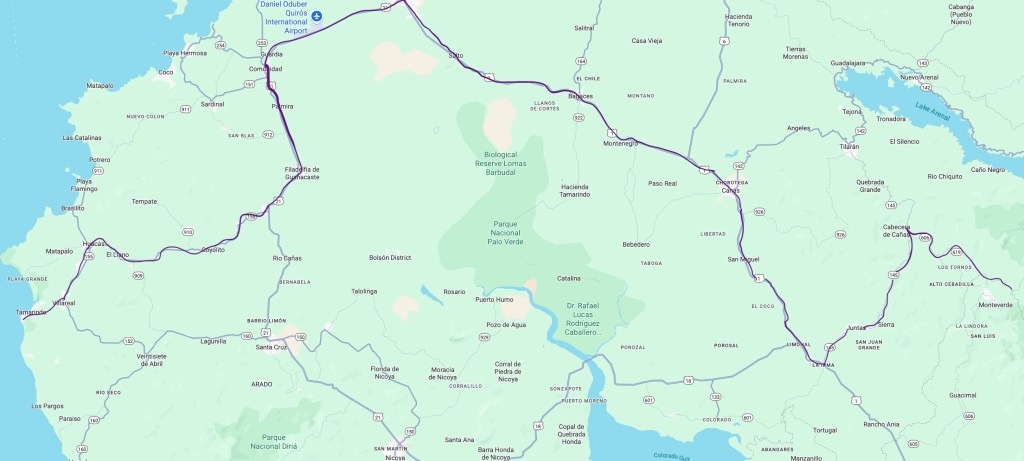
As shown in the map above, our journey took us along Route 619/606 north (much of which was rugged and winded through cattle fields and rural homes off the beaten path). We then met Route 145 (a mixture of paved and non-paved road and incredibly narrow bridges) and veered south to meet Highway 1: the Pan-American Highway’s Pacific Route, which I detailed as a road in my last post. The 1 was the best paved and widest road we traveled on. We took Highway 1 into the city of Liberia one of the largest cities in Costa Rica. From there we veered off it and onto Route 21 and eventually onto Route 155 which took us into Tamarindo.
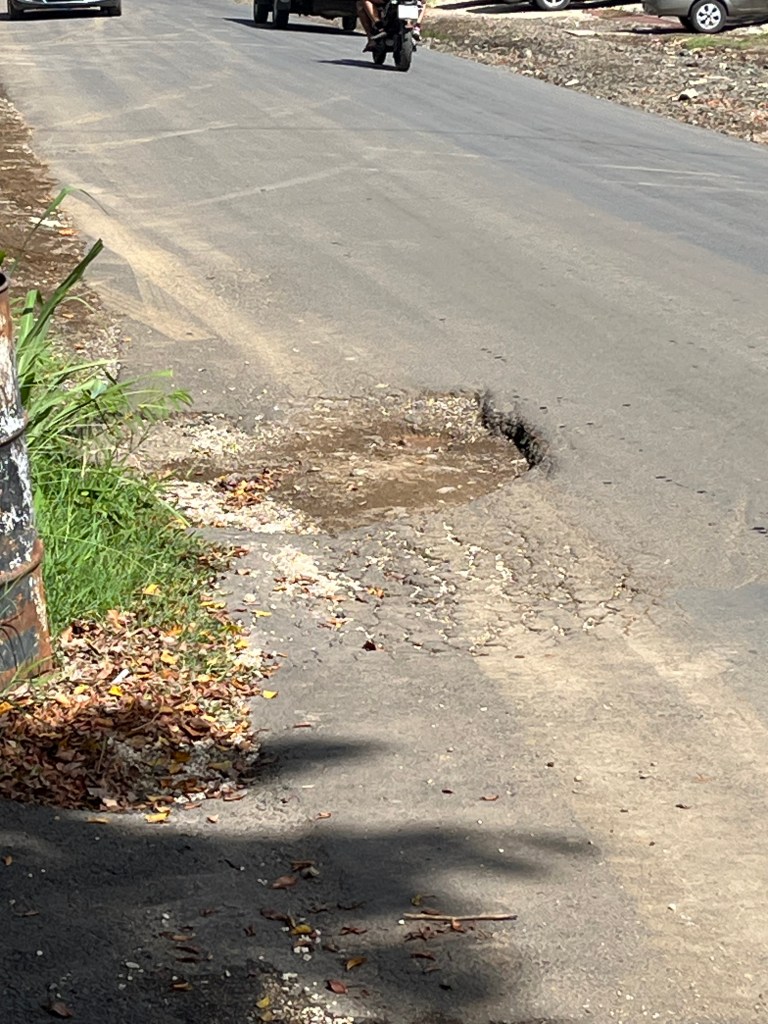
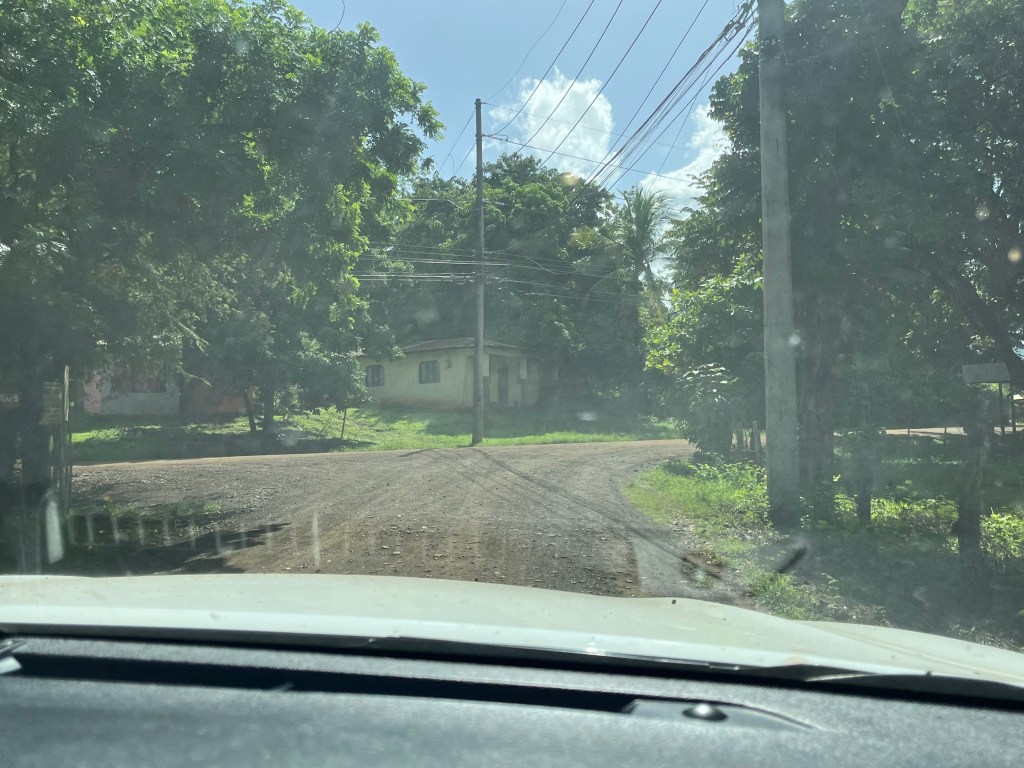
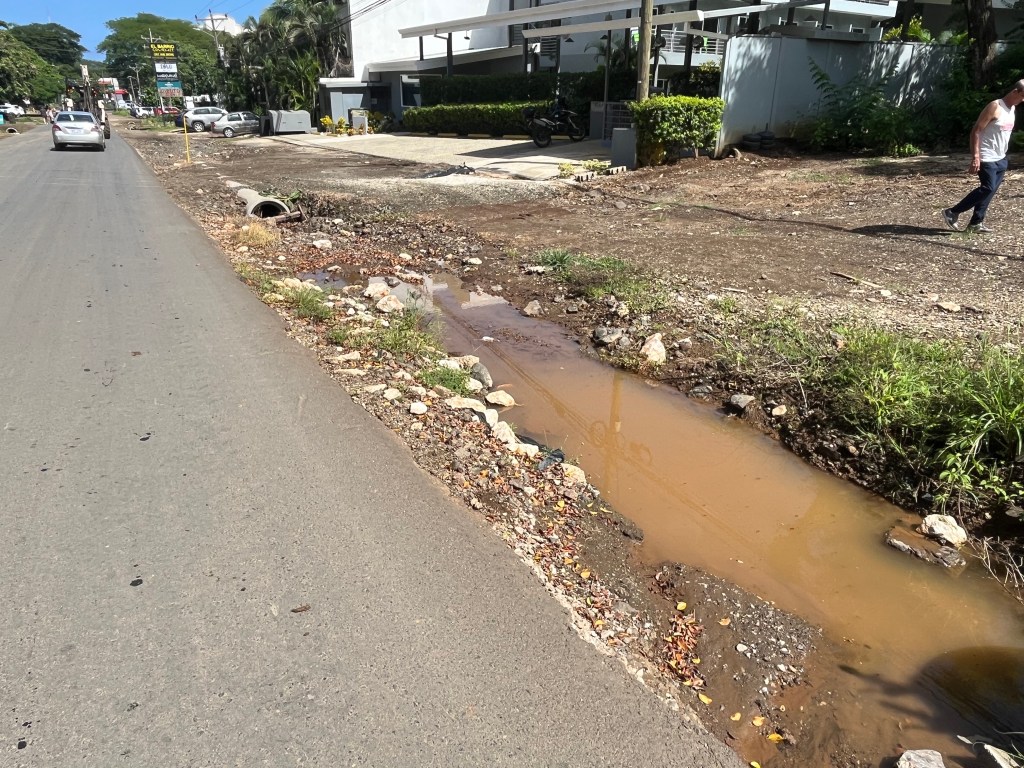
These last two roads were pretty well-paved as so many tourists and ex-pats will fly in and out of Liberia’s main airport (which also happens to offer international flights to specific locales at certain times of year). The pictures and videos offer more detail as to the state of roads and roadside infrastructure in Costa Rica.
Northwestern Costa Rica hosts one of the largest intact mangrove forests in both the country and Central America. The Tamarindo Estuary is located within Marino Las Baulas National Park. An estuary is a partially enclosed body of water, generally consisting of brackish water (half-salt, half fresh water), fed by one or more streams or rivers. It is a transition zone between rivers and the ocean.
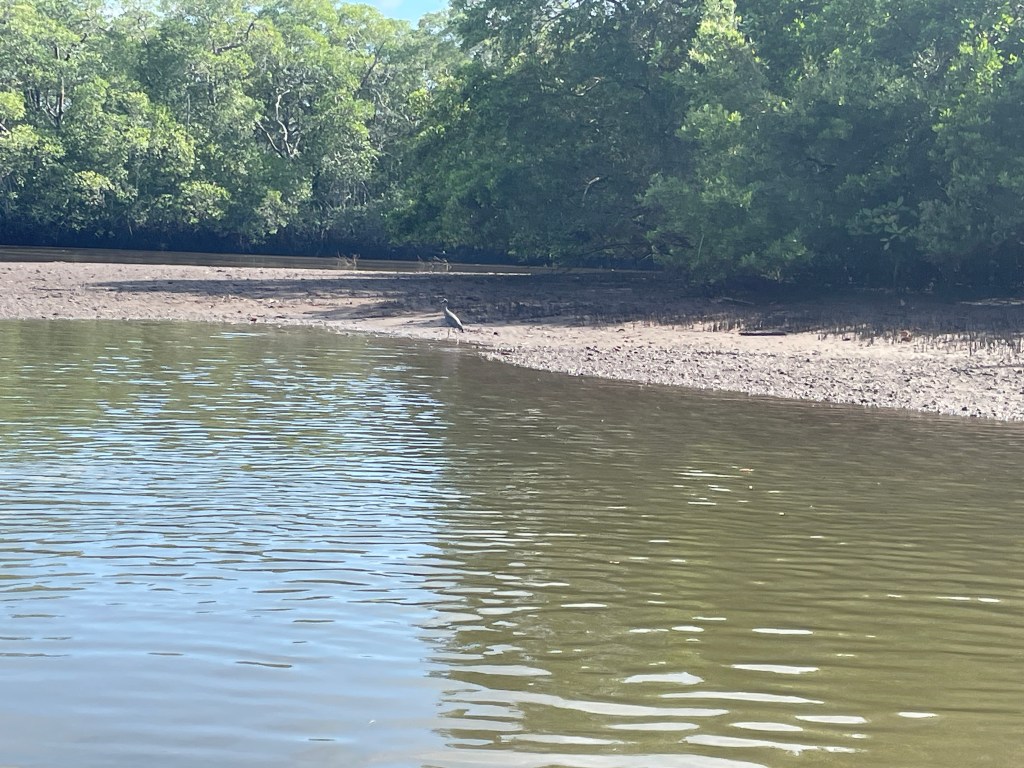
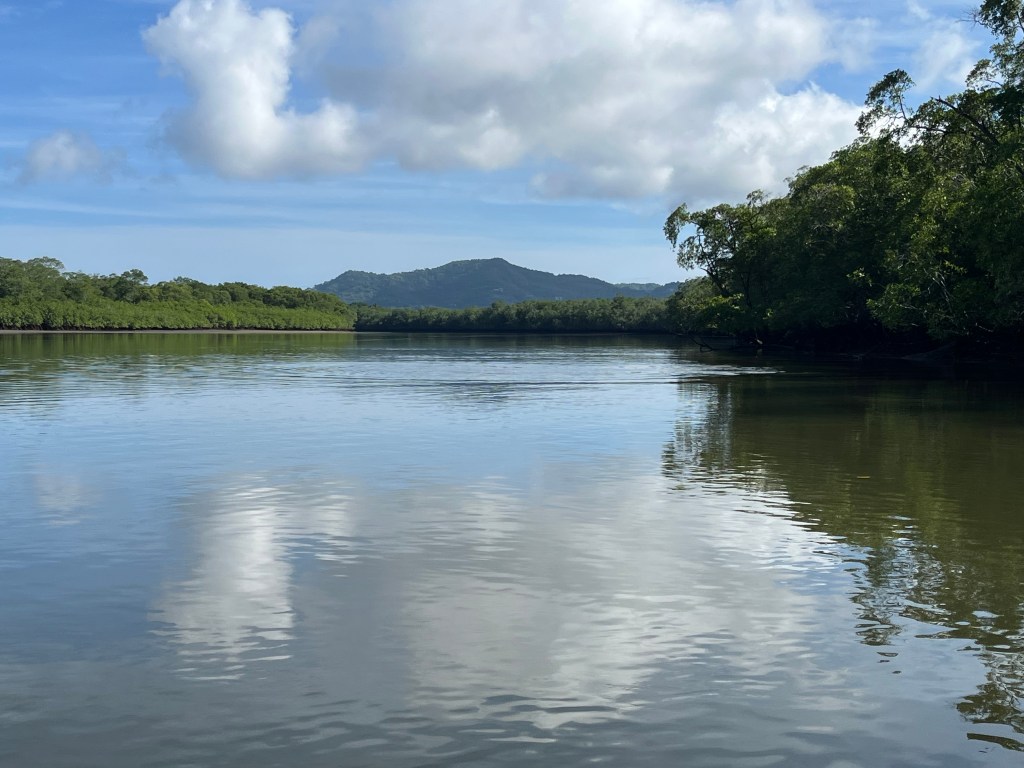
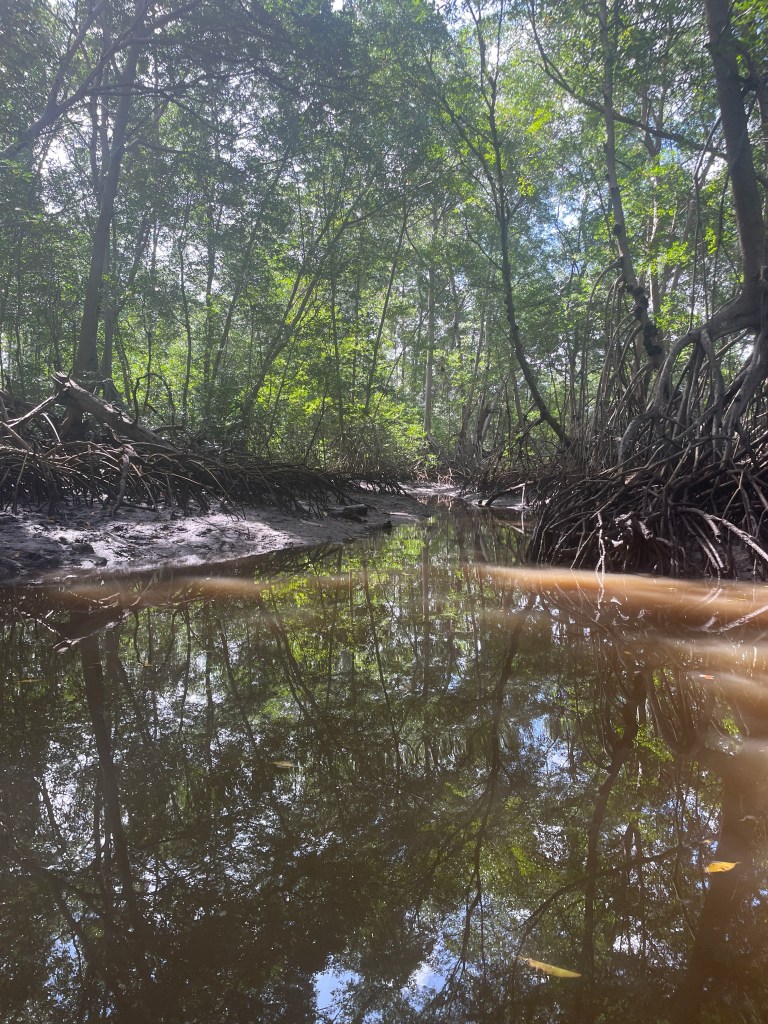
In the tropics and subtropics, estuaries can host mangrove forests which are some of the richest and most unique ecosystems on the planet. Mangroves are trees that can withstand brackish water, which can have a salt content of almost 95. Most trees die if the salt content of water is that high. Their long roots are capable of expelling salt water from their pores, which helps them survive in low-oxygen environs. Their roots make them look like they are walking on water, giving them a distinct look among their arboreal peers.
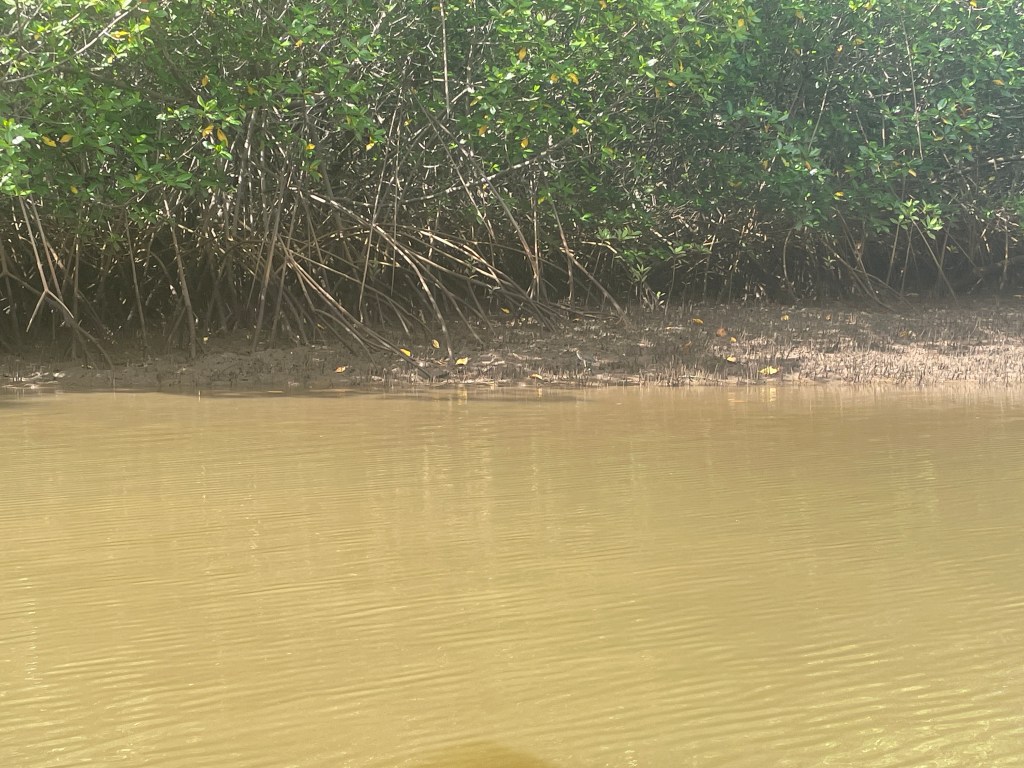
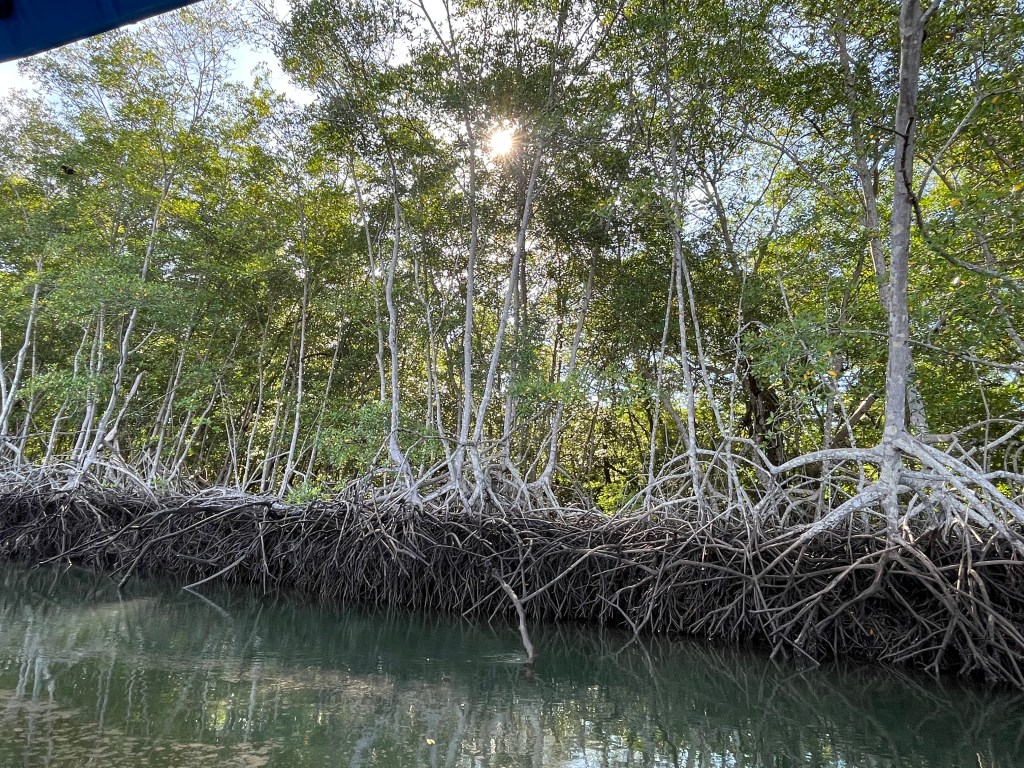
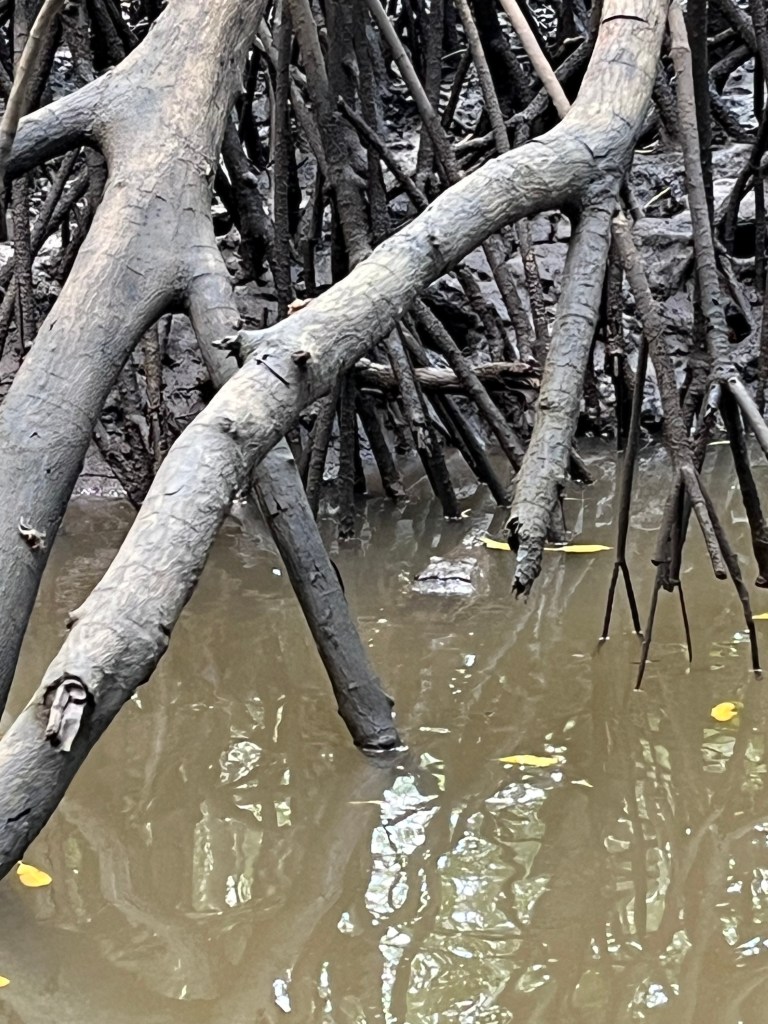
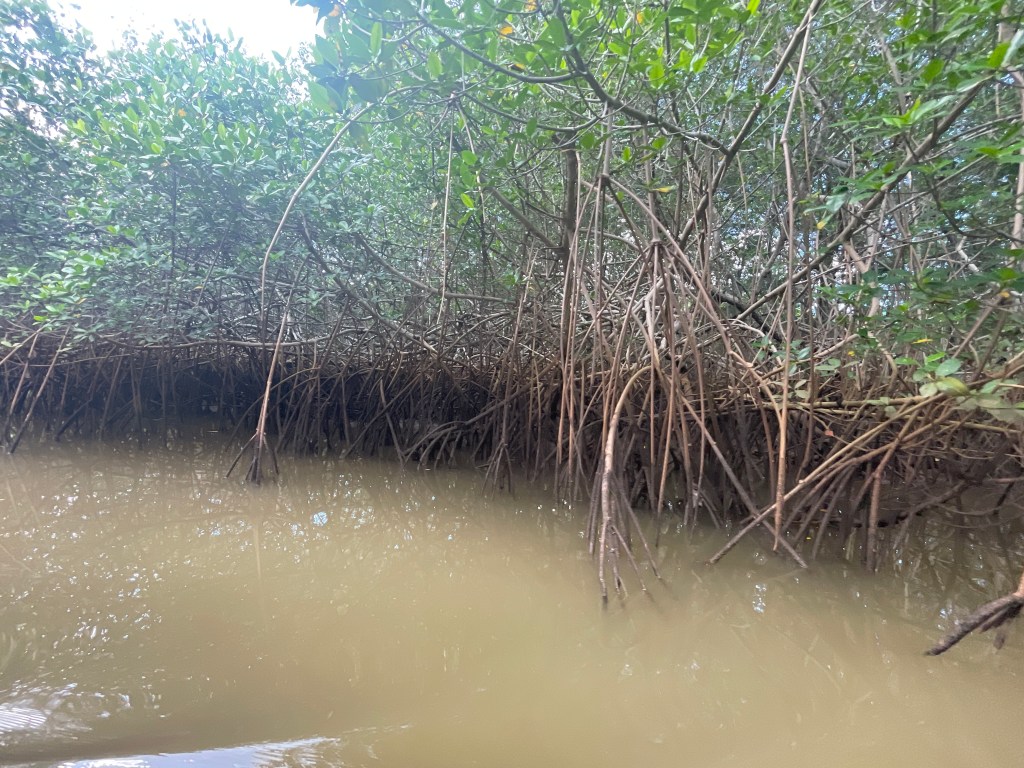
Mangroves and the forests they create punch above their weight as far as impact on the planet. They are some of the most efficient and prolific carbon dioxide storage ecosystems, and conversely some of the biggest oxygen producing environs on Earth. Their roots hold onto sediment and provide a barrier during hurricanes and tropical storms to limit flooding and storm surge and prevent soils from washing out to sea. Their tangled roots also provide a wealth of habitat for a rich diversity of terrestrial and marine creatures. These forests serve as a nursery for young fish and crustaceans before they get old enough to move out to the open ocean. Unfortunately, they are among the most threatened ecosystems on the planet: around 35% of the globe’s mangrove forests are estimated to have been cleared or degraded. Mangrove forests have been cleared or degraded at an average rate of 2% per year since the 1980s.
Marina Los Baulas National Park, the estuary we visited, is a Ramsar site. Signed in 1971 in Ramsar, Iran as part of the Convention of Wetlands, Ramsar sites are special, large and intact, or unique wetlands designated by UNESCO in order to ensure their protection and existence for future generations. While there were issues with trash and pollution in the estuary as a result of upstream pollution sources and a lack of proper waste infrastructure in Costa Rica, this was a relatively healthy and fully intact biome with lots of wildlife. Our wonderful guide and boat driver took us deep into the forest. We only saw a small portion of the park’s 55,500 acres!
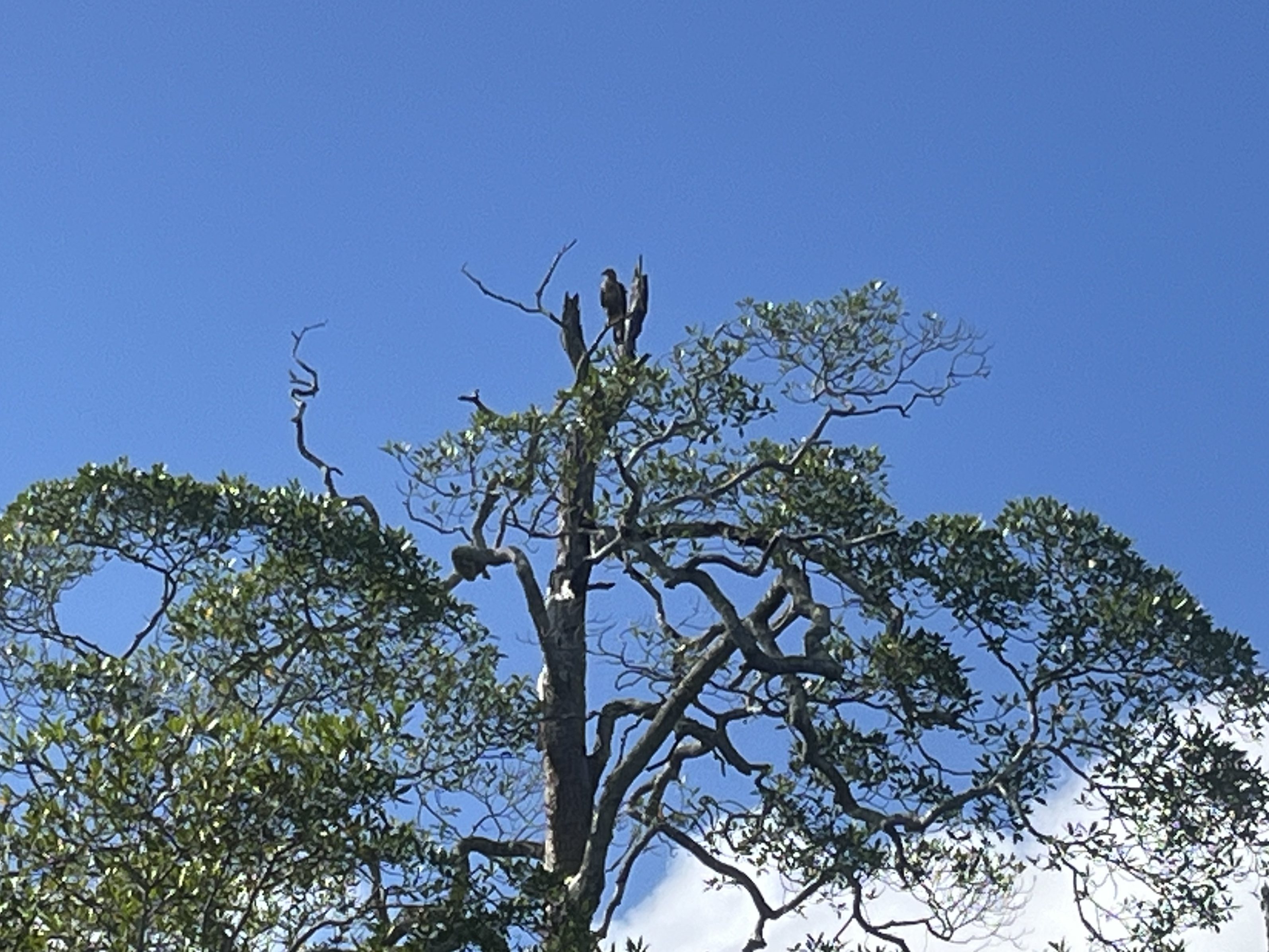
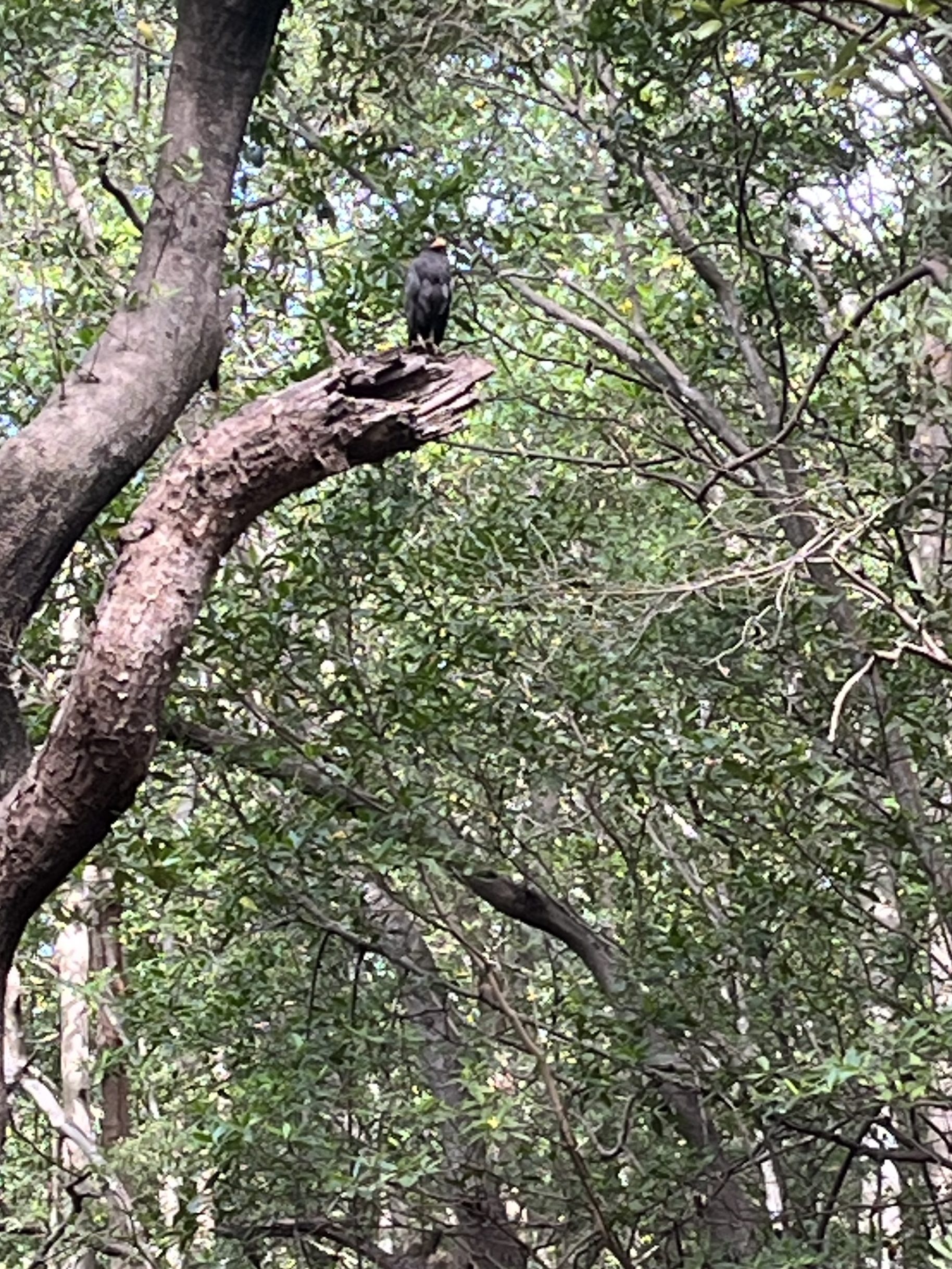
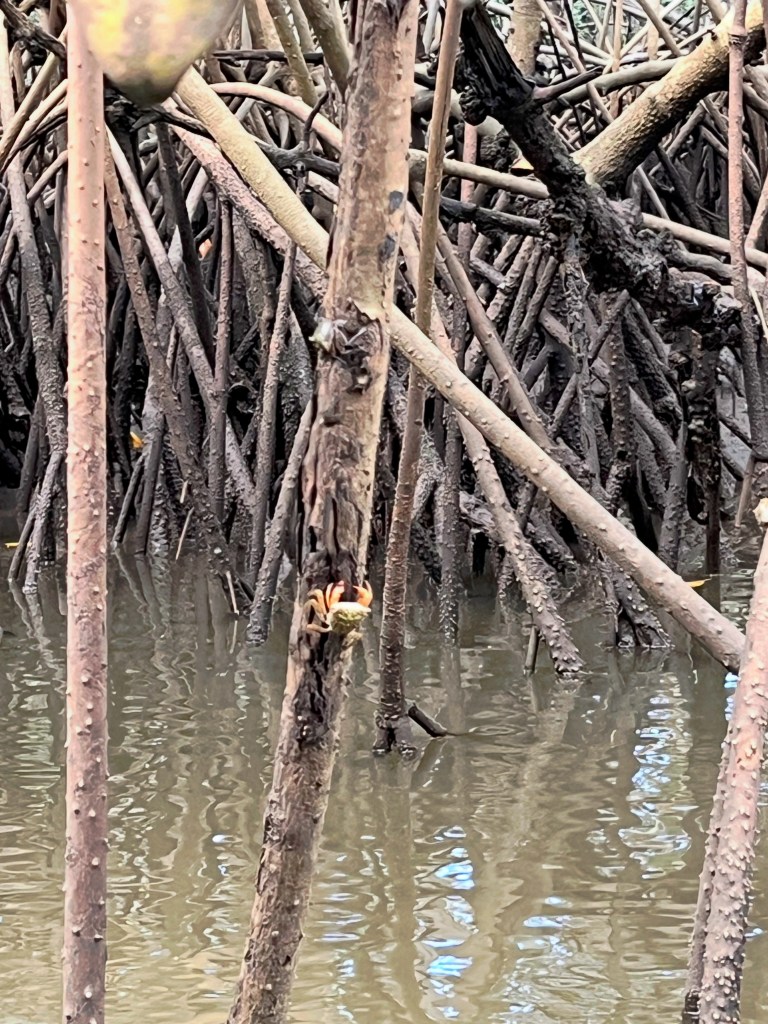


Besides a lot of bird life, we glimpsed a Crab-eating raccoon. No photographs, though, because he bolted before anyone could take one. The star of the show was the American crocodile, one of two crocodilian species in Costa Rica and by far the largest. We found a juvenile wading near the shore and our guide took the boat in for us to get a closer look.

It was a thrilling experience! The guide eventually docked the boat and let us walk through the forest for about 20 minutes. While we walked we saw a lone female Mantled howler monkey eyeing our tour group.
The magic of the estuary and the mangroves will be something Yahm and I treasure for sometime.
The estuary tour was not the only way we got to engage and see local wildlife, true to the nation’s signature phrase, Pura Vida, Costa Rica allows you to have special wildlife experiences even when you are not in a national park or reserve. While we have been house and dog sitting over this last week, we have already seen some awesome critters.
Be they Black vultures…
Iguanas that munch on grass in your yard…
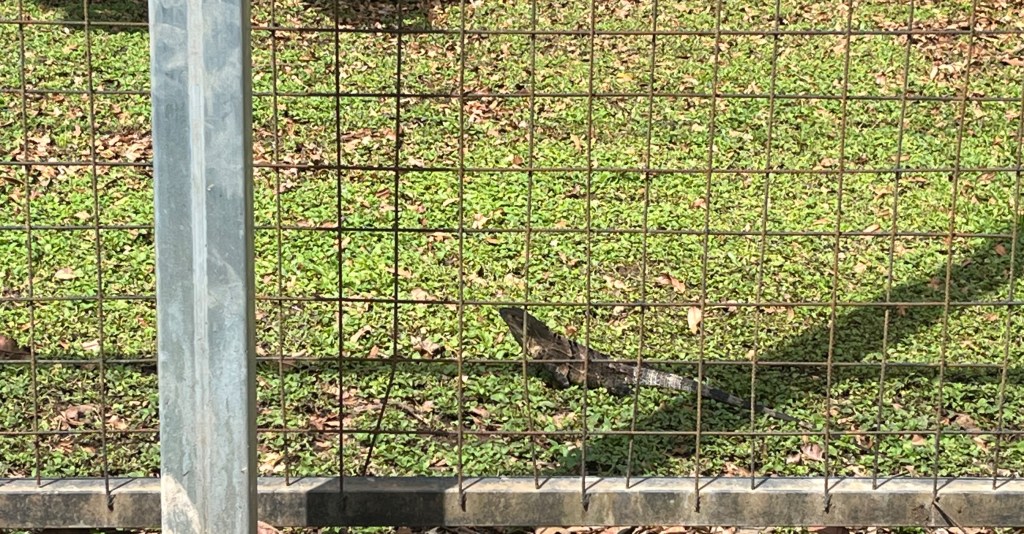
Or sun themselves in the tress while you are drying laundry…
Not to mention other lizards that like to make their presence known while you are doing chores around the house…
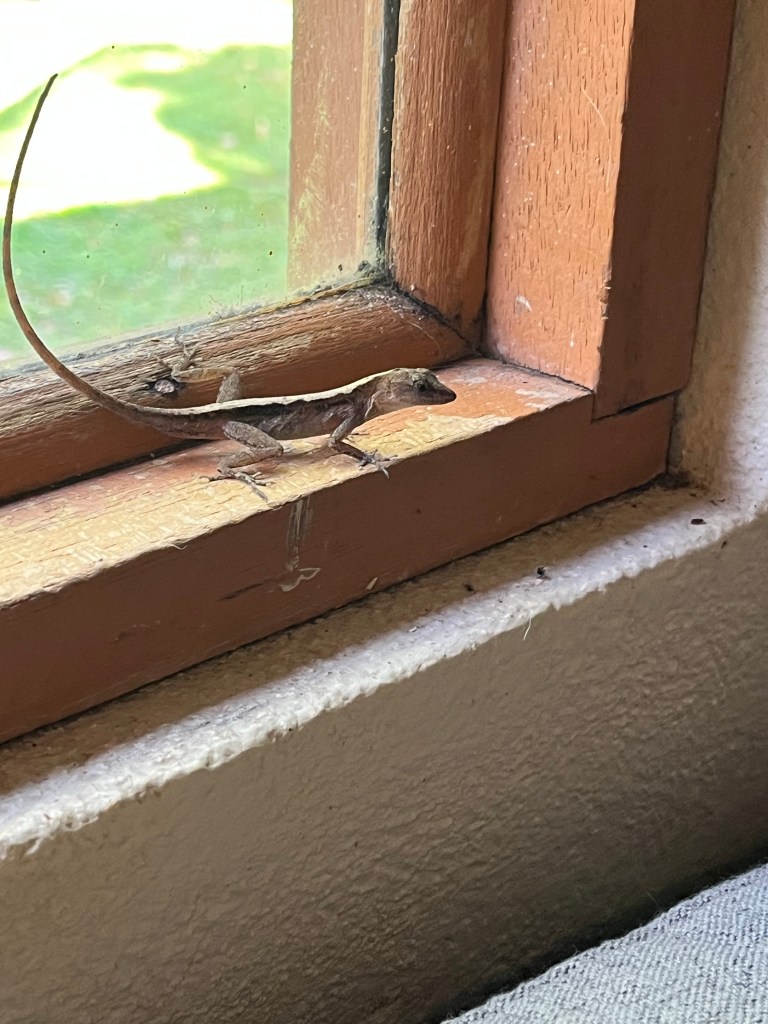
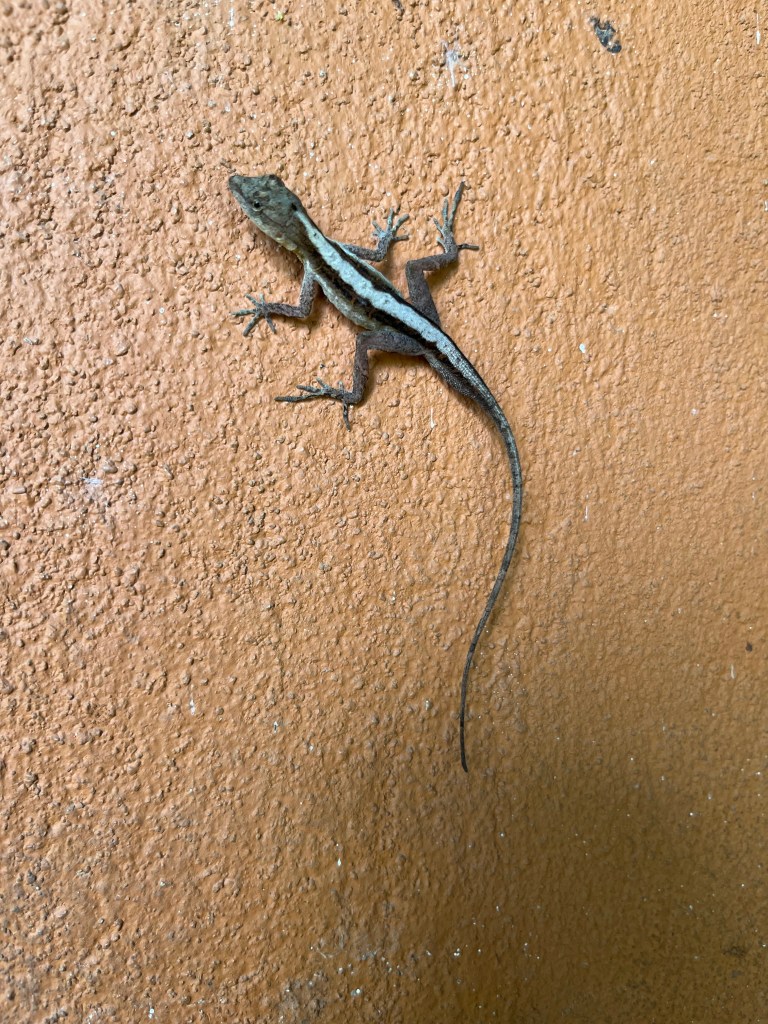
And, as in so much of the global tropics, geckos living in your home offer an amazing pest control solution…

In general, you will run into wild mammals like Variegated squirrels or arthropods like tarantulas and millipedes wherever you roam.
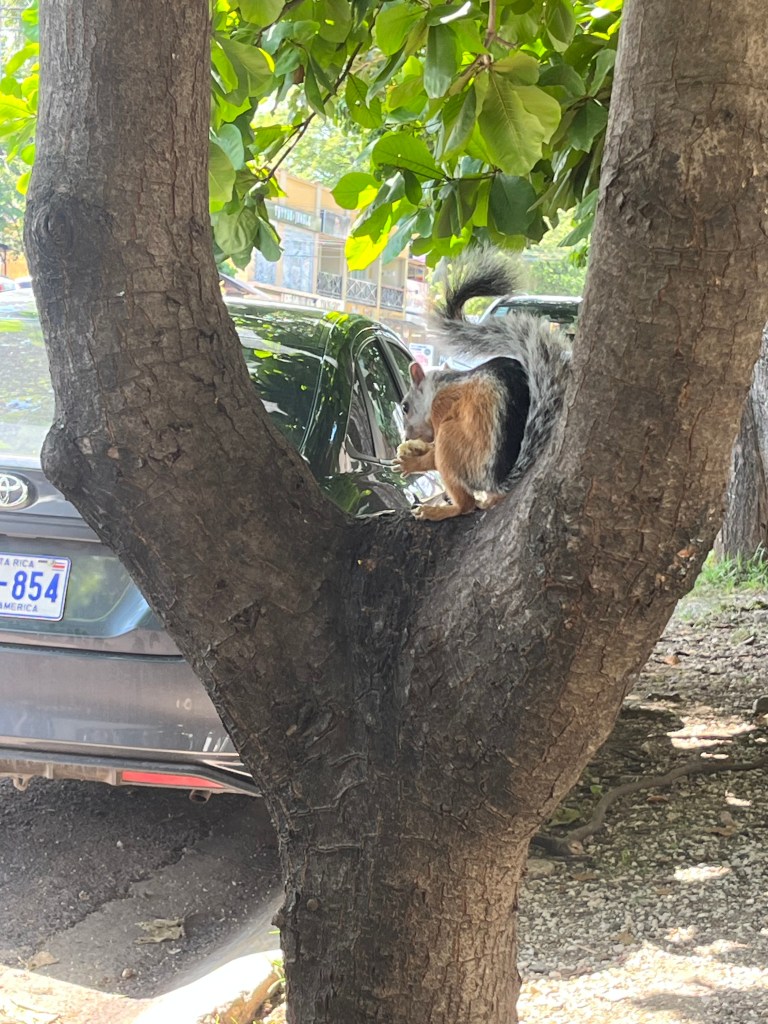
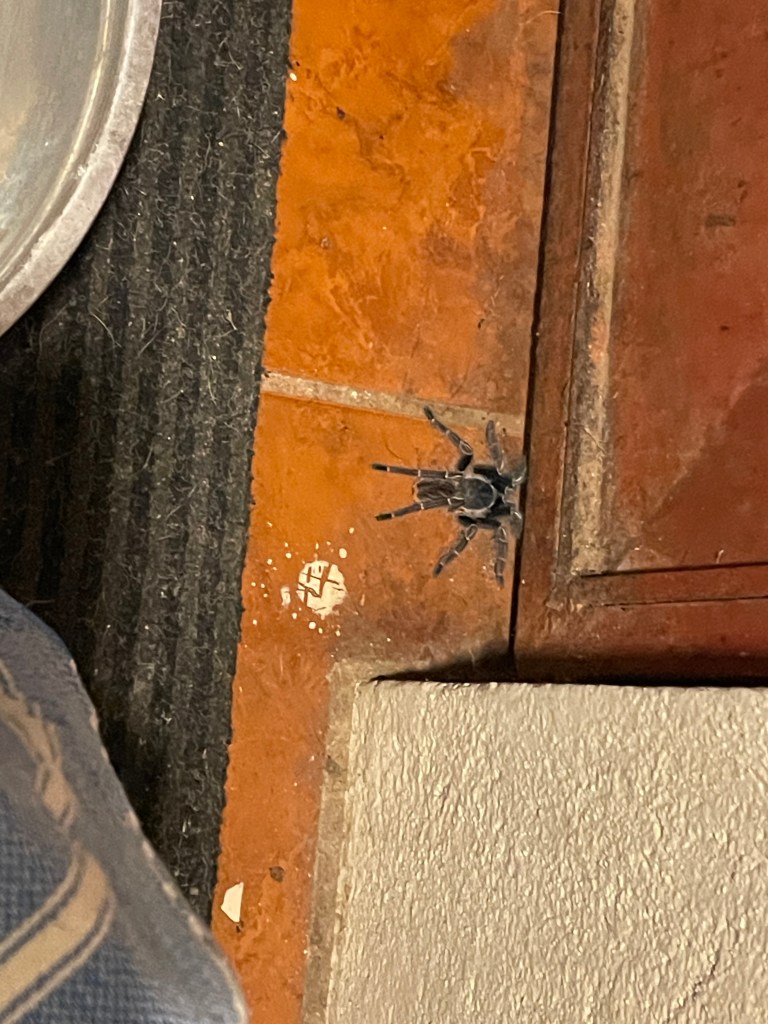
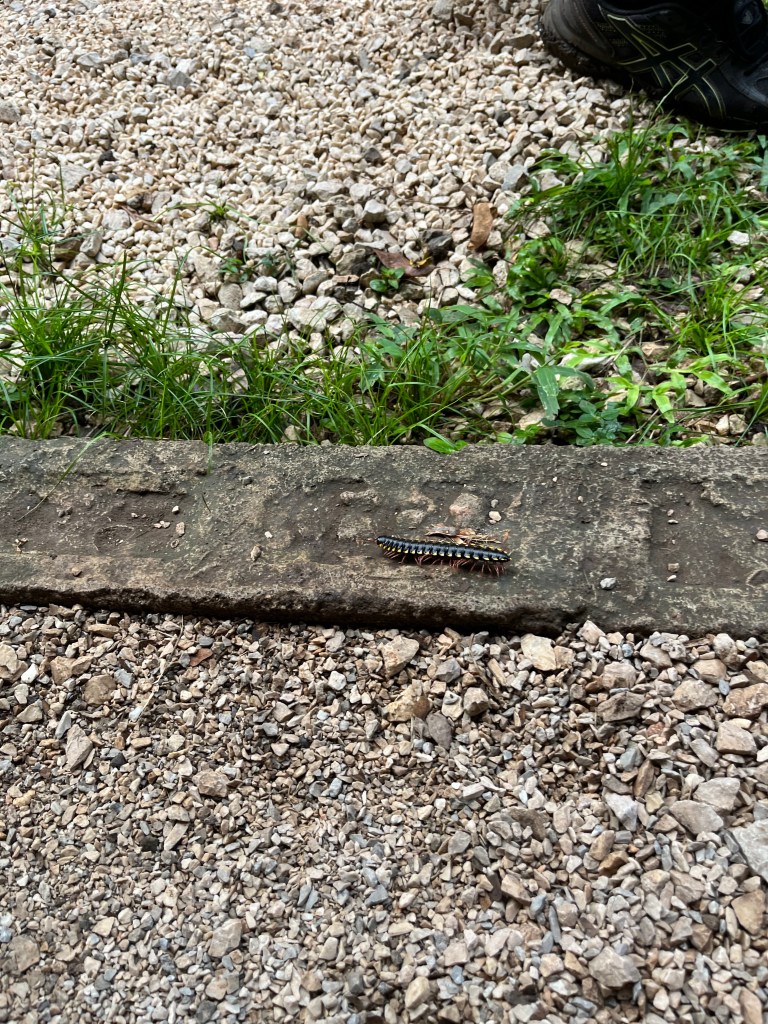
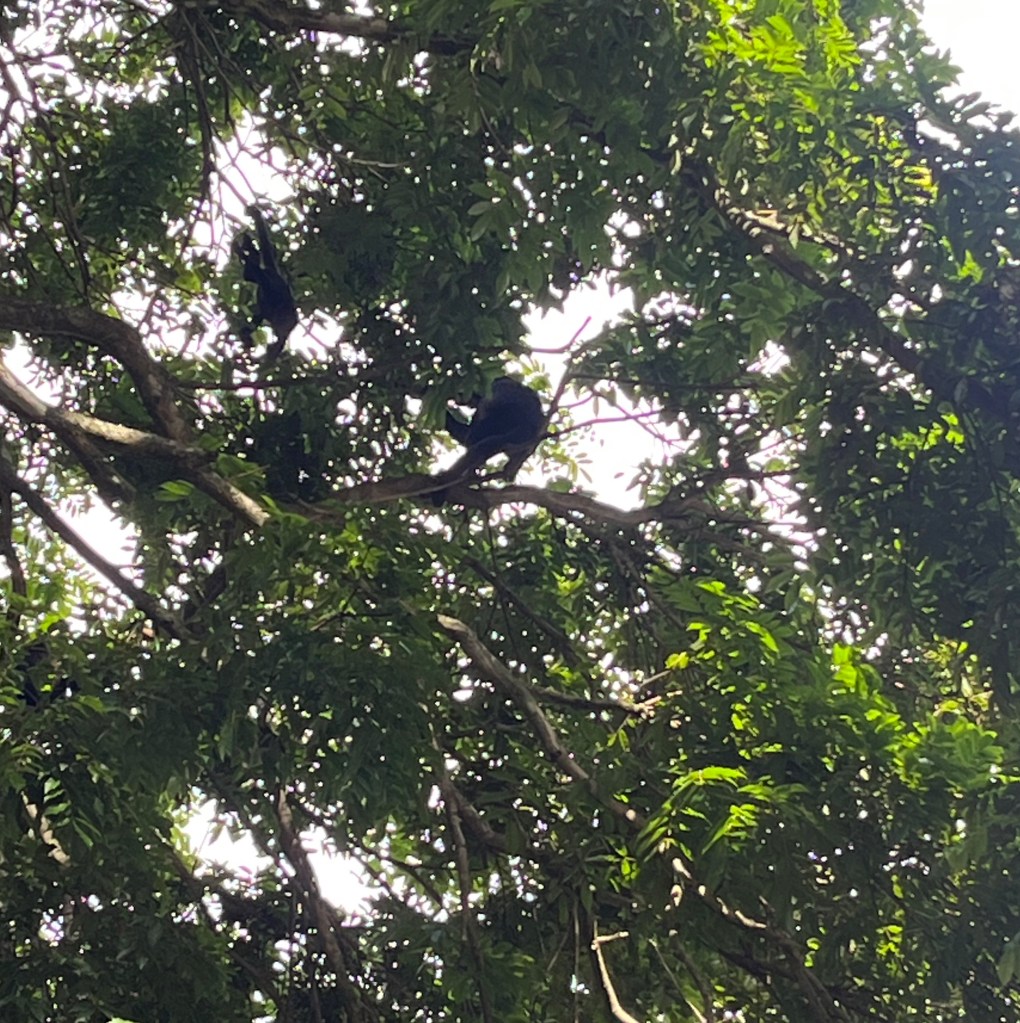
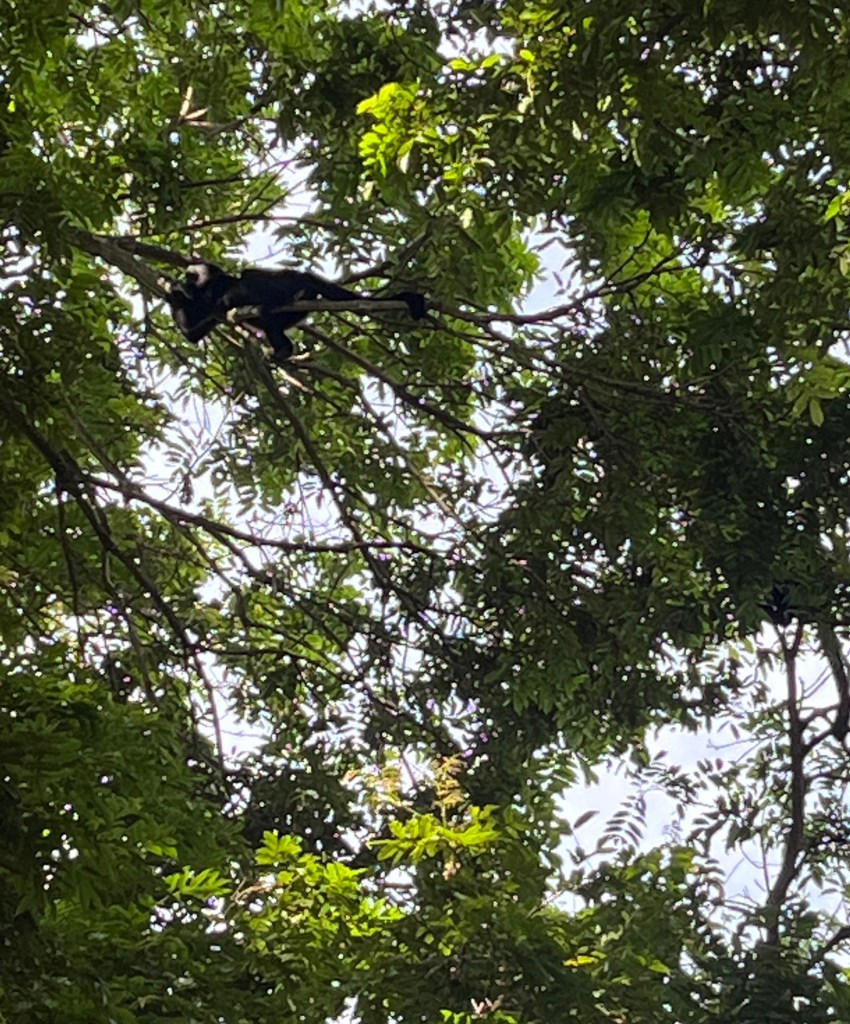
However, when it comes to wildlife experiences outside of a national park, nothing was as thrilling thus far as having a troop of Mantled howler monkeys eating and resting in the trees above the home we are watching.
With another week and a half or so to go in the Tamarindo area, the next post in my corner will surely have more wildlife encounters. Until then!
Be sure to like, comment and subscribe to Traveling While Introverted so you don’t miss our next post!
 Traveling While Introverted
Leave a comment