Following a week in the Bocas del Toro archipelago, we headed back to the mainland to our next stop: El Valle de Antón. This small village lies in the crater of an extinct volcano. From where we left our car in the port city of Almirante to El Valle de Antón (“El Valle”) is a long drive: close to 11 hours. (Google Maps says 8.5, but we have learned that given road conditions, weather, and other potential obstacles you have to add an extra 2.5 to 3 hours to any trip). To break the trip up, we stopped over in the city of David (pronounced Da-veed), Panamá ‘s second largest city, for a night.
We had visited David when we were house and dog sitting in Boquete, as it is a 45 minute drive south of Boquete. David is located close to the large fields and farms that supply a major chunk of the nation’s agricultural exports, and its proximity to both the Pacific Ocean and the border with Costa Rica means its an important hub. Since Chinese laborers arrived to help build the Panamá Canal in the early-20th century, David also has a significant Chinese population. In fact, we had dinner at a Chinese restaurant that Yahm will share about in her post. Our hotel was lovely and provided a filling breakfast buffet. That said, David is really just an economic hub with a chaotic central district, sprawling outskirts and nothing charming to speak about. After filling up our bellies at the aforementioned hotel breakfast buffet, it was time to make the long drive to El Valle.
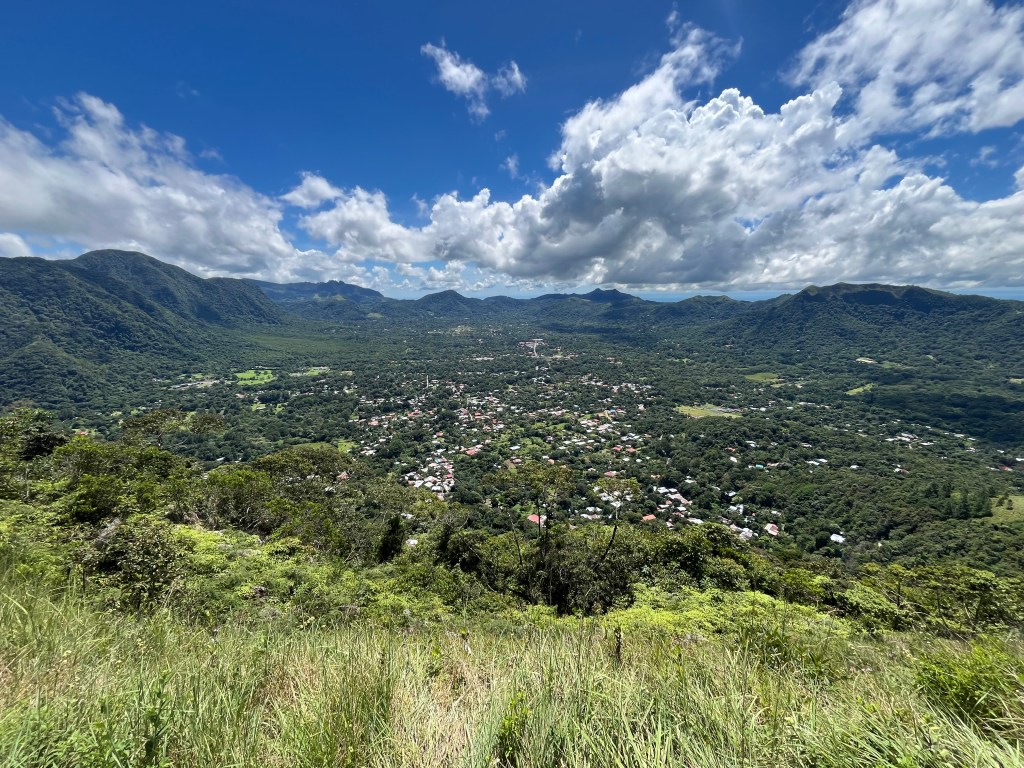
Much of the drive occurred on Highway 1, but we also mixed in some driving on smaller rural roads that winded through the highlands of the central part of the isthmus. The stretches of the drive away from the 1 were very pretty. Once we arrived at El Valle and got settled in our hostel we explored the town. El Valle is incredibly charming and very small. It features one main street that you can walk from end to end in under 20 minutes and some side roads that wind into neighborhoods with ranch-style homes. While short, this main road is packed with restaurants and stores. El Valle is an incredibly popular destination for Panamanians to visit. While foreign tourists like to visit as well, it is not as popular with non-Panamanians as Bocas de Toro, Panamá City, the San Blas Islands, or Boquete. We enjoyed visiting a place where Yahm and I were the few foreigners around. The town lies up in the highlands, around a 2.5 hour drive from Panamá City and less than an hour from the Pacific Coast. Due to the elevation, 1,968 feet (600 meters) above sea level, the climate is superb. As in Boquete, and really all highland communities in Panamá and the tropics, being just a few hundred feet above sea level can make a world of difference as far as escaping the relentless heat and humidity of the lowlands and coast. This is likely why this area is so popular with Panamanians (especially since foreigners have not moved here in droves like in Boquete).
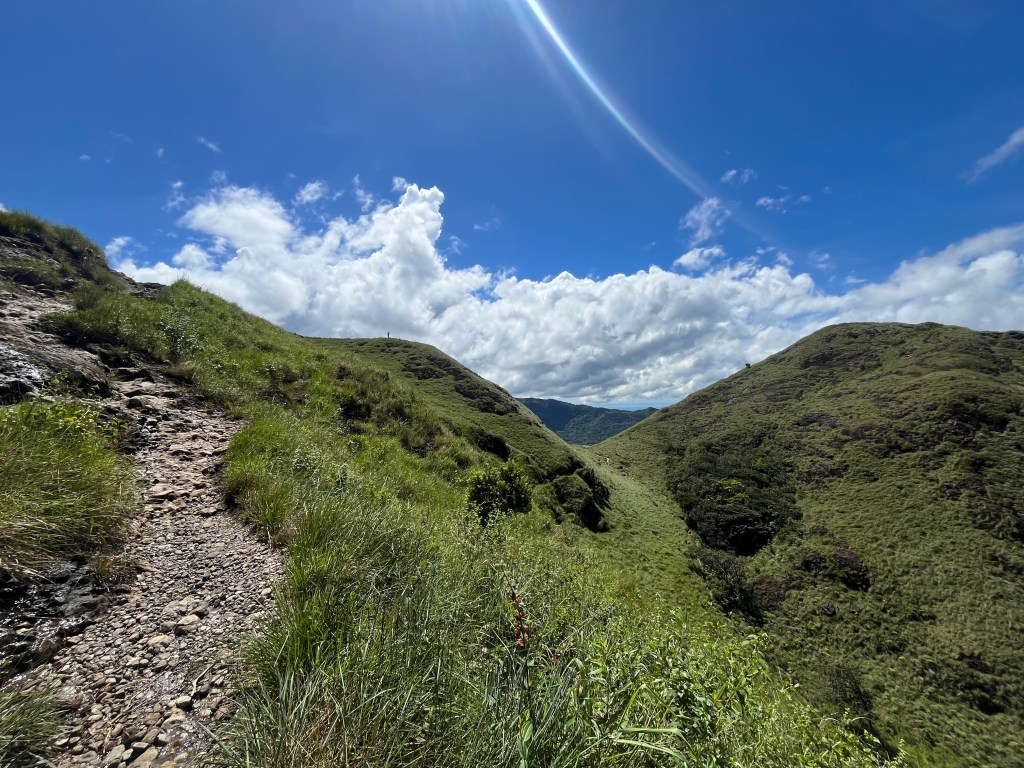
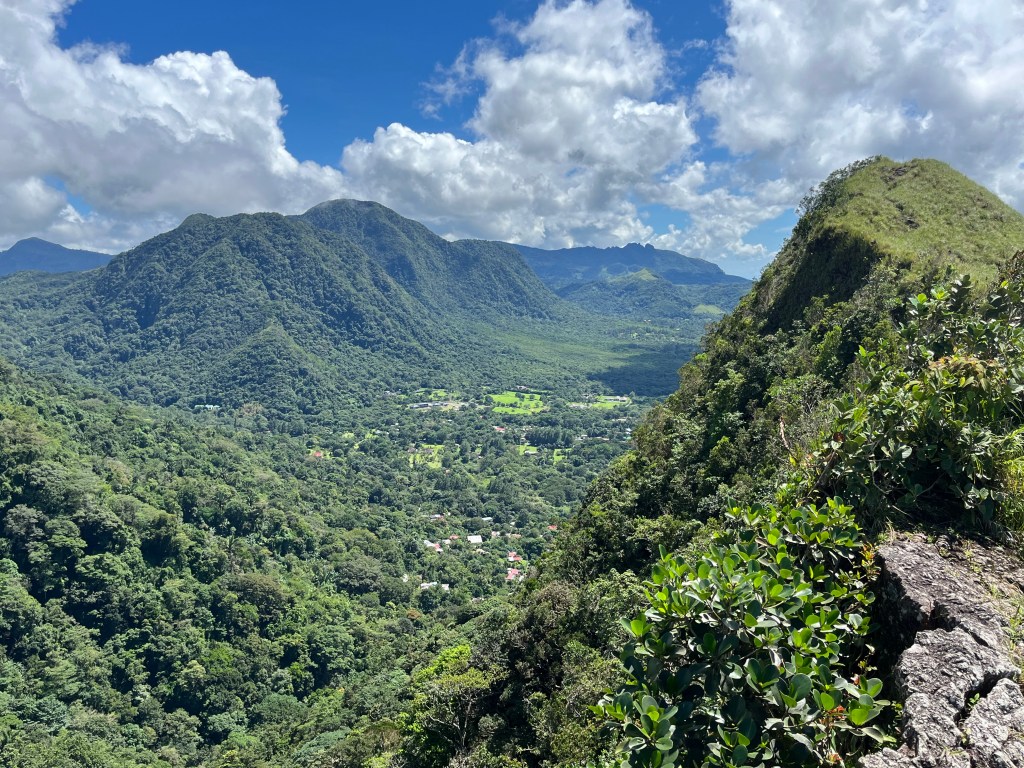
Besides hanging around the charming town center, or taking in the eternal spring-like weather, hiking the mountains that ring this crater valley is one of the most popular activities for visitors and locals alike. There are several trails that one can hike around the valley that range in difficulty level. Since Yahm is not a particularly outdoorsy person, I was tasked with choosing a hiking trail we could both accomplish. I chose the La India Dormida (The Sleeping Indian Woman) trail, named so because from the overlook point at the end of the trail the mountain looks like a woman sleeping. (For more details, click here).
The trail itself starts in a semi-residential neighborhood and costs $3 per person. As we wound our way through the thick canopy of upland rainforest, we gained approximately 928 feet (283 meters) of elevation. While relatively mild compared to the other trails around town, I was quite proud of Yahm that she was able to hang tough because the sheer incline is still quite dramatic. When we were not scaling steep hills, we walked close to and through waterfalls and rivulets (smalls streams that feed larger rivers), en route to the top of La India Dormida.
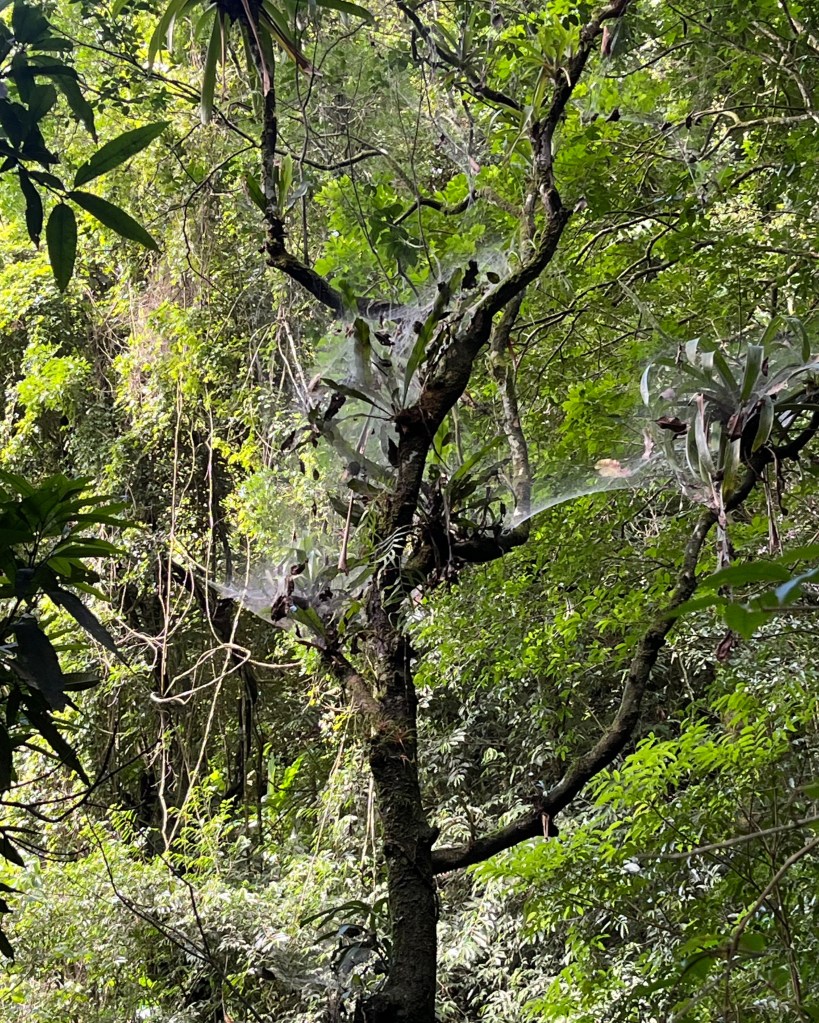
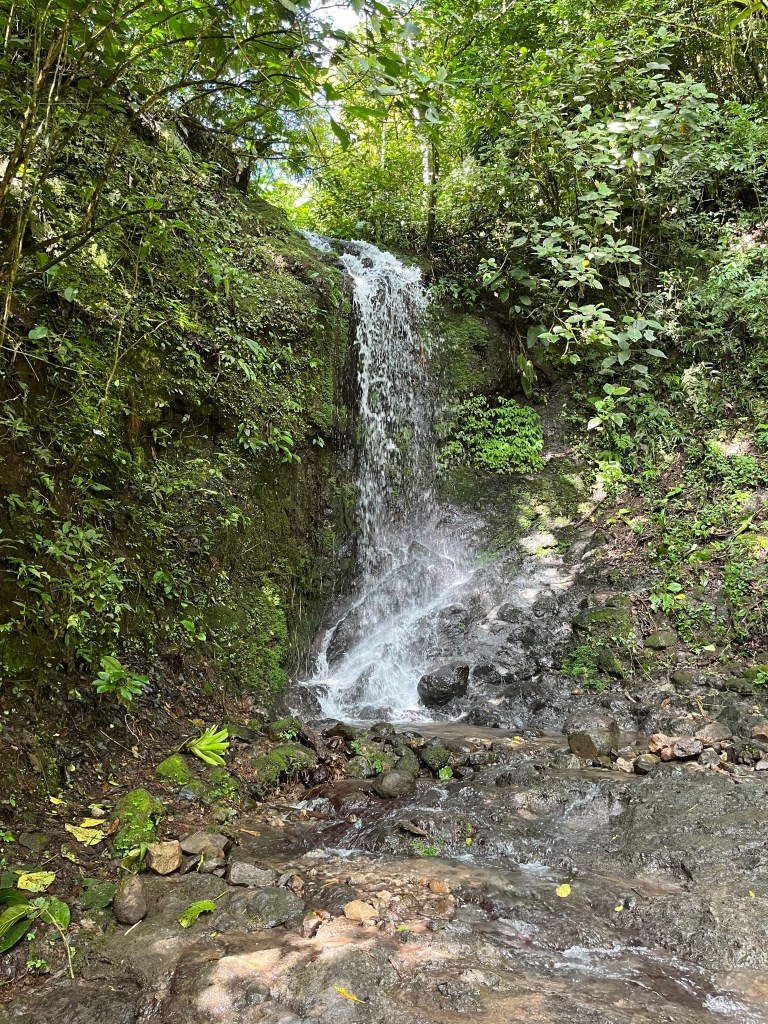
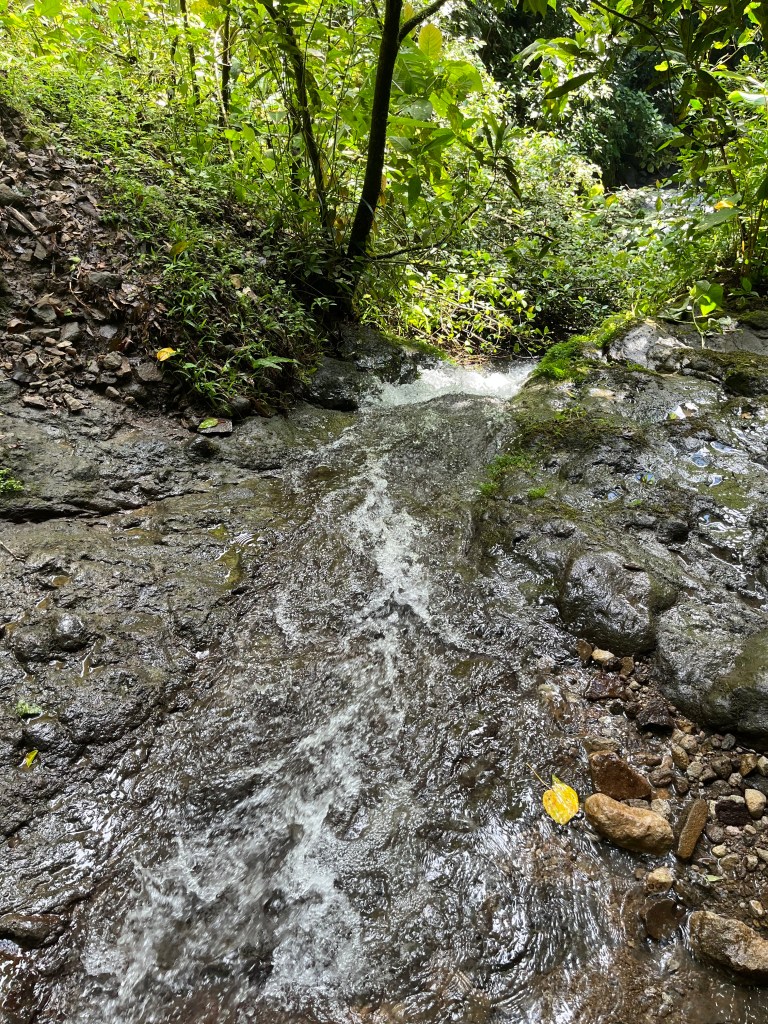
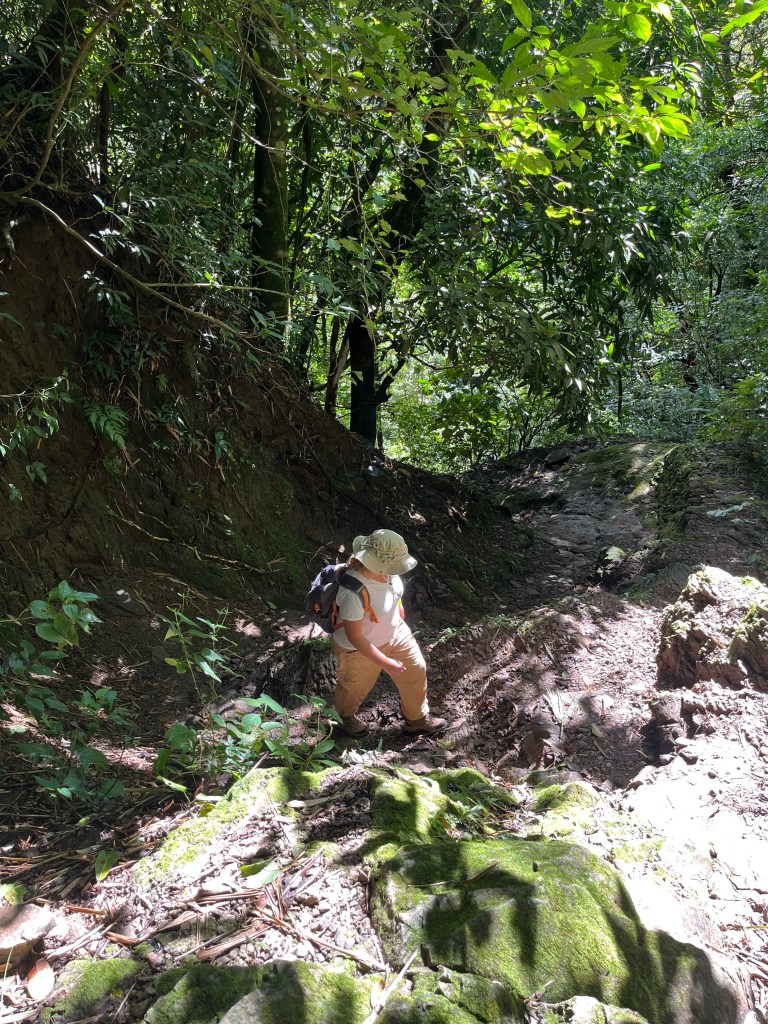
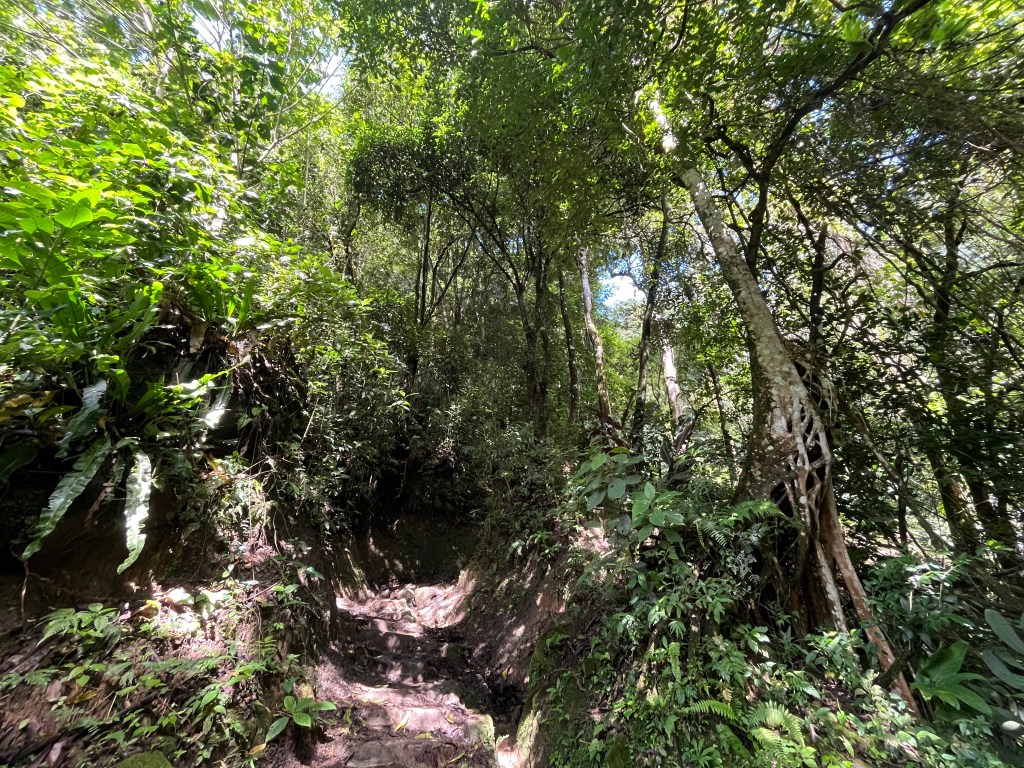
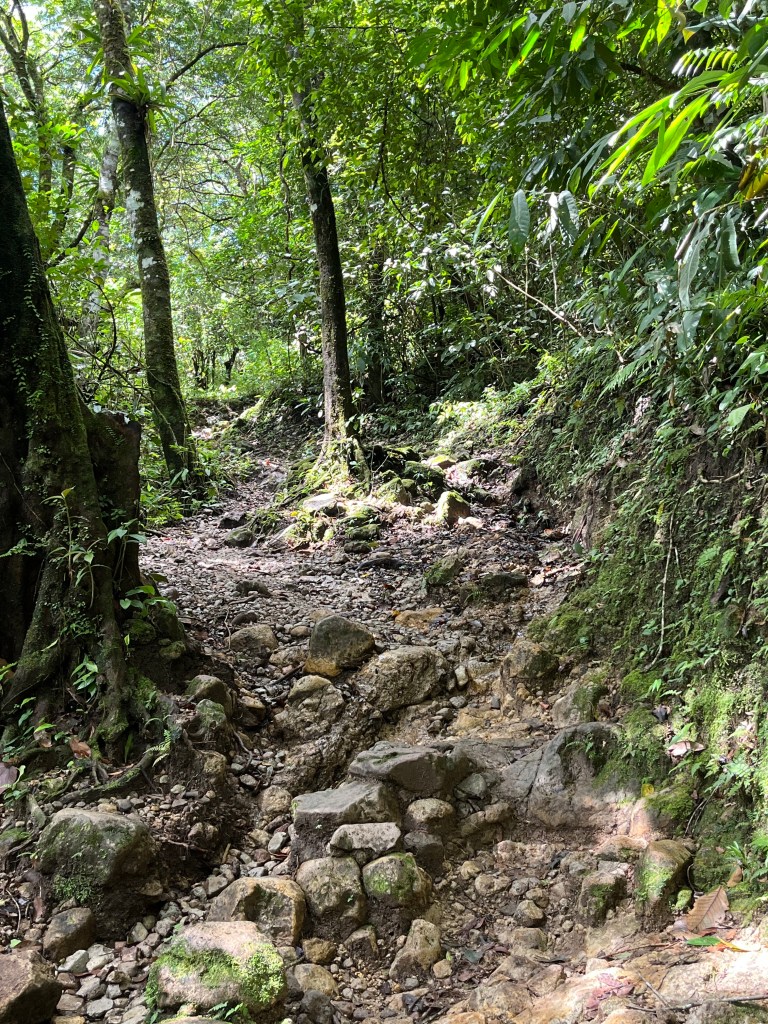
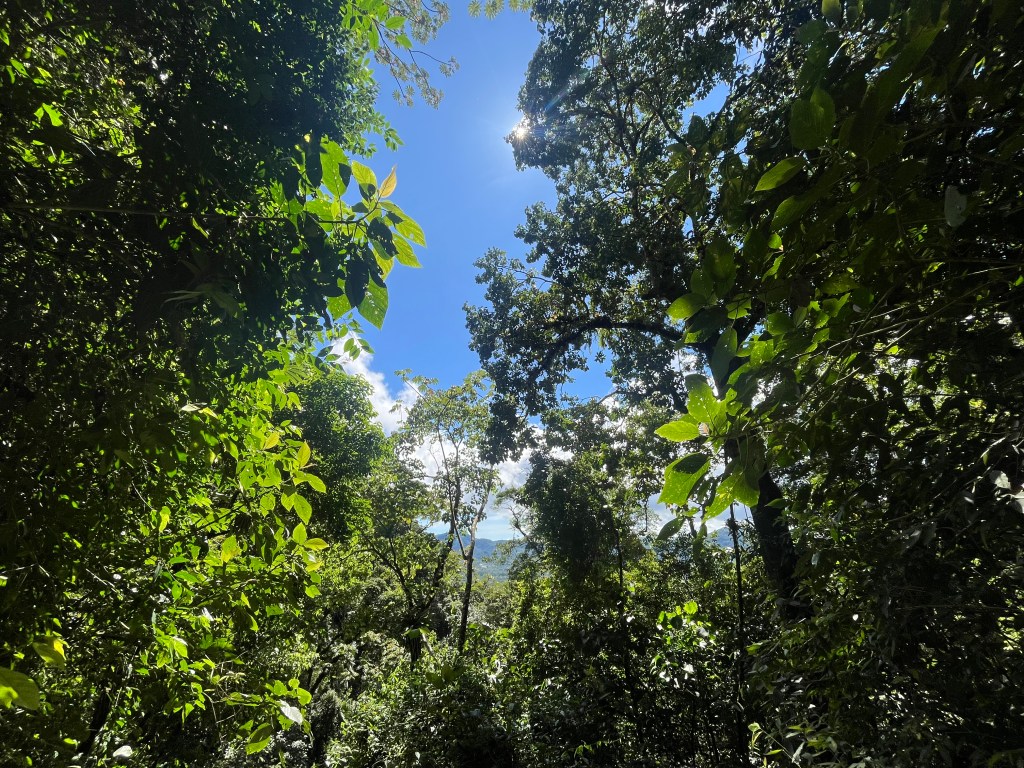
There are benches in which to rest along the way and the trail is well-signed. We passed by a buzz of activity with some interesting looking bumblebees around a tree root.
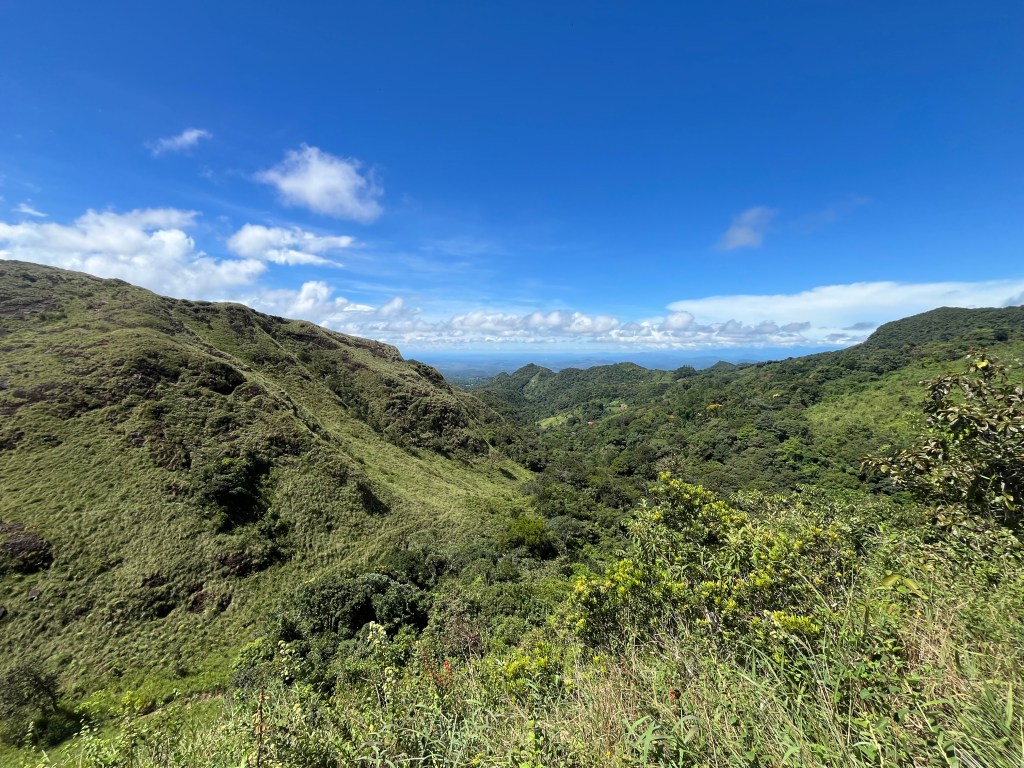
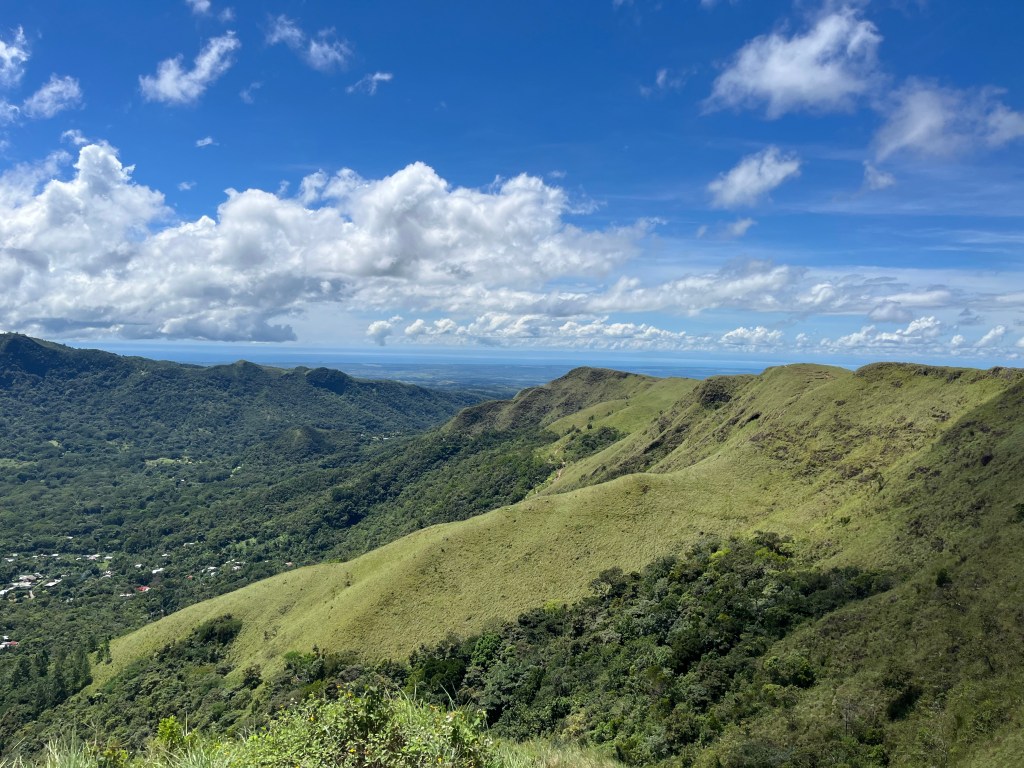
Once we reached the top of the mountain the views were incredible. The whole valley is visible, including the town and its placement in a crater, surrounding mountains, and out to the Pacific Ocean. Worth the climb!
After the hike, we walked back to our hostel while enjoying duros (frozen fruit juice pops). I had soursop while Yahm had nance. The following day we left El Valle and headed down to Panamá City. Having spent time in the city when we began our trip, we knew it pretty well. This time, with a few days to go before heading to our new destination, we wanted to close the loop on a few places we both wanted to see before leaving. For yours truly, I wanted to hike through Parque Natural Metropolitano.
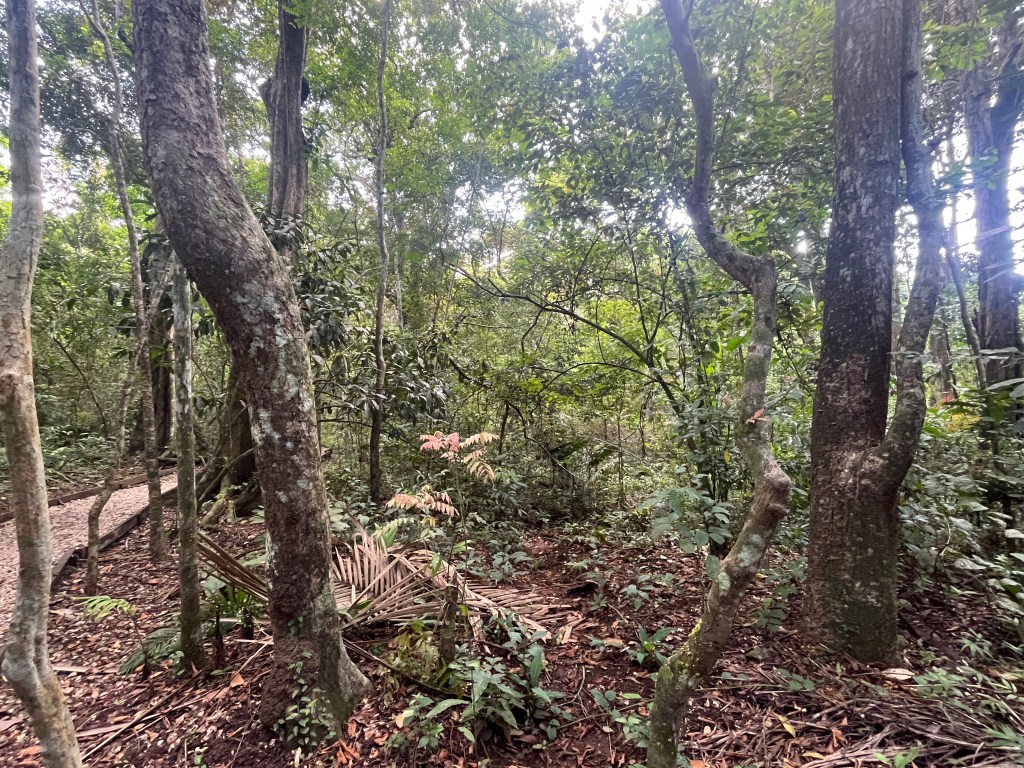
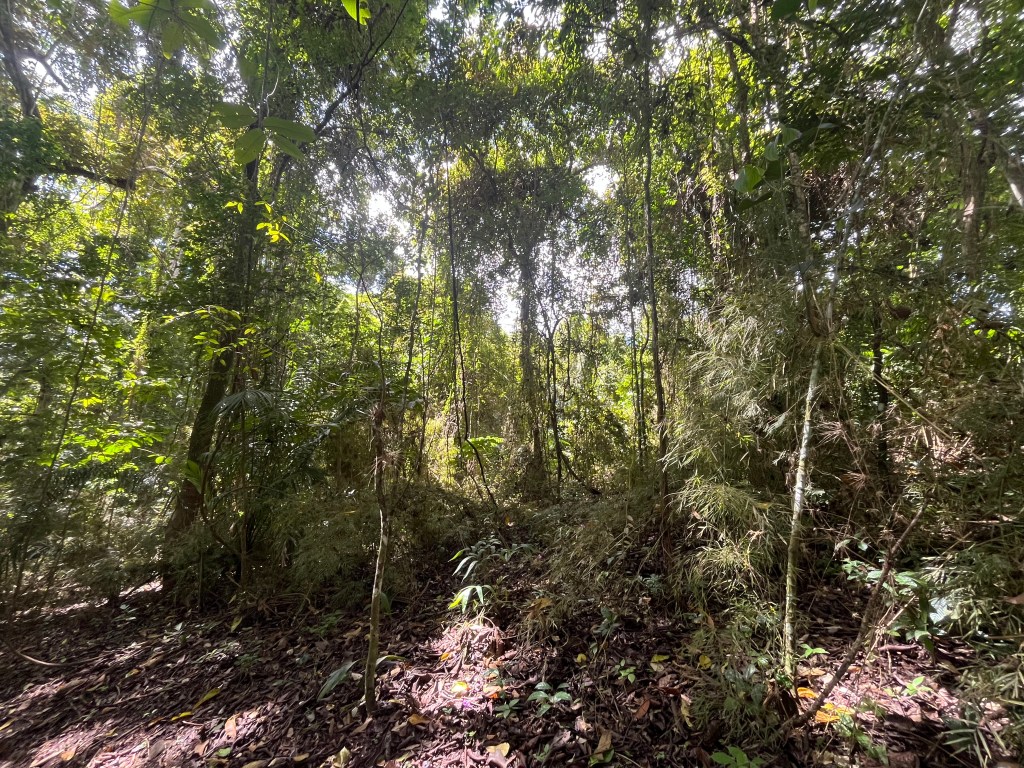
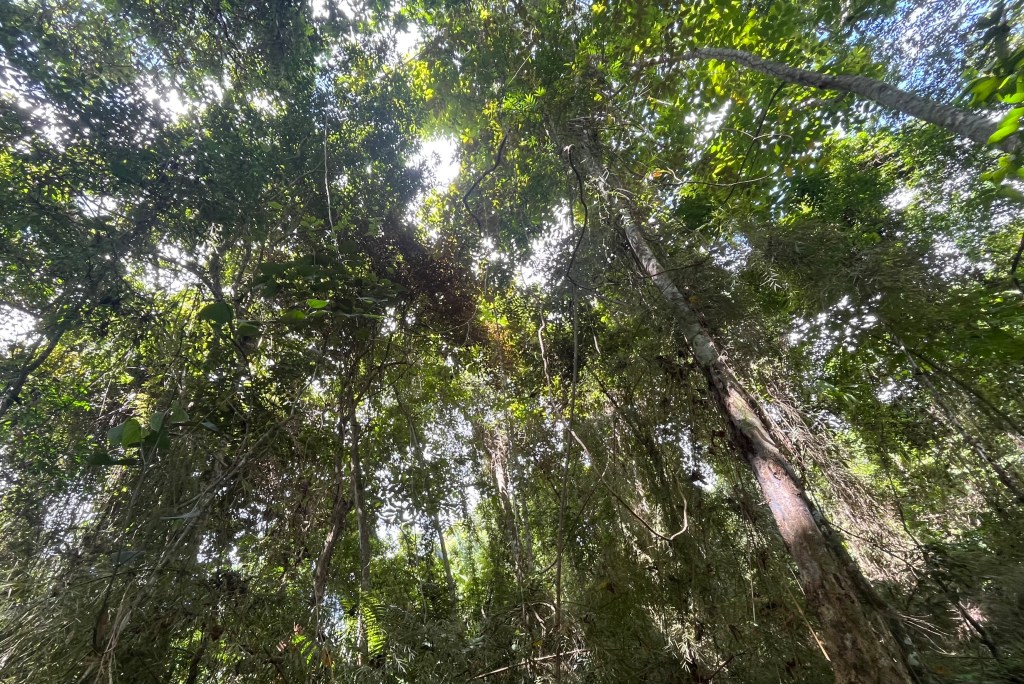
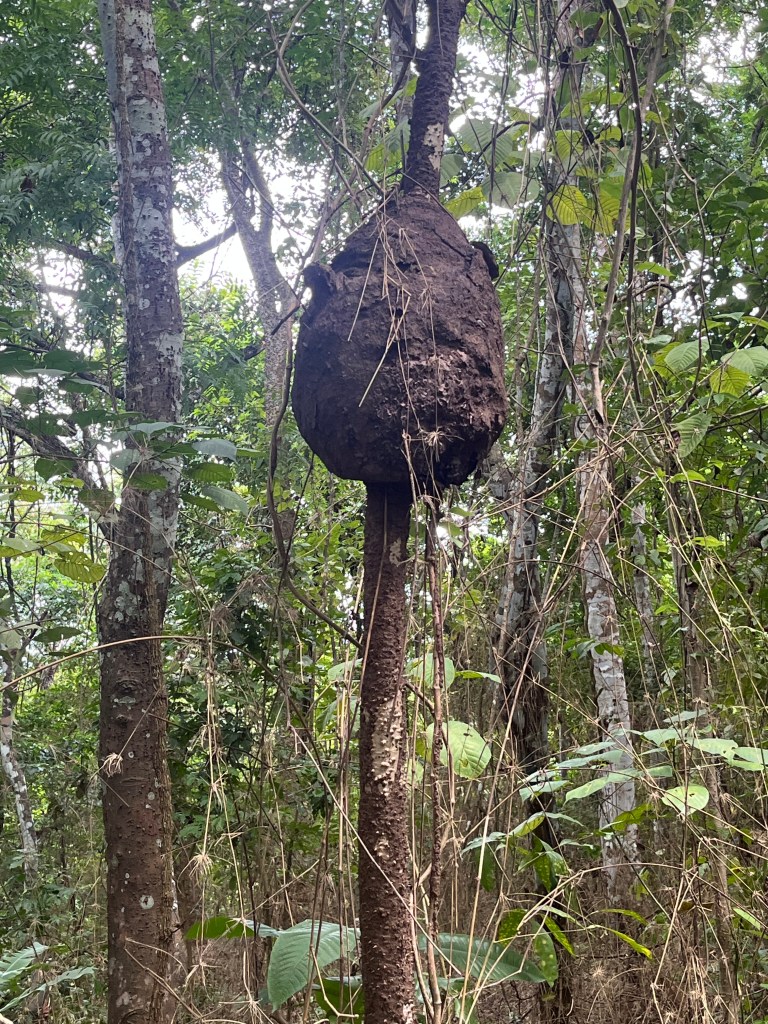
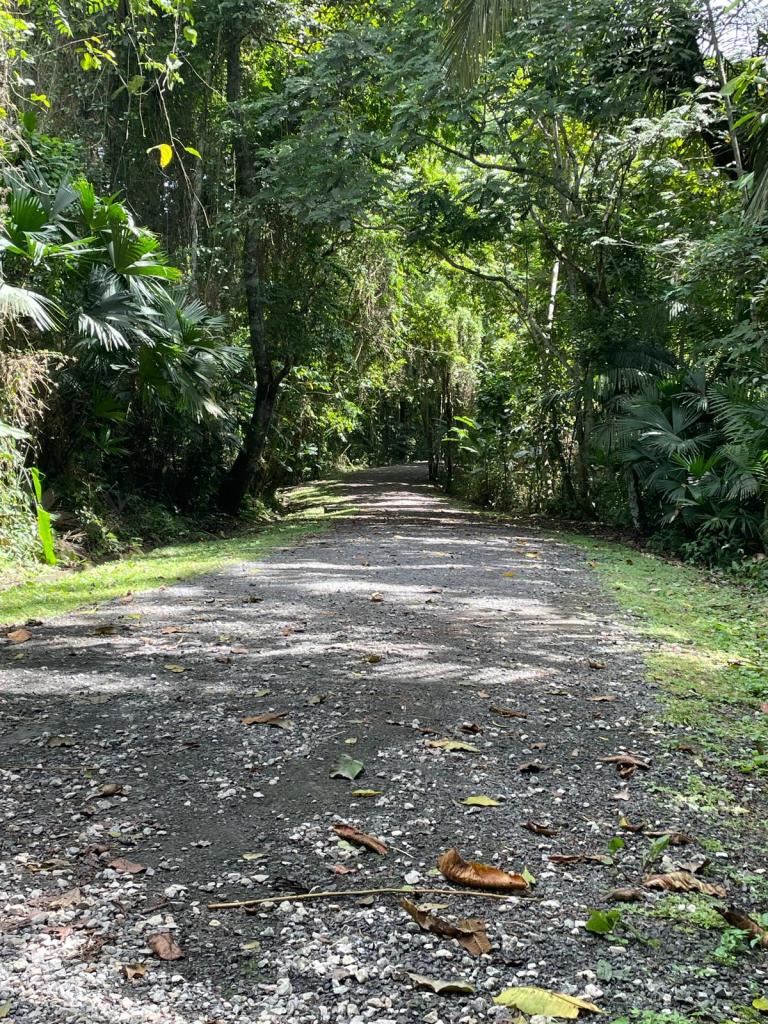
This park is essentially a patch of rainforest that has been hemmed in by the city; however, buffer zones, green spaces and some animal crossing infrastructure prevents it’s denizens from becoming isolated and unable to spread out. While the park is in the middle of a major cosmopolitan city, it is incredibly rich in biodiversity. There have been 283 species of bird, 64 species of mammal, 39 species of reptile, 21 species of amphibian, 633 species of plants and trees, and 11 species of fish observed here! While Panamá’s more intact tracts of forest in other parts of the country contain more species, it’s pretty impressive for an urban park to harbor so much life. There are several trails, all well-marked, well-paved and separated from the forest floor and creeks so as not to alter the forest’s natural biome. No trail is exceptionally difficult to utilize.
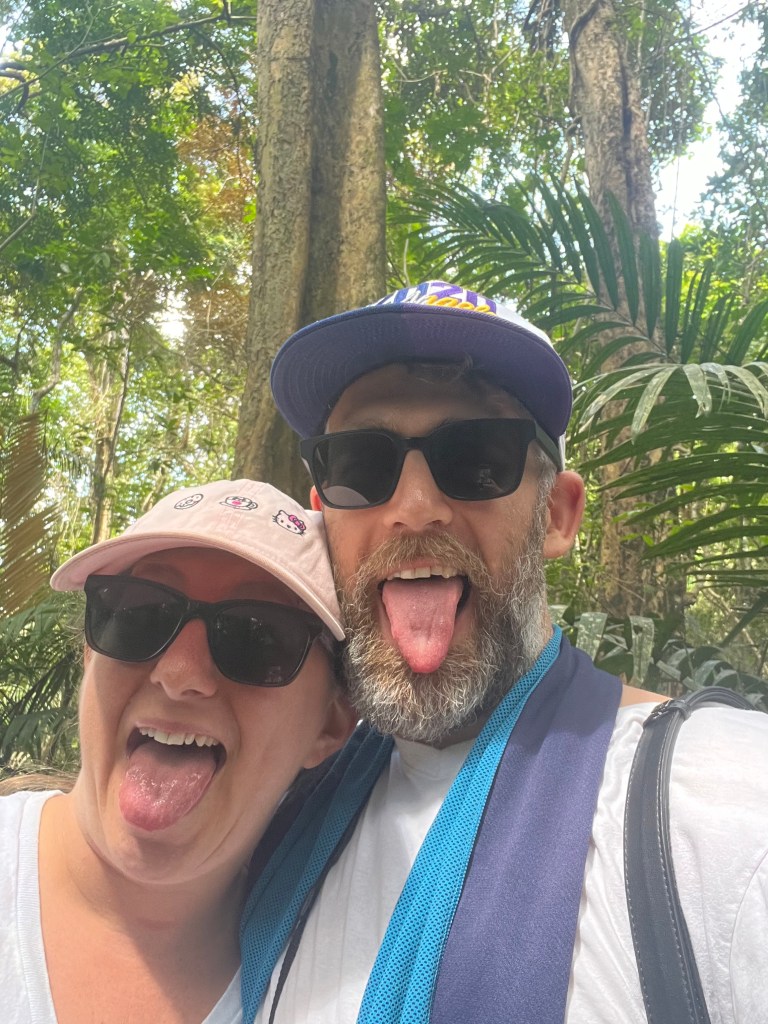
On our hike through the park, we saw families, older people, and young people walking, talking and jogging. Many were Panamanians, but there were also lots of other languages spoken and plenty of foreign visitors. Once the trails veer away from the busy road that skirts the park and the vehicle sounds dim, you forget that you’re in the middle of a city.
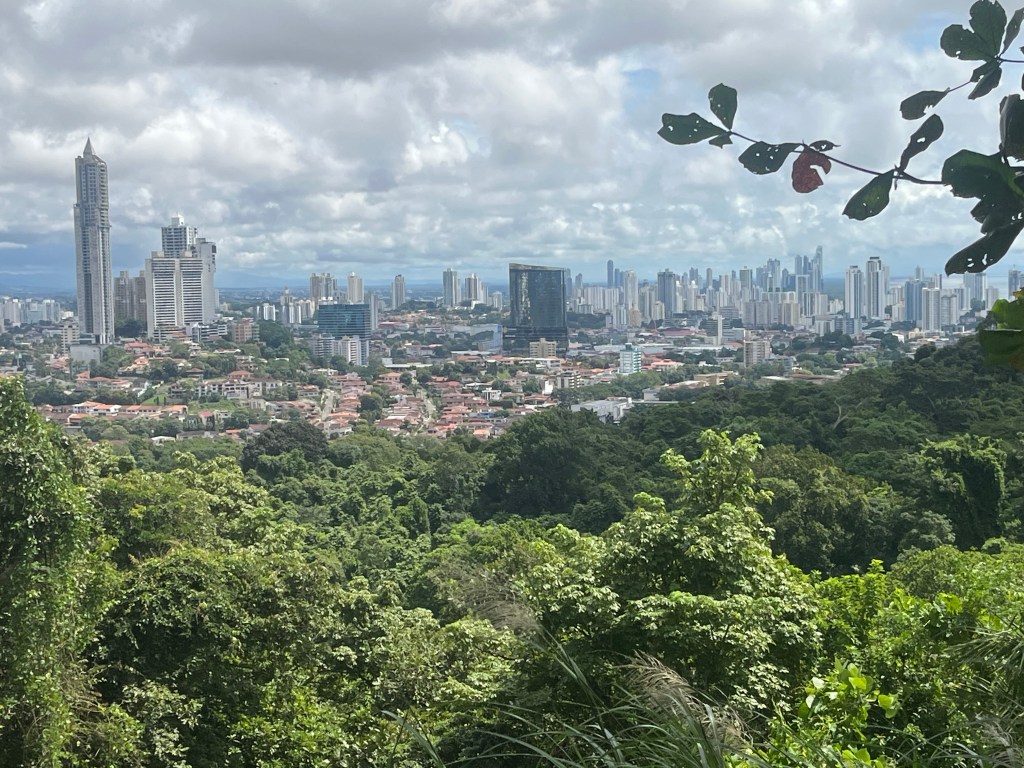
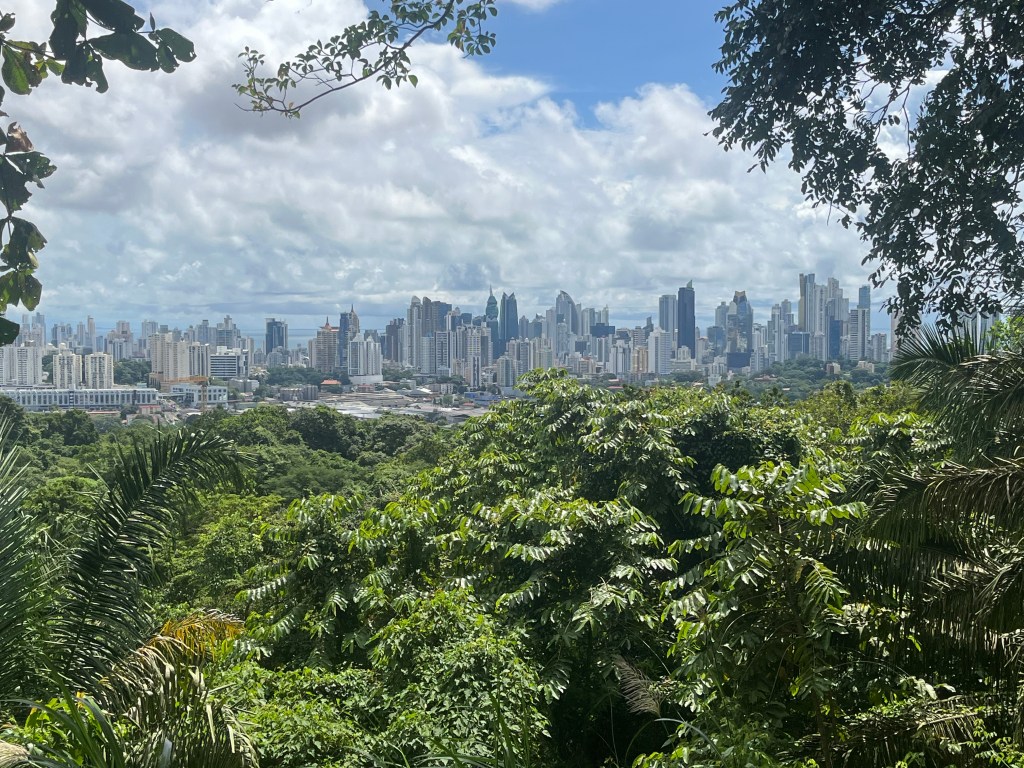
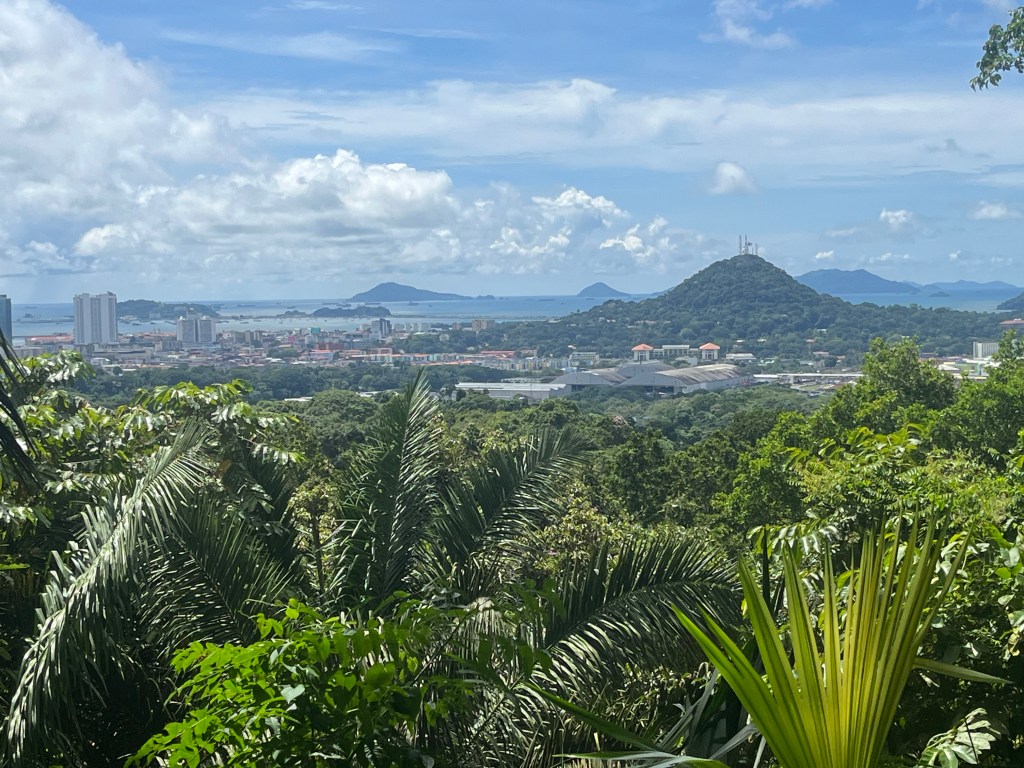
Once I climbed to the top of the Cerro Cedro lookout point, the highest peak in the park, I was treated to a panoramic view of the entire city, including the Panamá Canal. (Yahm didn’t care to climb so high up.)
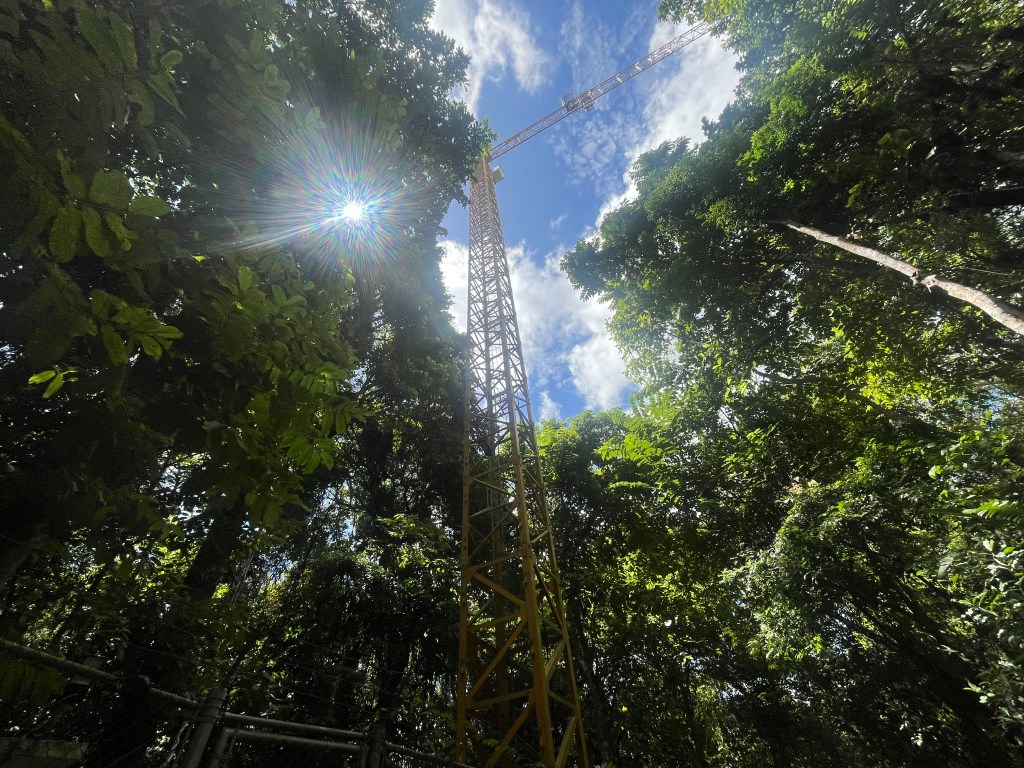
The park also features a canopy crane that the Smithsonian Tropical Research Institute utilizes to study flora and fauna within the park. These cranes were first used in the early-1990s to help scientists gain a better understanding of the canopies of both tropical wet forests and dry forests. Prior to their use, canopies were poorly understood. These cranes are now used around the world to better understand life above the forest floor. Parque Natural Metropolitano was the first place in the world they came into use!
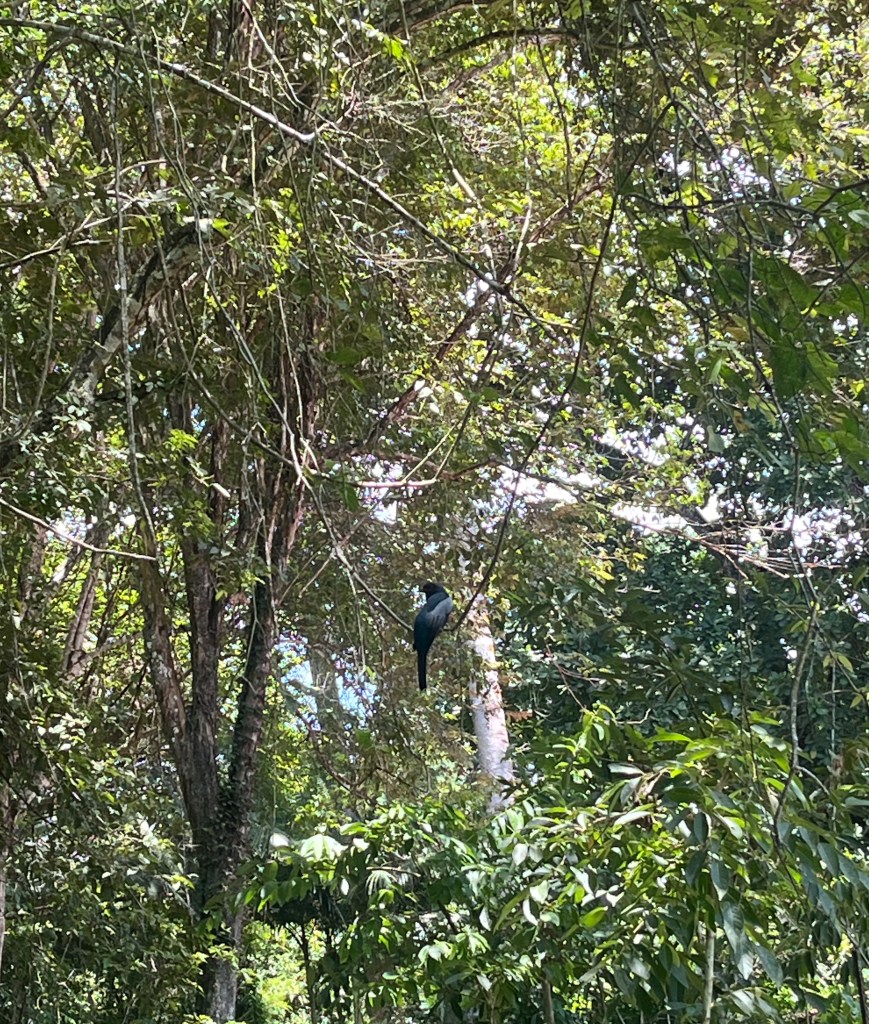
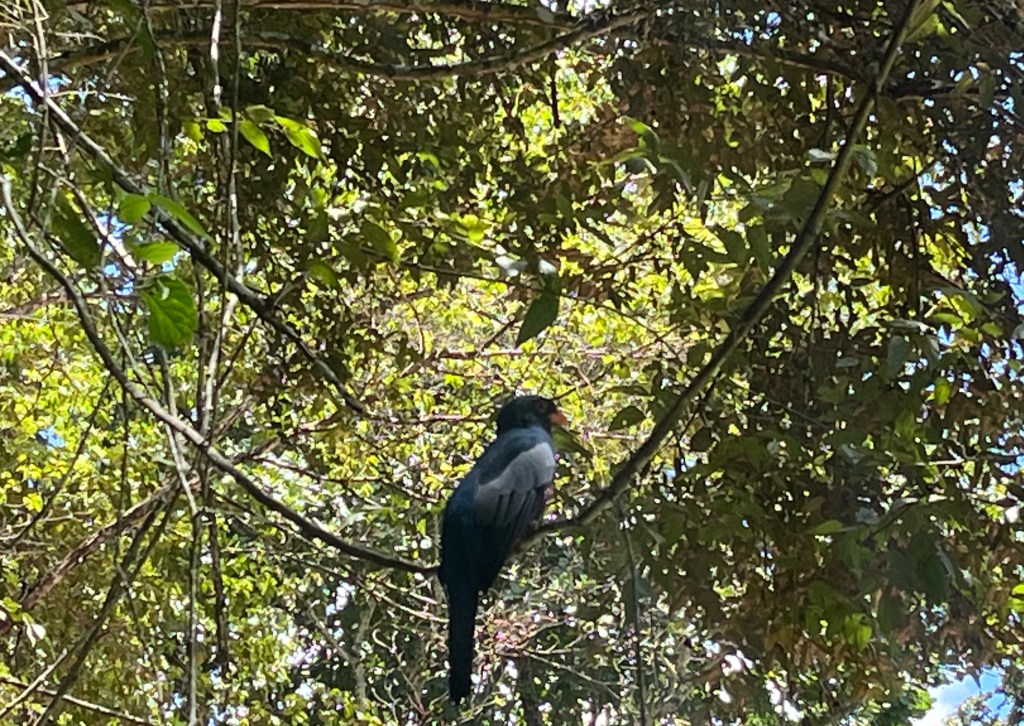
While hiking through the park, we spotted turtles, heard a few different species of birds, and while I was at the overlook Yahm spotted an agouti. However, none of these made for easy filming or photos. Still, I did manage to spot and capture an Elegant trogon and a three-toed sloth.
Panamá has become one of our favorite countries in the world and one we think is a must-visit. Now, we get ready to head to the South American continent and the next country in our travels. Find out what that is by continuing to follow along with us on our adventures. Be sure to like, comment, and subscribe to Traveling While Introverted so you don’t miss it!
 Traveling While Introverted
Leave a comment