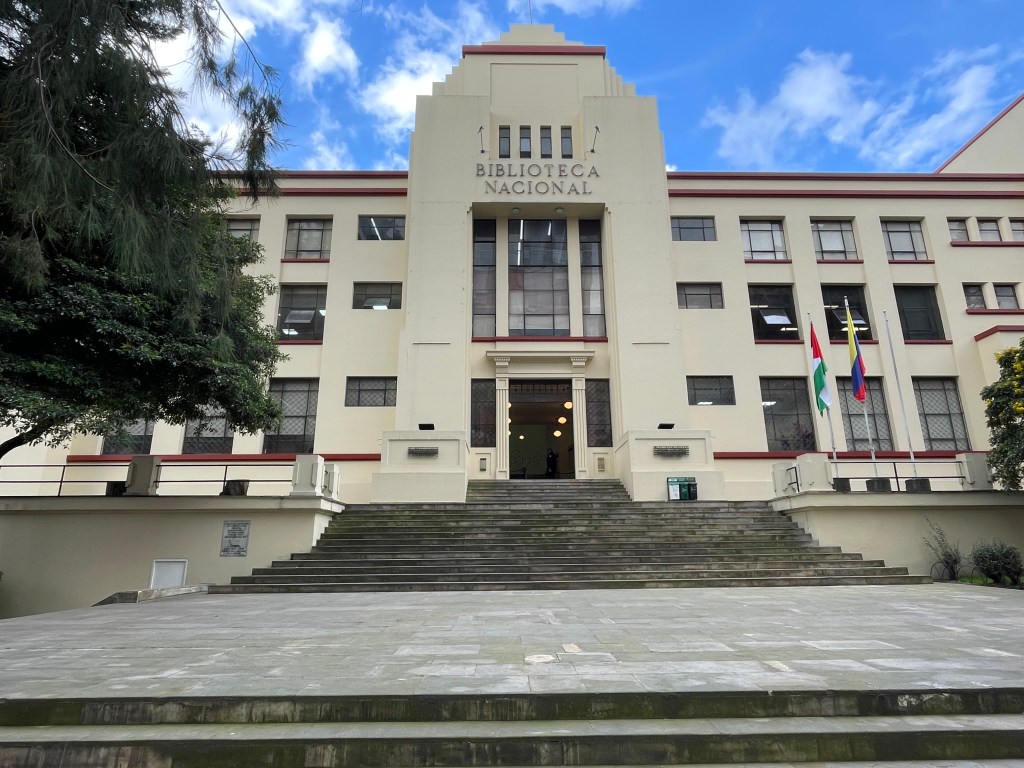
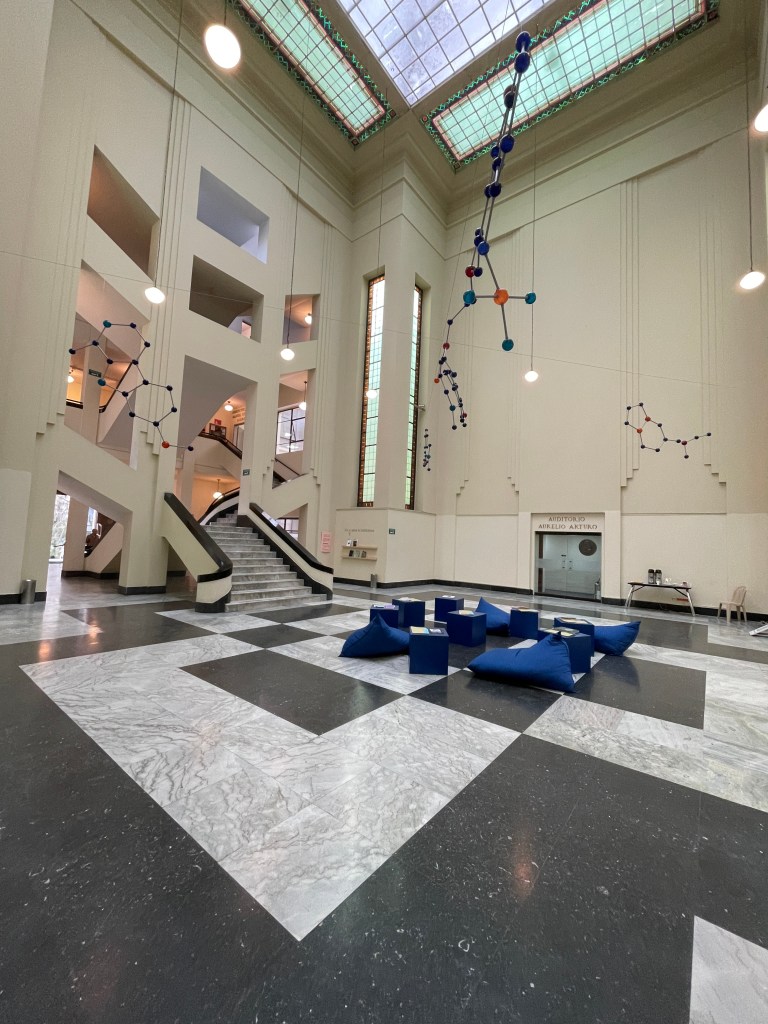
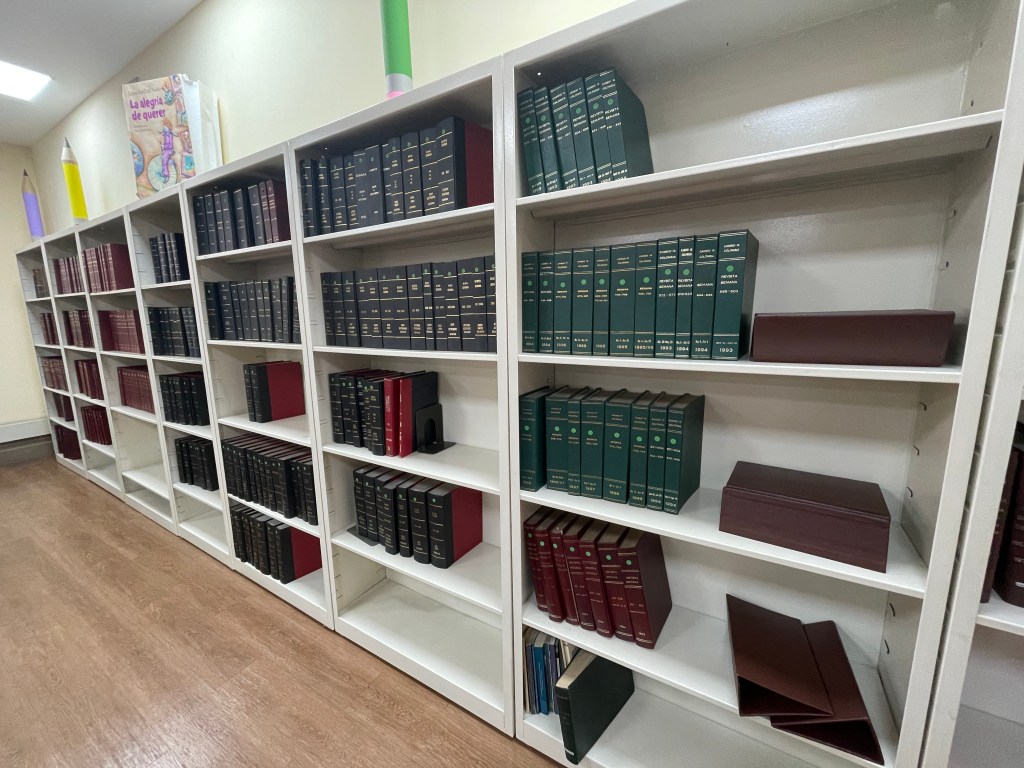
During our stay in Bogotá, we had a chance to visit two libraries. As we planned our time in the city, I knew I wanted to visit the Biblioteca Nacional de Colombia (National Library of Colombia). I didn’t bother getting in touch for a tour ahead of time largely due to my experience at the National Library of Panamá. I figured that if I asked a question or two and a librarian had the time and energy to chat with me, they would. As we walked around, there wasn’t too much to see since most of the material is in climate-controlled pods. However, much like the library in Panamá, so much material has been digitized and it is very easy to make an appointment to view material for research purposes. Below are photos of the exterior, the main lobby, and the Law Collection in ready reference (i.e. available for patrons to browse freely).
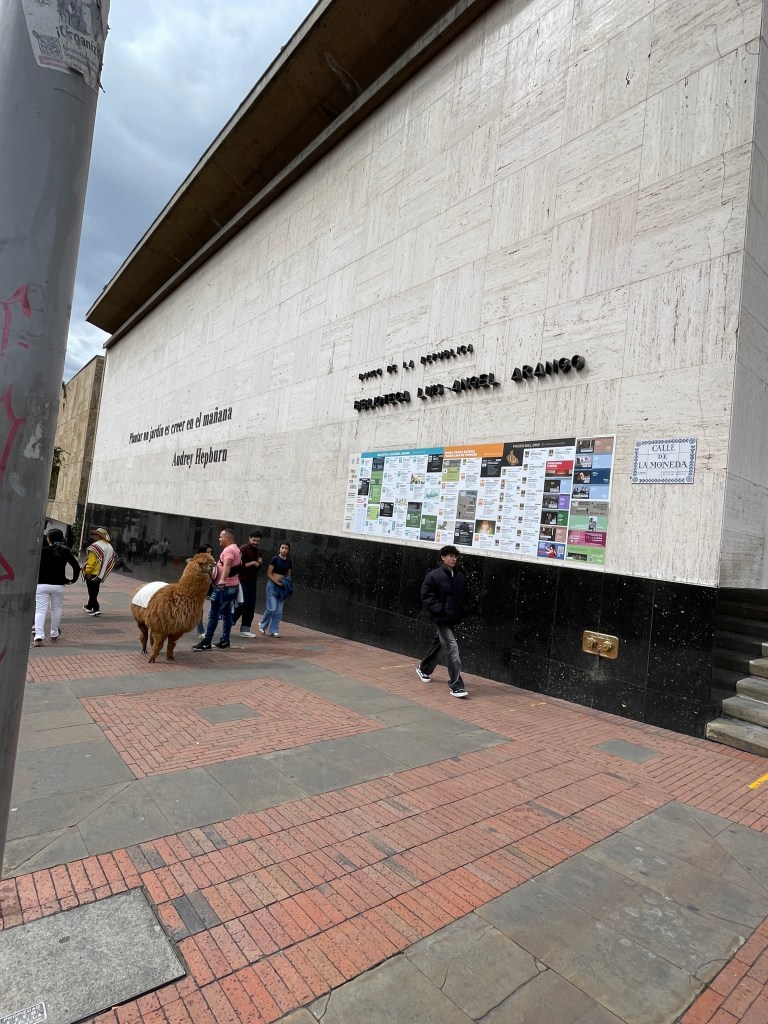
The other library we visited was the Biblioteca Luis Ángel Arango (Luis Ángel Arango Library) which we randomly stumbled upon on our way to the Plaza de Bolívar. What’s interesting about this library is that even though it is a public library, it is one of 24 libraries, museums, and cultural centers funded by the Banco de la República (Bank of the Republic). A separate government-funded public library system exists, but from what I could glean online, it is far less impressive in its resources. This particular branch is one of the most important libraries in Latin America because of the unique material it houses. If we had more free time in Bogotá, I would have liked to arrange for a tour. At any rate, here is a photo of the exterior, which was the only good photo I snapped. Yes, that is a llama in desperate need of a shear. It’s mostly to lure tourists to spend money for a photo opportunity. (We are in the Andes after all!)
Despite these lukewarm library encounters, the culinary adventures were exciting. Our hotel room included a kitchen, which meant I got to go grocery shopping. Not far from our hotel was a produce vendor that we visited every other day. I can’t recommend visiting these produce stands or shops enough. Compared to grocery stores, these stands often offer lower prices, better tasting produce, and unique or local items that grocery stores don’t bother stocking.
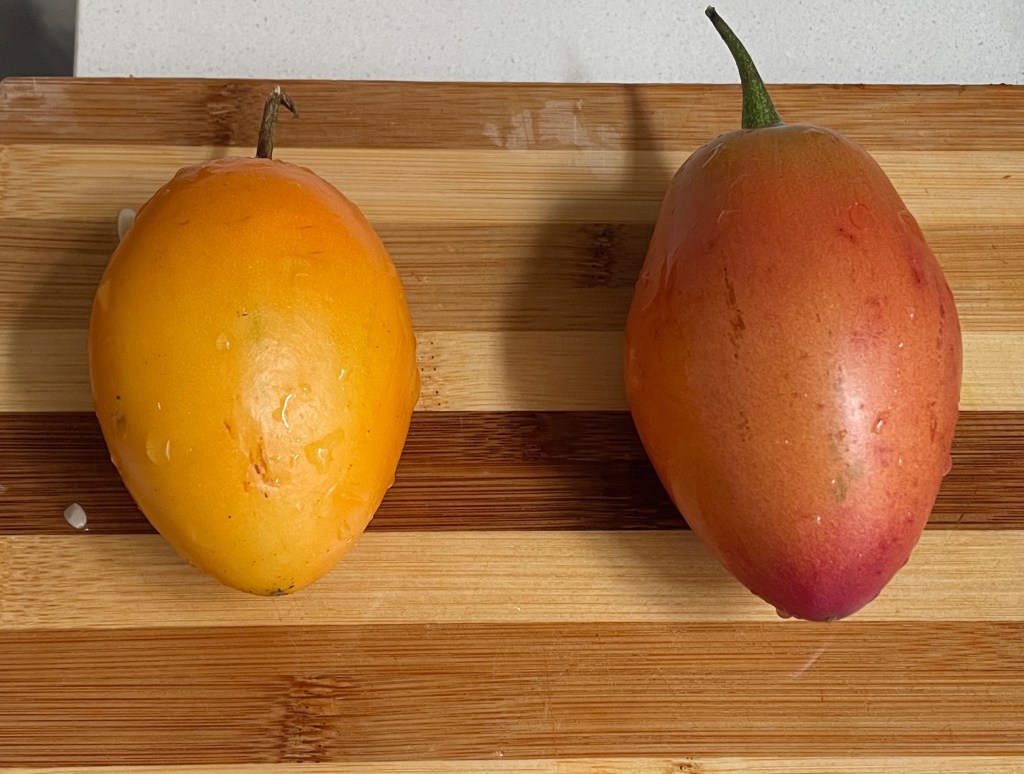
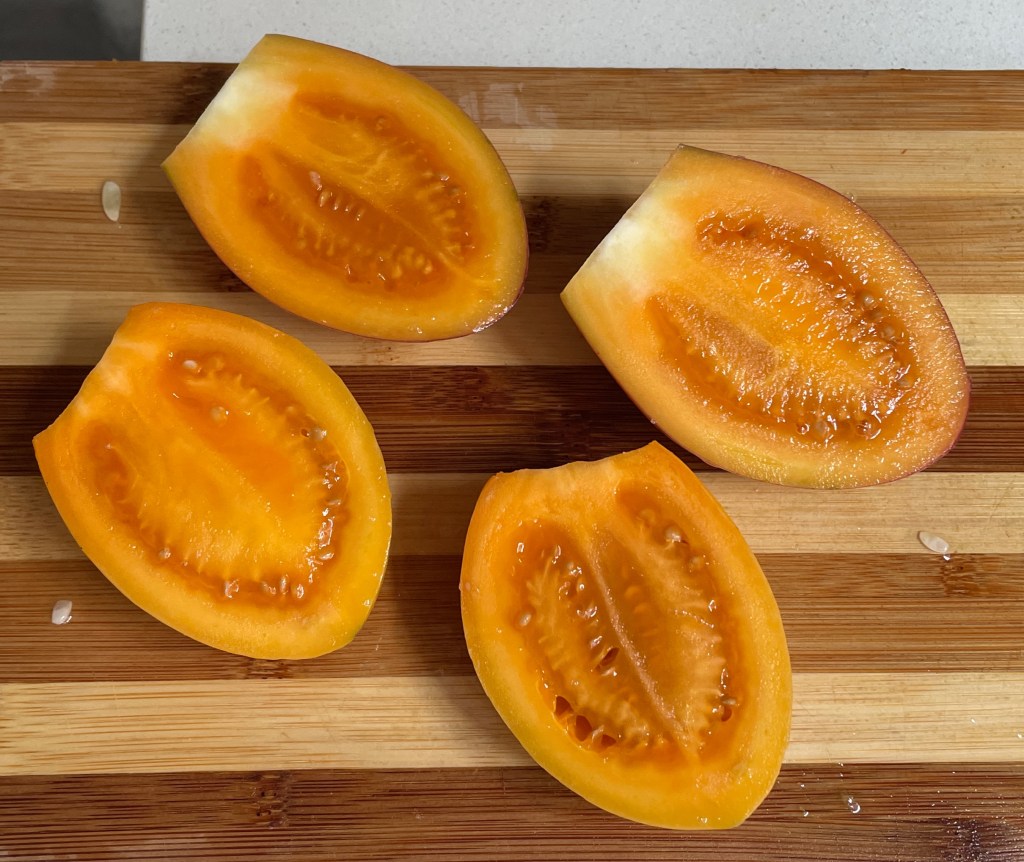
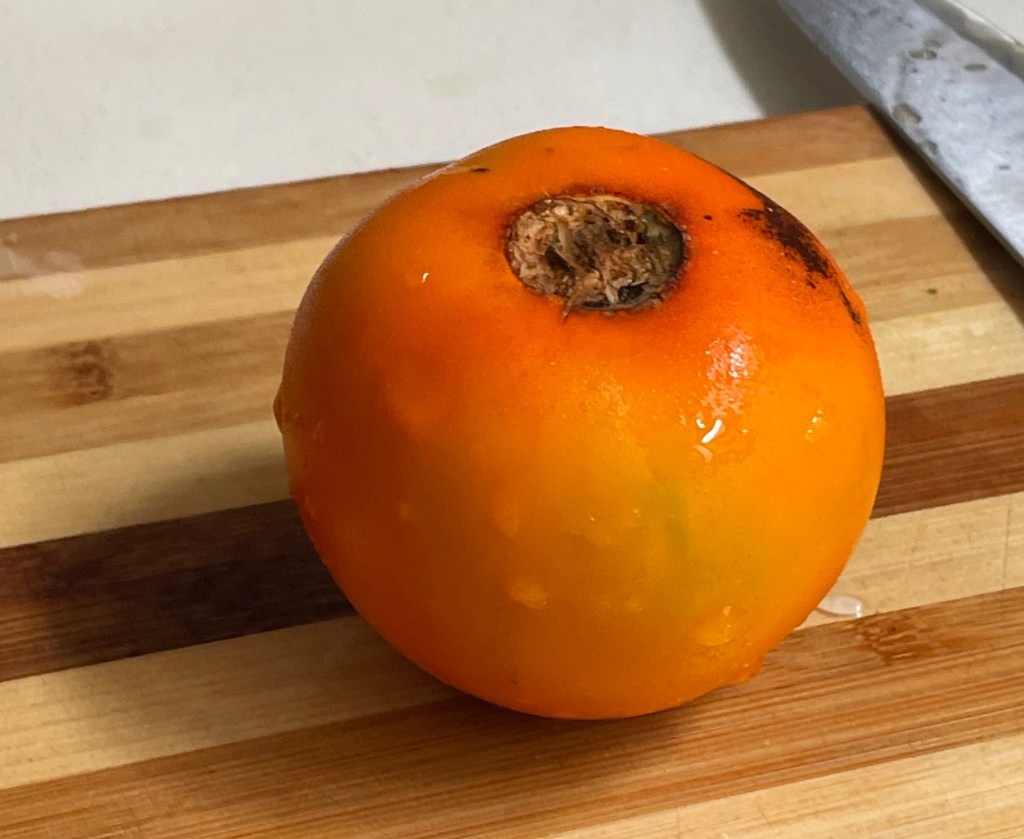
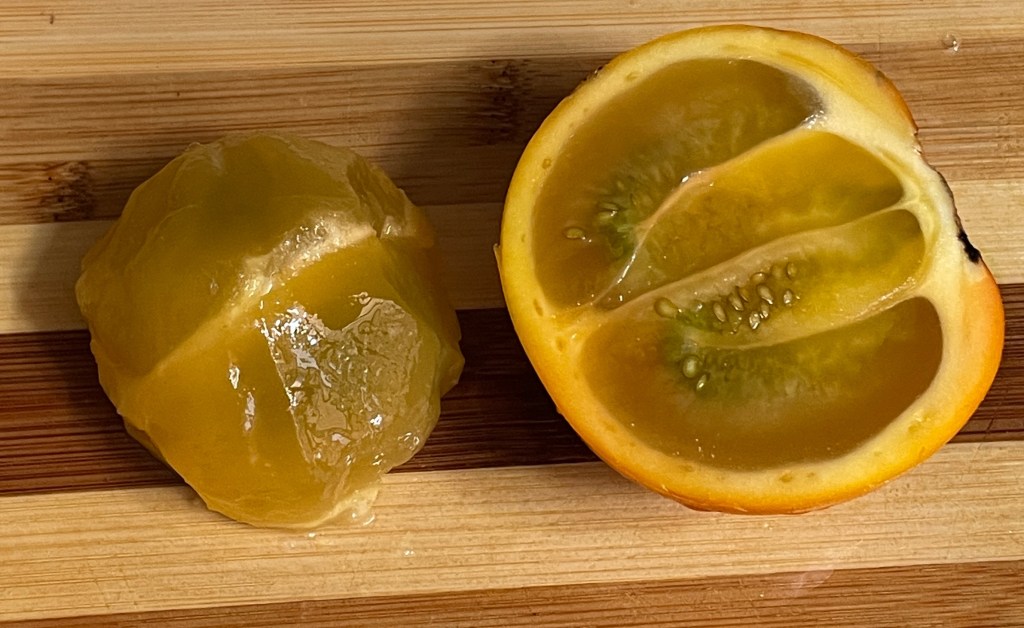
One of the first items that caught my eye was tomato de arbol in three different colors. We had tried red ones in El Valle de Anton, Panamá, but neither one of us was particularly impressed. I had read that different colors change the flavor profile, so we gave the yellow and orange ones a try. The orange one was a bit more fruity, but they both tasted mostly savory. I still think they’d be wonderful as a savory or sweet jam. I later learned that it’s common to serve it as a sweet treat next to some cheese in Colombia. I also found pink guava and wanted to give it a try since the only other time we had white guava was in Tamarindo, Costa Rica. I took two bites and got rid of the rest. The texture and flavor was all wrong. Note to self: no more guavas unless it’s in jam form please.

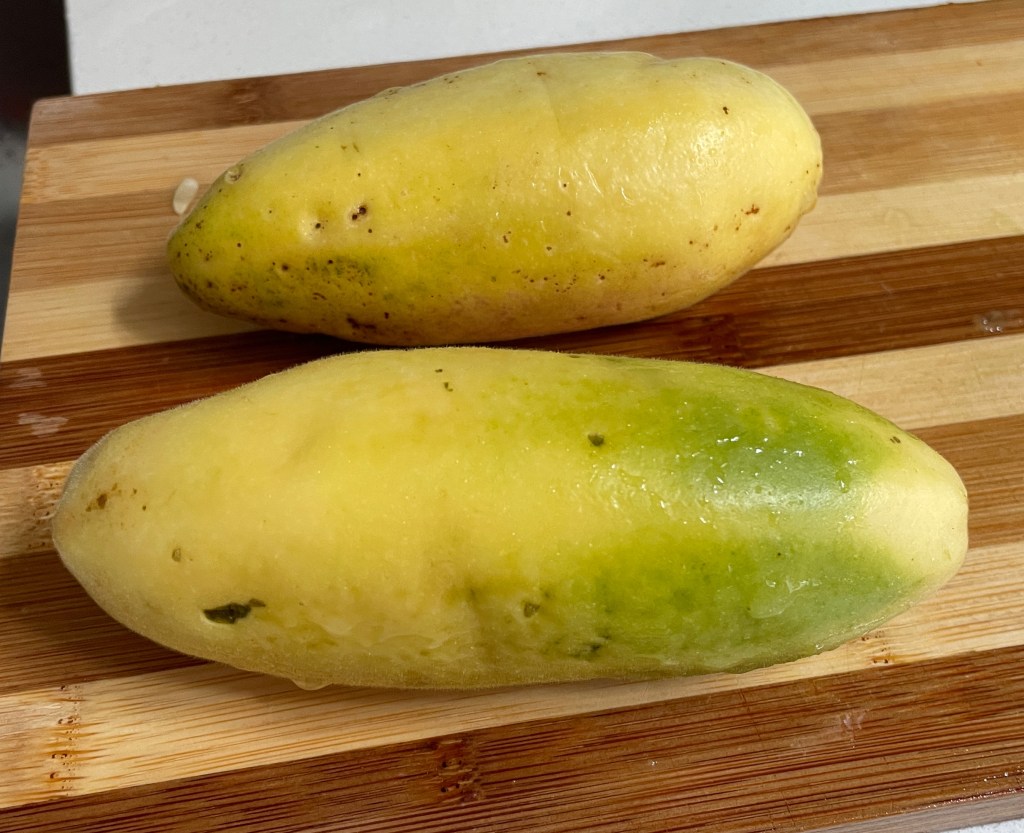
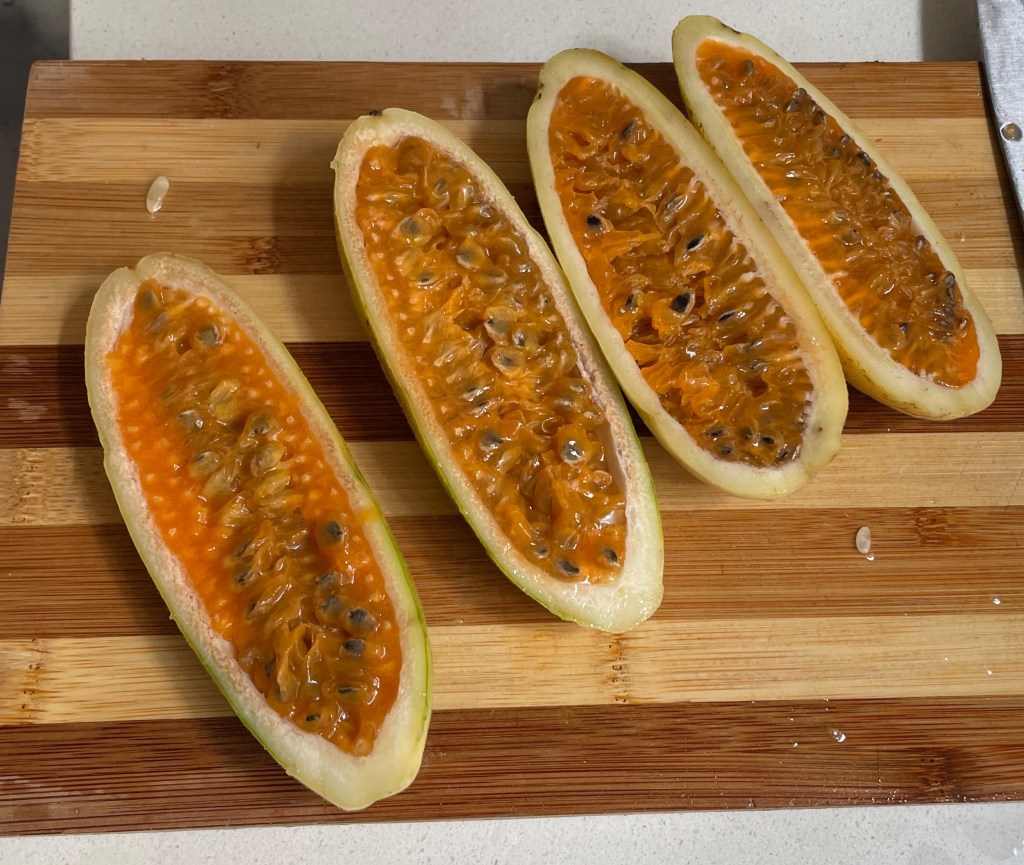
On the other hand, we did try curuba, also known as banana passionfruit (top row below), which we liked. I think they look more like old Persian cucumbers than bananas, but the interior looks just like passionfruit. They’re pretty tart and not as flavorful as maracuyá, but could be a good substitute in a pinch. I’d recommend trying it if you like passionfruit and don’t mind that goopy-seedy texture. We also tried lolu, which was by far our favorite new fruit (bottom row). It is exceptionally tart, so I always eat cucumber after to prevent heartburn. Most folks in Colombia drink it as a juice instead of eating it fresh since it is so tart. We have yet to try the juice, but it’s been a fun addition to our breakfast plates.
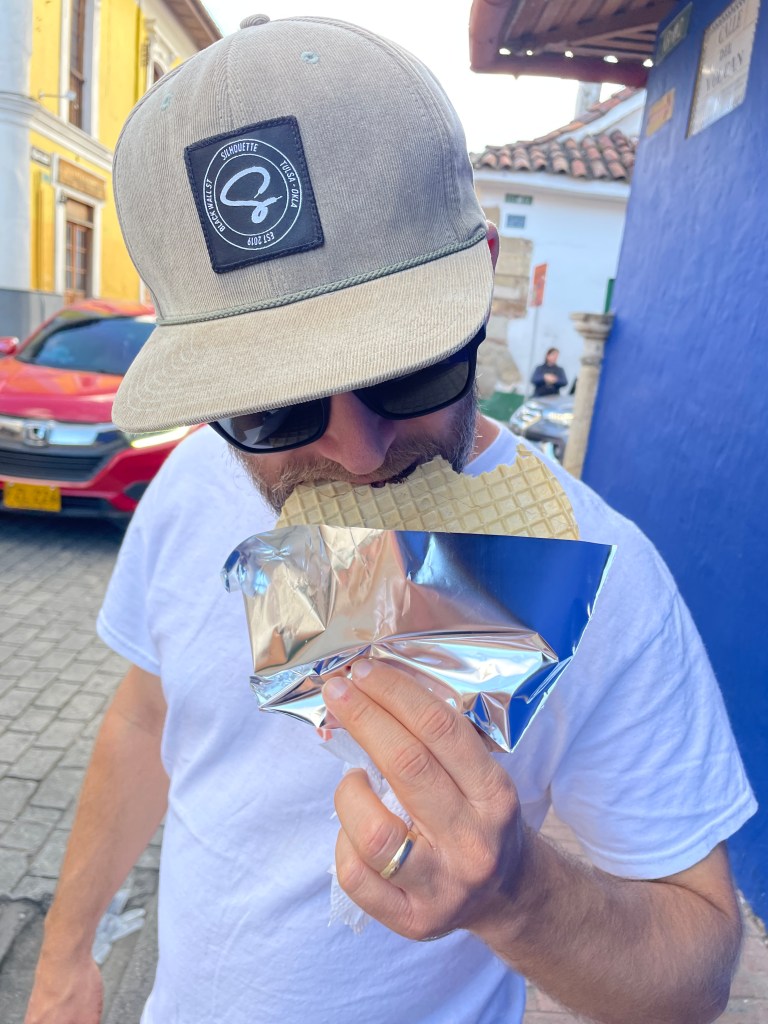
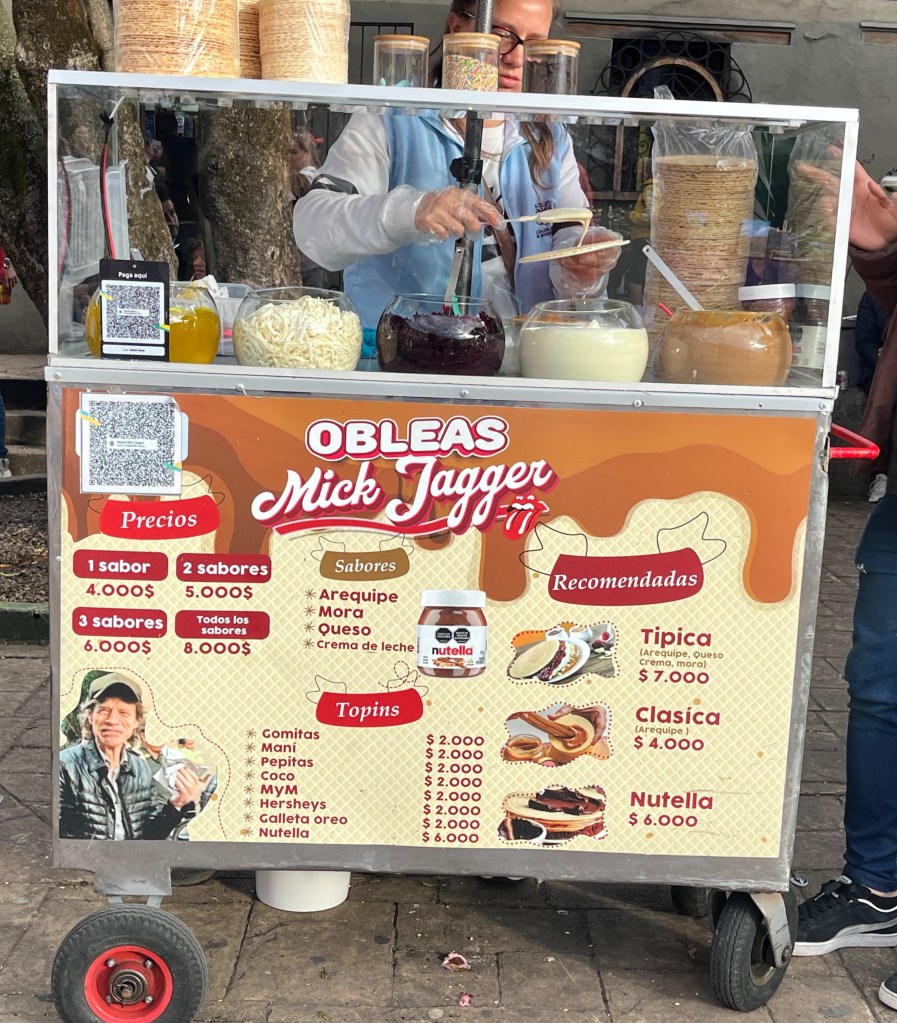
Street food is everywhere in Bogotá, especially since it seems like everyone is always on the go. One of the foods we had heard of were obleas: two big wafers stuffed with a variety of sweet sauces and toppings. In 2016, the Rolling Stones played a show in Bogotá and someone took Mick Jagger to an oblea stand. Of course folks went gaga over it and now his face is plastered all over these stands. Adam had two on two separate occasions. The first was with dulce de leche, mora (blackberry), and condensed milk. The second time he ate it with dulce de leche, mora, nutella, maracuyá, and coconut flakes. If I could eat obleas, I would get one with dulce de leche, coconut flakes and either peanuts or chocolate chips. A girl can dream.

There is plenty of street food I can eat though! Around the corner from our hotel is a lady who sells all sorts of arepas. The first I tried was beef with egg (first photo on the left). The first bite was just greasy corn, but the second bite melted in my mouth. The beef is slow-cooked and whole egg is fried in the arepa. A few sauces are available to enhance the flavor too. Everyone else raved about the garlic aioli, which was good, but the spicy aji won me over (middle photo). The second was filled with chicken that was so well spiced I almost didn’t need the hot sauce, but I added some anyway. A warning: if you find good street arepas, be careful because you will dream about them and want to eat a million of them all day. I had to resist stopping at every arepa stand we passed by every time we went outside.
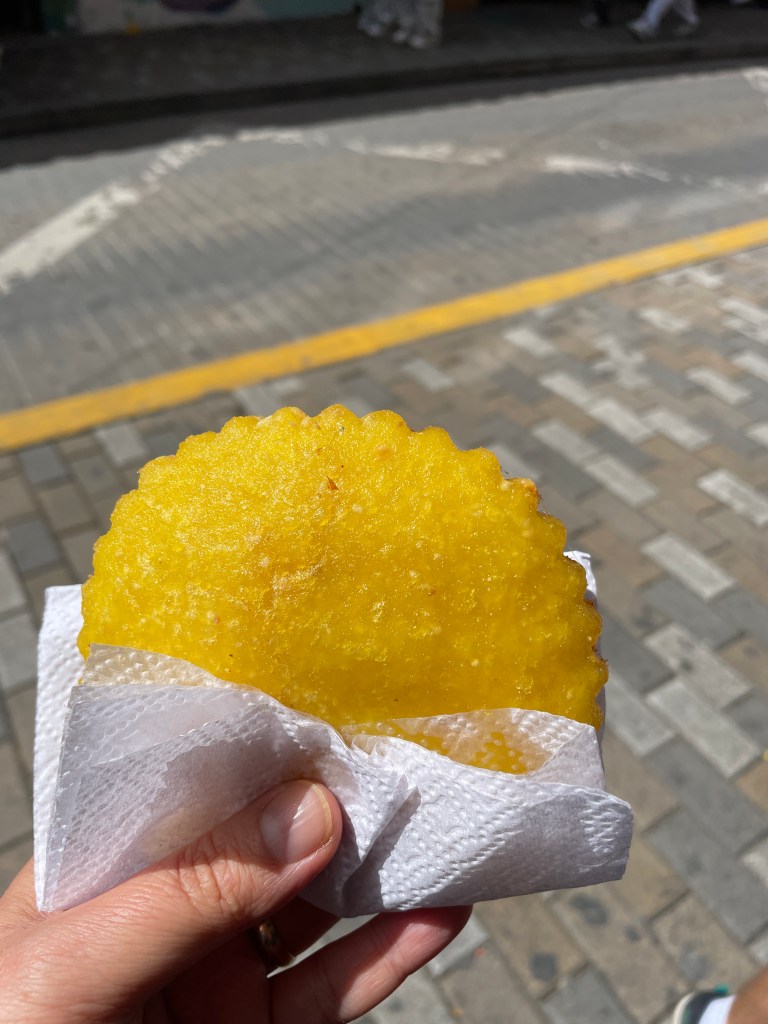
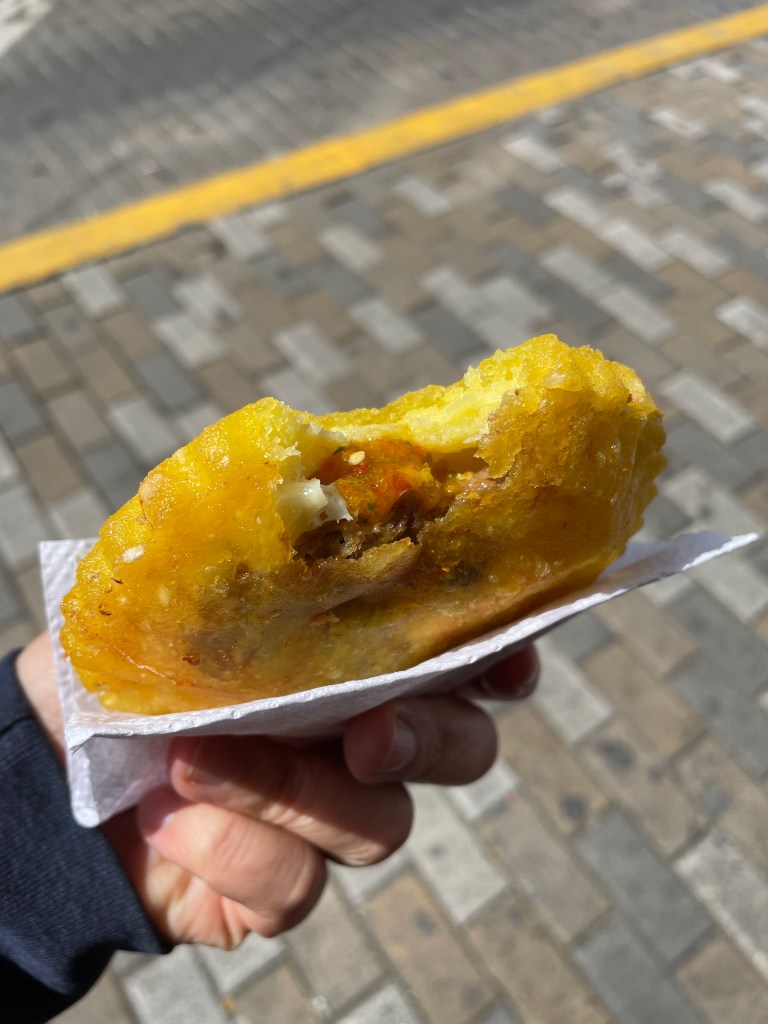
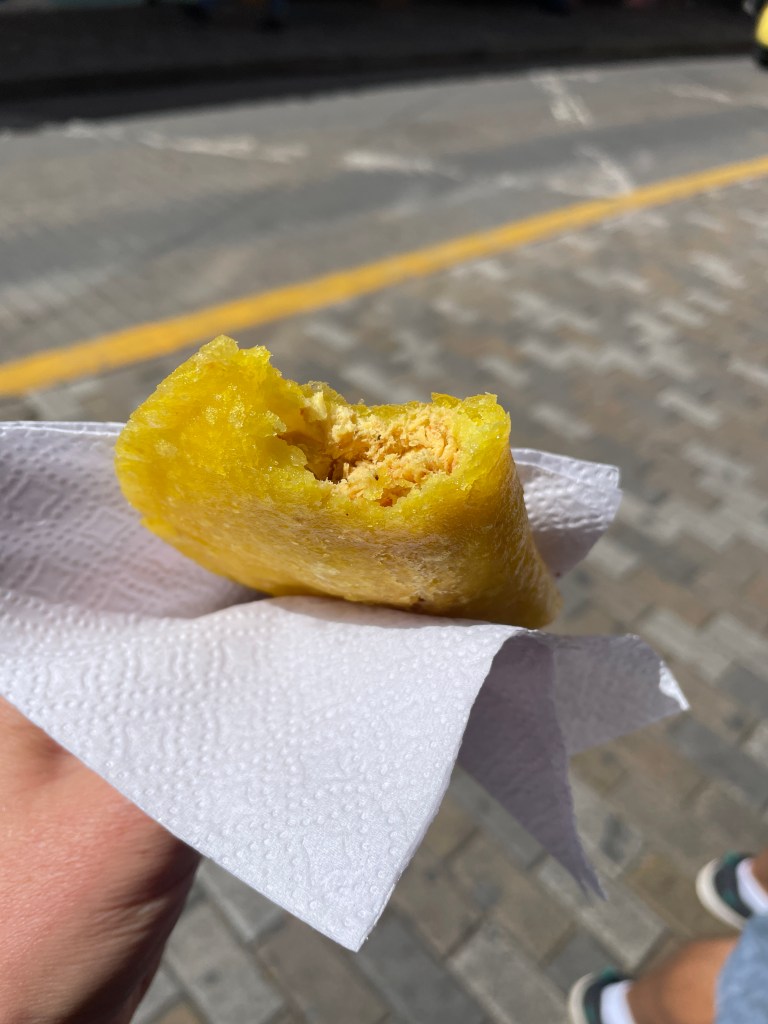
A quick note about hot sauces: we noticed that most countries have a particular brand of hot sauce that they love. Panamá’s was probably our favorite, but the Colombian aji sauce, especially if it’s homemade, is a very close second. It is very spicy, even for Adam, so a little bit goes a very long way.
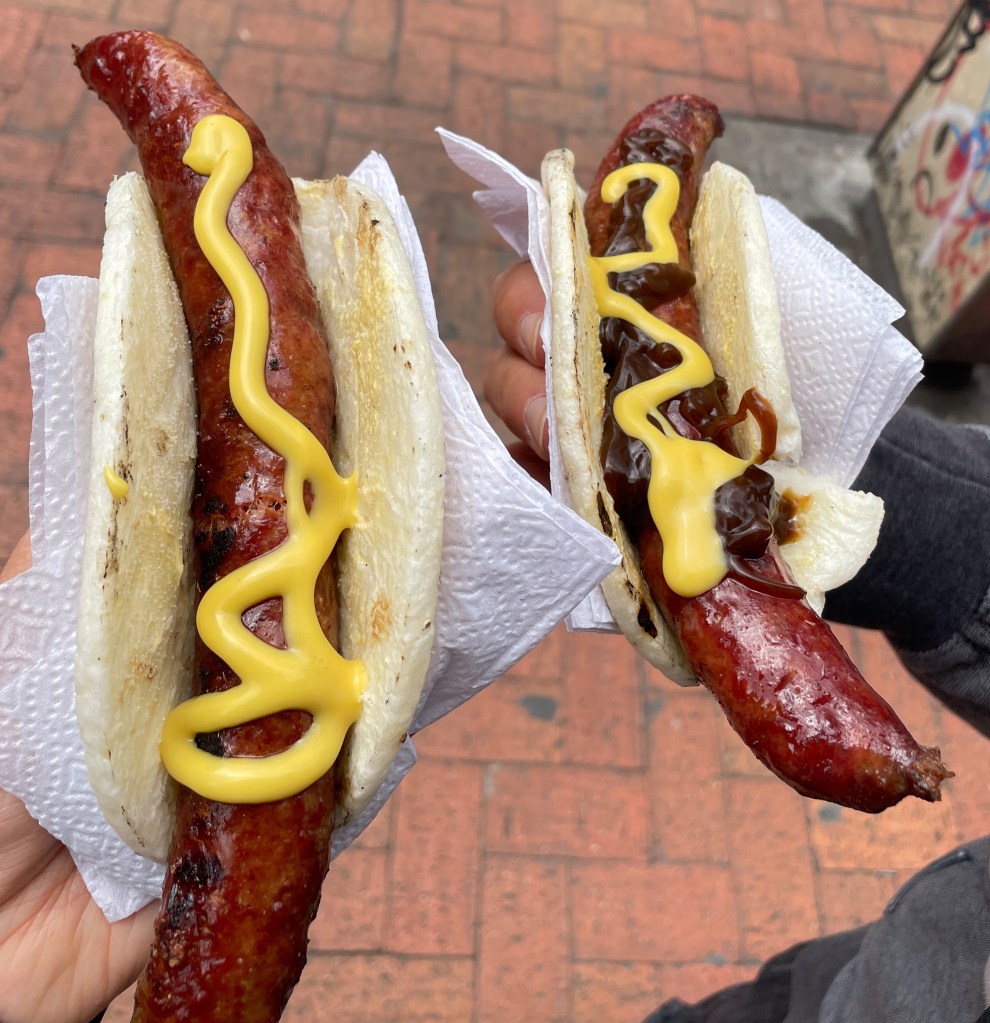
Arepas are more than just for stuffing though; they’re often used like tortillas, like at this chorizo stand. Is this a perfect substitute for a hot dog bun? Not necessarily, but it makes me wonder why hot dog stands don’t offer corn tortillas as a gluten-free substitute. The chorizo itself did not taste like Mexican chorizo at all, by the way. It was more like a thin, very porky bratwurst with an excellent snap. The mustard tasted more like yellow mayo and Adam said the barbecue sauce was very sweet without any smokey flavor. Still, for 5,000 COP (that’s about $1.50), who the heck am I to complain? (These are also addicting. Be careful out there y’all.)
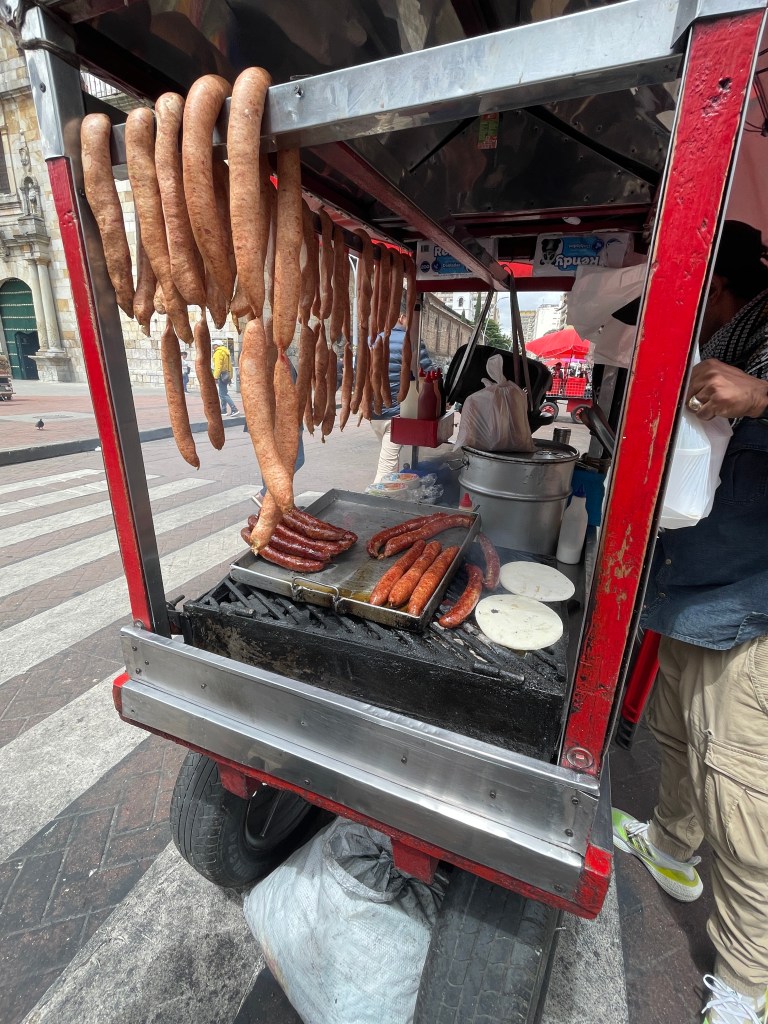
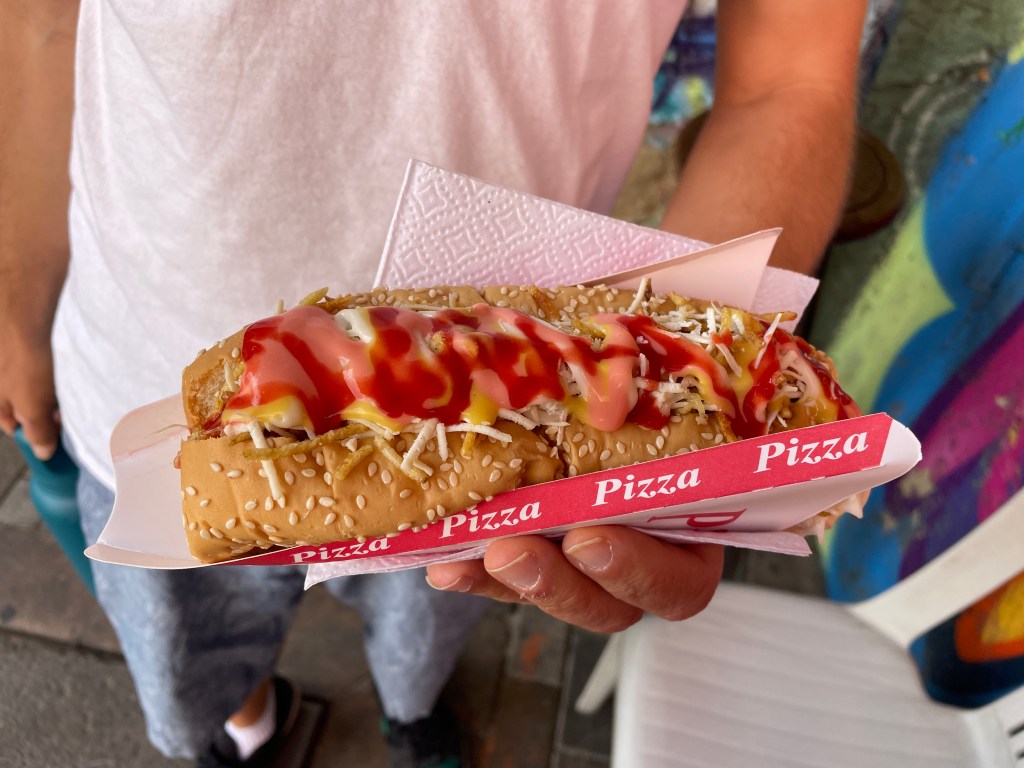
Speaking of hot dogs, Super Perros and Super Choris (loaded hot dogs/chorizo dogs) are everywhere too. Adam ate a Super Chori and it reminded him of the loaded hot dog he ate in El Valle de Anton, though not quite as good. I love the idea of crispy potatoes on a dog for extra texture. I just don’t understand what folks have against tangy yellow mustard and pickles. (Chicago dog for the win!)
As we were leaving Monseratte, we noticed someone selling mango with all kinds of toppings. We ordered the mango-maracuyá. Green mango gets sliced super thin and topped with maracuyá juice, lime, salt, and condensed milk. We got a cup (without the condensed milk) and it was just the refreshing fruity treat we needed after a big hike. It was also so much mango – definitely worth sharing with someone.

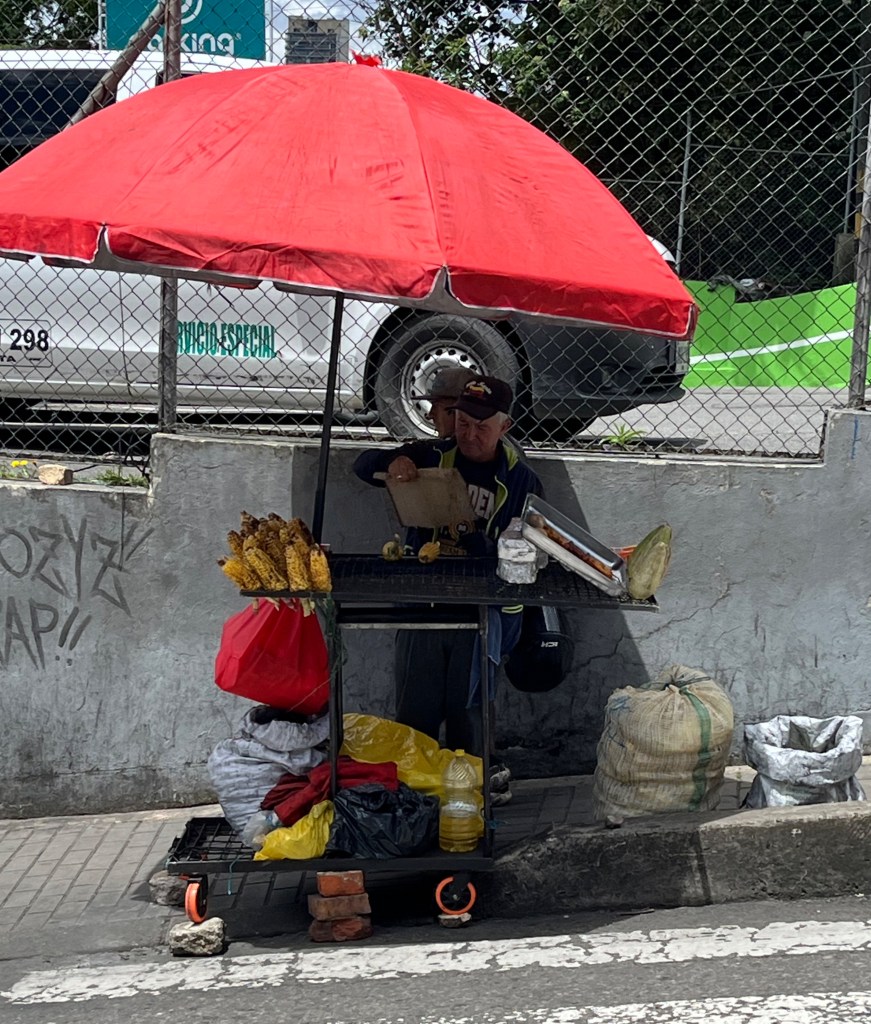
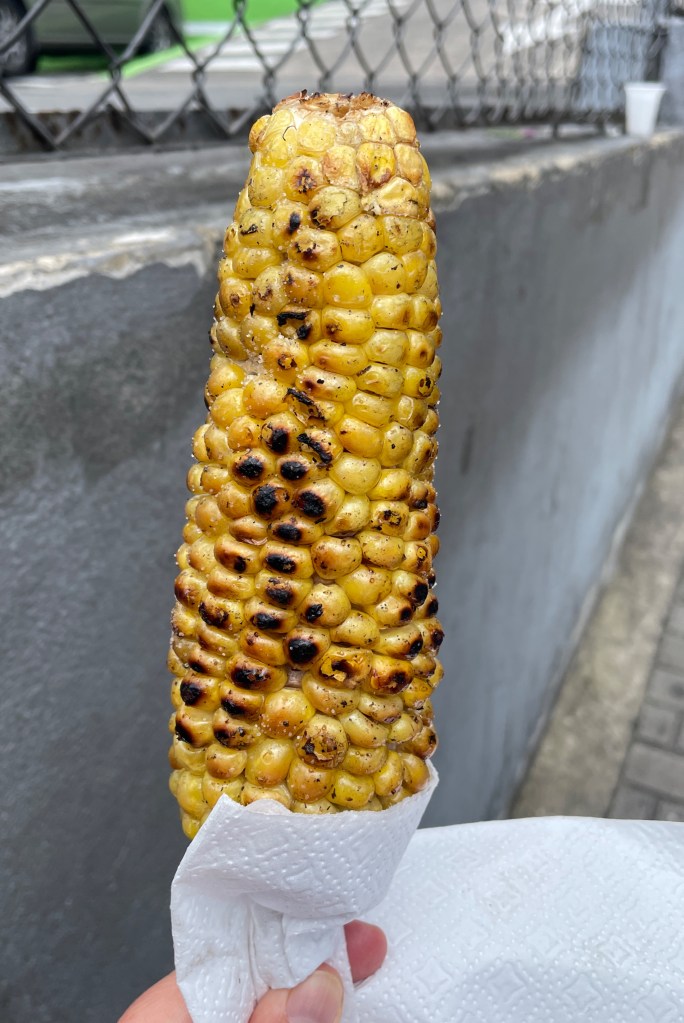
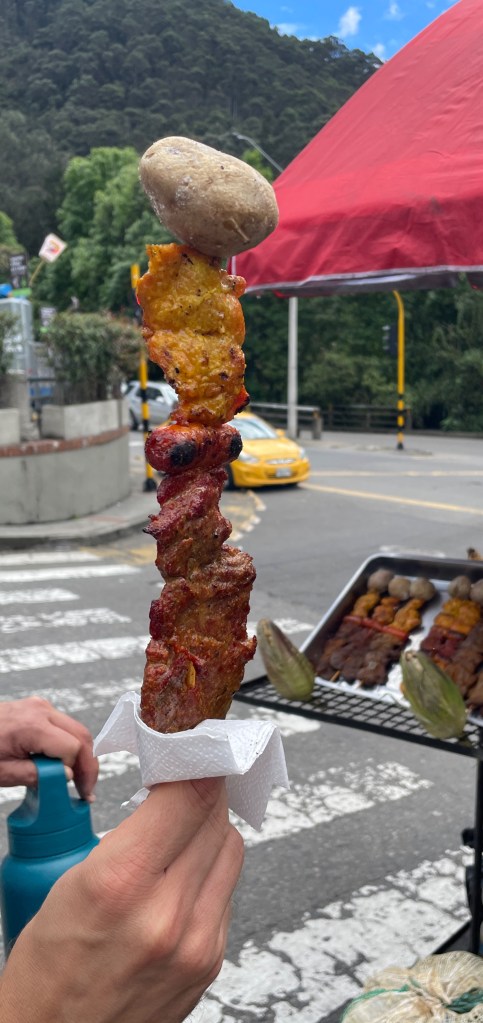
While we were eating the mango, I couldn’t help but notice the vendor next to us. This elderly gentleman was grilling big, beautiful corn and meats on a stick topped with potatoes. It didn’t take too much convincing for Adam to agree to split one of each with me. The corn was chewy and each kernel came off the cob very easily. This is not your typical Americansky corn y’all! The potato was perfectly fluffy and all the meats were good, though the flavor of the chicken was probably our favorite. (In case you’re wondering: nope, neither one of us got sick from all the street food.)
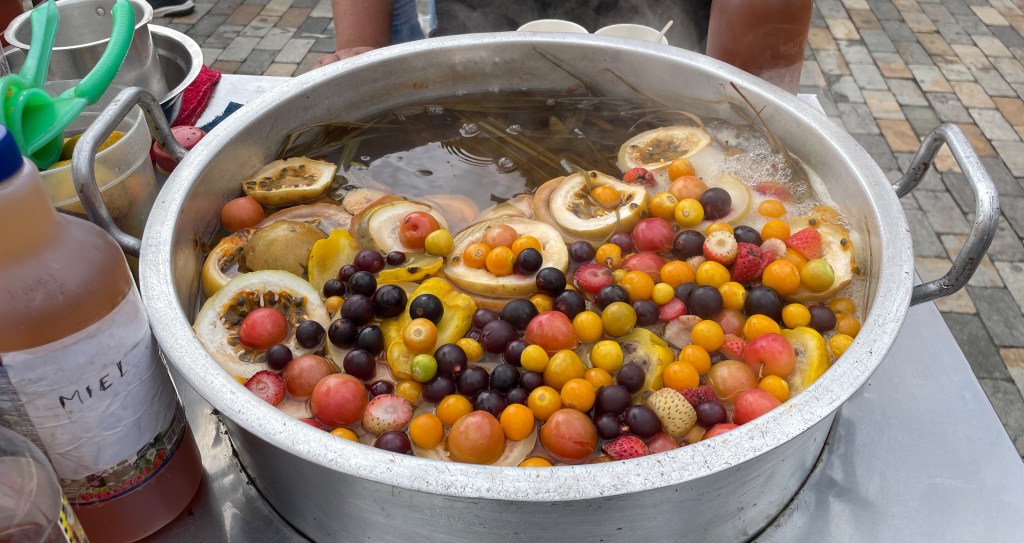
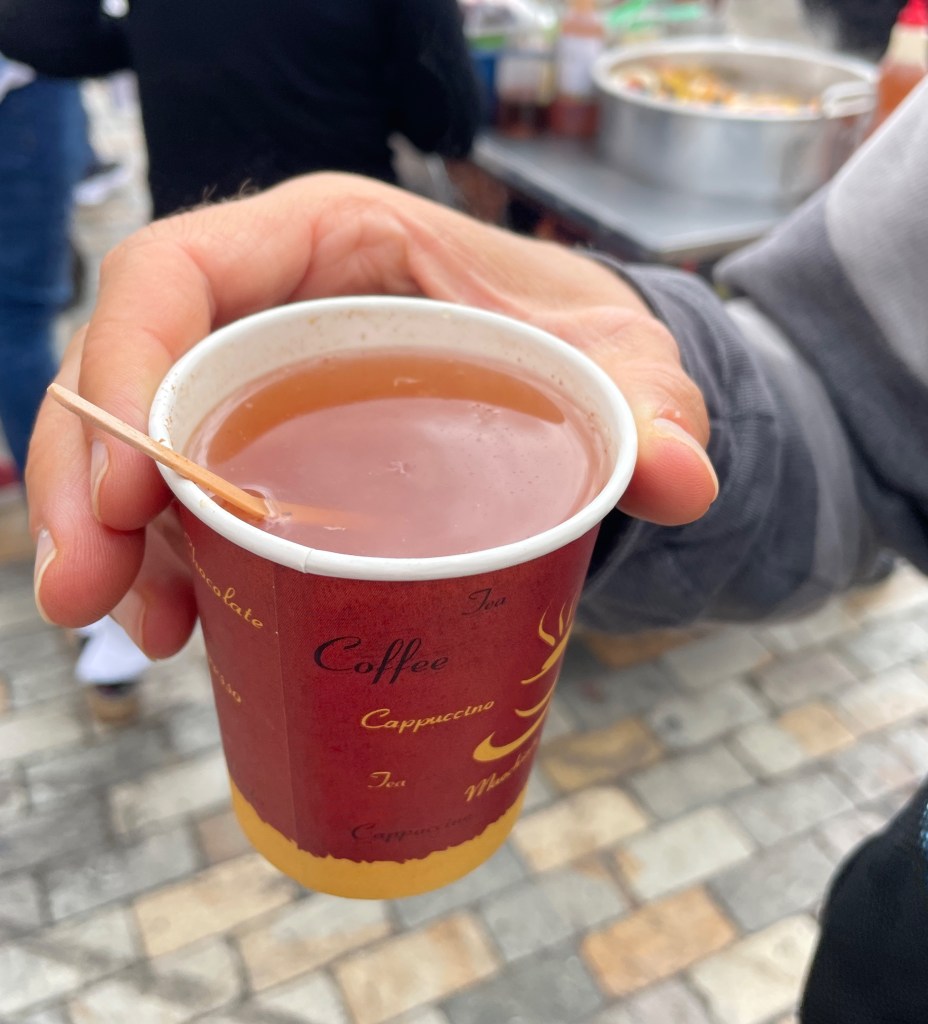
Folks sell all kinds of drinks on the street too. One of the fun ones is aromática, which is sort of a catch-all phrase for a hot fruity drink with or without alcohol. Look at all those beautiful fruits in the pot just simmering away on the photo on the left! She asked us if we wanted it sweetened with panela (claro, of course) and with our choice of alcohol (rum, claro). It’s a perfect cup on an especially cold day.
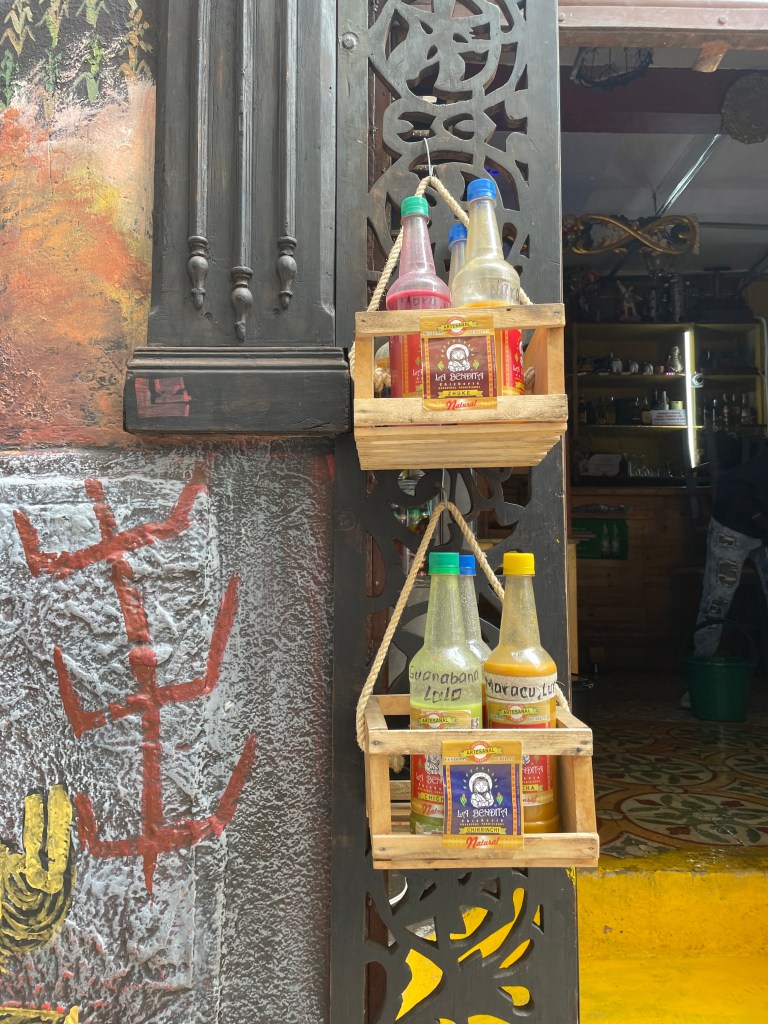
Another drink that is popular but controversial is called chicha. This fermented corn drink is, essentially, hooch sold on the street in plastic bottles. In the La Candelaria neighborhood near our hotel, vendors and restaurants offer free tastings to anyone who walks by and we saw people of all ages walking around with bottles. The drink is tart like kombucha, a little chunky, and flavored with different fruit such as grape, lulo, apple, and lemon. I was very excited to try it, but the kombucha of it all was too much for me. Adam liked it and eventually bought himself a little bottle of grape chicha to enjoy.
What makes chicha controversial is that it has been illegal in Colombia since the 1940s. Chicha is an Indigenous drink linked to the Muisca people who lived in the area now known as Bogotá. While it was initially hailed as just as important to Indigenous society as beer or wine is in European societies, everything changed in the 1880s. Both a doctor and anthropologist claimed that drinking chicha causes a disease called chichismo that causes people to become lazy, sick, and stink. According to these two, drinking chicha contributed to the racial degradation of Colombians causing it to become pathologized. Perhaps not so coincidentally, at the same time, the first Colombian brewery began production and a new campaign encouraged people to drink beer instead of chicha. Despite this pressure, chicha remained an important part of Colombian society.
Massive civil unrest in the 1940s was blamed on drinking chicha. The United States also contributed to the anti-chicha movement by distributing posters negatively portraying the drink. Once the ban took effect in 1949, all chicha production went underground. In the 1980s, a special festival was held that sold chicha for one day and the drink has slowly made a comeback. Today, police will look the other way if it is sold in the city center. (We even saw a police offer chatting and laughing with a chicha vendor on the street.) However, because it is illegal, it is not regulated and, therefore, we have no way of knowing if the chicha we had was authentic.

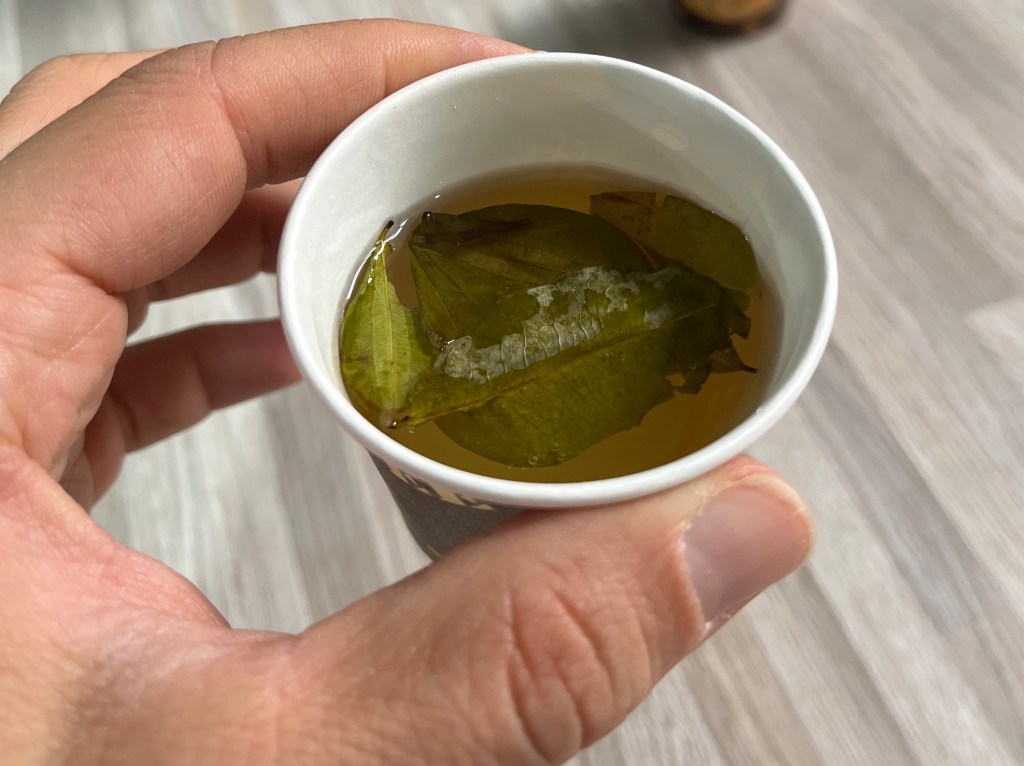
After our graffiti tour around the city, we had a chance to try coca leaf tea. People drink this for medicinal purposes, especially since it helps with altitude sickness. To me, it tastes like a very mild green tea. (I’m a black tea gal, through and through.)
To answer your burning question: no we didn’t get high. It takes two tons of coca leaves to make 1 kilogram of cocaine and it has be cooked down, mixed with chemicals, and processed.
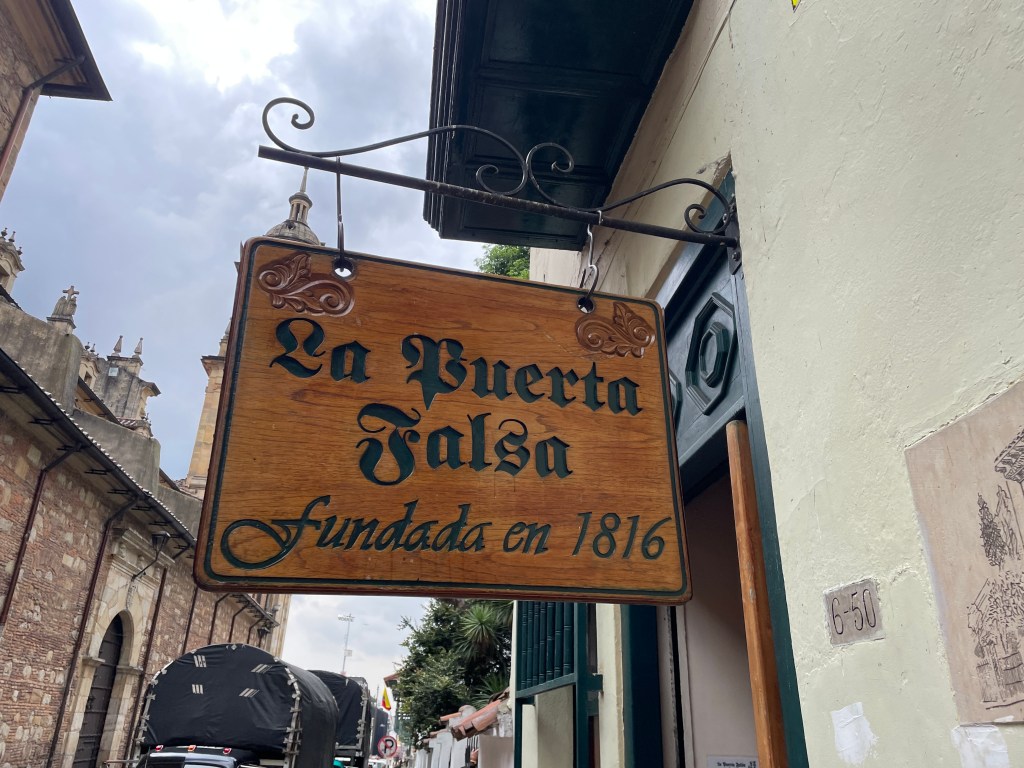
We didn’t only eat street food though. We chatted quite a bit with a very sweet server at a Georgian restaurant (the meal wasn’t anything special) who grilled us about what tipico (typical) Colombian food we had tried so far. When we mentioned we hadn’t had Colombian tamales yet, she insisted we visit La Puerta Falsa (The False Door). This itty-bitty restaurant has been around since 1816 and serves a very simple and affordable menu. Besides the good food, this restaurant also has celebrity clout: Pablo Escobar used to come here for lunch and sort out business deals. That’s according to our friendly server, though I couldn’t find any supporting evidence on the interwebs so take it with a grain of salt.
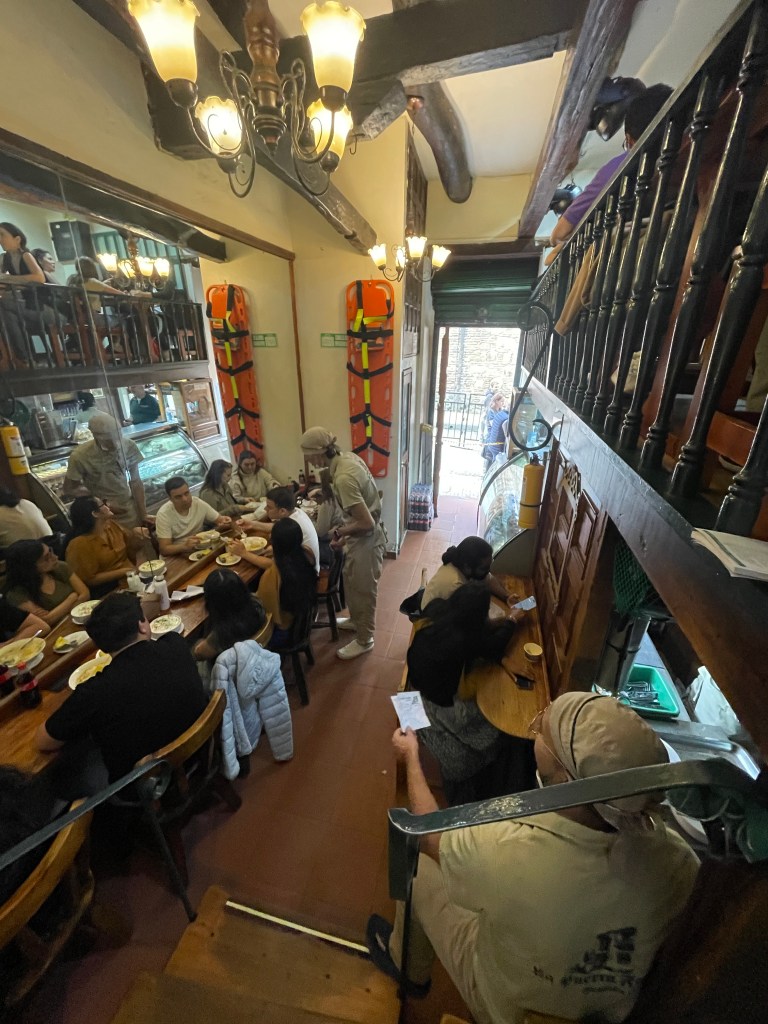
On the right is a photo of the sign just outside the restaurant. The neighboring restaurants all have names with puerta (door), clearly trying to compete with the restaurant’s popularity. The photo on the left was taken from the second floor. See that mirror? When we walked in and asked for a table for two, the server looked at the mirror and told us to find seats upstairs. As a former server, I’m always impressed by restaurants that find ways to be efficient, especially if it means saving servers an extra trip up stairs just to seat people. The upstairs has three tables for 4 and a bar with 10 or so chairs. Teeny tiny.
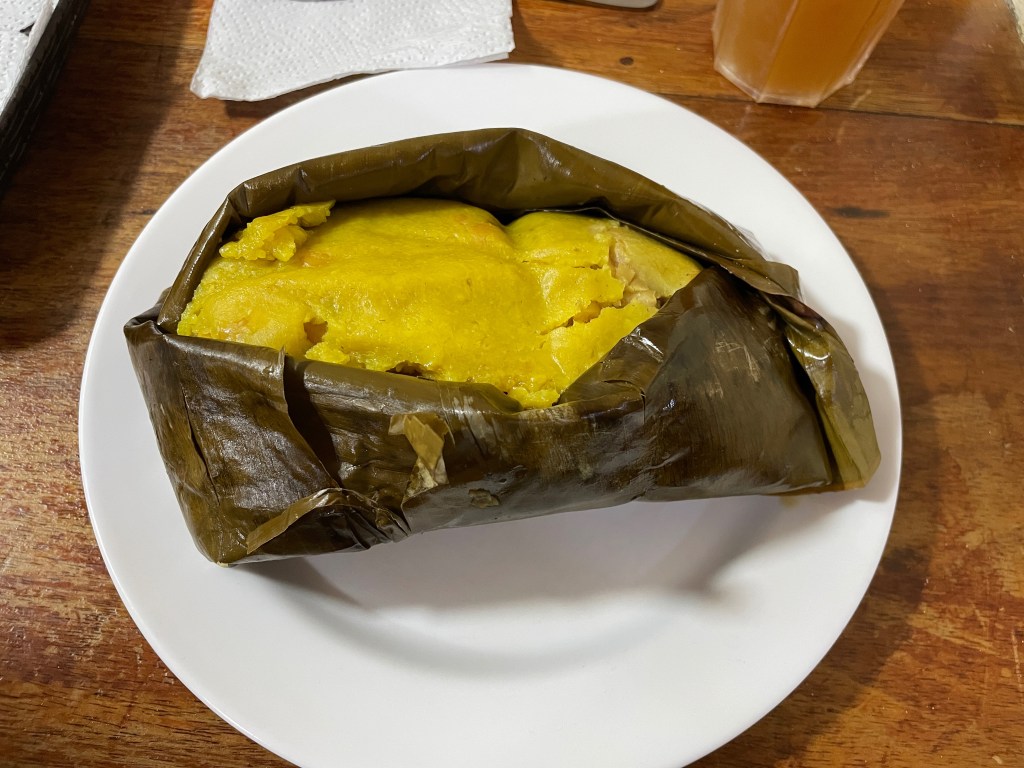
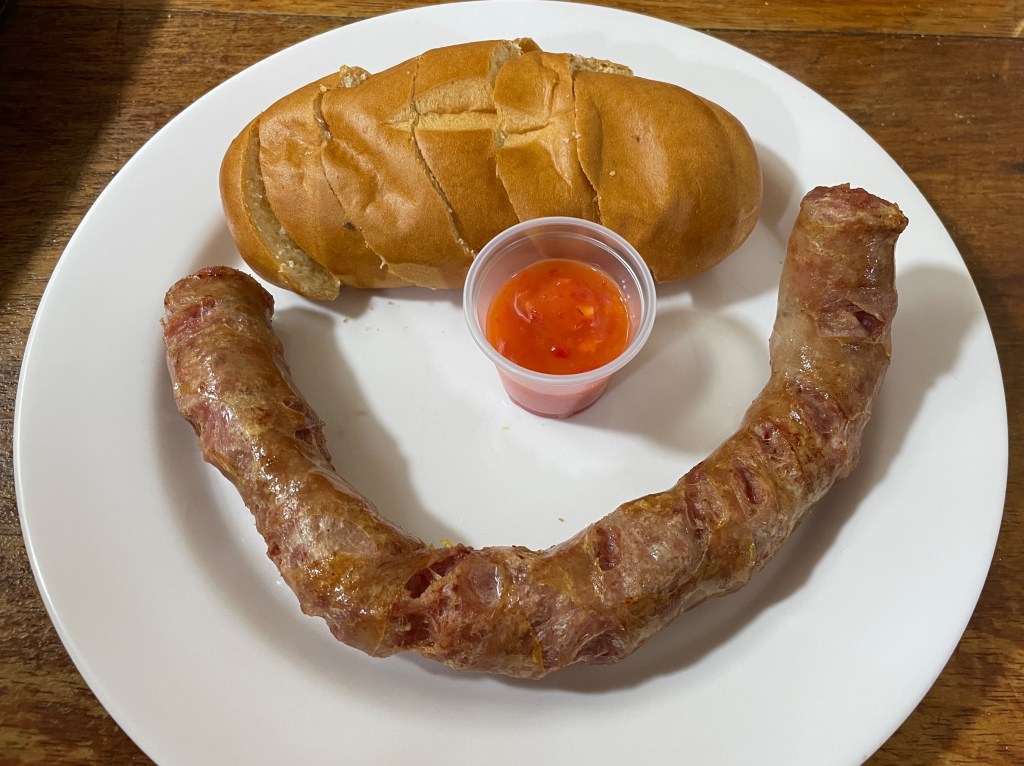
As we sat down, we debated between ordering tamales or the sancocho, a classic Colombian stew with meat and potatoes. Many people around us ordered it and the bowls were gigantic (like extra-large Pho bowls in the States), served with a side of corn, avocado, and a sauce. This particular sancocho, though, is made with heavy cream so we opted for the tamales. Each tamale was huge and included a whole drumstick, pork belly, and a bit of veggies, wrapped up neatly in a banana leaf. The masa was exceptionally soft, full of flavor, and didn’t really need hot sauce. (Why do tamales get softer as we travel further south? I’m not complaining, just curious!) We were still a little peckish after we ate it, so we decided to order the longaniza, a popular sausage. It was full of flavor, had an excellent snap, and the hot sauce was one of the spicier I have eaten in Colombia. (Obviously I didn’t eat my share of the bread.) We also ordered a lemonade, not pictured, that was flavored with panela. Delicious.
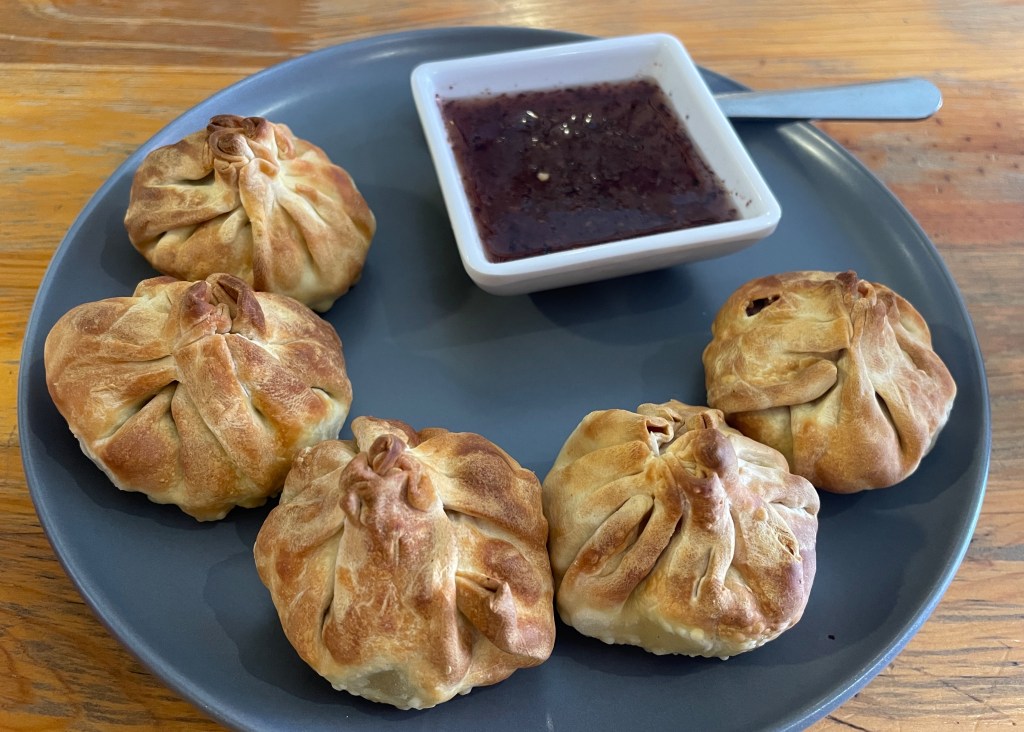
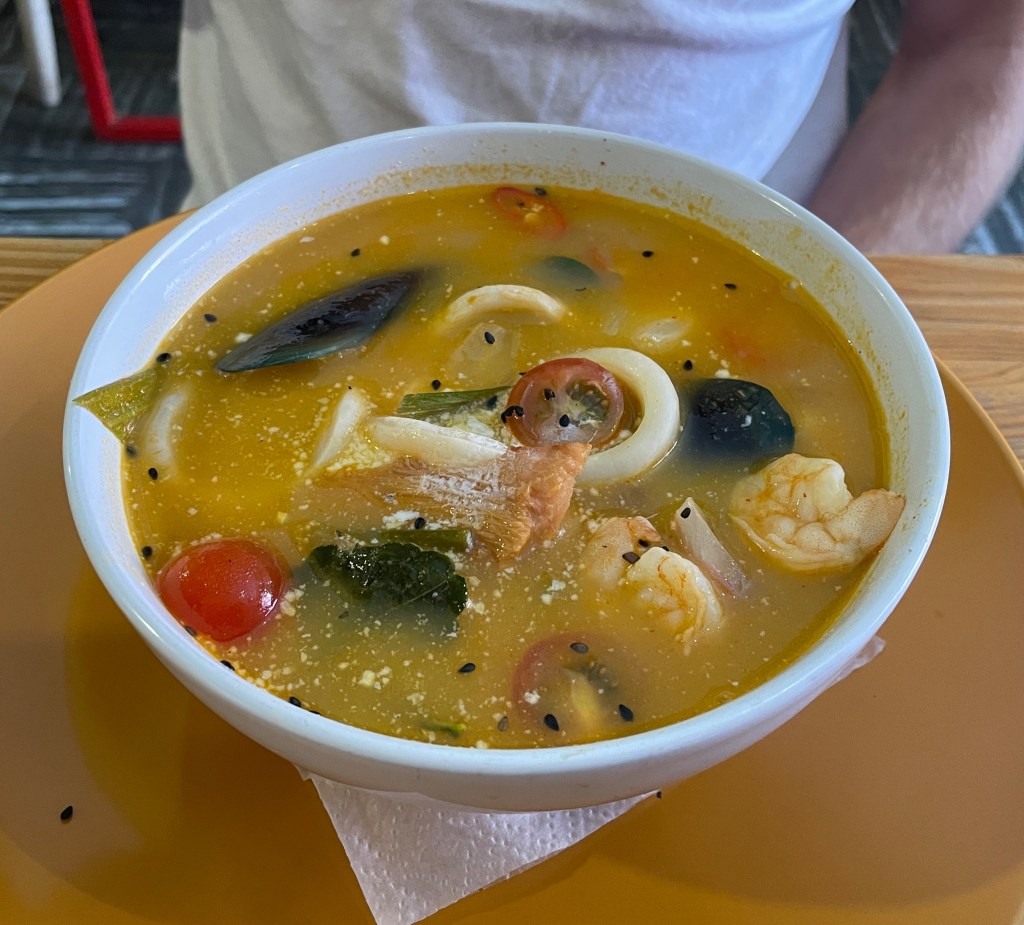
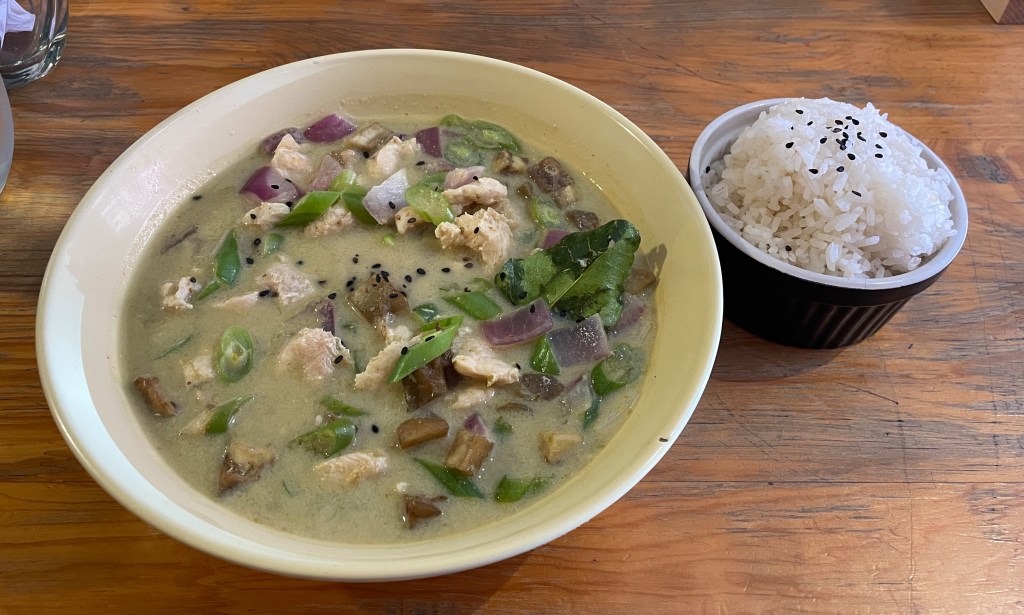
Lastly, I want to share a particularly delicious meal we ate while walking around the La Macarena neighborhood. Of all the non-Colombian meals we ate, this was by far our favorite. We stumbled upon Bangkok and it was the best Thai food we have had outside of Los Angeles. (L.A.’s Thai Town is world renowned for its cuisine.) Adam ordered handmade dumplings filled with pork served with a red wine-plum sauce as well as the seafood Tom Kha (left and center photos). I ordered the green curry with chicken, Thai eggplant, and red onion (right photo). Both of our mains may look watery but they were anything but that. The Tom Kha was very lemongrass-forward with a mild seafood undertone and the chilis grew in strength as Adam dug into the bowl. My curry was full of fresh herbs, the perfect level of heat, and the coconut milk was not too overpowering. The food did take a while to come out, but then we realized it was because the server-chef-owner made everything to order from scratch. Since the restaurant is new, he is doing everything himself and we were very impressed.
Our next stop takes us to the beautiful town of Salento where more natural and culinary adventures await. Be sure to like, comment, and subscribe to Traveling While Introverted so you don’t miss it!
 Traveling While Introverted
Leave a comment