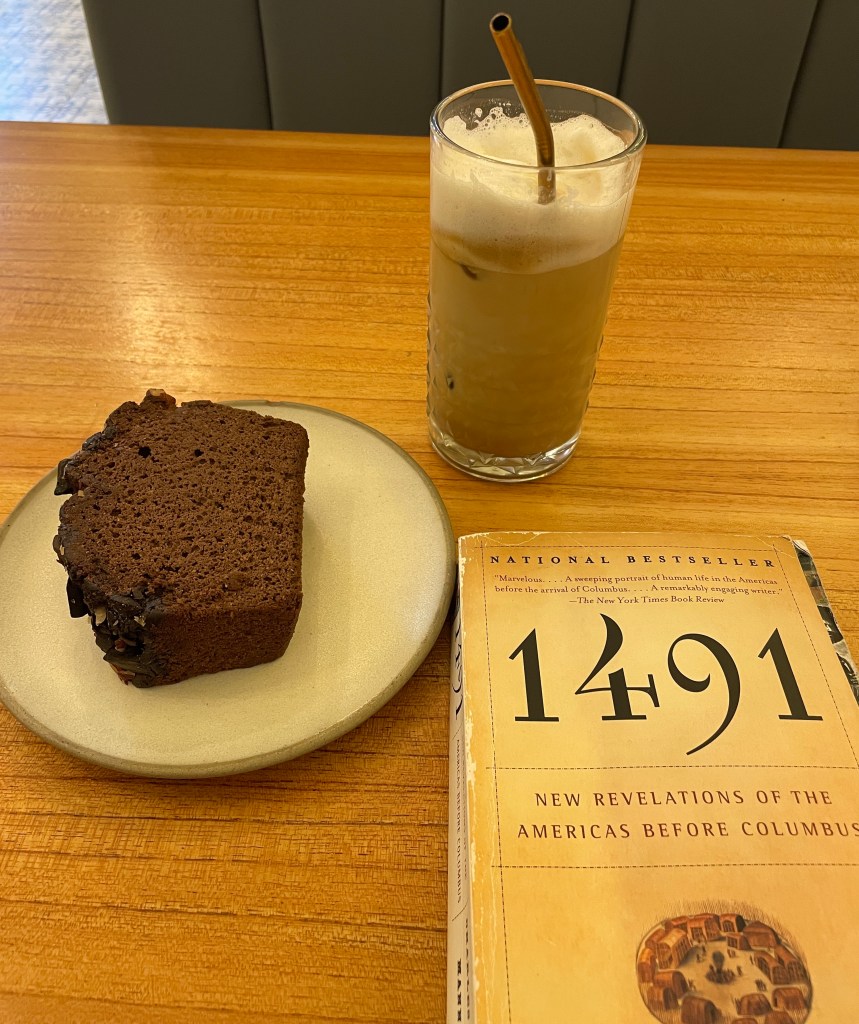
Long time readers may remember that the last book I exchanged in Bocas del Toro was The Years with Laura Díaz by Carlos Fuentes. Initially I enjoyed the book, but after 120 pages, I wasn’t engaged by the characters or the plot. I don’t believe in being forced to read a book I don’t like. Life is too short to turn something so enjoyable as reading into a chore. Because Buenos Aires is known for its literary scene, I knew it wouldn’t be too difficult to find a place to swap it for a different book. Walrus Books, a used bookstore in San Telmo, agreed to purchase my book and exchange it for a new one. I loved Homegoing by Yaa Gyasi, so when I saw Transcendent Kingdom on the shelf I grabbed it. In the meantime, I’m reading Adam’s copy of 1491 by Charles C. Mann that he purchased way back in Costa Rica. It’s dense, but so interesting. I haven’t enjoyed reading a non-fiction book in a very long time.
While in Buenos Aires, I had hopes of visiting the National Library of Argentina. Unfortunately, while they offer free daily tours to the public, they are only in Spanish. When I visited the national library in Panamá City, I could mostly figure out what the librarians were saying to me with my limited Spanish. However, that would have been so much more difficult to do in Buenos Aires. The local Spanish dialect, Rioplatense Spanish (as in Río de la Plata basin), has been very challenging for us, though with time our ears have adjusted slightly. I didn’t think it wasn’t worth the schlep.
Adam and I did get to visit the Museo Judío de Buenos Aires (Jewish Museum) though! Argentina is home to the largest Jewish community in South America, followed by Brazil, Uruguay, and Chile. (Mexico is third on that list following Brazil for all of Latin America.) Despite the community’s long history and relative safety in Argentina, all visitors are required to fill out a security form ahead of time and bring their passports. Guided tours in English and Spanish are also available for no additional charge, which we appreciated. While the museum itself has plenty of artifacts, it was easier to understand the history with a guide.
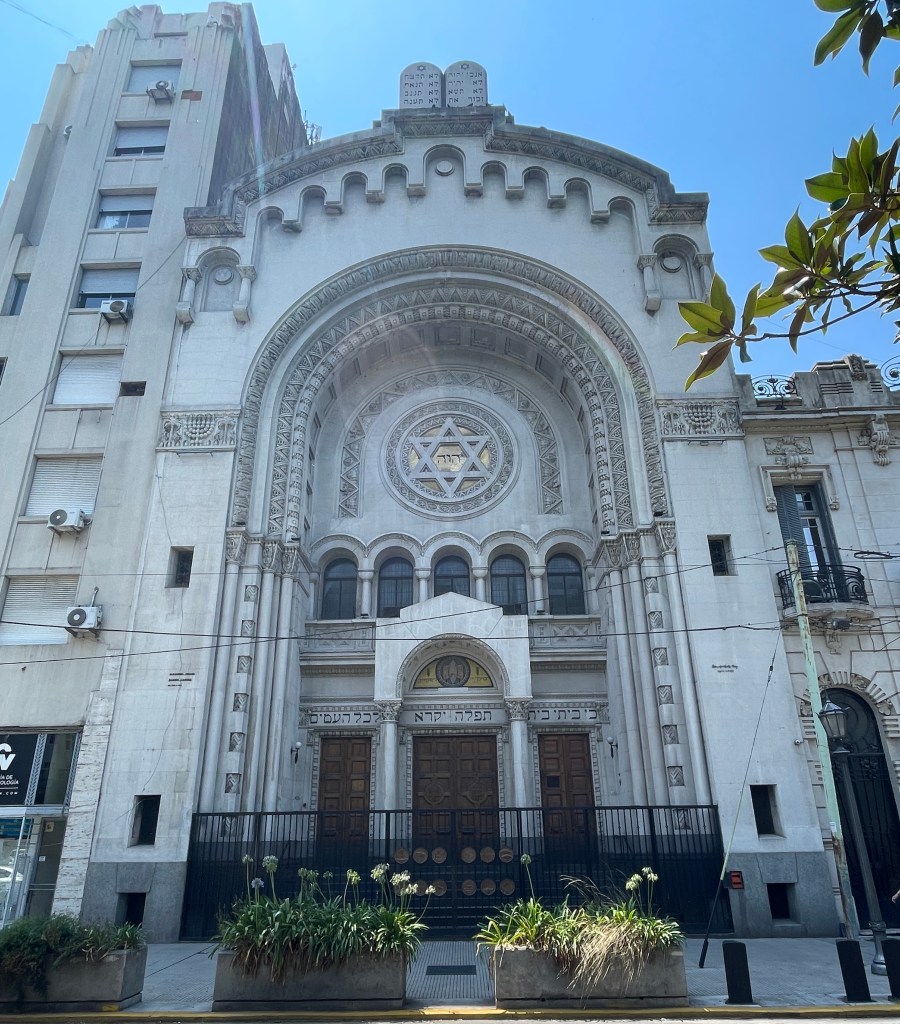
The museum is located in a building attached to an active synagogue. The synagogue’s official name is Congregación Israelita de la República Argentina, but it’s known as the Libertad Synagogue because it’s on Calle Libertad.
The congregation and synagogue are the oldest in the country, though this is not the original building. The neighborhood is also historically Jewish and offers plenty of resources for religious Jews. A kosher McDonald’s is within walking distance, which is a rarity to find outside of Israel.
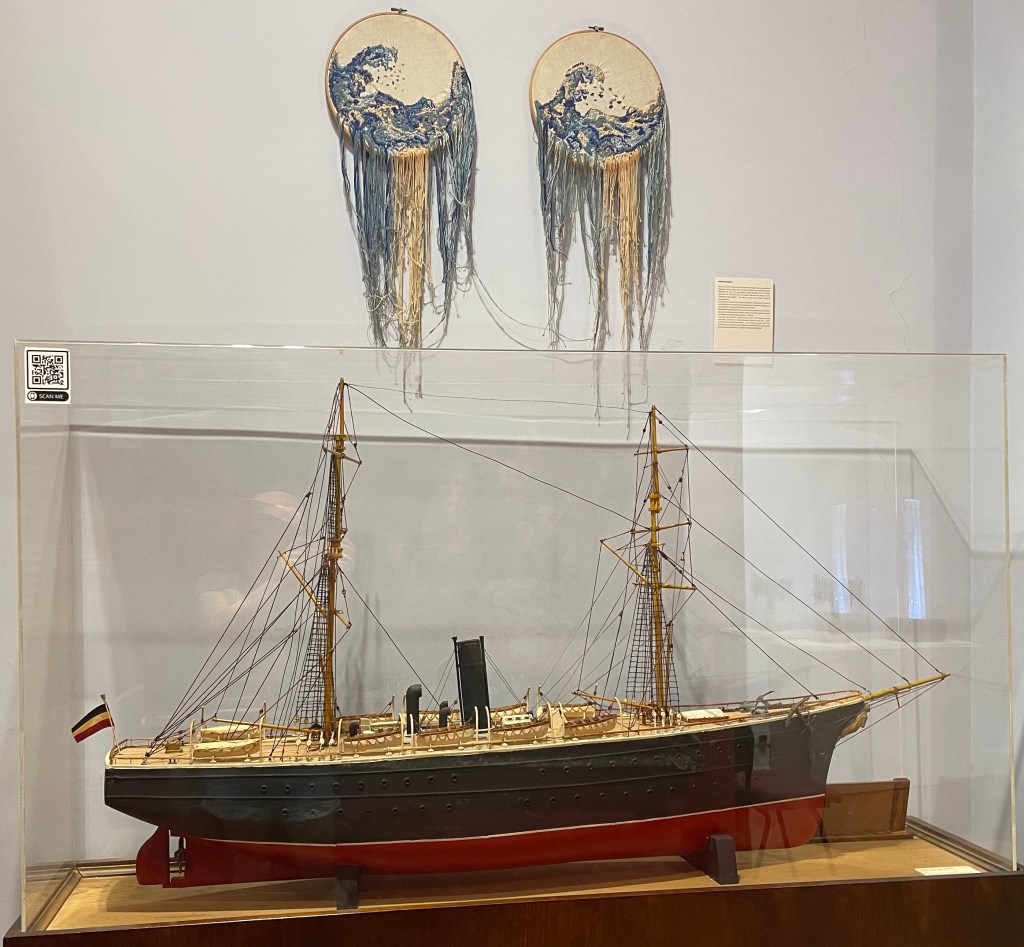
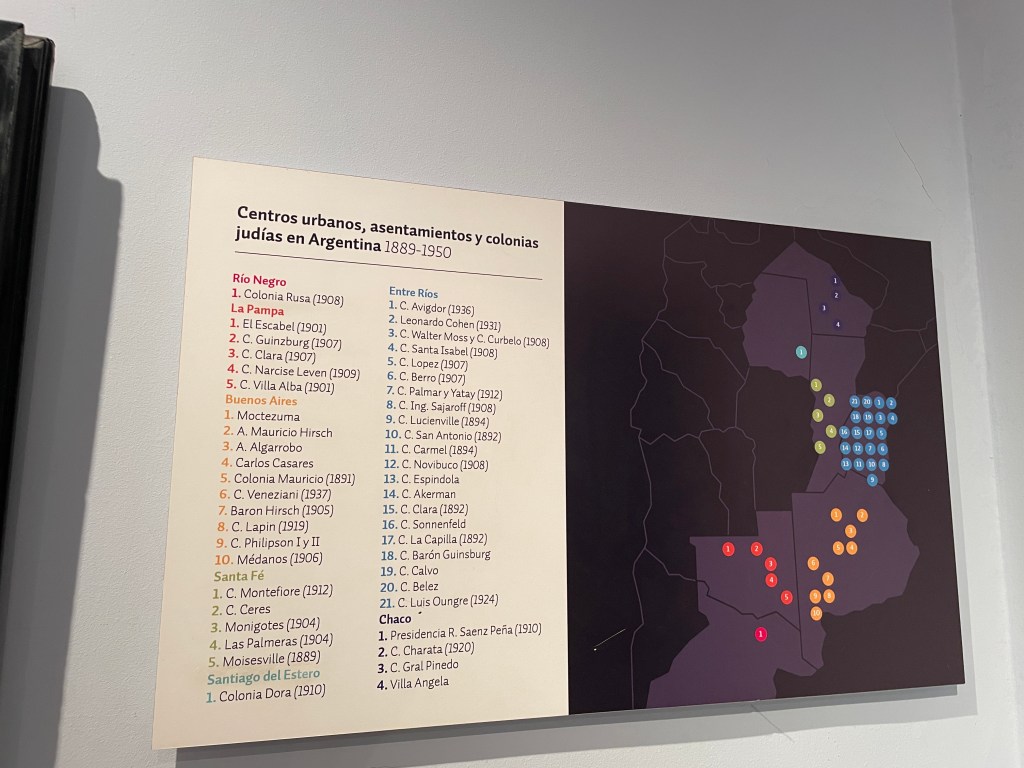
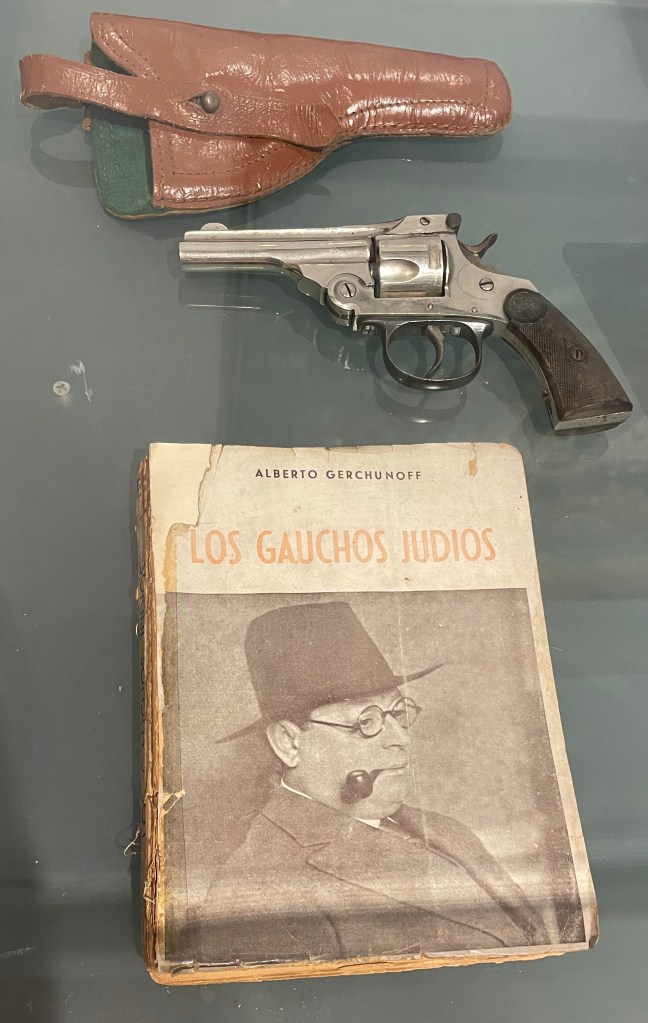
The history of the Jewish Diaspora is one of migration for all sorts of reasons, though you can probably guess which one is the most popular. (The answer is antisemitism if you had any doubts.) Besides the many Sephardic Jews who immigrated to Argentina due to the Portuguese and Spanish Inquisitions, waves of Jews later immigrated to Argentina due to pogroms in Eastern Europe. Though many chose to move to the United States, the Argentine government invited Jewish people to come and help settle Patagonia as part of its colonization project*. Jewish people were able to purchase land in Patagonia and elsewhere, but most of it was not developed. Within a few years, the Baron and Baroness Hirsch founded and funded the Jewish Colonization Association (now known as the Jewish Charitable Association) which encouraged mass Jewish migration to Argentina. Many of these immigrants became Jewish gauchos (gauchos judíos) and have been an integral part of Argentine history and culture. Very few Jewish gauchos still exist as younger people left (and leave) the countryside for the city.
*Unsurprisingly, there is a conspiracy theory that every time there is a fire in Patagonia, it’s an attempt by Jewish people to colonize the region for themselves. While we were in Buenos Aires, a fire did break out in Patagonia and I saw multiple videos on social media spreading this conspiracy theory. I also heard people claiming it was Indigenous people trying to get tourists to leave the region.
Left to right: a replica of a boat that brought Jewish people to Argentina; areas of Argentina with high concentrations of Jewish people 1889-1950; a book about Jewish gauchos, as well as a gun and sling owned by a gaucho.
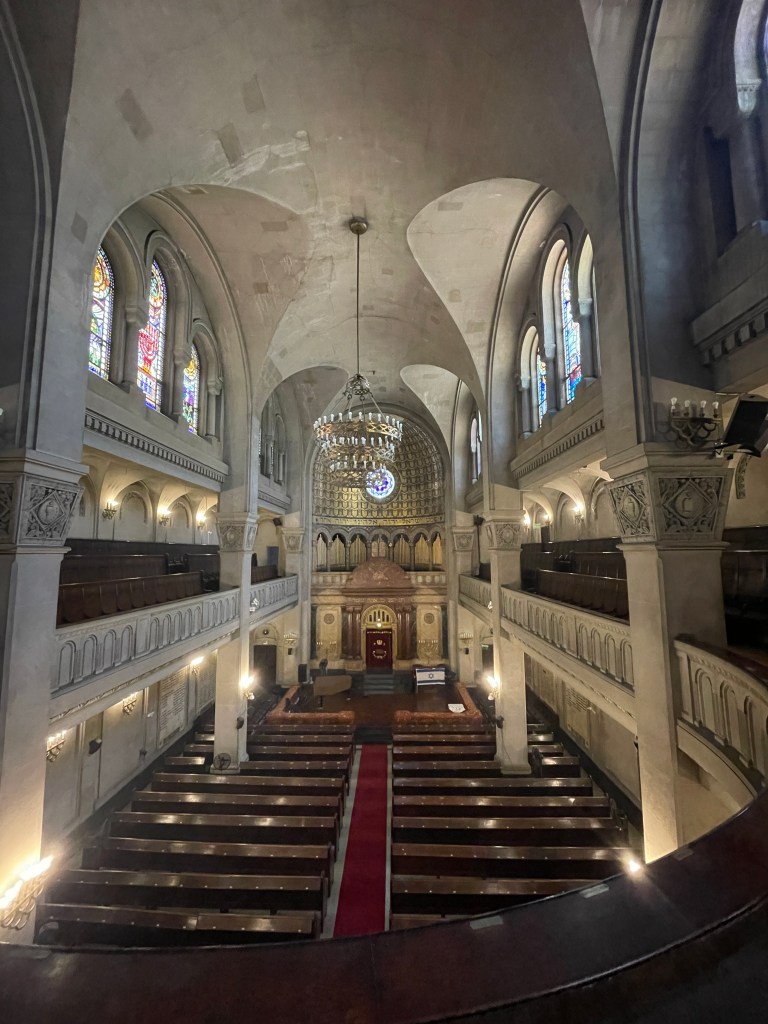
After learning about the Jewish history of Argentina, we also toured the synagogue itself. Not only is the synagogue beautiful, but it is still in use. On a given Saturday, there will be anywhere from 20-30 families in the pews, but will fill up on the high holy days. Though it began as a Conservative synagogue with separate seating for women and men, the synagogue always had an organ, which is not typical of this stream of Judaism. (Organs are also not the first instrument when you think of Jewish music either.) Today, the synagogue is Reform and does not have separate seating. Moreover, because there have been so many waves of Jewish immigrants, synagogues aren’t typically separated by Ashkenazi or Sephardic customs like in other countries. Everyone just sort of blends together.
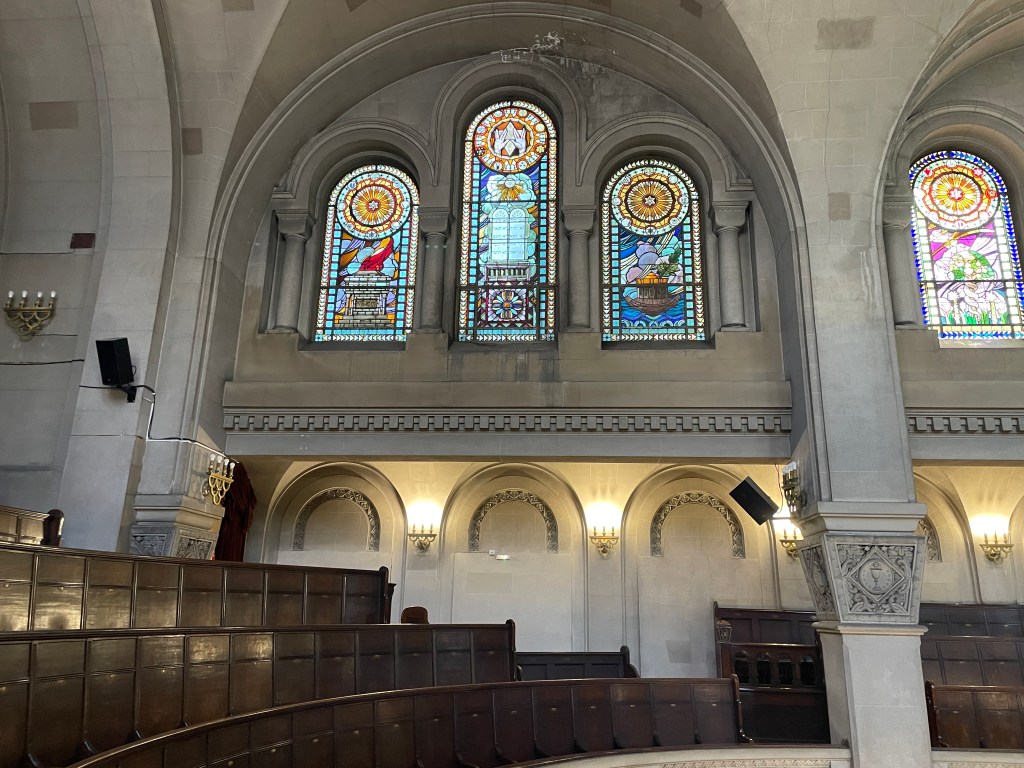
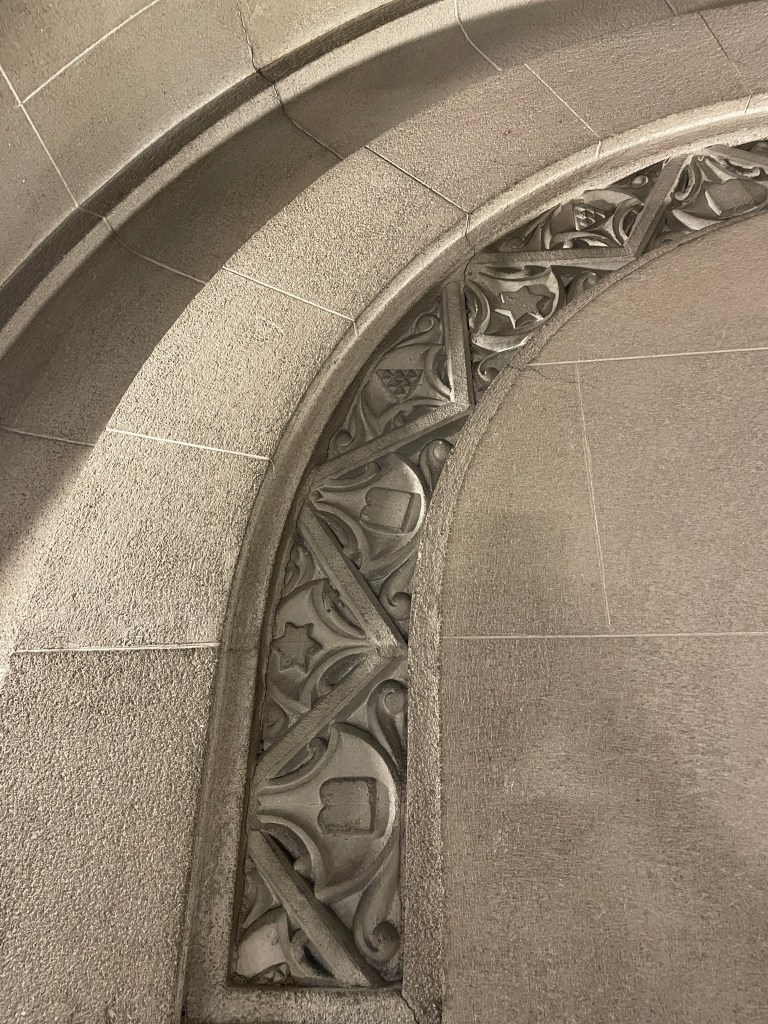
Photos, left to right: view from the second floor (former women’s balcony), if you zoom in you will see the organ pipes; close-up of one of the stained-glass windows; close-up of one of the arches that include Jewish iconography as well as wheat to emphasize the connection to Argentina’s agriculture.
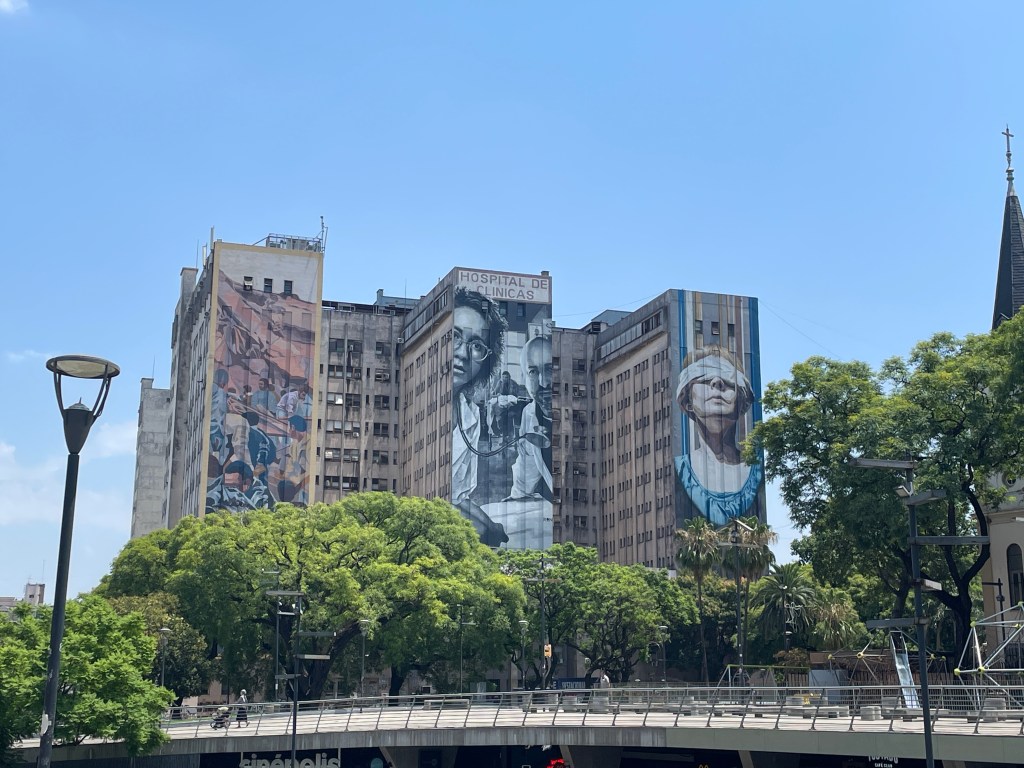
After we finished our tour of the synagogue, we walked to Plaza Dr. Bernardo Houssay to view a mural that was painted shortly after the 1994 bombing of the Argentine Israelite Mutual Association (AMIA). The first panel depicts the bombing; the second depicts the rush to save and help victims; the third is Lady Justice with a blindfold on because justice has yet to be served. Every year, the Jewish community in Buenos Aires hosts a memorial for victims and demand justice. This attack occurred just two years after the Israeli embassy was bombed in Buenos Aires. Both bombings have been recently linked to Iran and radical Islamists.
On a lighter note, the food scene in Buenos Aires is not so much bland as it is difficult to find food that is not Italian or a parilla (grilled meats). Baked goods and dairy are staples of Argentine cuisine as well. We did try to eat some iconic food, but it was very difficult for me to find gluten-free and dairy-free options. Though Adam doesn’t have food allergies, he doesn’t care for dairy all that much and doesn’t have too much of a sweet tooth. (That is changing though!) Still, we had a few culinary adventures.
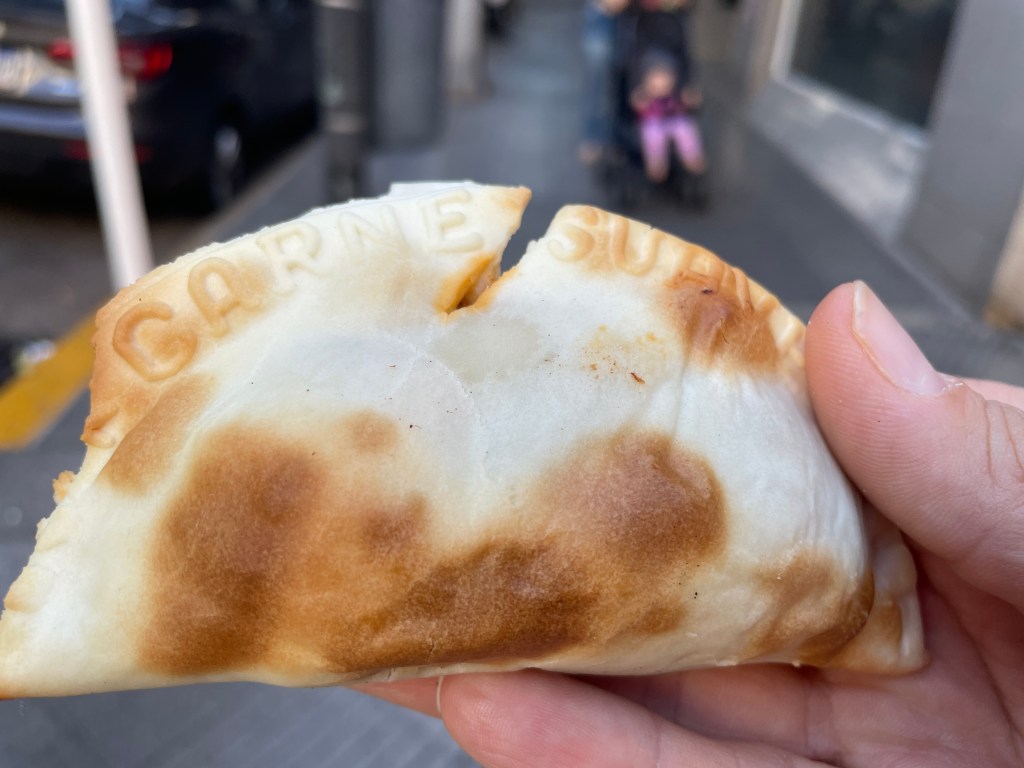
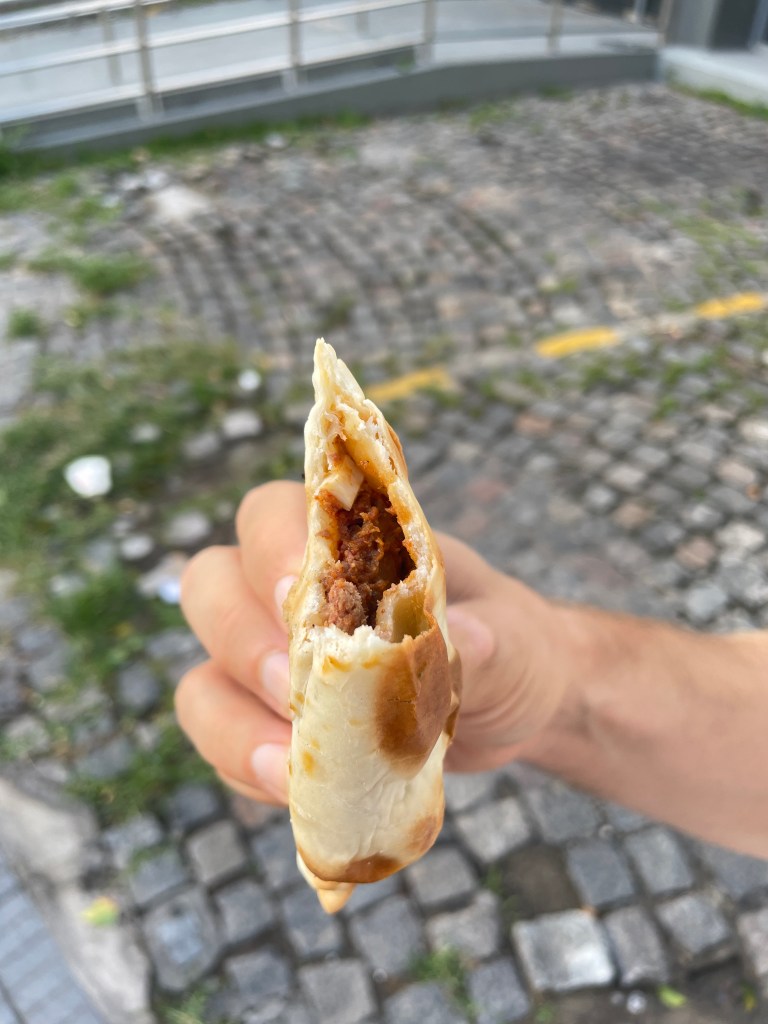
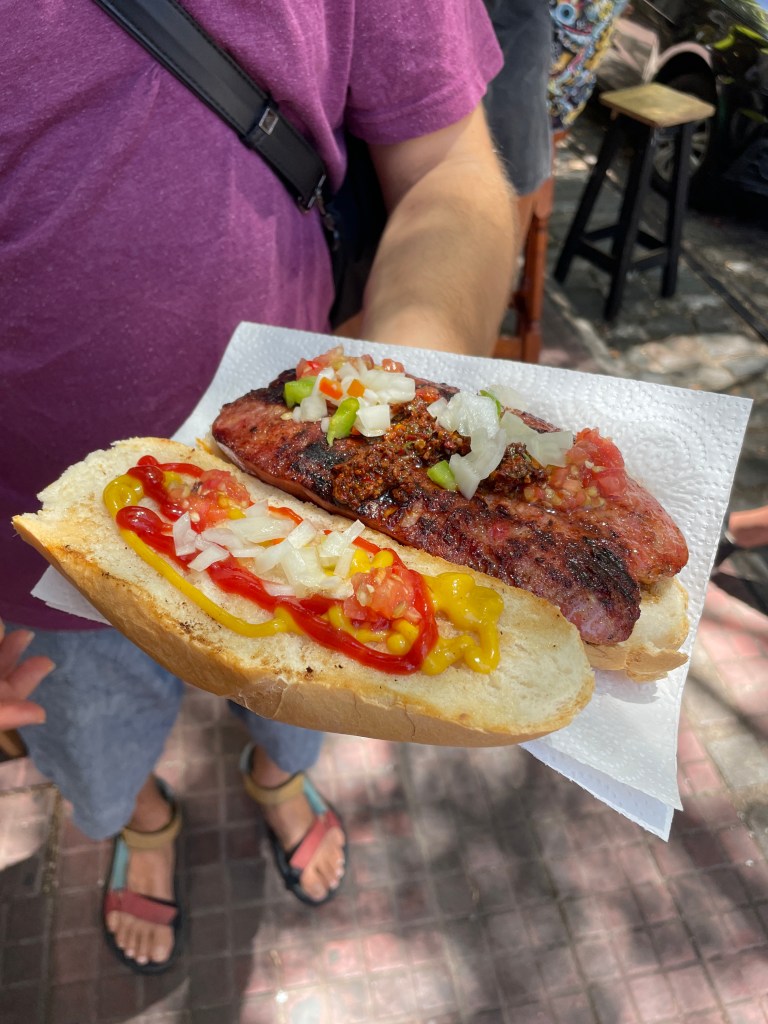
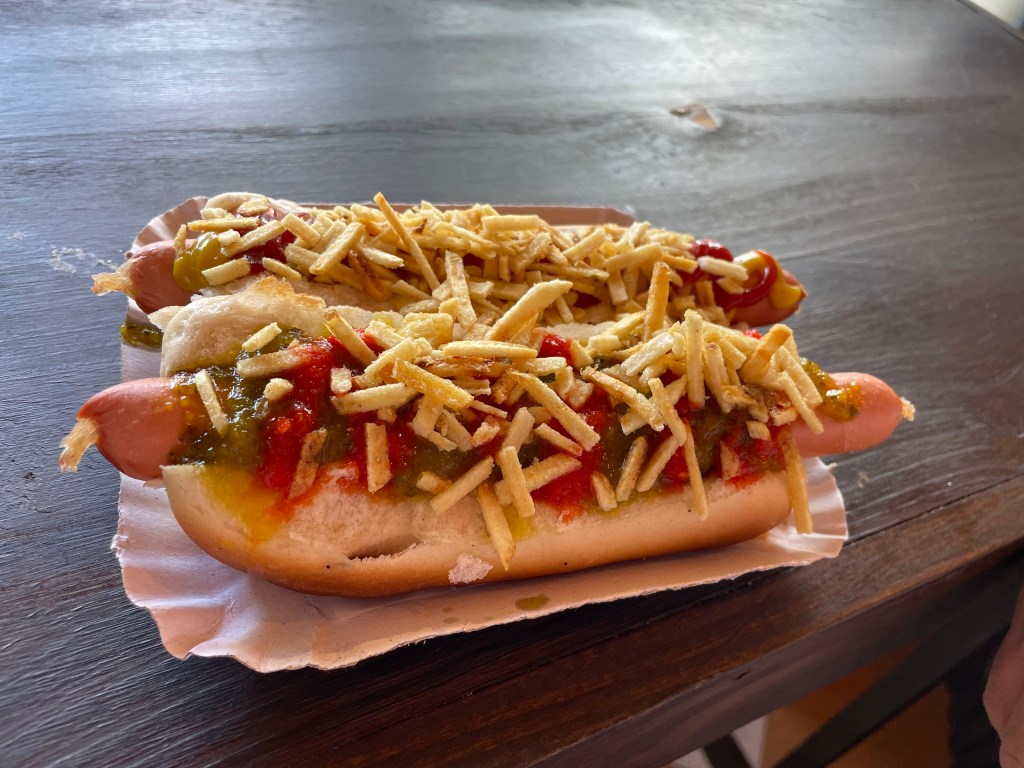
First, the street food. Empanada shops are everywhere and have many different fillings. At some empanada shops, the filling is stamped on the dough itself. What a clever idea! Adam enjoyed them, though he likes Colombian empanadas more. Adam also tried choripan, a chorizo sausage in a bun. (For fellow North American readers: in South America, chorizo refers to the cut of meat; it is not the spicy Mexican sausage you may be familiar with.) Chorizo in this context refers to a beef sausage, as opposed to morcilla, a blood sausage (hence moripan, another popular street food). On another day, Adam couldn’t resist going to a poncho, or hot dog stand, which often have heaps of different toppings beyond the usual American standards. His review: nice soft buns; the dogs had a good snap; and the toppings were generous. The crunchy potato on the top adds a nice crunch!
Top row, left to right: a carne suave empanada with the imprint on it; the same empanada after he took a bite.
Bottom row, left to right: a choripan with all the toppings (except cheese); hot dogs.
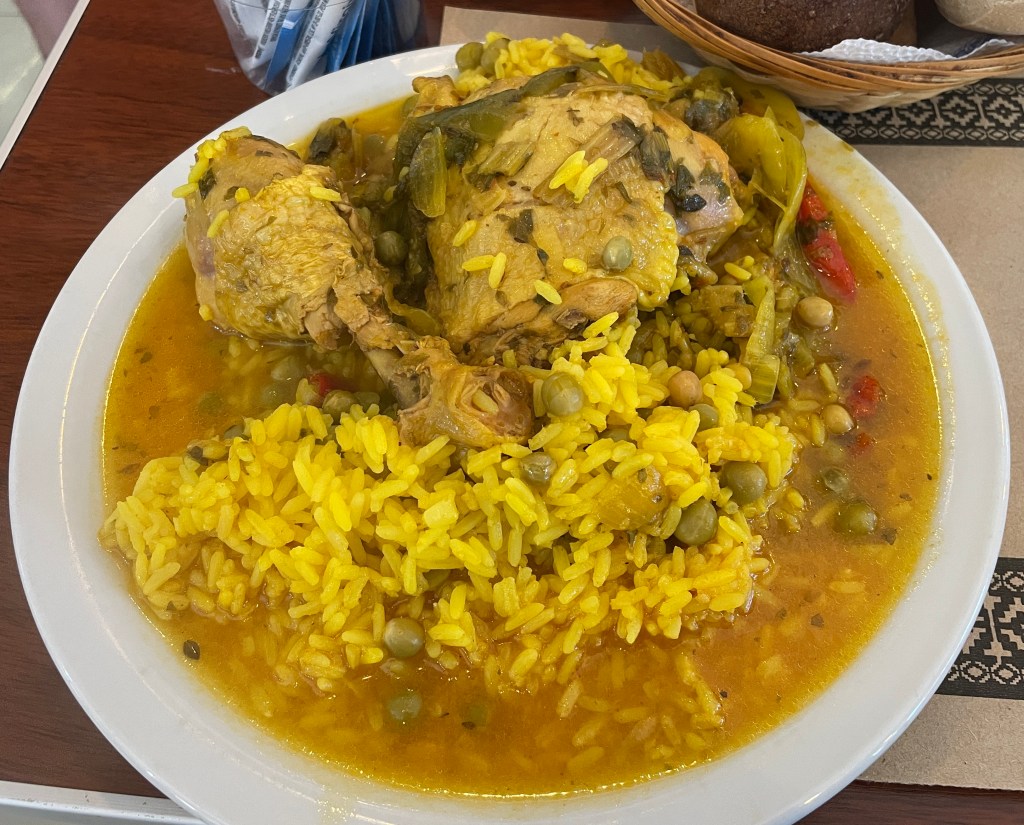
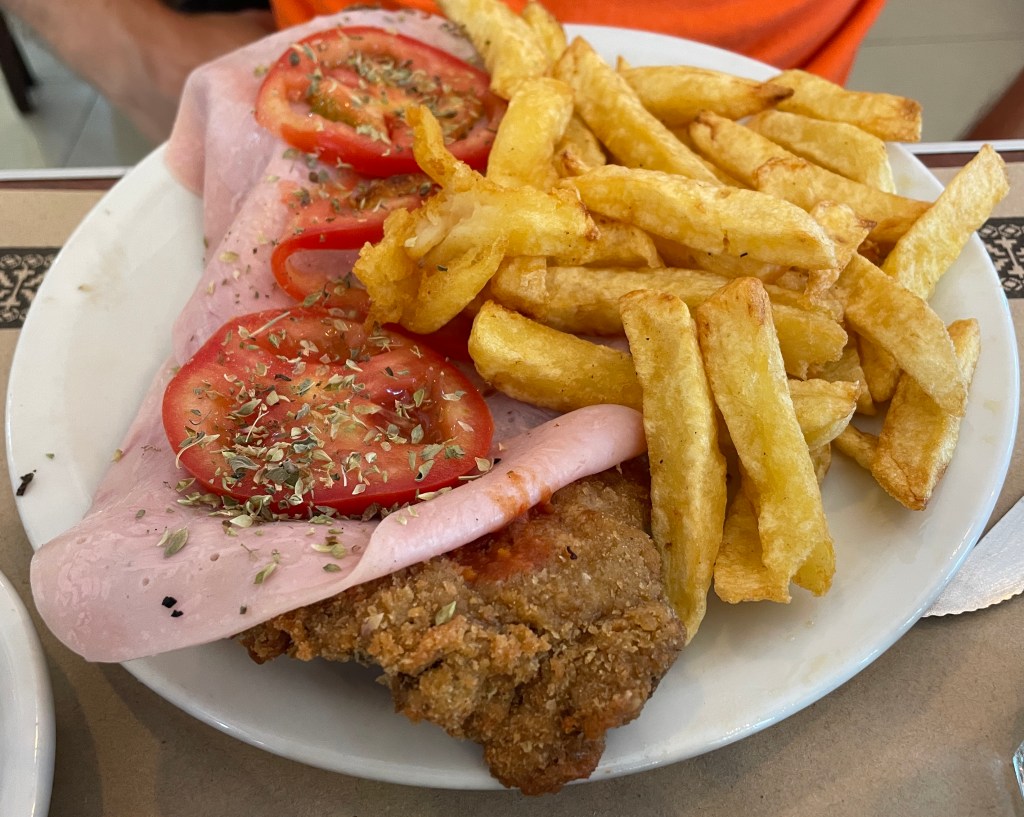
On our way to meet the folks we housesat for, we went to a local’s café for lunch. Adam ordered the milanesa, which is an extremely popular dish pretty much everywhere. This particular one was made out of beef topped with a little bit of tomato sauce, a thin slice of cured ham, and tomato slices. (It also comes with cheese and he opted out.) I ordered the chicken and rice which was very soupy but I enjoyed it and found it comforting, though both dishes lacked salt. Black pepper or hot sauce would have been nice too, but neither are typically available at restaurants.
Left to right: chicken and rice; beef milanesa with (almost) all the fixin’s
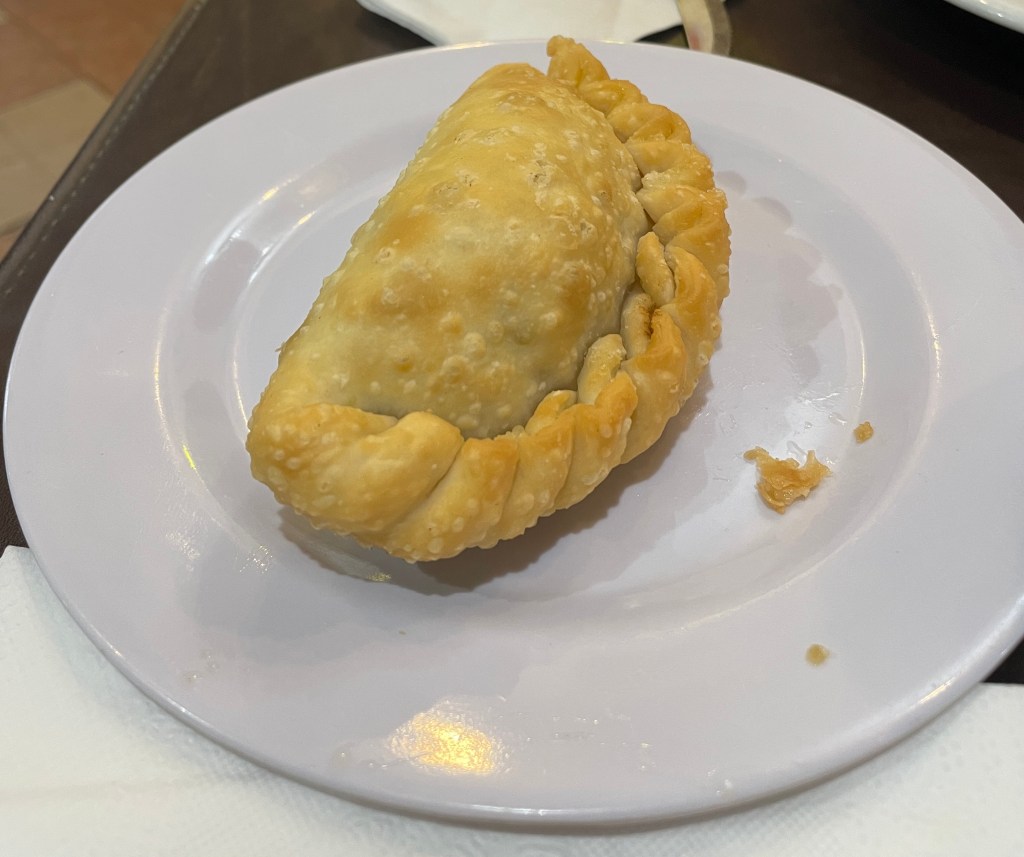
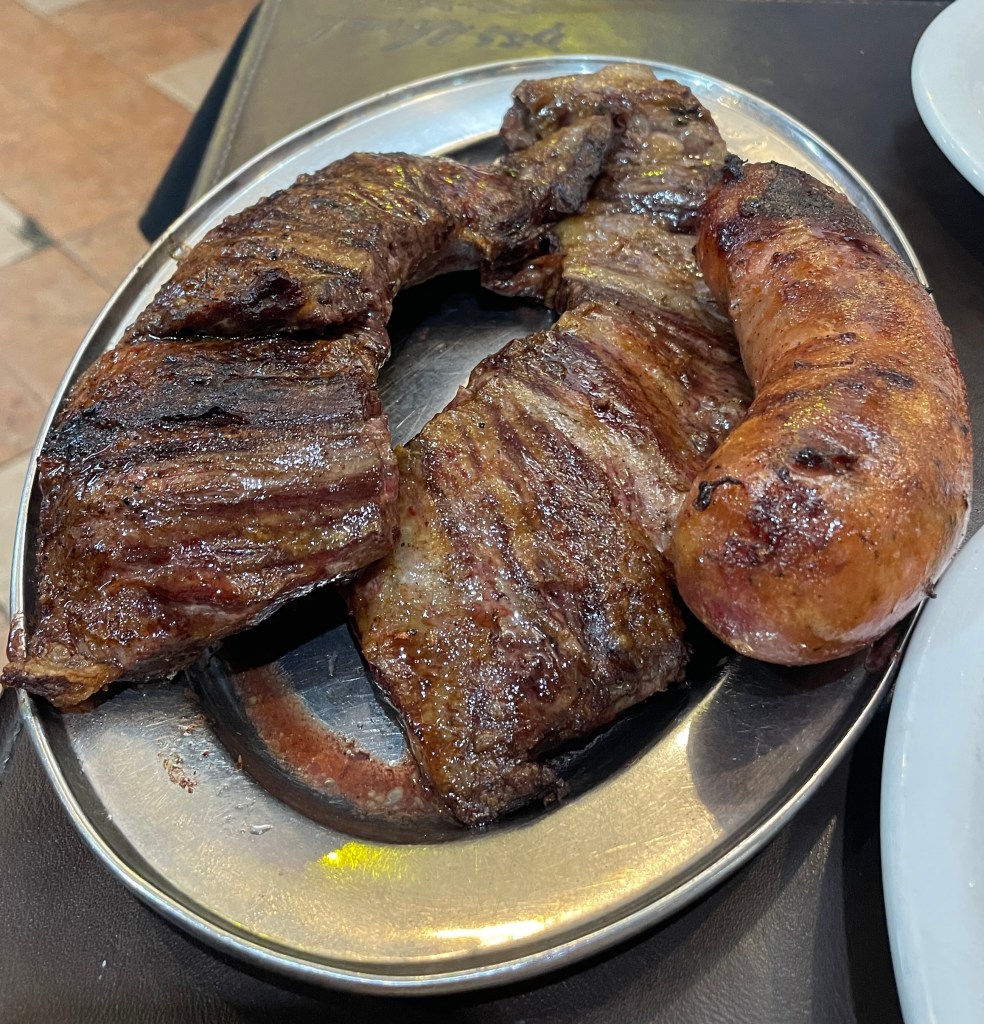
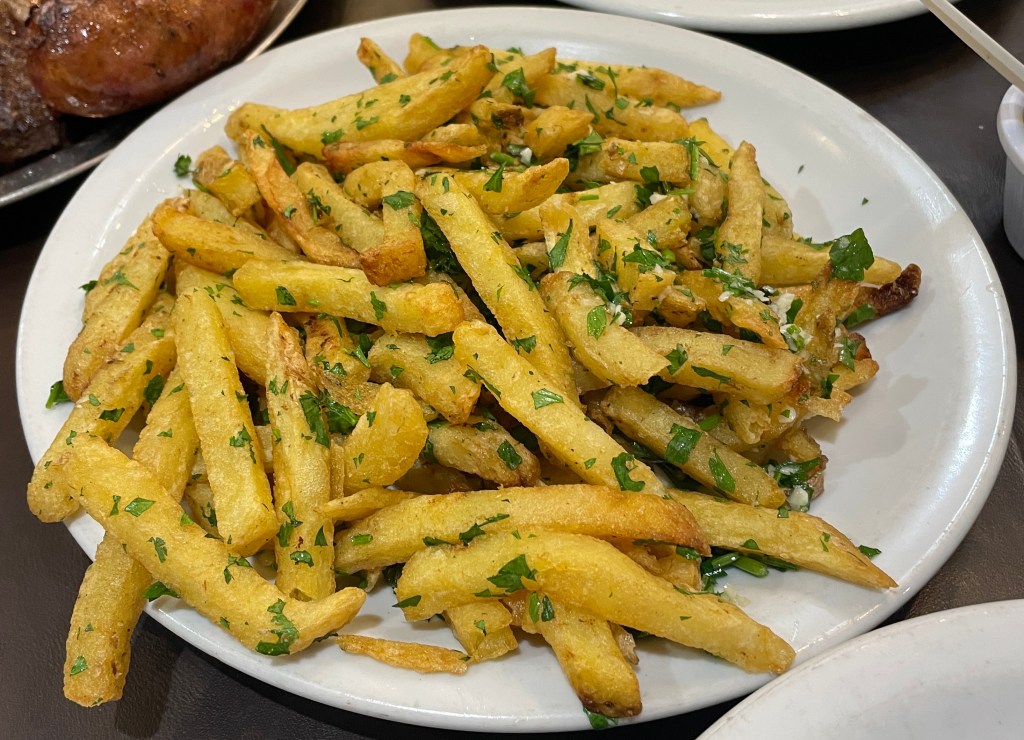
While we were in San Telmo, we did visit a highly regarded parilla that hasn’t changed its decor since probably the 1970s. Adam started the meal with a beef empanada that he said was one of the best he ever had. We shared an order of garlic parsley fries, a chorizo sausage, and a skirt steak. The sausage was pretty flavorful and the meat was very melt-in-your-mouth. Chimichurri is always available on tables, but it’s typically unsalted as are the fries. From what I’ve read, many Argentinians suffer from high salt intake so lots of food is unsalted. That said, the salt on the table at restaurants might be low sodium or regular salt, and are typically unlabeled. Therefore, it’s easy to over-salt things accidentally. (Maybe just eat more vegetables instead of heaps of meats and pastries? I don’t know.)
Left to right: the empanada (look at that crust y’all); steak and chorizo; fries
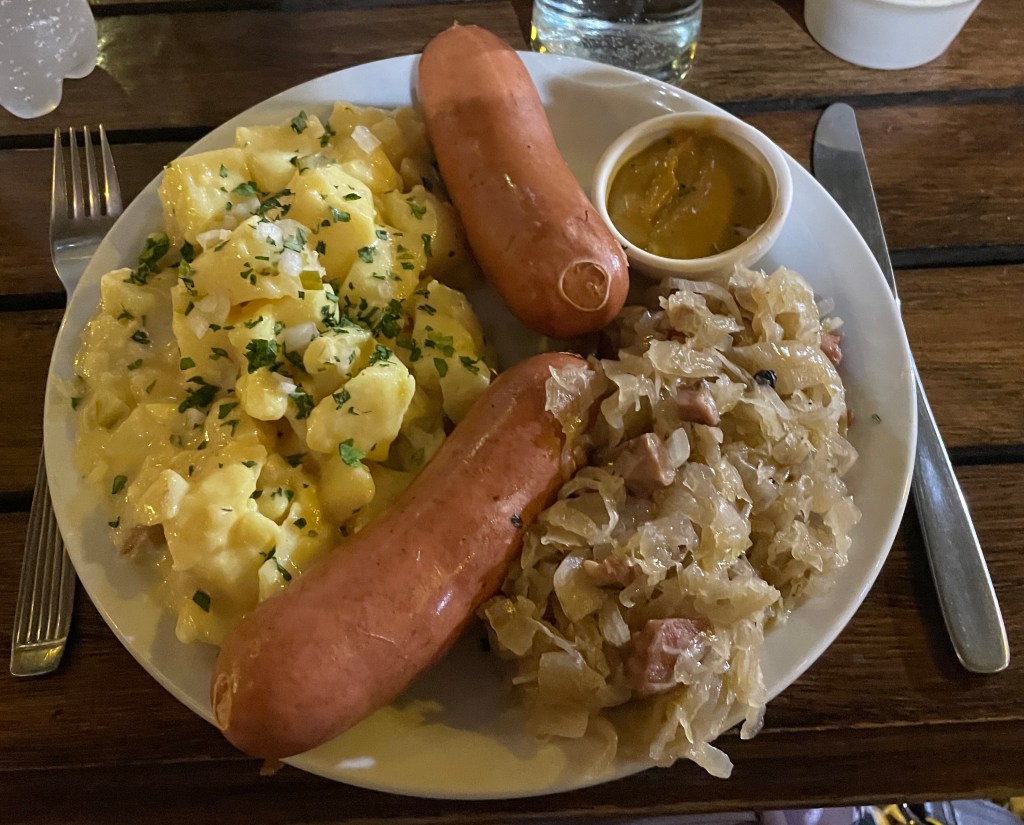
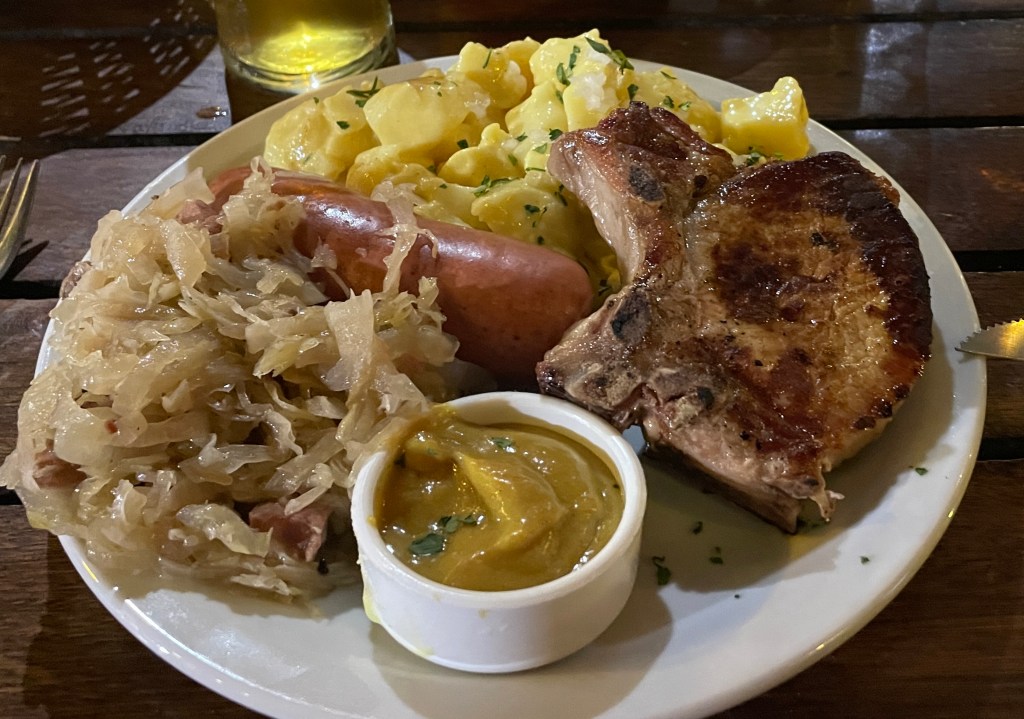
We celebrated the one-year anniversary of our Jewish wedding (as opposed to our civil wedding) while we were housesitting in San Isidro, so we decided to go out for dinner. We found a German restaurant nearby and decided to give it a chance. I ordered the sausage plate (left) and Adam ordered a sausage and pork chop (right). Both were served with potato salad (the big pile of yellow) and “sauerkraut” which was cooked cabbage and onion rather than pickled cabbage. The good news is that I don’t like sauerkraut, so cooked cabbage suited me fine. Though we added salt to everything, at least they like mustard and garlic in Buenos Aires!
This was also the first time we understood that cubiertos are typical and not just a random one-off we experienced at a parilla. Cubiertos are “table fees” intended to cover the cost of silverware, napkins, and the stale bread they serve. It’s not very much; maybe an extra $1-$3 US per person, but I find it annoying. Why isn’t that already included in the cost of the food? Why am I paying so much to eat out if I also have to pay extra to use the restaurant’s silverware or watch Adam eat bread?
But wait! I have more things to be cranky about!
Buenos Aires has its own Chinatown called Barrio Chino that we visited in search of Chinese food. There were a few places we wanted to eat at but they were cash only, which I find shocking considering how difficult it is to get cash in Argentina.
A short rant about cash you didn’t ask for that I need to get off my chest. Argentine ATMs have a relatively low daily limit, which can be difficult if you need to pay for something in cash considering how unstable the economy has been. ATMs also don’t recognize international cards and will swallow them, so most people either bring dollars with them or wire money to themselves via Western Union. Moreover, because of the high inflation in the country, exchanging dollars for Argentine pesos means that you end up with a huge wad of cash that isn’t worth very much. Western Unions often don’t have enough cash to honor large exchanges and the lines are notoriously long. On top of that, there is also the issue of the official exchange rate and the black market or “blue dollar” rate, so sometimes it makes more sense to exchange money on the street rather than at official places, but then you might also get counterfeit money. Thankfully, there wasn’t much of a difference between the official and blue dollar rates when we were in Buenos Aires and we brought dollars with us from Brazil. (As in, we pulled Brazilian reals from an ATM only to have them exchanged back into dollars to exchange some into Argentine pesos. What other choice was there?) For the most part, we only used cash when we absolutely had to (like paying for the hotel in US dollars) and didn’t walk around with much cash anyway.
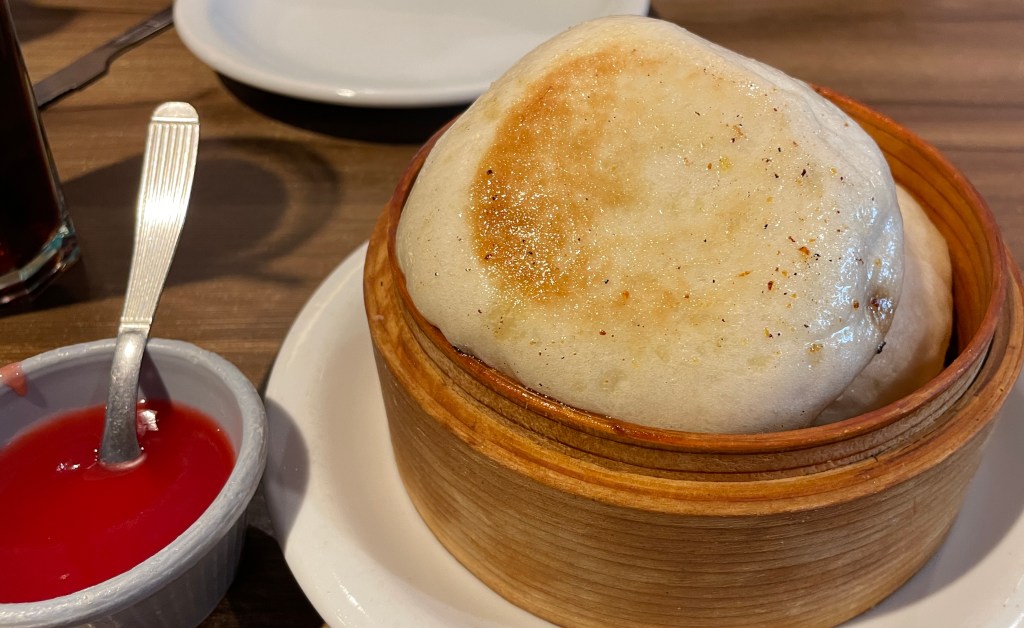
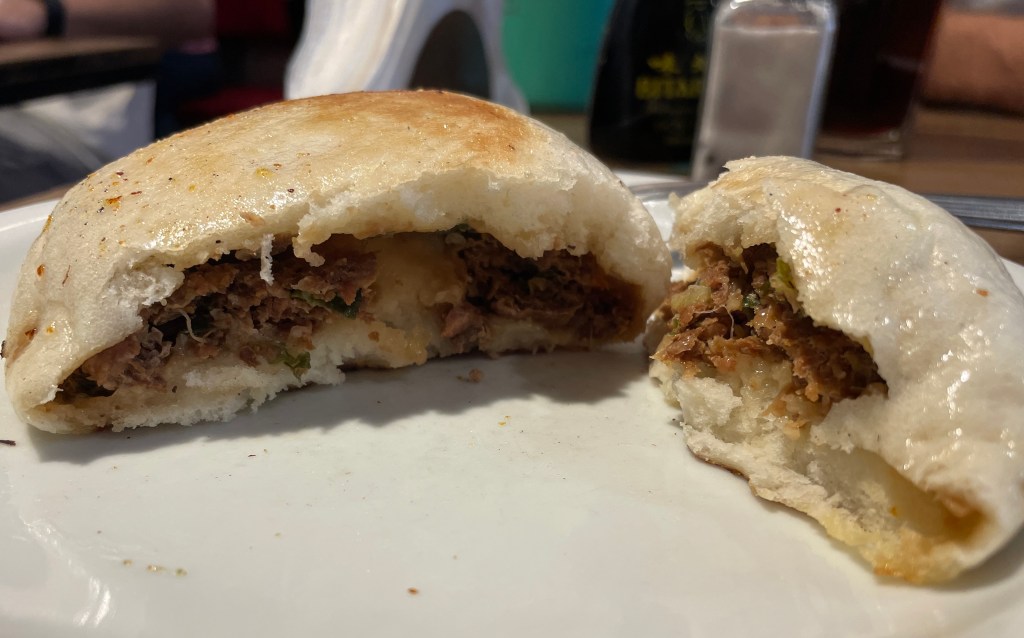
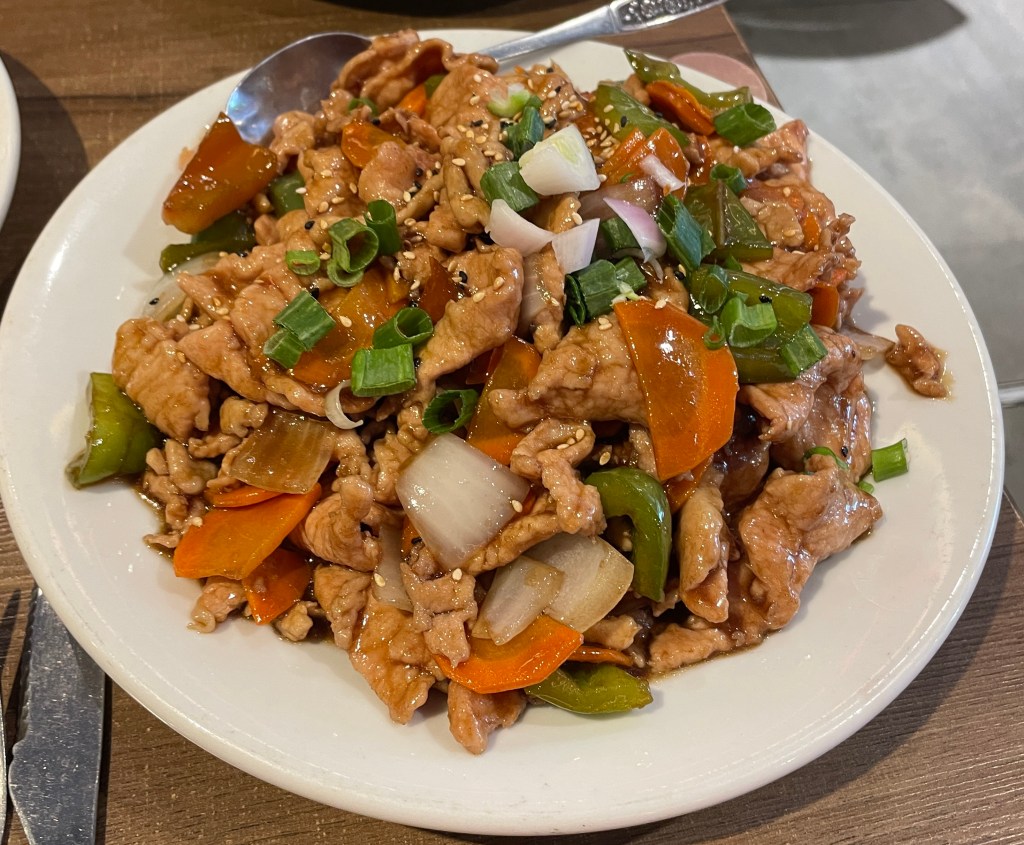
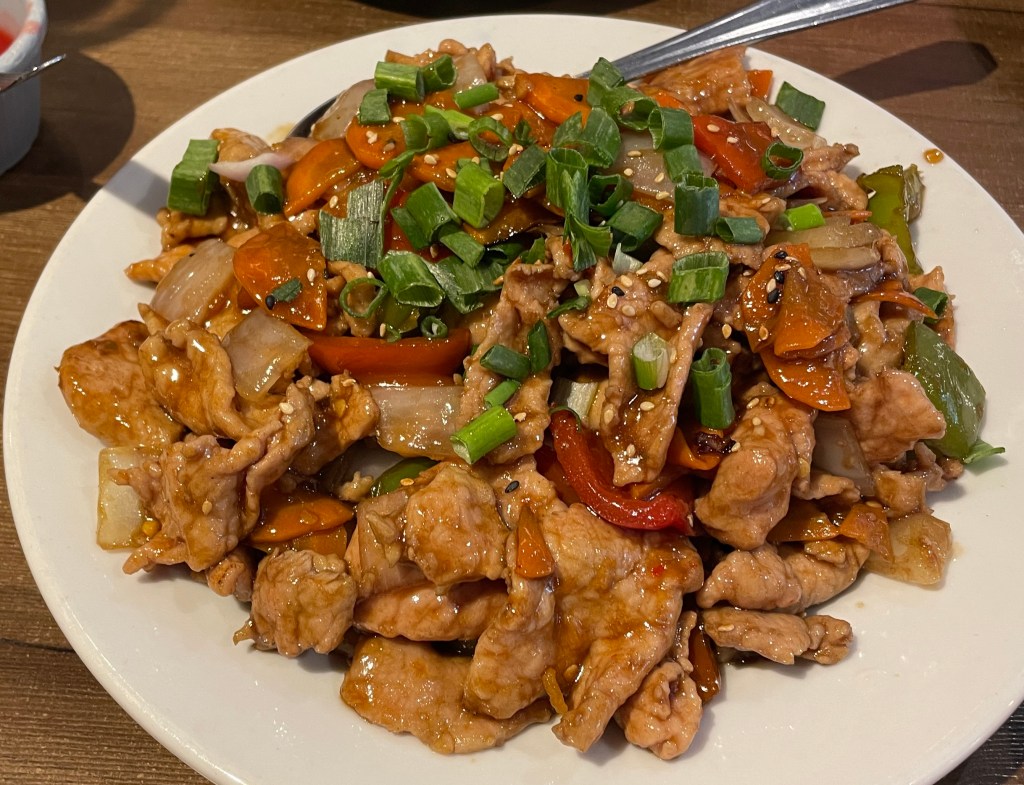
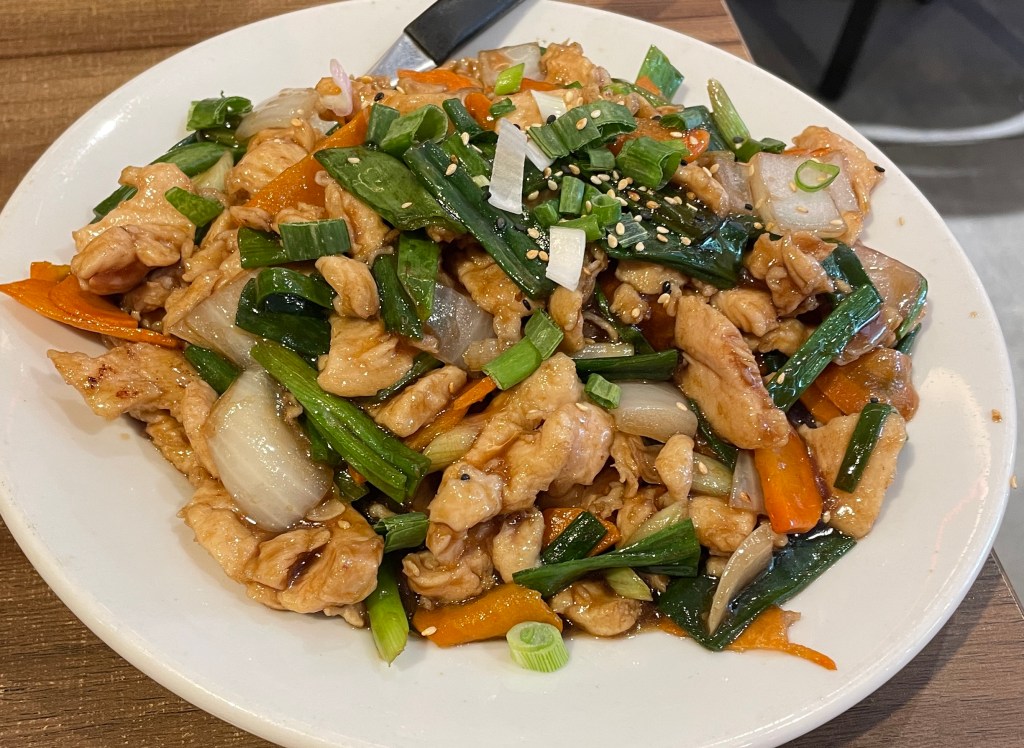
All of that to say, we eventually found a Chinese restaurant that accepted credit cards. The top row photos are of bao buns filled with pork and veggies that Adam enjoyed. The bottom row are of three dishes we ordered. Can you tell the difference between them? Not really? That’s how they tasted. The one on the far right is chicken, so there was a slight difference in flavor. The middle one was kung pao and we were warned it was spicy. I would say it was only spicy if you find black pepper to be spicy. We asked for extra spicy sauce on the side, which wasn’t spicy either. Still, we ate it all and agreed it would have been completely acceptable for a random Chinese food stall at a mall. However, it lacked the depth of flavor and the wok hei (“breath of wok”) that we love about Chinese cuisine. It didn’t really scratch the itch; it just teased it.
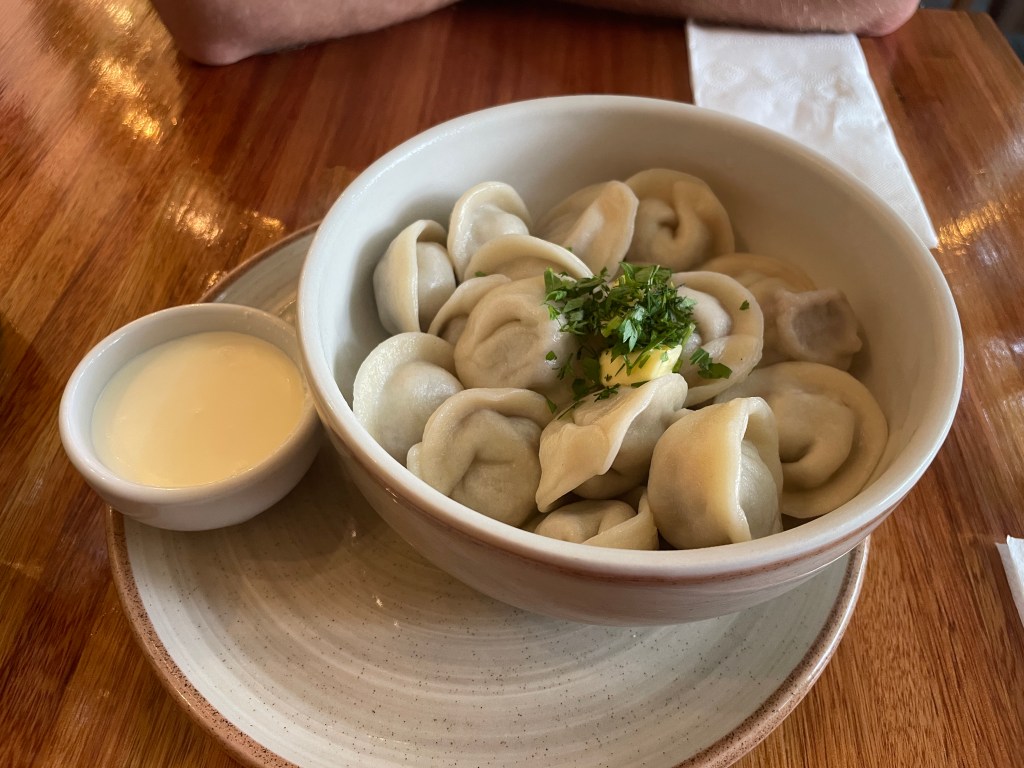
There’s a sizable Russian community in Buenos Aires and Palermo is home to a Russian restaurant called Ivan Juan. (Cute, right?) Initially, we only stopped by for a drink, but then we peaked at the menu and Adam couldn’t resist ordering some pelmeni. They were filled with meat and served with a side of soupy sour cream. It’s been a while since we’ve had anything Eastern European so this was a treat!
For those concerned: I thoroughly enjoyed my caipirinhas.
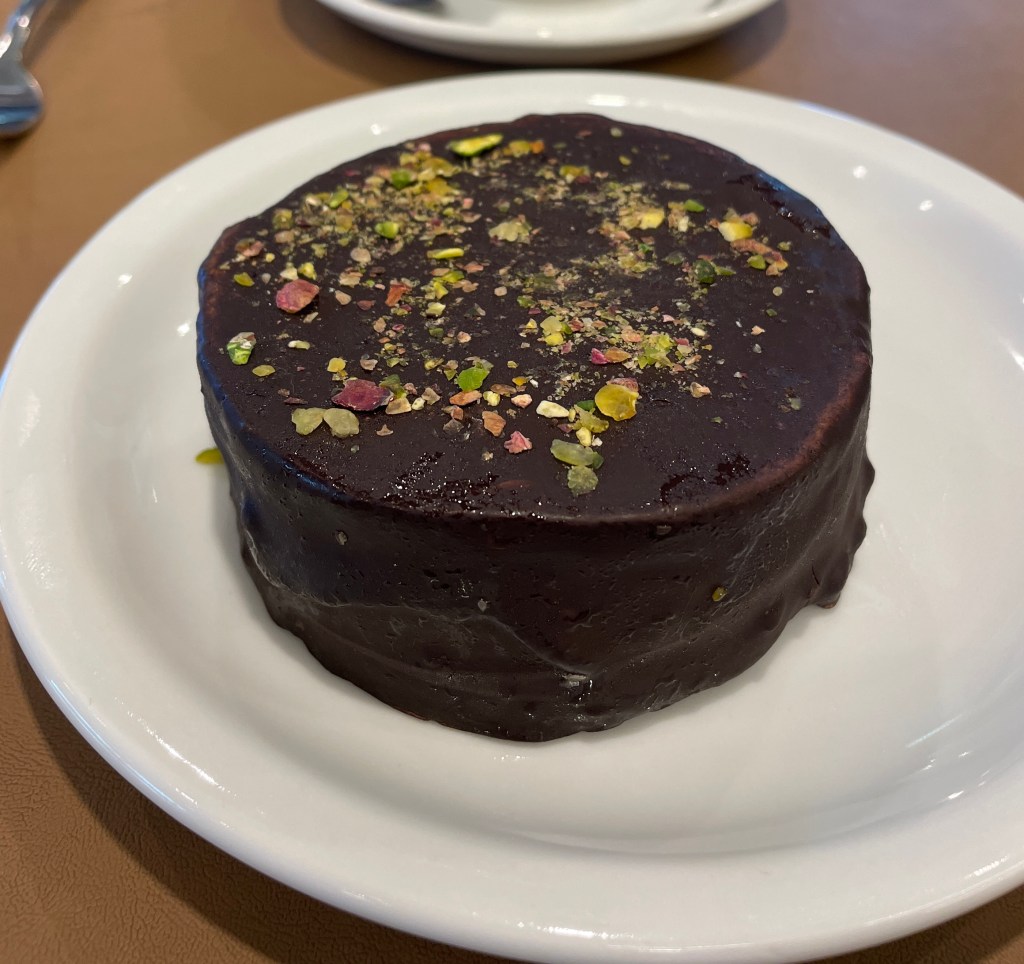
One of the quintessential desserts of Argentina is the alfajor, which I told Adam he had to try a few times because not every alfajor will be the same. The basic alfajor is a butter cookie sandwich filled with dulce de leche and covered in coconut. Obviously, people make all kinds of alfajor and Adam decided to try a very decadent one when we ducked into a café for a coffee break one day. This alfajor was filled with pistachio cream, dipped in chocolate, and absolutely gigantic. At the end of the day, alfajores didn’t make it on his favorite desserts list. (It’s the crumbly cookies and rich filling that he doesn’t like.)
While Adam was trekking through the Pampas, I had some alone time in Buenos Aires. As much as we love spending time together, we also appreciate our time apart. So while he got his nature fix, I got a café and reading fix.
Not far from our apartment in Palermo is a dedicated gluten-free café and restaurant that has some dairy-free and vegan options. The chocolate loaf wasn’t too sweet and the texture was dense, but enjoyable. The coffee was great and I had a chance to read for hours.
Despite all of my complaints, I don’t regret traveling to Buenos Aires. As far as capital cities go, there is plenty to see and do, people are friendly and helpful, and I felt relatively safe. Maybe the trick to loving Buenos Aires is only spending a few days there instead of a month. Stay tuned for new posts about our time in Uruguay. Be sure to like, comment, and subscribe to Traveling While Introverted so you don’t miss it!
 Traveling While Introverted
Leave a comment