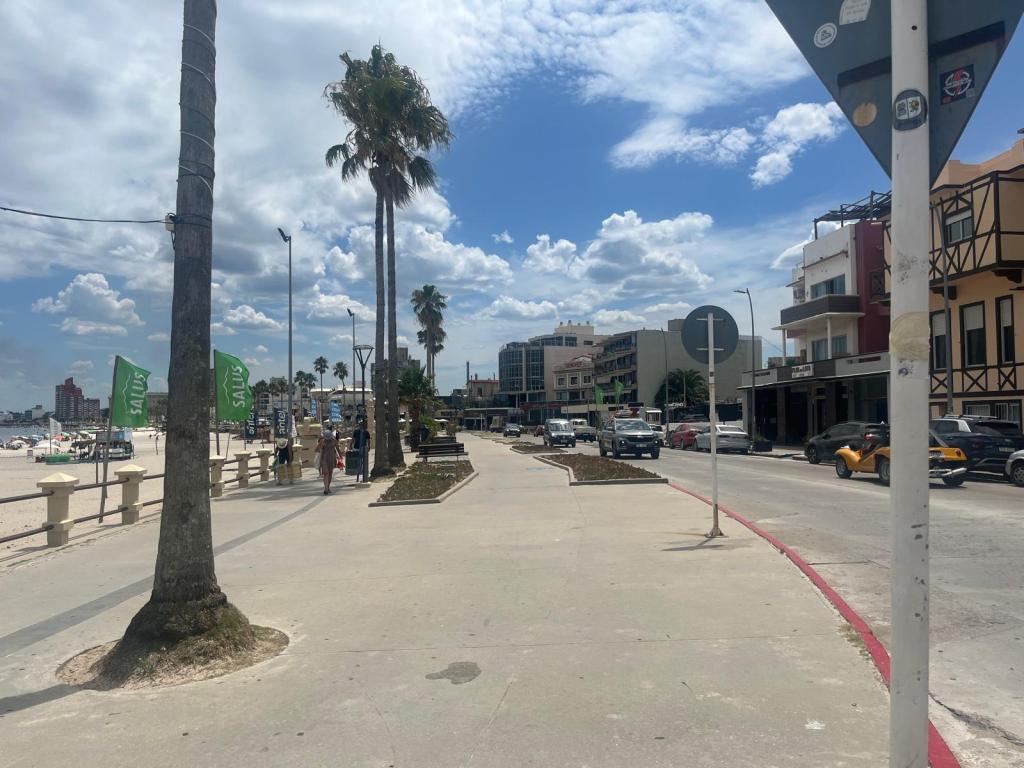
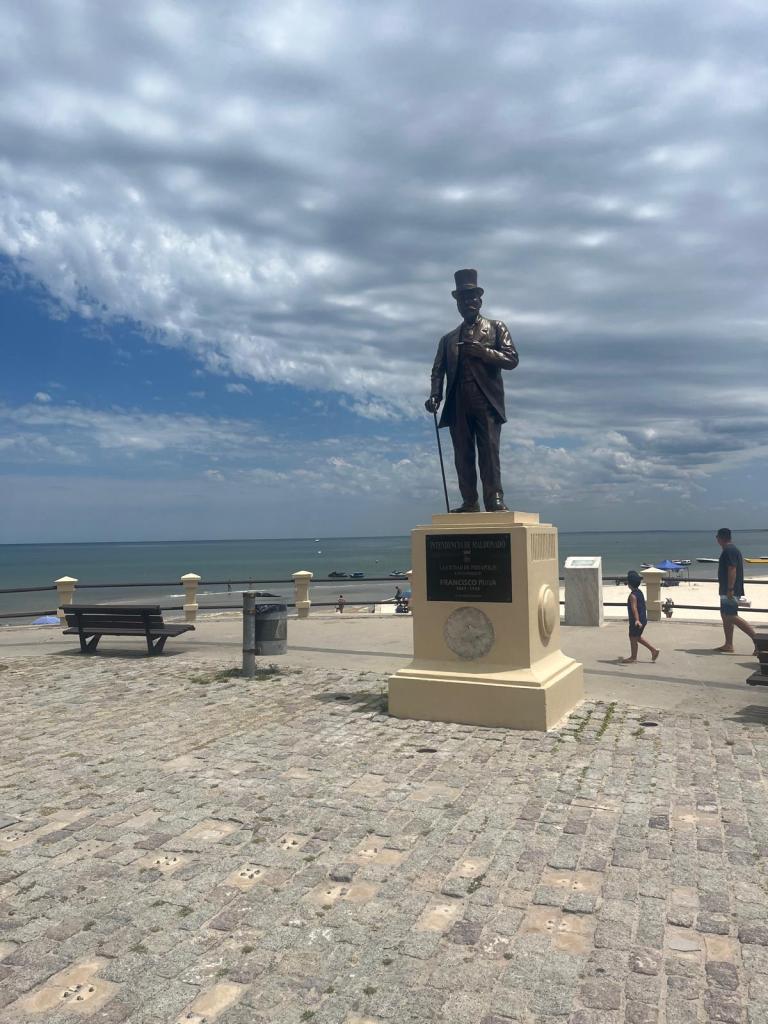
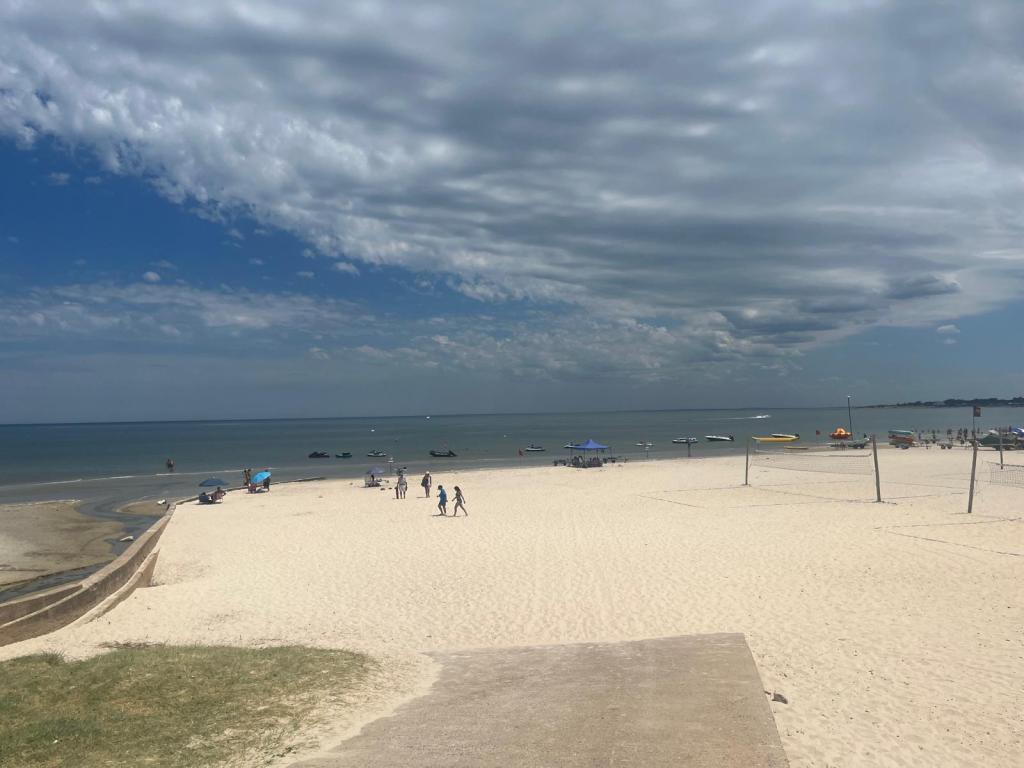
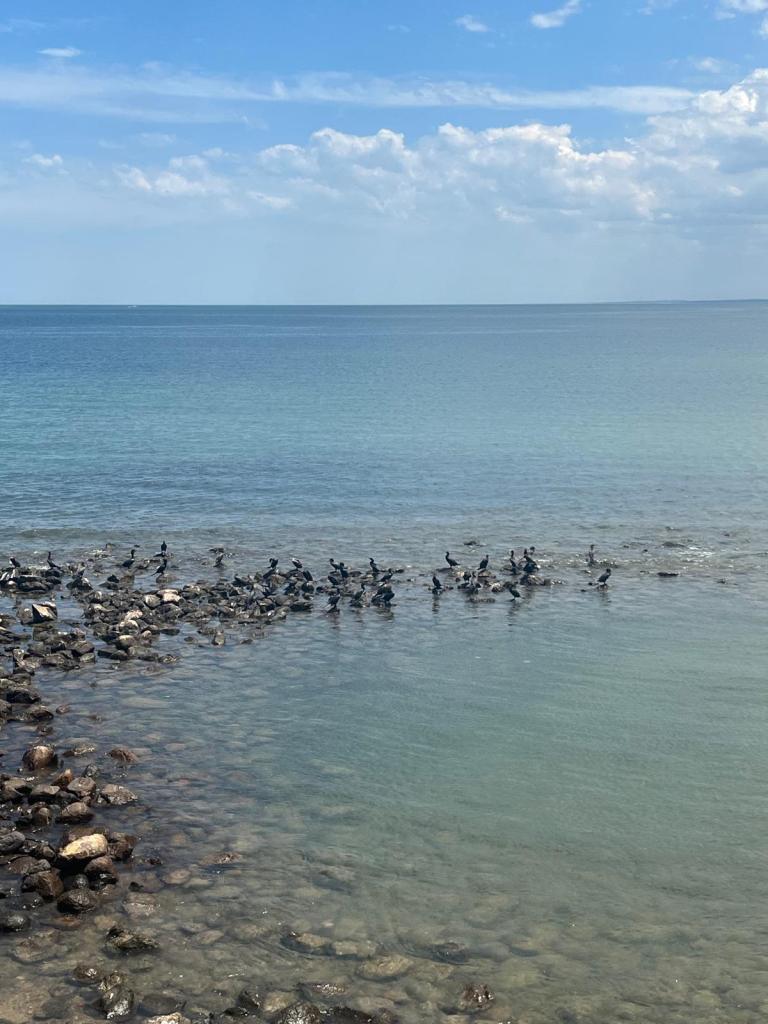
What people outside of the “Southern cone” of South America may not know is that Uruguay has some of the most beautiful and sought-after beaches on the continent. With that in mind, we made it a priority to visit as many seaside towns as we could. Since we spent nearly 3 weeks in Montevideo, we took day trips to two of the closer towns. The first one was Piriápolis, which was just an hour or so outside the city. Admittedly, the day we planned to visit Piríapolis was a day after we found out that a good friend of ours, Daniel, passed away. Still, we decided to go and let the seaside work its magic on our grief. This sizable resort town has a long rambla (promenade) along the shore, which we enjoyed walking up and down. As we walked, we reminisced about Daniel and life in general, but we didn’t engage much with the town. We don’t blame Piríapolis; our minds and hearts were elsewhere. Below are a few photos we took.
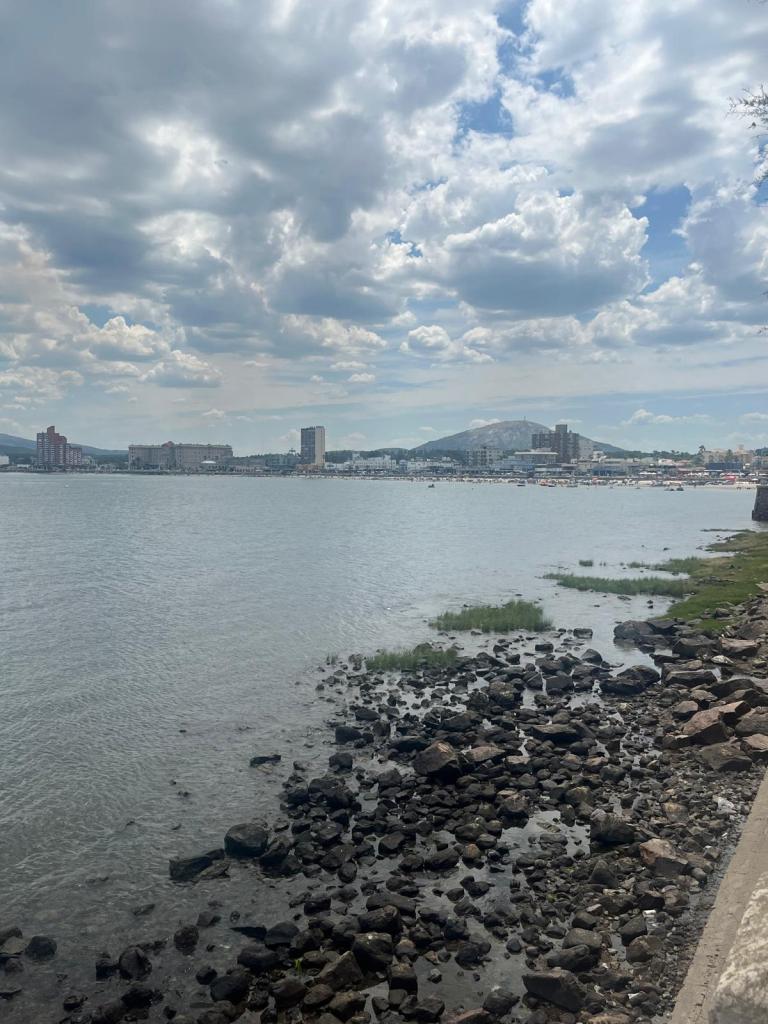
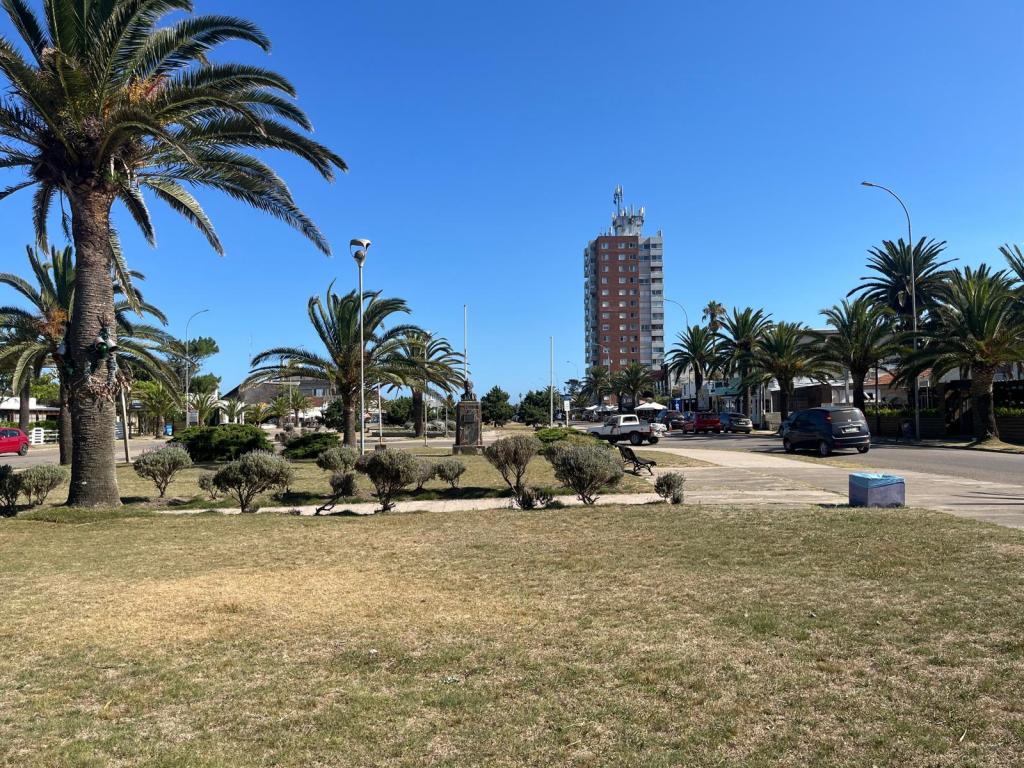
Two days later, we headed to a town called Punta del Este. As a brief geographical note: Punta del Este and Piríapolis are technically along the Río de la Plata, not the Atlantic Ocean. However, Punta del Este sits where the two waterways meet. As such, beaches are divided into Brava (“fierce”) and Mansa (“tame”). Beach goers will choose one side over the other based on the weather conditions of the day. Punta del Este is a playground for South America’s wealthy and is known as “the Monaco of the South,” which is one of the reasons we also visited for the day instead of trying to find lodging.
What made visiting Punta del Este extra special is that we spent the day with a semi-local. A professional acquaintance of Yahm’s connected her with a retired Argentinian librarian named Rita who lives in Buenos Aires. Unfortunately, while we were in BA we didn’t get a chance to meet, but we had the opportunity to do so while she was vacationing in Uruguay. Because she and her family have been summering in Punta del Este for over 40 years, she knows the town like the back of her hand. As soon as she picked us up from the bus stop, the tour began and we had an insider’s look into the nuances of this seaside hamlet. The town is beautiful, has developed rapidly, and is truly a place to see people and be seen by them. We enjoyed our time, but Punta del Este is too rich for our blood.
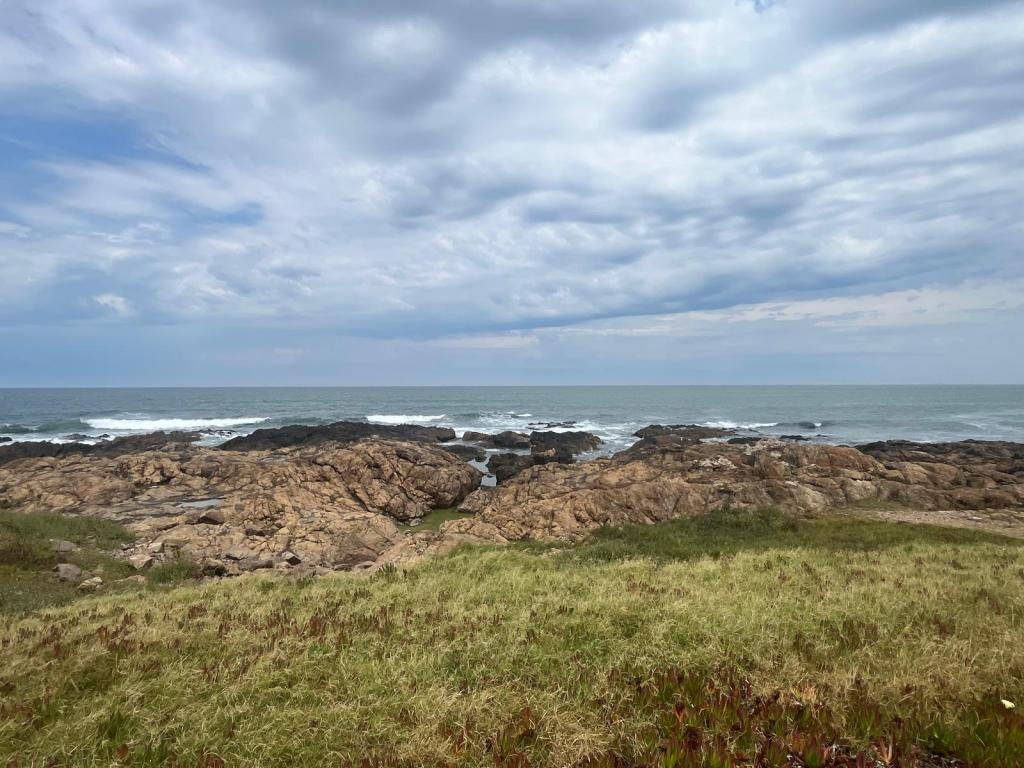
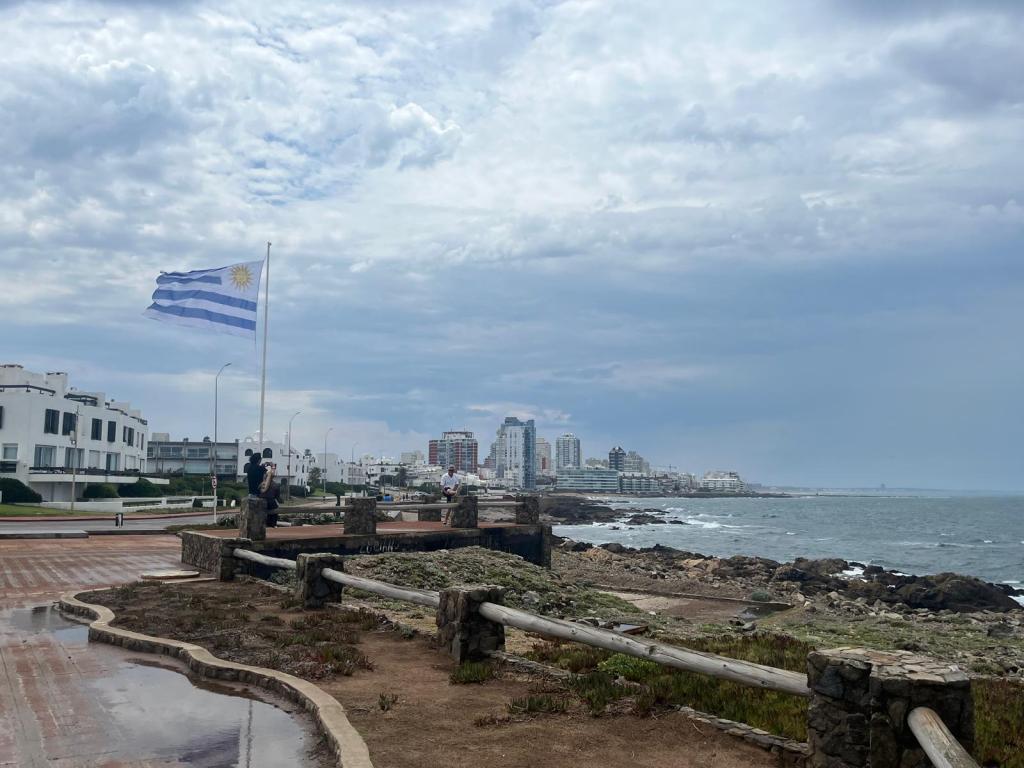
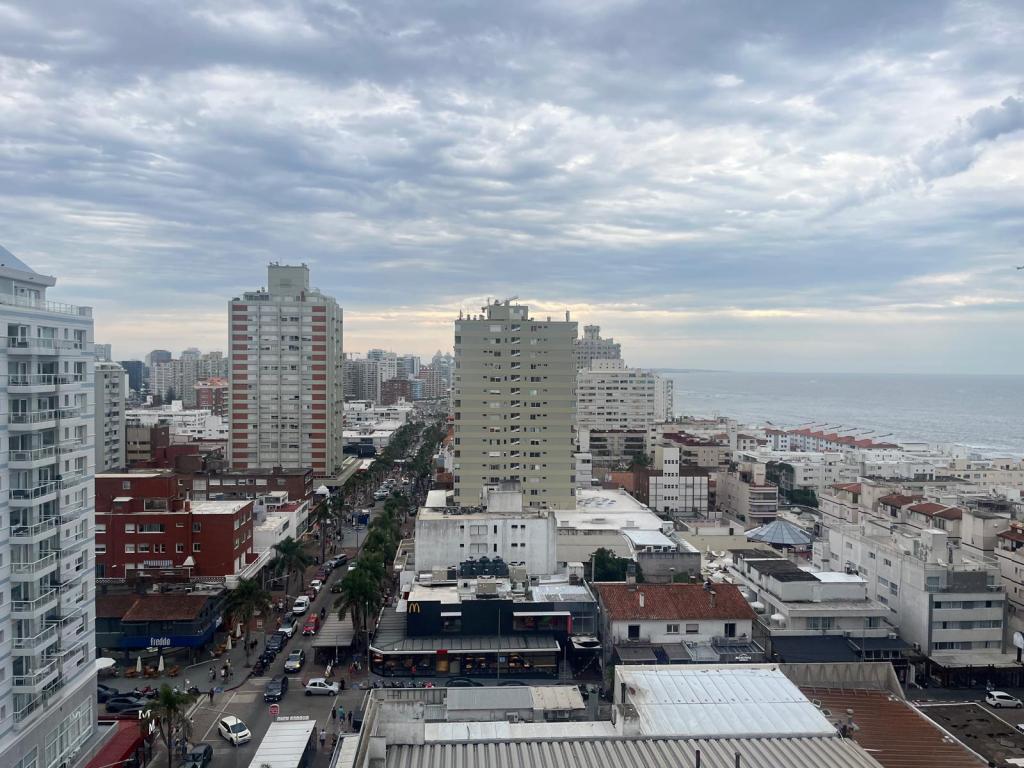
Top row, left to right: the point where the Río de la Plata and Atlantic Ocean merge; a view of Punta del Este from the point of convergence
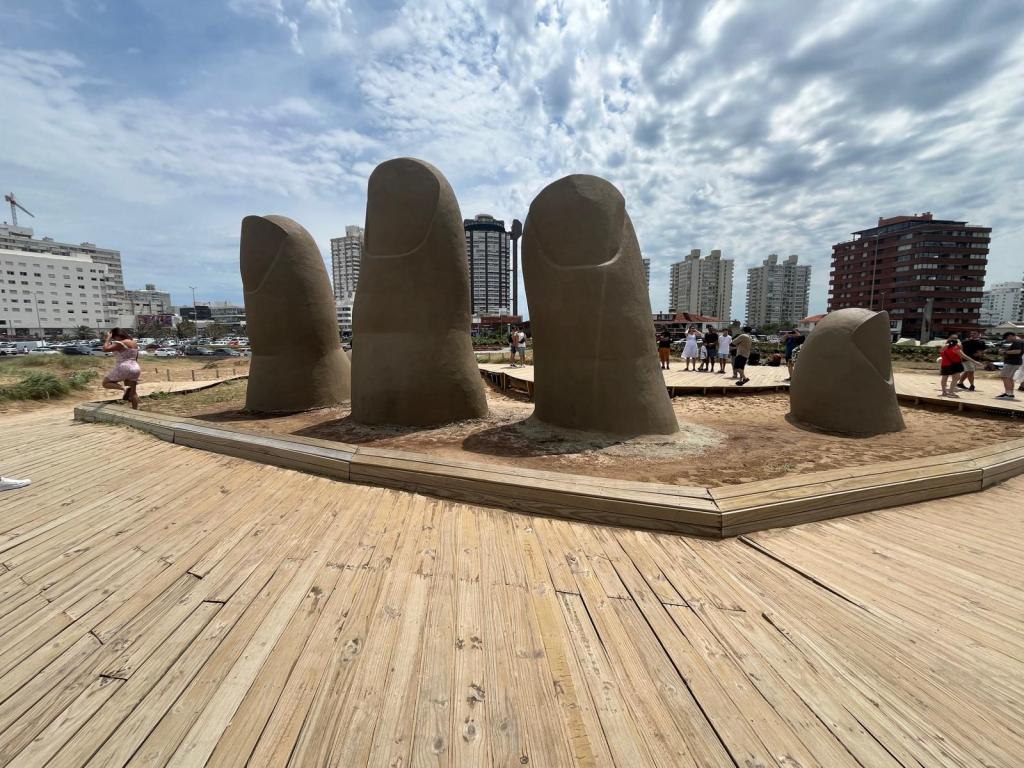
Bottom row, left to right: the famous hand statue of Punta del Este to commemorate the many people who have drowned; a view of downtown Punta del Este from Rita’s apartment
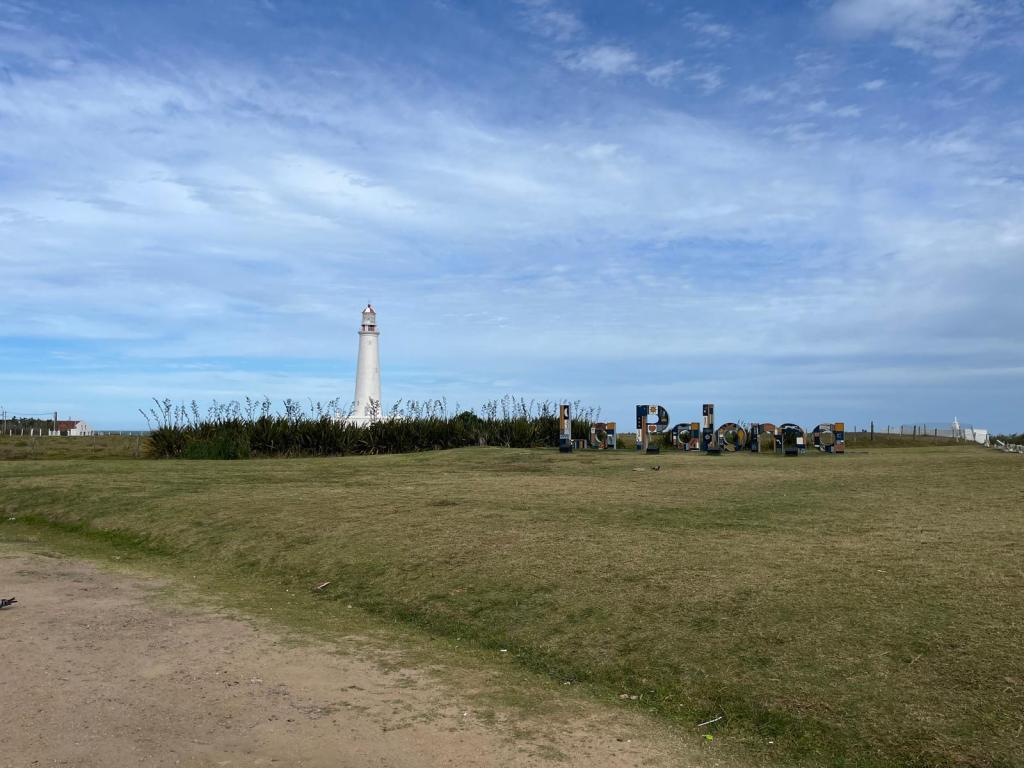
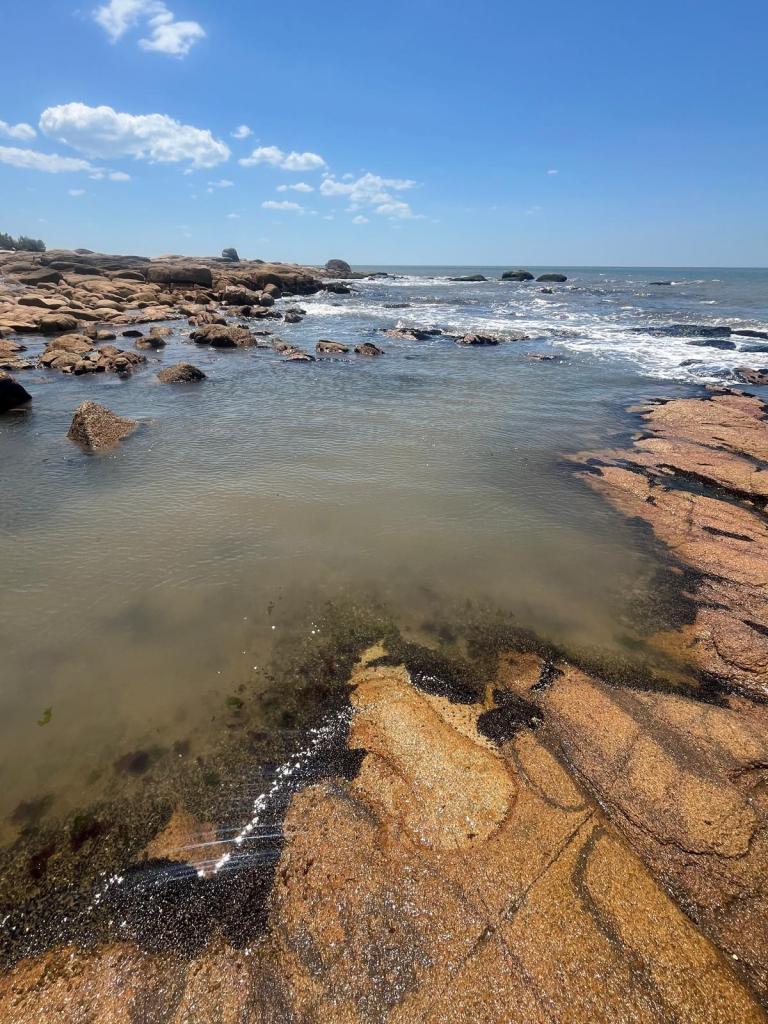
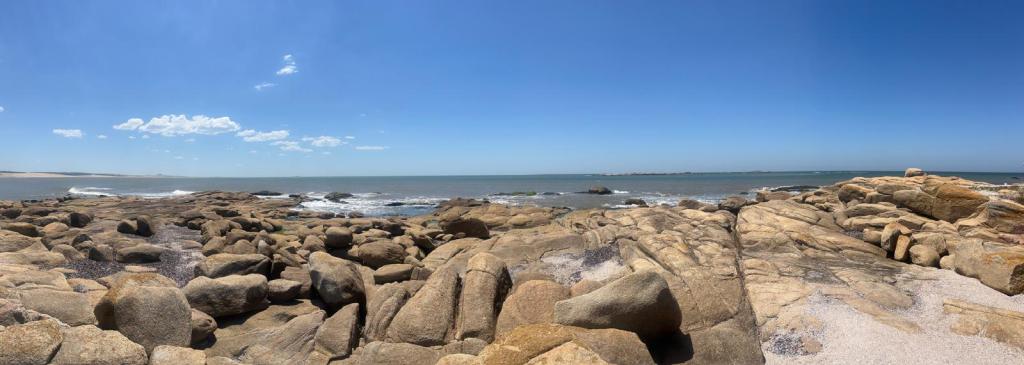
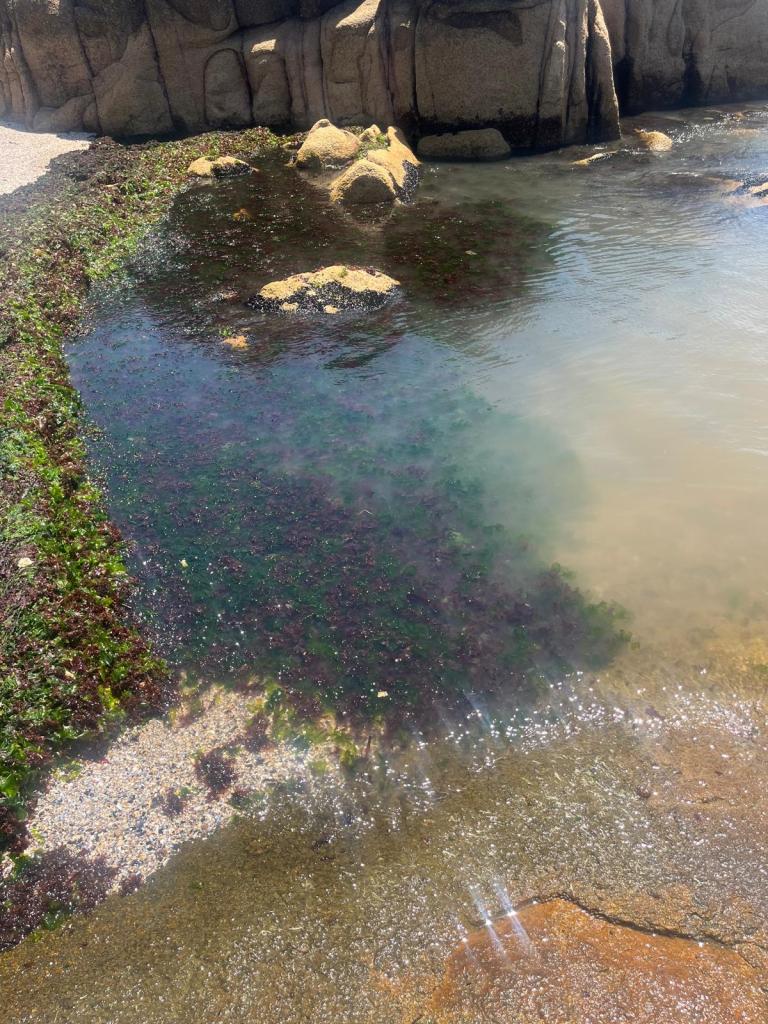
Because the other towns we wanted to visit are farther away, we left Montevideo and made our way up the Atlantic Coast. The next place we visited was La Paloma, a down-to-Earth family-friendly village of just over 3,500 people. On our first full day in town, we dutifully walked to the beach to get into the Atlantic. So much of our experience in Uruguay reminds us of central California, and the beaches in La Paloma follow suit. The sand was full of seashells, whole and crushed, and the water was murky and very cold. The shore we went to was rocky and featured lots of tide pools. We explored the tide pools a little and walked along the shore, but ultimately this wasn’t the beach experience Yahm wanted. (Adam was more than happy to investigate tide pools and wasn’t bothered by the rough sand.) On the other hand, La Paloma itself is charming in the way that beach towns always seem to be. It has just enough kitschy tourist shops, restaurants, and even a traveling circus to make it fun without overwhelming the senses.
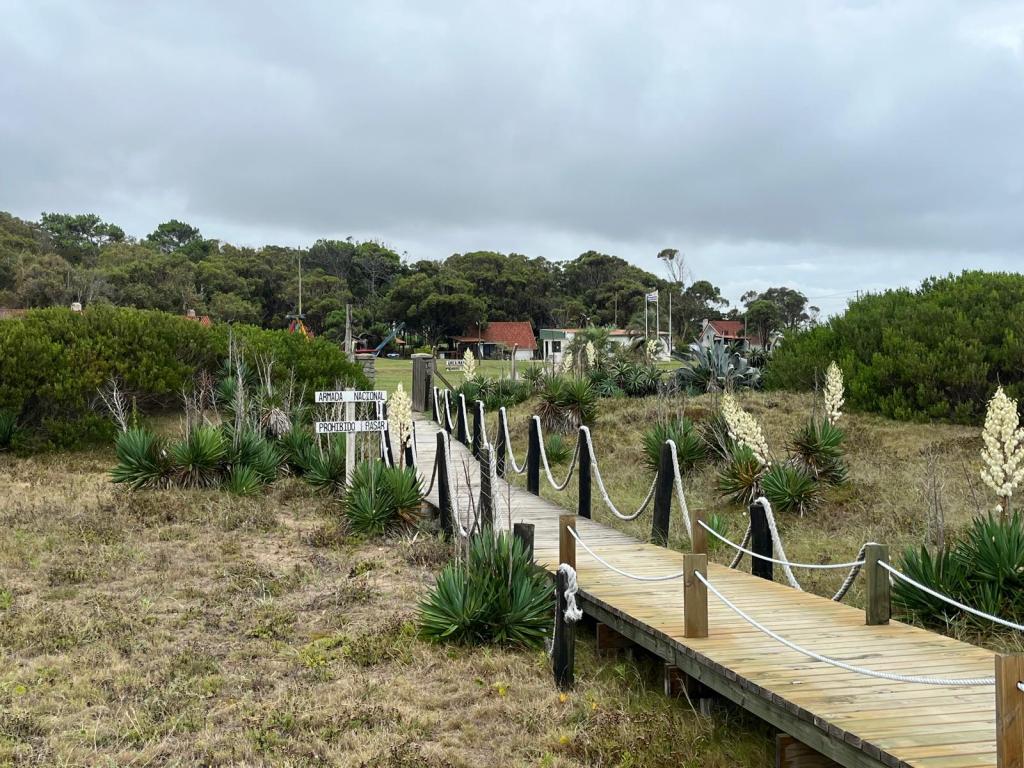
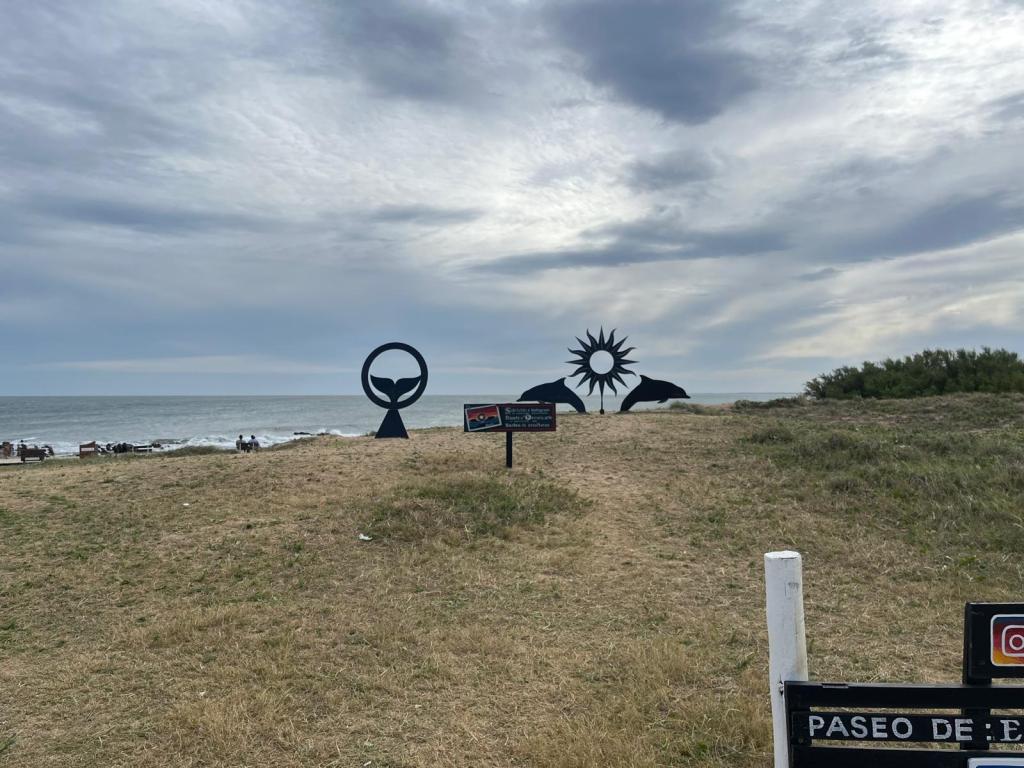
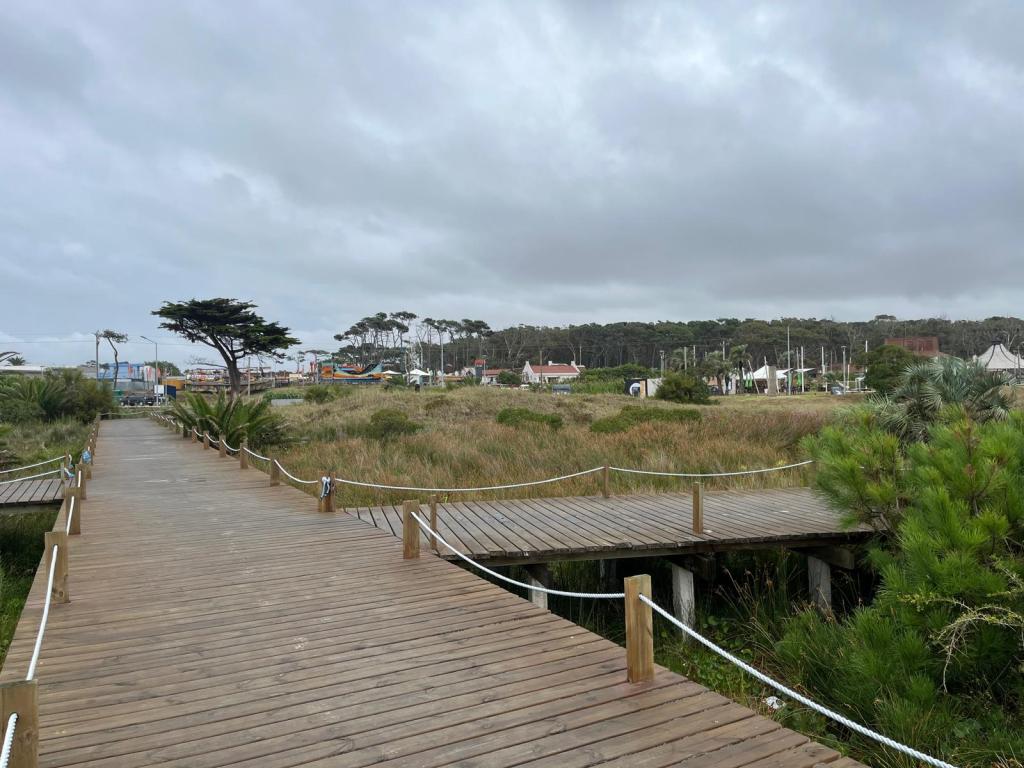
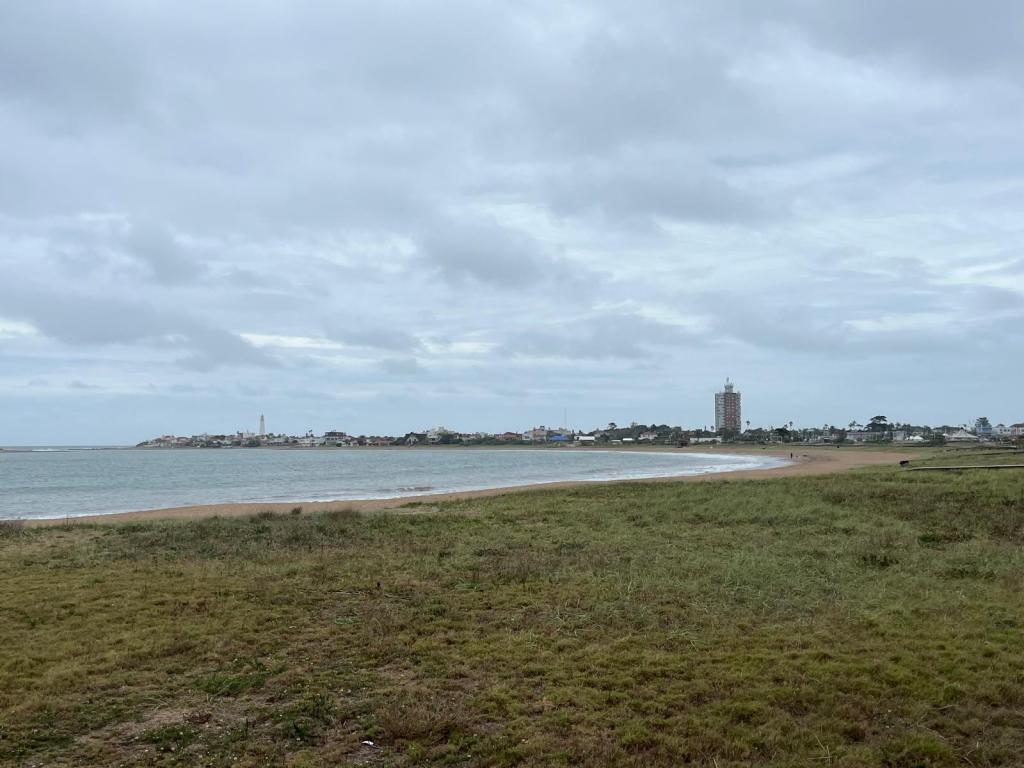
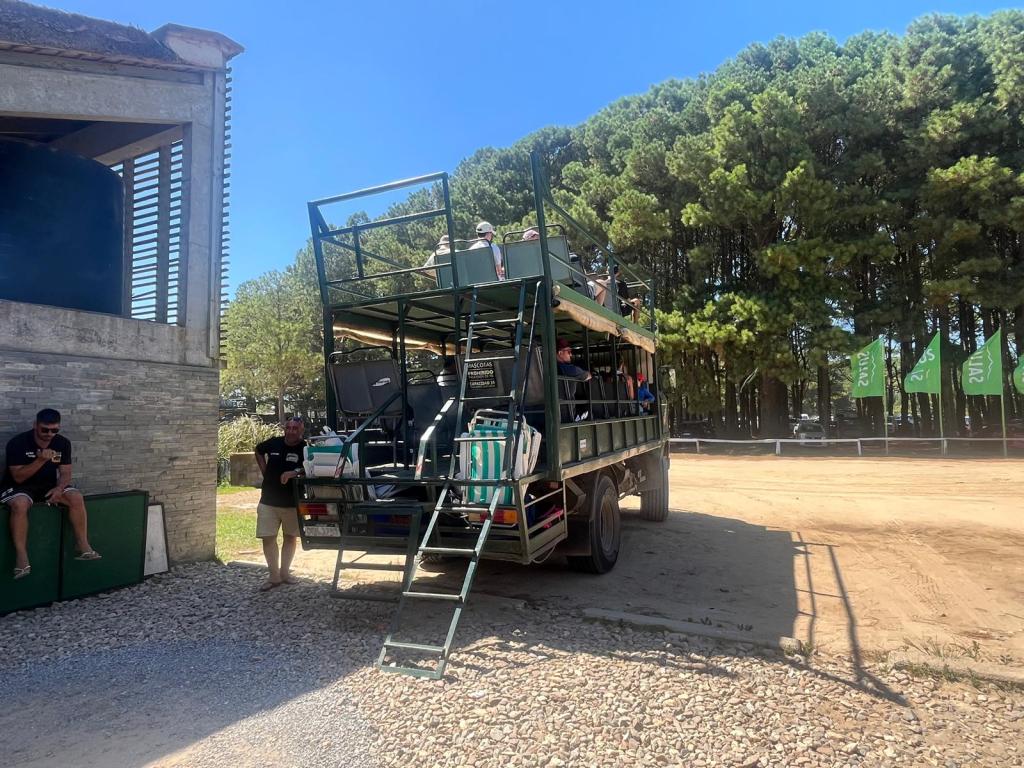
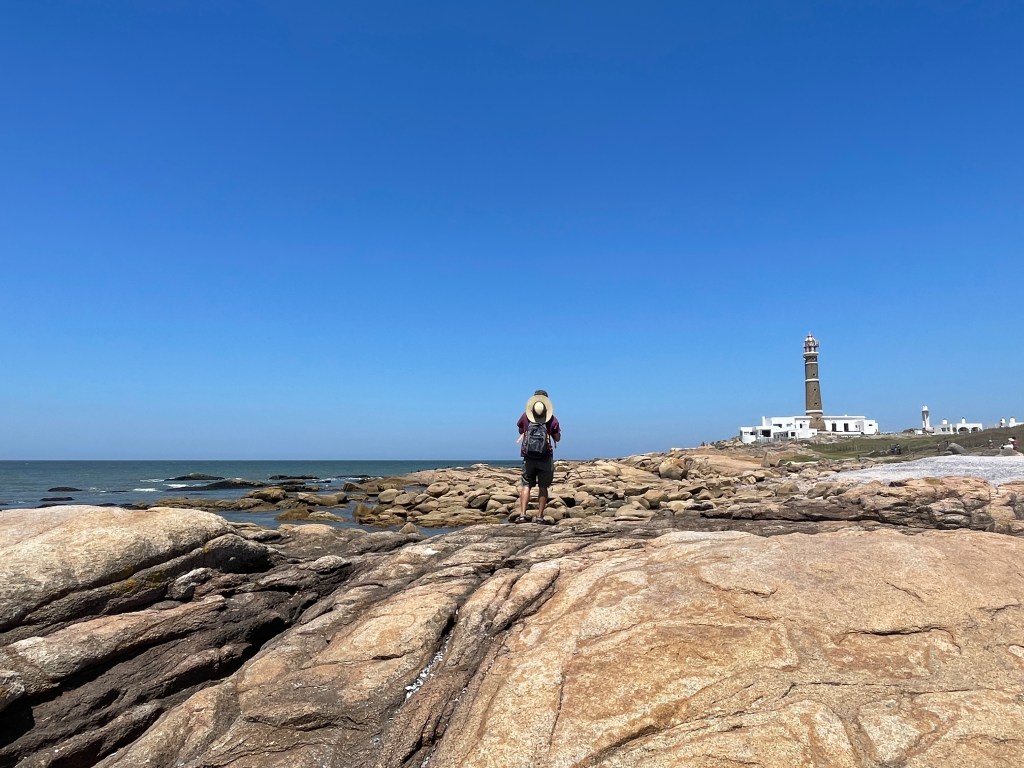
We spent a full day in Cabo Polonio, just an hour bus-ride away from La Paloma. Initially, Adam had wanted to stay in this hamlet, but Yahm refused. Cabo Polonio was once a fishing village on a cape that has recently become a tourist town. The town is surrounded by protected beaches and dunes, as well as the continent’s best-preserved remnants of coastal stretches of the vast Pampas biome. After arriving at the main bus terminal and parking lot (a few miles outside of town), the only way to get to Cabo Polonio proper is by hopping on giant 4×4 trucks that drive over sand (literally). Below are photos of the trucks and the view, as well as a video Adam took while hanging out of the truck.
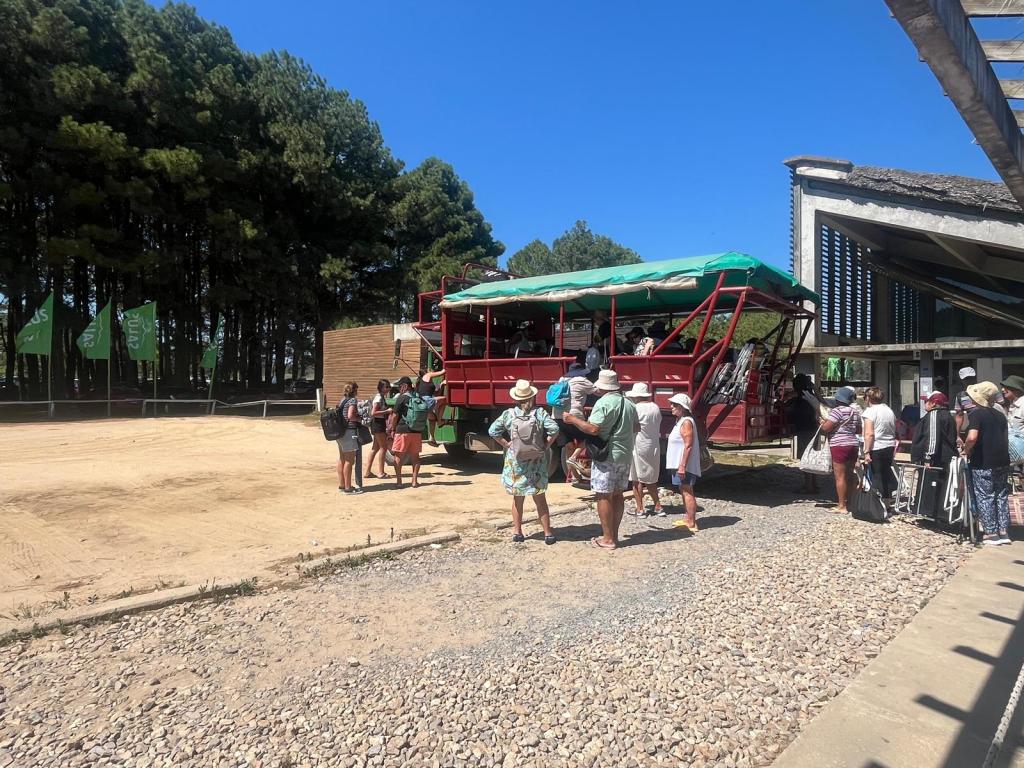
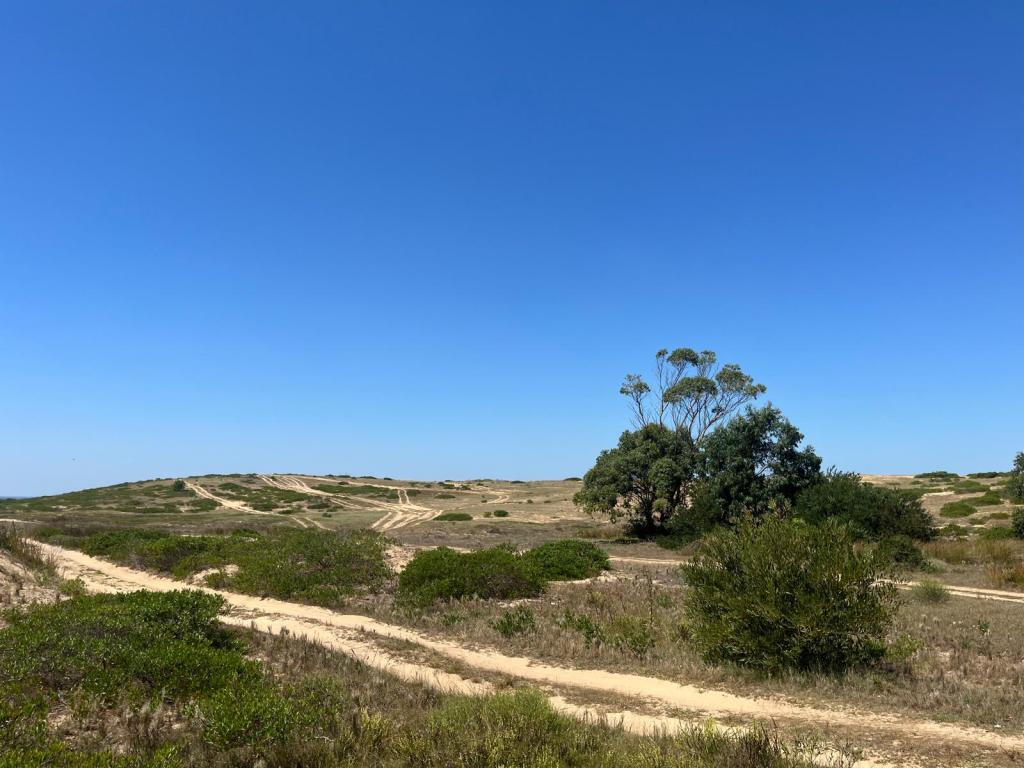
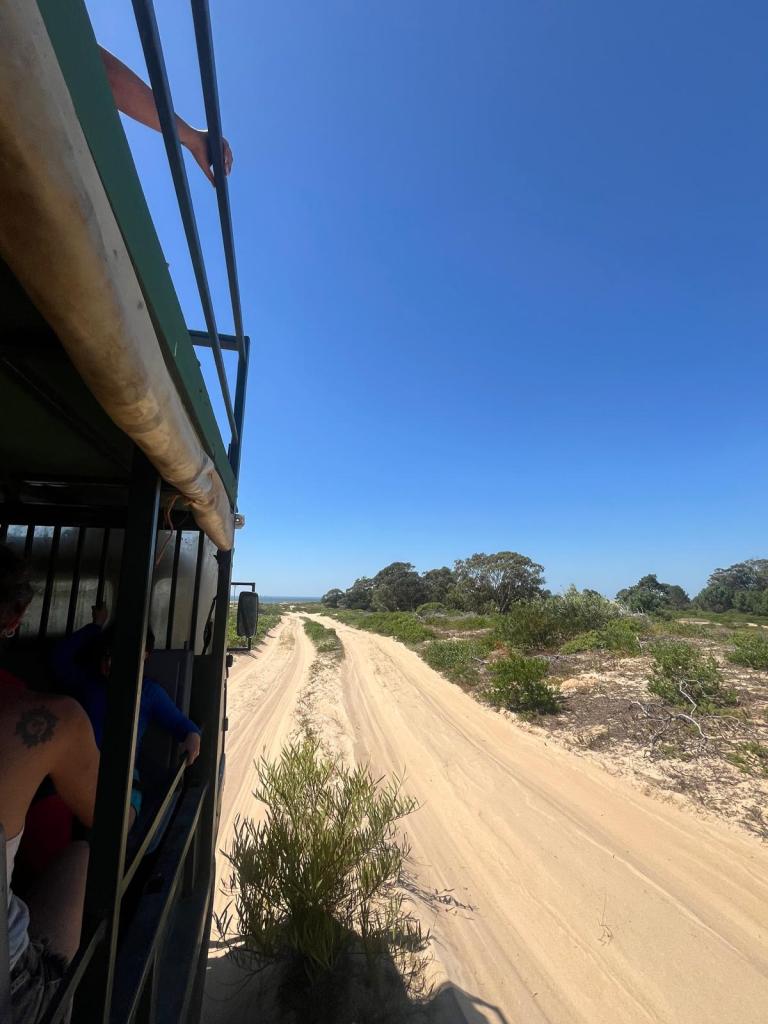
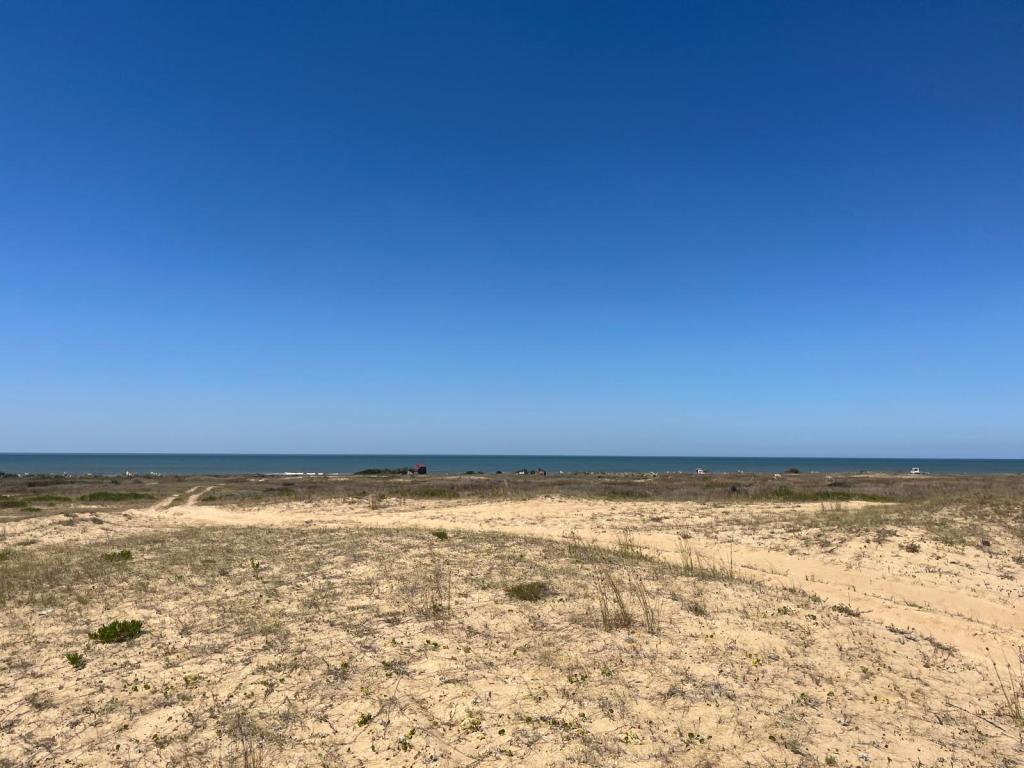
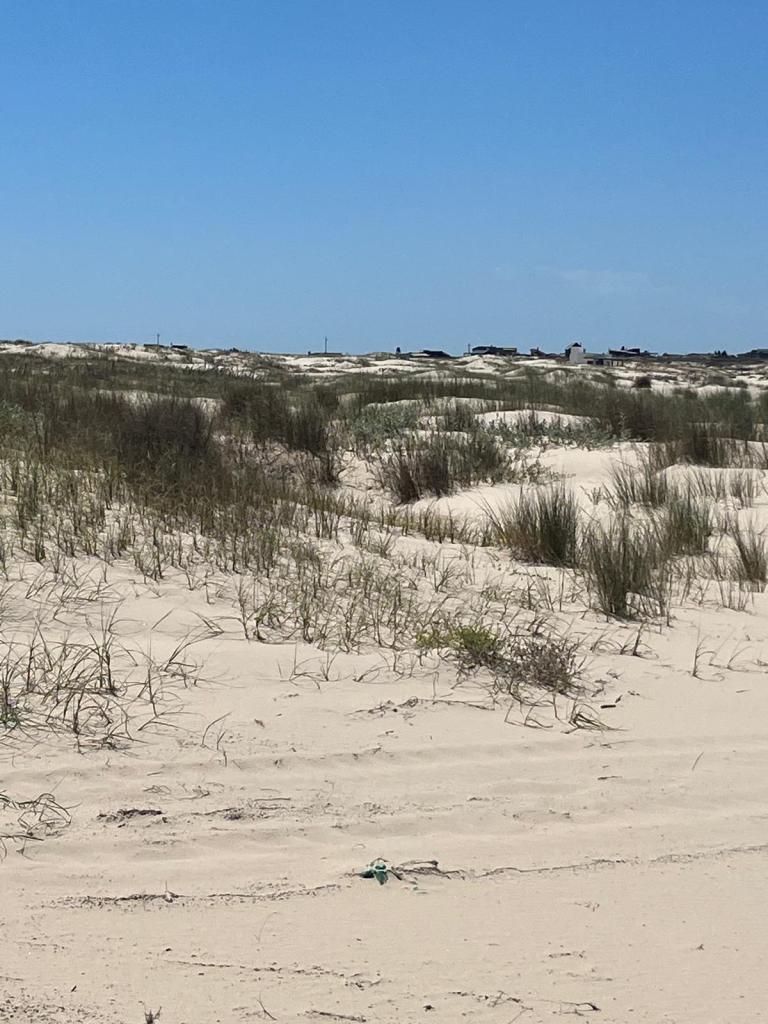
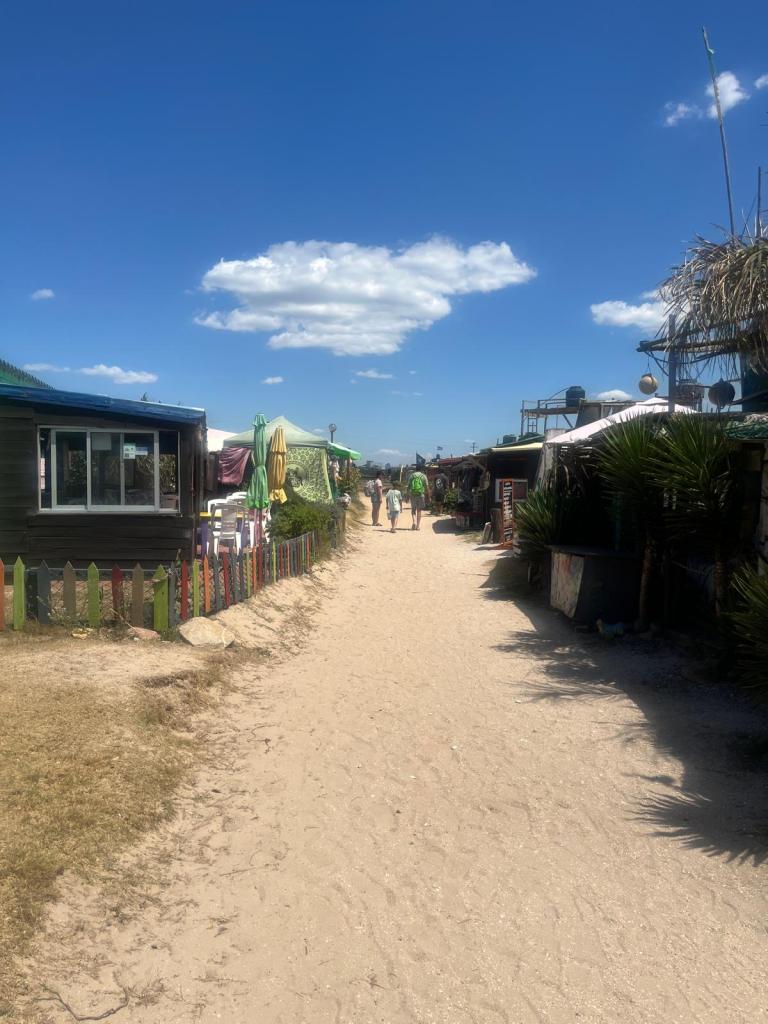
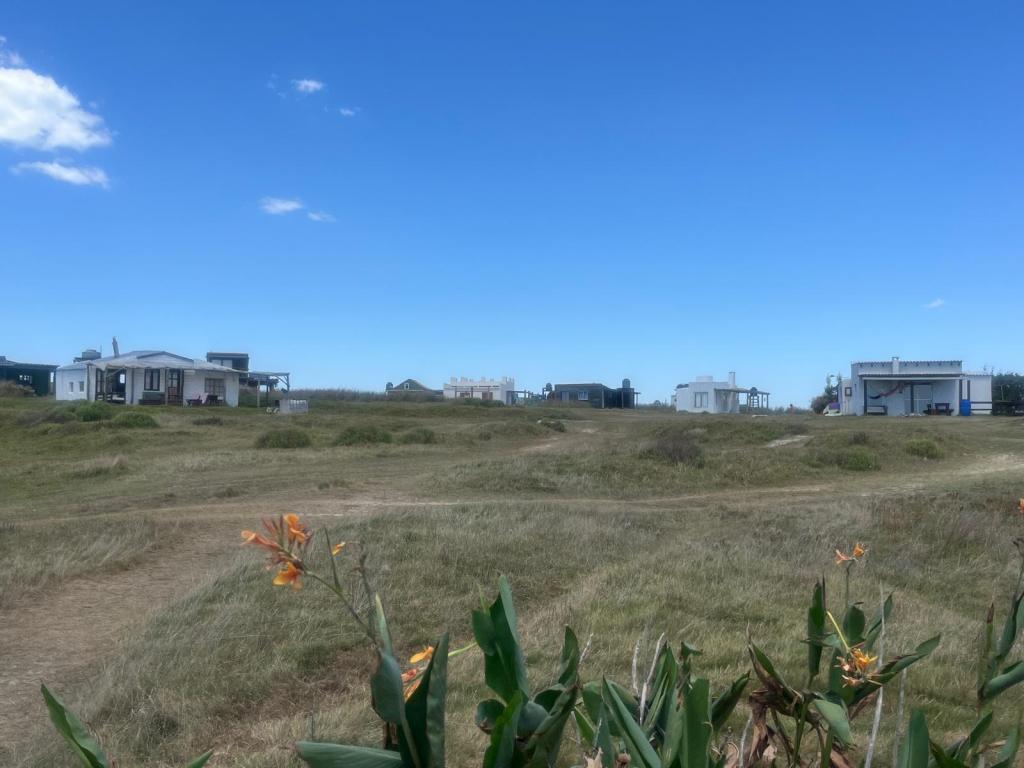
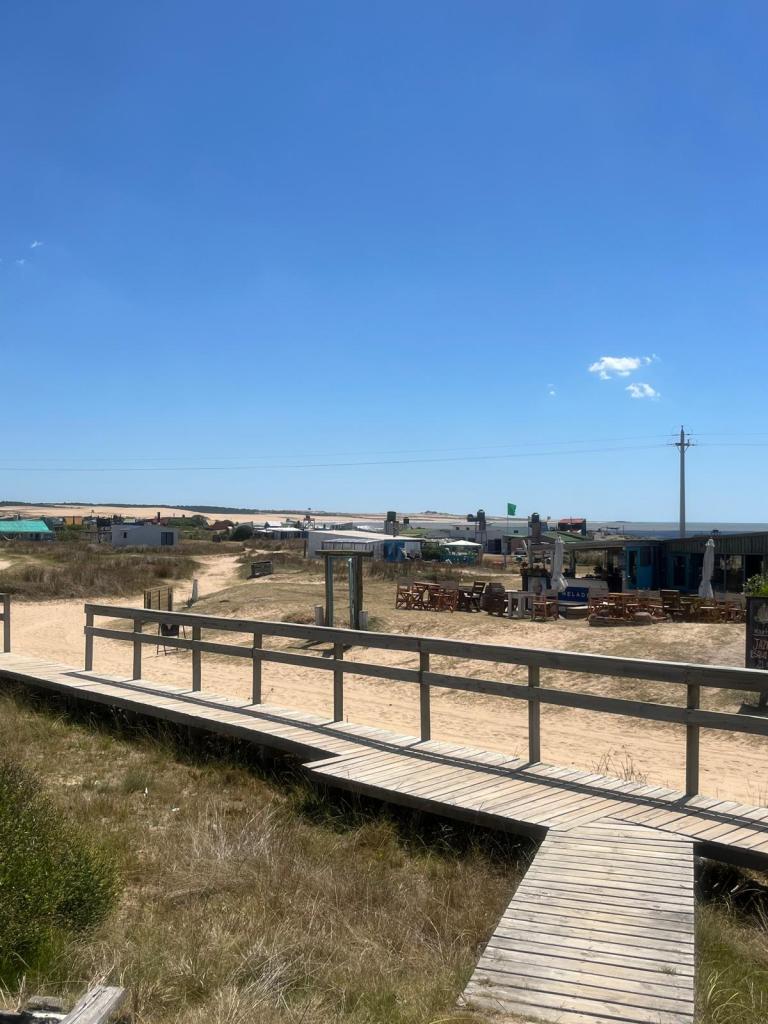
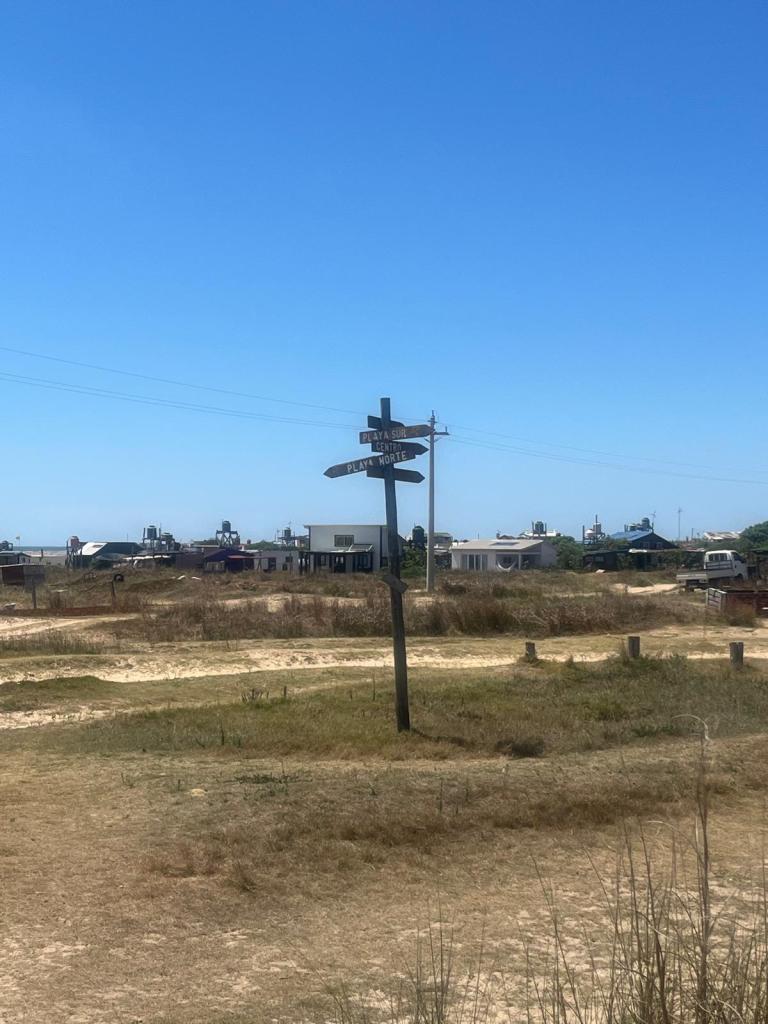
Until very recently, Cabo Polonio had no electricity; and today, most of the homes and businesses are powered by solar panels. The night sky views are supposed to be incredible for the adventurous backpackers and residents. It’s no wonder so many hippy dippy people flock to this little town to sell their macrame, incense sticks, and cannabis cookies. As you can see from the photos below, there isn’t too much hustle and bustle.
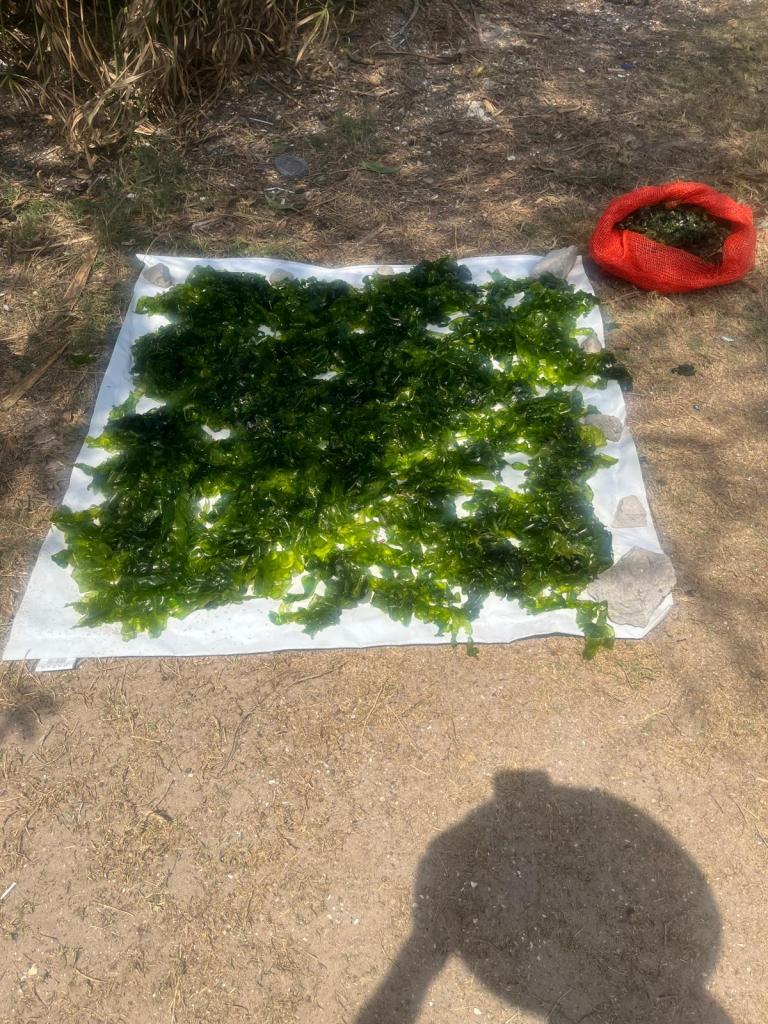
We noticed that one of the snacks sold on the cape was buñuelos de alga, or algae fritters. Algae is clearly cultivated from the Atlantic directly, dried, and then added to the dough. We didn’t try any because I couldn’t share them with Adam. Since they typically come in portions of 12 per order, we didn’t want to waste the food in case he didn’t like it. Still, it’s exciting to see local foraging in action.
Besides walking around the town and dipping our feet into the very cold Atlantic, the main attraction is viewing lobos marinos, or sea lions. (Lobos marinos literally means sea wolves in Spanish, which we thought was adorable.) Along the coast is a rookery of South American Sea Lions that captures the hearts of visitors and locals alike.
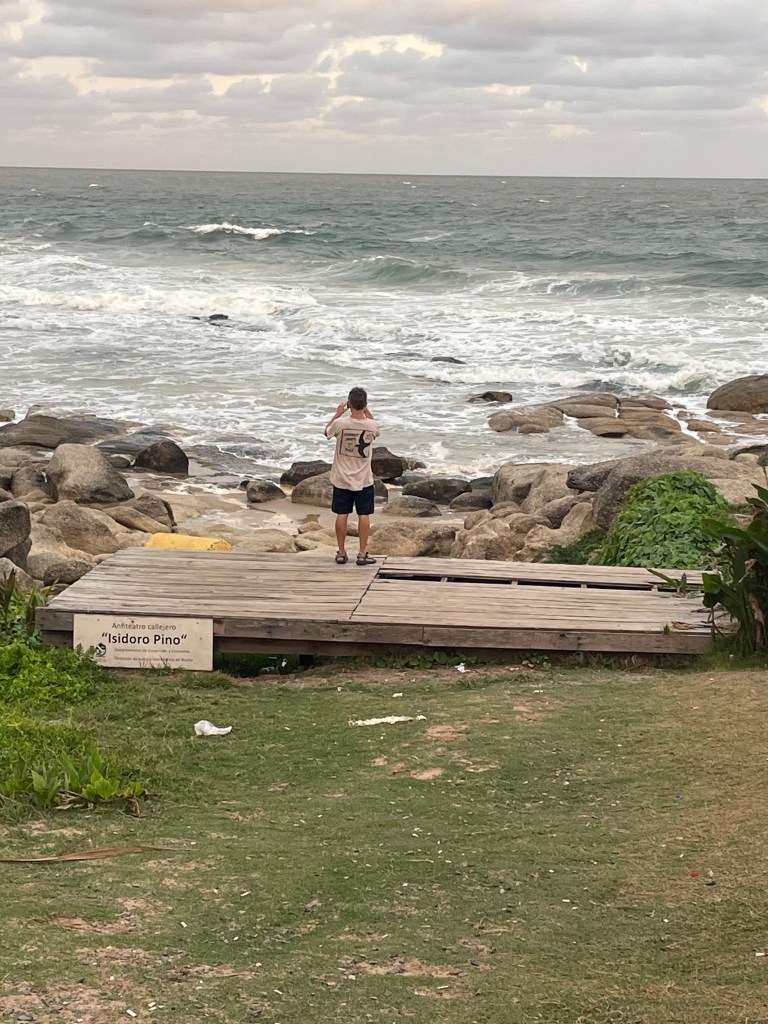
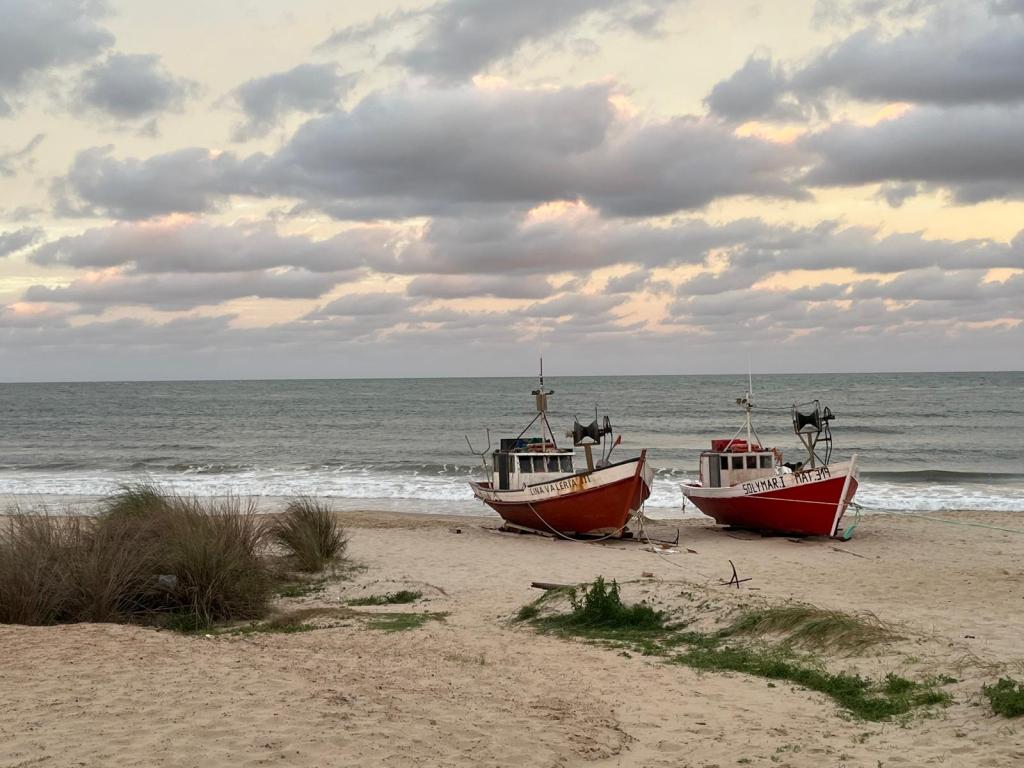
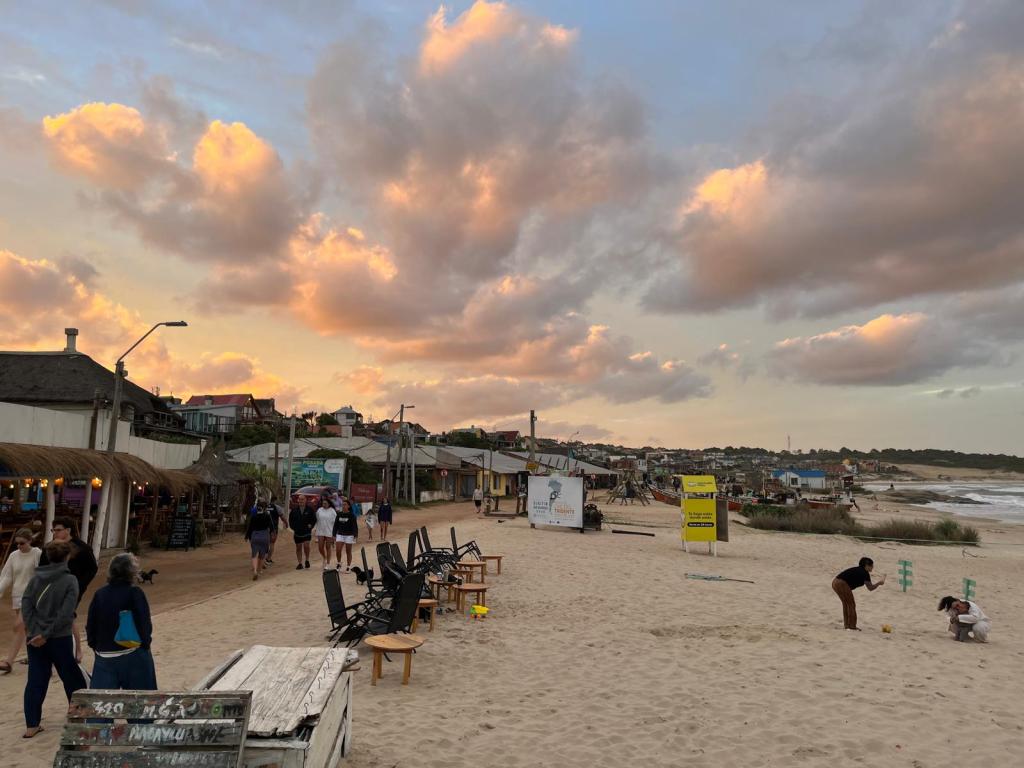
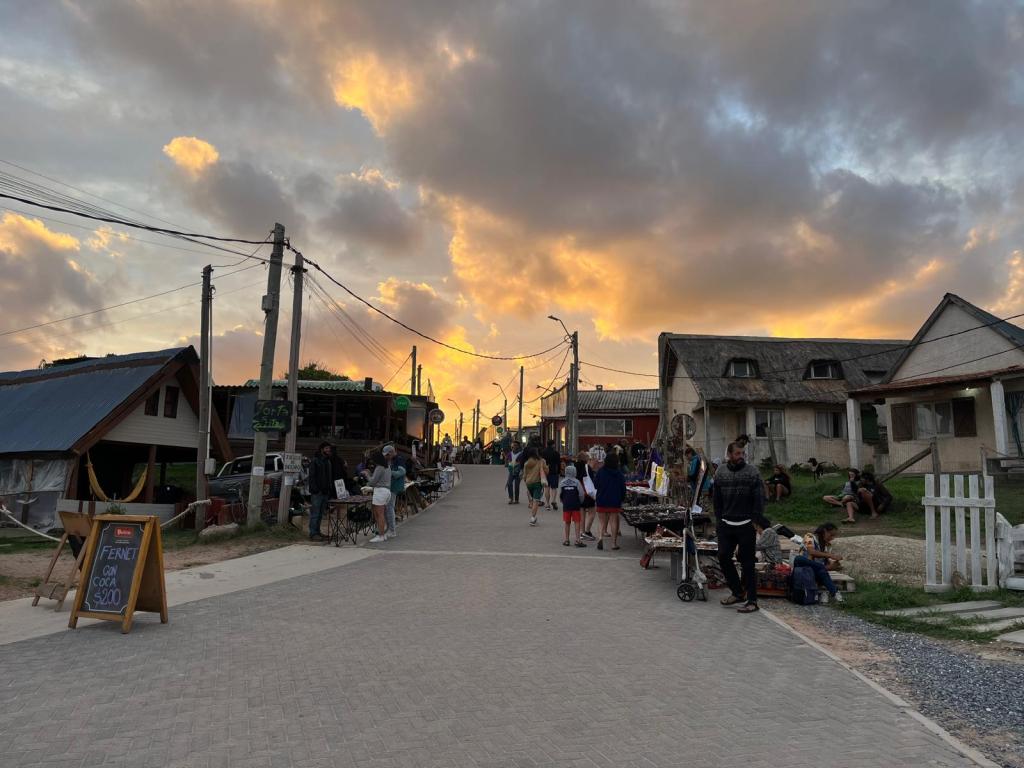
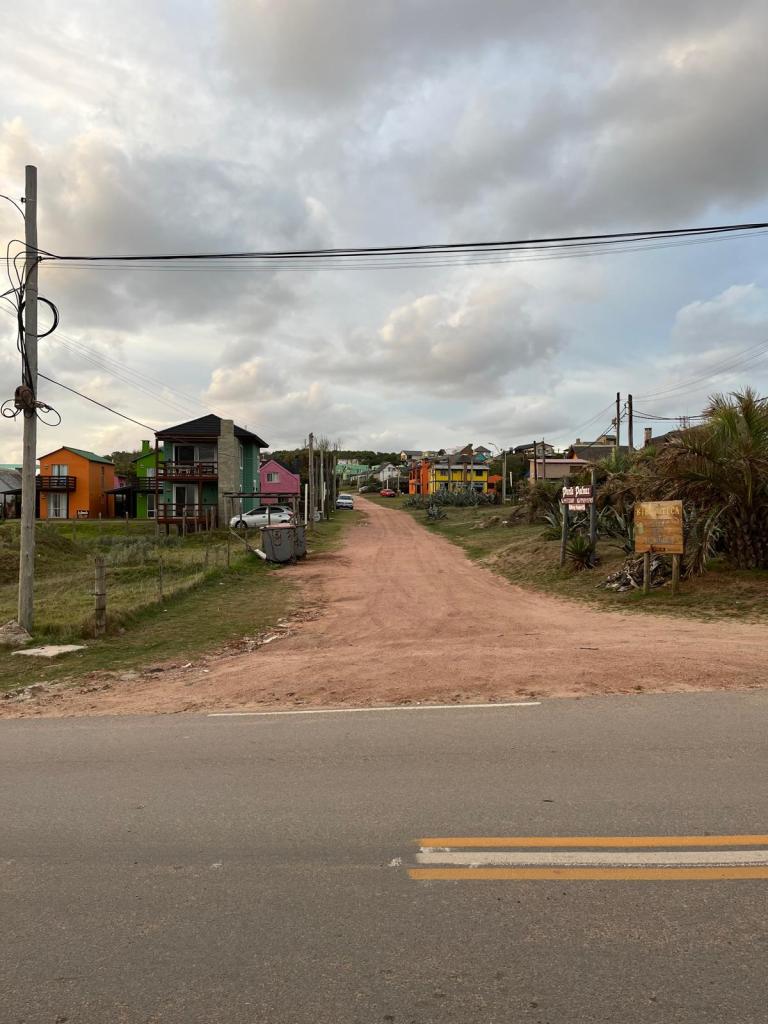
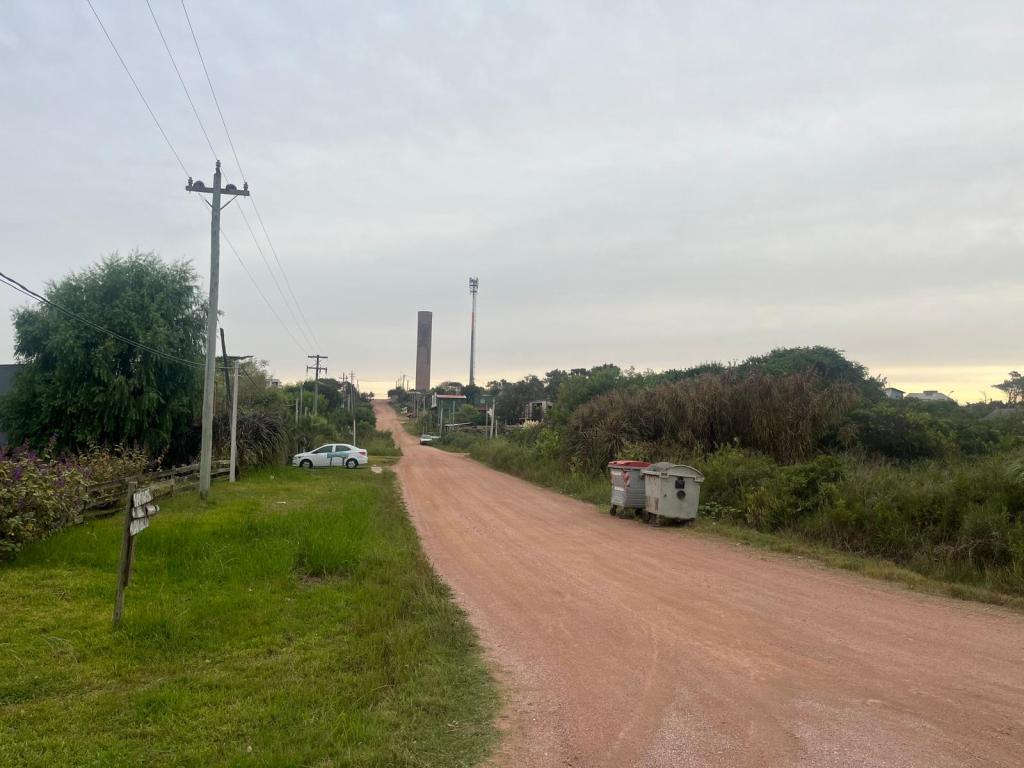
Our final destination was Punta del Diablo. In terms of look and vibe, Punta del Diablo sits in between La Paloma and Cabo Polonio. On the one hand, there are more amenities and paved roads than Cabo Polonio. On the other hand, compared to La Paloma, Punta del Diablo is more rustic evidenced by the lack of sidewalks, the necessity of a car, and the large swaths of open land surrounding town. One of the reasons we wanted to visit Punta del Diablo was to explore Santa Teresa National Park, the only national park we will have an opportunity to visit in our travels because we are car-less. Adam will have a full post about our time there in coming days, so be sure to keep an eye out!
As is the case with so many seaside towns, Punta del Diablo is heavily reliant on tourism. Most of the tourists are Uruguayans, Brazilians, and Argentinians. As United States-ians (as we refer to ourselves these days), we are a bit of a novelty. When we speak in our broken Spanish, people assume we are Brazilians. Then when we explain we are from the United States, the next question is whether we have family here because otherwise why on Earth would we travel to this part of Uruguay. We explain that we are exploring the country as part of our gran viaje (grand voyage) in Latin America, to which they respond with raised eyebrows of surprise.
(A quick side note: since Punta del Diablo is so close to the border with Brazil, we also toyed with the idea of continuing along the coast into Brazil until we arrived at São Paulo once more. (We have a flight to our next destination out of SP.) However, we read some harrowing stories about the border towns and considering how much stuff we have, it felt like tempting fate. We have been exceptionally mindful of our surroundings on this trip and have not been pickpocketed once. It would be a shame for that to happen now. )
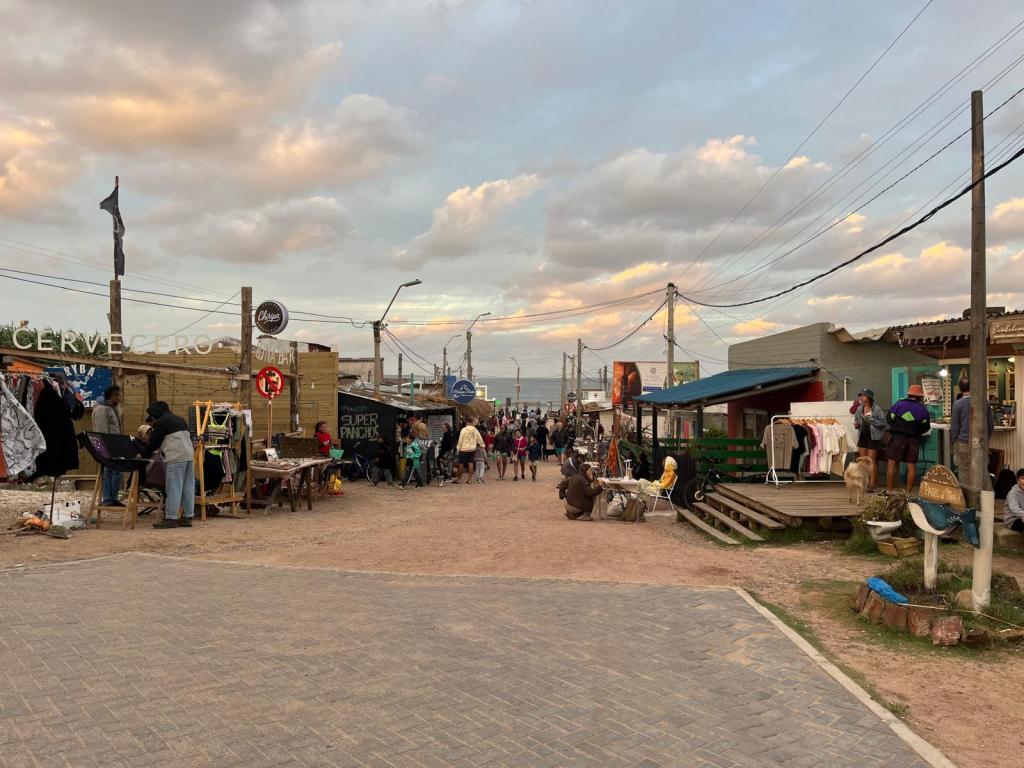
The main attraction in town, besides the ocean, is a pedestrian walkway full of restaurants, cafés, and artists selling their crafts. Jewelry, hand-carved wooden platters, wind chimes, and general touristy tchotchkes abound. Musicians busk outside and inside restaurants and we even saw someone showing off magic tricks to adults and children alike. (Yahm was nervous he was a con artist, but he was harmless.) The sunsets are some of the most beautiful we have seen in a very long time.
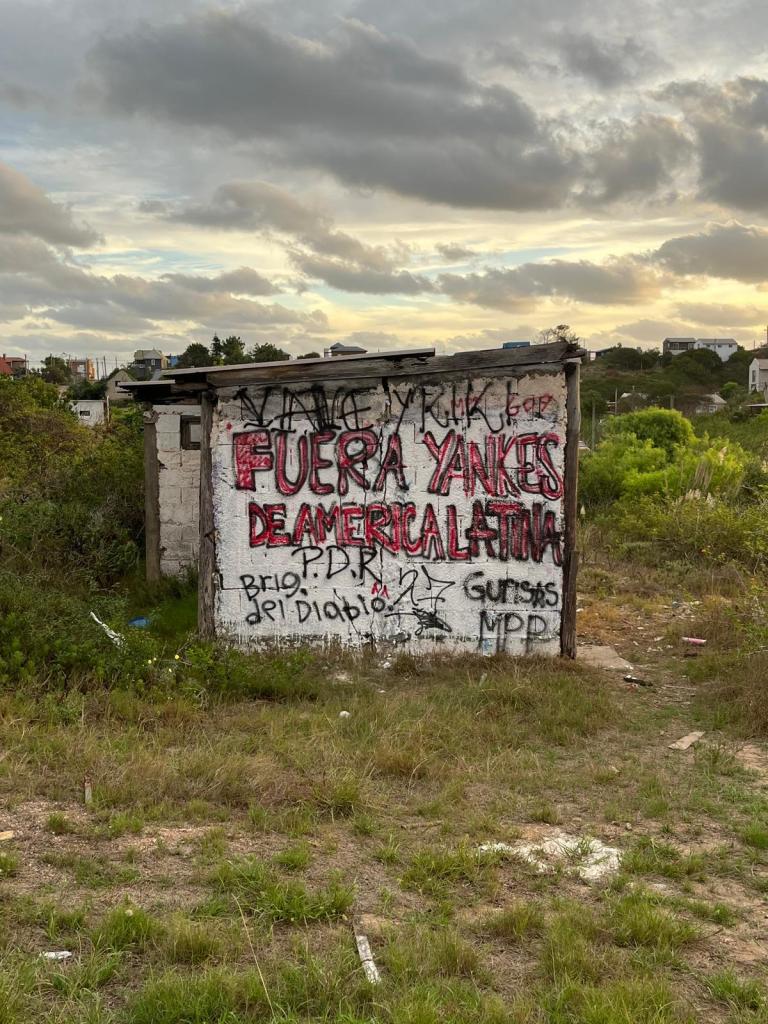
Quick note about the middle photo in the third row: we have seen “Fuera Yankees de America Latina” (“Yankees out of Latin America”) graffitied all over Argentina and Uruguay since Maduro has been deposed and we couldn’t help but share a photo. From what we can gather, most people are concerned about U.S. government interference, not United States-ian tourists. Our experience has been exceptionally positive everywhere we have visited, as folks know to separate people from their governments.
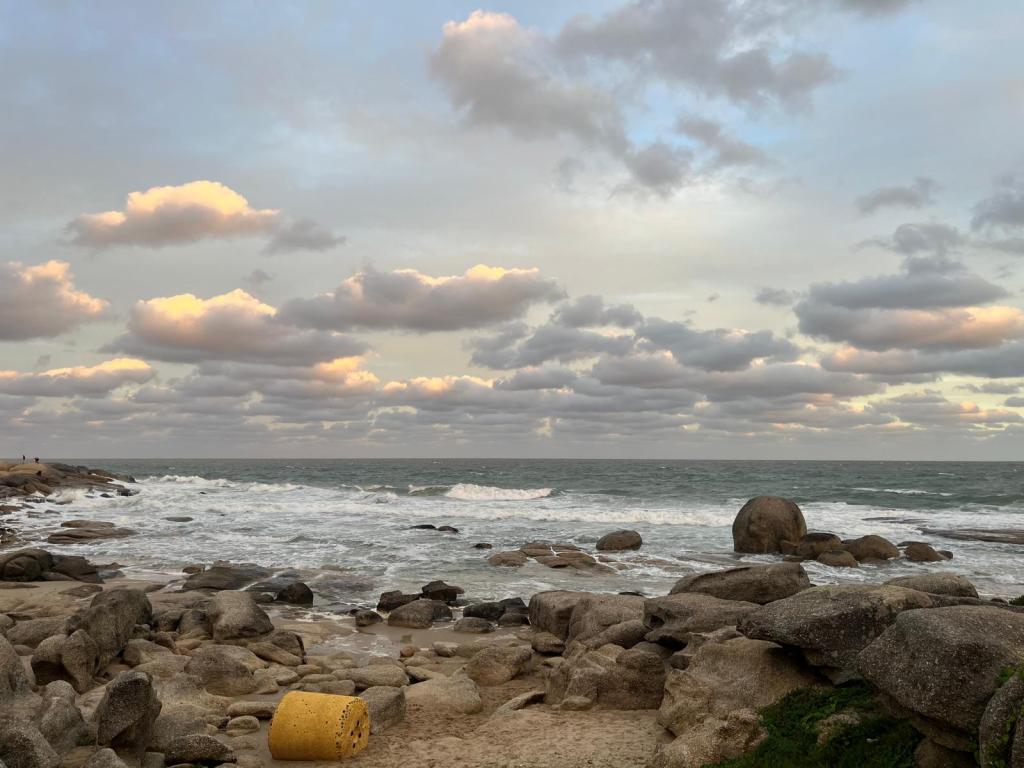
The small towns along Uruguay’s Atlantic Coast offer another perspective of the country compared to Montevideo or the extremely touristy Colonia del Sacramento. While no one seems to be in a rush even in the capital, time seems to slow down even more in these parts. Our overall sense of Uruguay is that it’s a perfect place to visit if you need to unwind and recuperate, especially along the coast. It can get a bit repetitive, but that can also be a blessing if you’re looking to unplug and take in some deep breaths. Uruguay also has the mildest summer we have ever experienced, which has been such a relief considering how long we spent in the Tropics and the summers we endured in Arizona and Alabama.
We have one more week in Uruguay before we head to our next destination, which we will spend mostly in Montevideo. Stay tuned for Adam’s post about Santa Teresa National Park and Yahm’s recap of Uruguayan food. Be sure to like, comment, and subscribe to Traveling While Introverted so you don’t miss it!
 Traveling While Introverted
Leave a comment