Uruguay is a small country, both in terms of population and size. Around 3.5 million people inhabit the country and it covers approximately 68,037 square miles (176,215 square kilometers) of land area, making it around the same size as the U.S. state of Washington. It is the second smallest nation in South America. Besides being small, much of its land is dedicated to agricultural production, specifically, cultivating wine and raising cattle. In fact, it has more cattle than people. Two major ecosystems historically stretched into Uruguay. One was the Atlantic Forest which has been completely cleared. (That is no surprise given that even where the Atlantic Forest still exists it is highly fragmented.) The other is the Pampas, tracts of which are protected within the country’s National System of Protected Areas. That said, much of Uruguay’s Pampas has been converted to grazing land. (Overall, the Pampas has been heavily degraded or converted into pasture land across much of its historical extent.) Due to these realities, much of Uruguay’s wildlife is endangered, threatened, or has gone locally extinct. Still, I was able to observe quite a few birds and other wildlife while we were on the Atlantic Coast.
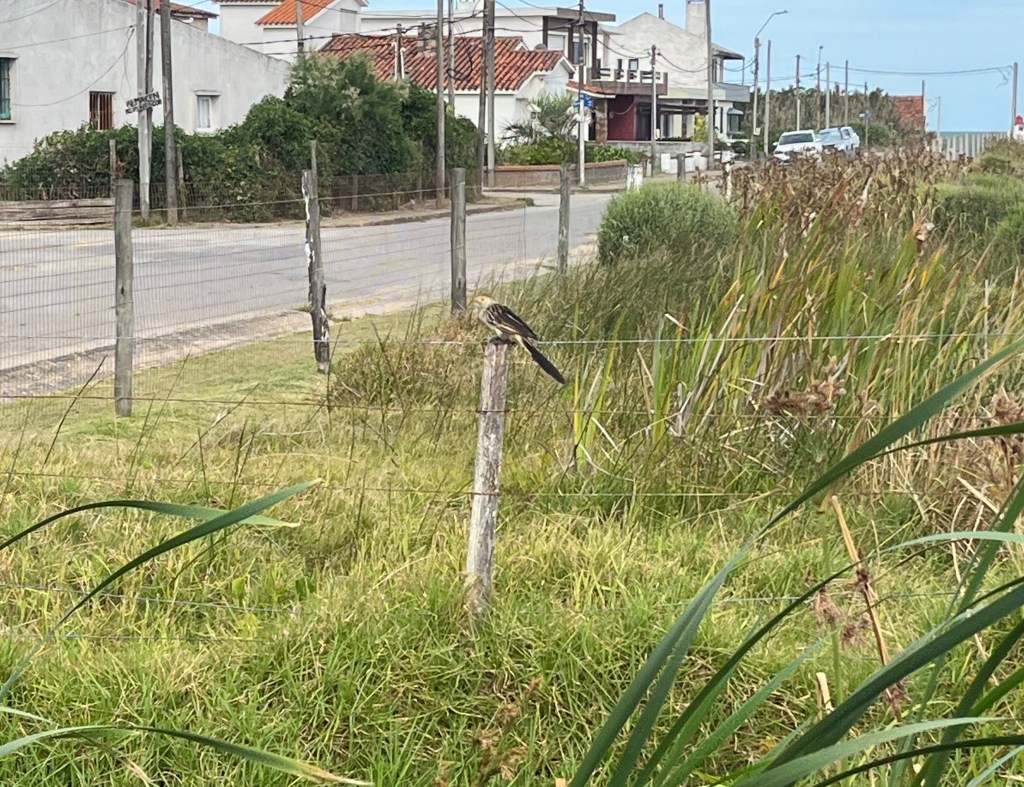
The photo and video below is of a species called the Guira Cuckoo, which is actually seeing its range and populations expand as they prefer open lands to forest cover.
These Monk Parakeets are a common sight throughout the fields, grasslands, and even urbanized settings in southern Brazil, Uruguay, and Argentina. This duo was eyeing me as I walked down the street in La Paloma.
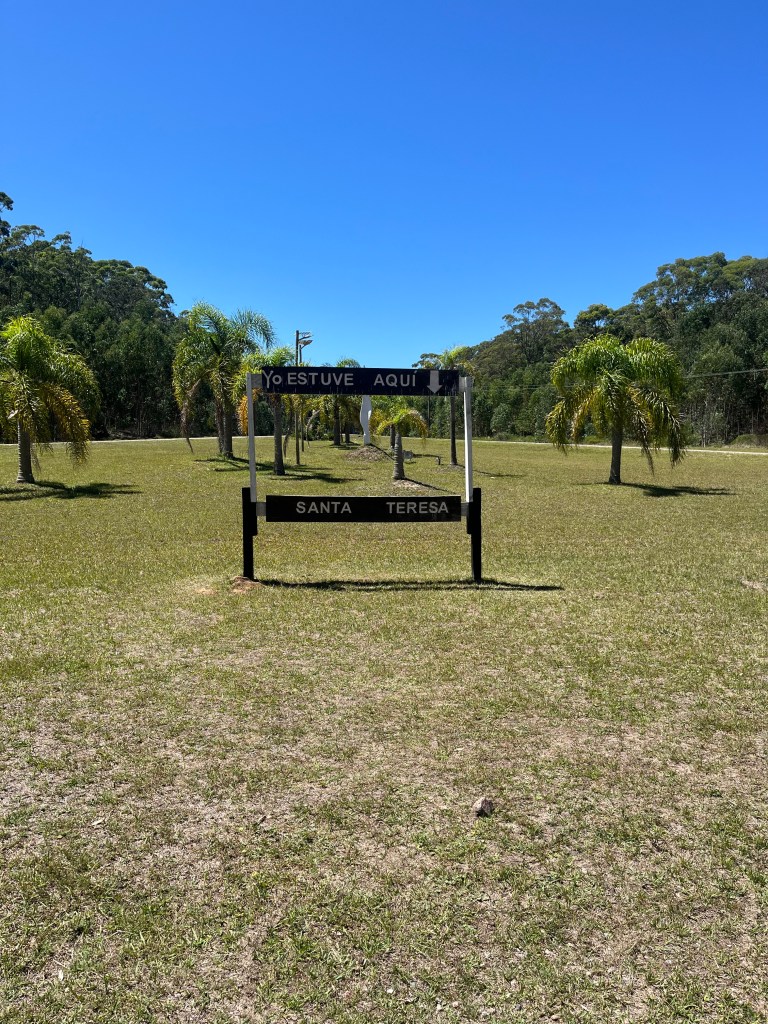
When we arrived in the town of Punta del Diablo, we visited Santa Teresa National Park. This park is an interesting piece of protected land because it is next to a major military training ground and base. In fact, the military funds, manages, and protects the park. The backcountry is mostly off-limits to the public due to proximity to sensitive military areas, thereby preserving wetlands and grasslands that would otherwise have become degraded or disappeared. Native wildlife in and around the park does quite well despite this being a heavily-visited park because of how pristine and well-protected the backcountry is. Santa Teresa a multi-use green space designed for families and features soccer fields, a botanical garden, an aviary, restaurants, and a fort (Fortaleza de Santa Teresa).
Side note: The fort dates back to 1776 when the Spanish Crown built it to protect their claims over the land. The Spanish and Portuguese would swap ownership and management of the fort and surrounding land via treaty, until the Spanish ultimately held it before Uruguayan independence.
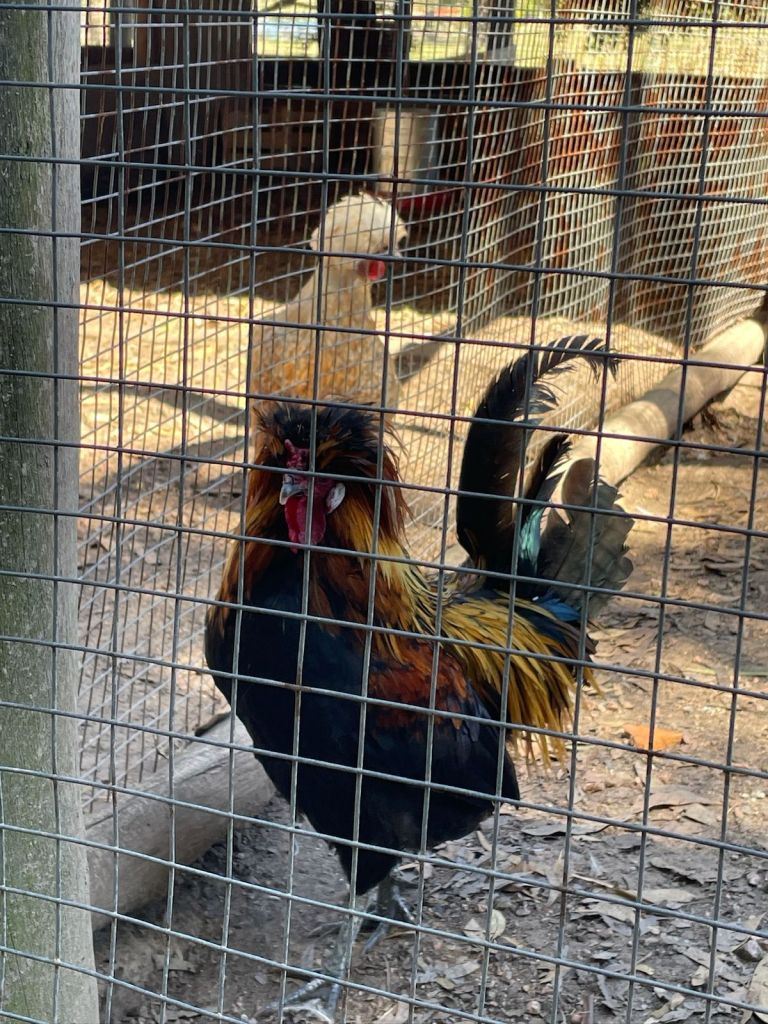
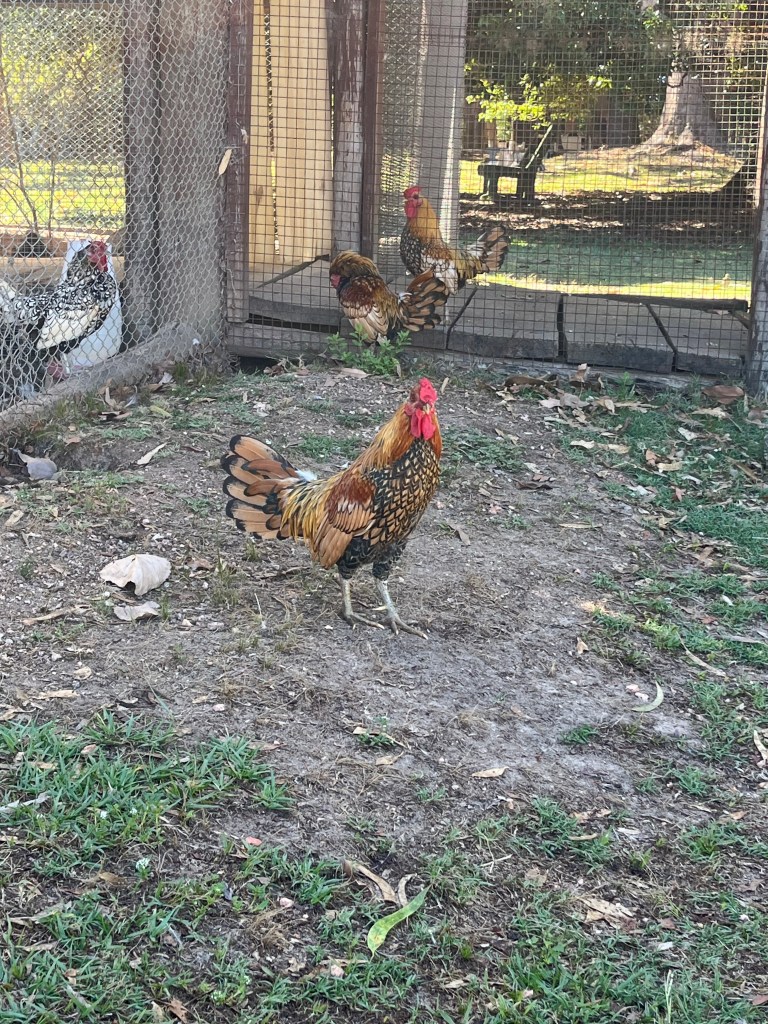
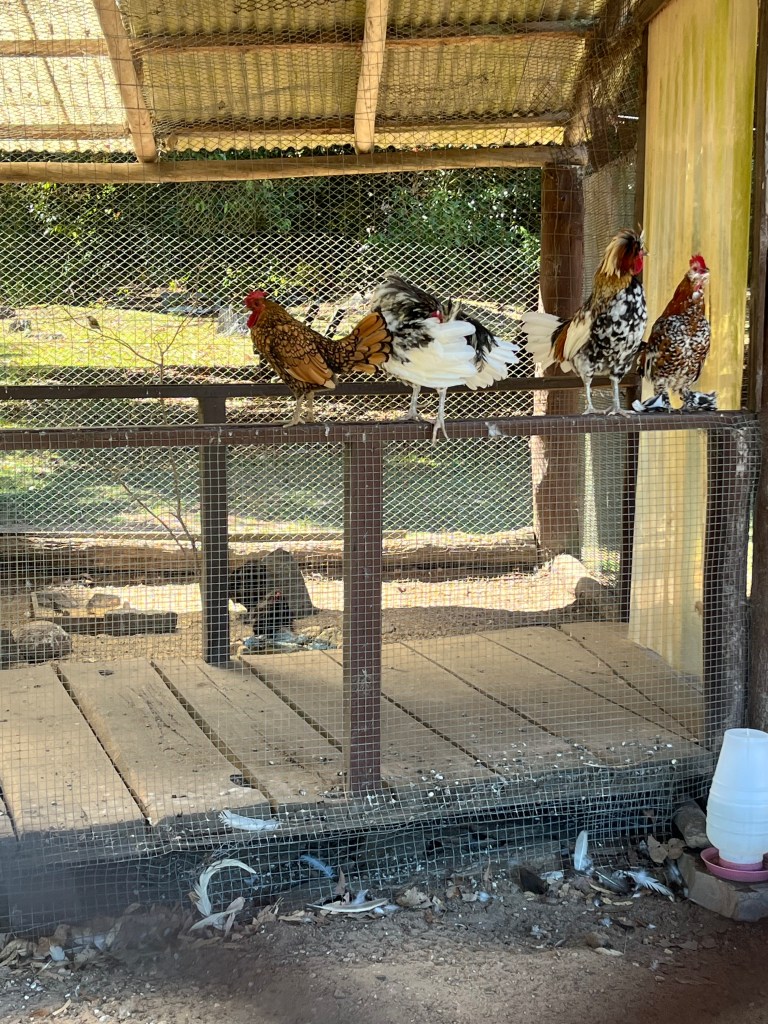
The aforementioned aviary seemed to mostly house various breeds of domestic chickens, though some native species (such as guan) were displayed. This section of the park had some other non-native, non-avian species on display that hail from other parts of the world, including Olive Baboons (not captured). There were also some uncaged non-native bird species roaming the grounds.
Top row, from left to right: various breeds of roosters and hens
Bottom row, left to right: a male Helmeted Guineafowl; male Indian Peafowls (peacocks).
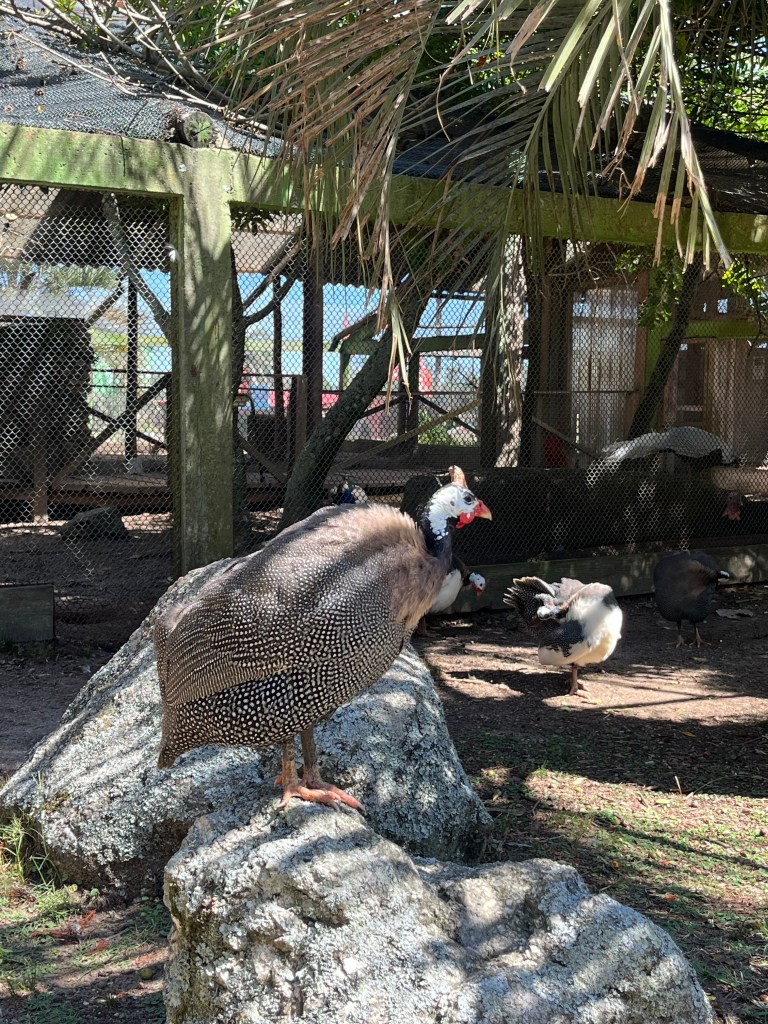
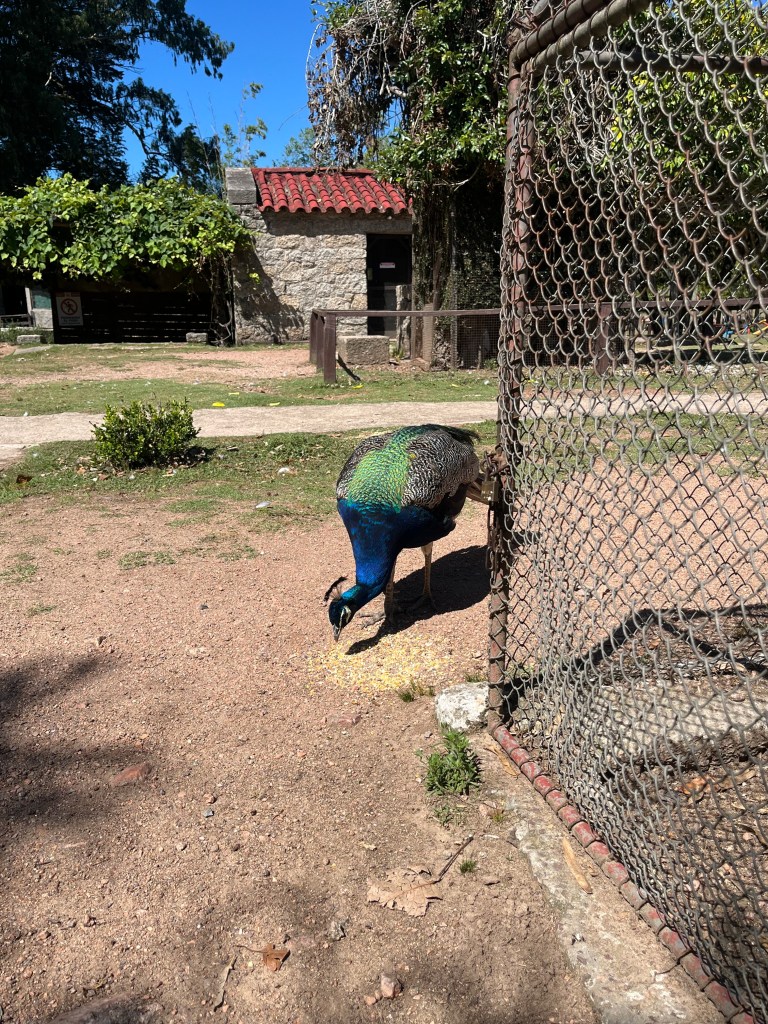
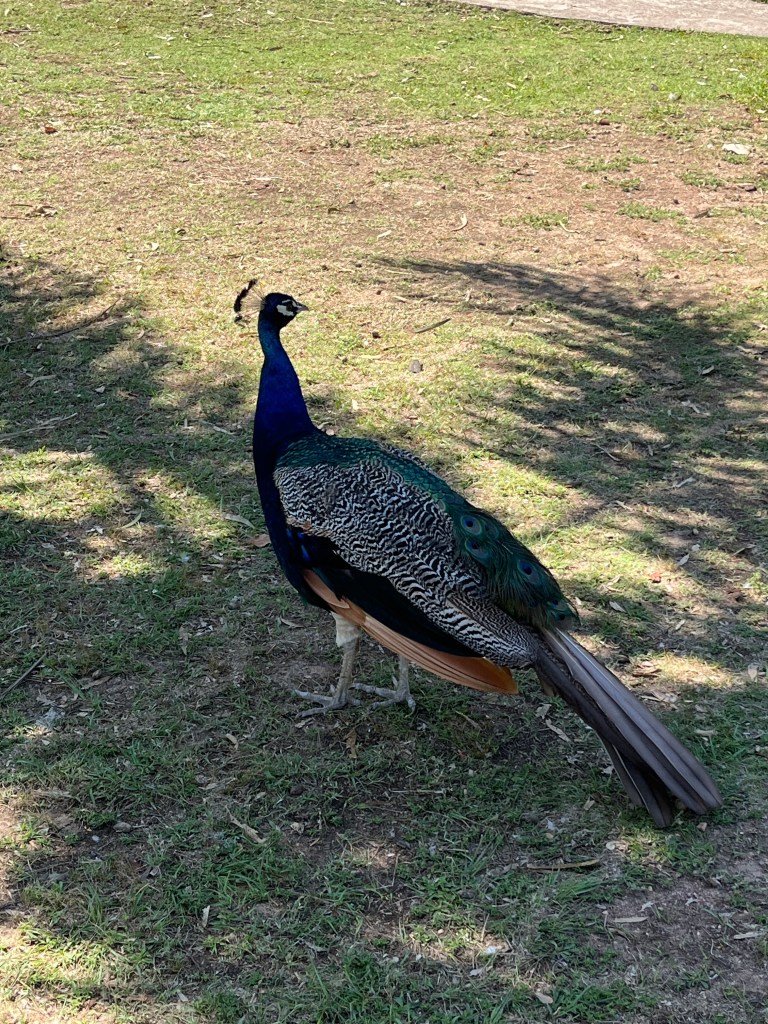
Video: a flock of Guineafowl running past
While the “nature” on display was a bit disappointing, we saw some charismatic wildlife native to Uruguay. Roaming the grounds of the aviary was a species of bird that I hoped to see during my hike in the Argentinian Pampas: the rhea. This bird is a member of the ratite group that includes ostriches, emus and cassowaries. Rheas are the only member of the family native to the Americas, and are the smallest member. Like their cousins, they are large flightless birds that remind you of dinosaurs as they saunter by. Rheas can be found throughout many of the major bioregions of southern South America, be it the Pampas, Gran Chaco, or Patagonia. While rheas can be weary of humans and take off at high speeds when they feel threatened, these individuals were confidently and calmly moving around the crowds. Some were chowing down on palm fruits and, in general, they seemed to be living their best lives.
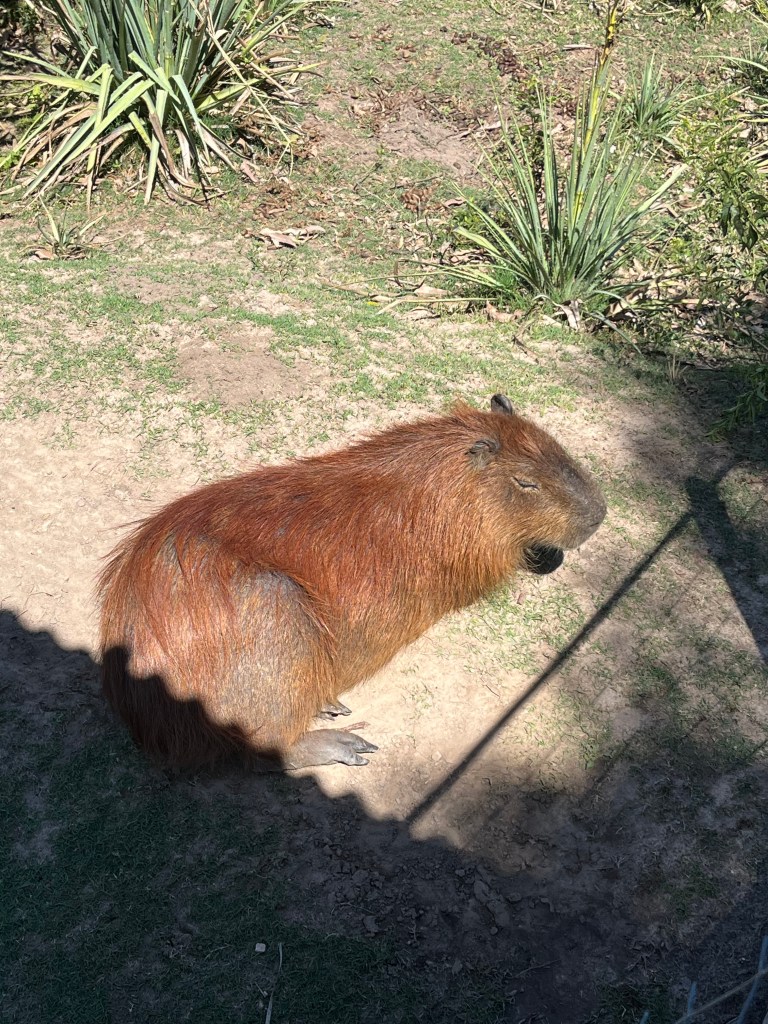
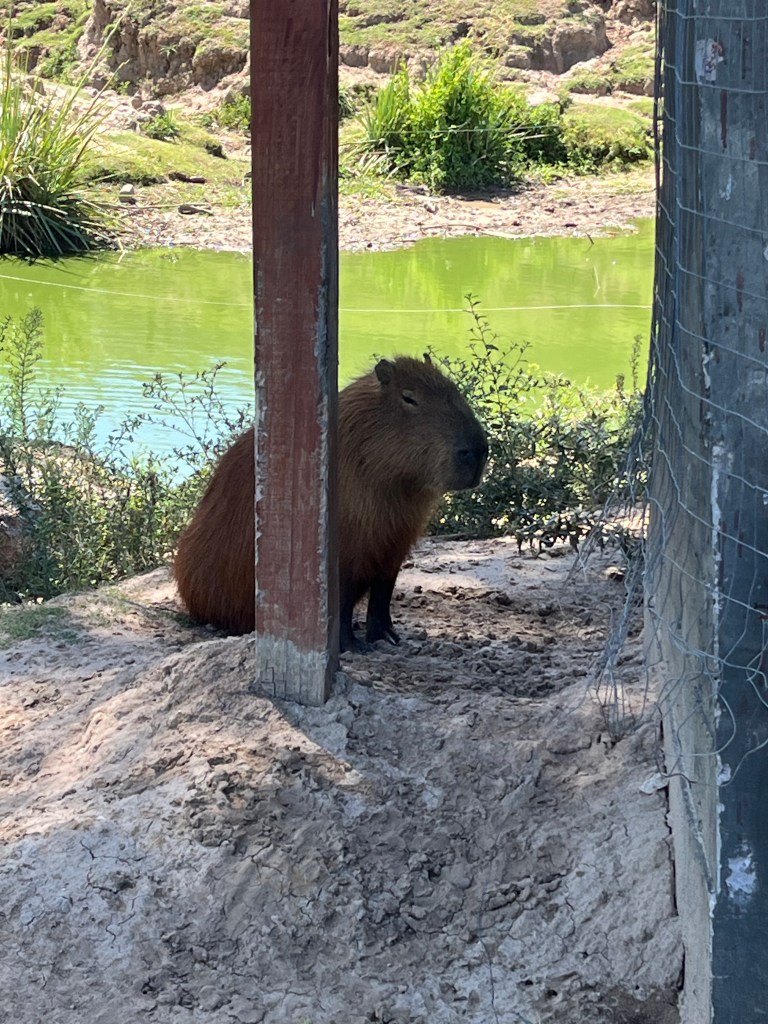
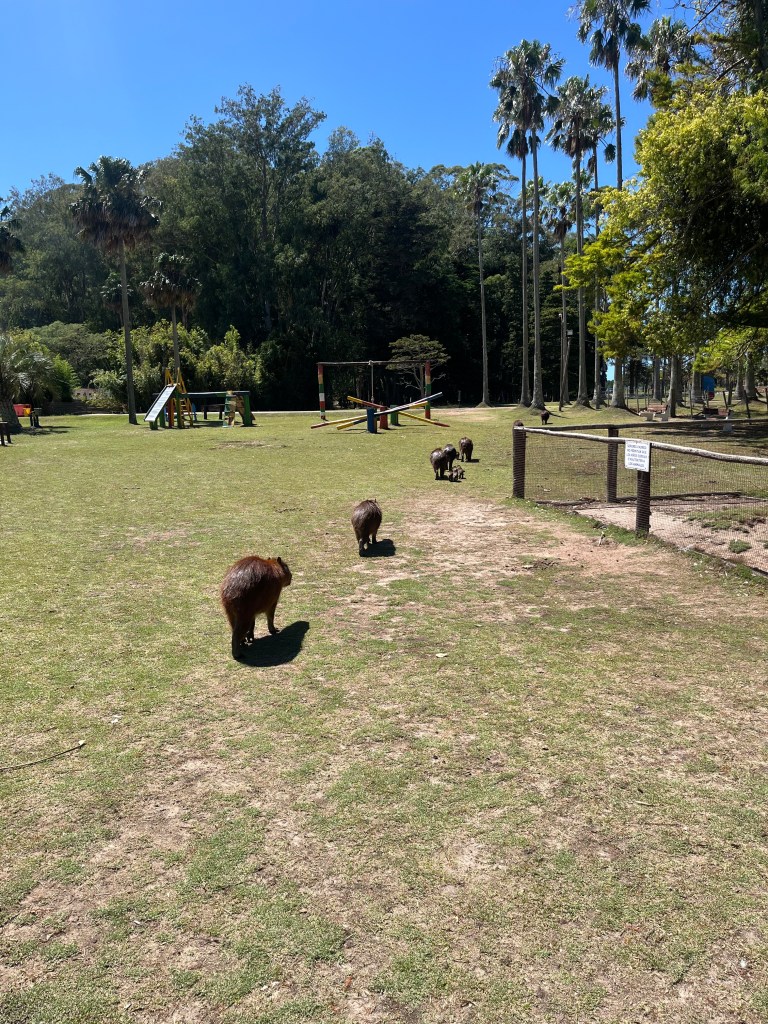
Capybara, one of South America’s most iconic species and the world’s largest rodents, were wandering around, enjoying the predator-free environs of this part of the park. They aggregated around the watering holes and lazed about in both the water and along the banks. Capybara are found throughout most of South America, except for the Andes, Atacama Desert, Altiplano, and Patagonia. Normally, they would be on edge keeping an eye out for caiman, jaguars, puma, wild dog species, and large boas. But, here among the crowds and kids playing soccer, they knew that they had nothing to fear. I was able to get closer to these capybara than I probably could in a more wild part of Uruguay or South America.
Once we had our fill of the aviary/zoo area, we headed back towards the park gate, looking for shade where we could find it.
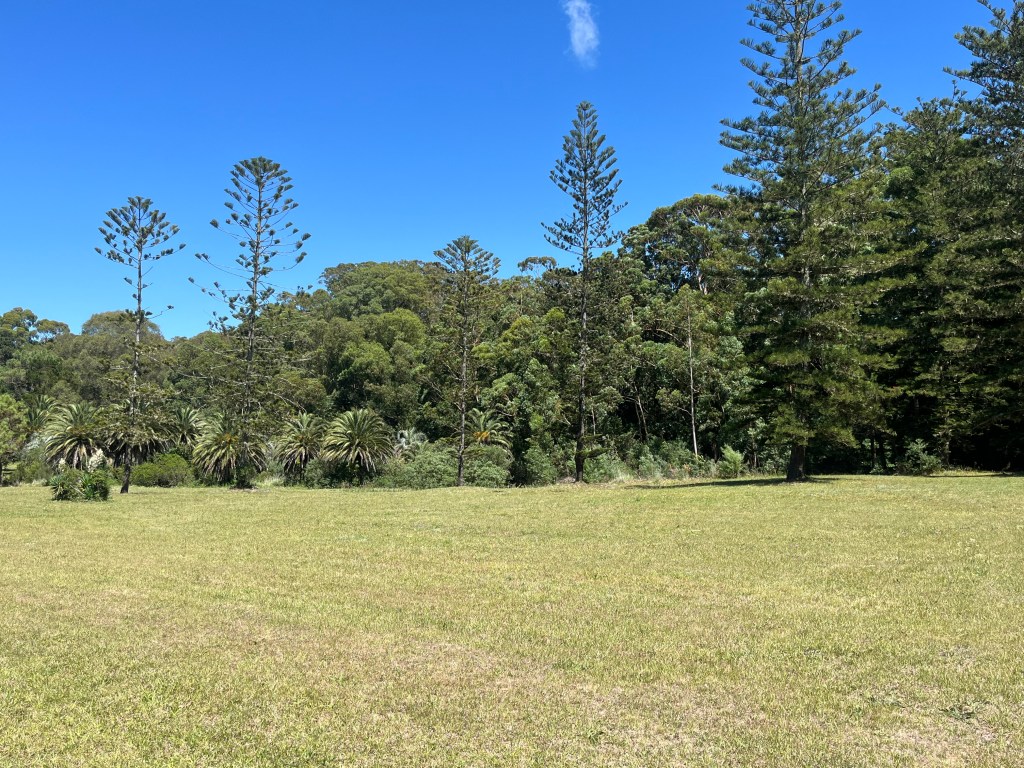
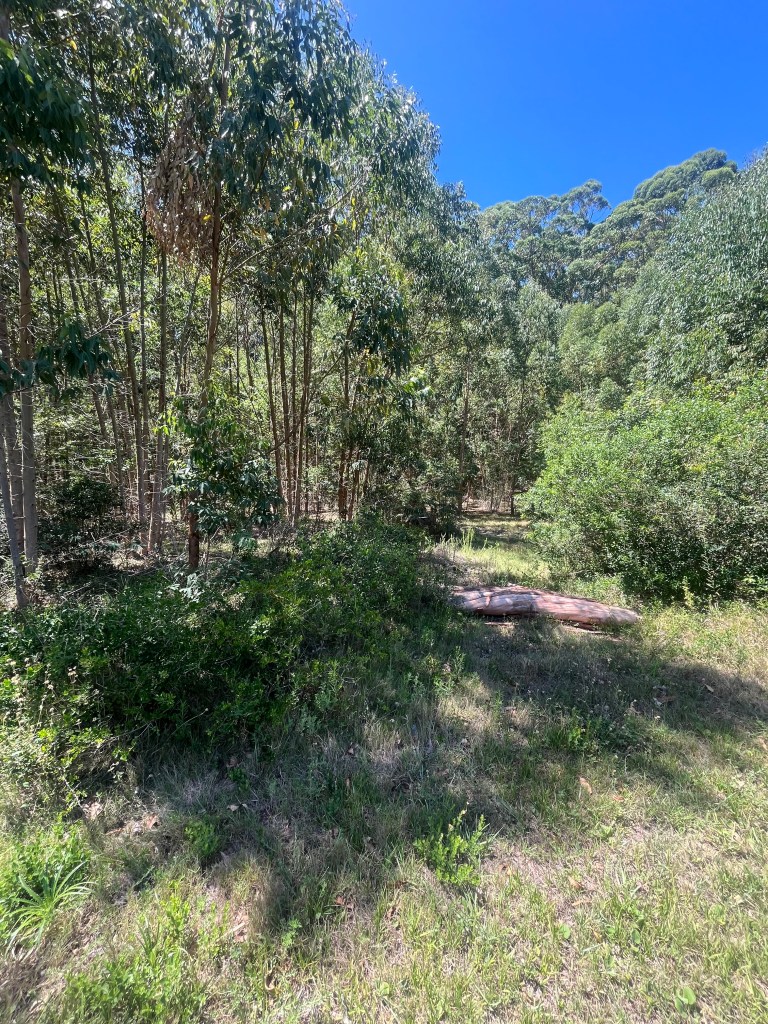
Top row: typical scenery along the park’s main access road
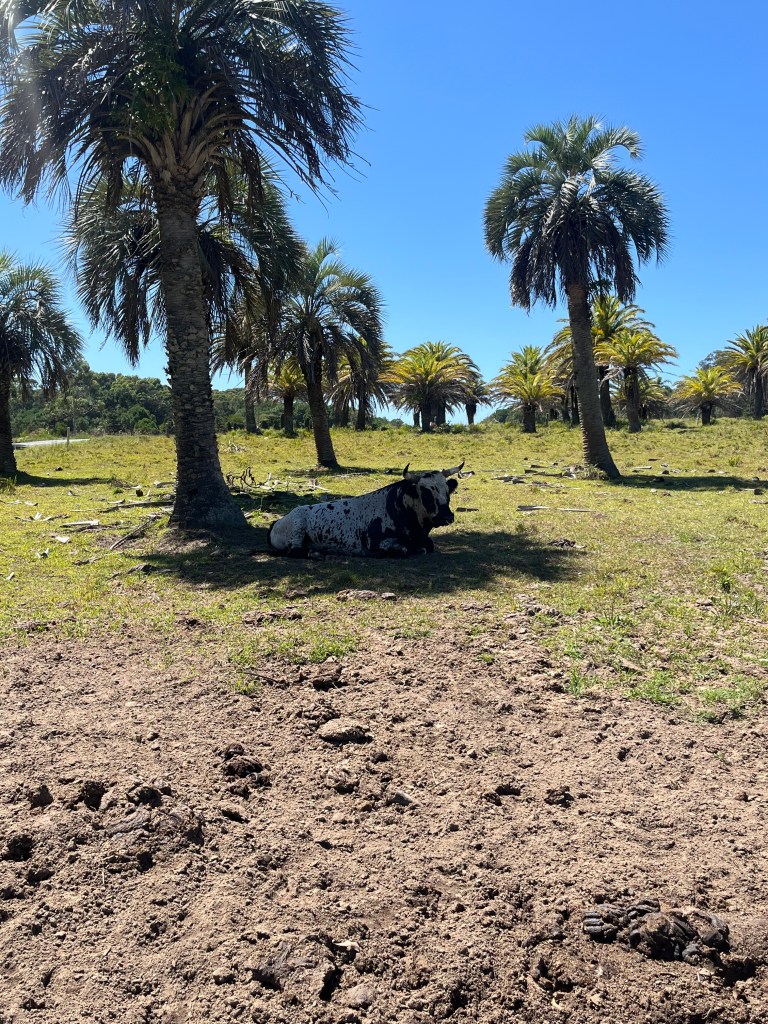
Bottom row: a cow resting under a palm tree to avoid the midday sun
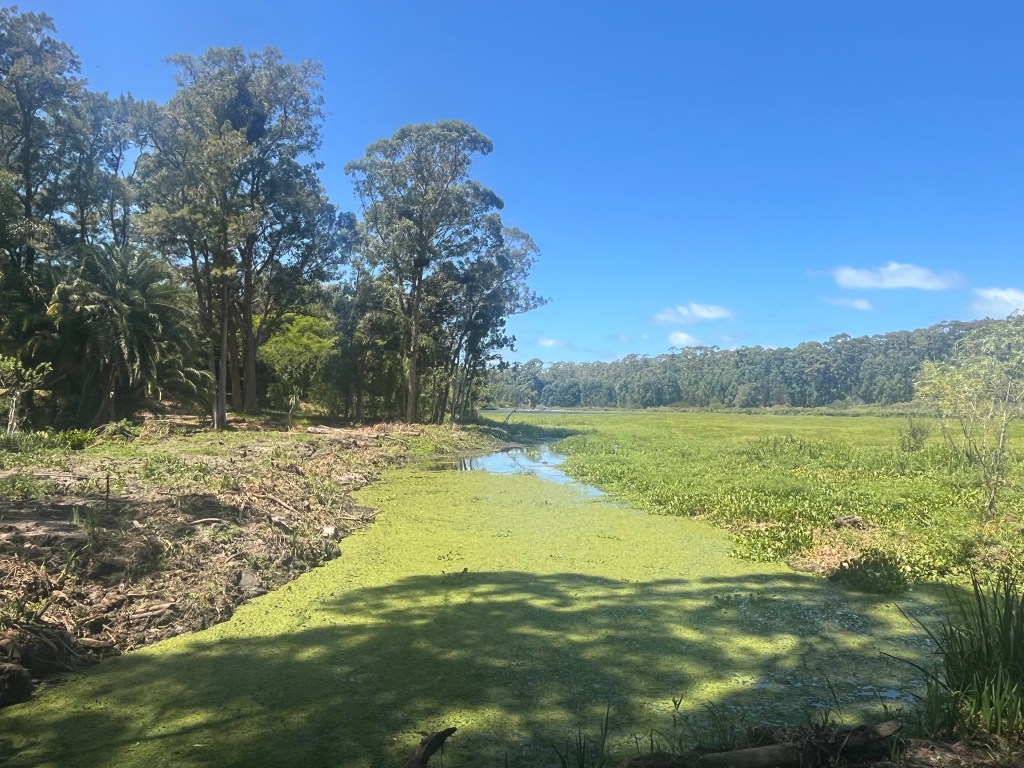
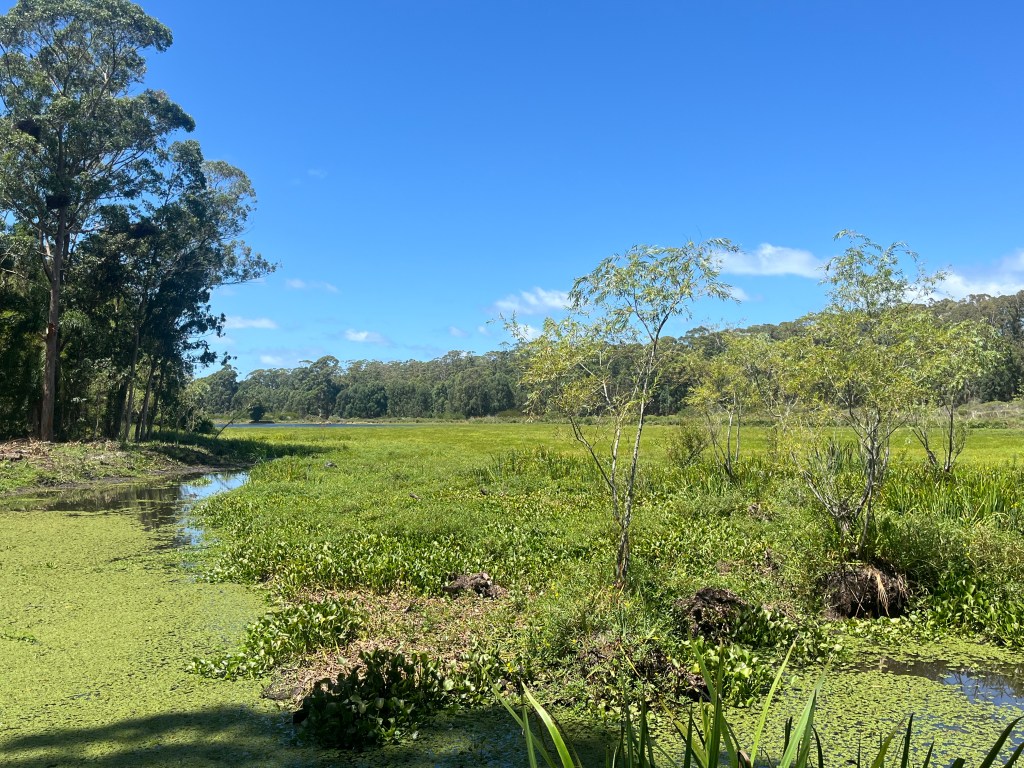
As we walked, we headed to a hide set up along a wetland where birds like to gather. We saw a Buff-necked Ibis foraging among the reeds, some hawks flying above, a pair of capybara, and a pair of Southern Screamers. Below is a video of the Screamers.
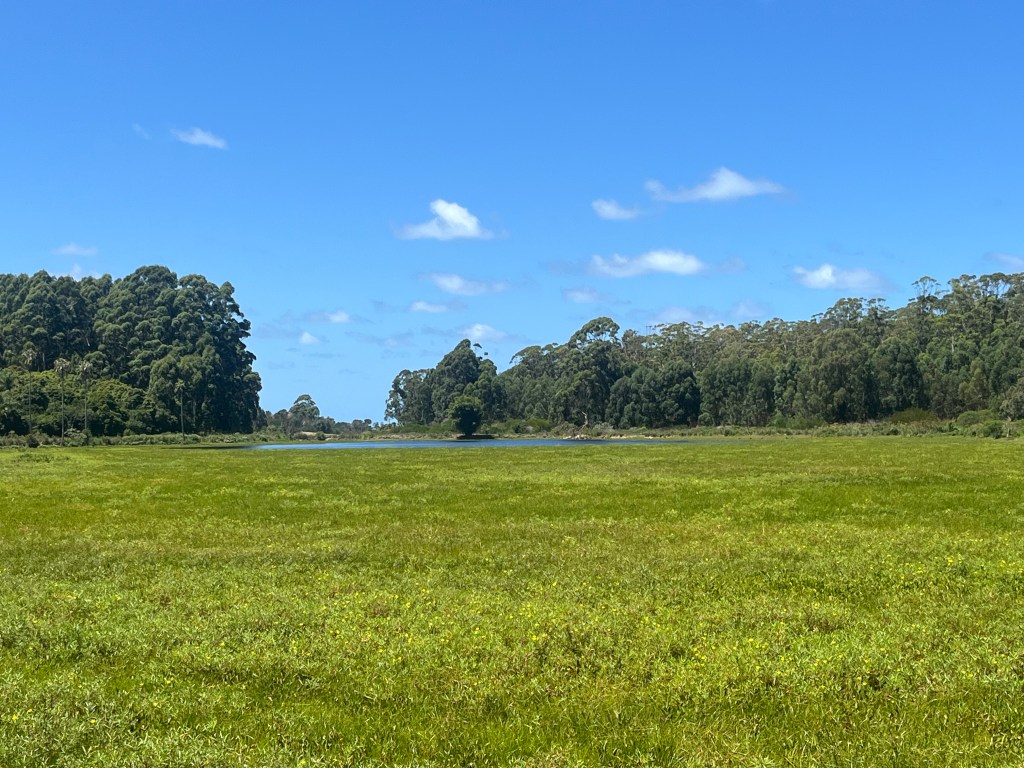
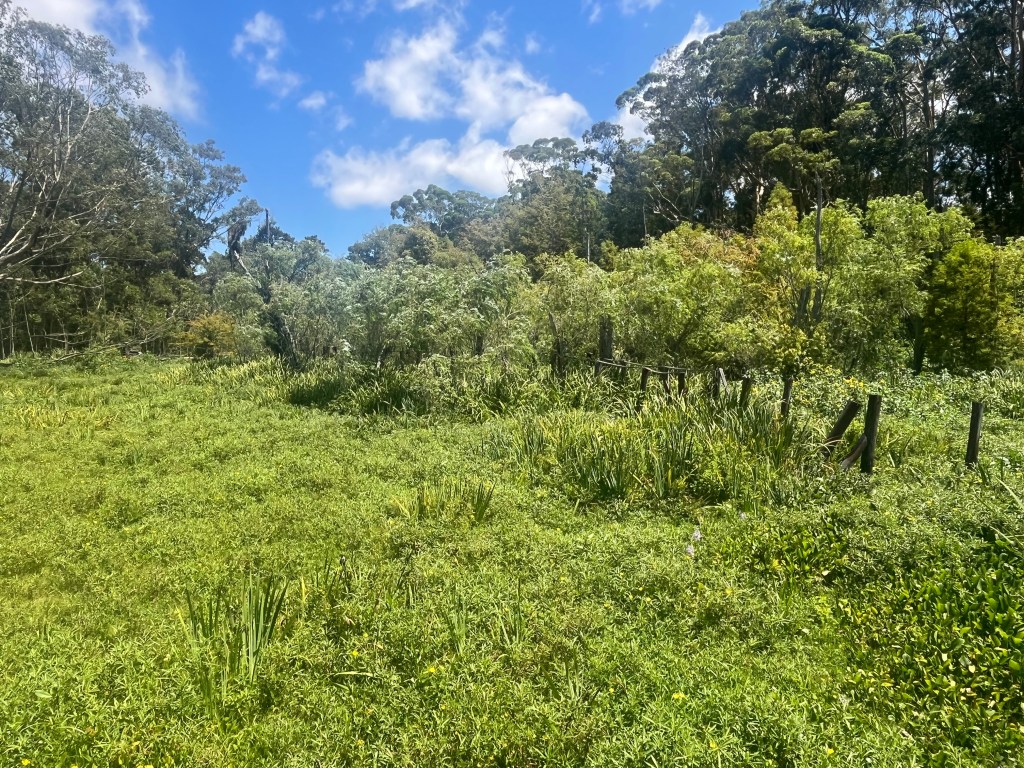
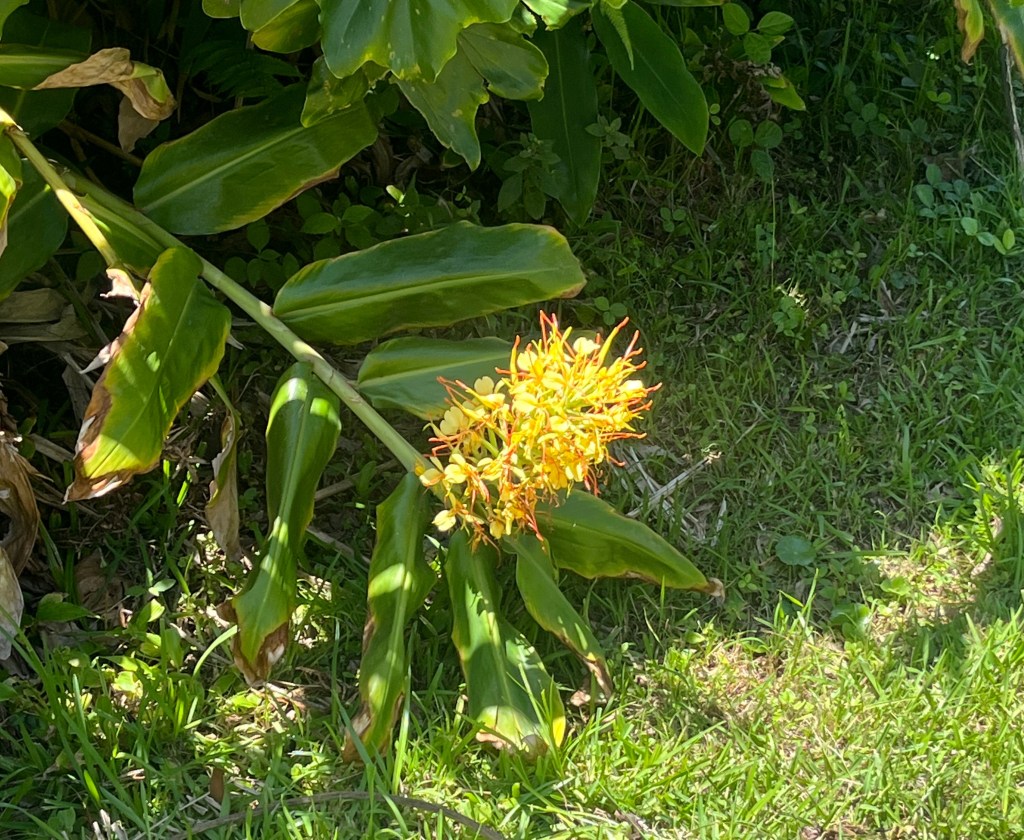
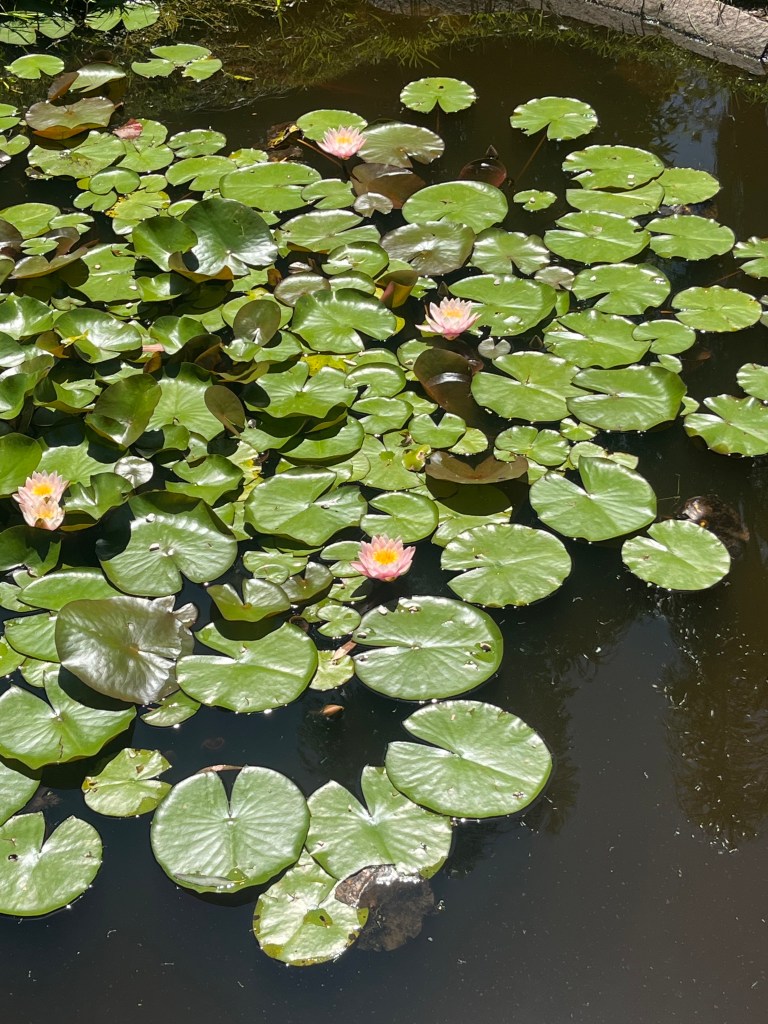
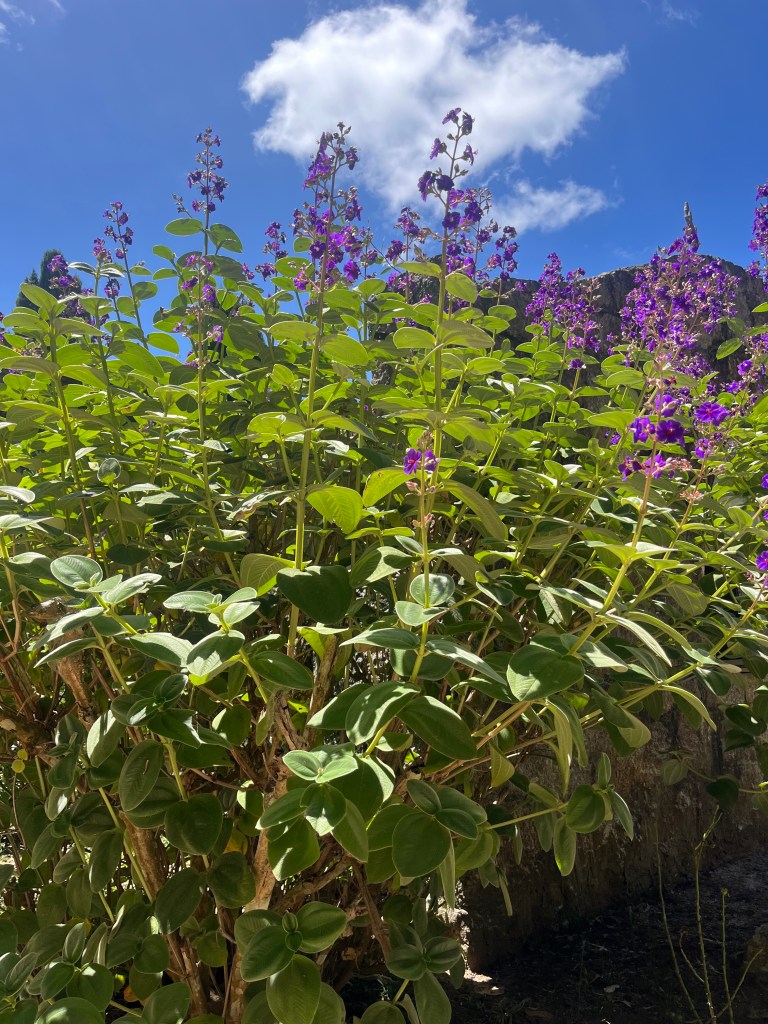
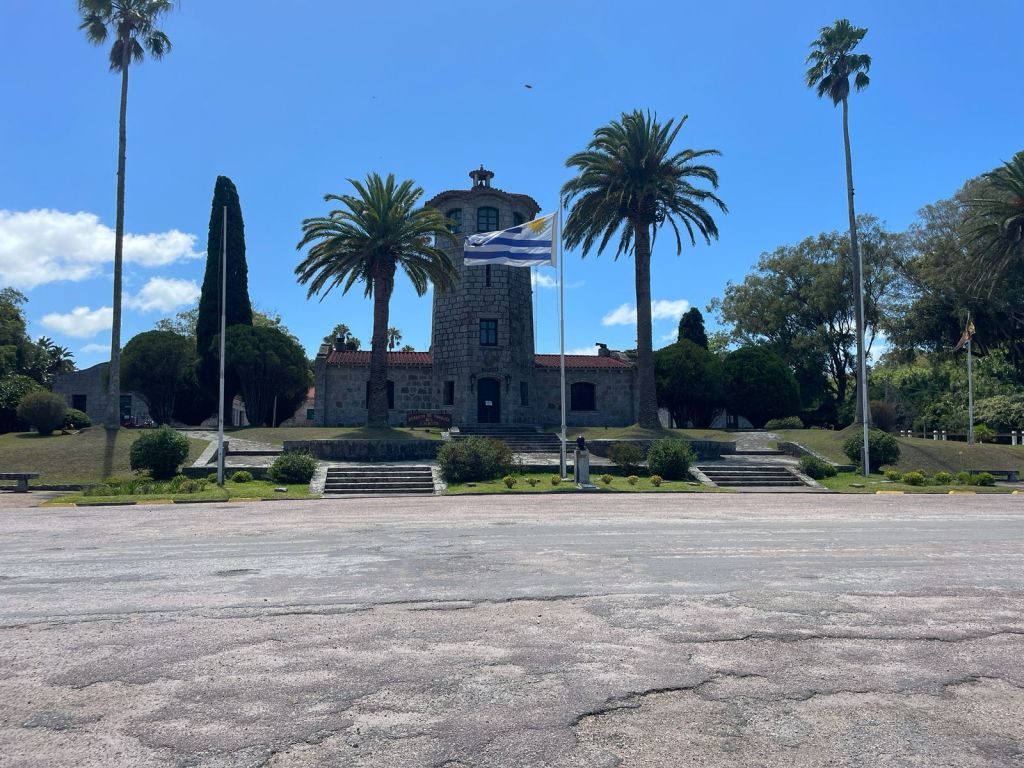
Below are photos of the wetland area, a botanical garden, and a military facility that looked a bit like a fort.
We only have a few more days in Uruguay before we head to a new country. Yahm will have a final post recapping our culinary experiences before we leave. Be sure to like, comment, and subscribe to Traveling While Introverted so you don’t miss it!
 Traveling While Introverted
Leave a comment