In our original plan to visit Israel, our flight was set to return to São Paulo, Brazil. So, after two weeks in Greece, we decided to keep that part of our plan intact. Our flight included a long and not particularly interesting layover in Rome. It was raining so we missed out on sightseeing opportunities.
When we returned to São Paulo, we decided to stay in a different neighborhood than we did the first time: Pinheiros. This area has a mixture of hip restaurants and bars, residential areas, and lots of construction. We initially only booked an apartohotel for five days, to see whether or not we liked it. When traveling for long periods of time, it’s helpful to not plan for more than a few days in advance because a lot can change. If you had asked us about this level of flexibility when we first began our trip, we would have said that it’s too stressful to travel this way. Now, though, it has somehow become second nature and the freedom of flexibility is something we enjoy immensely. Who knew two perpetual future trippers and anxious planners would learn to go with the flow?
Photo: skyline view Adam captured as we explored São Paulo
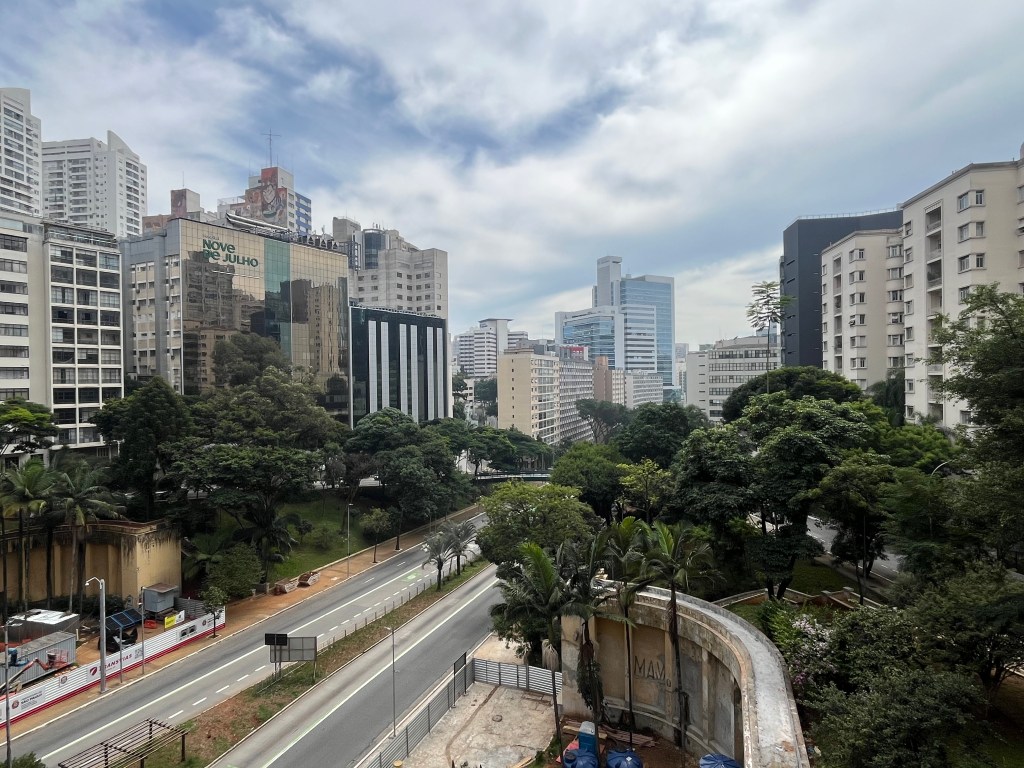
After five days in Pinheiros, we moved to the same apartohotel in Vila Mariana that we stayed in our first time in São Paulo. The comfort of returning to a familiar place of lodging or neighborhood can’t be understated. Because so much of our daily life feels new, familiarity brings a sense of calm that we relish. Yahm was especially excited to return to Vila Mariana because it meant she could visit a favorite hortifruti, or fruit and vegetable stand, run by a very sweet elderly man who spoke zero English and giggled at our mesh produce bags. (Yes, we took them with us.)
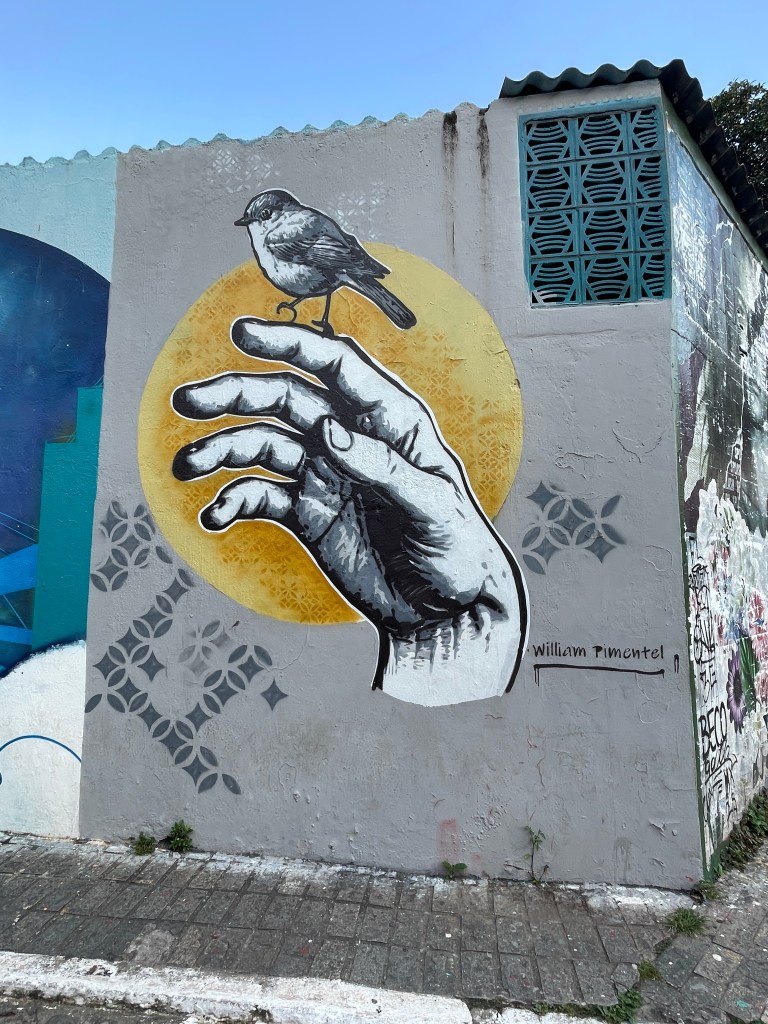
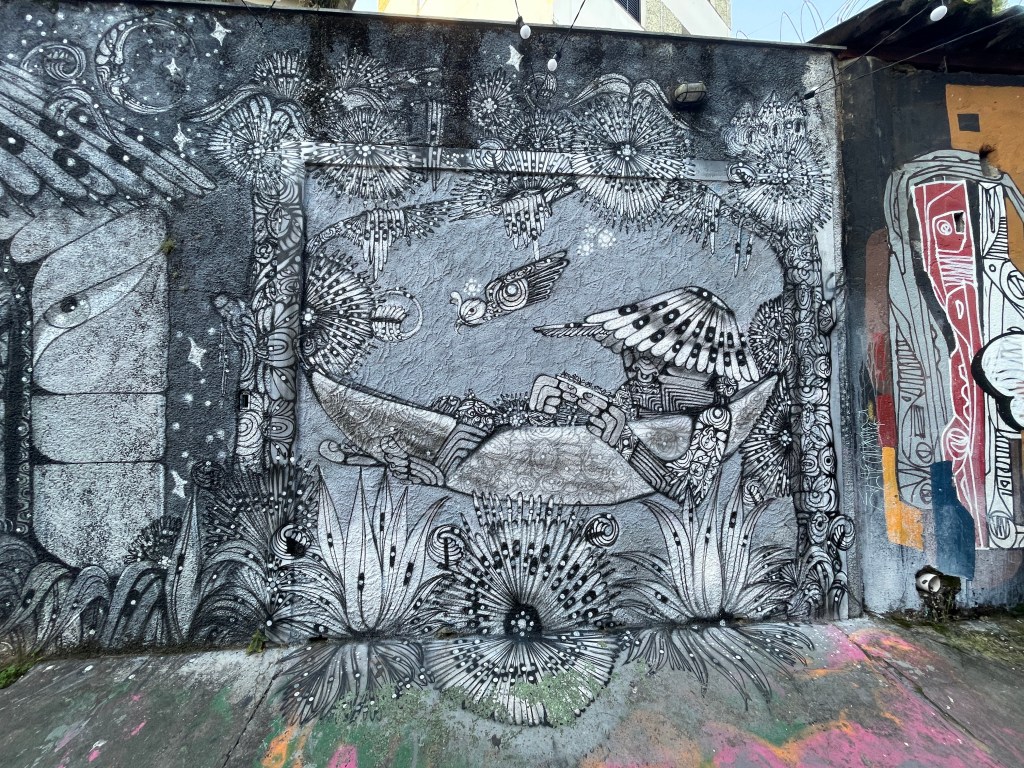
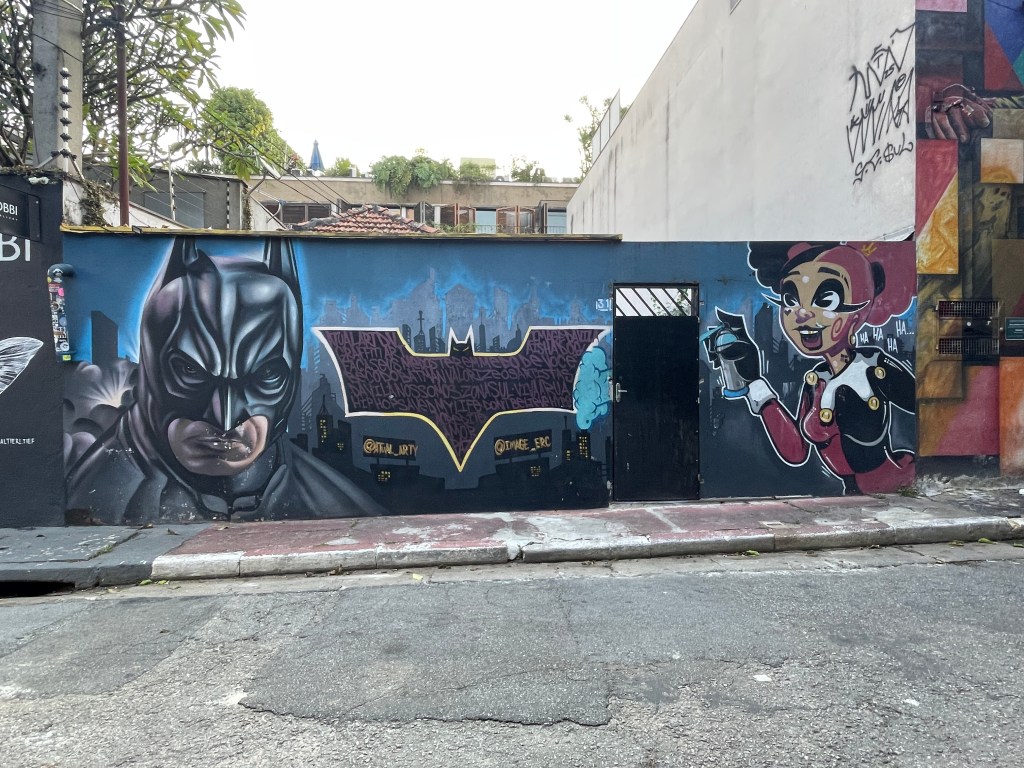
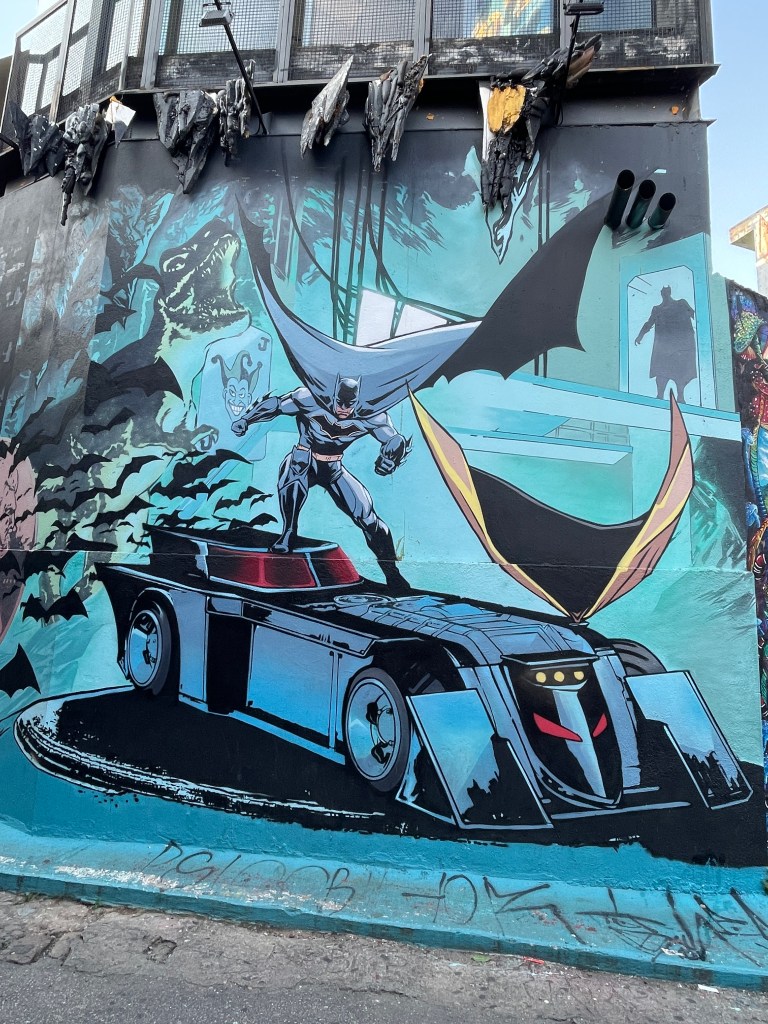
Besides spending time with Adam’s cousins and extended family, one of the first places we visited this time around was the famous Beco do Batman (Batman Alley). Beco do Batman is an intersection of three alleyways that feature street art, vendors, and bars and restaurants. Locals and tourists alike wander through taking in the sights and the gritty bohemian vibe. Many of the streets nearby feature beautiful murals and street art as well. After walking around and taking it all in, we sat at a bar that served caipirinha mixed with fresh fruit. As we sipped our drinks and people watched, we had a chance to appreciate how good it felt to be back in the Americas. Though our time in Greece was lovely, returning to the Western Hemisphere felt like coming home in a way we didn’t anticipate. Below are some of our favorite photos.
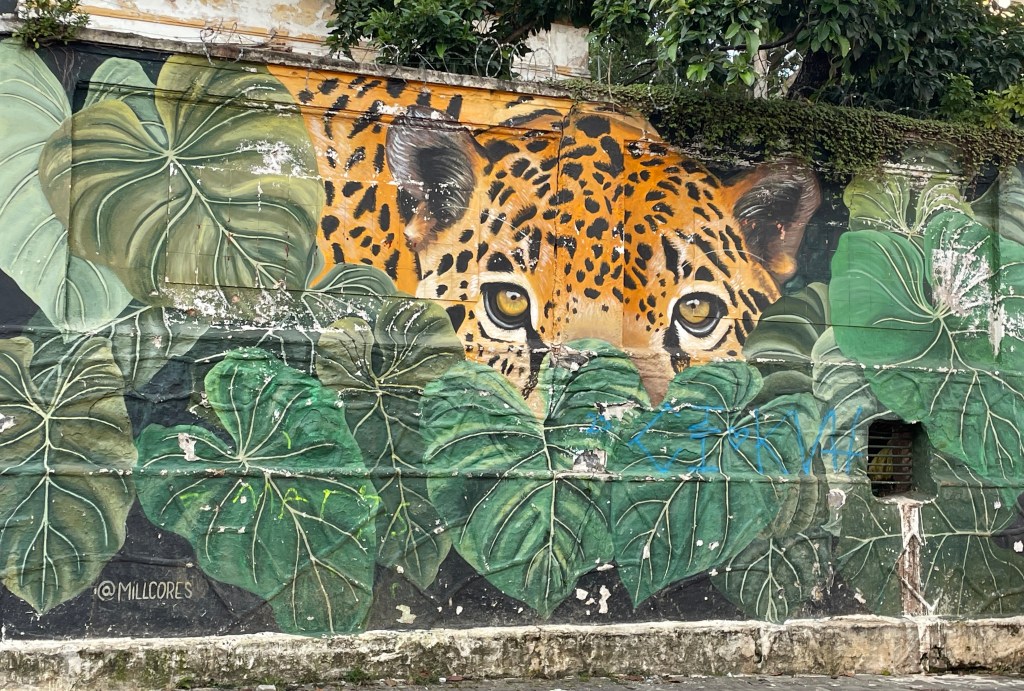
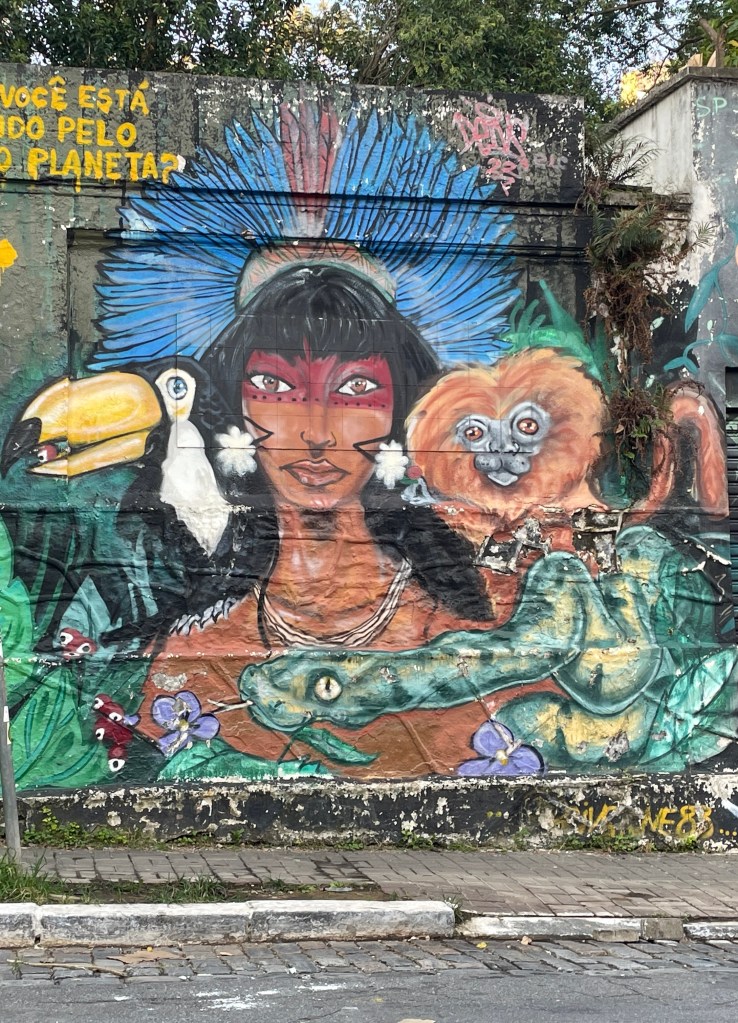
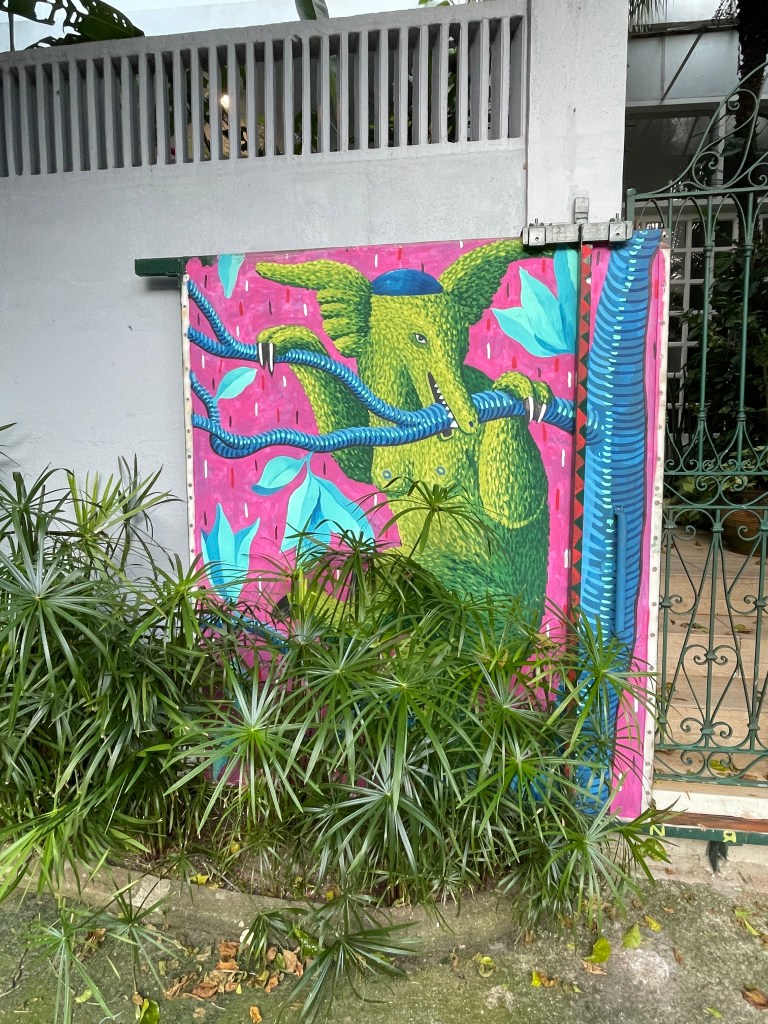
Next on our list was to return to the Butantan Institute, famous for its anti-venom solutions used around the world to save lives. Last time we visited, we were limited on time and only had a chance to visit the Serpentarium. This time, we visited the Biological Museum, Vaccine Museum, and Microbiology Museum. All of these were geared more towards educating children, but we enjoyed the exhibits nonetheless. Fun fact: the Vital Hospital that is located on the grounds was one of the institutes that contributed to the Covid-19 vaccines. We wanted to visit the Monkey Zoo and the live snake exhibit, but both of those were closed. Instead, we walked through the Oswaldo Cruz Forest Garden that features two trails with local flora species. At one point, Yahm had to rush through the trails because mosquitos were biting her. Our last stop was winding back to the Serpentarium to visit the snakes (again).
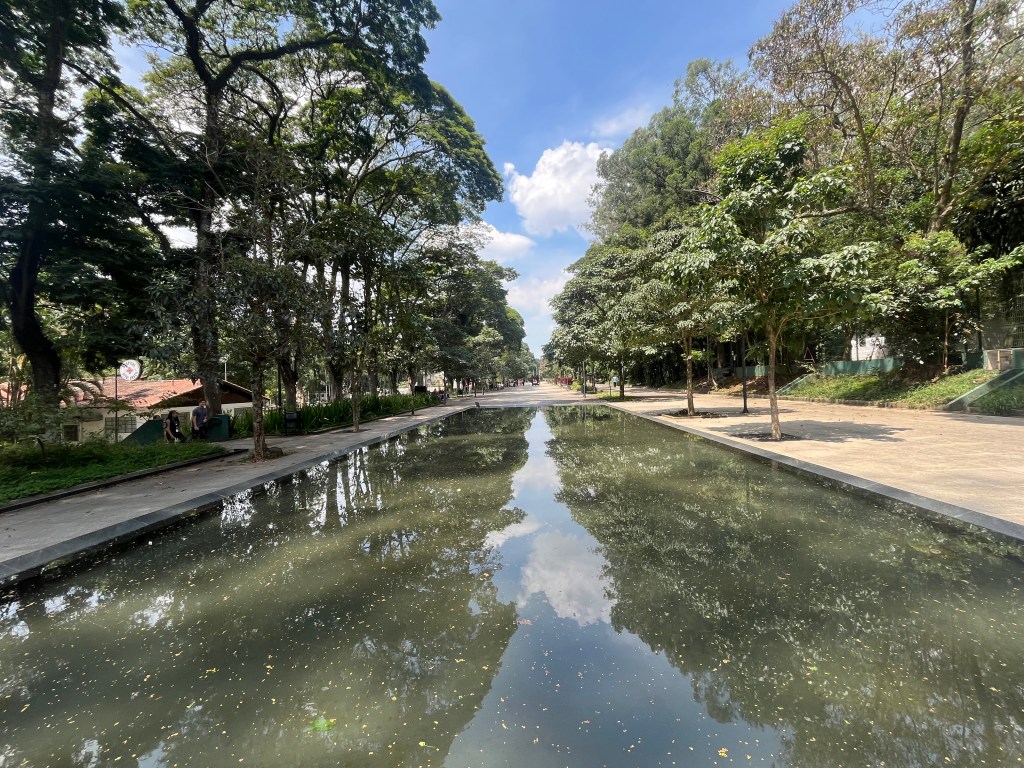
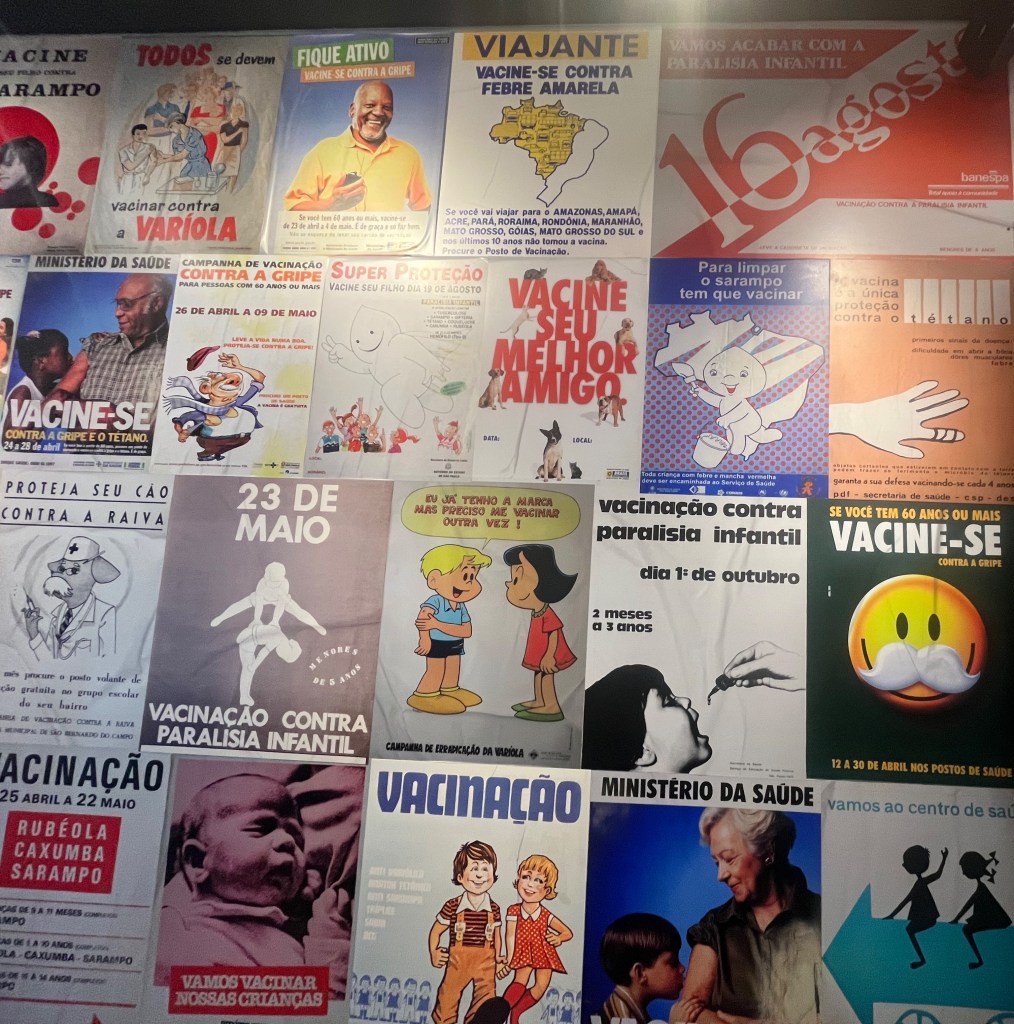
Top row, left to right: one of the many beautiful walkways at the Butantan Institute; a collage of vaccination posters created by the Brazilian government
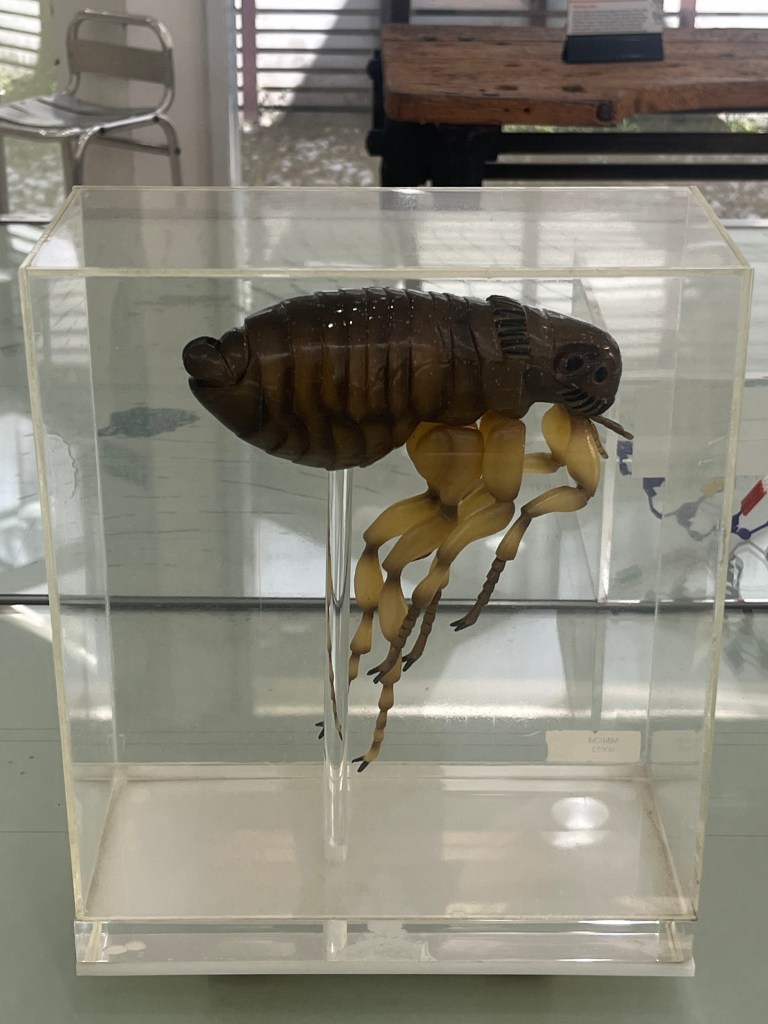
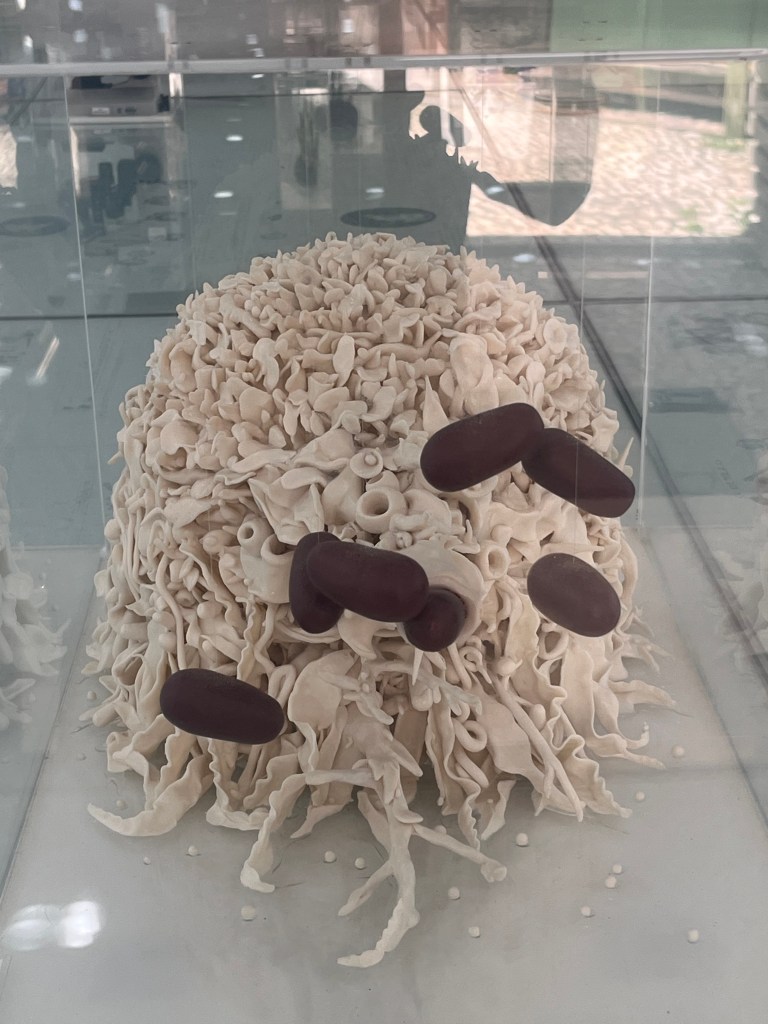
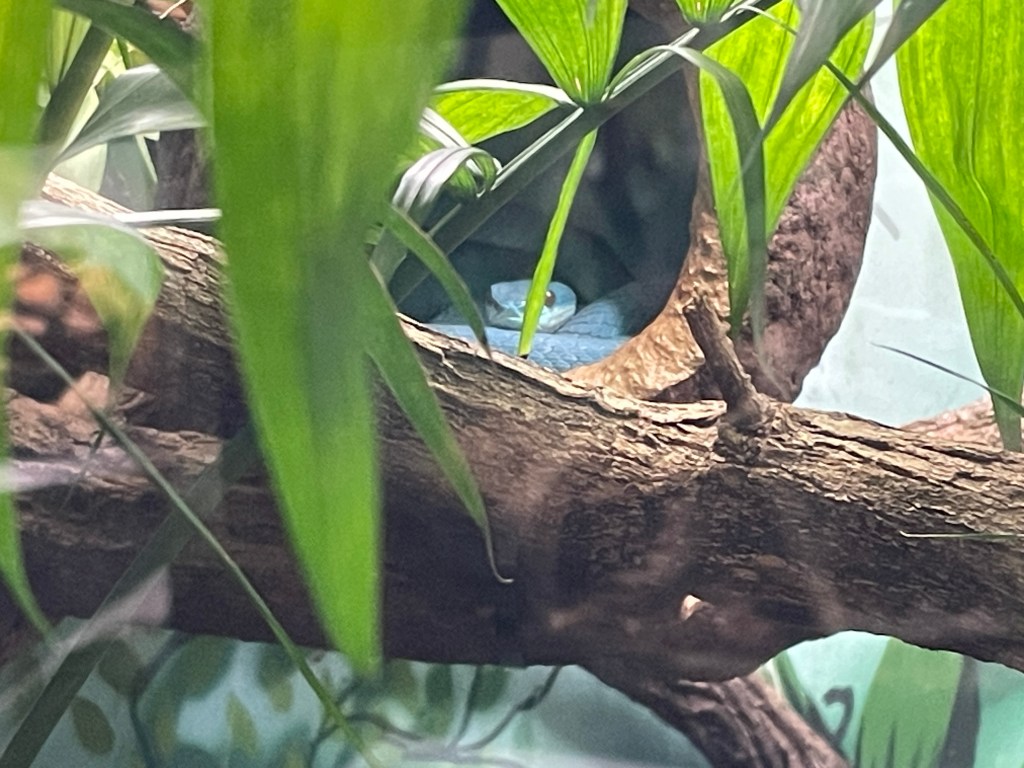
Bottom row, left to right: plastic model of a flea at the Microbiology Museum; plastic model of a white blood cell eating bacteria at the Microbiology Museum; a White-lipped Island Pitviper at the Sepentarium
Video of a gigantic female and smaller male spider at the Oswaldo Cruz Forest Garden
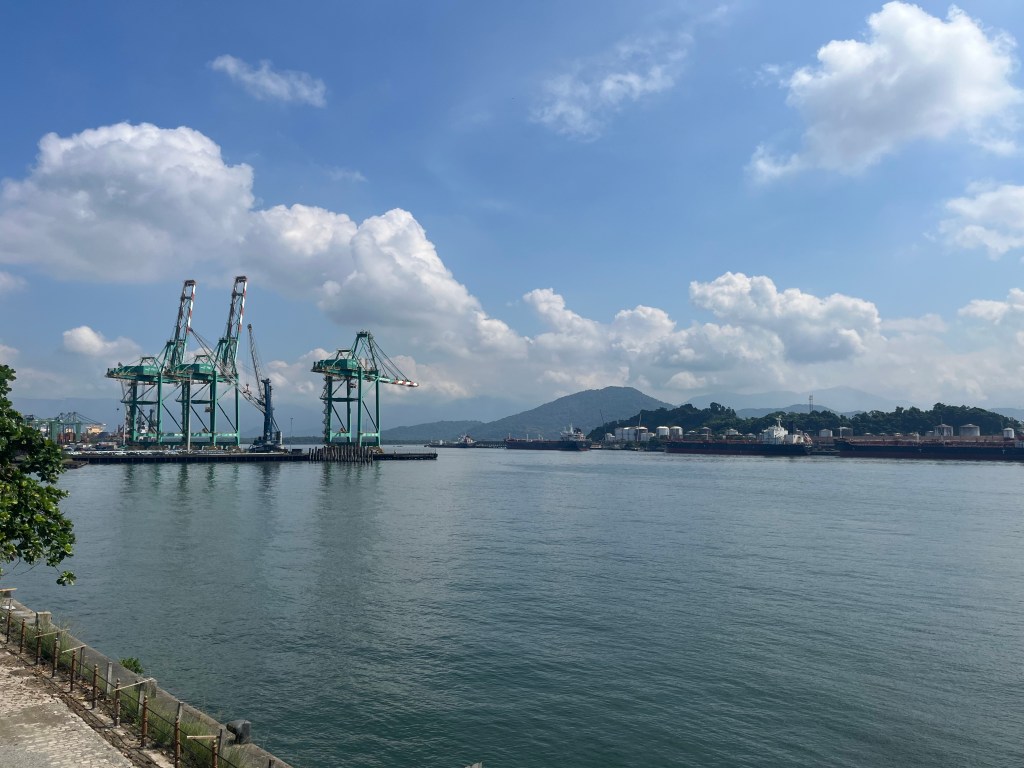
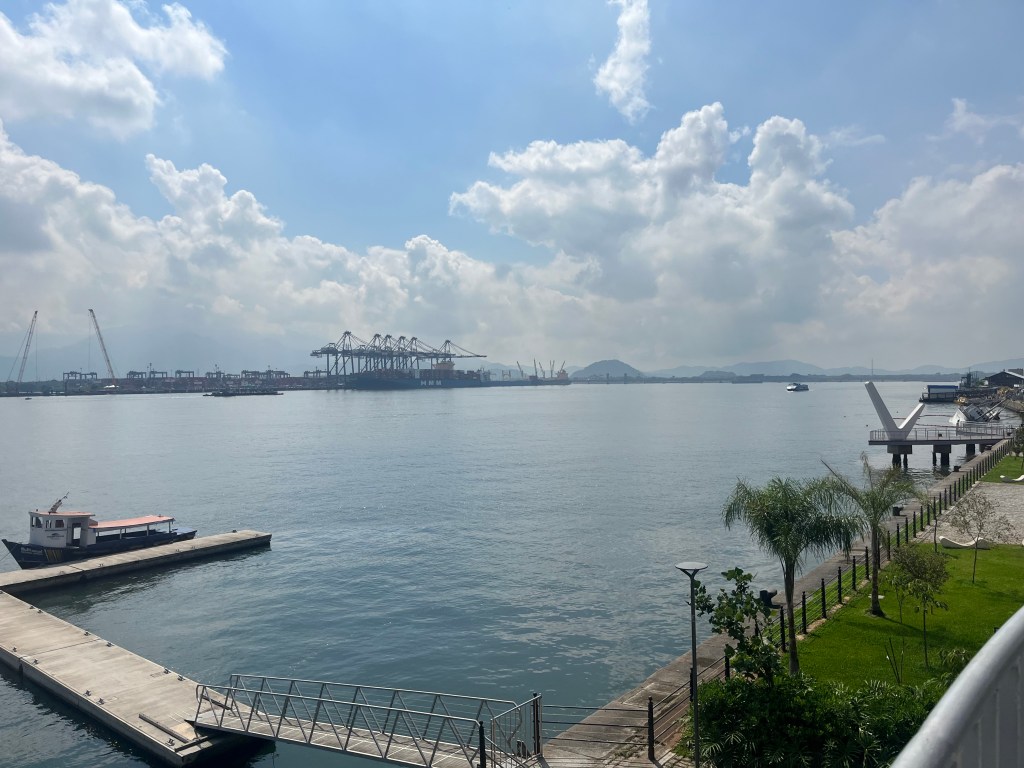
In an effort to not be inundated by São Paulo’s vast urbanity, we planned a few day trips to nearby towns. In the end, we only visited two of the three places we planned. Adam will have a separate post about his hilarious (no, really) trip to Bertioga, so be on the lookout for that. Together, we visited the town of Santos, only 43 miles (69 kilometers) away, on the Atlantic coast of Brazil. Many Paulistas (São Paulo residents) visit Santos for its beaches, but Yahm had had enough of trying to swim in cold Atlantic Ocean water. Instead, we opted to explore this port city for its non-beach attractions.
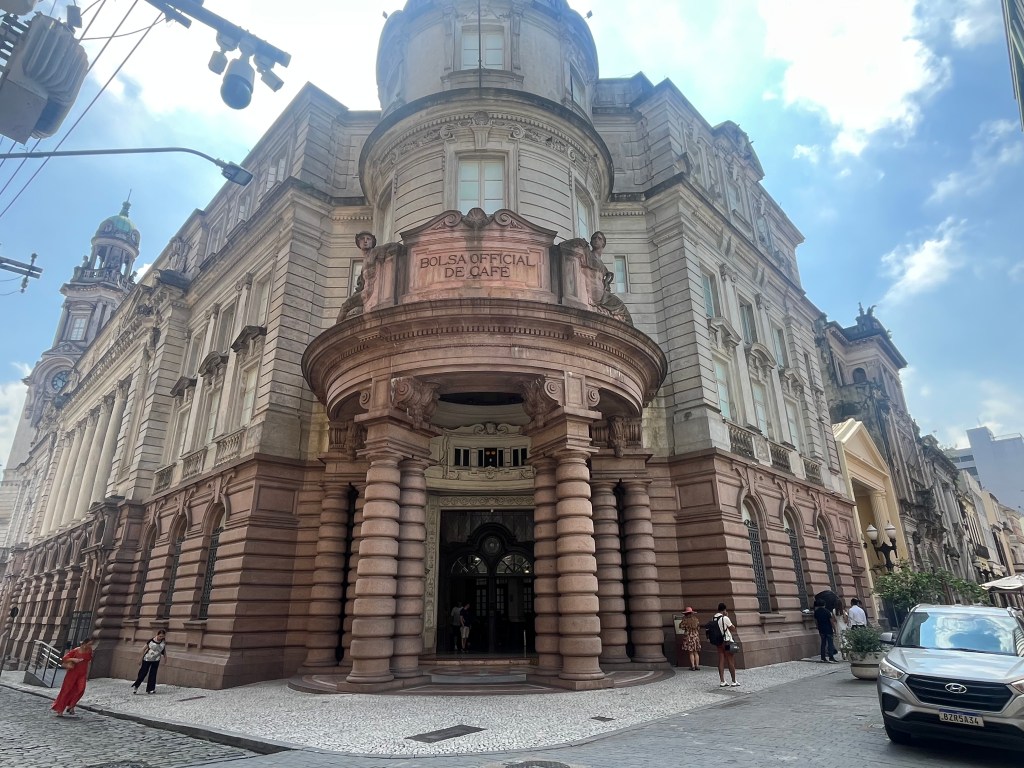
Once we arrived in Santos, our first stop was to visit the Museu do Café (Coffee Museum). Santos is home to the largest seaport in Latin America primarily due to the coffee trade. The Coffee Museum itself used to house the Coffee Exchange where growers negotiated prices with middlemen who would then ship the coffee worldwide. Today, the process of growing and selling coffee is much more complex and so many more hands are involved. (We encourage you to purchase directly from coffee growers whenever possible, such as De La Gente in Guatemala. Readers may remember we toured one of the farms associated with the collective when we began our trip in July.)
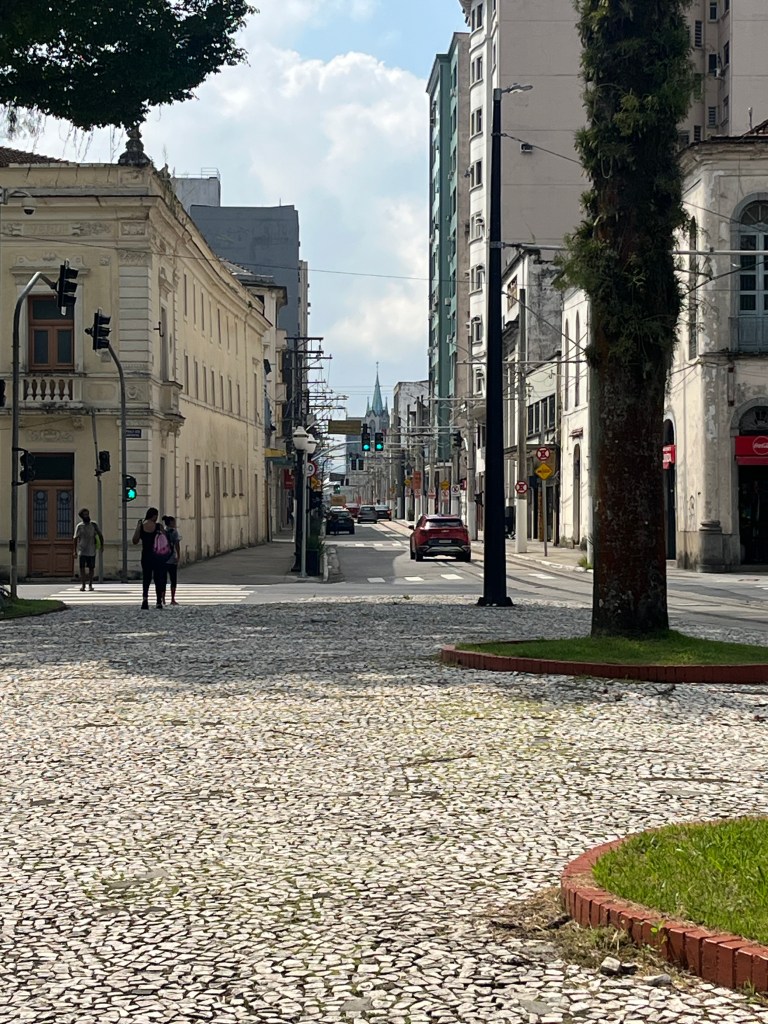
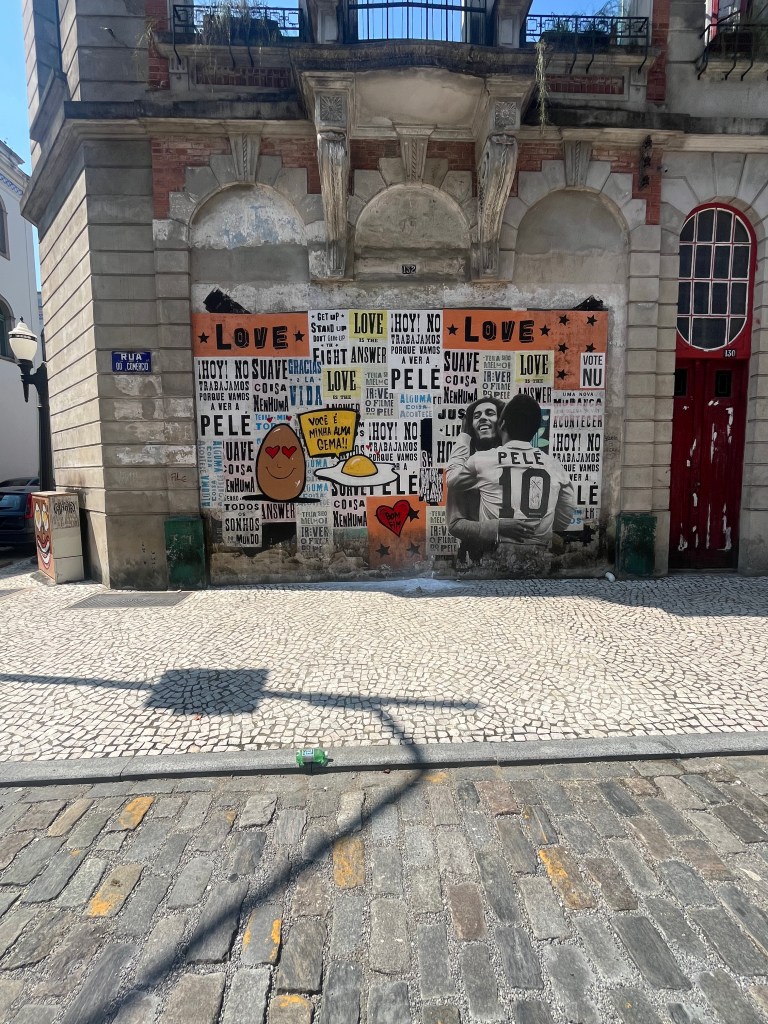
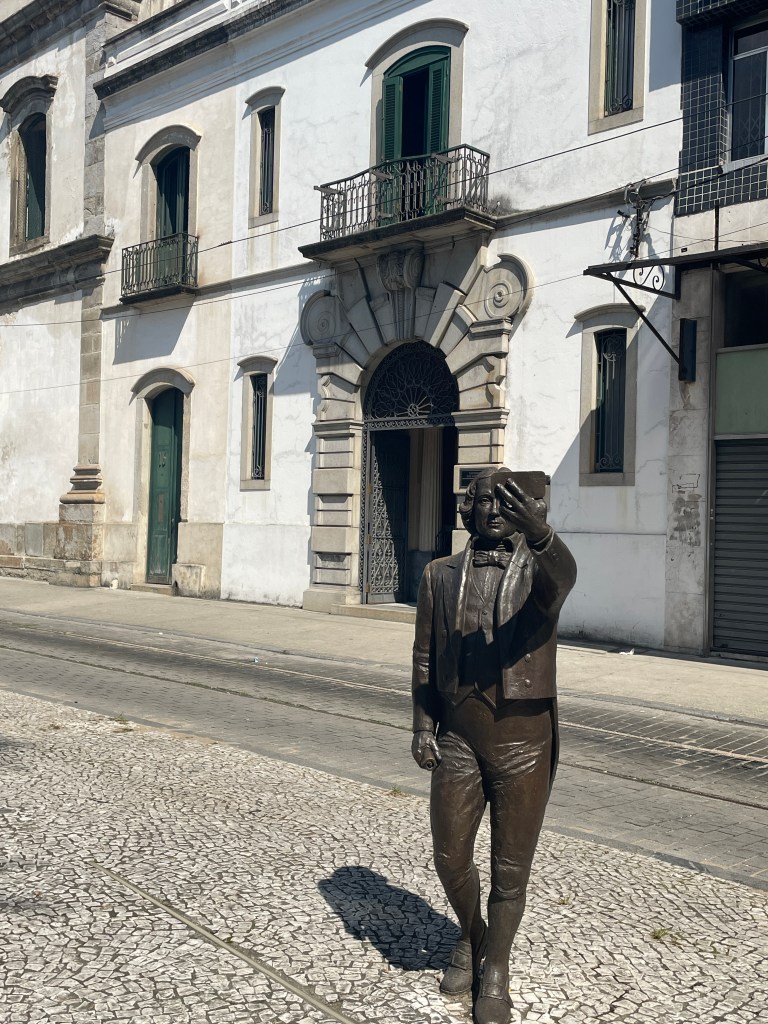
Top row, left to right: street view in downtown Santos; collage/mural about Pelé, love, and eggs (not sure why there were eggs all over town); a statue of someone taking a selfie outside the Pantheon
Bottom row: photos of the port
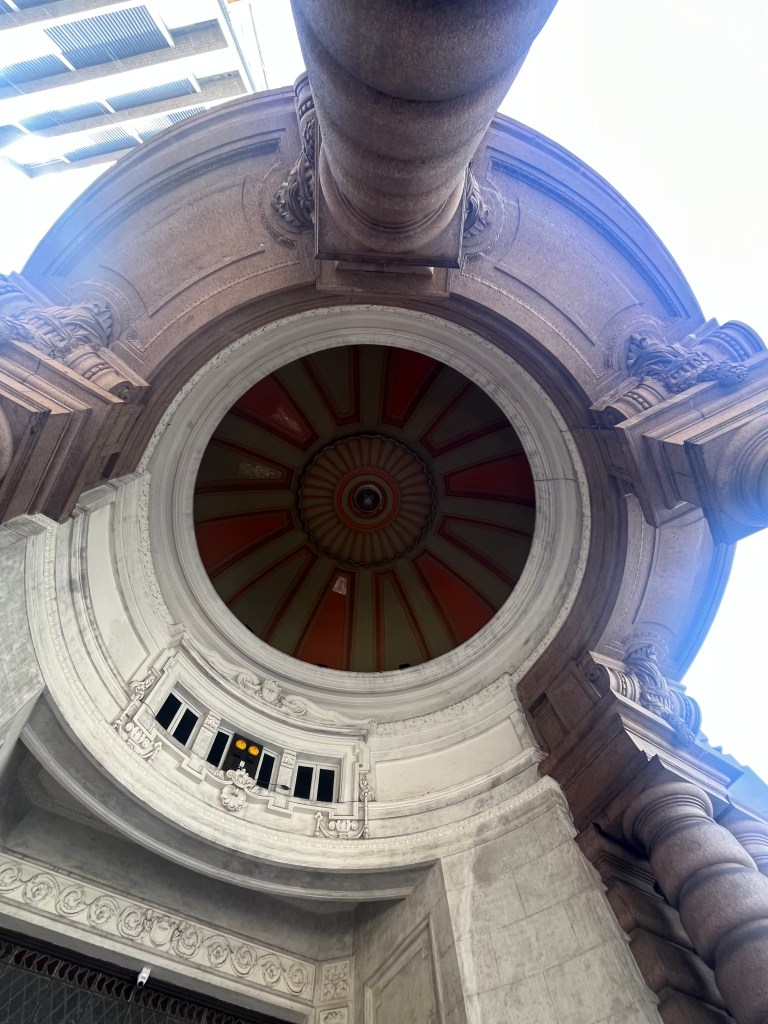
Top row: exterior of the Coffee Museum (note the eclectic architectural style)
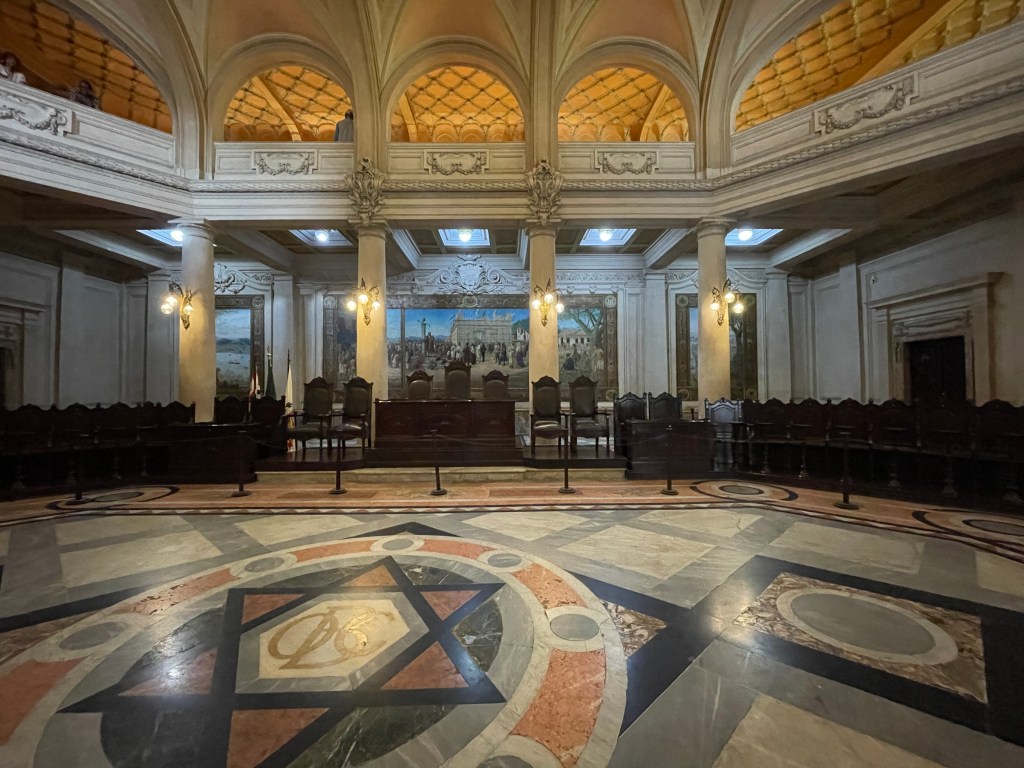
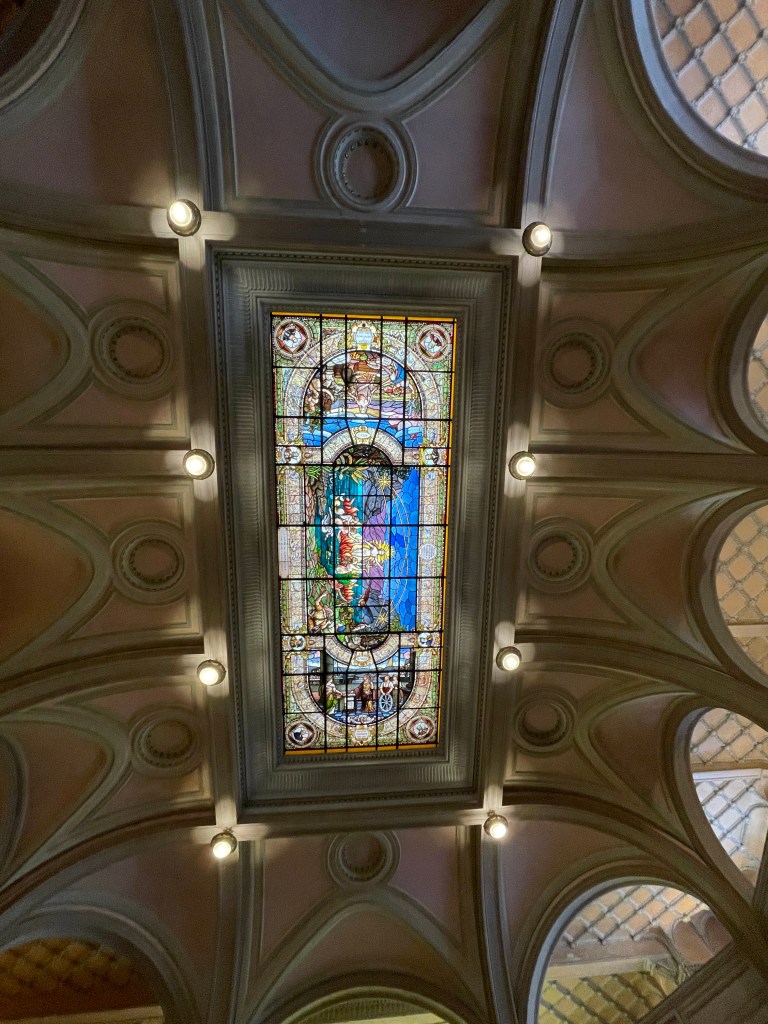
Bottom row, left to right: the area where meetings were held (not sure why there’s a Magen David in the center of the floor); the famous stained glass ceiling above the meeting area
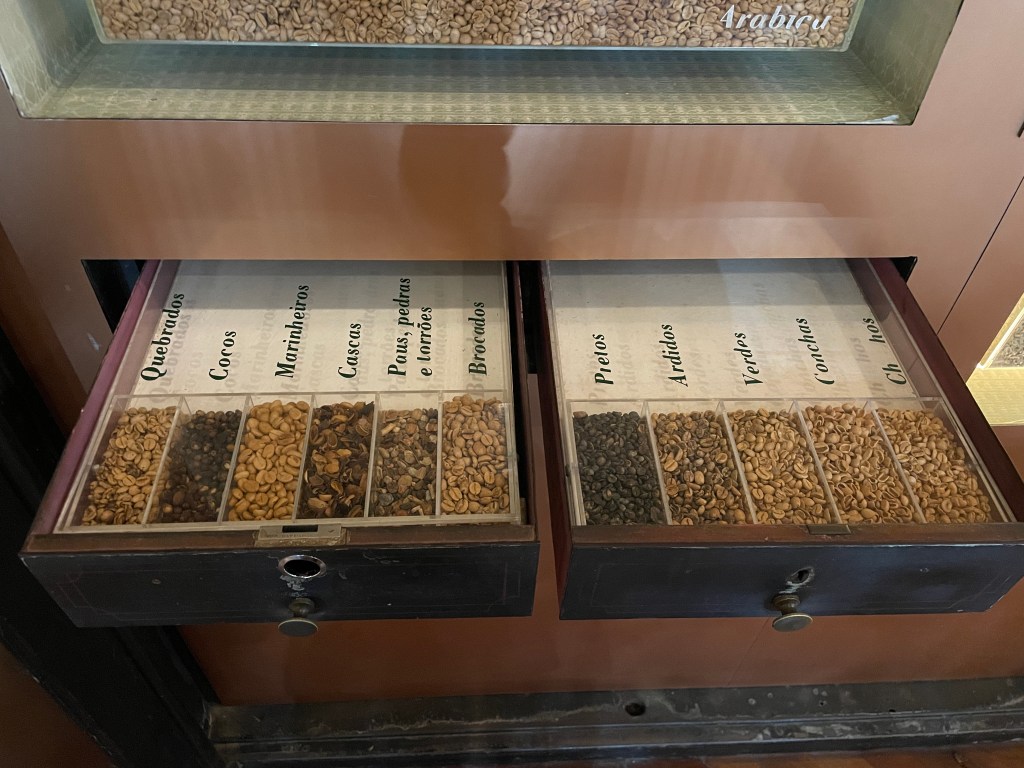
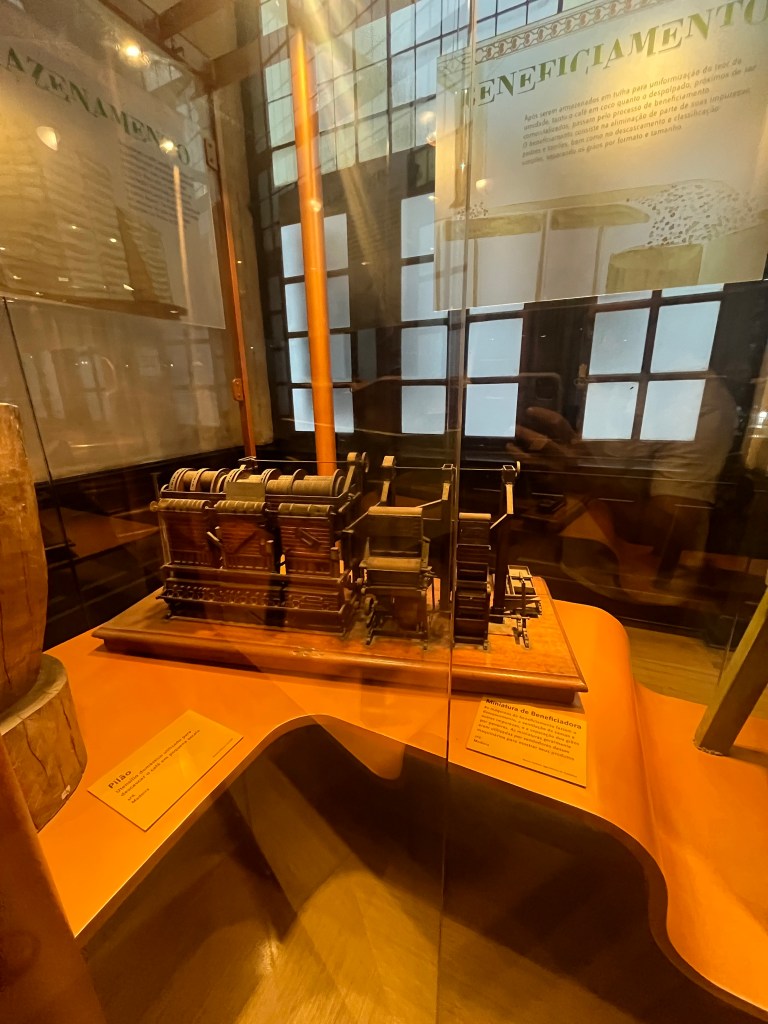
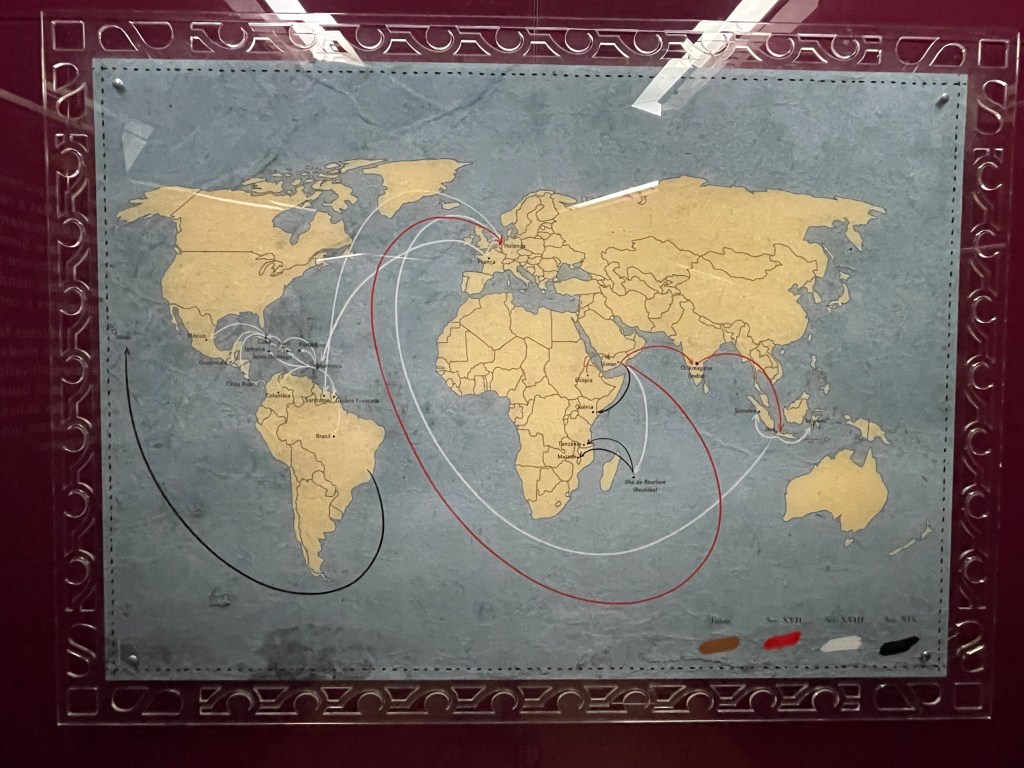
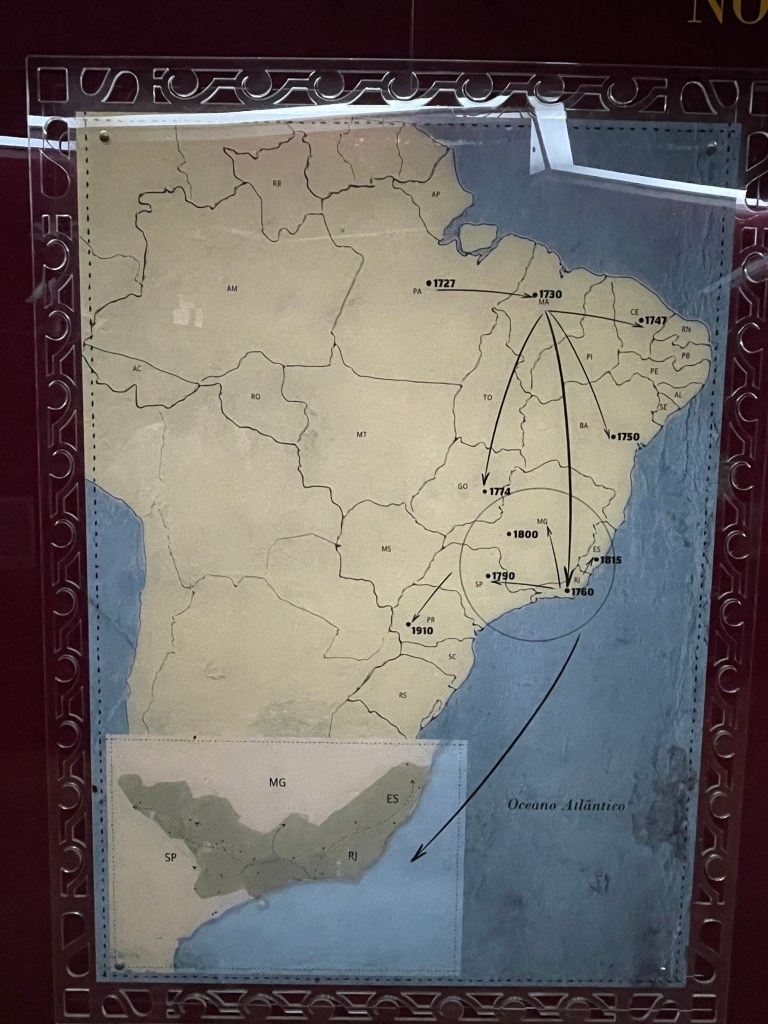
The primary exhibit at the Coffee Museum focuses on the history and distribution of coffee, with an emphasis on Brazilian coffee production. The exhibit begins with the discovery and initial cultivation by humans in the Horn of Africa and Arabian Peninsula, how coffee spread throughout the tropics worldwide, and the ways distribution processes have changed over time. A separate exhibit focuses on the production cycle of coffee. Not only does the exhibit teach about the different stages of washing and roasting, but visitors are encouraged to smell and taste Brazilian coffee.
Top row, left to right: types of coffee beans; hand-cranked bean sorter; bean grinders
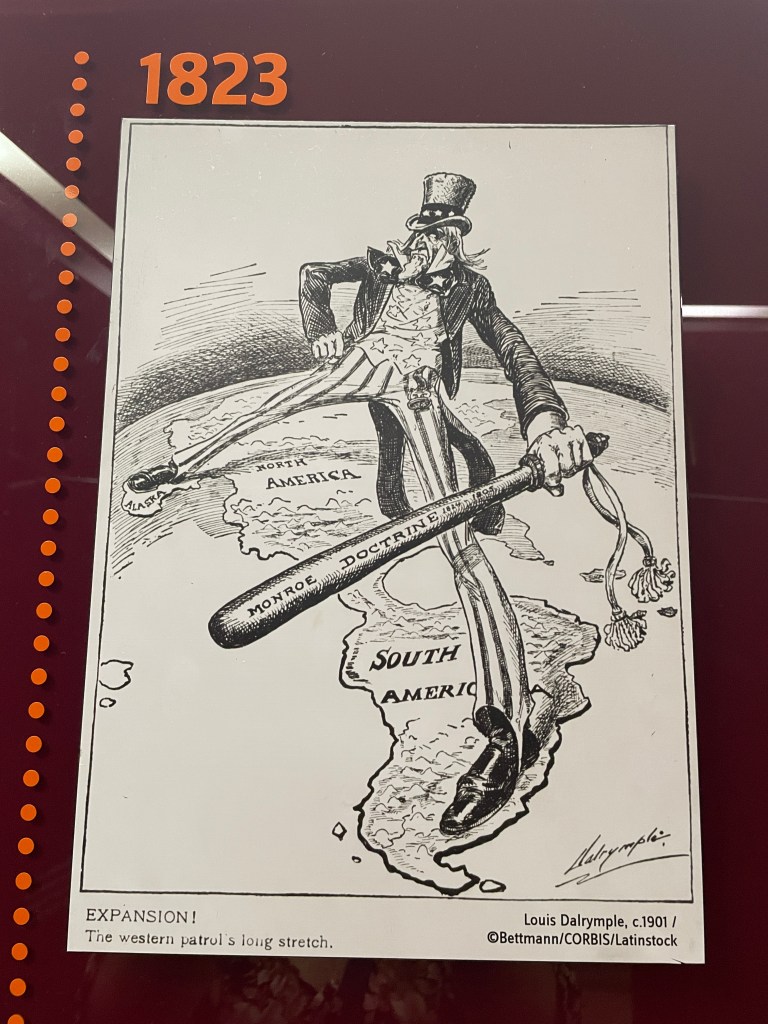
Middle row, left to right: the movement of coffee worldwide; different growing regions in Brazil; a political cartoon that is so apt for the present
Third row, left to right: sniffers for visitors to explore different types of coffee beans; a 3D model of the interior of a coffee cherry and seed (the seed turns into a coffee bean)
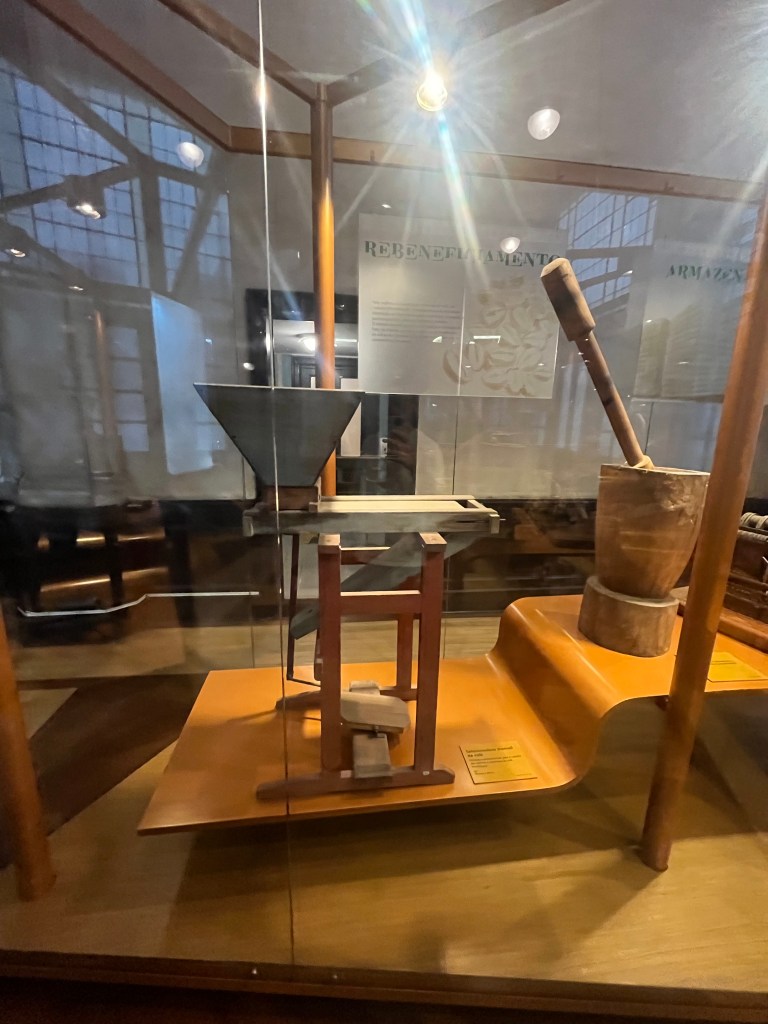
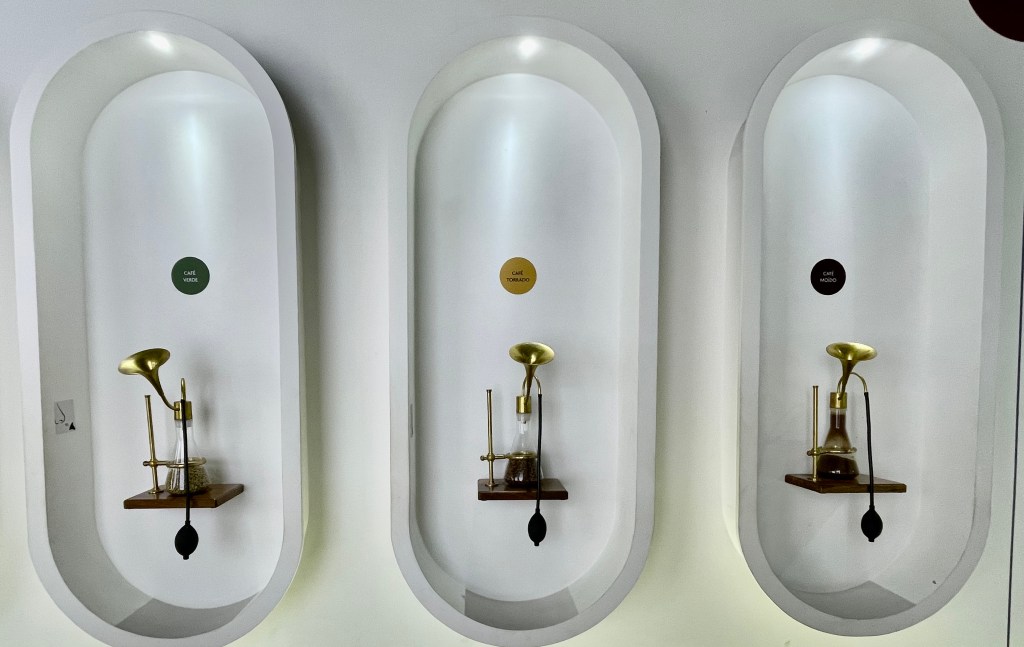
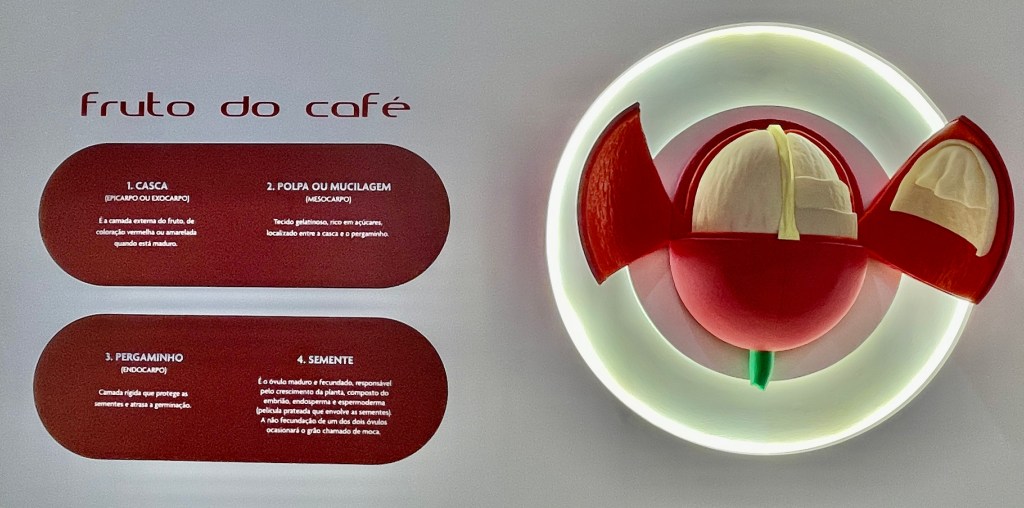
After touring the exhibits, we decided to have a cup of coffee at the café that is located at the entrance to the museum. This café offers Brazilian coffee varietals, including the country’s particularly weird, yet sought-after Jacu coffee. Jacu birds, native to Brazil’s Atlantic Forest, eat the coffee beans and defecate them. The beans are then collected by humans and brewed, which turns them into a delicacy in East Asia, Europe, and the Middle East. Yahm didn’t want to try it because she was worried about the potential ethical problems that may arise from drinking this type of coffee, similar to how civets are force-fed coffee berries to create the most expensive coffee in the world. We couldn’t verify that Jacu coffee wasn’t prone to the same problems, so we opted for a siphon of a coffee from the Brazilian Highlands.
After the Coffee Museum and lunch which Yahm will write about in an upcoming post, we wandered to the tourist streetcar that takes folks around the city. To purchase tickets, visitors have to walk across the street to the Pelé Museum, which houses artifacts from Brazil’s legendary soccer player who grew up in Santos. Once we were there, we realized that the ride itself was only 15 minutes and focused on the downtown area that we had already seen. We decided not to take it and, instead, took a bus to the other side of town to see what else Santos had to offer. Turns out, the southern edges of Santos are mostly residential.
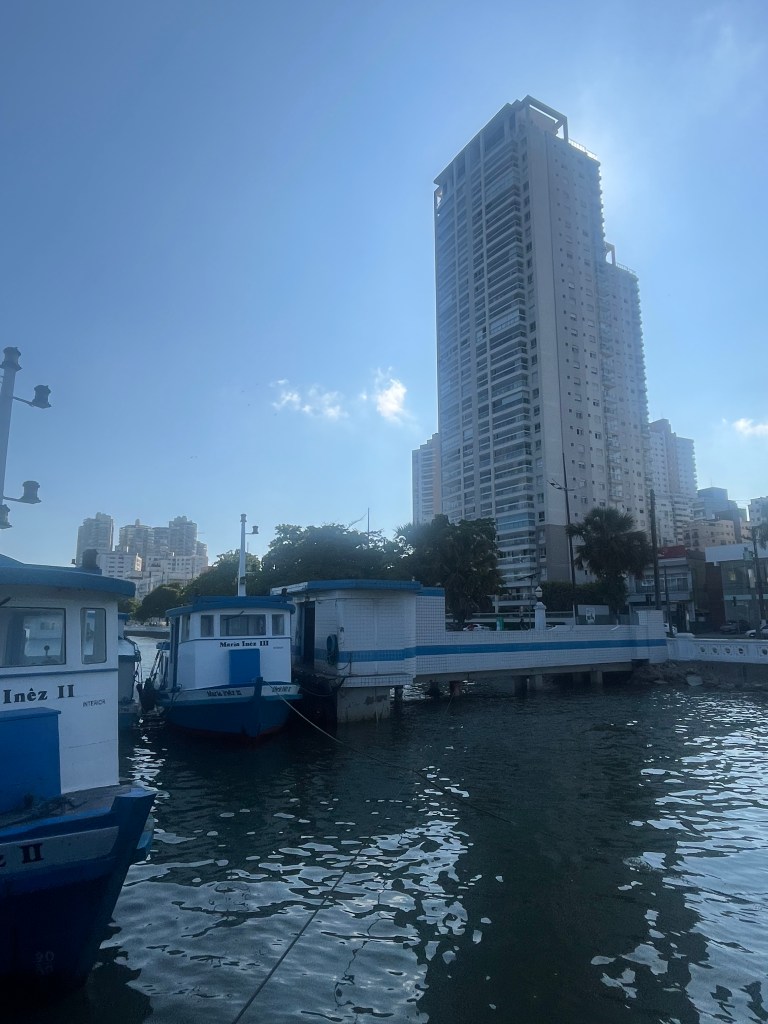
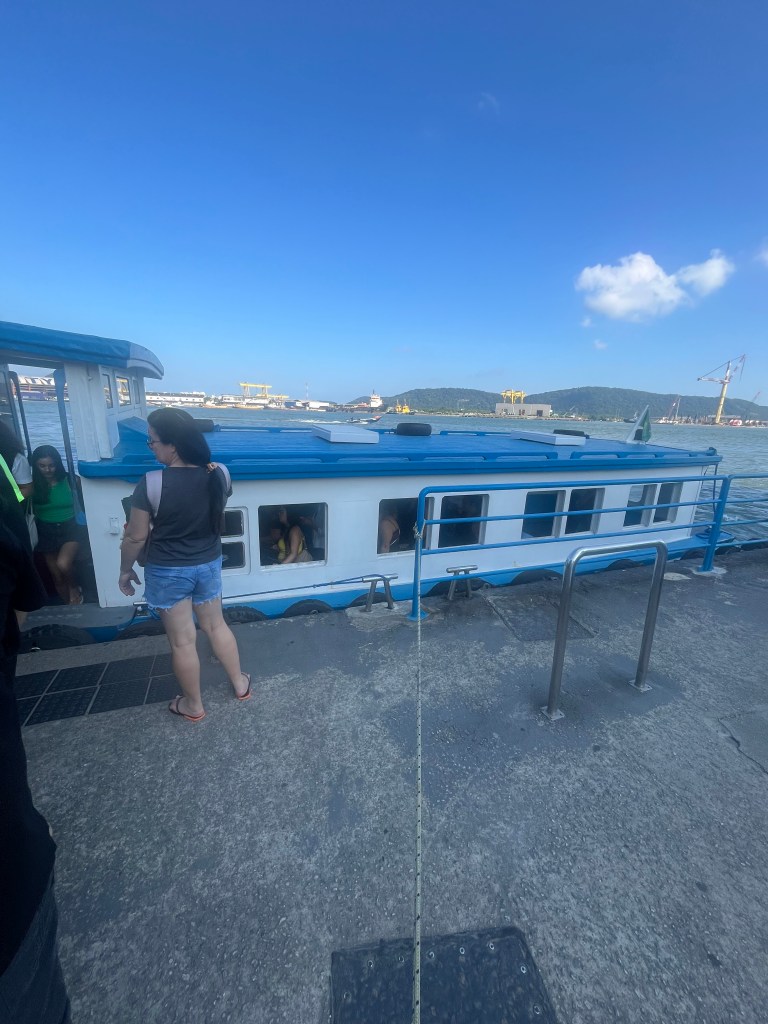
By chance, we found a ferry ride across a narrow estuary to the town of Guarujá, which sits on a long barrier island between the mainland and the Atlantic. The ferry ride took less than five minutes. Once we arrived, we walked around the main drag of Guarujá before realizing that, again, this is just a town where folks live and visitors mostly go to the beach. After cooling down with some açaí ice cream, we took a bus to the main bus station to head back to São Paulo. While we were on a bus, an elderly man who only spoke Portuguese warned us to take off our wedding rings and keep our phones in our pocket so that we don’t get robbed. The care that locals take to protect tourists speaks volumes about the culture of community that exists throughout Latin America. However, we quickly realized that the bus was heading in the wrong direction so we got off and opted for a rideshare to take us to the main bus station, just to be safe. We didn’t feel unsafe in Guarujá, but the elderly man’s warning made us skittish. We made it back to São Paulo safely.
Top row: photos of the ferry to Guarujá
Bottom row: a video from the ferry
Though we didn’t have as many grand adventures this time, our two-week stint in São Paulo was just as fun as our first. Stay tuned for posts from our respective corners, as well as a retrospective on our travels thus far. After eight months of travel through eight countries and three continents, we have decided to return to the United States. This hasn’t diminished our curiosity about the world and desire to see as much of it as we can. We’re planning on quite a few roadtrips throughout the U.S. in the coming months, so don’t think you’ve seen (read) the last of us! Be sure to like, comment and subscribe to Traveling While Introverted so you don’t miss our next post!
 Traveling While Introverted
Leave a comment