One of the parts of this Guatemalan adventure I was most looking forward to was hiking around the ruins of one of the biggest and best preserved Mayan archeological sites in the Americas: Yaxha (pron. ya-sha). Yahm was unable to join me as she was a bit under the weather, but nonetheless helped me prepare for this hike, which became one of the biggest highlights thus far. Yaxha means blue-green water in the local Mayan language and refers to both Lake Yaxha the city was built around and the dozens of lagoons that surround it as well. At its height it was considered to be the third largest city on the region.
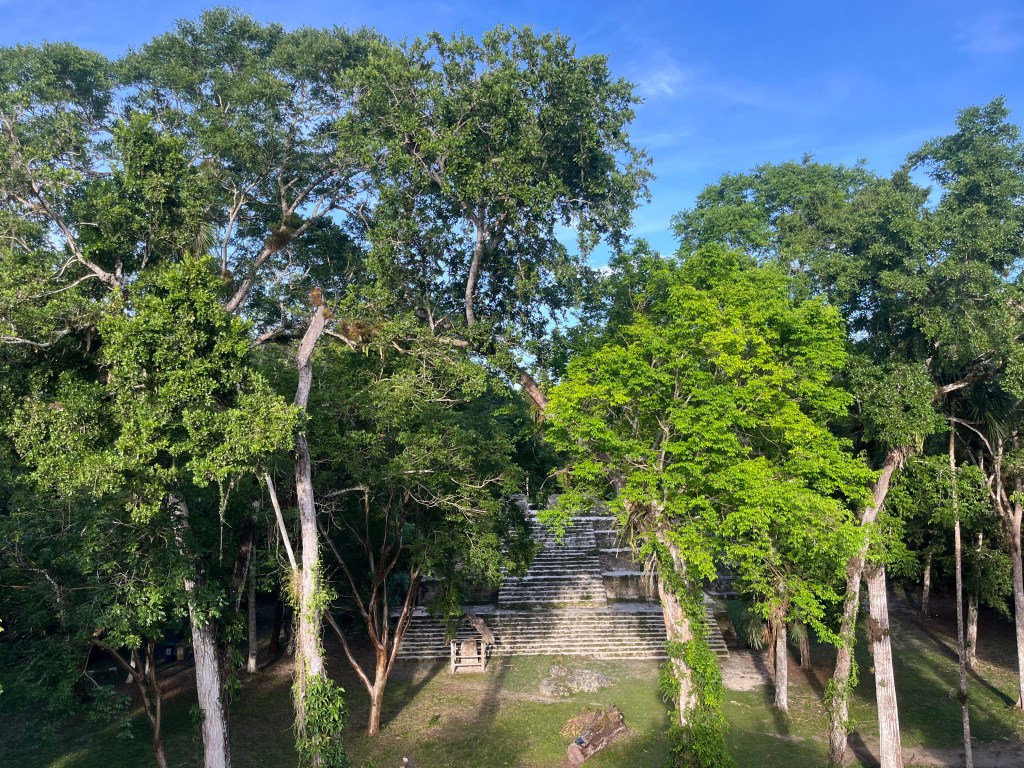
This is evidenced by the fact that the tour I took around the site included seven acropolises, several pyramids, a huge ball court where sports were played by some of the best warriors in the city (along with a locker room facility), a palace for the local royalty, huts for the lower-class villagers, and areas dedicated to sacrifices. Much of this information was presented by the wonderful tour guide who guided the tour with a few supplemental details from this Wiki page. The video below shows me walking behind him to another area of the site, sound on for the loud din of the jungle).
The Petén Department of Guatemala (which is detailed in our main post about Flores) has many ruins throughout, with Tikal being the most famous and popular. If you’re an archeology buff, do not miss out on Yaxha! It is less popular as a tour and therefore tourists receive a more intimate experience with just as many ruins to see.
Below are some of the photos and a video of the archeological site:


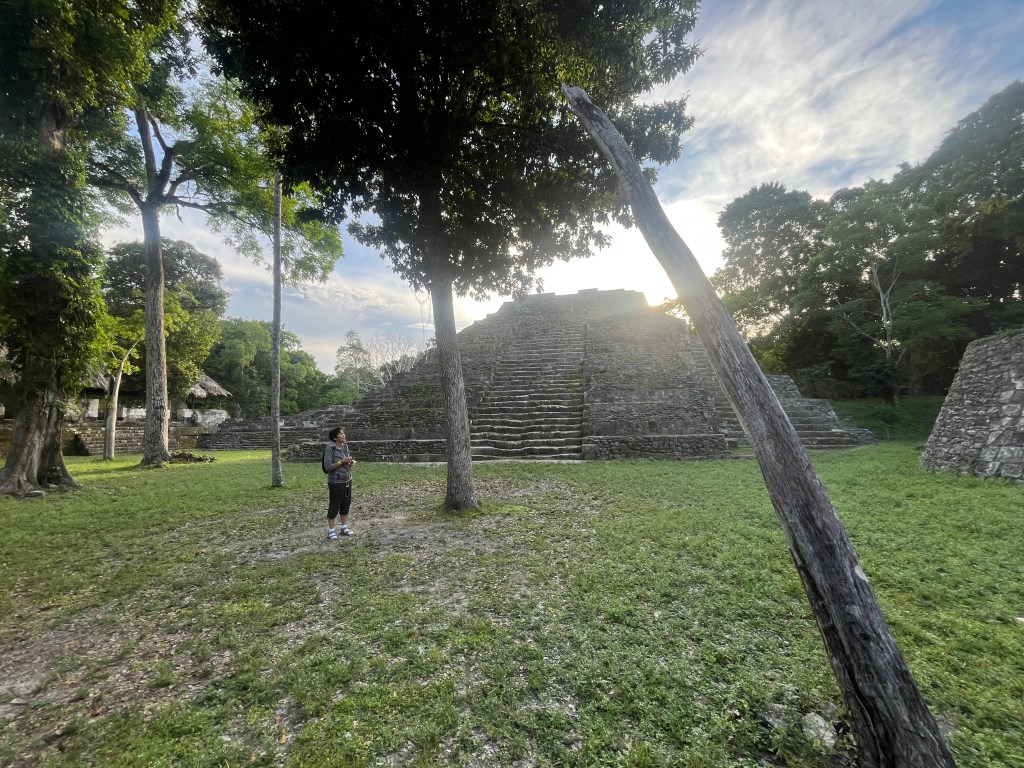

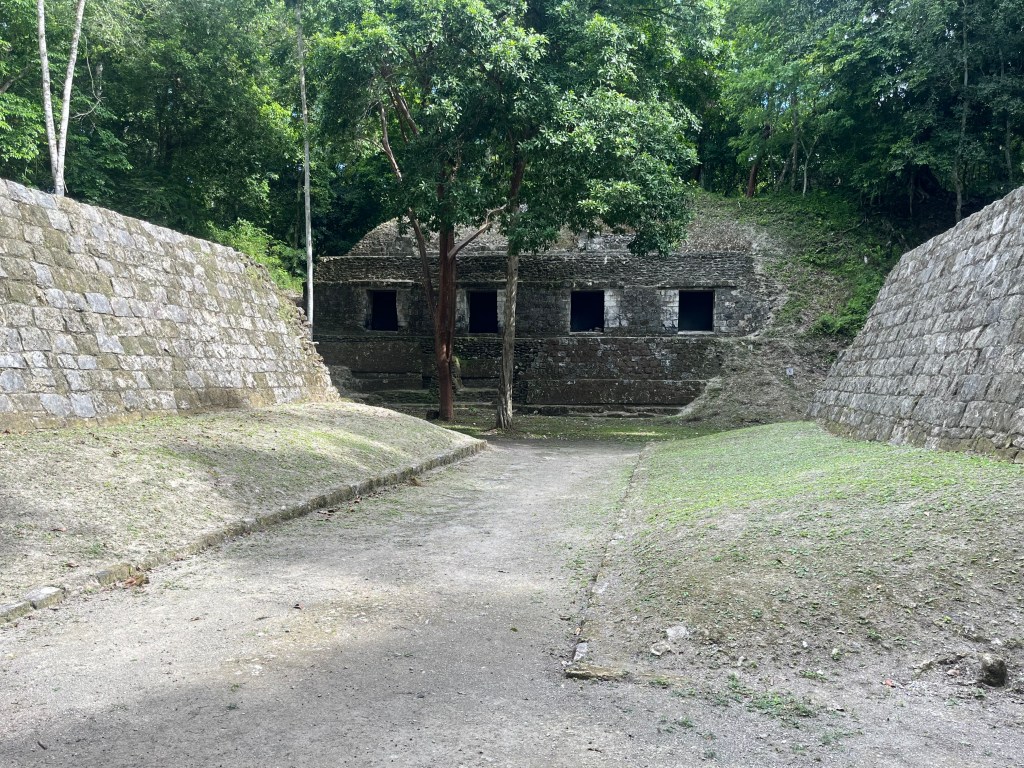
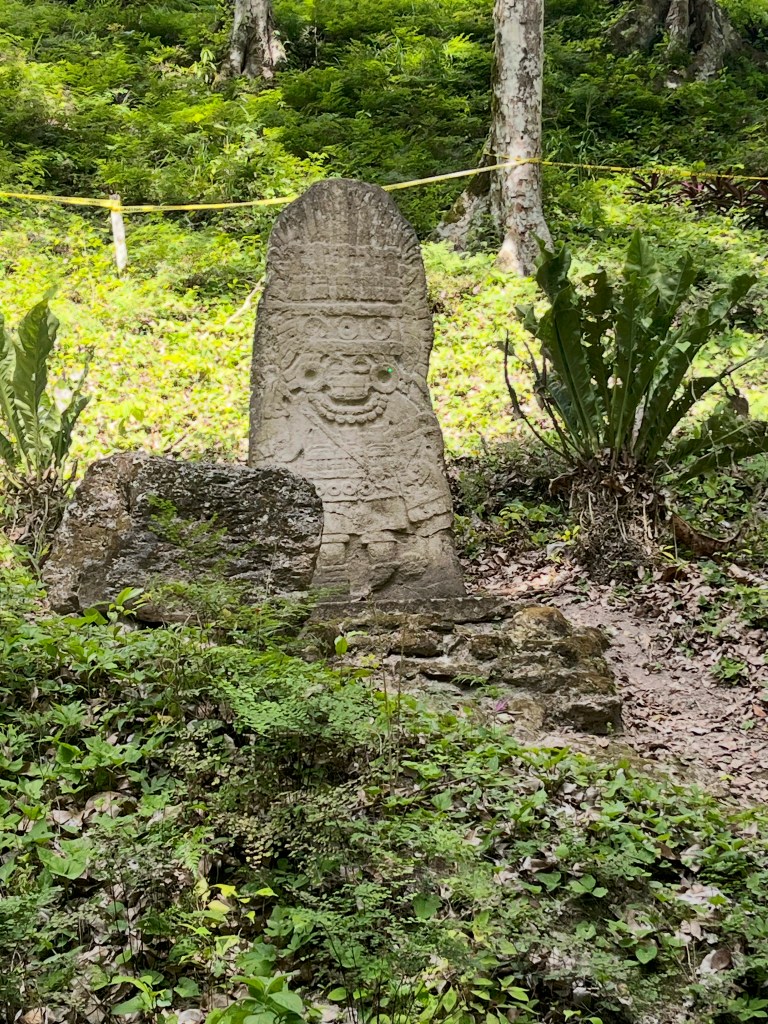


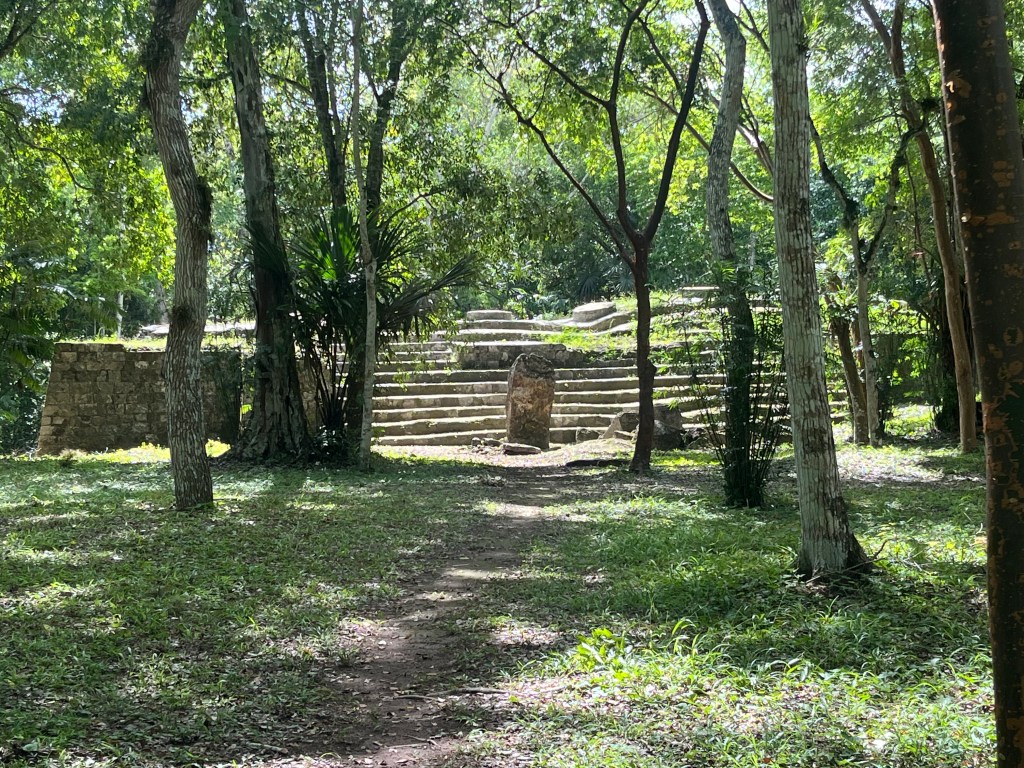

It should come as no surprise that the biggest hook for me on this tour was the fact that between sites you walk through rainforest with chances to see wildlife. As a brief point of reference, the Yaxha site lies within the larger Maya Biosphere Reserve which extends into southern Mexico and western Belize. This reserve preserves the largest intact contiguous tracts of tropical rainforest left in Central America and among the largest north of the Amazon. Many of you readers may know this, and some may not, but vast swaths of tropical forest around the globe are being deforested for commodity crops or industry, with the drivers of deforestation differing based on region. In the Neotropics, (the tropical region that extends from southern Mexico to central South America and includes the Amazon), soy farms and especially cattle ranching have been the downfall of forests. Much of the hour-plus drive from Flores to the reserve consists of cattle pasture, some well-established and some brand new, with charred wood and clear cut scars evidence of freshly cleared forest to make way for cattle ranching. A reserve like Maya Biosphere helps ensure that the magical jungles I walked around in continue to be so.
Below is a video on the shuttle en route to the entrance to the reserve ahead of the tour and hike.
In my post about Antigua, I detailed how exceptionally biodiverse the Neotropics are, so I do not need to go into any more detail on that. The best way to showcase the experience of the rainforest, especially the wildlife (not all of which could be filmed or captured properly looking at you Mr. coati), its through pictures and videos.
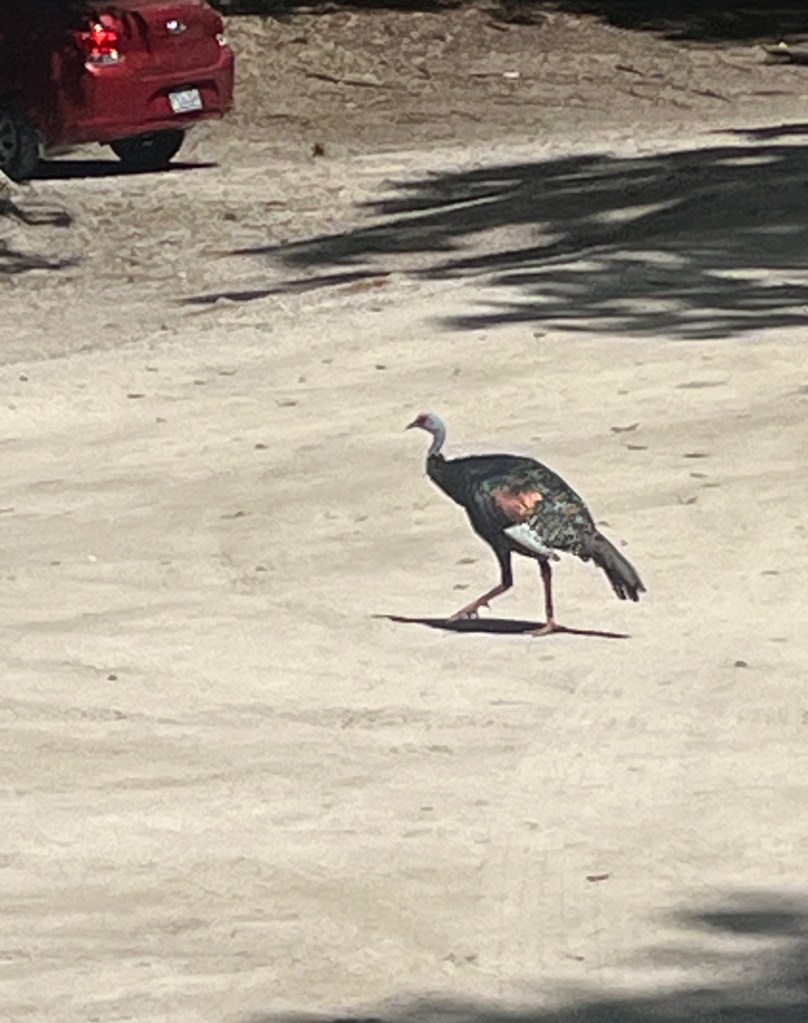
I saw so many cool birds like keel-billed toucans (too fast to photograph), parrots (also not pictured), and the ocellated turkey:
We came across two species of monkey. First, we spotted a troop of Geoffroy’s spider monkeys which we would have all missed if our guide did not notice them in the trees above a pyramid. He used vocalizations to attract them and told us to run up the pyramid to see them. The videos below showcase our primate friends. Make sure to look closely: you need to train your eye to make them out. (Apologies for the sounds of other tour participants in the videos. Some of these folks did not know how to be quiet during filming!):
Later on in the hike we came across several different troops of Yucatan black howler monkeys, a subspecies found in southern Mexico, Belize and Guatemala. They differ slightly from black howlers and other howler subspecies further south. These large monkeys are easy to see without binoculars or phones and are unmistakable by their roaring howls (hence their namesake) that they use to assert territorial claims and dominance. Below are some videos, including one where you can’t see them only hear them. Volume up!
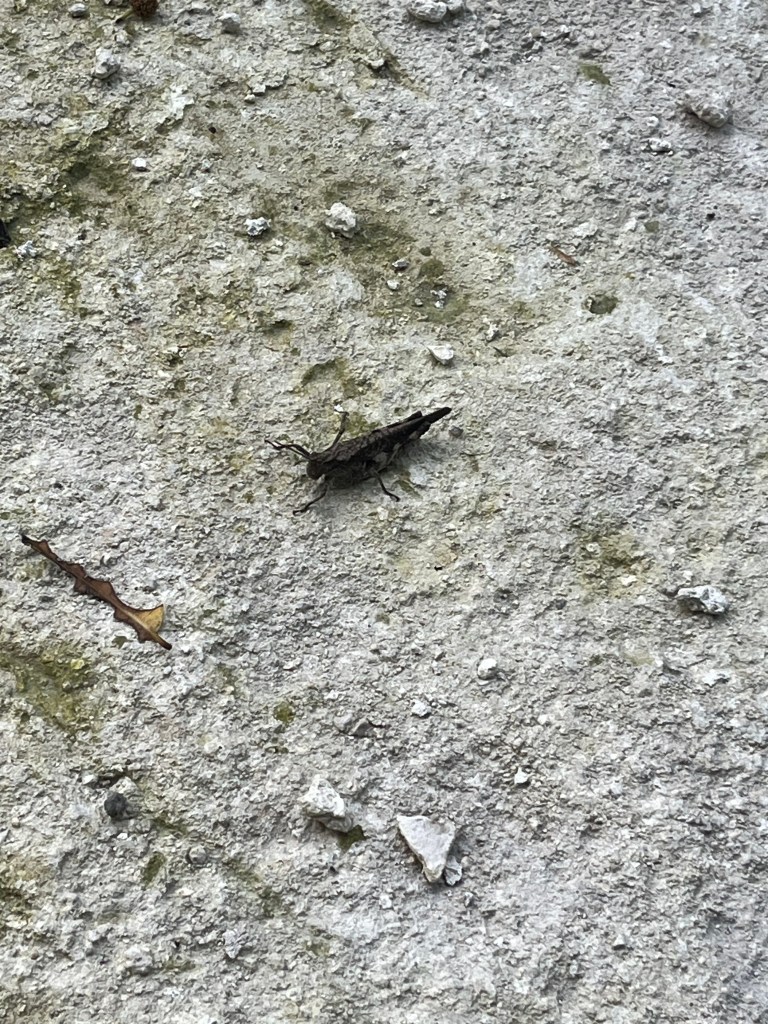
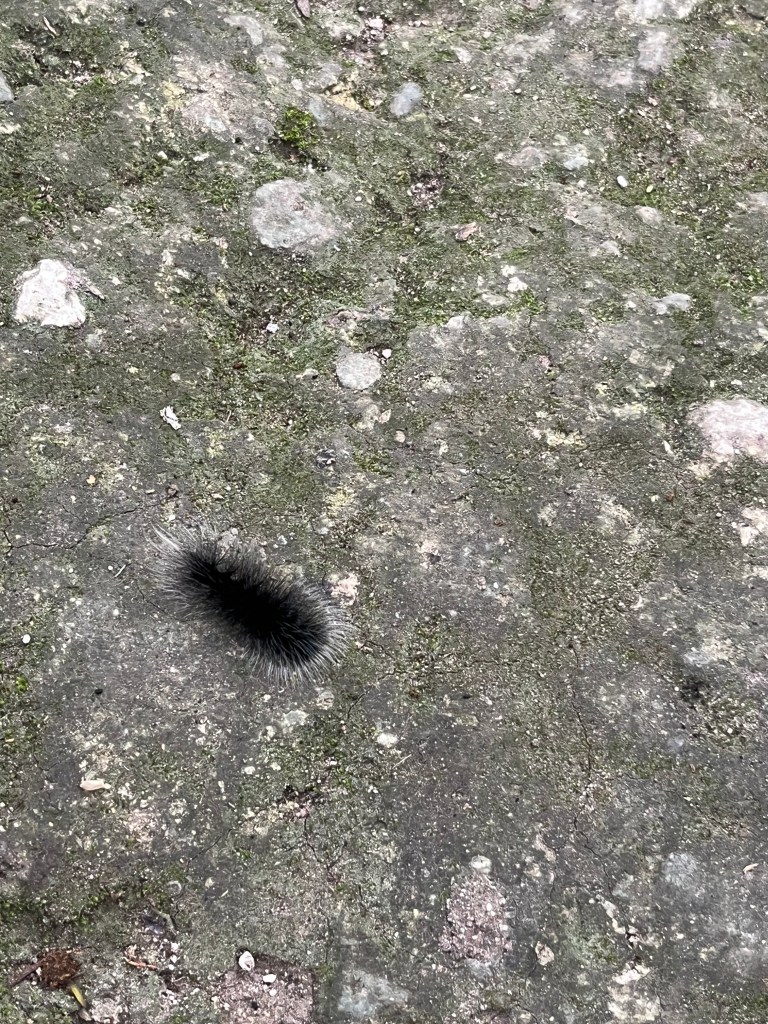
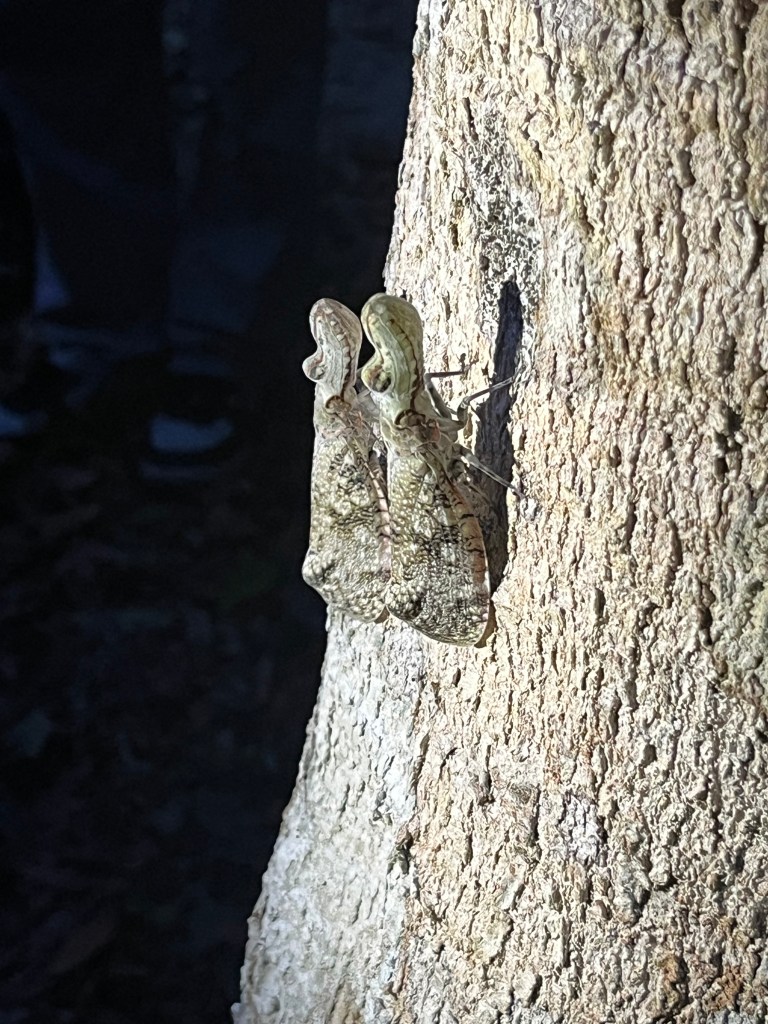
Insects abound as well. Besides hearing them, we saw them in all their splendor everywhere in the forest. Perhaps the most fascinating were the ants. Wherever we went we saw thousands of them along the first floor in an orderly line. Their large colonies popped up in different places and sometimes you could tell you were seeing them because pieces of leaves looked like they were dancing along the forest floor. We all marveled at how industrious they are.
Here are some more insect pictures:
There were all sorts of beautiful plants and trees:
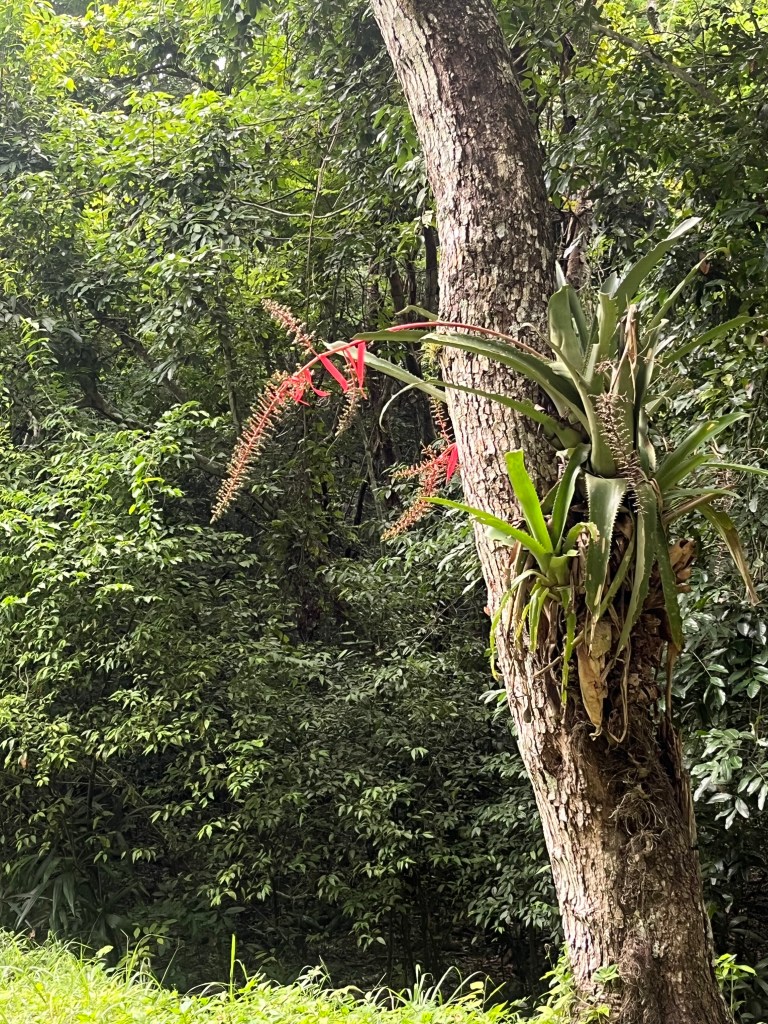
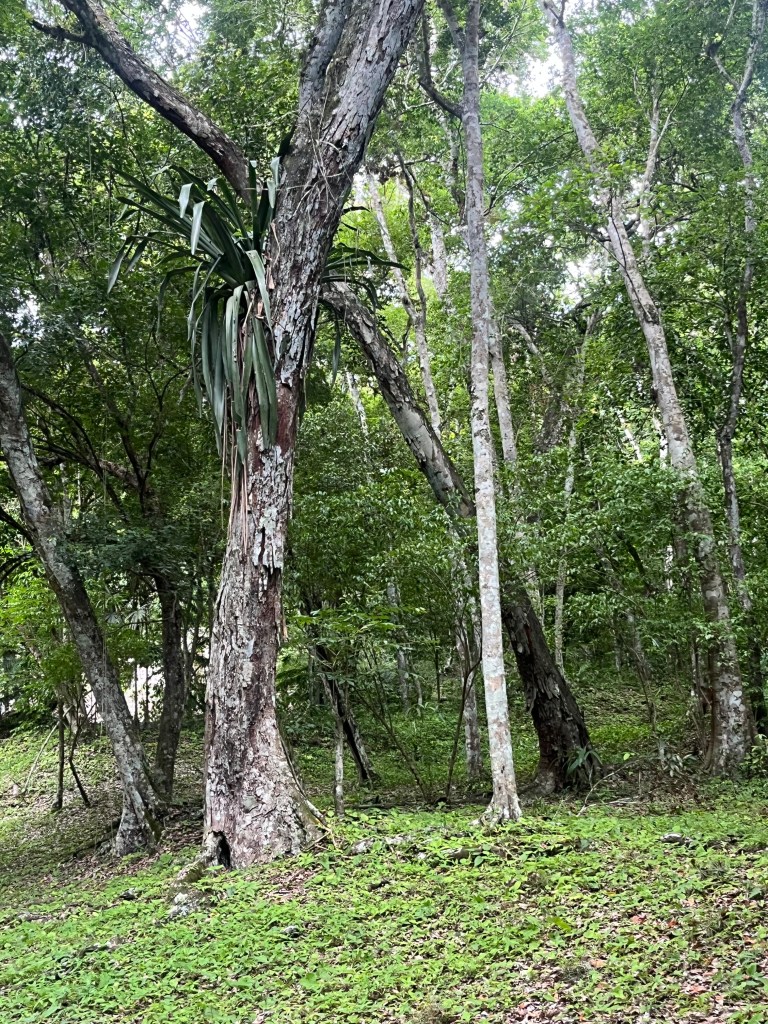
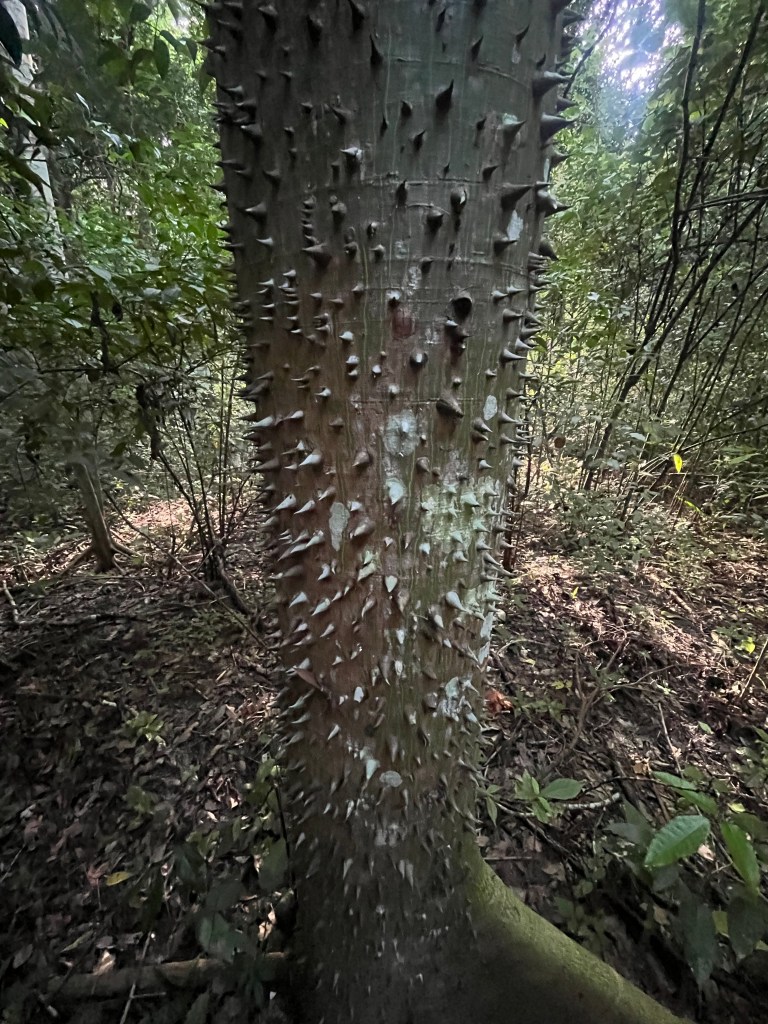

Stunning views from the pyramids revealed the canopy, lagoons and lakes:
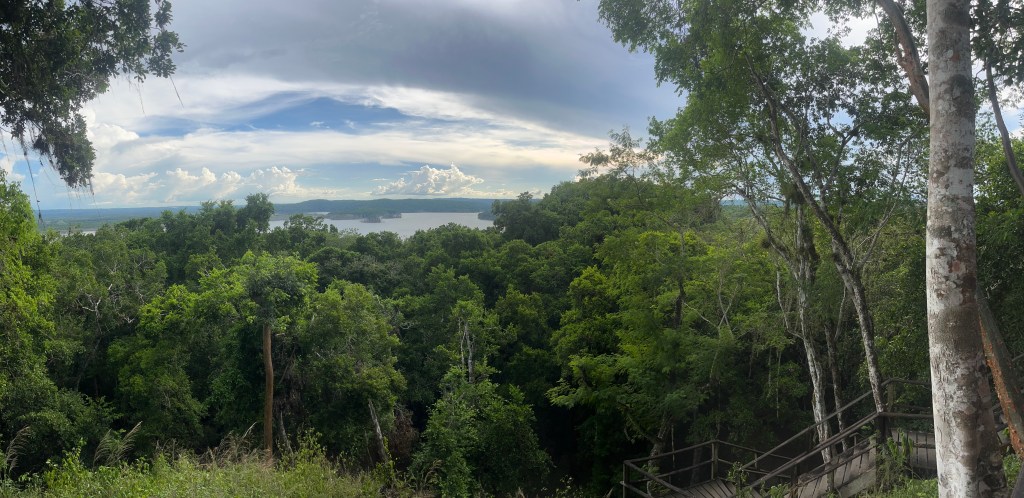
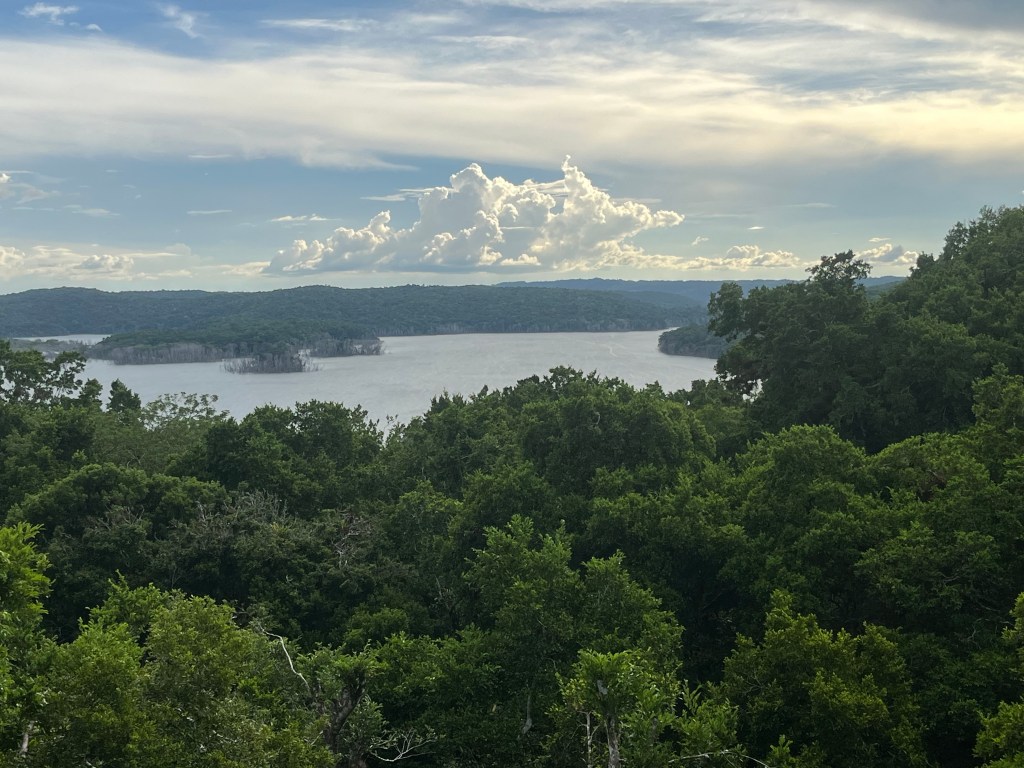

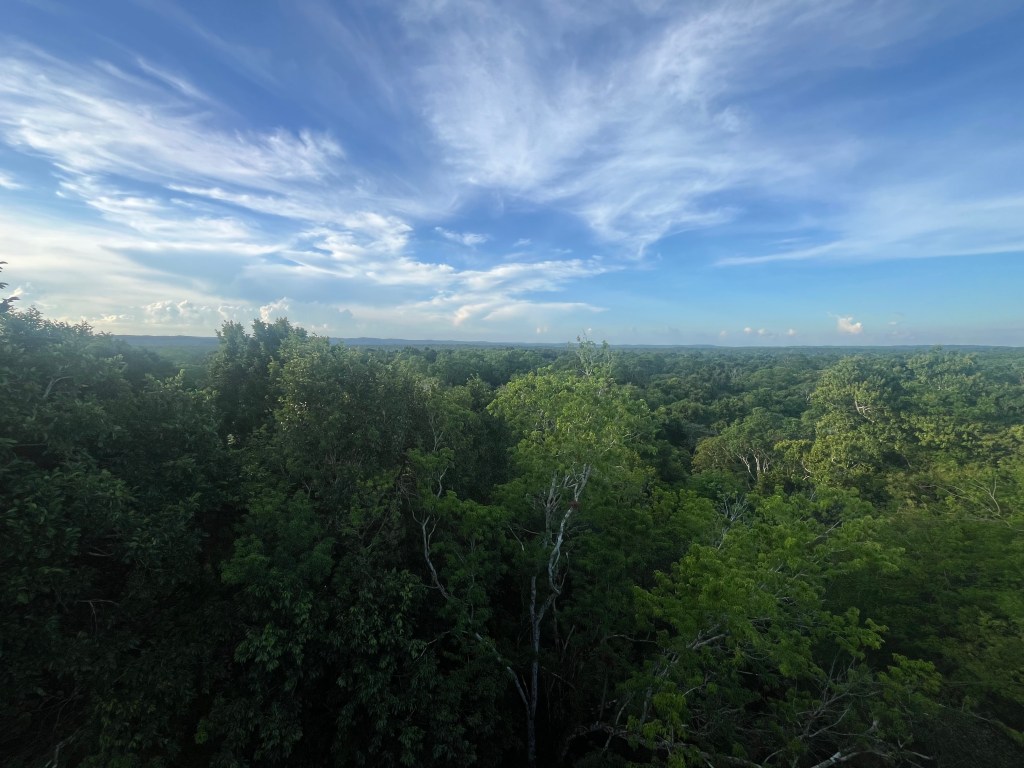
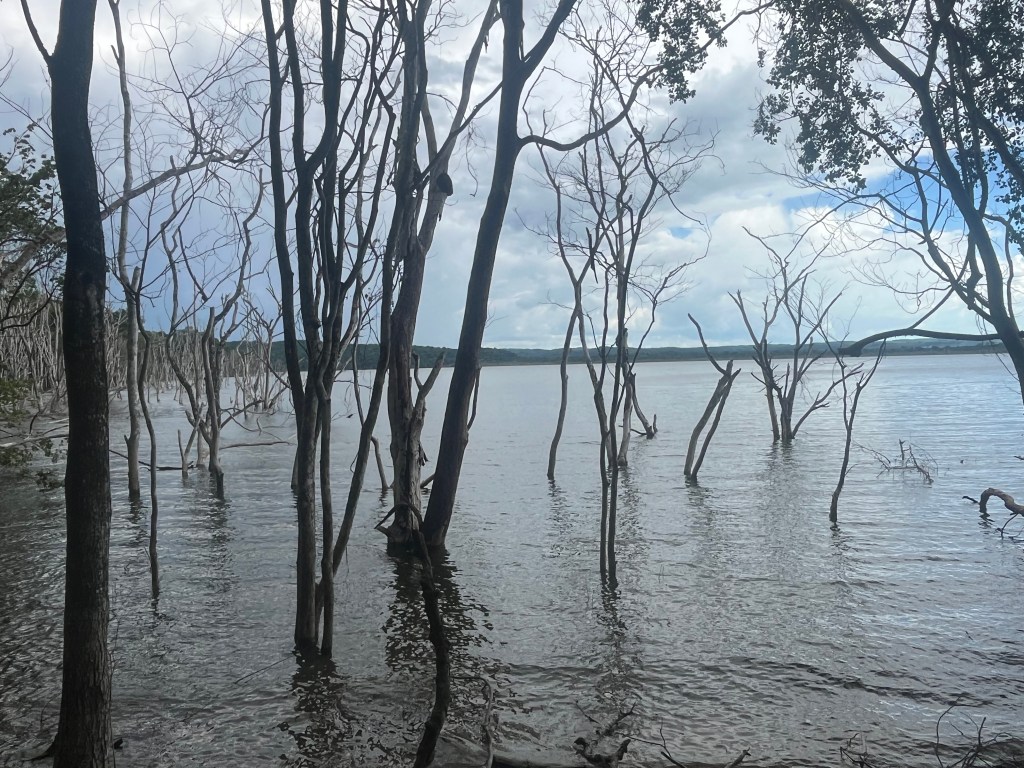
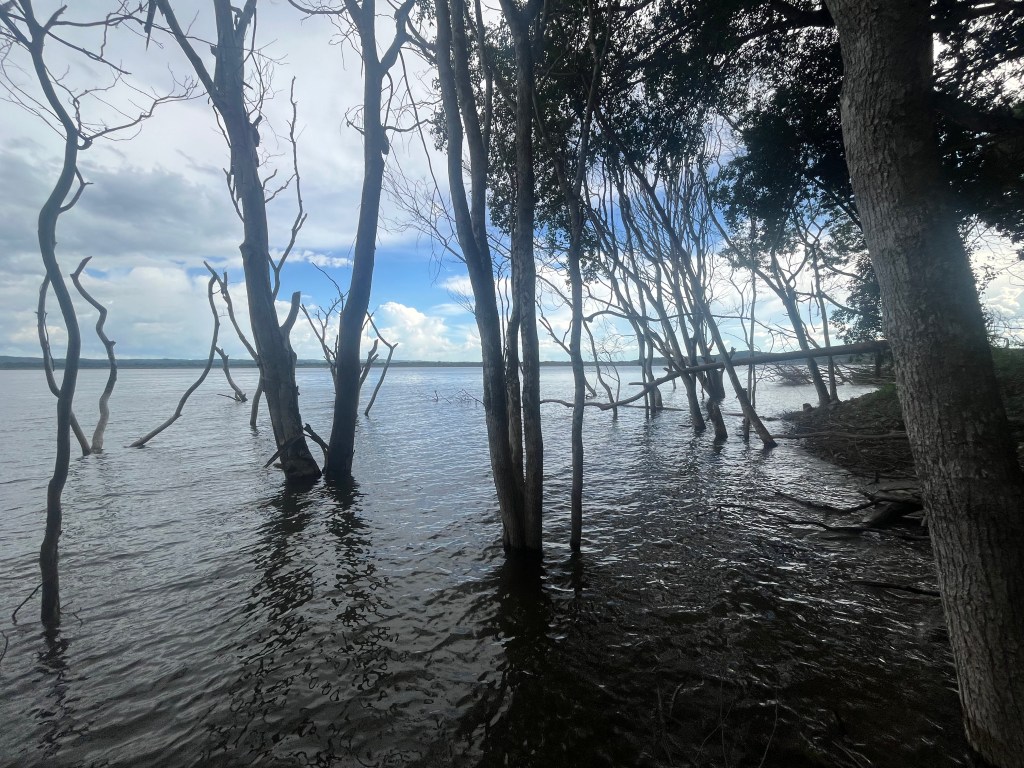
A large lake floods the forest and provides habitat for the two native crocodile species (the Morelet’s and the American, neither of which we saw on this excursion):
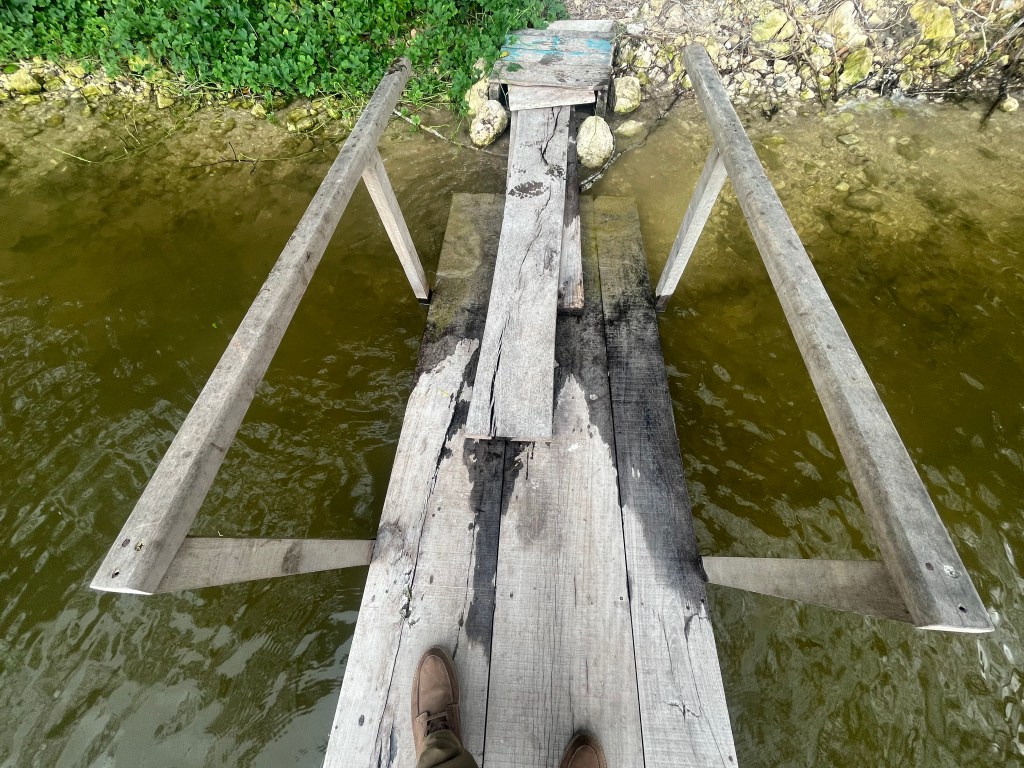
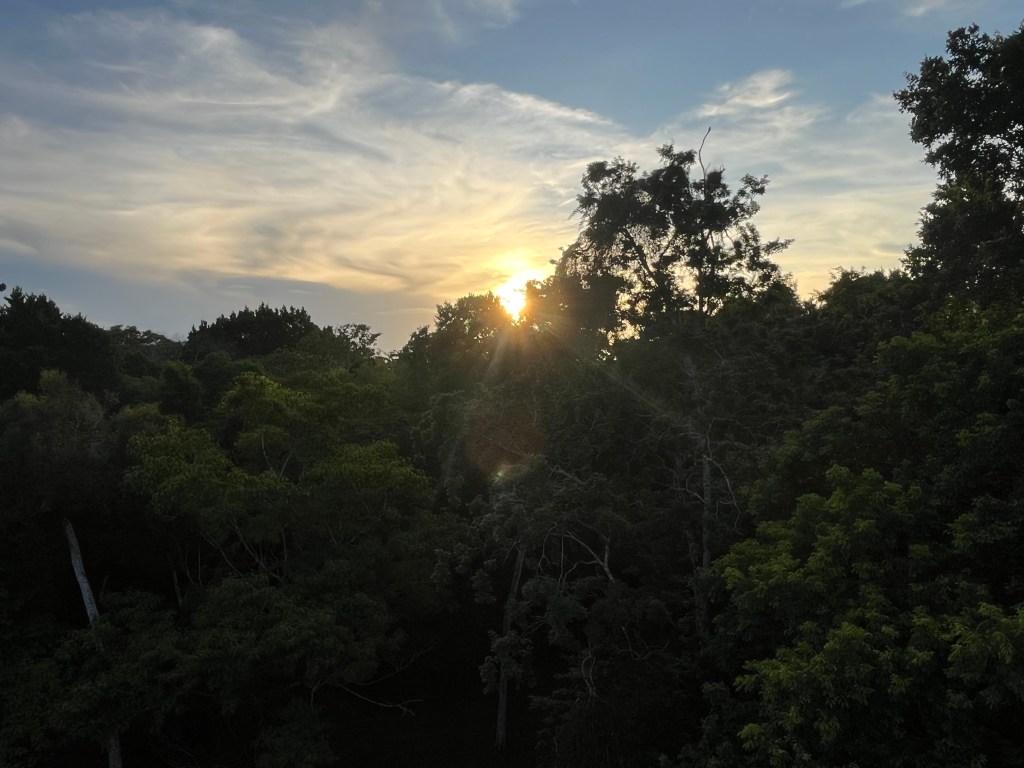
Our final stop was a sunset view from atop the highest pyramid in the western acropolis complex, a truly magical experience:
Thanks for reading this latest post about Yaxha. Check out the next installment about our final destination on this Guatemala trip: Rio Dulce, coming soon!
Be sure to like, comment and subscribe to Traveling While Introverted so you don’t miss our next post!


 Traveling While Introverted
Leave a reply to adamlevin372013 Cancel reply