As discussed in our main post, the next destination on our Latin American travels is Costa Rica! The country is bordered on its west by the Pacific Ocean, on its east by the Caribbean Sea, on its north by Nicaragua, and on its south by Panama. The Costa Rican government has set aside 25% of land for national parks and other conservation areas, not including several marine protected areas as well. As such, it is no surprise that tourism, especially eco-tourism, is the main driver of the Costa Rican economy. The country’s location on the planet, its diverse topography, and mountainous terrain make it one of the most biodiverse nations on the Earth. To highlight that, 5% of all known species on the planet live within its borders, despite the nation only covering one thirtieth of a percent of the Earth’s landmass.
After we landed in San José and secured our rental vehicle, we headed to our first destination: the Monteverde area. (Costa Rica is divided into seven provinces which are further divided into 82 cantons. Monteverde is both a canton and a town.) The majority of the drive to the Monteverde area was along Costa Rica Highway 1. This highway forms the Costa Rican portion of the famous Pan-American Highway. The Pan-American Highway is the longest roadway on the planet. It is not actually one contiguous highway, but three main roadway networks, as well as local highways and byways, that stretch from Prudhoe Bay in Alaska to Ushuaia, Argentina. The largest chunk of the highway is the Pacific Coast route that meanders along the Americas’ Pacific shoreline from Alaska to the tip of South America. The second largest is the Inter-American Highway which connects southern Texas with Panama and travels along vast stretches of Mexico’s Gulf coast before meeting the Pacific route. Lastly, the Alaska Highway travels inland and is one of the only roads on earth to make it to the Arctic Ocean. Altogether it runs 19,000 miles.
There is one gap in the road network, a 21-mile roadless stretch in southern Panama along the border with Colombia. It is the infamous Darién Gap, which is not traversable by car. Trucks and motorists who reach the gap, must board large cargo boats. On the Pacific Coast route of the Pan-American, the highways that form this network are all signed as Highway 1. Typically, they are wide and well-paved given the importance of this network to trade. This was no exception in Costa Rica en route to Monteverde from San José. Once we neared the town of Sardinal, we headed up Route 606.
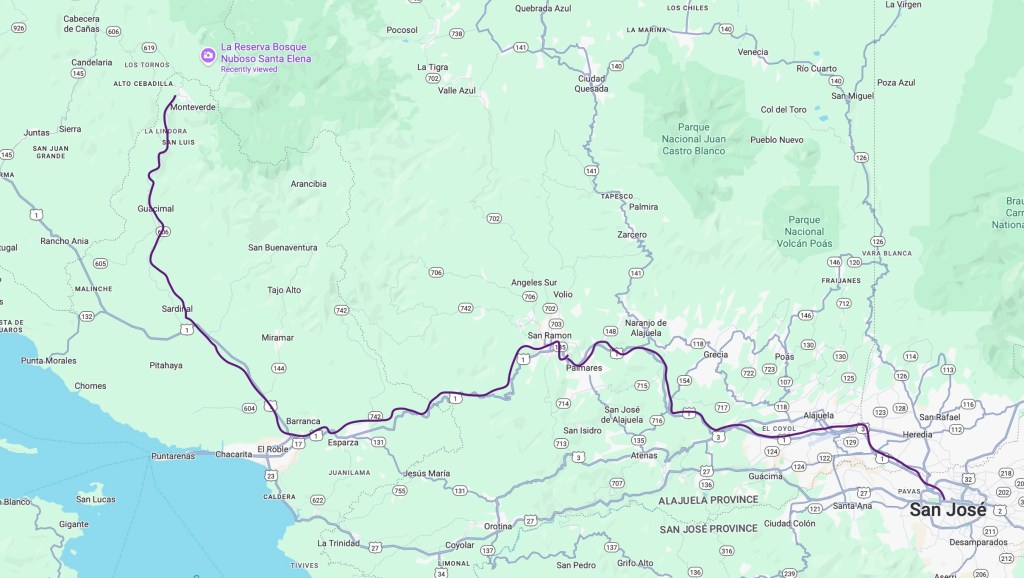
Once we started traveling along the 606, road conditions changed considerably despite it being a major highway and national road (as opposed to a provincial one). It was narrow at many points and often without guardrails along steep mountain passes. Bridges over the myriad of streams and rivers were only wide enough for one vehicle to pass. Driving manners dictate that whomever arrives first crosses the bridge first. Vast stretches of the 606 are a dirt track. It makes for some tricky driving, but the scenery would not be nearly as beautiful if the road was a wide and paved thoroughfare.
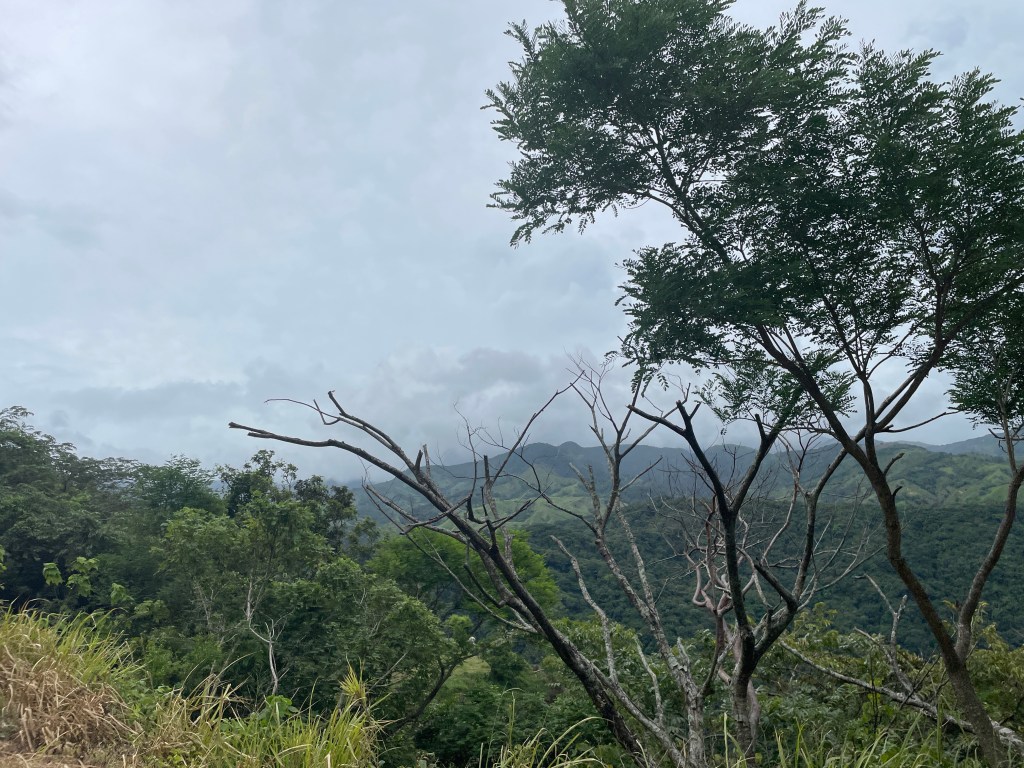
The image and video above cannot do full justice to the experience.
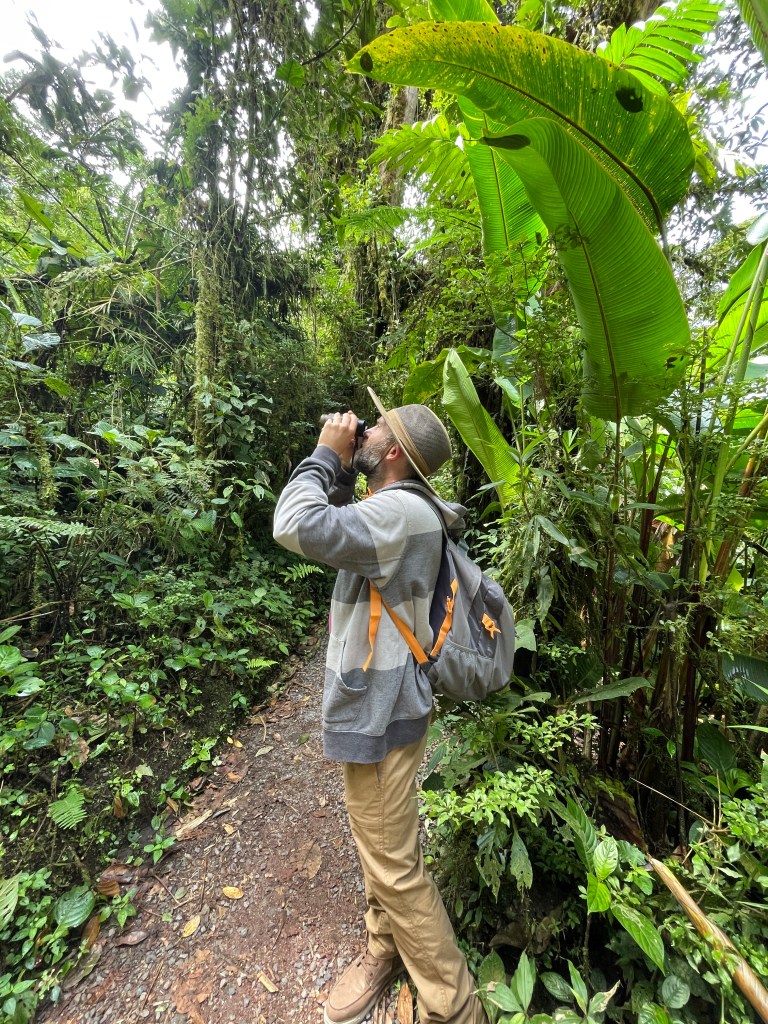
Once we arrived in the Monteverde region (we stayed in a town called Santa Elena, technically) we explored the area. In the main blog post, we shared our experience at La Reserva Bosque Nuboso Santa Elena, one of the nearby cloud forests. Having never been in a cloud forest before and only reading about them, the experience was magical. These high-altitude forests differ greatly from lowland tropical forests. They are so moist they feel like you’re in a living sponge. The photos below are of the amazing insects, landscapes, and birds not mentioned captured in that main post.
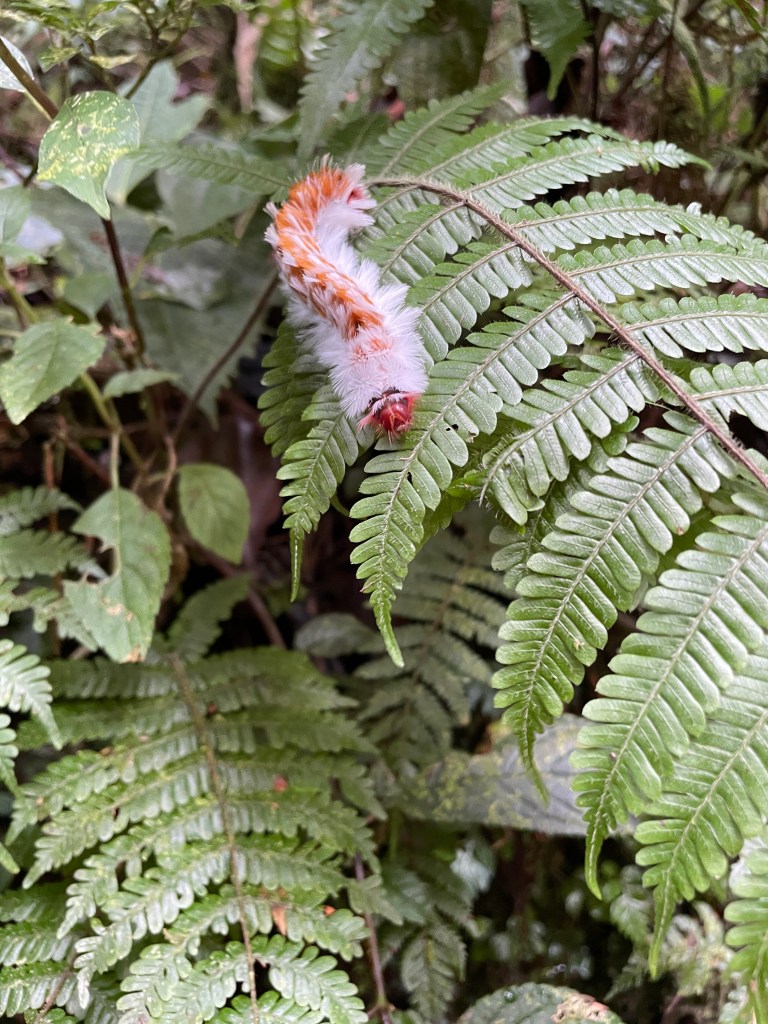
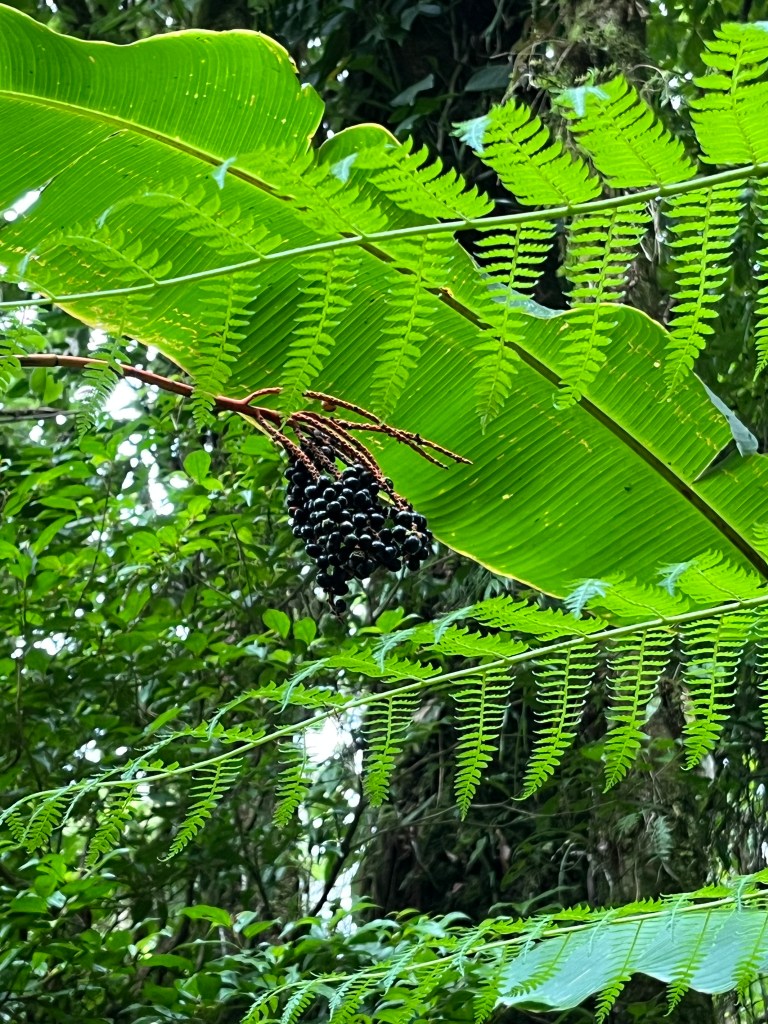

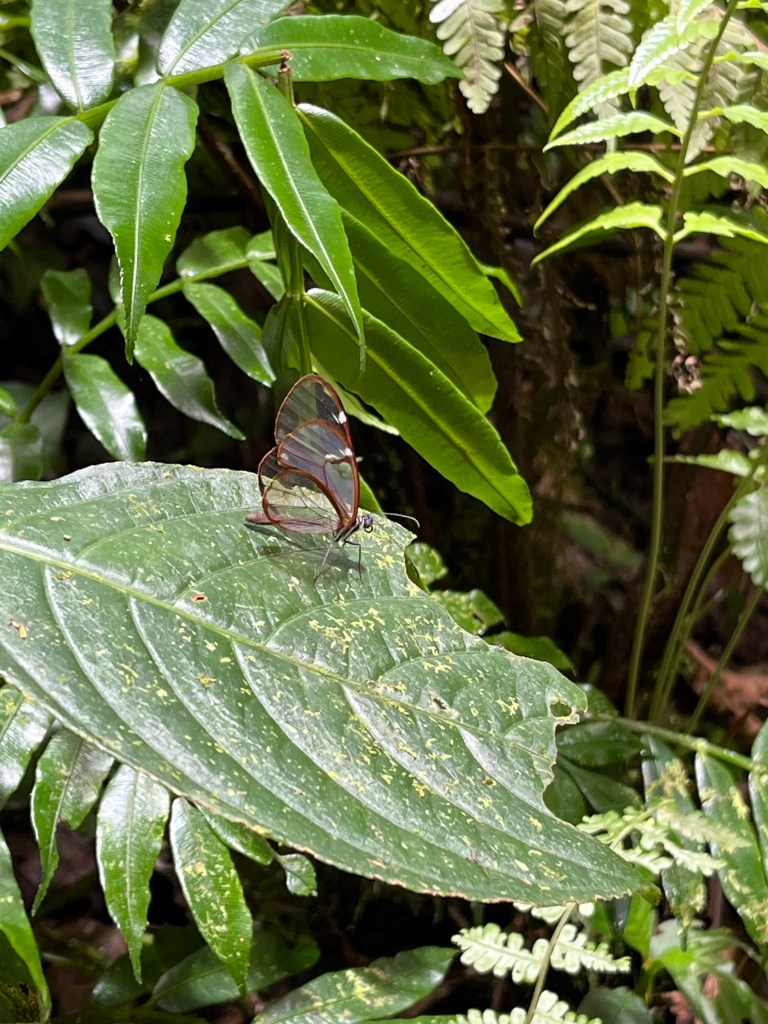
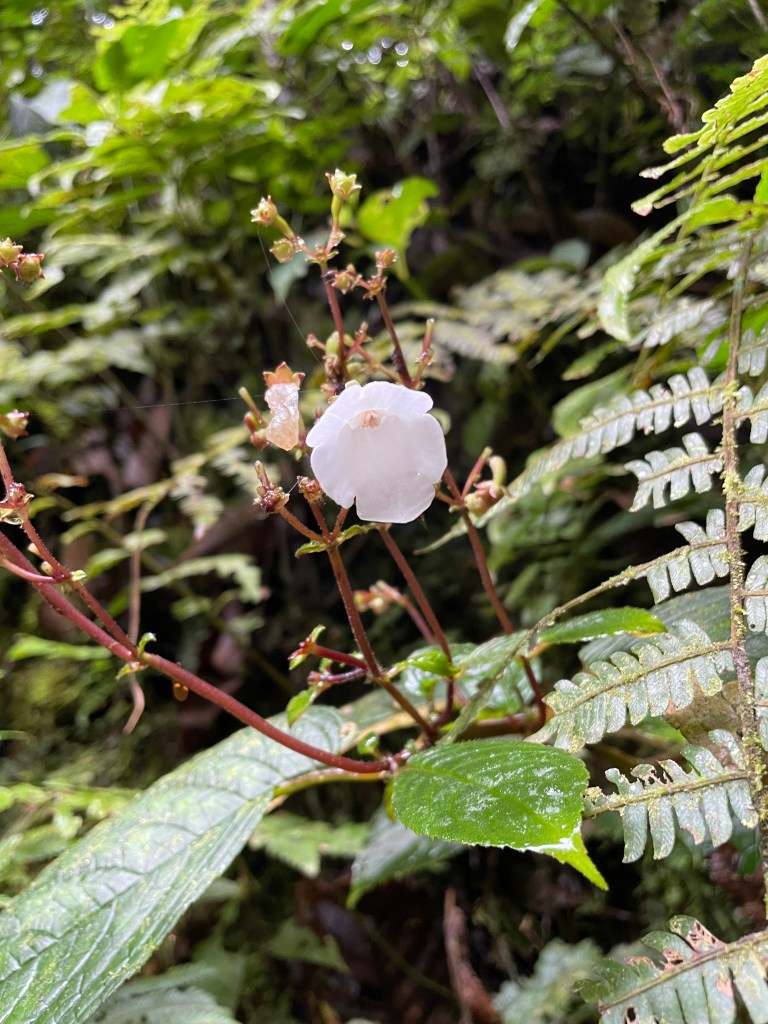
Even if you are not in a cloud forest, wildlife in Costa Rica has a way of showing up while you are sipping coffee at a cafe. Check out this resident troop of white-faced capuchin monkeys:
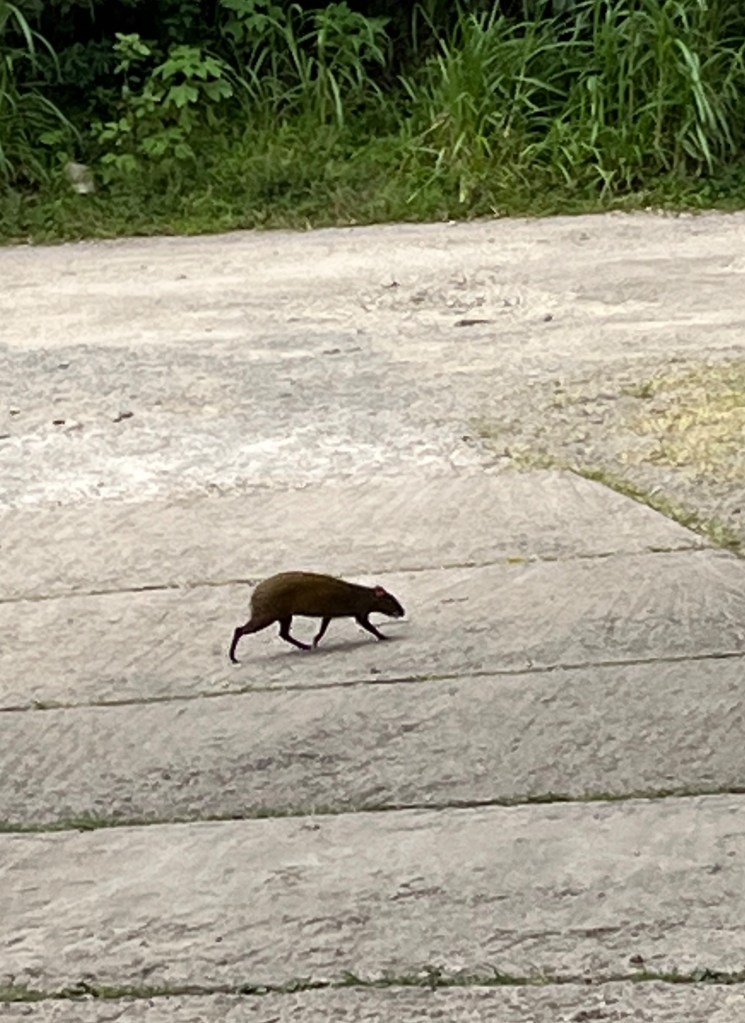
As we hiked around the Monteverde Institute, we stumbled across wildlife as varied as agoutis, American pygmy kingfishers, butterflies, and other insects:
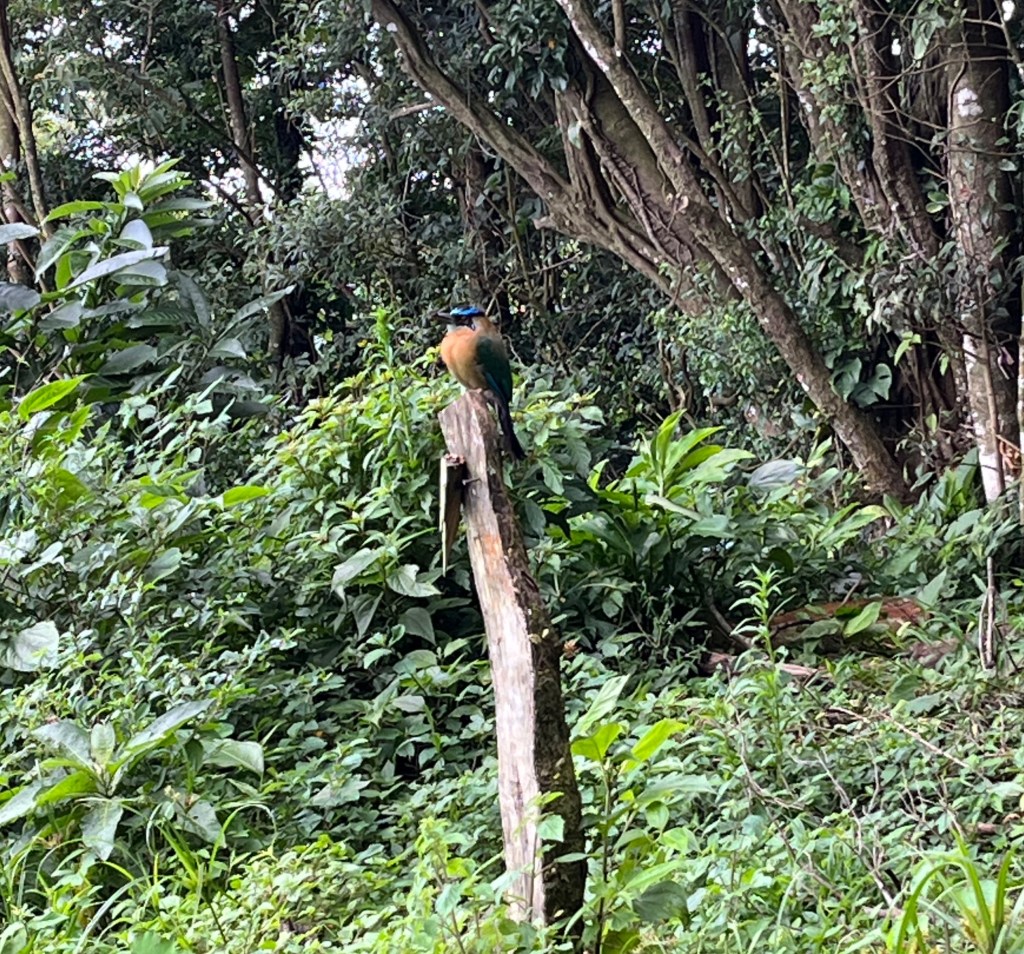
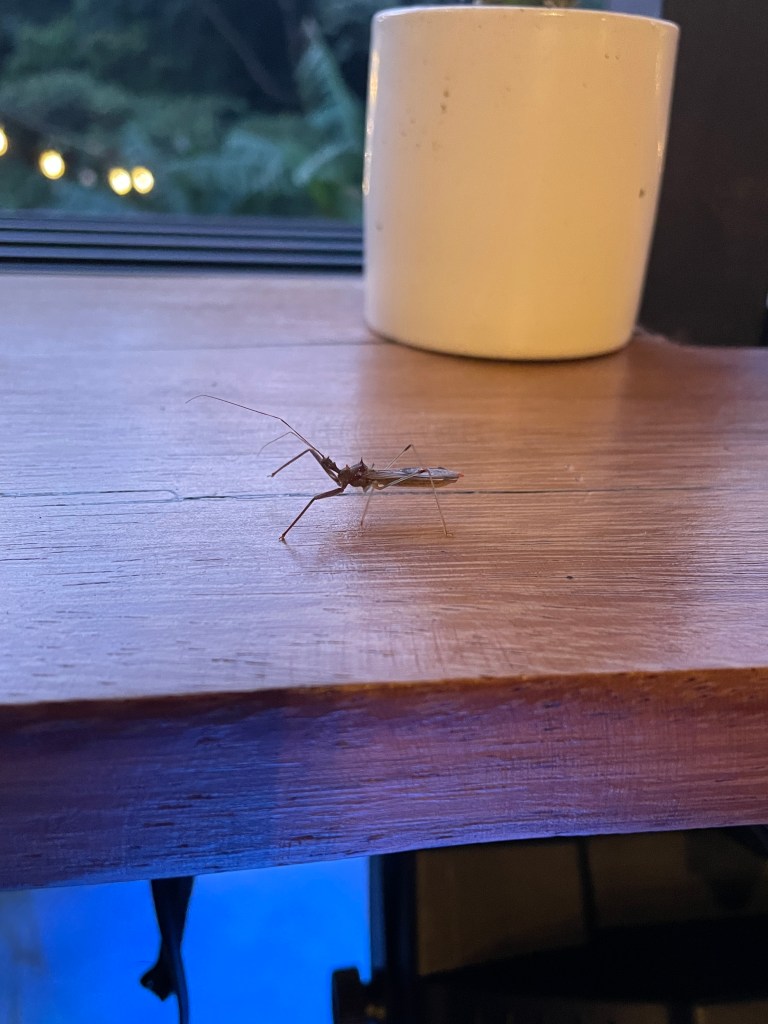
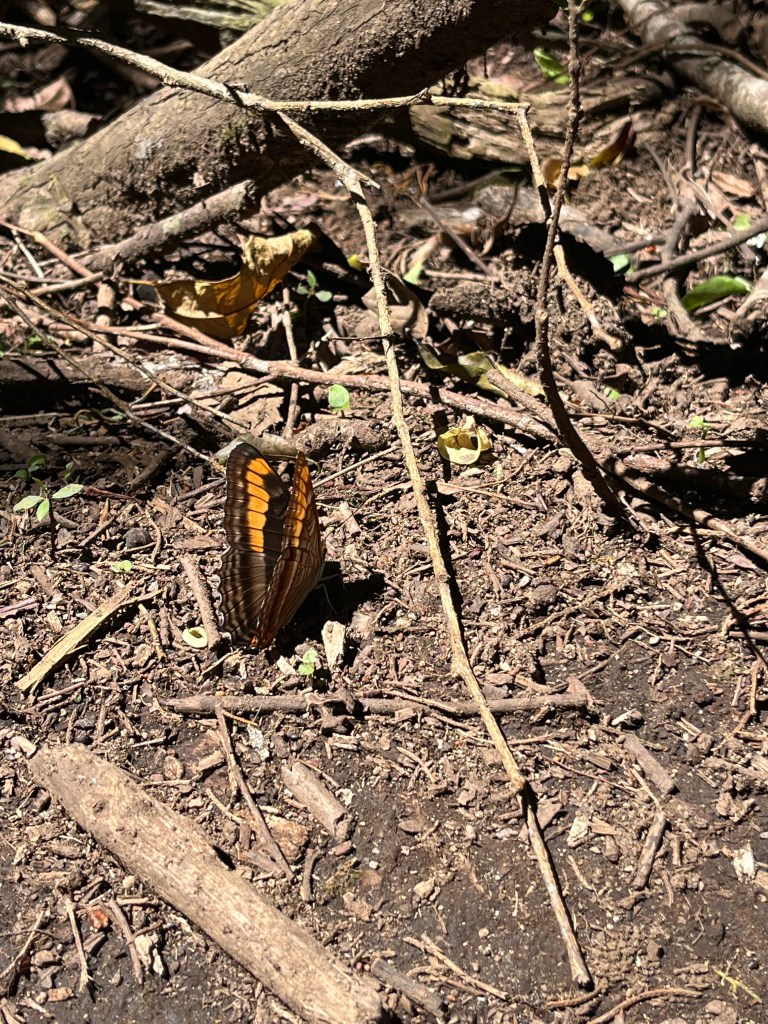
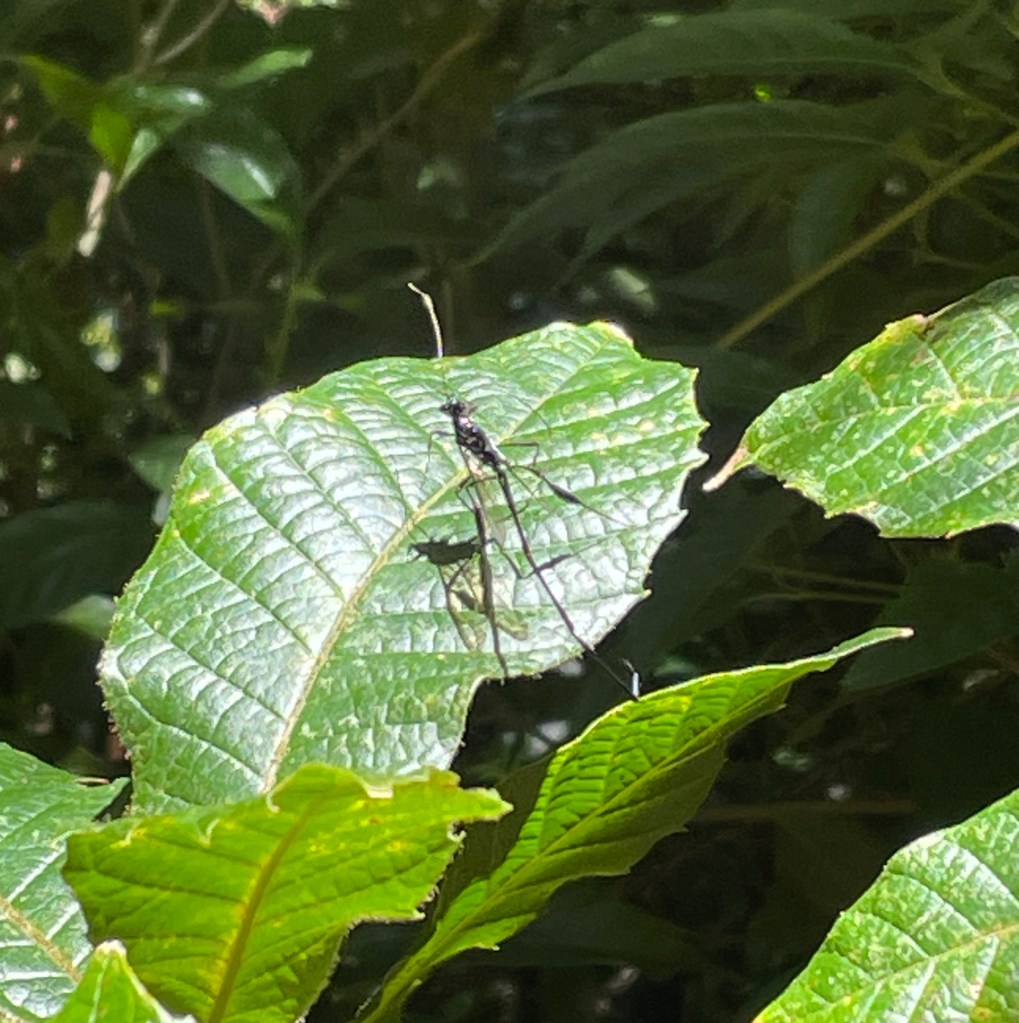

Our introduction to Costa Rica has been amazing so far. After four days in the Monteverde area we are moving on to Tamarindo on Costa Rica’s northwestern Pacific coast.
Be sure to like, comment and subscribe to Traveling While Introverted so you don’t miss our next post!

 Traveling While Introverted
Leave a reply to coffeeluckyc9daa18539 Cancel reply