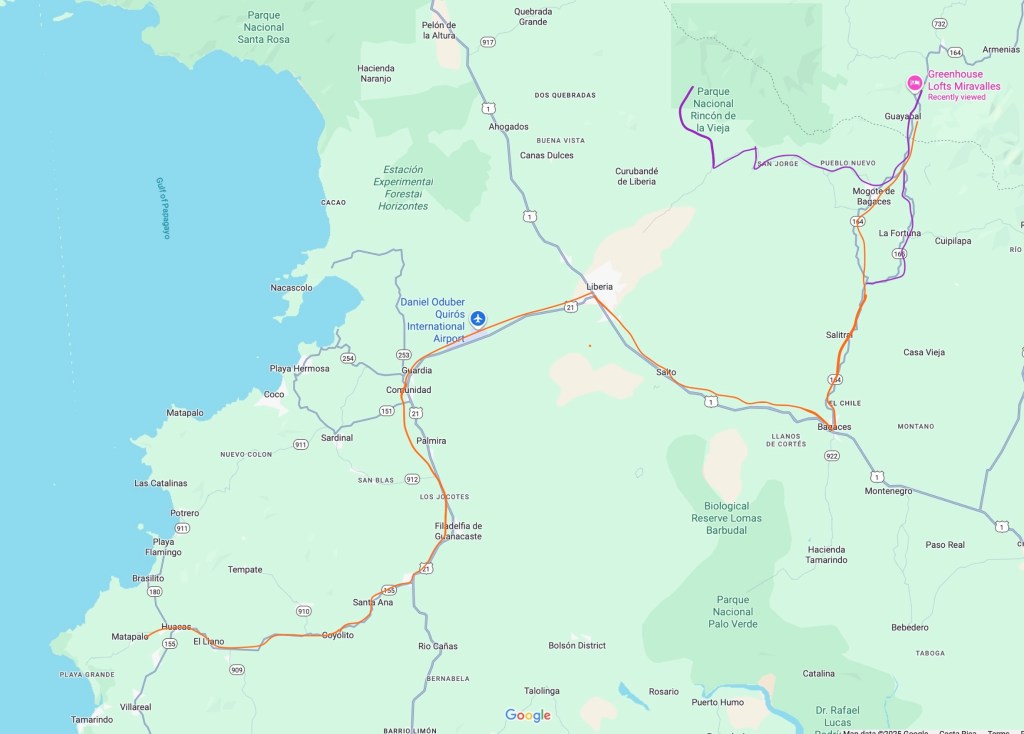
The final days of our time in Costa Rica before we head to the next nation in our travels is a bit of a whirlwind. Following our stay in the Tamarindo area, we headed northeast into the volcanic highlands of southern Alajuela Province, near the town of Guayabal. Our route was a backtracking (mostly) of how we arrived to Tamarindo from Monteverde.
In Guayabal, we stayed at the Greenhouse Lofts Miravalles due to its proximity to Parque Nacional Rincón de la Vieja. This park features lots of volcanic and geothermal features, as well as waterfalls and dry and wet tropical forest. The route to the park from our lodge consisted almost exclusively of mostly unpaved backroads with no numbers or names.
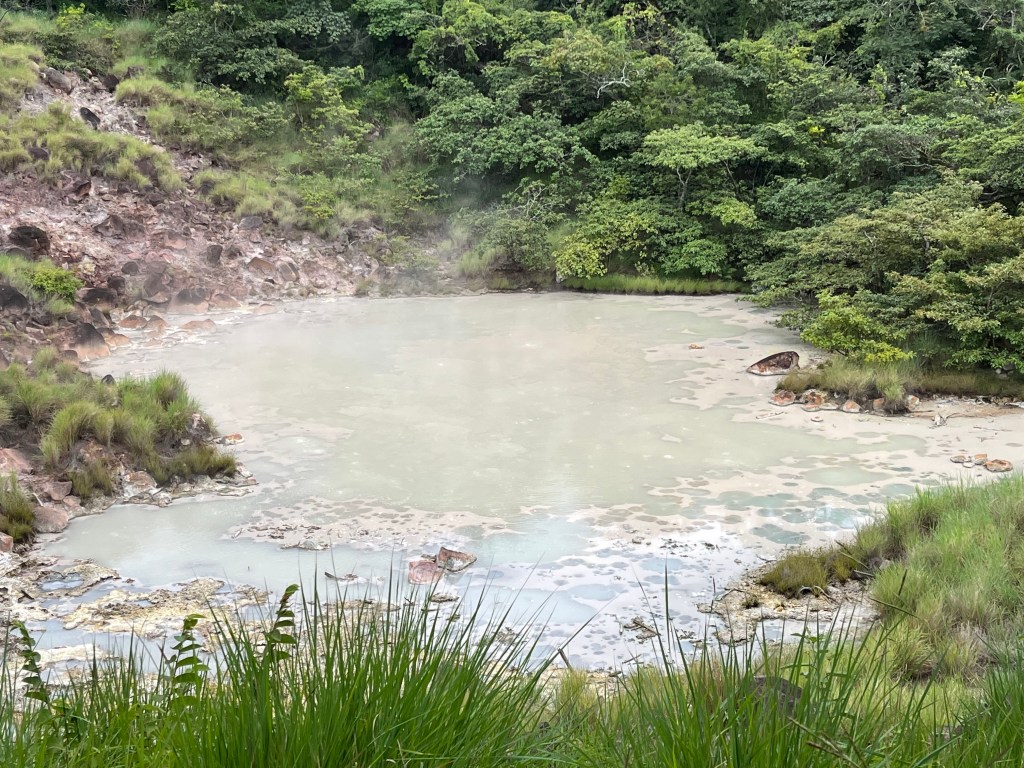
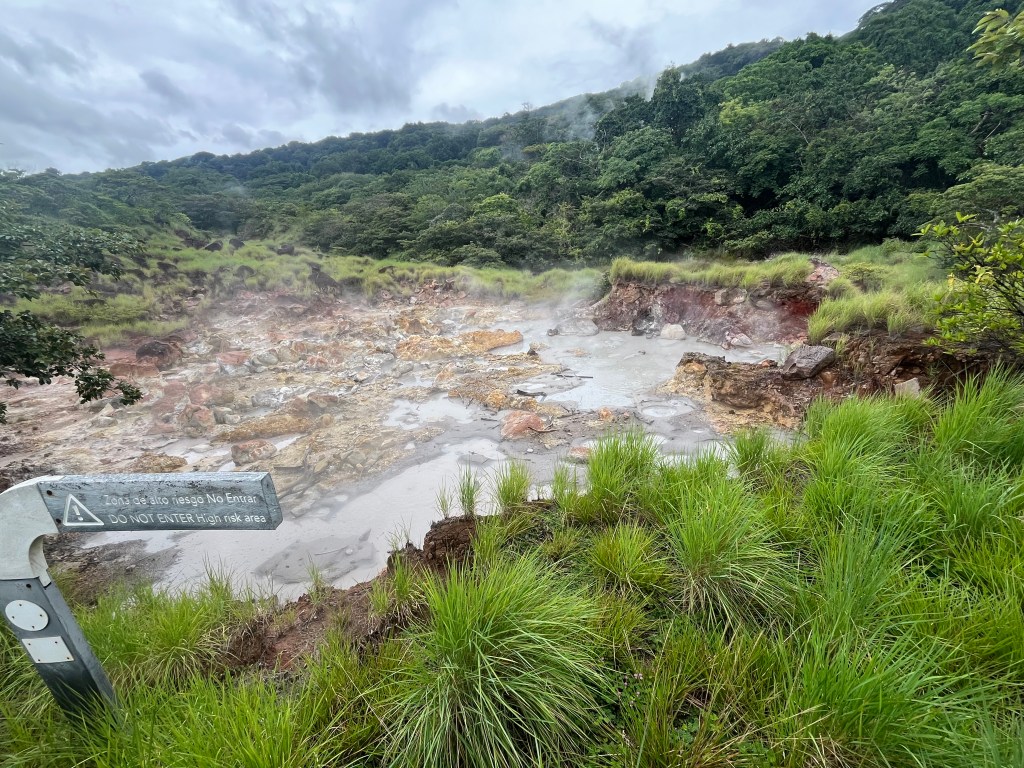
Once we arrived at the park, we took the Las Pailas Loop trail which runs approximately 2.3 miles and gains 364 feet of elevation. It loops you through the wet rainforest and scrublands that surround six geothermal features and a seasonal waterfall. I would have liked to hike the harder trails to the larger waterfalls and seen the wet to dry forest transitions, but Yahm is not as avid a hiker and spending time with her in the park outweighed my zeal for a tougher hike. Still, the park did not disappoint with its landscapes, geologic wonders, or wildlife. Hiking through the thick forest and the nearby scrublands offered some incredible photo opportunities.
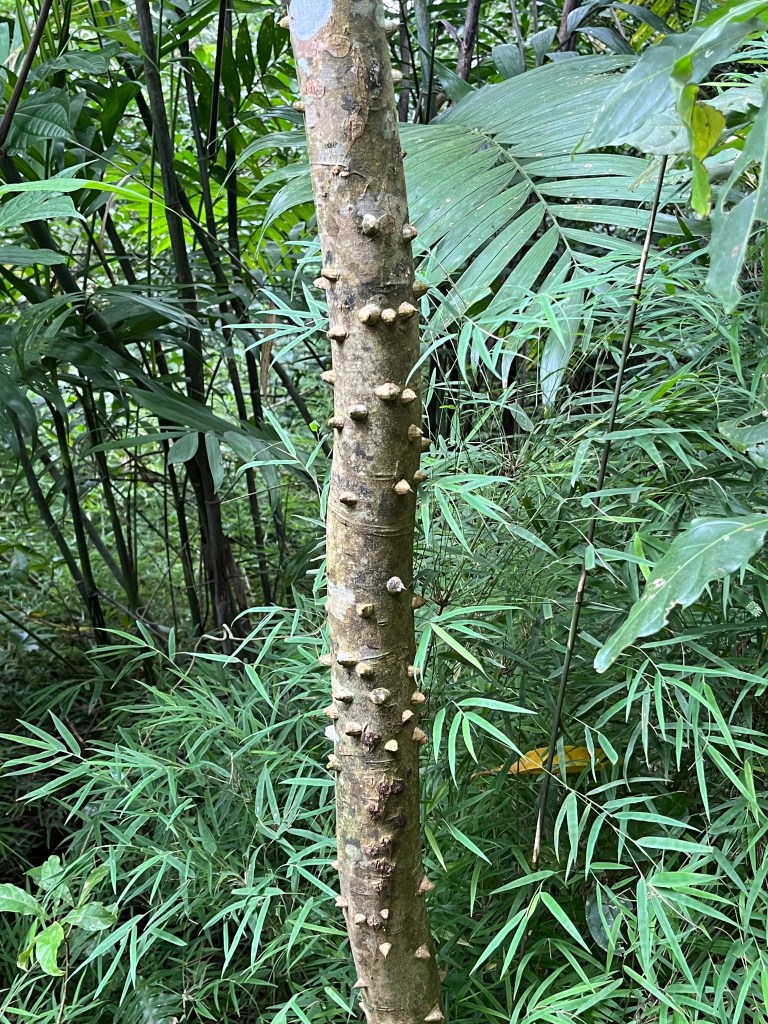
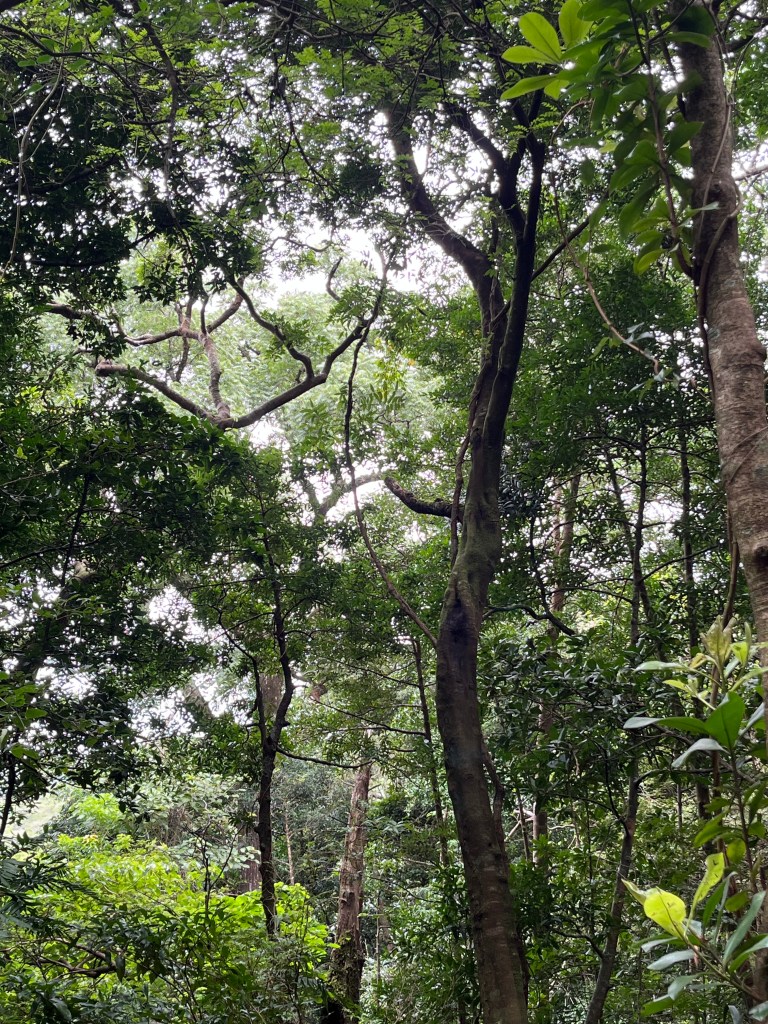
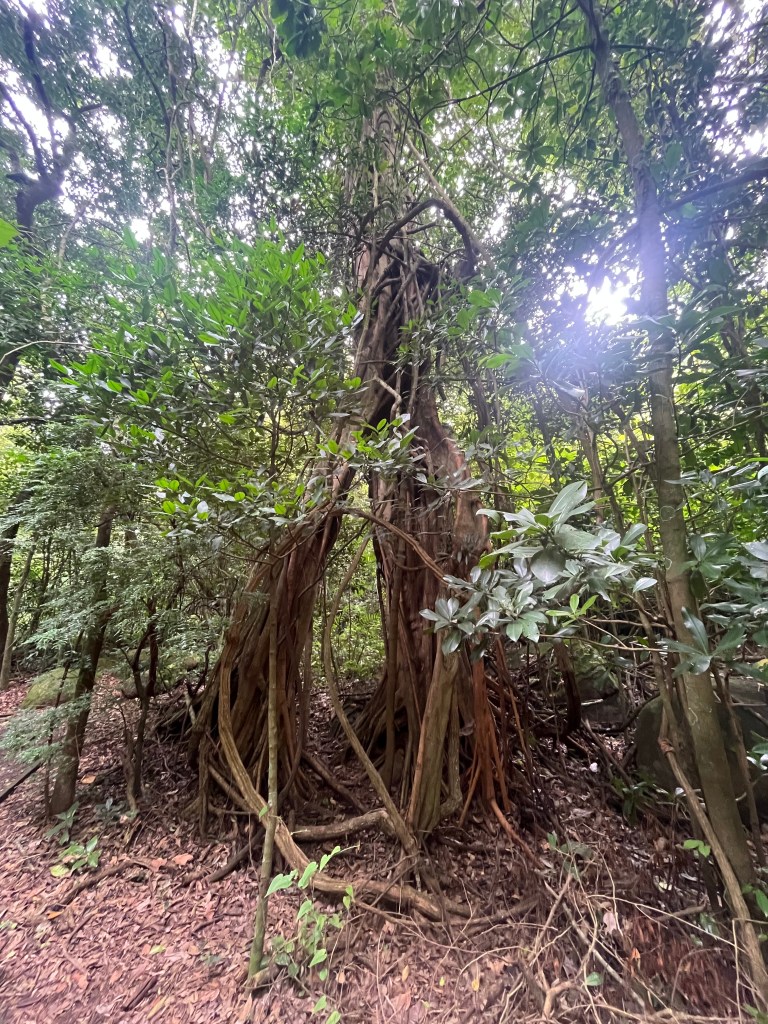
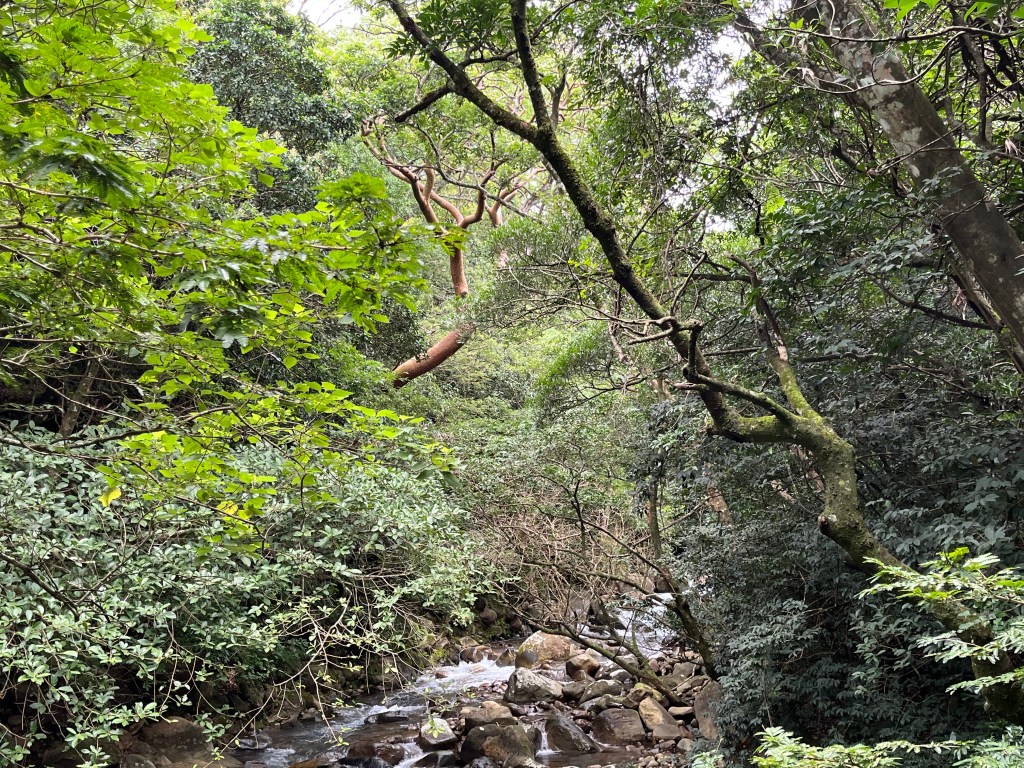
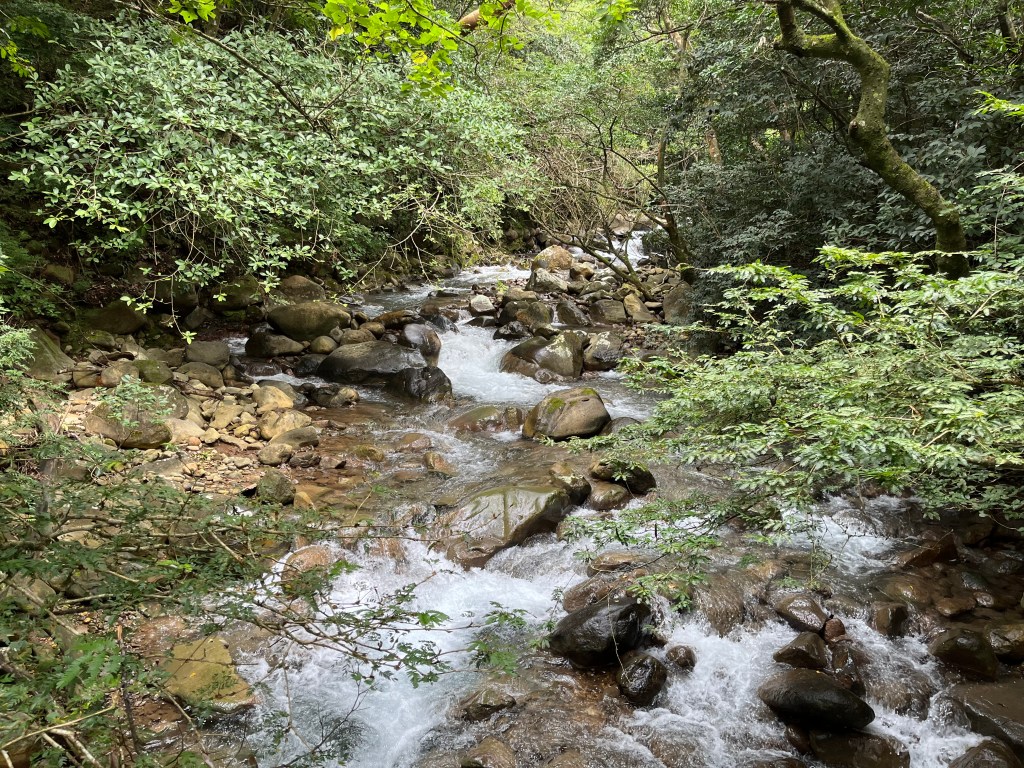
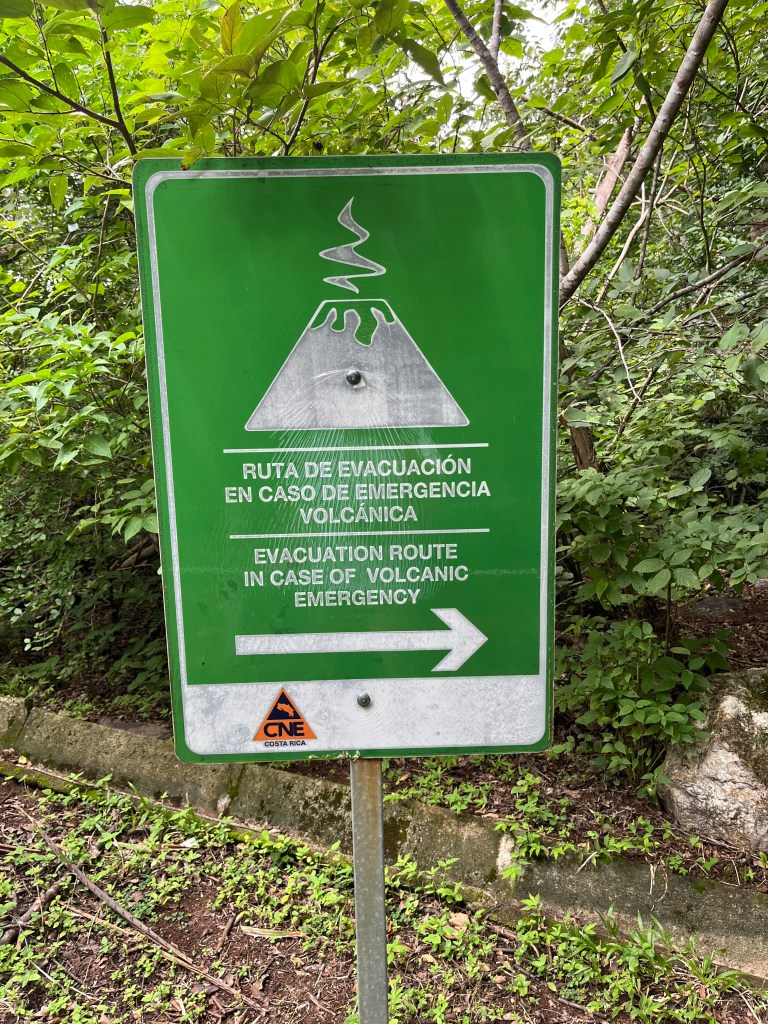
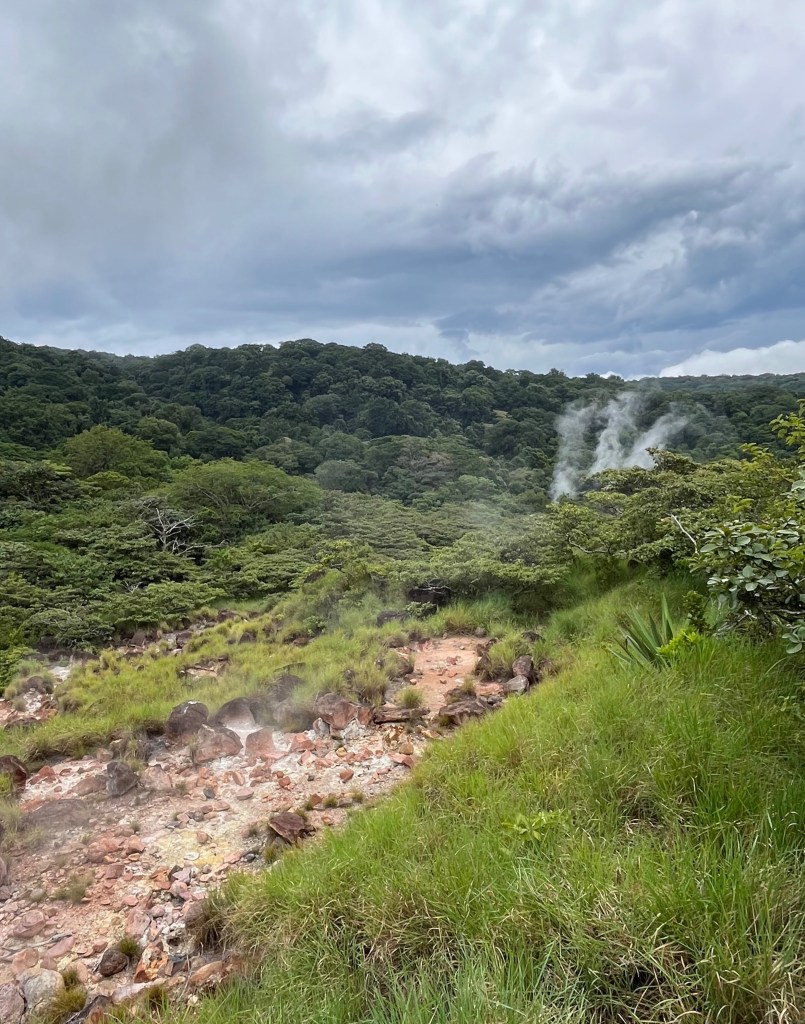
The geothermal and volcanic activity are present throughout, whether it’s how smoke eerily moves through the forest as if there is a fire or the sulfuric smell as you approach a mirador (viewpoint). Wherever you are, you are not far from the pure power of the planet’s interior.
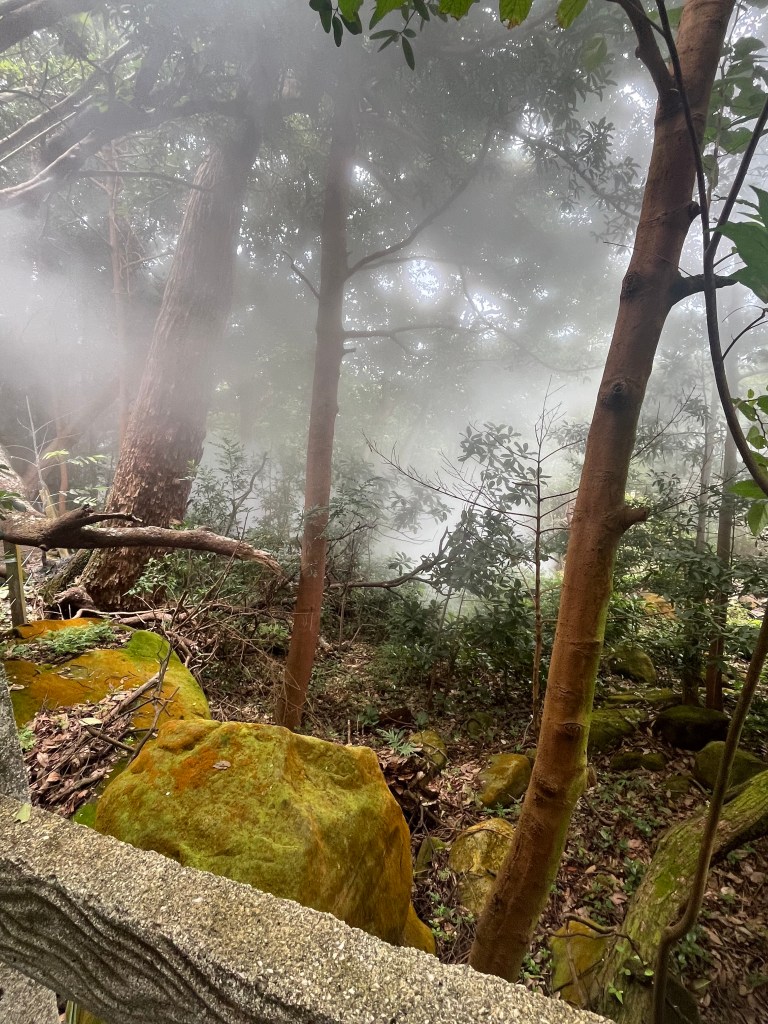
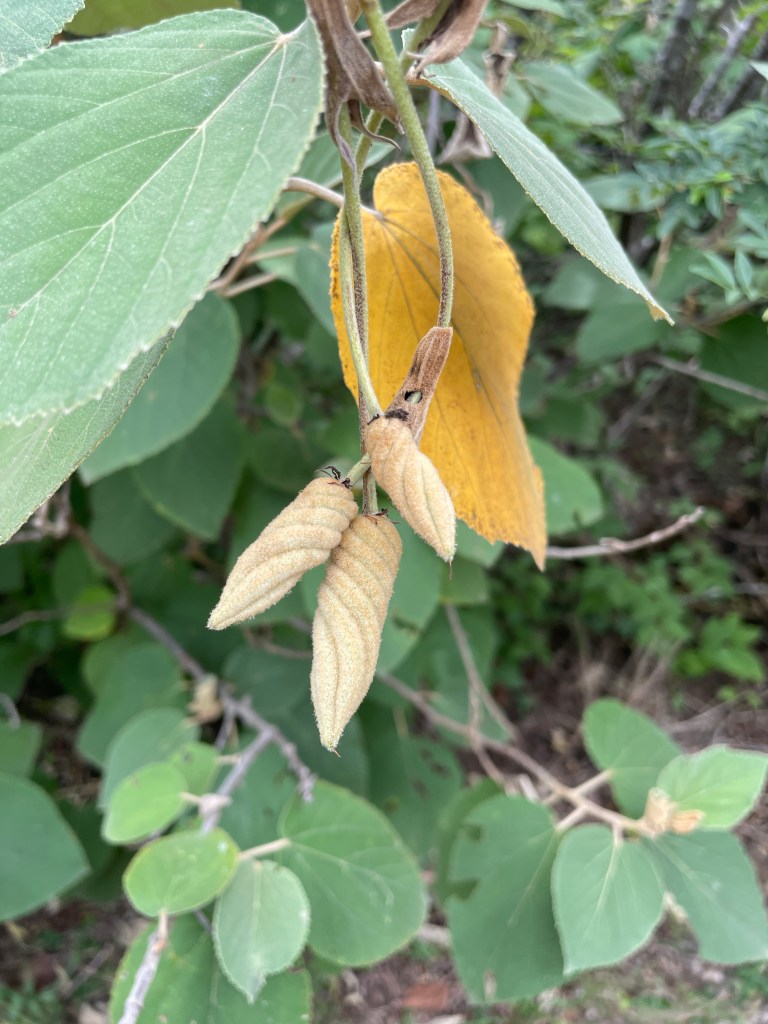
Beyond the geothermal and volcanic wonders, plenty of beautiful plant and fungal life abounded.
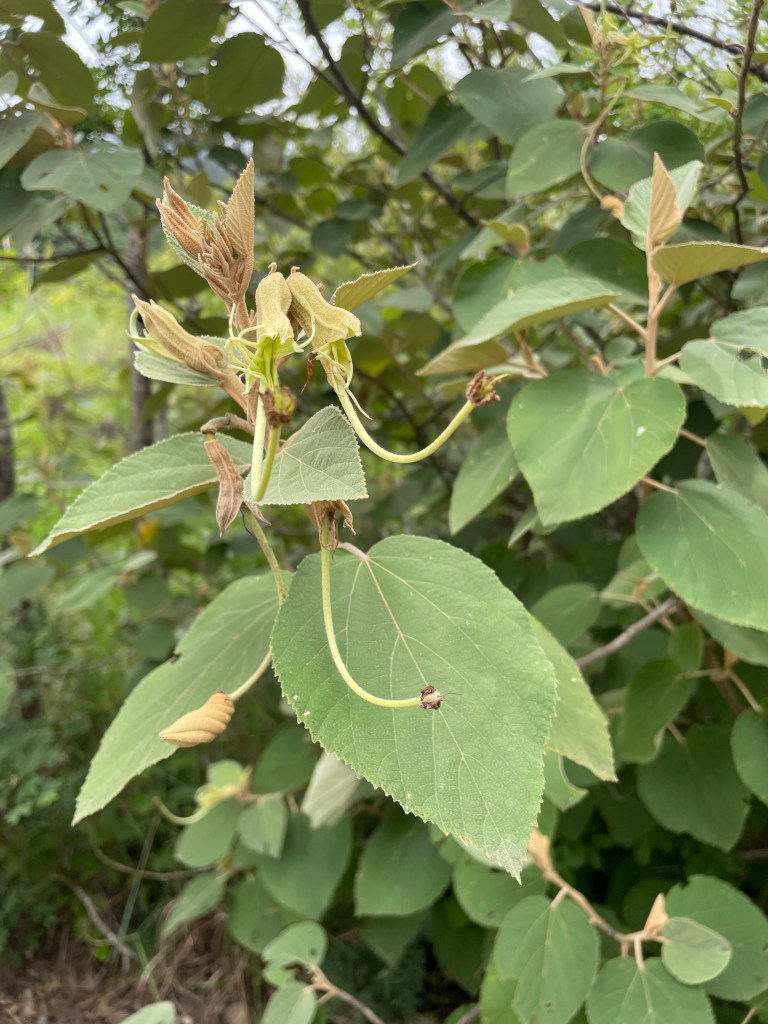
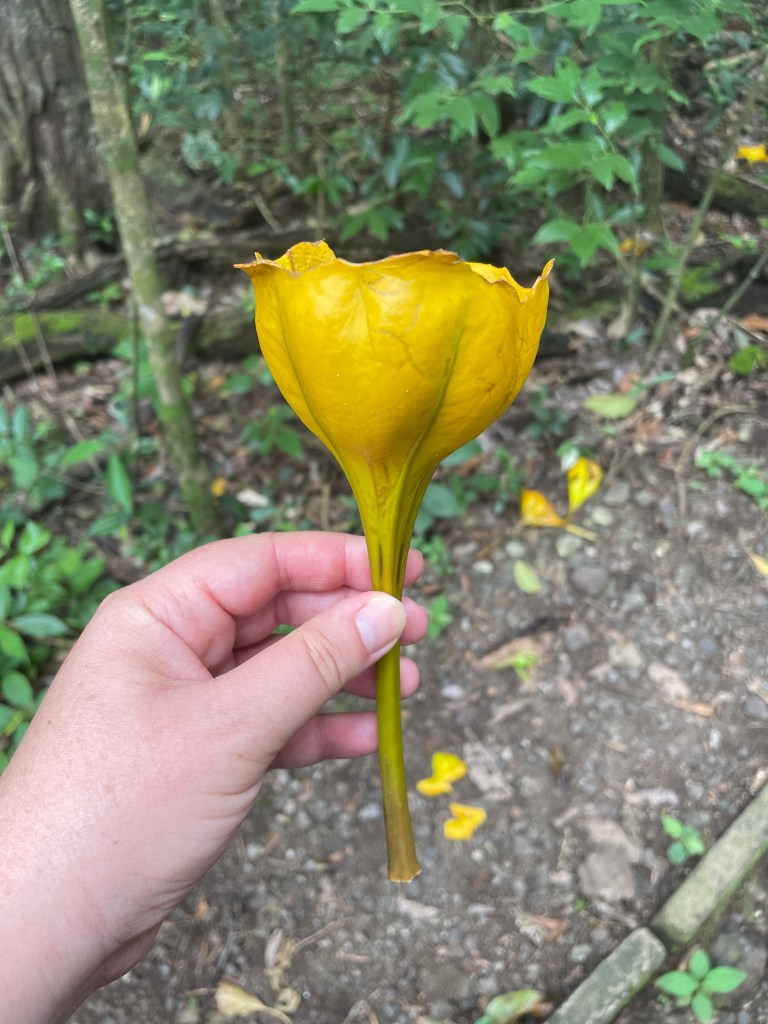
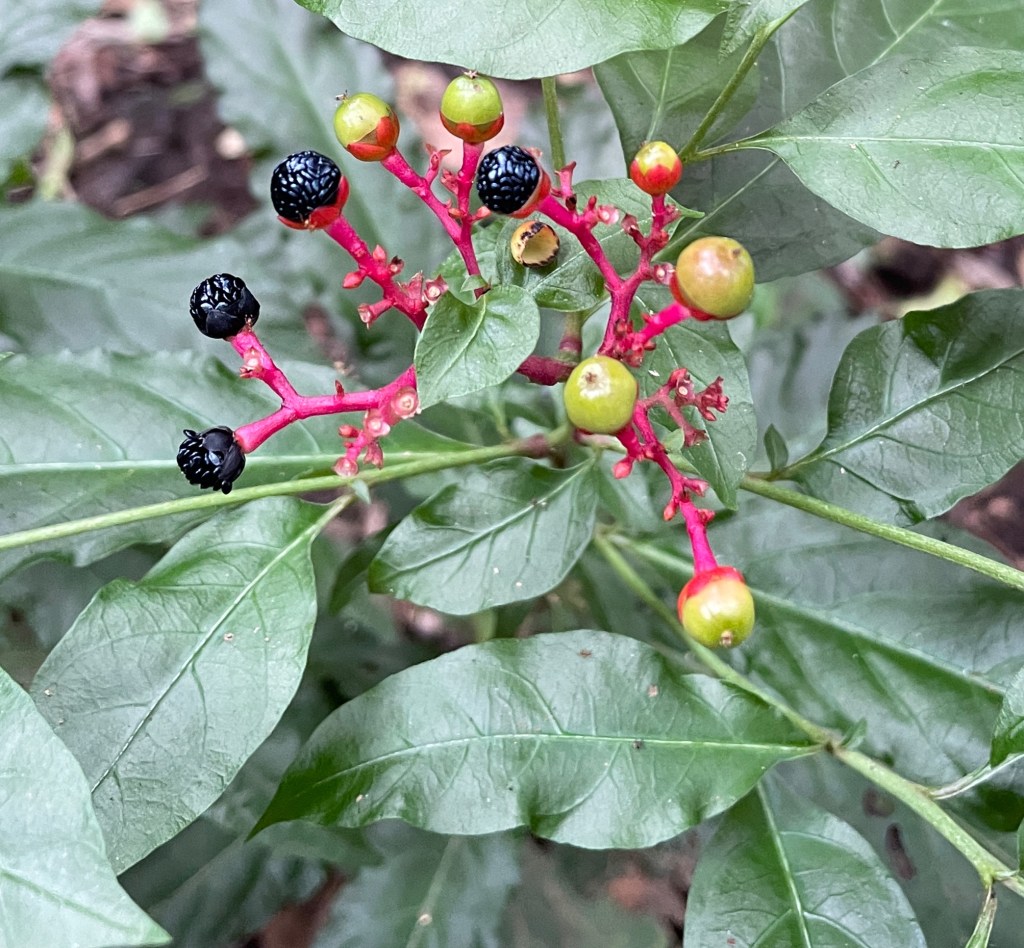
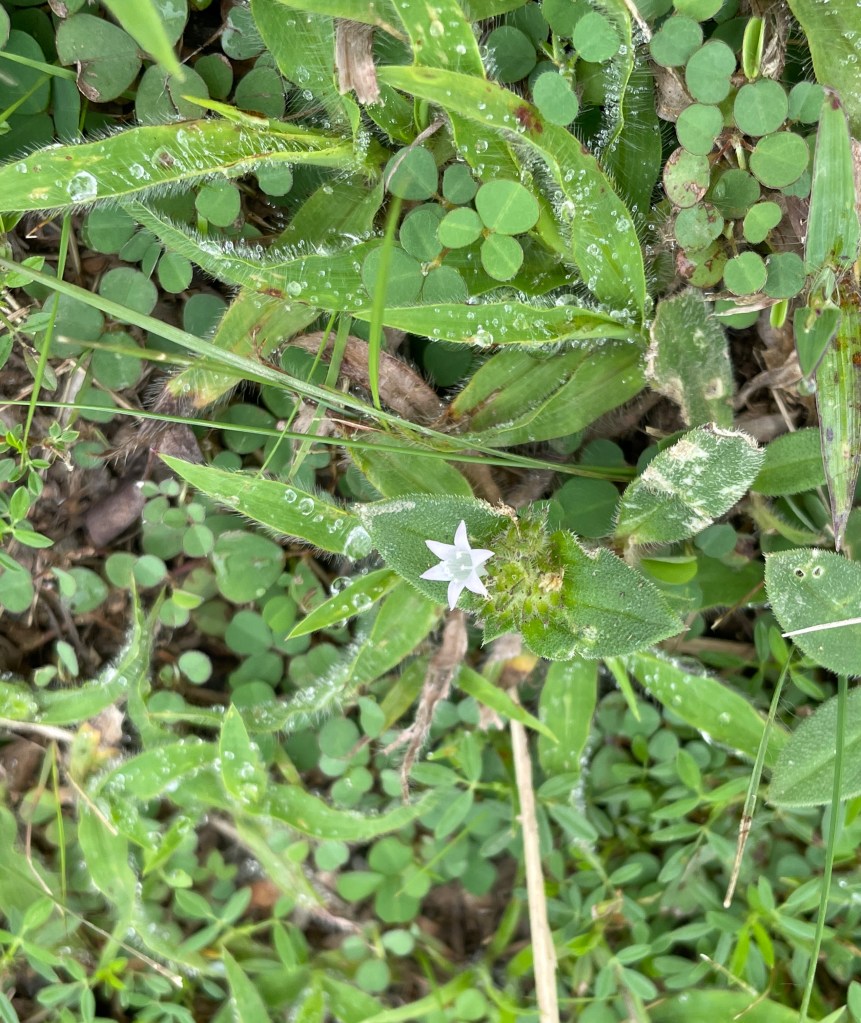
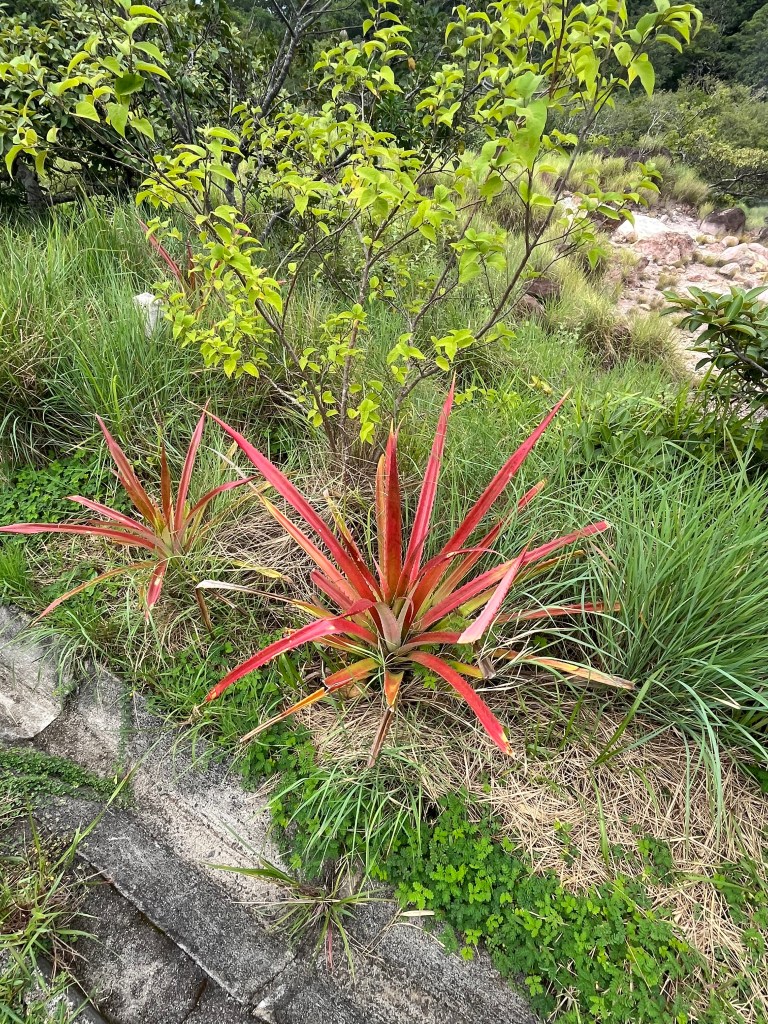
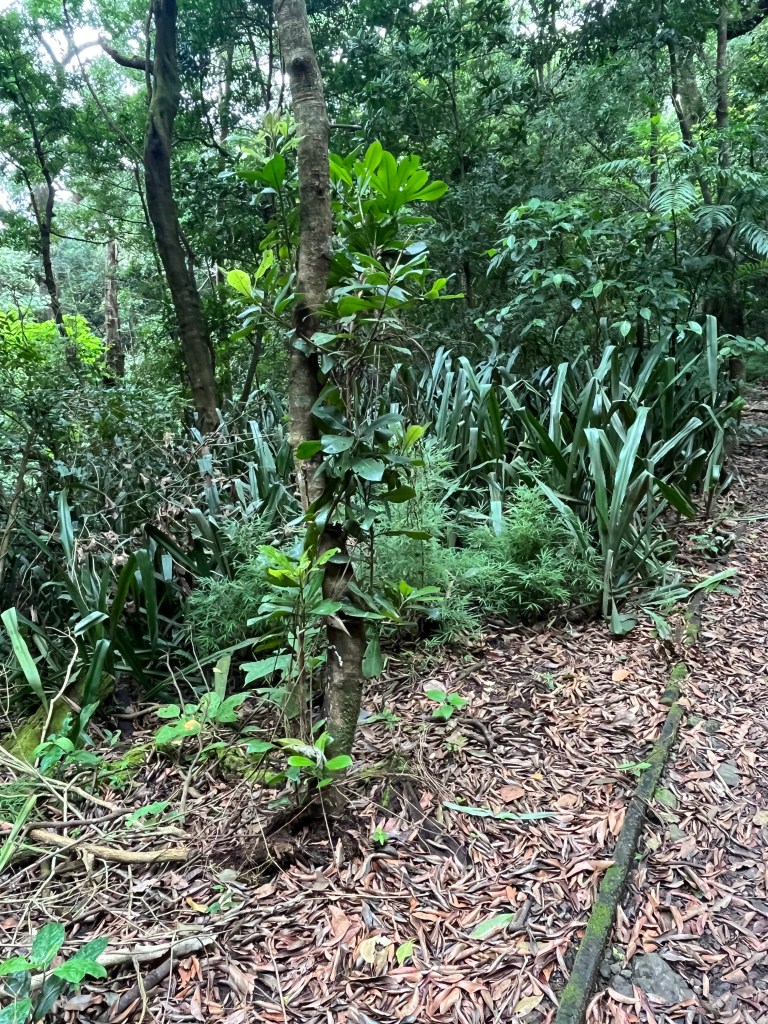
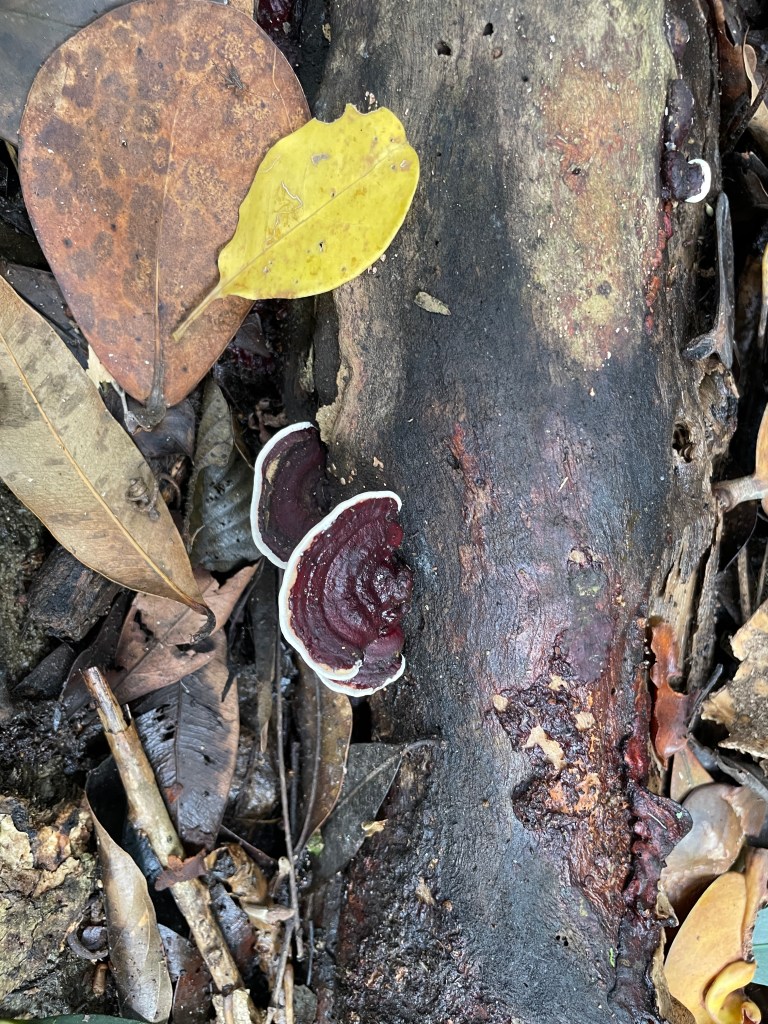
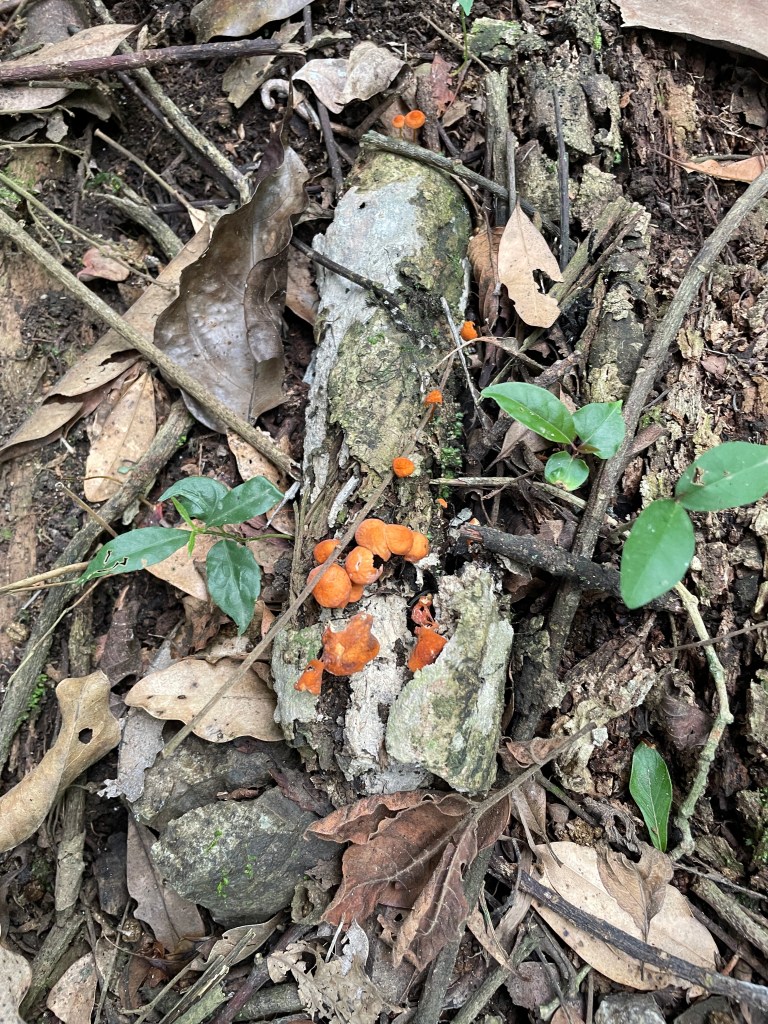
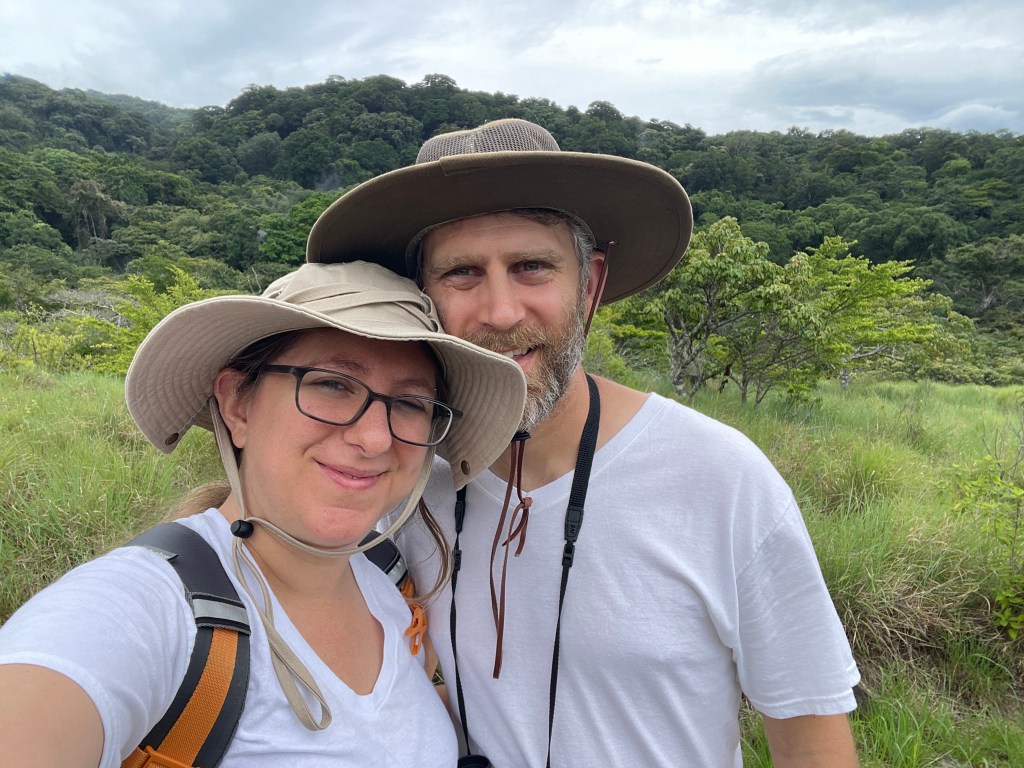
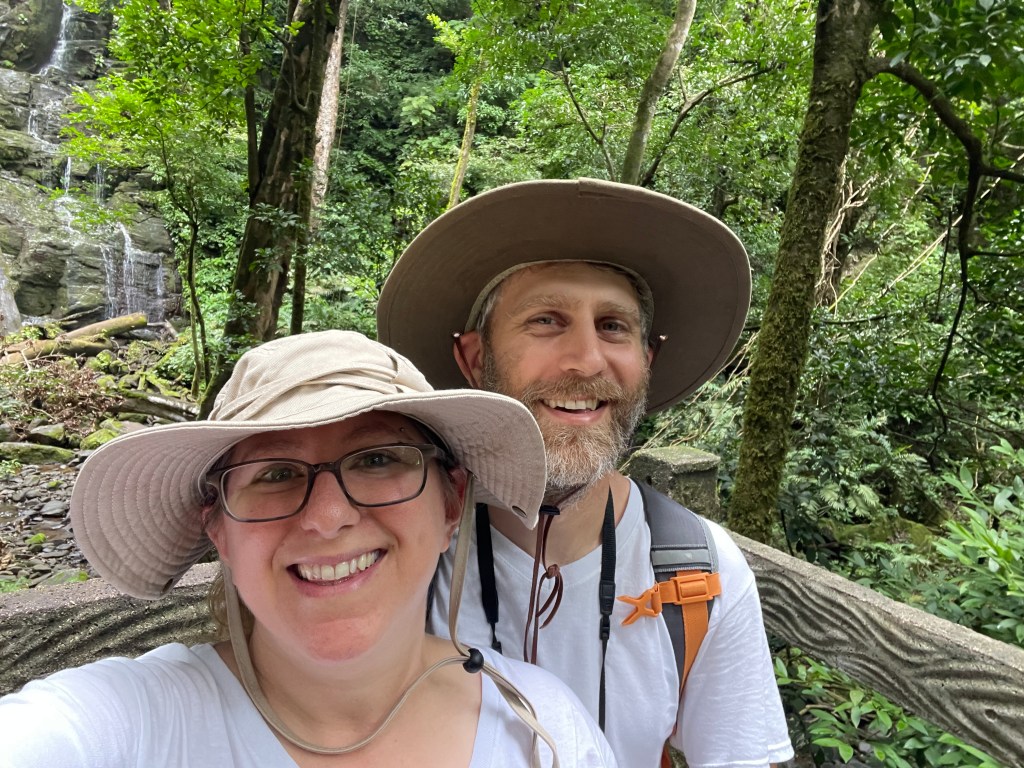
There was a beautiful waterfall and plenty of chances to take selfies and other fun photos.
There was also a lot of wildlife experiences we were able to have, mostly through hearing a variety of bird species. We did manage to get some video of a Lineated woodpecker.
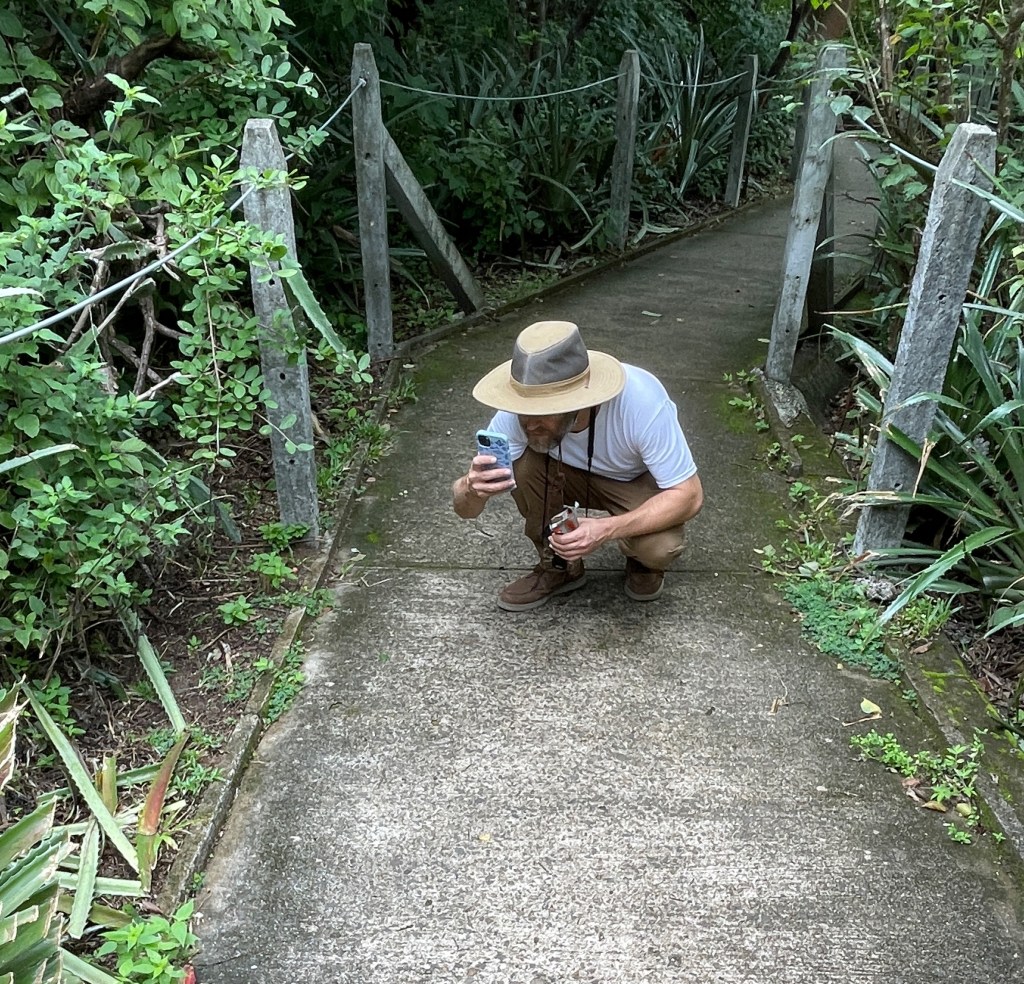
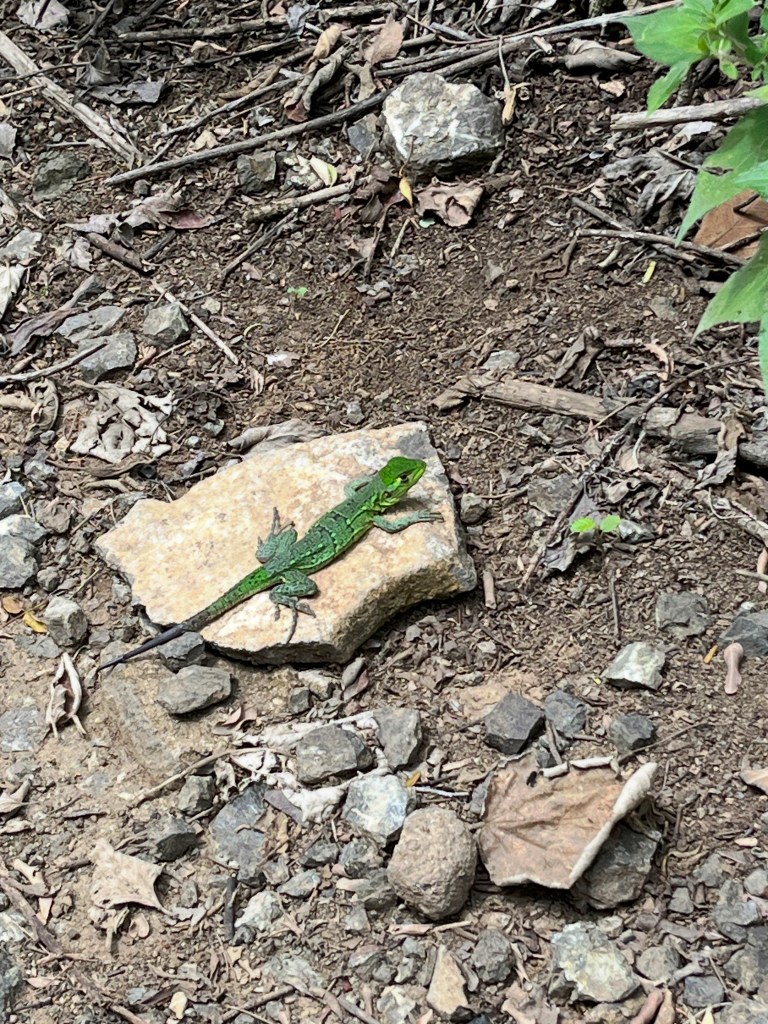
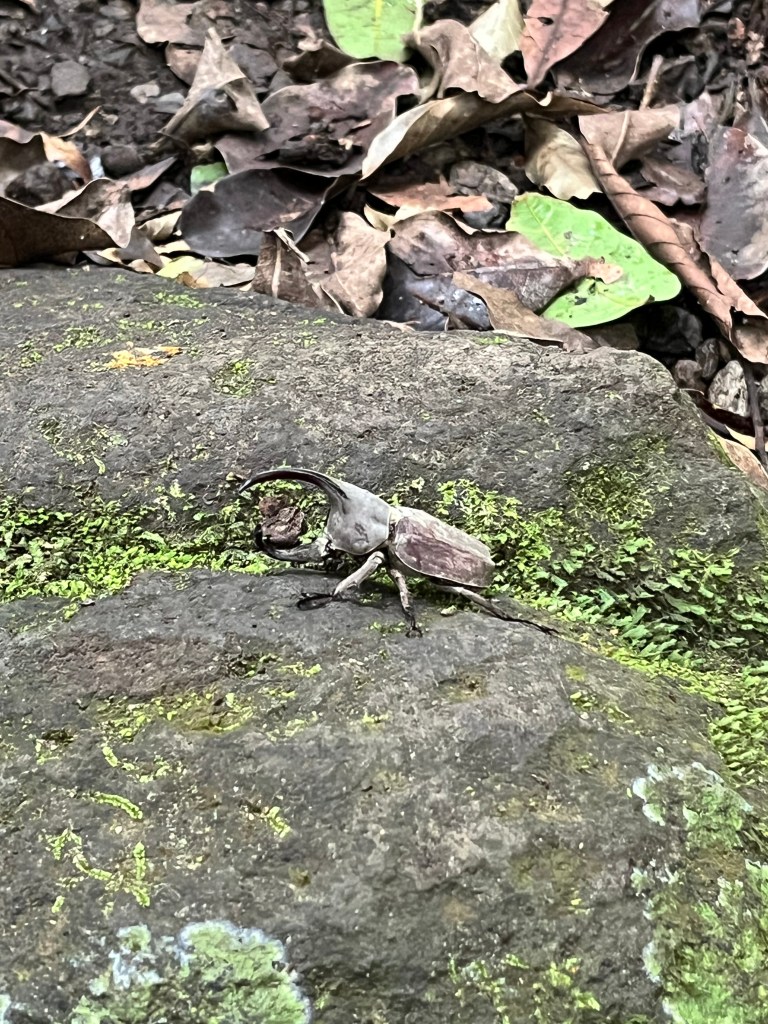
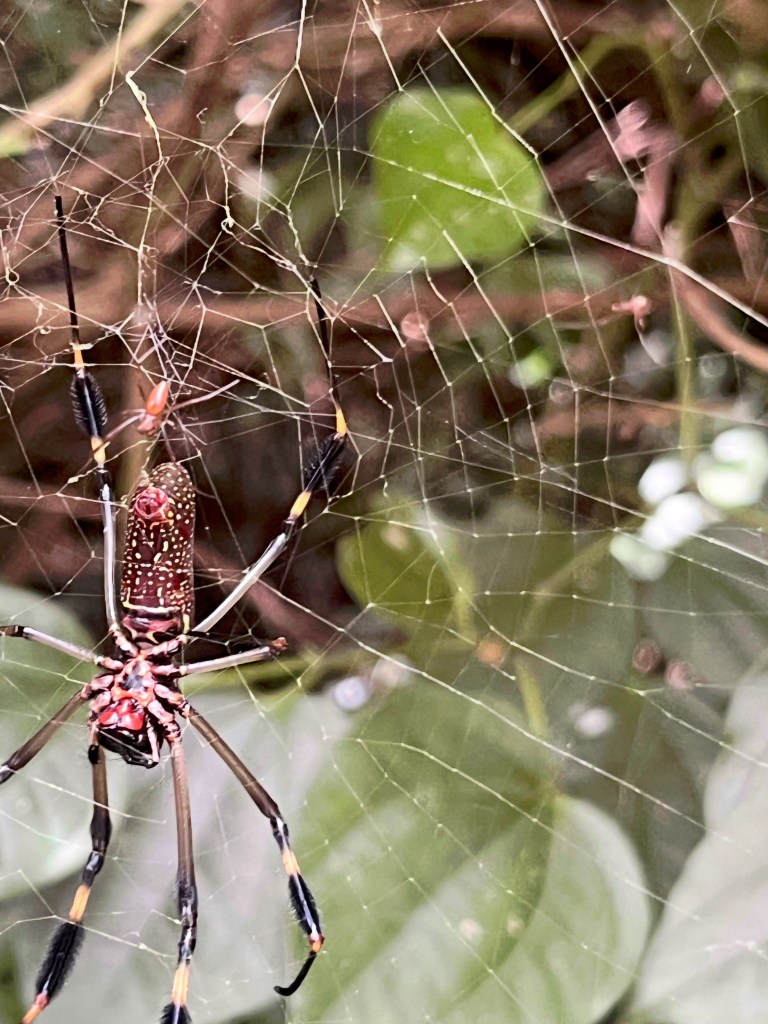
We were able to capture some special moments with non-avian fauna too. We saw lizards, a Hercules beetle, and a species of orb-weaver spider known only by its scientific name: Leucauge argyra.
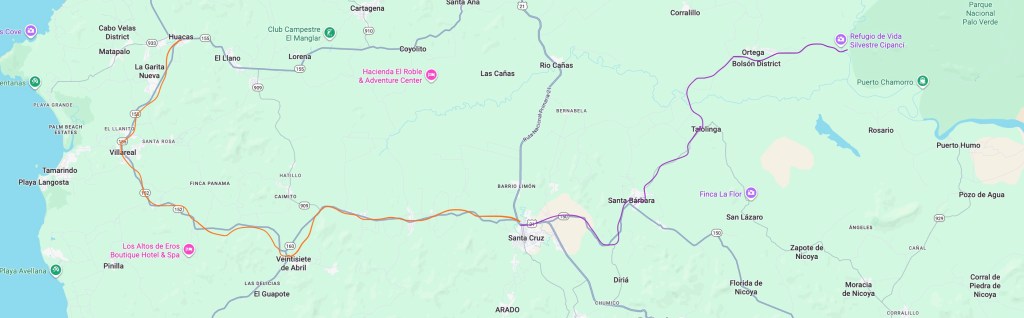
After a few days in the highlands around Guayabal, we headed south to the city of Santa Cruz for a few days. We stayed in this town due to its proximity to Parque Nacional Palo Verde. The overall character of the roads along the way to Santa Cruz were paved and well-maintained (a rarity in Costa Rica).
The route to Parque Nacional Palo Verde consisted of mostly unpaved and gravel roads through fields and cattle farms until we reached the town of Ortega, where we met our guides.
Parque Nacional Palo Verde protects one of Costa Rica’s longest rivers, and the largest river in the Guanacaste Province: the Tempisque.
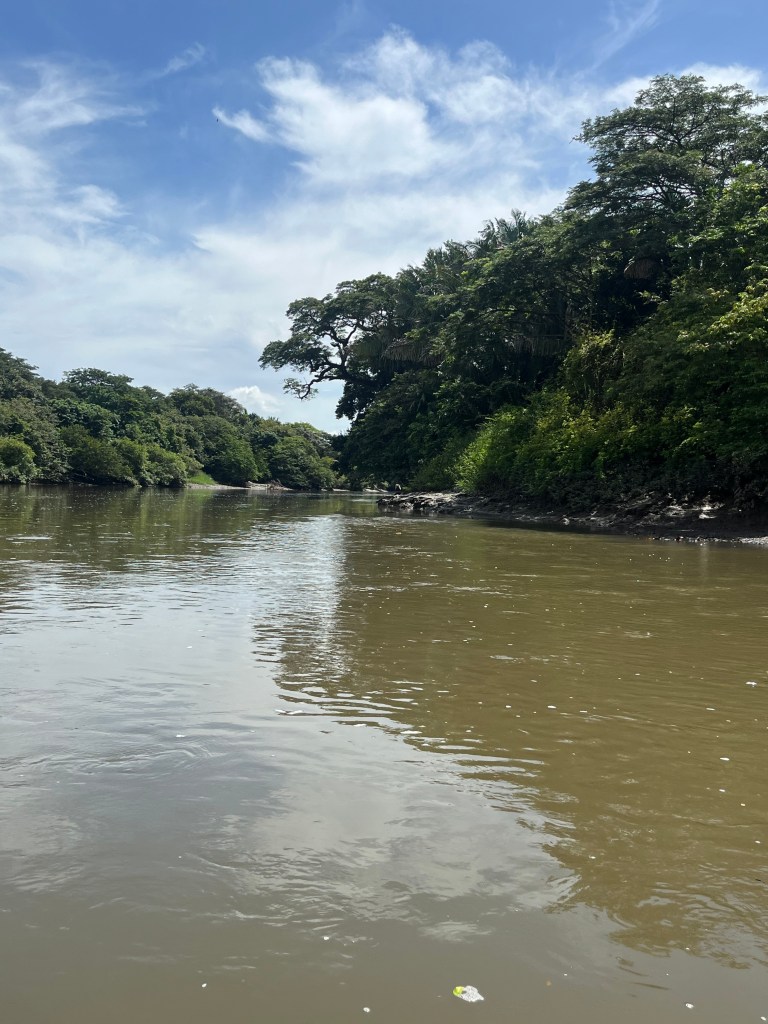
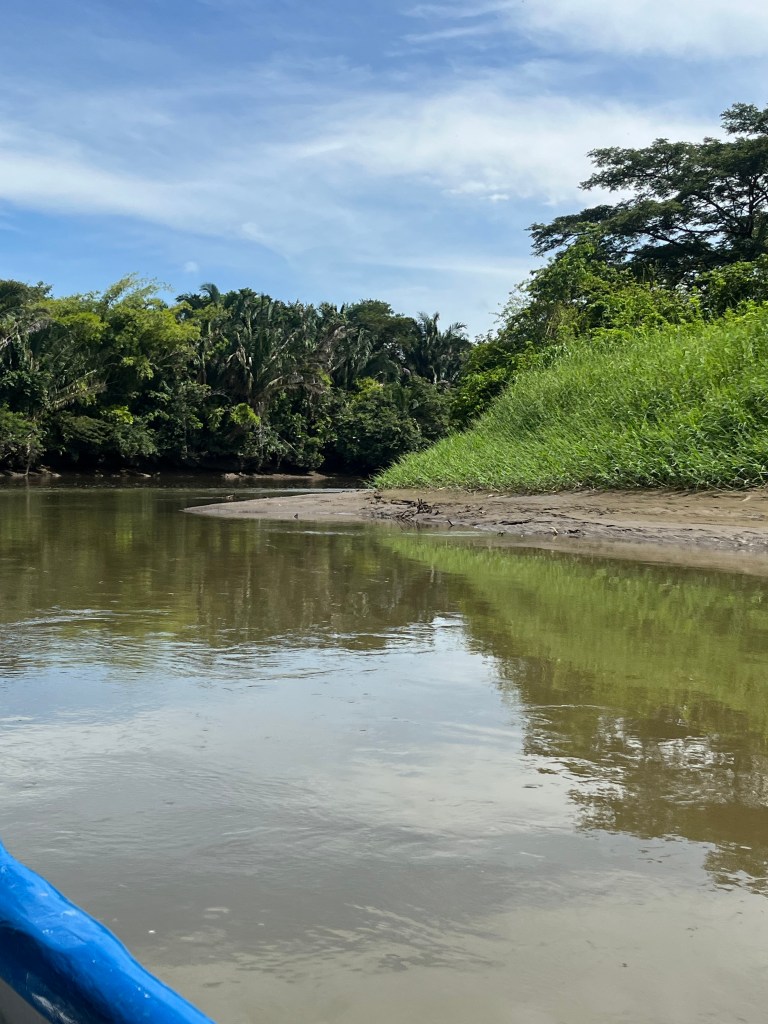
This river flows into the Pacific Ocean from the highlands in Alajuela Province. As it winds through the park, it becomes brackish and hosts both mangrove forests and one of the largest extents of tropical dry forest in the country. Tropical dry forests are not as biodiverse as tropical wet forests (rainforests) or cloud forests. However, as with most environs in the global tropics, they still host an astounding variety of life and are far more biodiverse than their mid or high-latitude counterparts. Our tour guide took us by boat through a stretch of the Tempisque that afforded us one of the best days of wildlife viewing we have had since we arrived in Costa Rica. In fact, the wildlife experiences in Palo Verde were topped thus far only by Yaxha in Guatemala.
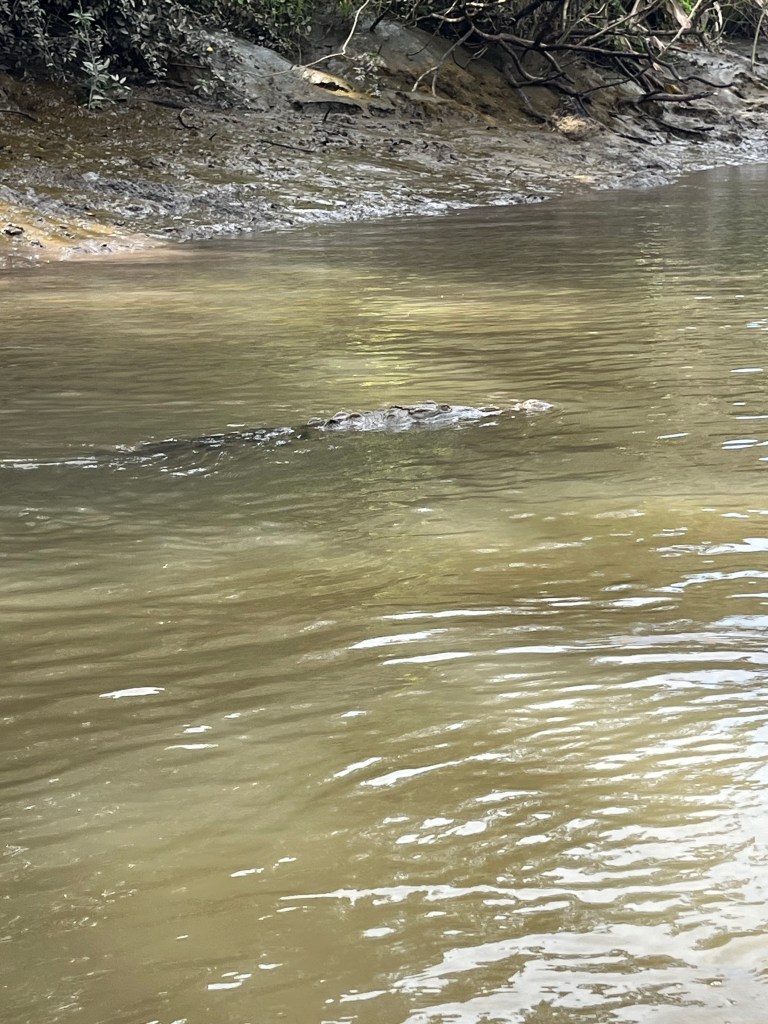
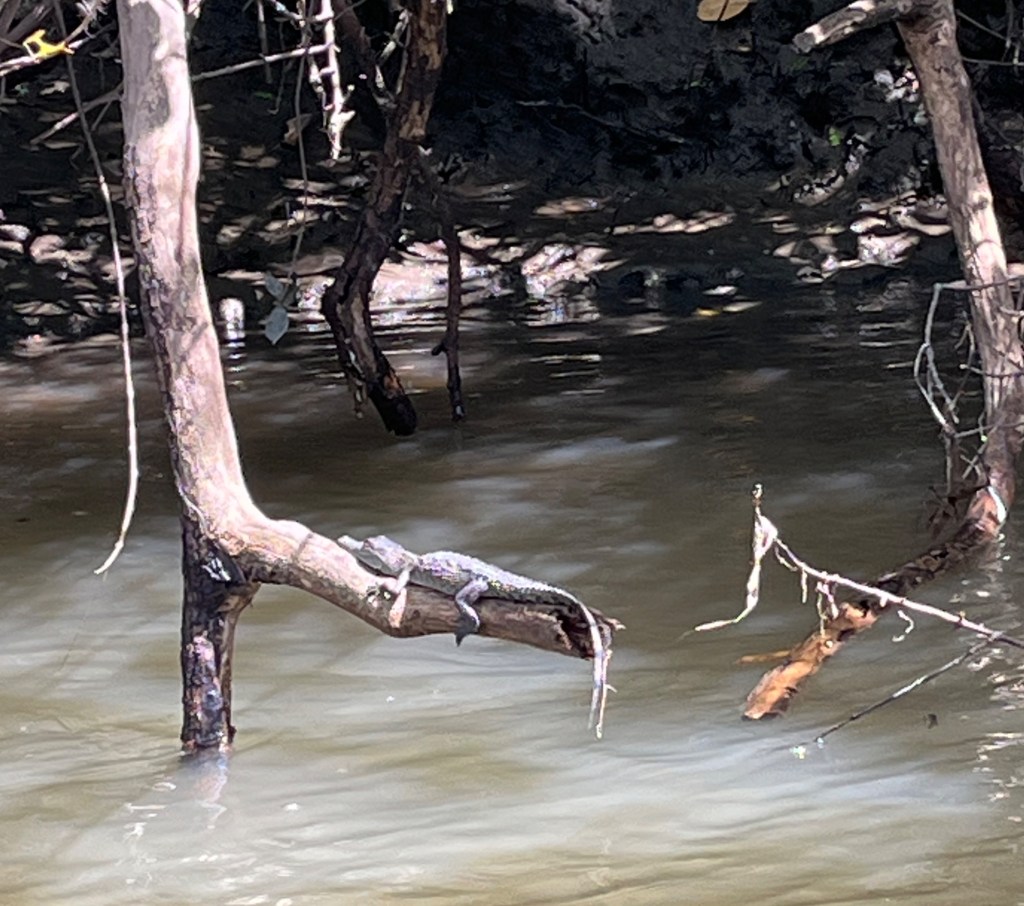
The river was full of American crocodiles. We saw a baby crocodile hanging on a tree and even captured a video of a large individuals sliding into the water.
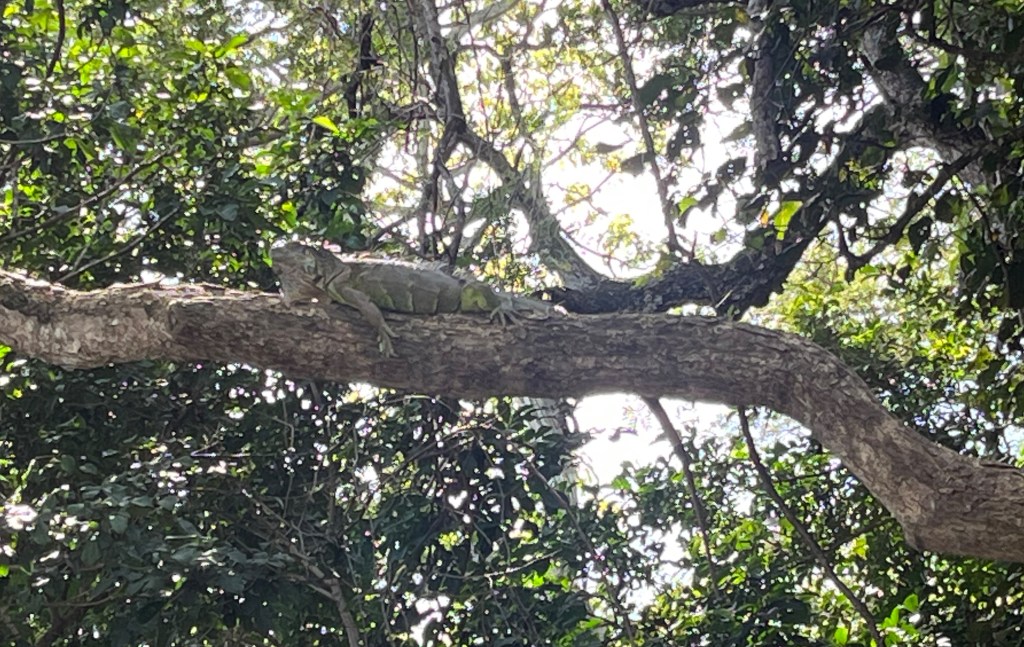
Speaking of reptiles, Green iguana were all over the park. We spotted adults lazing in the trees and young males hanging out on the river bank.
We spotted one of Costa Rica’s three native species of Basilisk lizards, a Brown basilisk, which also goes by the name of the Jesus Christ lizard due to its ability to walk along the surface of water. We did not capture it walking in water, but we were able to capture one walking with its unusual gait.
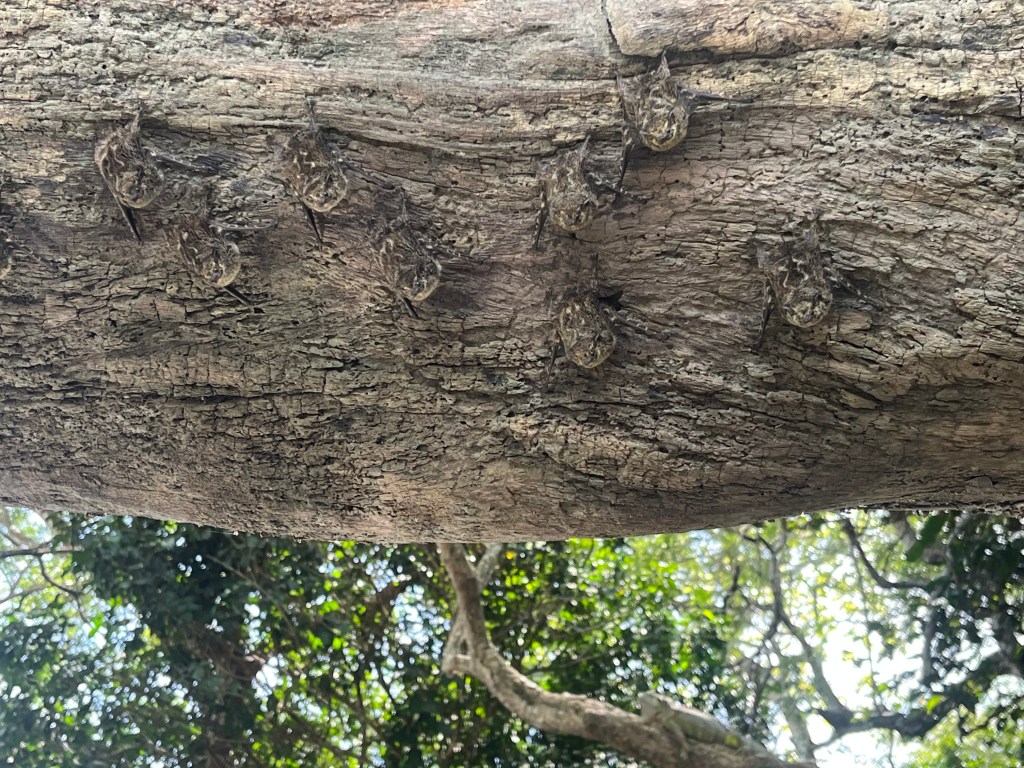
Besides reptiles, we spotted Proboscis bats hanging out on a mangrove tree.
We also saw tons of bird life, as the river and its forests provide great feeding and sheltering opportunities specifically for wading birds.
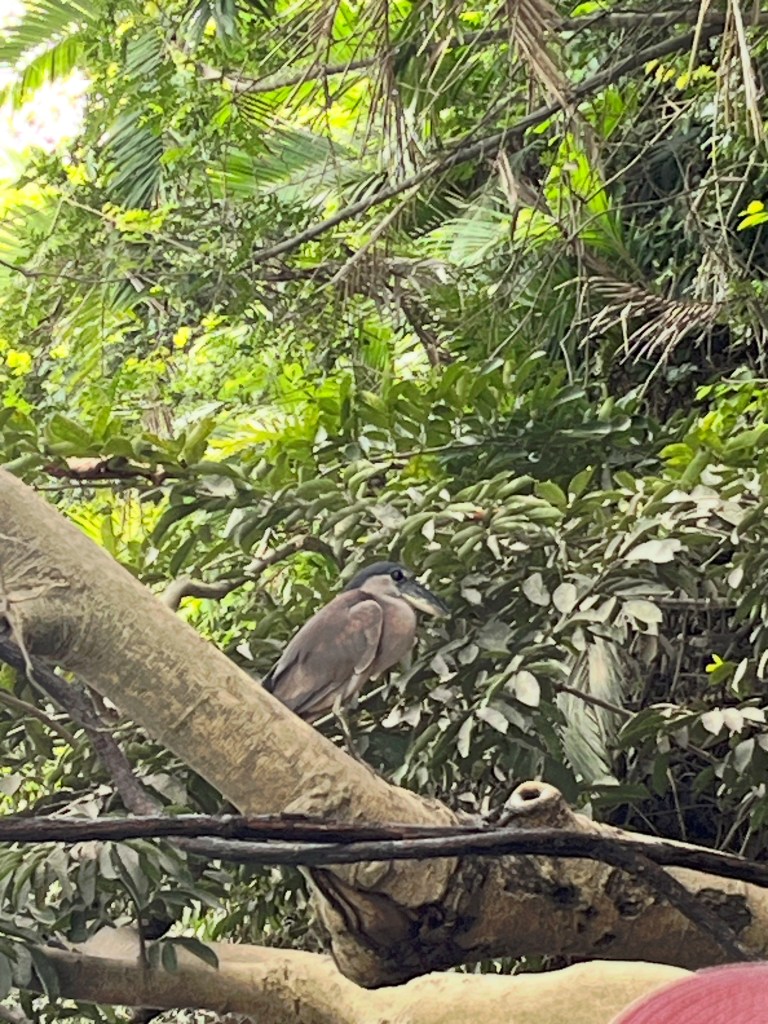
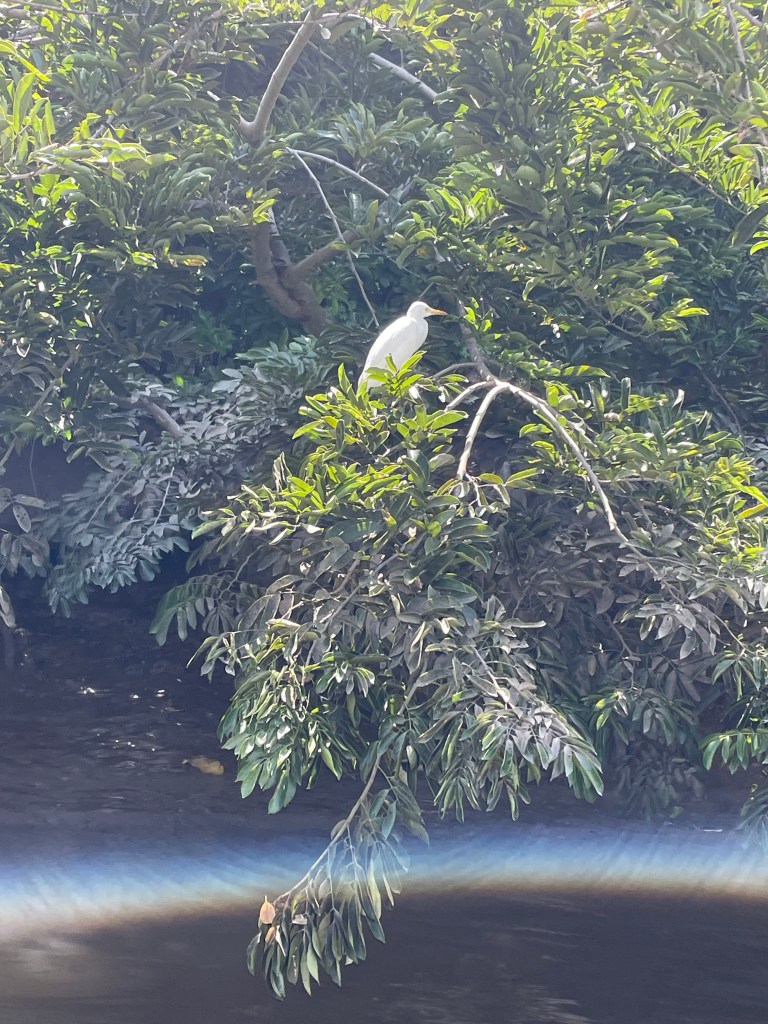
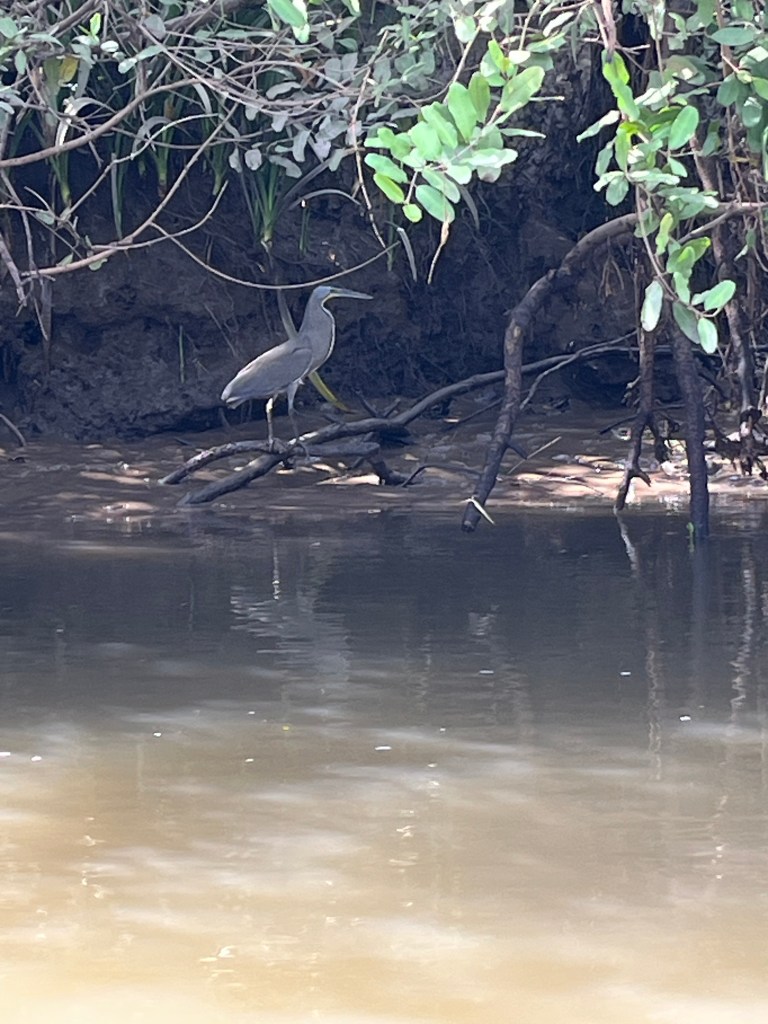
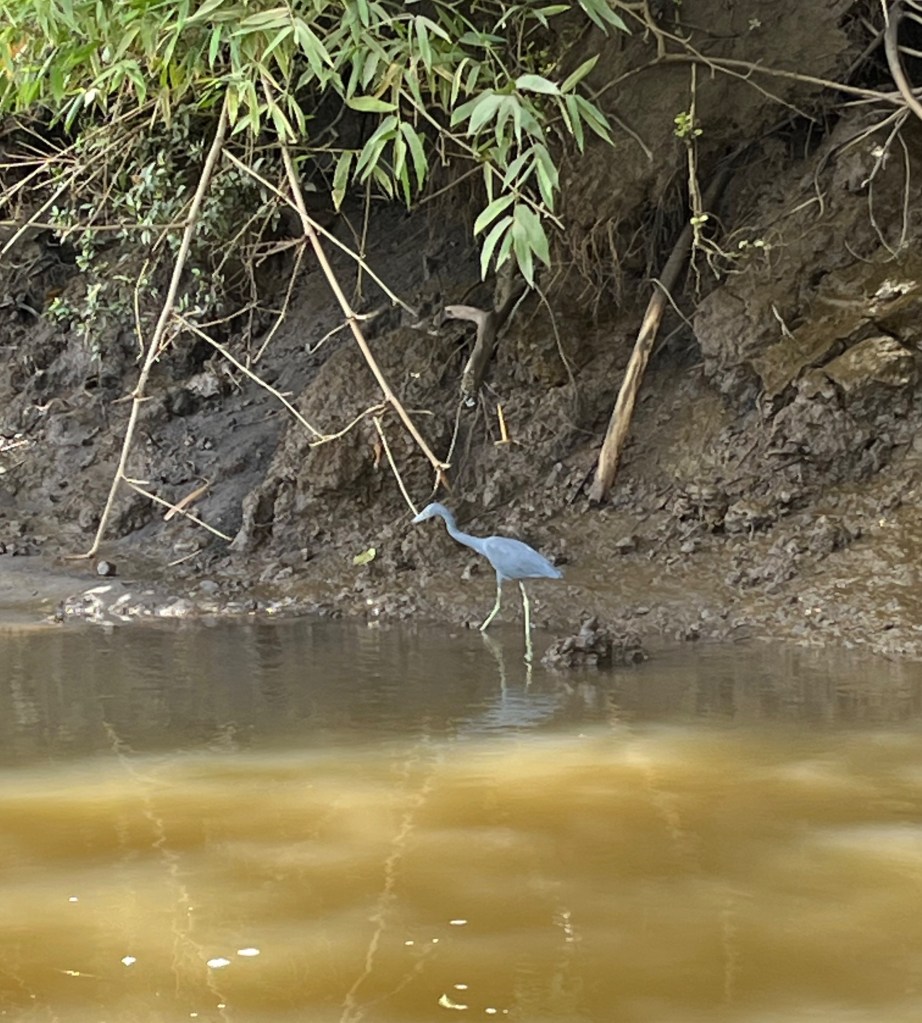
In fact, we were able to capture a video of a Green Heron as well.
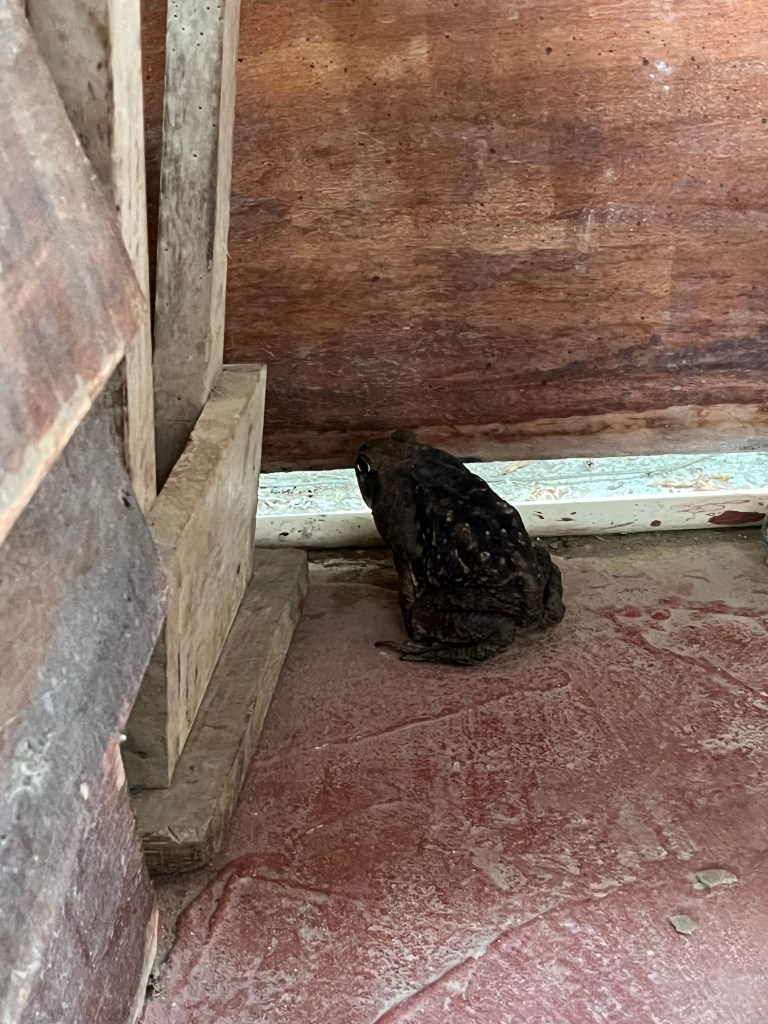
As an extra treat, we saw this Cane toad in the visitor’s center.
As we head out of Costa Rica and to our next destination, I will look back fondly at all the natural wonders and adventures of this amazingly diverse country. See you in our next destination!
Be sure to like, comment and subscribe to Traveling While Introverted so you don’t miss our next post!
 Traveling While Introverted
Leave a comment