After spending just over a month in Costa Rica, it was time to travel to our next destination: Panamá. Since all international flights into the country land in Panamá City, we decided to spend a few days there before traveling to the highlands for our pet sitting gig. So far, we have generally avoided large cities since, typically, the largest cities in Central American nations are not charming and/or dangerous. Panamá City, however, is a notable exception.
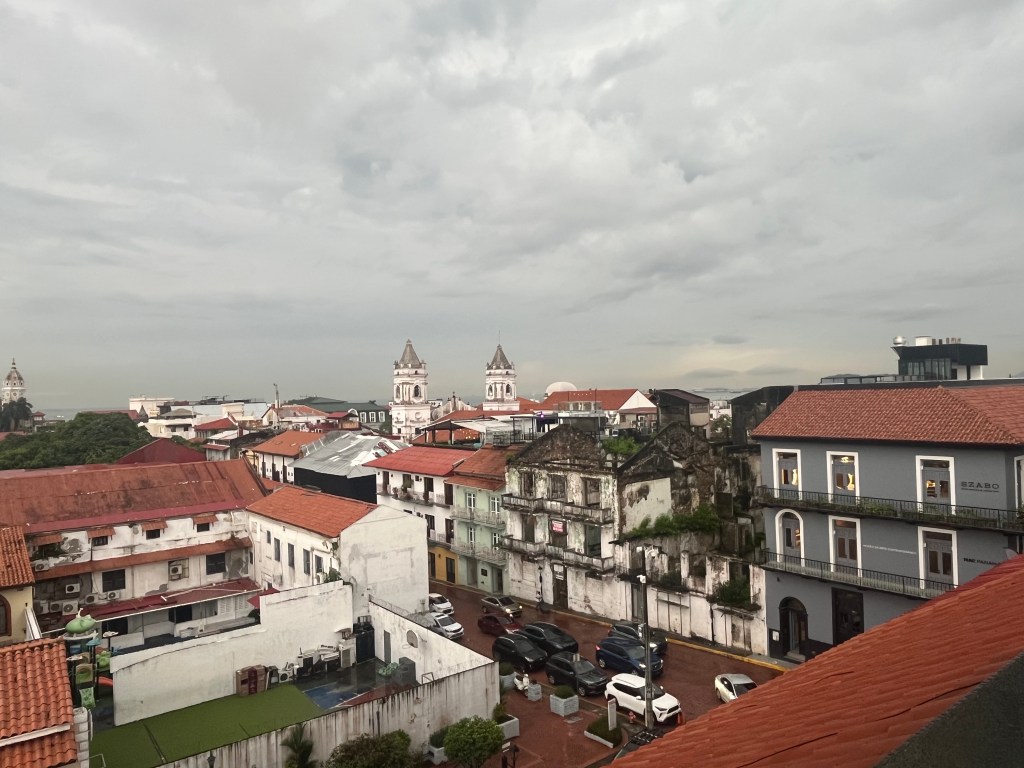
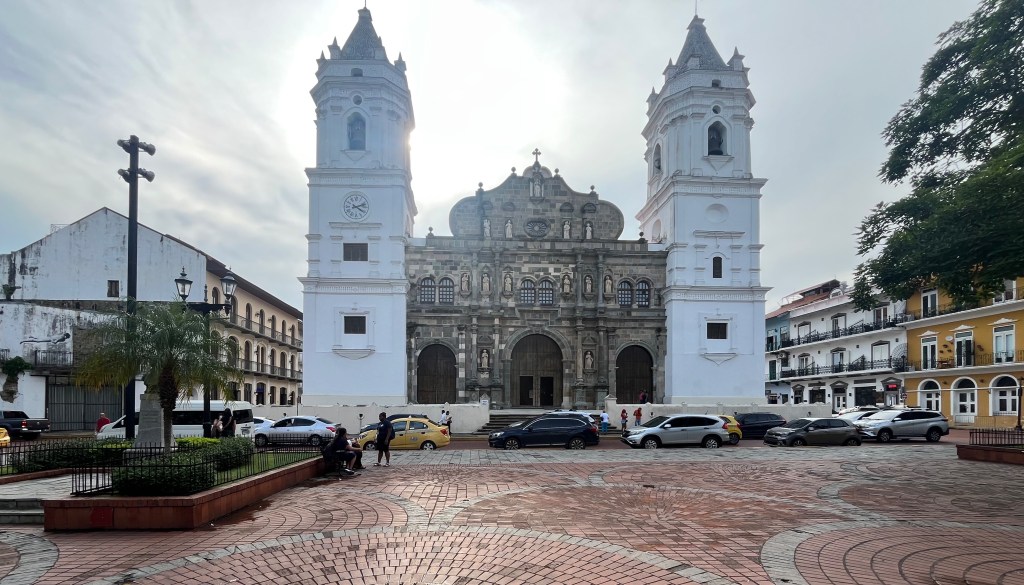
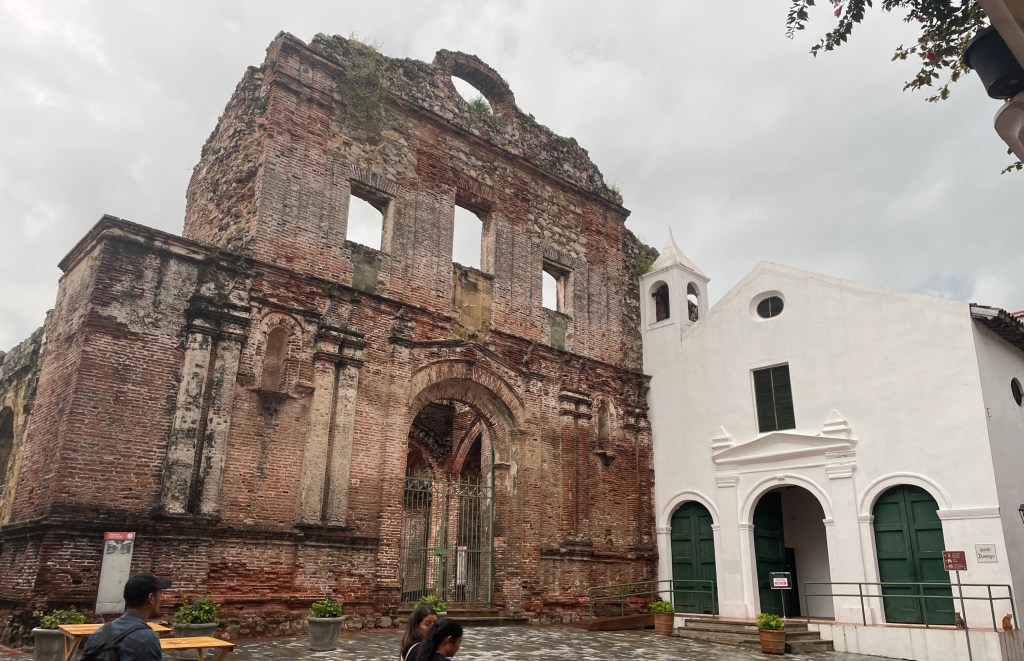
We stayed in a neighborhood called Casco Viejo (“Old Town”), which is an exceptionally safe area since the President’s Mansion is located within it. Once we dropped off our bags at our hotel, we visited a cafe owned by an American expat (and fellow Californian). He shared with us that the neighborhood used to be full of abandoned buildings and squatters until the early 2000s, when the government forced building owners to either sell or remodel. If they failed to comply, the government would repossess the building. Casco Viejo quickly gentrified and became a hot spot for cafes, restaurants, museums, and tourists.
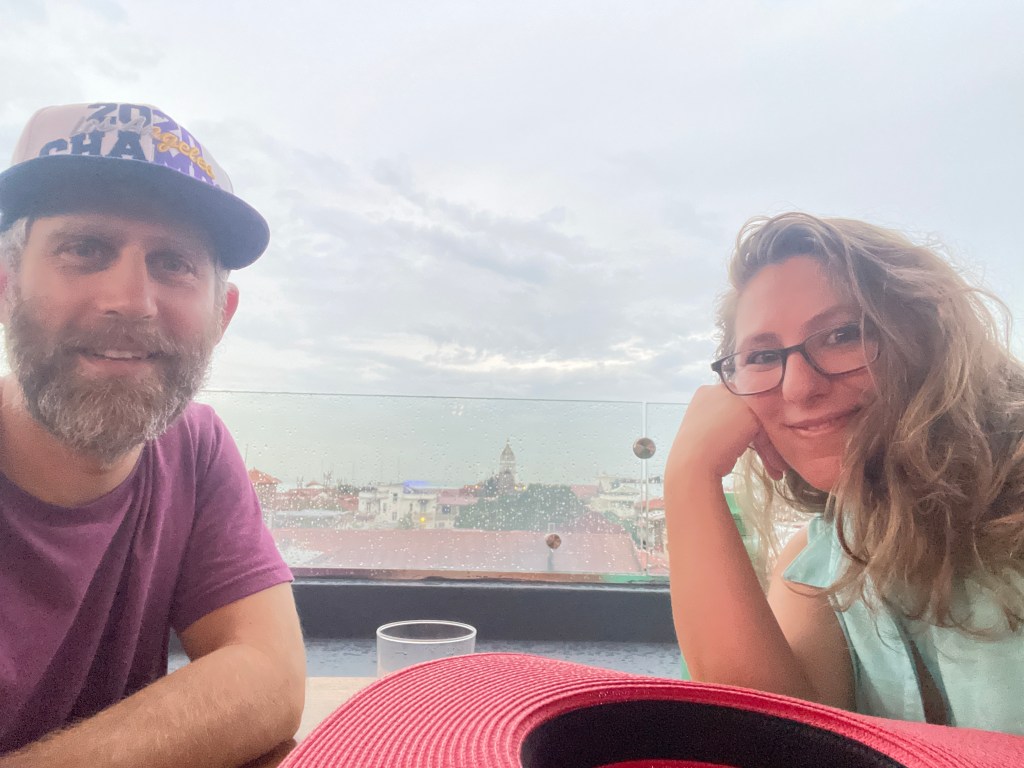
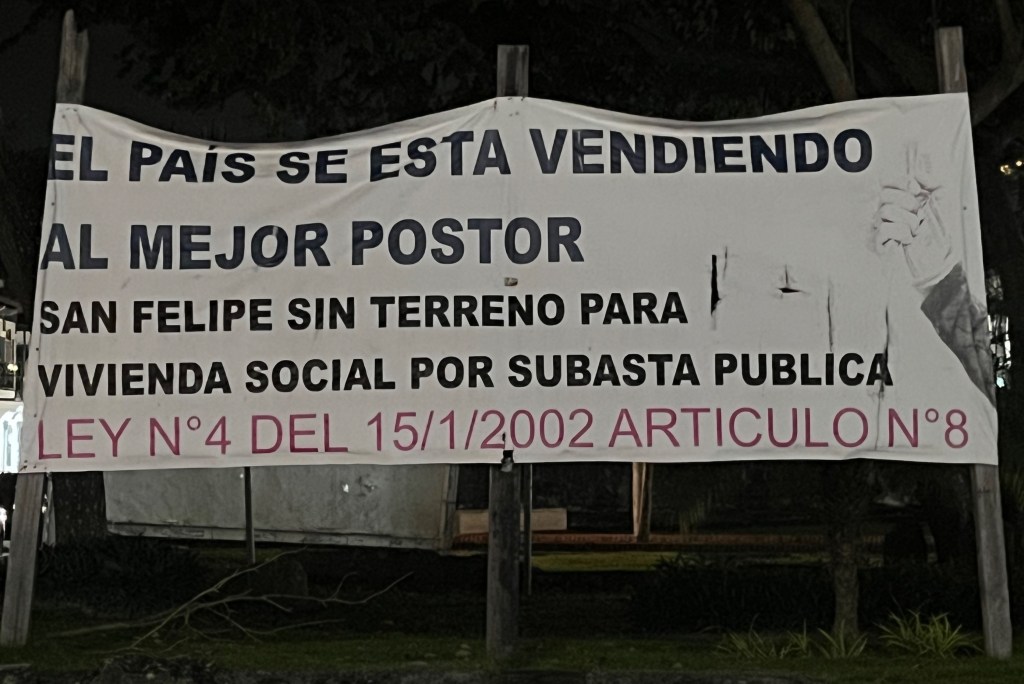
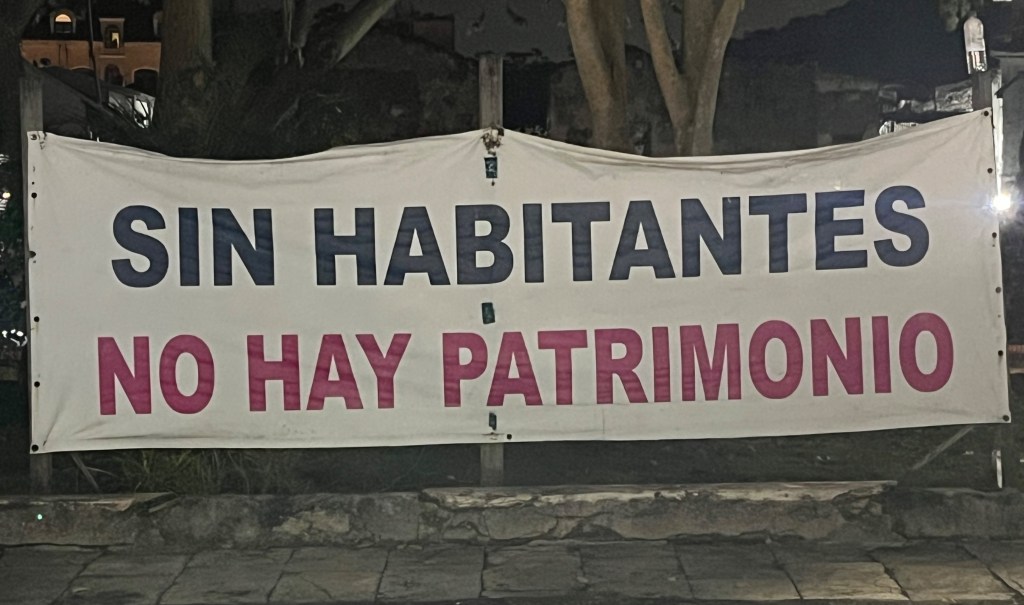
As is the case with so many gentrified neighborhoods, wealthy enclaves abut slums. We quickly discovered this when we searched for a tienda to purchase a SIM card and to drop off our laundry at the lavendería. We couldn’t help but notice the large protest signs pictured below. The sign on the left says: “The county is being sold to the highest bidder. San Felipe without land for social housing due to public auction. [Law number].” (San Felipe is another name for Casco Viejo.) The sign on the right says: “Without inhabitants there is no heritage.”
Since Panamá City is so large and sprawling, we decided to try one those Hop-on/Hop-off buses to get a sense of the city. (Driving in Panamá City is generally considered a horrible idea due to traffic and poor signage, so we didn’t have a car we could hop into and explore on our own.) It was our first time on one of these buses and a worthwhile endeavor. More than anything else, it also confirmed many of the sightseeing plans we had for the city, which we’ll detail below. One of the places we toured was the Panamá Canal, which Adam will detail in his forthcoming post.
Among the places we hopped off the bus for and explored was the Albrook Mall. Yes, that’s right, the mall. Folks who know us will be surprised to read this, but the Albrook Mall is the largest mall in Latin America and the 25th largest in the world. Plus, it was so sticky hot outside, it was a relief to be in air conditioning for a few hours. Perhaps our favorite part was that each section has a different color scheme and animal to help guide people through such a big space. Funnily enough, only a few of the animals are native to the Americas. We were dropped off at the Kangaroo Section, for example. (For a rundown of the food court, check out Yahm’s forthcoming post.)
One of the significant differences we noticed between Guatemala and Costa Rica compared to Panamá is a determined embrace of Panamanian culture and history. It makes sense if you think about it: Guatemala is a poorer country which makes building statues, museums, and other institutions for public memory a low priority. (Though Guatemala does have a Holocaust Museum.) Costa Rica, on the other hand, prioritizes eco-tourism above all else and while there are grassroots efforts to preserve and protect cultural memory, it does not seem to be a country-wide priority. Panamá’s history is complex and fraught; it is not surprising there are so many opportunities to learn about the country pretty much anywhere you go.
As such, we visited the Mola Museum in Casco Viejo that is dedicated to educating and preserving the textiles of the Guna People, an Indigenous people in Panamá. The molas are the textiles that the Guna women create for themselves. Below you can see a few photos of the intricate patterns they hand stitch using a reverse appliqué technique. In other words, layers of fabric are sewn on top of one another and cut out so that colors peak through. This is similar to how watercolor art paints shadows first and then layers of light are added. The designs have profound significance and they both protect and honor the women who wear them. The museum is small but free, and we highly recommend visiting if you’re in town.
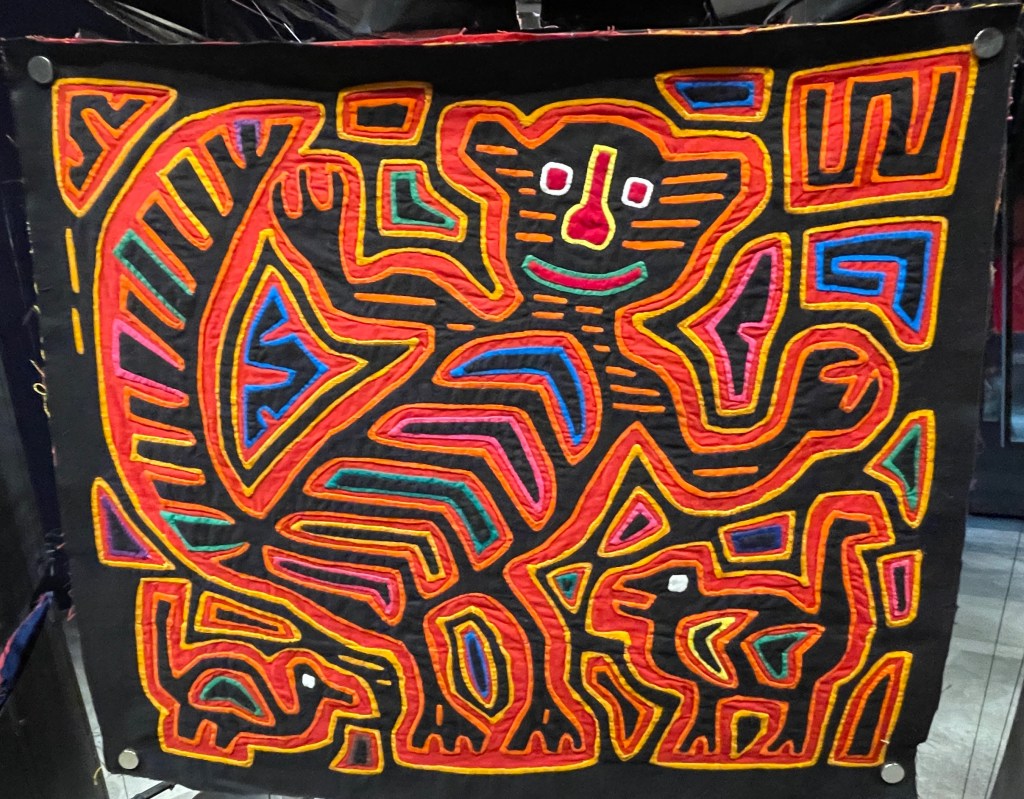
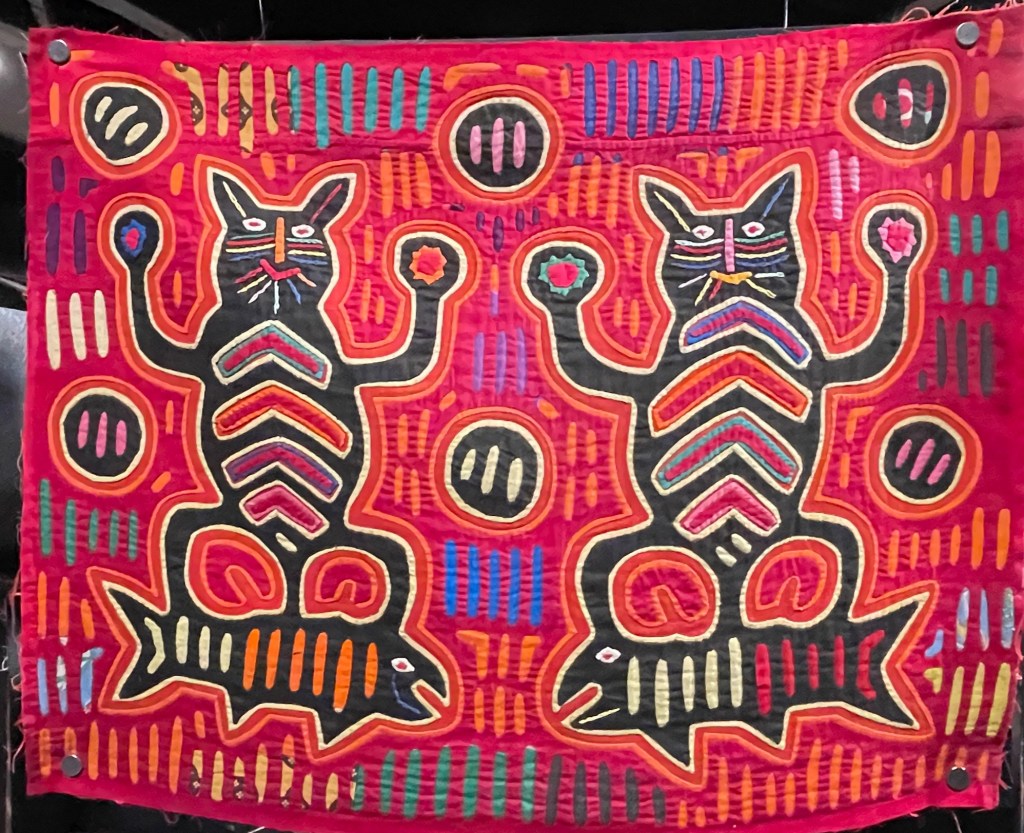
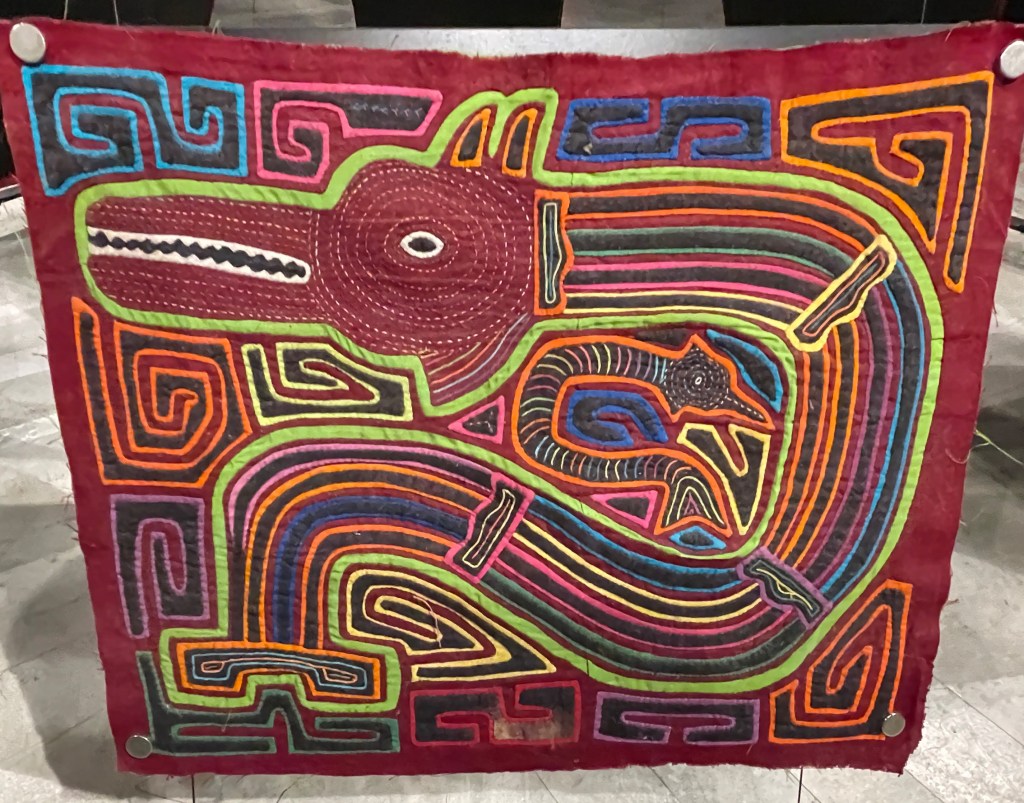
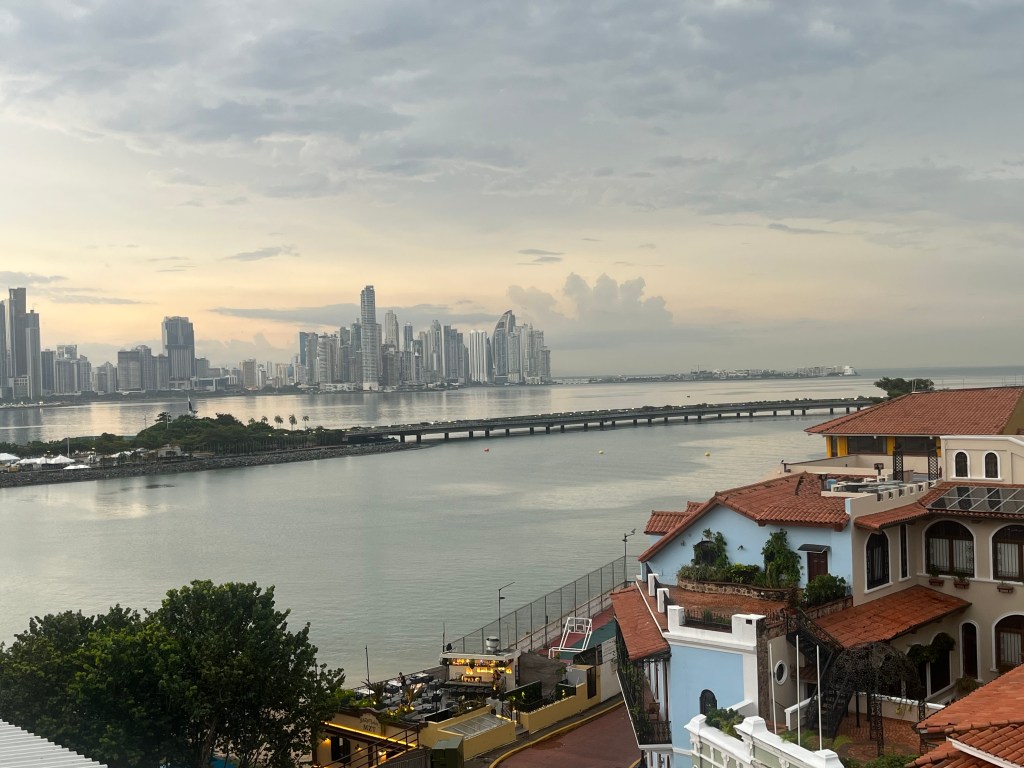
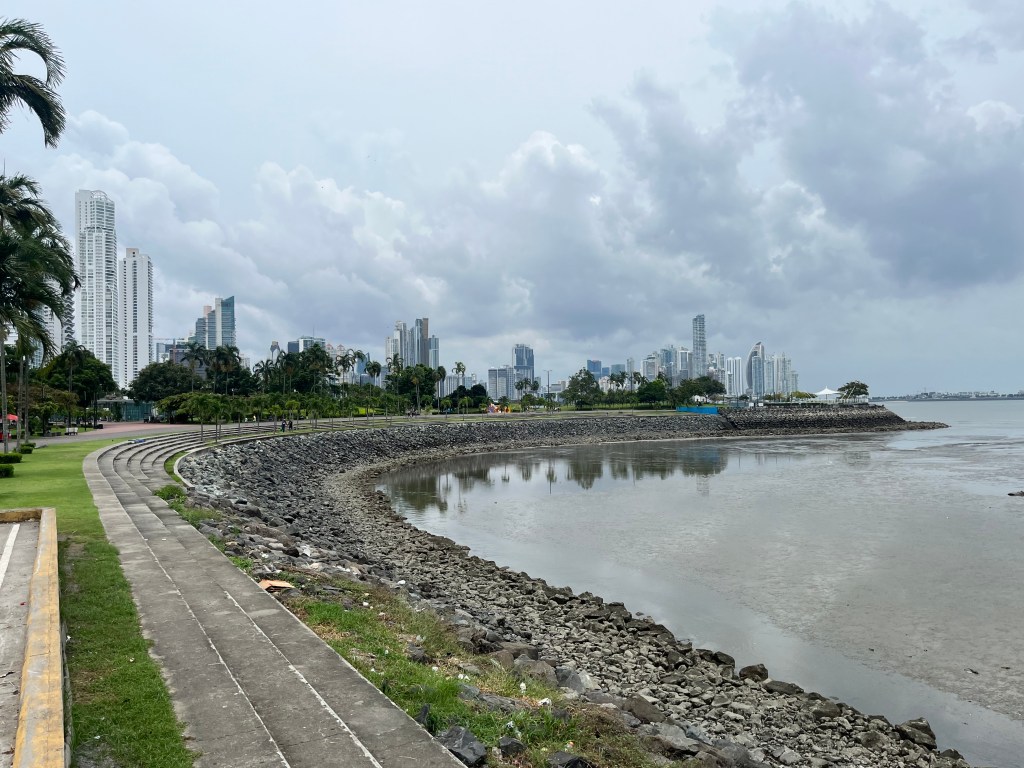
While being so close to the equator means that the city is extremely hot and humid, we still managed to enjoy some outdoor activities. Panamá is an isthmus: a narrow piece of land surrounded by water on two sides connecting two larger land masses (i.e., North and South America). It is not surprising, then, that its cosmopolitan center, Panamá City, has a boardwalk. In fact, it’s not just a boardwalk, but a causeway that connects three islands made from the rock that was dug up while the Panamá Canal was being built. Being tourists, we rented bikes and rode up and down the Amador Causeway, enjoying the views and trying not to be tempted by every vendor selling ice cream and hot dogs.
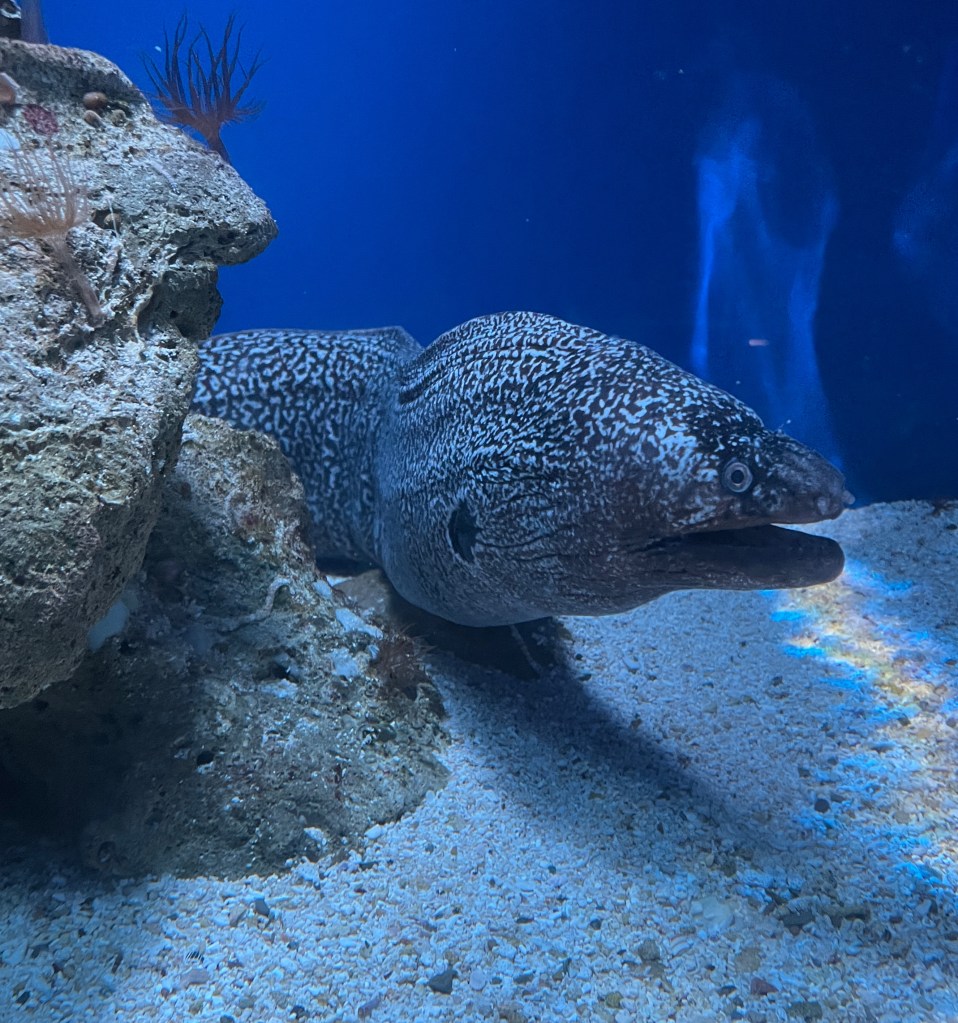
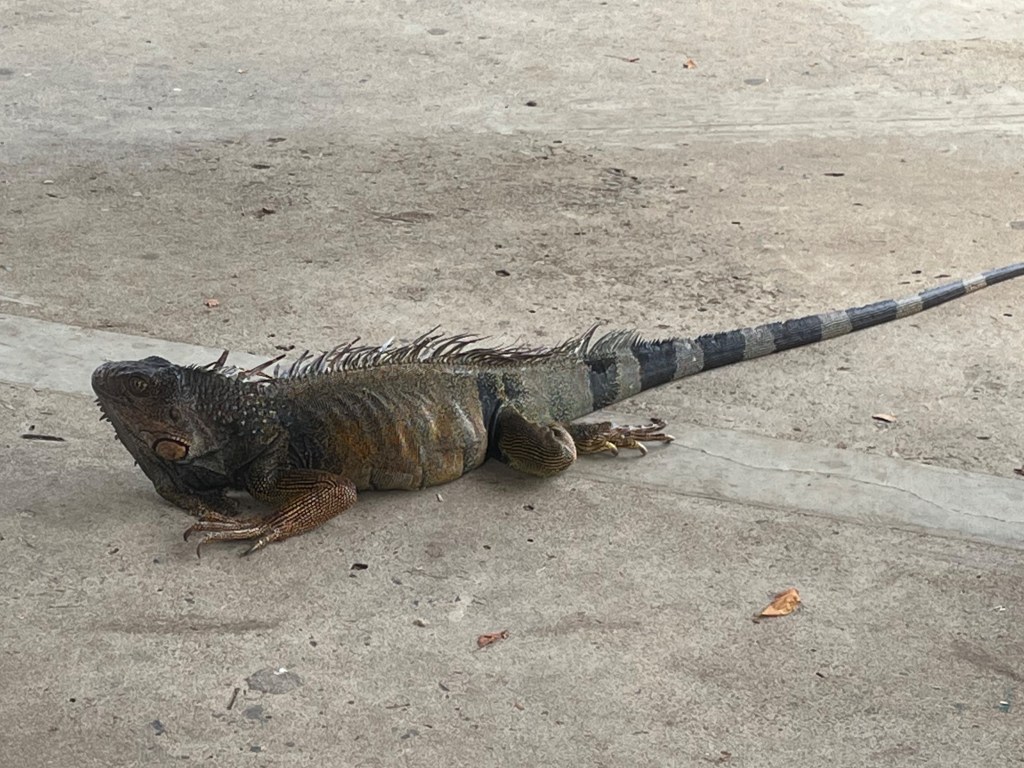
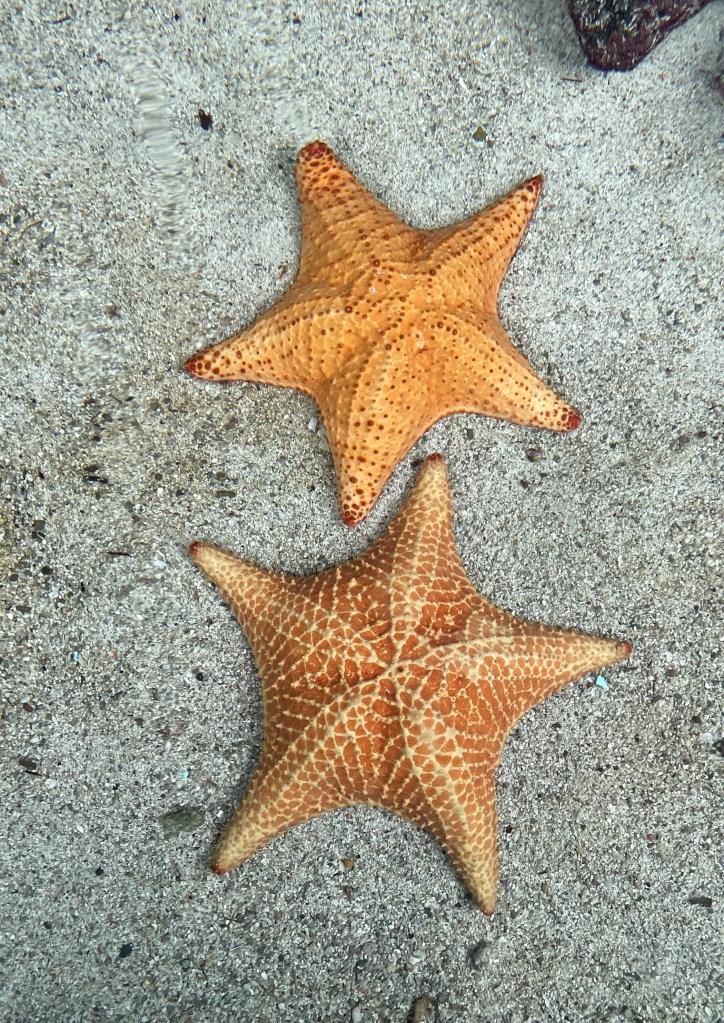
While biking, we stopped at Punta Culebra (“snake point”), a nature center operated by the Smithsonian Tropical Research Institute. The center highlights native species and forest types while also promoting conservation. Below are some photographs of animal friends, such as the Blue Morpho butterflies in the Butterfly Room and a gigantic iguana. However, quite a few animals were too difficult to capture using our phones, such as a sloth sleeping in a tree and lots of itty bitty native frogs that the Institute is trying to protect from a variety of threats, including chytrid fungus.
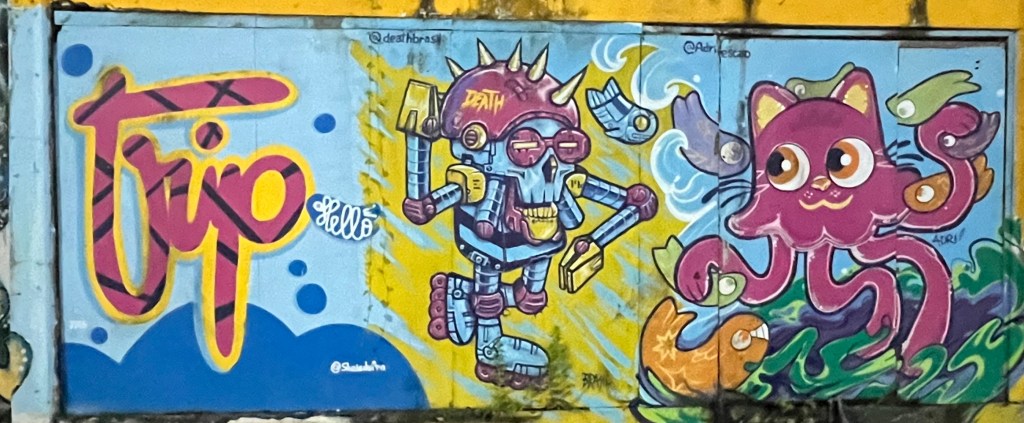
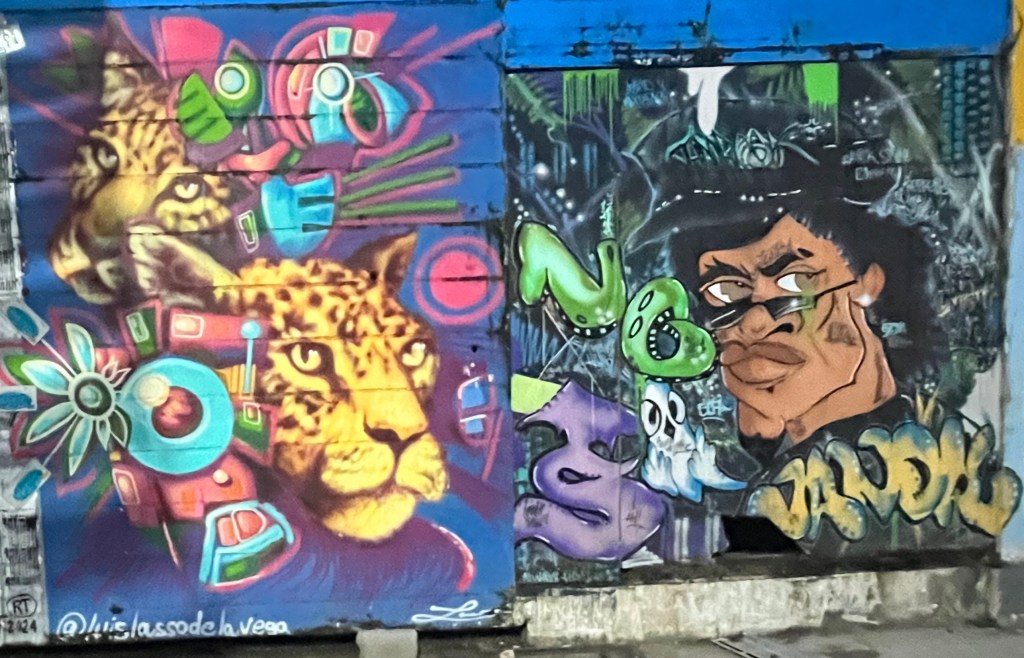
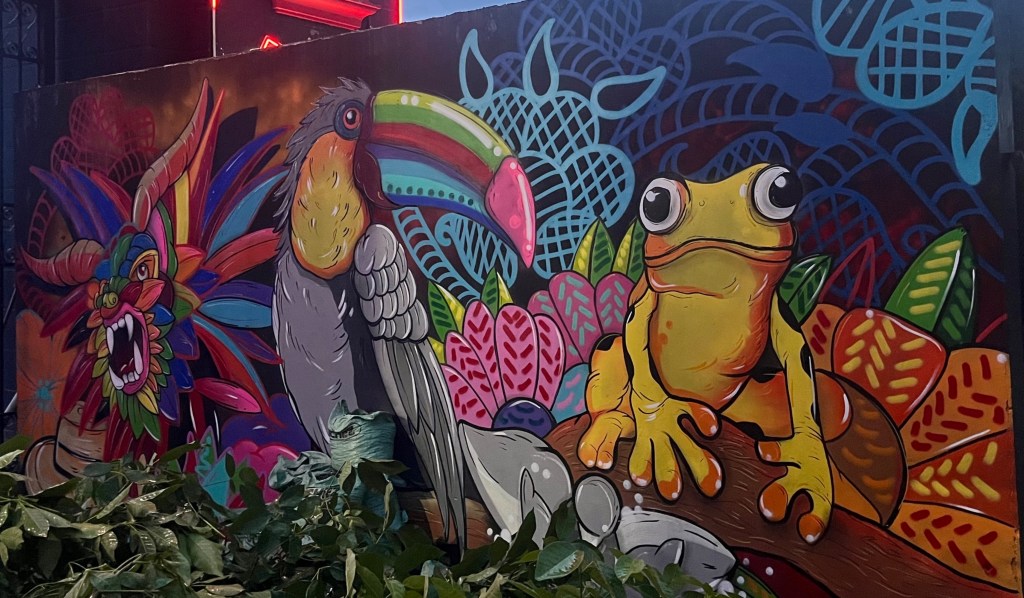
Another highlight of the Amador Causeway is Downtown Amador, a weekend party hub. It was dead when we visited, but the murals were beautiful.
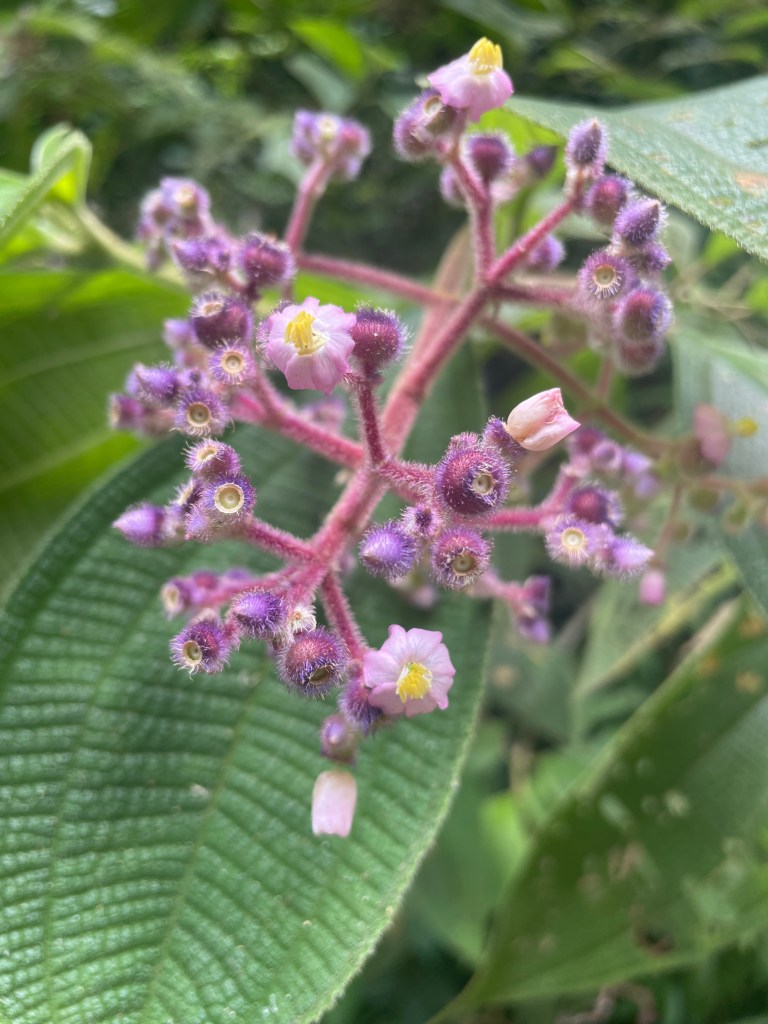
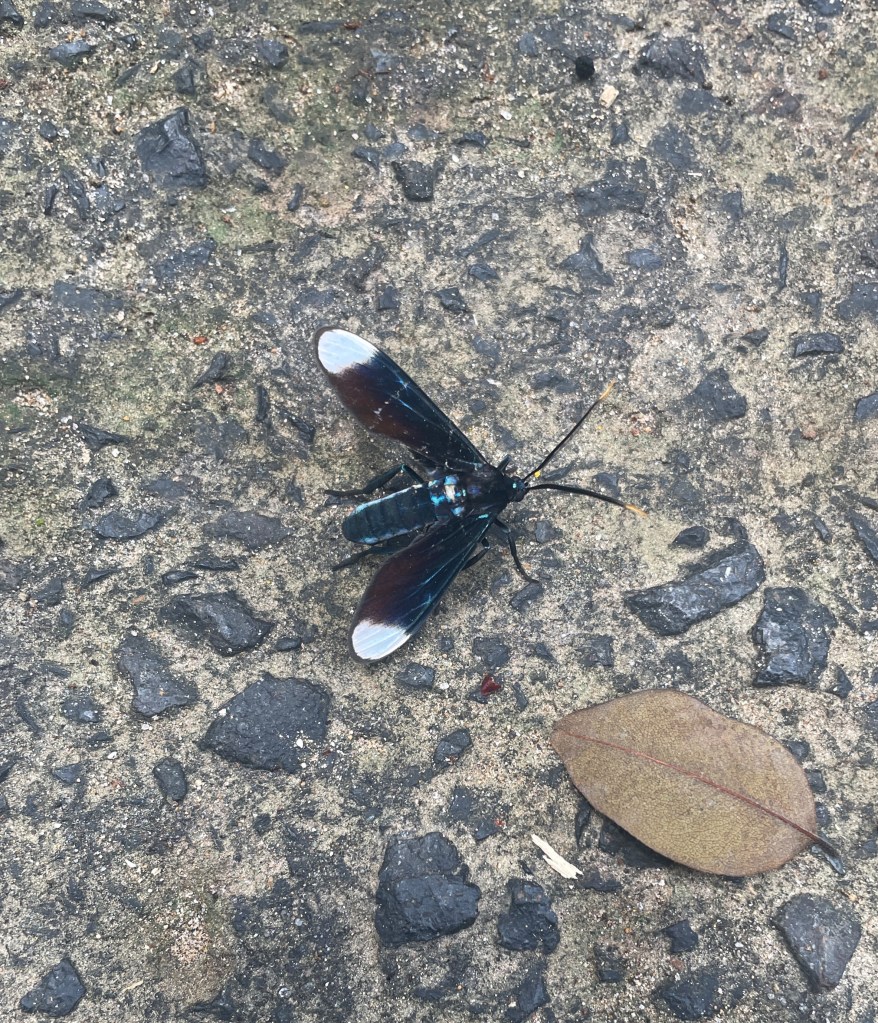
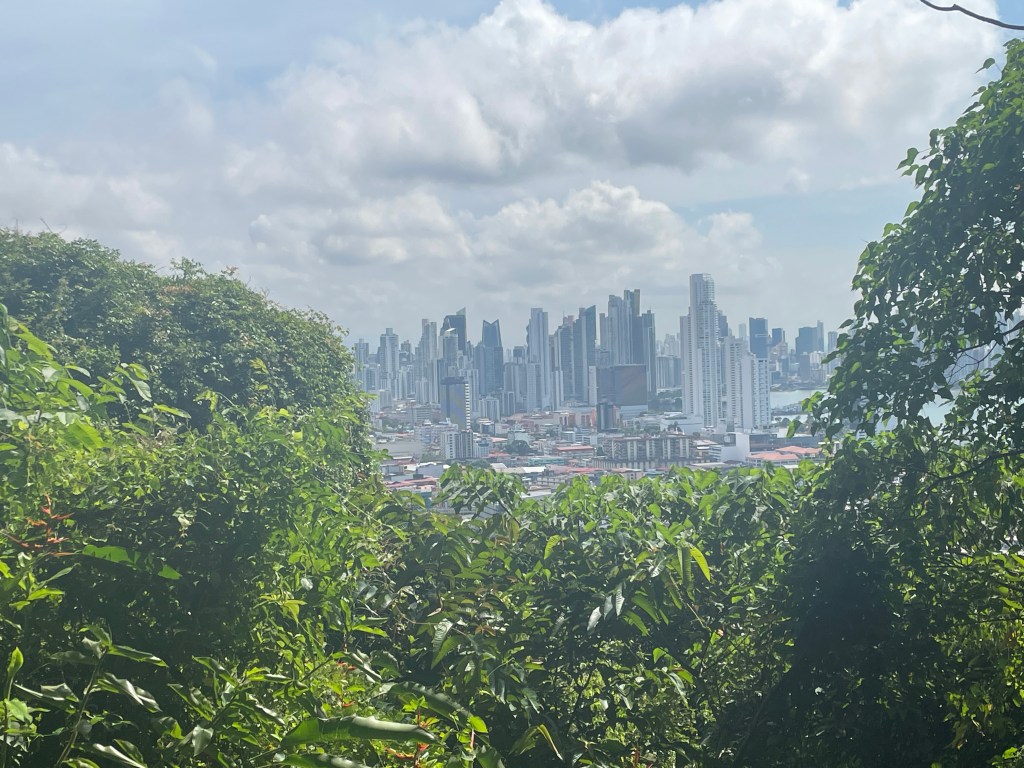
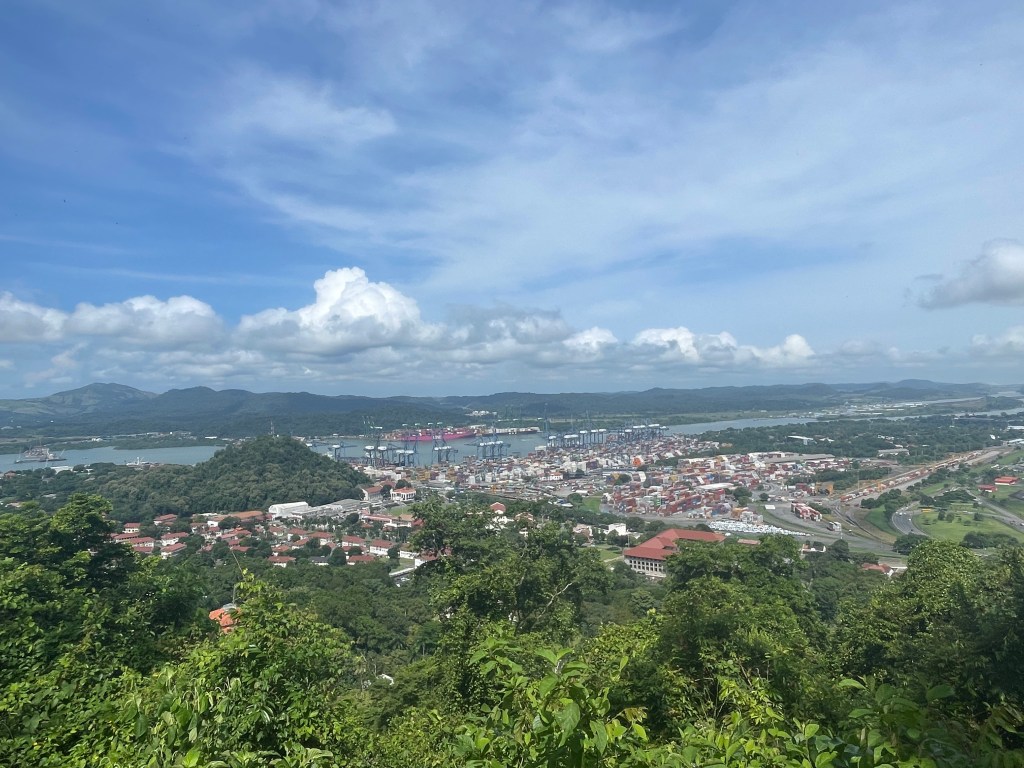
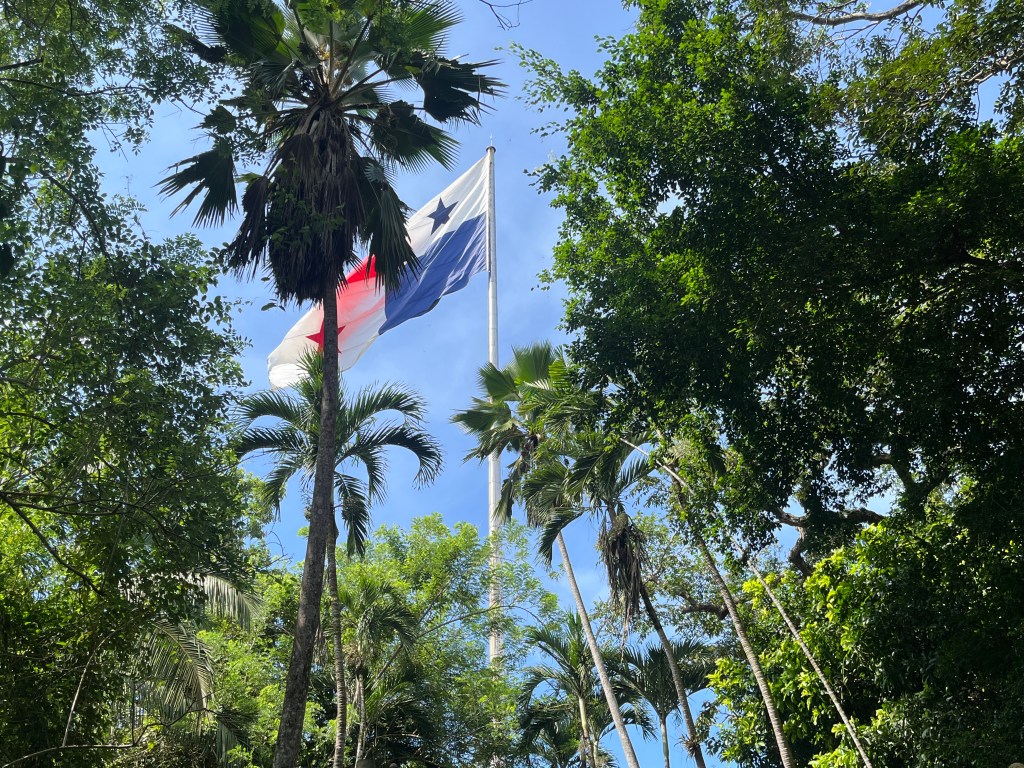
The final highlight of this leg of our journey was visiting Ancón Hill and Mi Pueblito. Ancón Hill is a protected area in the middle of the city with excellent views and chances to spot native wildlife. The climb isn’t too steep, but because of the humidity, it was certainly a shvitz. While there, we saw a type of monkey called Geoffroy’s tamarins. We tried to capture them on film, but they’re so small and fast that all you really see are moving branches. Instead, enjoy this video of a Poison Dart Frog and some of the best photos from the hike.
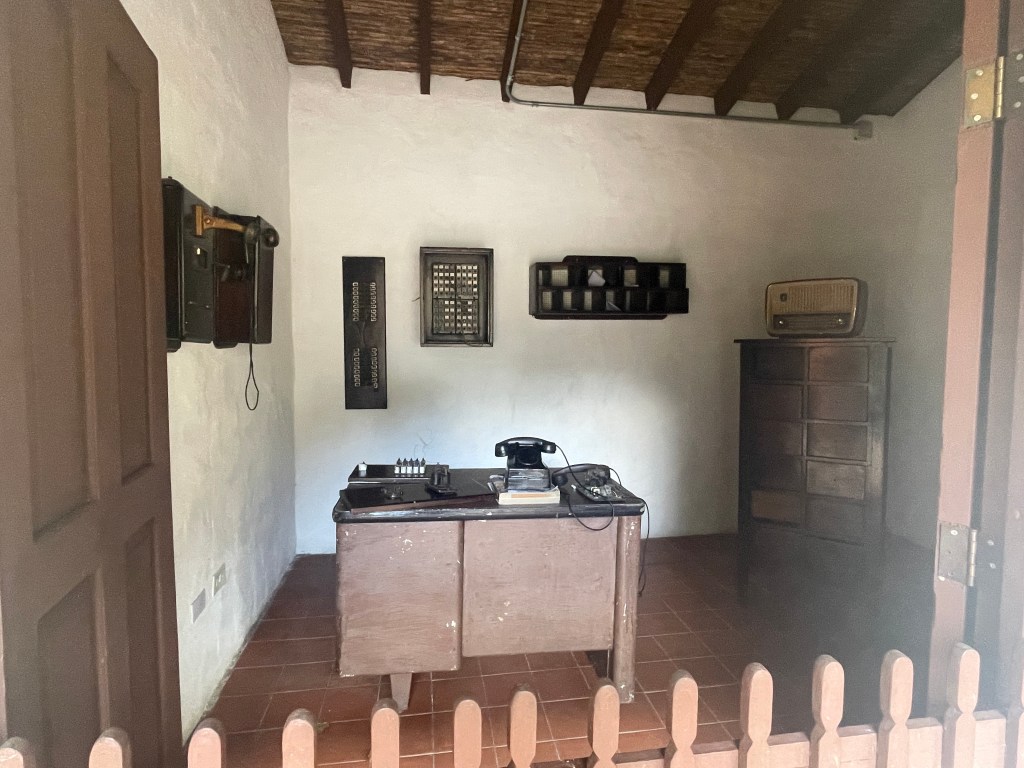
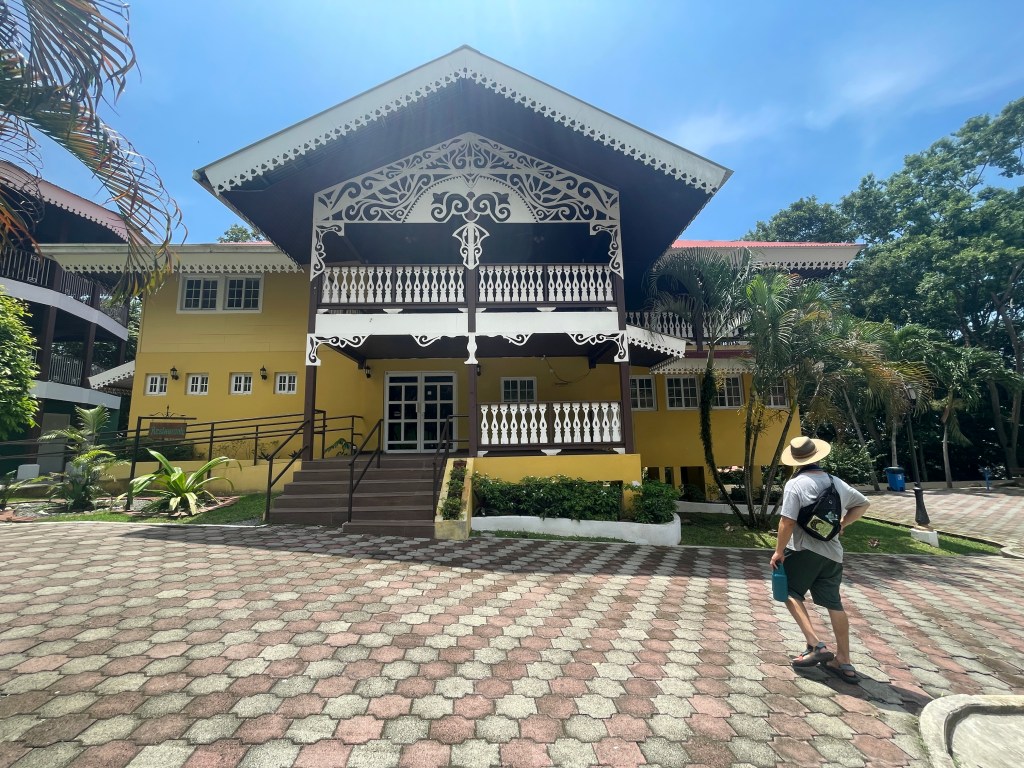
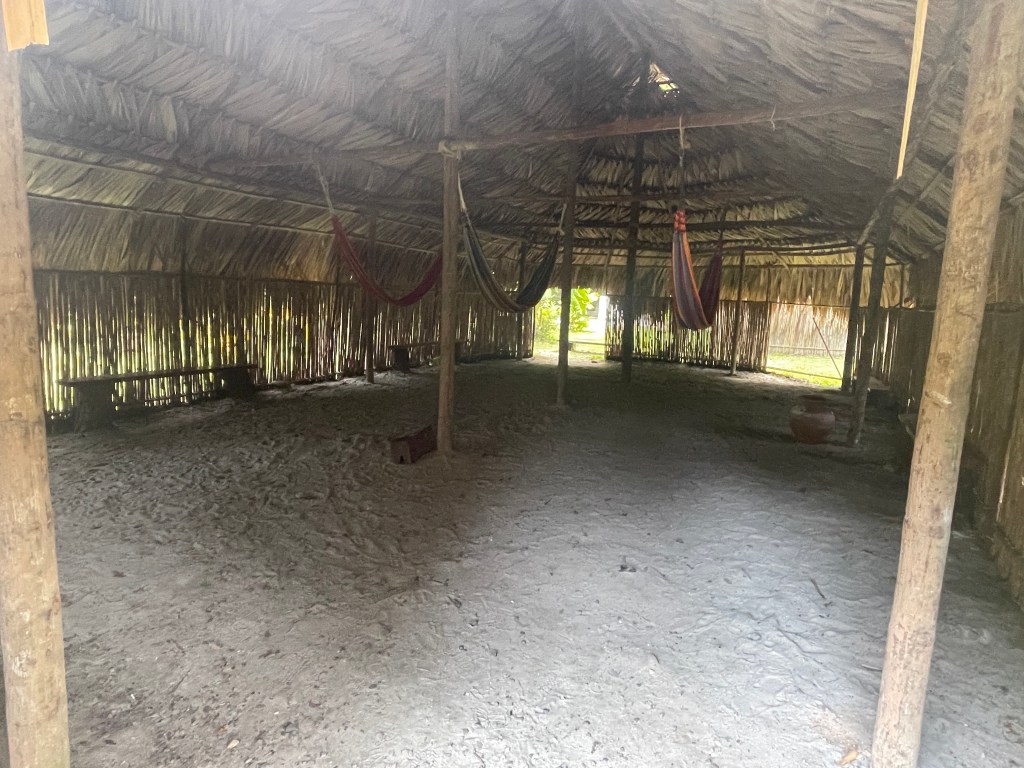
Once we finished our hike, we visited Mi Pueblito, a park that preserves three kinds of historical pueblos (towns): Colonial Spanish, Afro-Caribbean, and Indigenous. The Colonial Spanish town reminded both of us Old West mining ghost towns that pepper California, Arizona, Nevada, and other southwestern states in the U.S. (Yahm was especially excited by the telegraph room.) The Afro-Caribbean town didn’t have quite as much going for it, though the buildings were beautiful. The restaurant in the Afro-Caribbean town now only serves duros (popsicles) and drinks. The Indigenous town had a little area where artists sold their crafts, including molas, and huts that were a few degrees cooler than any other building we stepped into in the park.
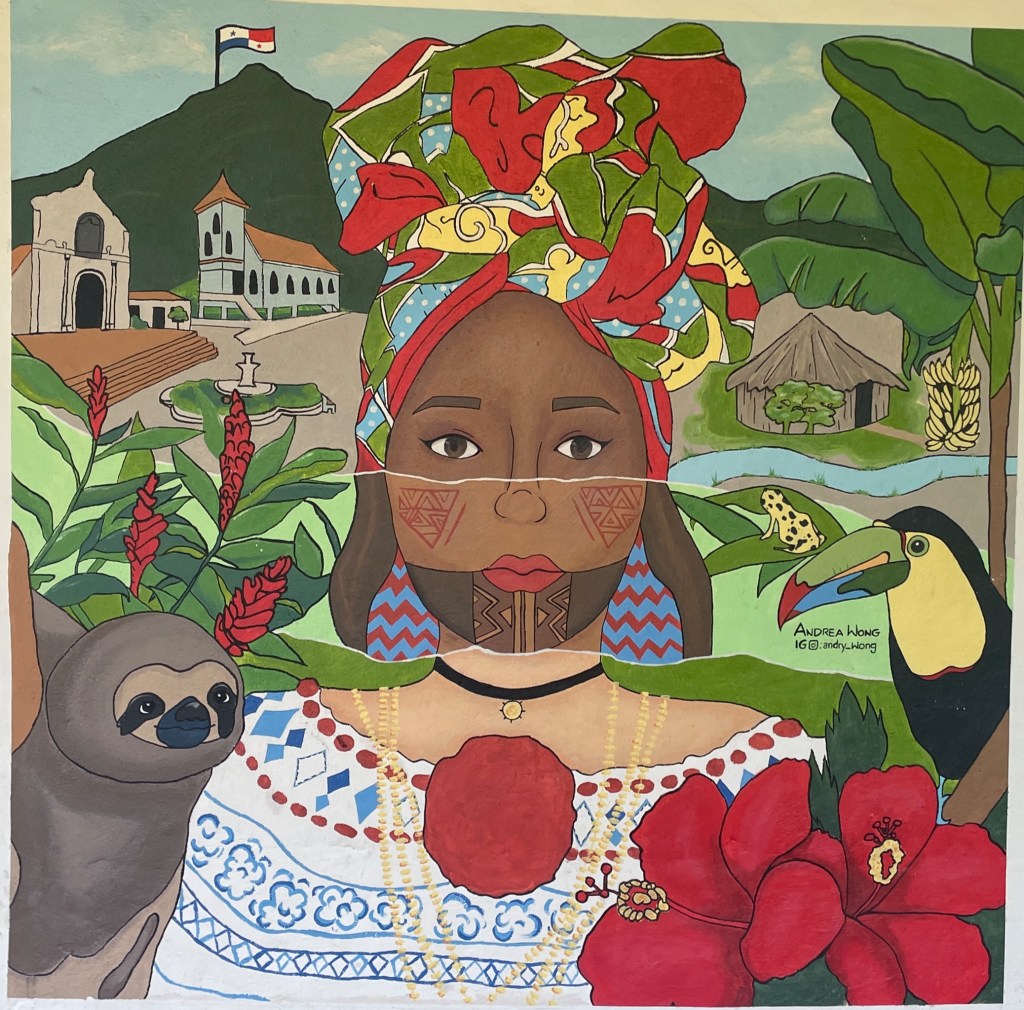
The mural below captures the essence of the park. If you notice, the woman is actually three women in one, from top to bottom: Afro-Caribbean, Indigenous, and Spanish. Together, all three cultures make Panama what it is today, along with everything else in the background such as Catholicism, animals like sloths and toucans, flowers, and bananas. (Looking at you Chiquita.)
After almost a week in the city, we headed to Boquete in the highlands, which will be the subject of our next post. Be sure to like, comment, and subscribe to Traveling While Introverted so you don’t miss it!

 Traveling While Introverted
Leave a reply to The Panamá Canal: Linking the Isthmus to the World – Traveling While Introverted Cancel reply