After our introduction to Colombia through its largest city and capital Bogotá, it was time to see one of the country’s more bucolic settings. We headed due southwest to the town of Salento to stay for a few days and be close to some of the nation’s more amazing hiking locales. While some countries are made up of provinces or states, Colombia is divided into departments. The department of Quindío is where Salento and the nearby Valle de Cocora (Cocora Valley) and Cascada Santa Rita (Santa Rita waterfall) are located, as well as numerous other tracts of public land. The department is also home to some of Colombia’s most productive coffee-growing lands. Quindío is the second smallest department in land area of all the nation’s 56 departments. Despite its small size, it lies in one of the country’s most topographically dynamic regions.
Quindío is entirely bisected by the Andes and sits high above sea level. Its lowest point (the La Vieja River Valley) is over 3,000 feet (914 meters) above sea level and its highest point (a mountain named Nevado del Quindío) sits almost 17,000 feet (5,181 meters) above sea level. The entire department is just 4 degrees north of the equator; however, the average climate year-round is mild and at its peaks it snows. This is a textbook example of altitude trumping latitude when it comes to climate, even in the tropics. The eight hour bus ride from Bogotá to Salento took us through lowland rainforest and valleys that are bypassed by some of Colombia’s largest rivers, such as the Magdalena. We wound over and through some harrowing mountain passes and canyons. The bus drivers here in Central and South America are among some of the best drivers I have ever shared a vehicle with, so I never once felt scared. Once we arrived in Quindío’s gritty departmental capital, Armenia, we connected to a smaller express bus that took us to Salento.
Salento is a charming town that is hard to capture fully through photos. The town itself has approximately 9,748 people as of the latest census (2023). While it may be small it had wonderful vibrancy, with a central plaza area that came alive at night and an impressive number of restaurants, cafes, bars, and other businesses.
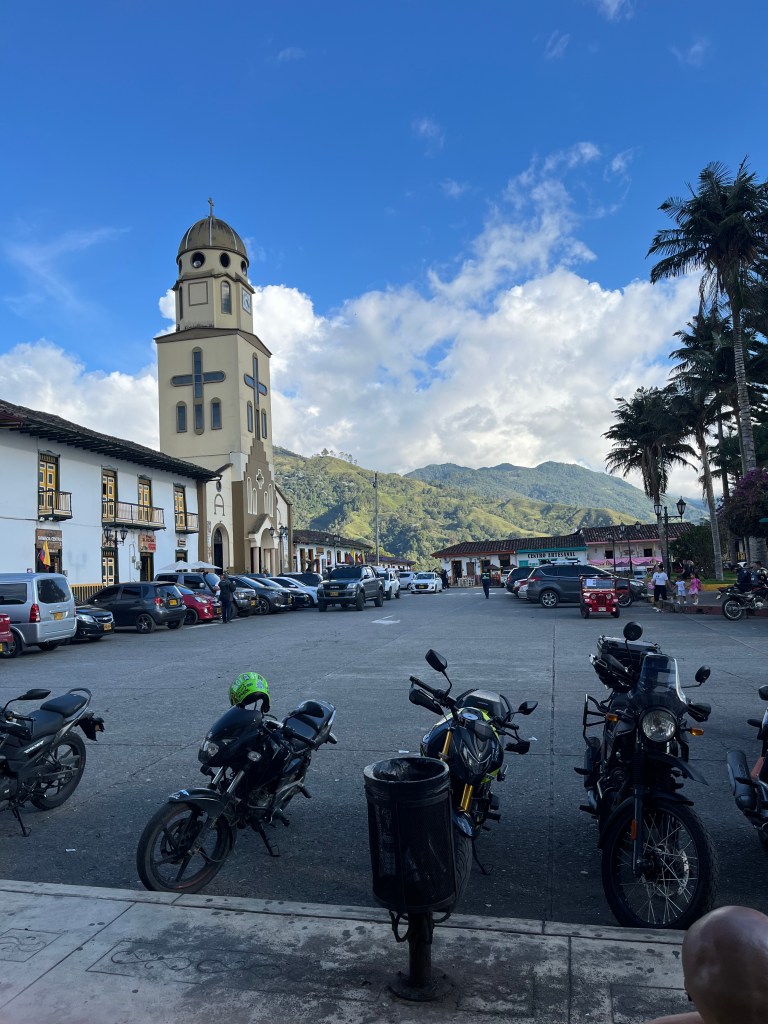
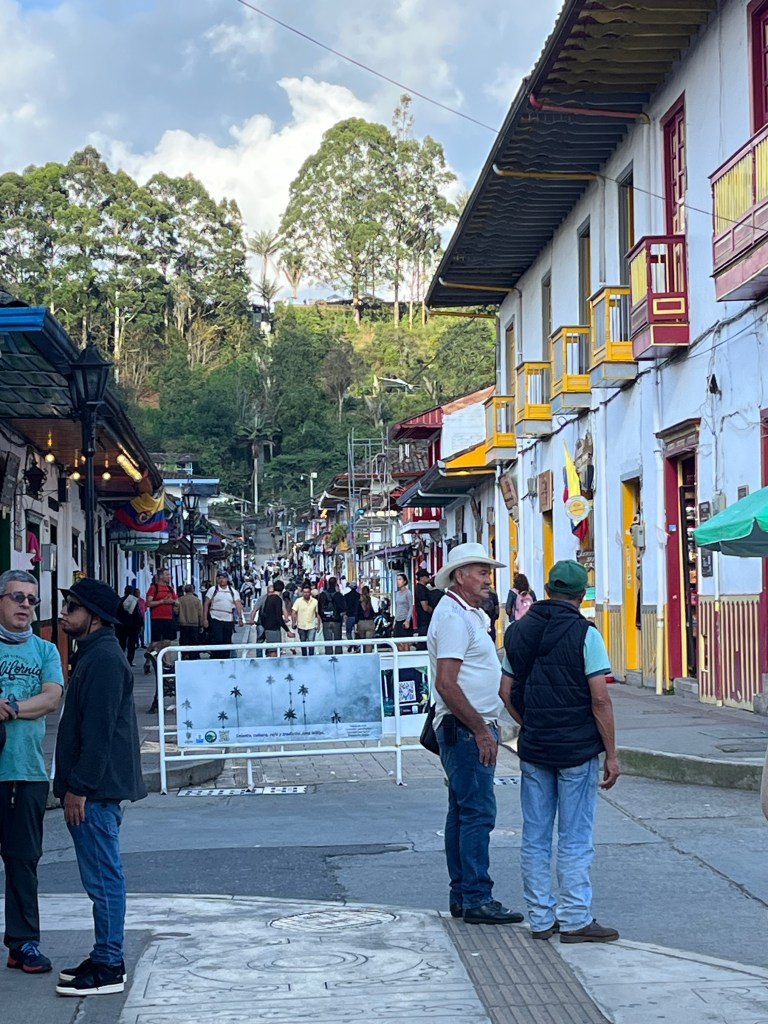
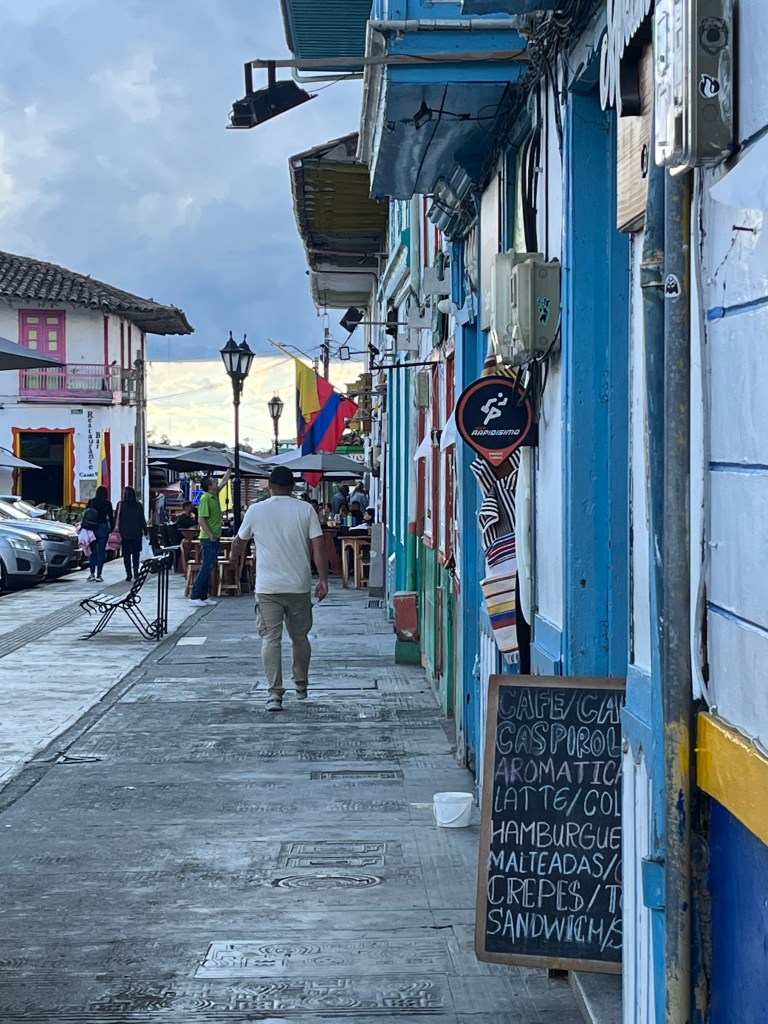

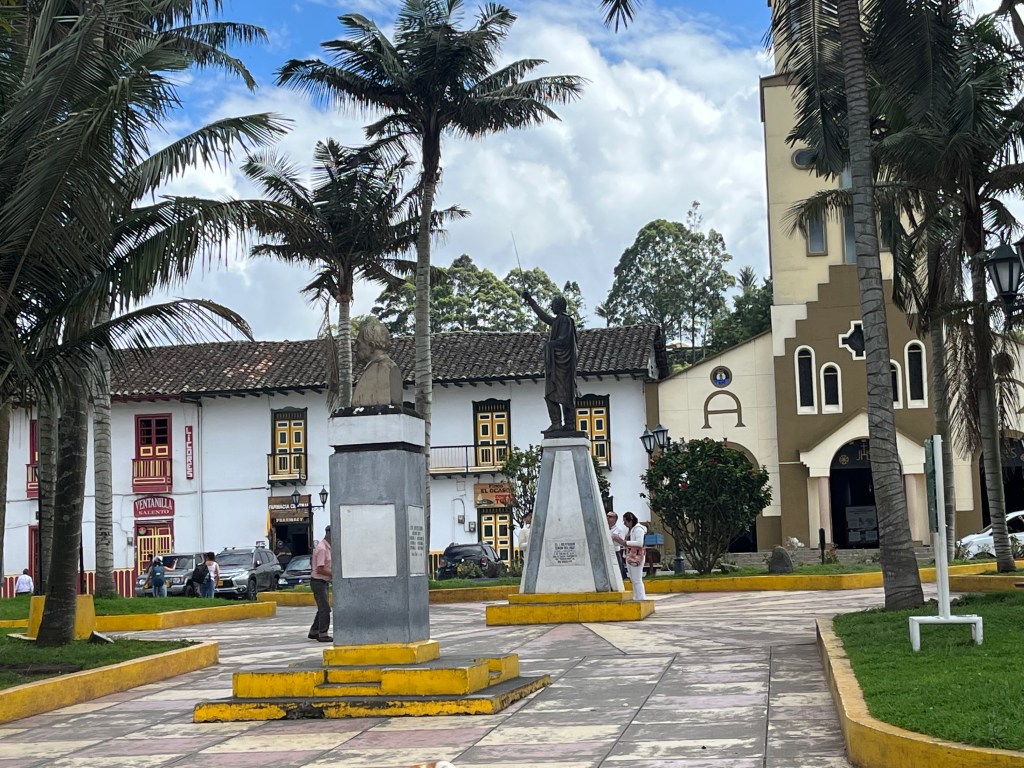
The main reason so many people visit Salento is to tour nearby coffee farms or to hike the mountains, river valleys, and cloud forests. On our first full day in town we headed to Valle de Cocora, where the Quindío River’s headwaters start. Since we did not have a car, we walked to the central plaza and bought tickets to ride in a Jeep Willy. They can get quite full, but people will stand on the back bumper. While it seems scary, it was actually a pleasant experience.
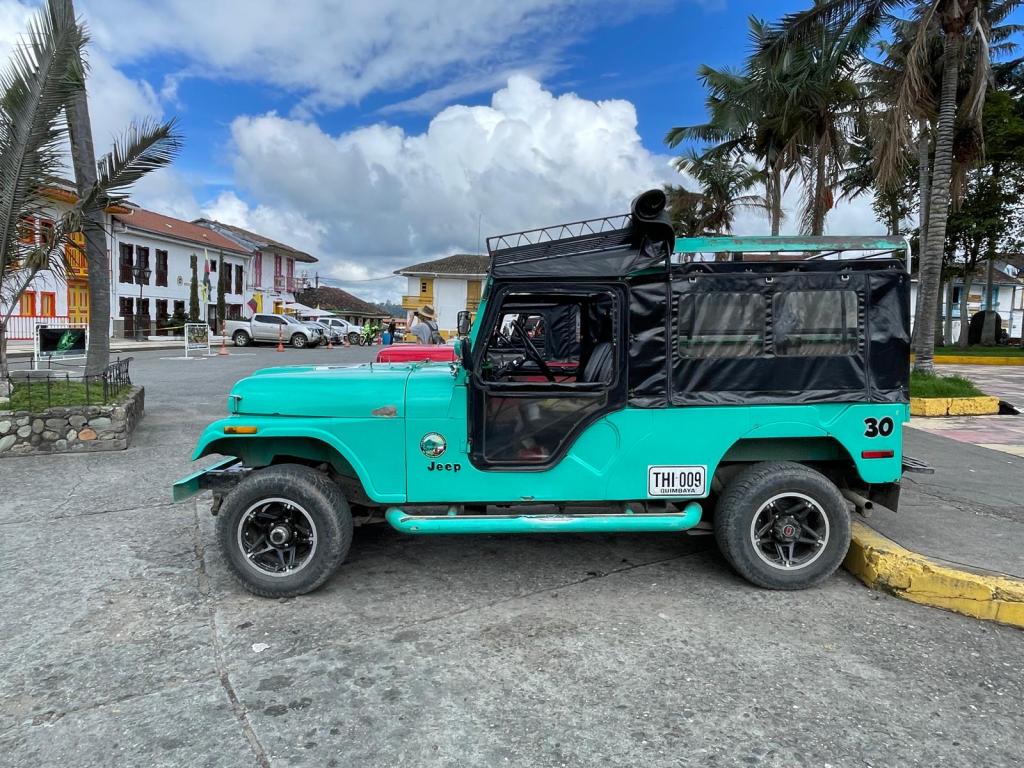
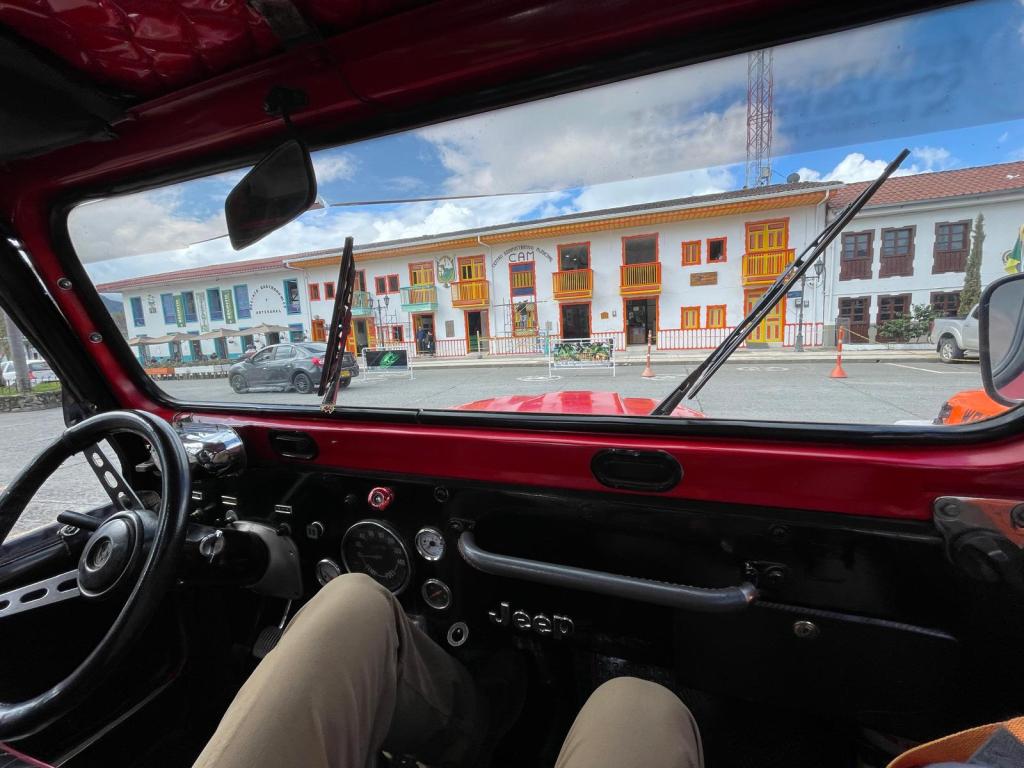
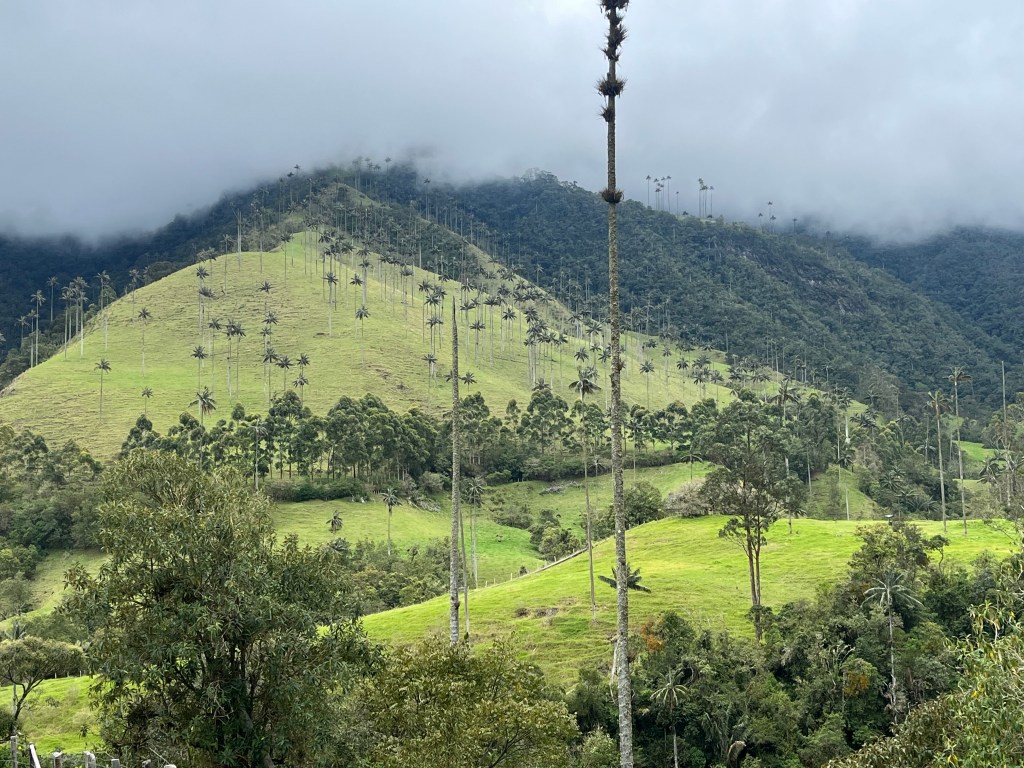
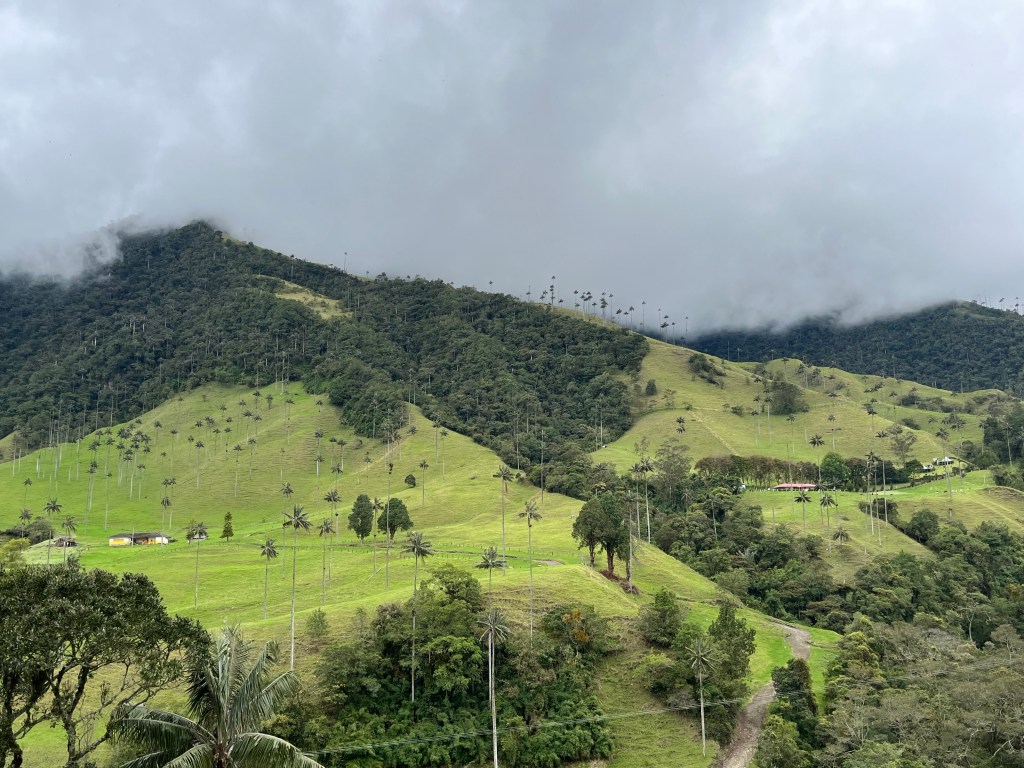
Valle de Cocora is where the country’s national tree, the Quindío wax palm, grows in large groves. While the tree is an impressive site, in a country like Colombia that has thousands of species of trees, why this palm tree? Well, turns out that the tree is endemic to the Colombian Andes and is the tallest palm species on Earth. Endemism (which is when a species is only found in one place) and a superlative such as being the tallest member of your species are good reasons to be a national tree I suppose.
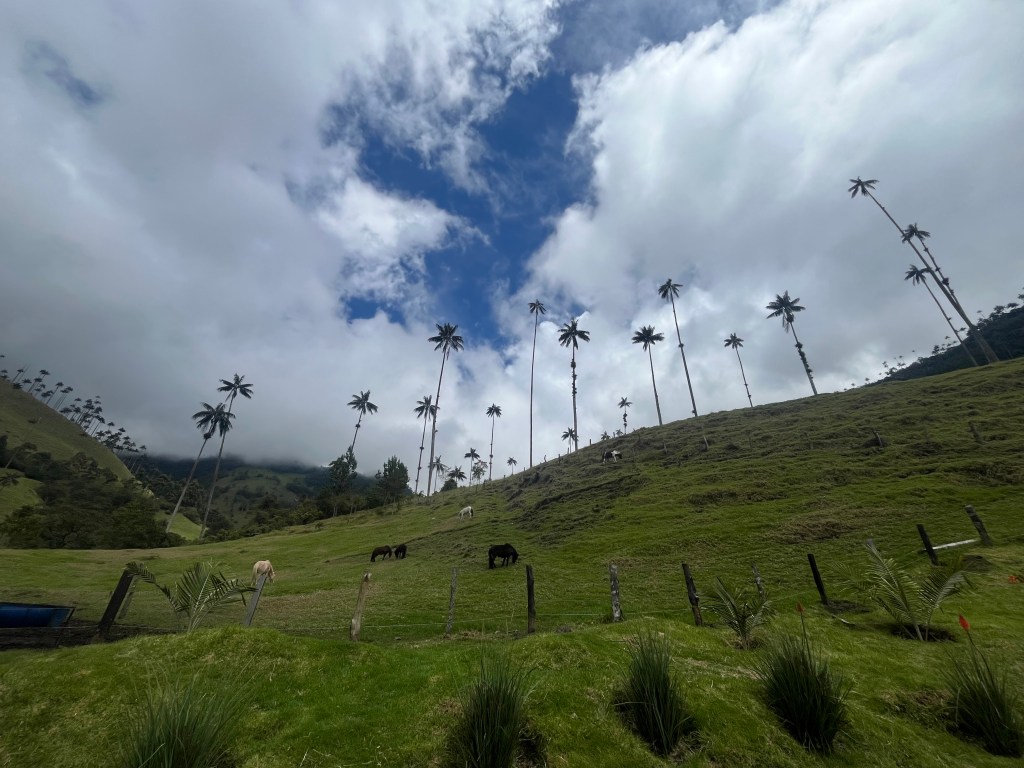
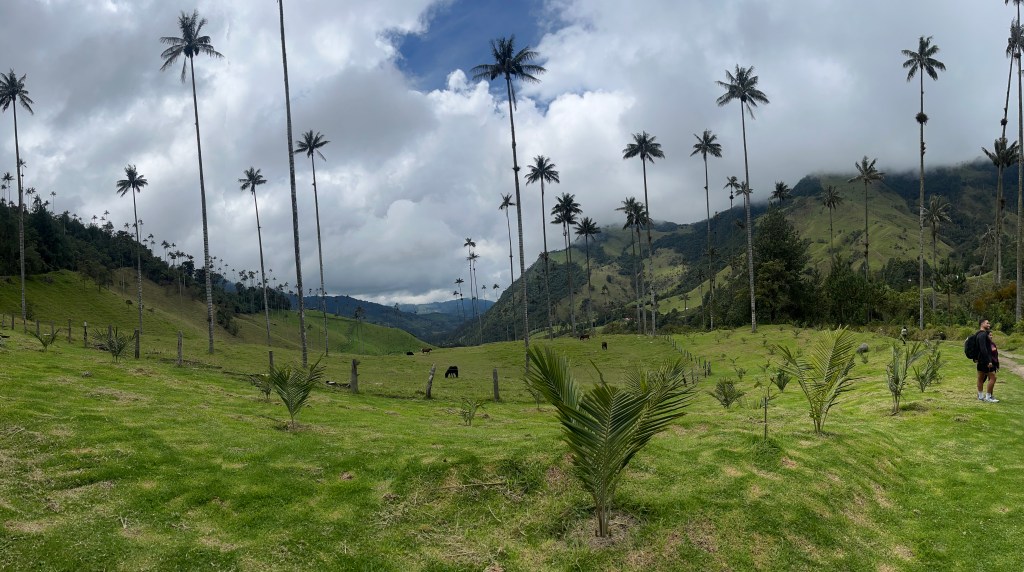
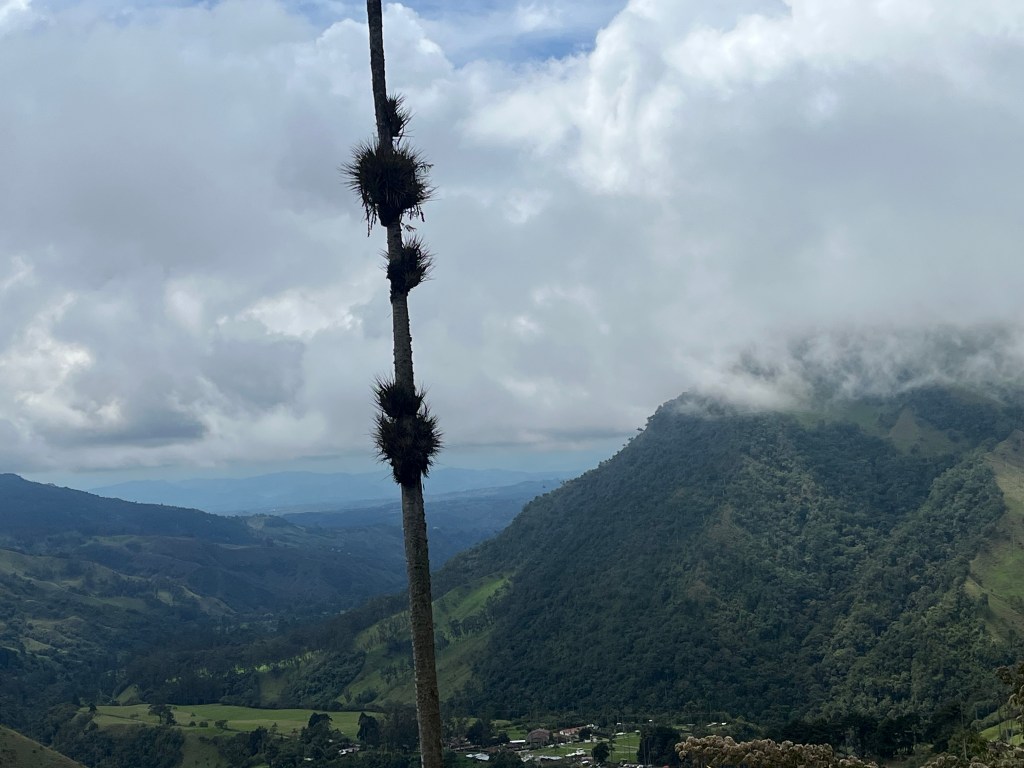
The hike itself was amazing. There are three different trails, varying from easy to medium to advanced difficulty. We opted for the medium-level which included several hundred feet in elevation gain and took three hours to complete. As we passed by groves of wax palm, I hoped to see the Yellow-eared Parrot, which only lives in the Colombian and Ecuadorian Andes. Unfortunately, we did not see any, which is not unheard of since these rare birds do not stay in one place for long. We did happen to come across another Neotropical bird species: the Southern Lapwing. These birds are pretty noisy and have a distinct call, so we were able to hear them throughout the hike. Below is a video of their call.
We also saw a small Andean Condor flying overhead. Though it was hard to capture with photos, it was not hard to spot in the sky. This is the largest bird of prey and one of the largest flying birds on the planet. This park is also home to more than just Andean birds. Spectacled bears, Mountain tapirs, pumas, ocelots, and sloths are some of the iconic mammalian species found in the park, though we did not see any. In general they are hard to find without a guide or during midday when so many hikers are around.
Once we got up towards the cloud forest we stopped. We needed to pay another small fee to get into the forest and Yahm was starting to get tired. Given that the overall altitude and sharp incline of the hiking path was taking its toll, we decided to stop where we were and head back down. Before we did, we stopped at a snack shack where we ordered an aguapanela. These drinks are made from pure sugarcane (panela) and served either hot or cold. The one we ordered was not exactly traditional because it came with a shot of either rum or aguardiente, a distilled alcohol popular in Portugal, Spain, and Latin America. I took one with rum and Yahm took one with aguardiente. Drinks with sugar, heat, and a bit of alcohol offer a welcome respite and the energy needed to continue on. As we sipped our drinks, we enjoyed the view. The vistas were truly beautiful and we took as many pictures as we could, but this is a place that pictures cannot do true justice to.
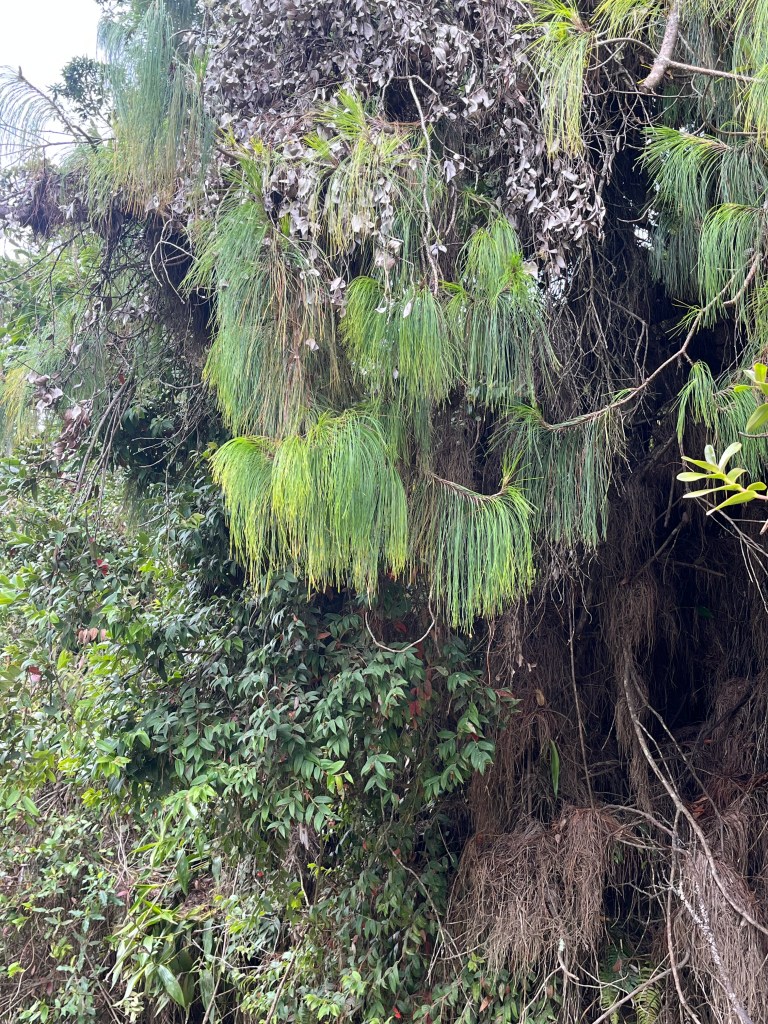
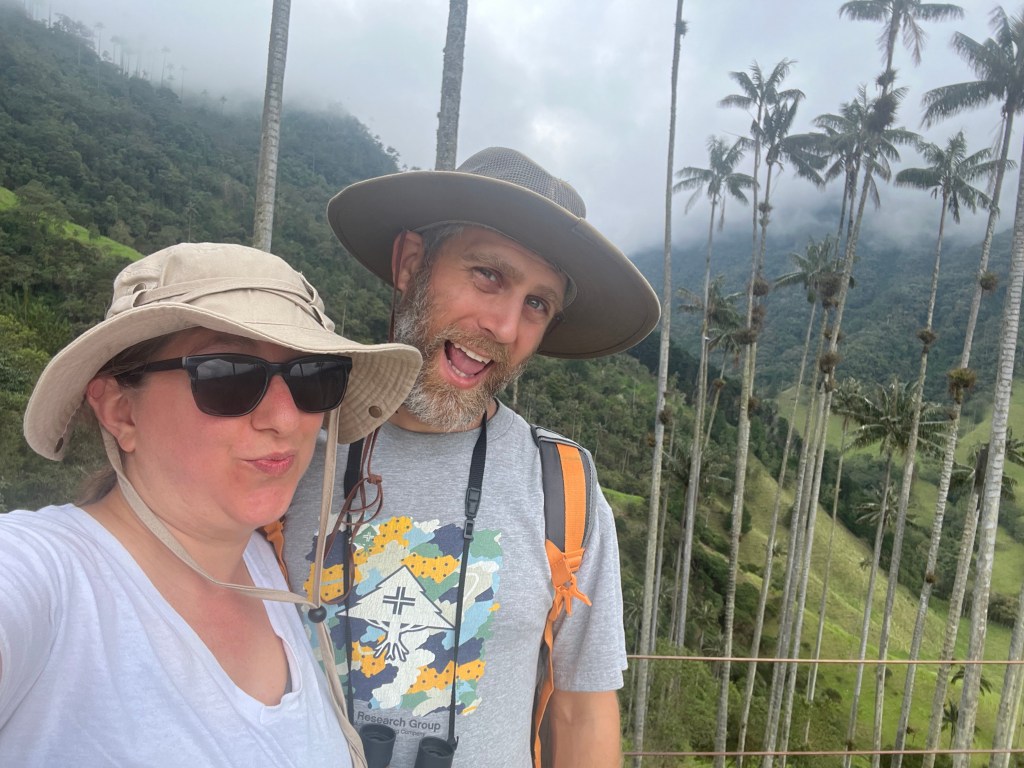
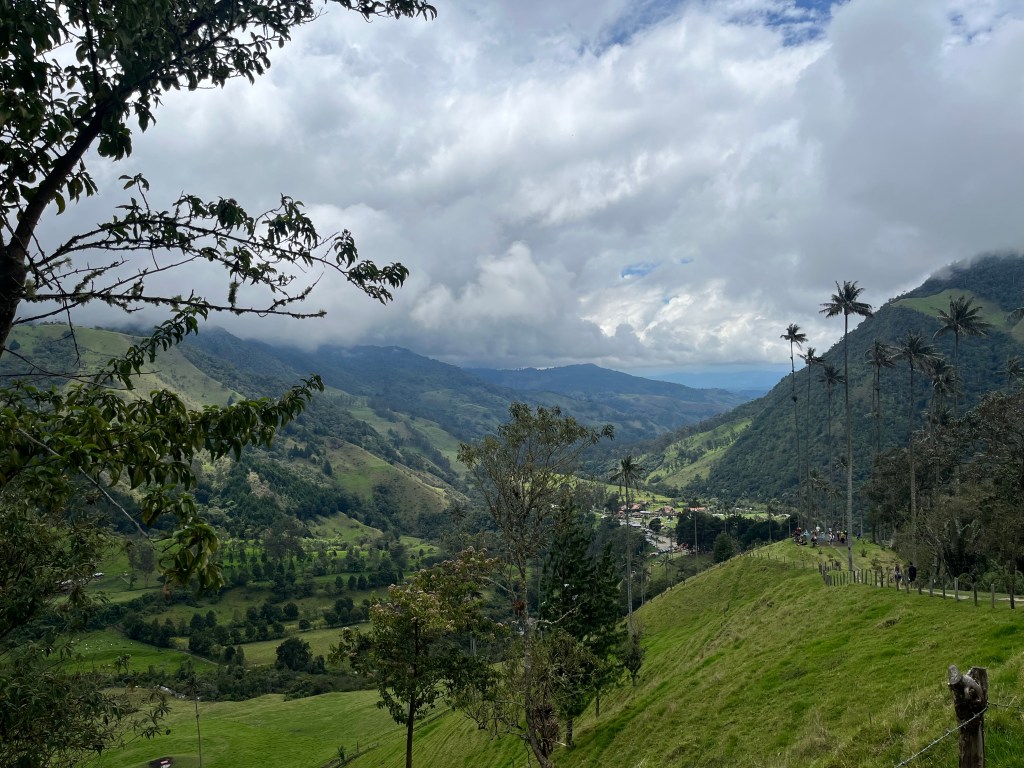
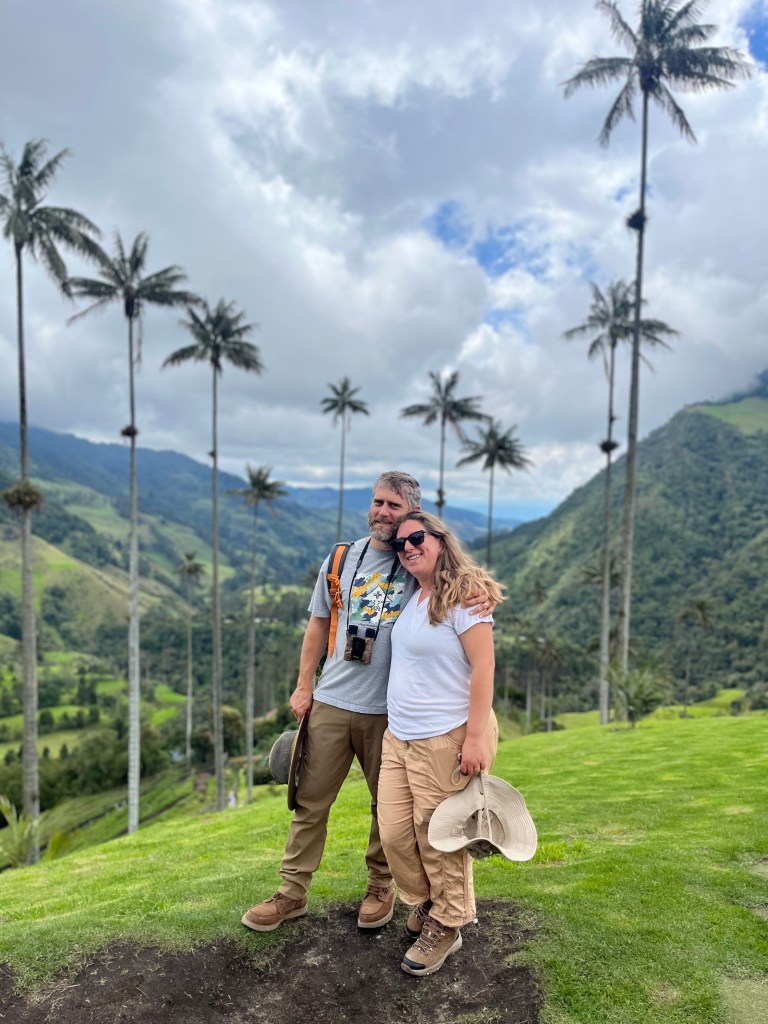
Once we made our way to the bottom of the mountain we took a Jeep back to town. After changing and showering, we headed to the central section of town to eat dinner and have a little night out. We wound up hanging out at a pool hall and playing a few rounds of eight ball. Yahm and I really enjoy playing pool and it was cool to experience a pool hall in another country. Cheap beers, a few bucks to rent a table for an hour, even tables in the back where folks were playing poker, made for a colorful experience.
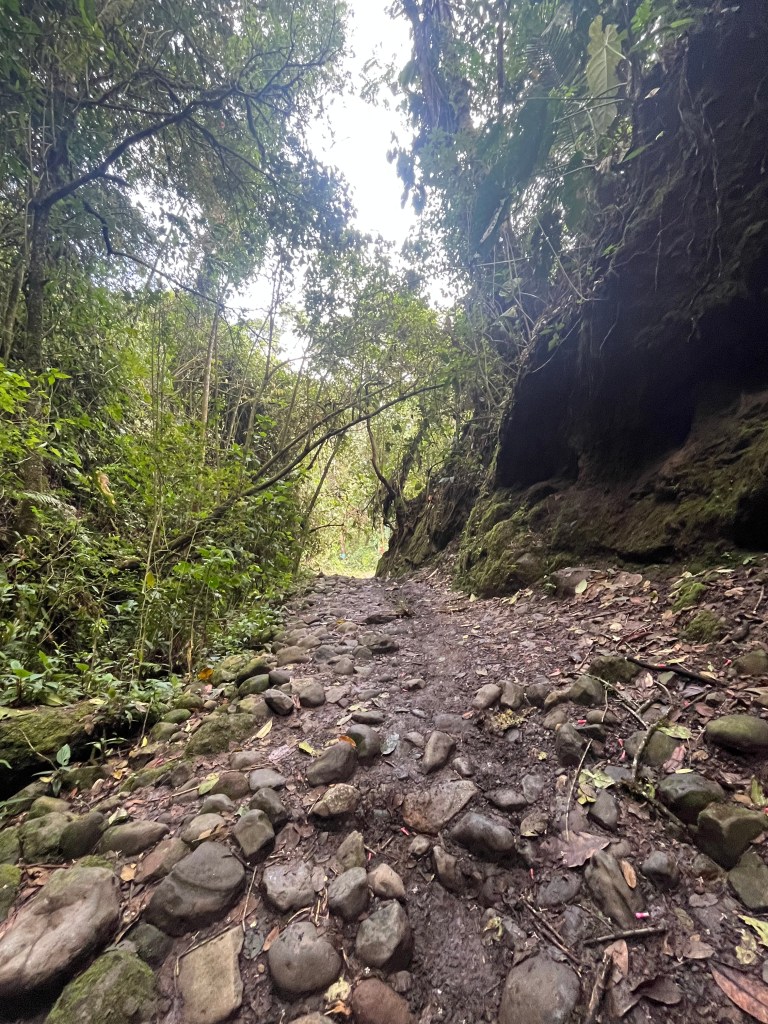
The next day we were ready to go on another hike. This time we headed for Cascada Santa Rita. There are a few ways to get to the main trailhead that leads to this waterfall. We decided to hike along a backcountry path that leads to a road that bisects an entryway to the trailhead. This hike was not easy: it snakes behind several fincas (estates) and homes. The path is winding, narrow, and has some sharp declines.
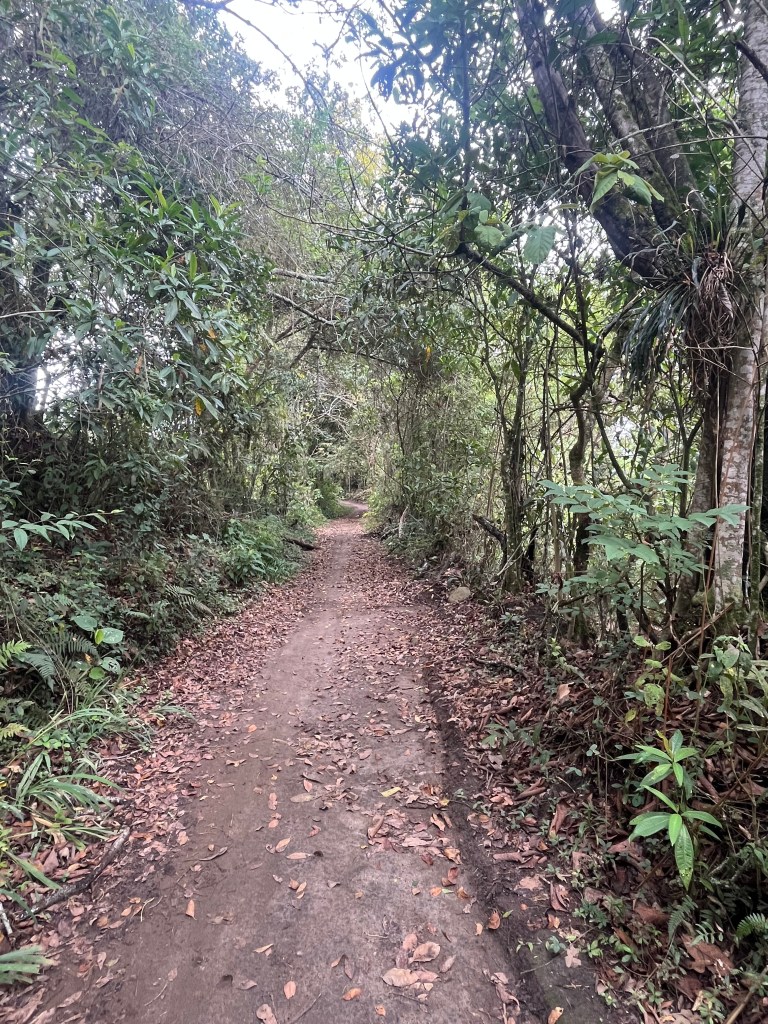

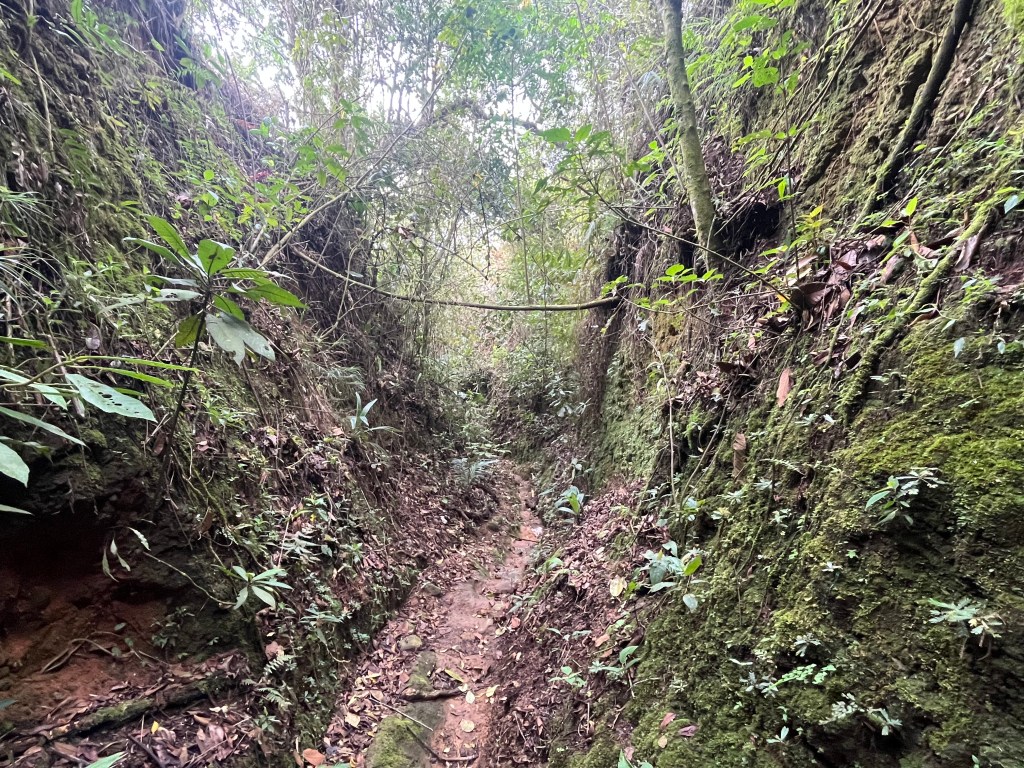
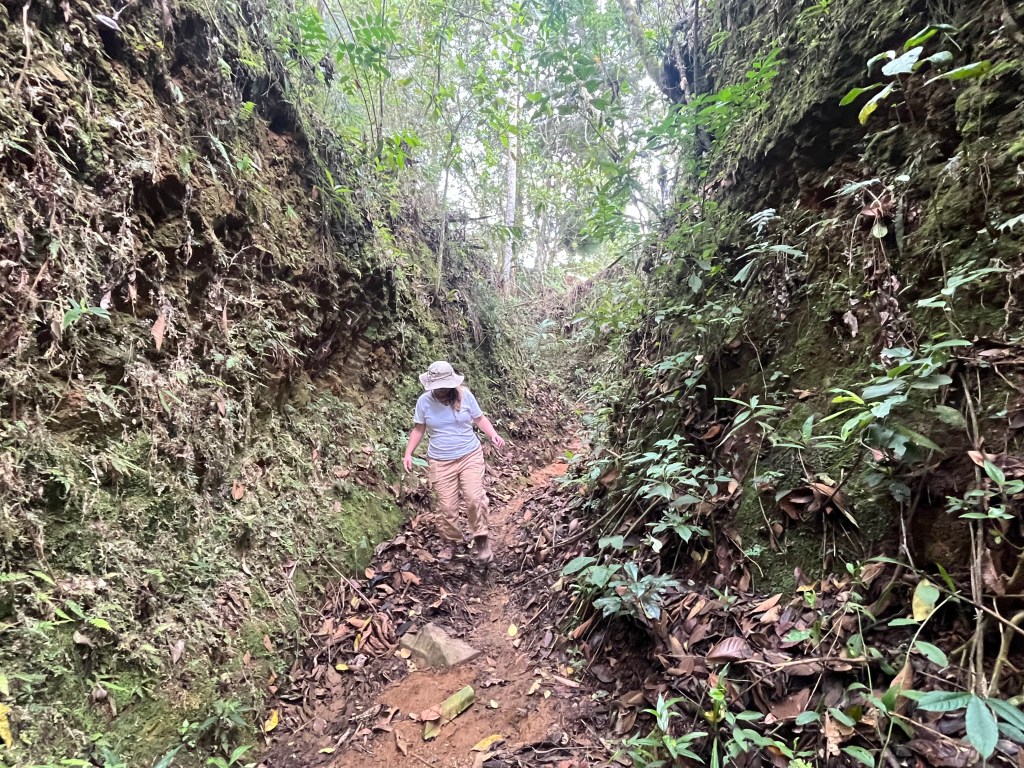

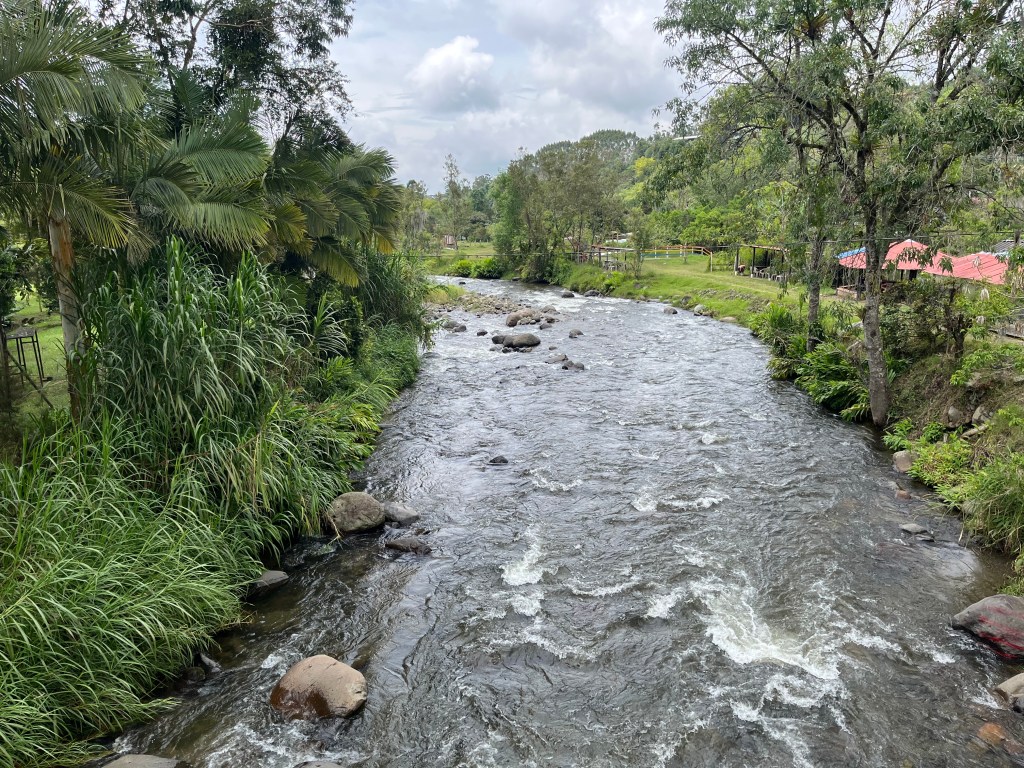
The mixture of working dogs barking, people working on their fincas, and Andean bird life is an interesting blend of sounds. Once we got to the road we stayed to one side and took it to the entrance to the trailhead. This part of the journey was also a bit daunting as this road is a major route between Armenia and Salento and quite well-traveled by motorcycles, cars, trucks, etc. When we arrived at the aforementioned entry point, it was still another 15 minutes of hiking and climbing to get to the main entry gate. As we hiked along, the Quindío River winded alongside us. As we started approaching cattle pastures we saw the official entrance gates to the waterfall trail. There we paid for entry and started the relatively short (less than a mile) hike to the waterfall. The hike to get to this entry gate took us longer and had us covering more distance than the trail itself.
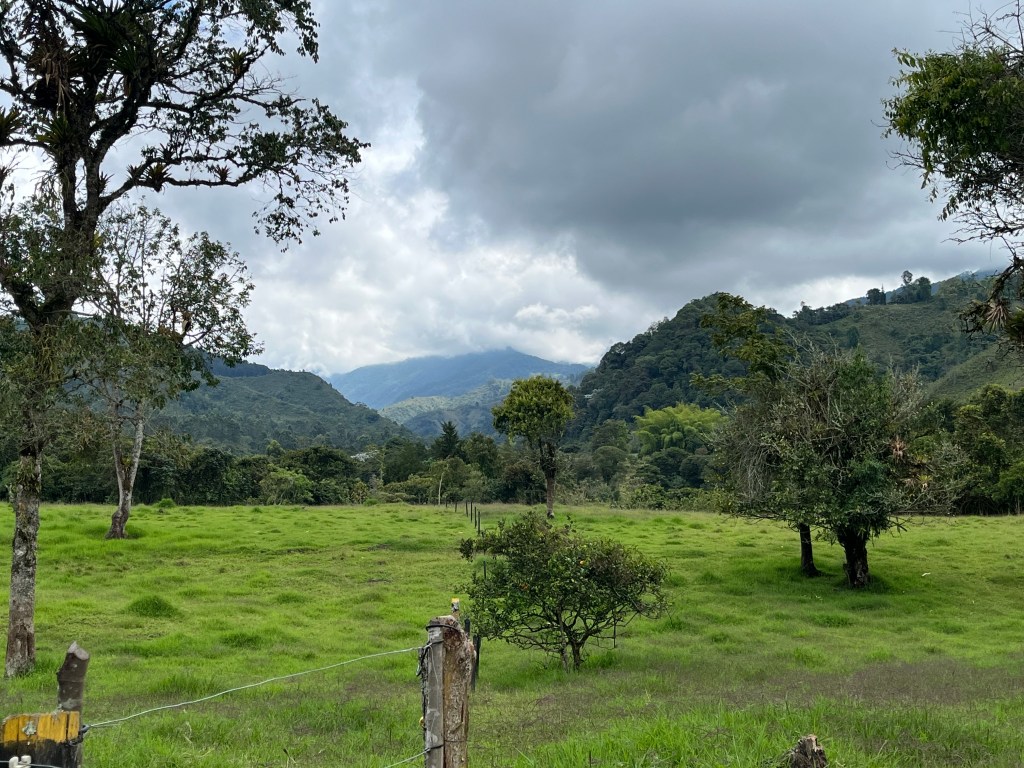
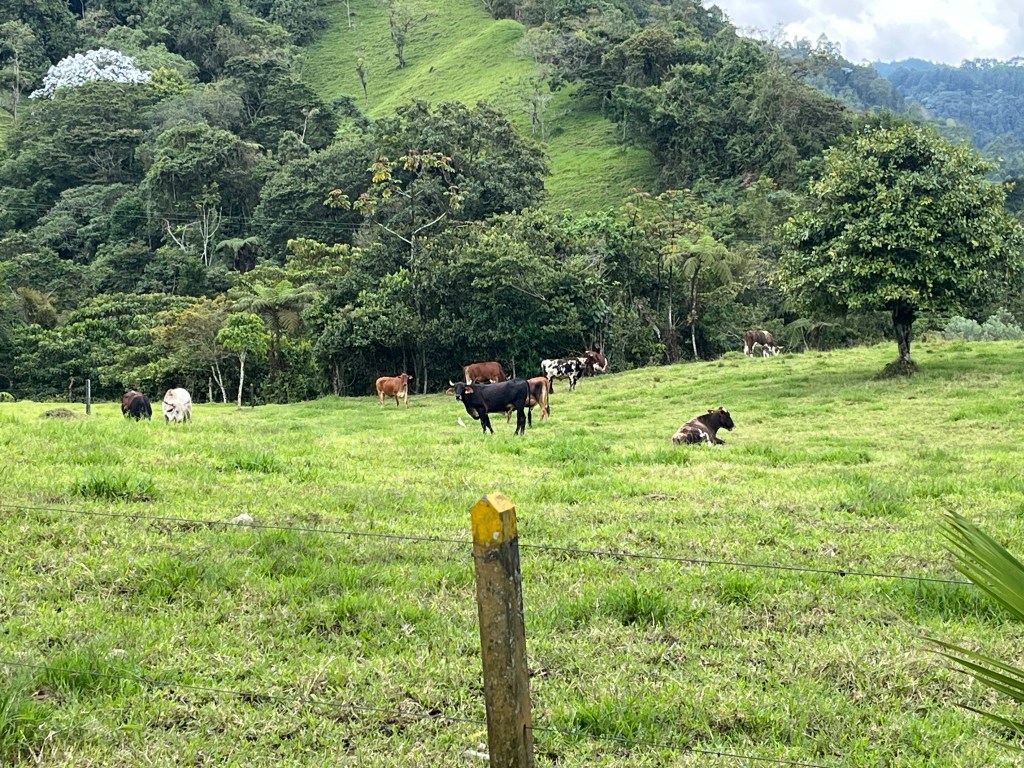
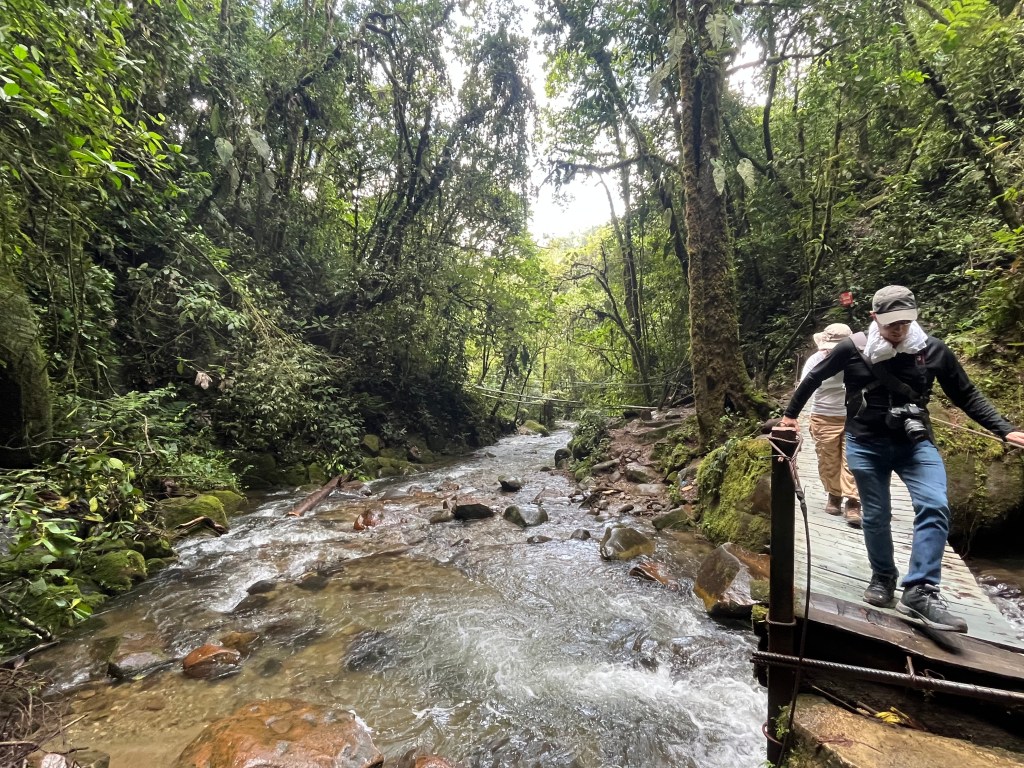

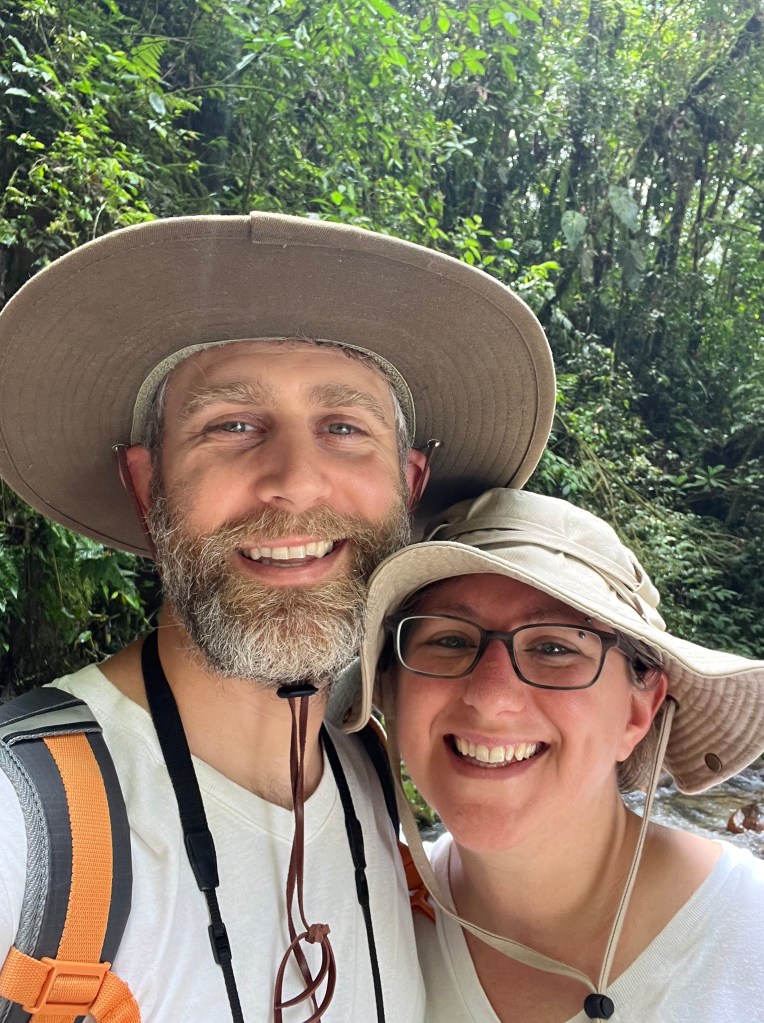
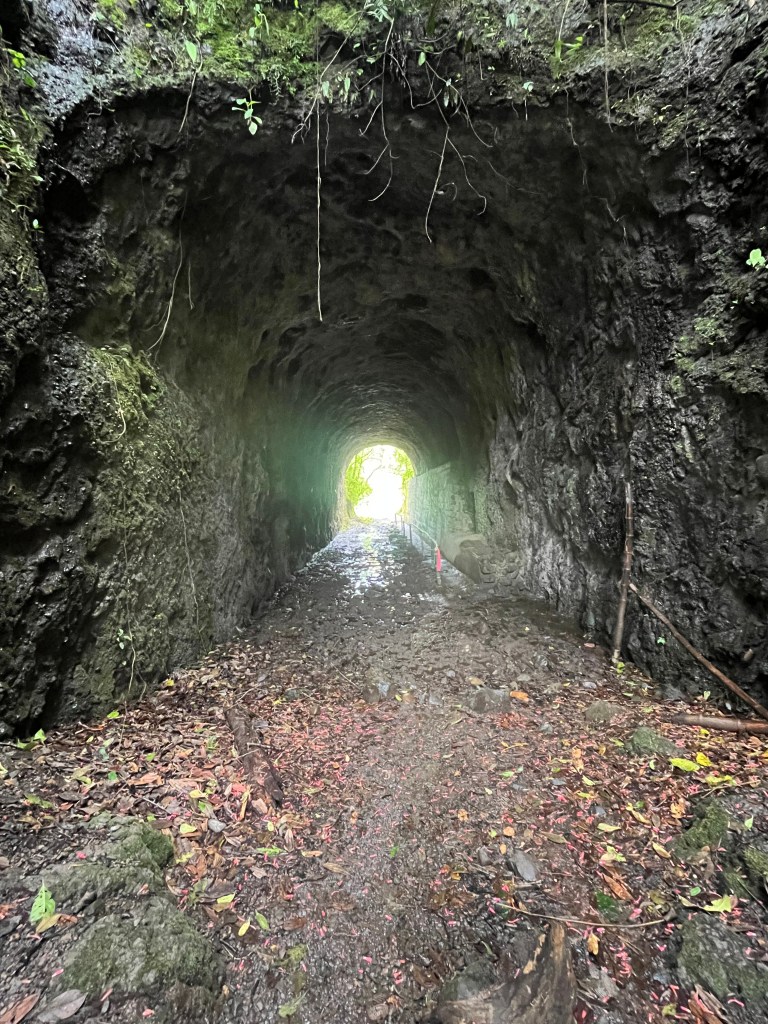
We met a trio of Colombians who complimented our Spanish and then switched to English to communicate with us. Our Spanish has gotten much better on this trip, but we are still not fluent and those who can speak English with us switch to it pretty quickly. We hiked with them to the waterfall and shared our life stories.
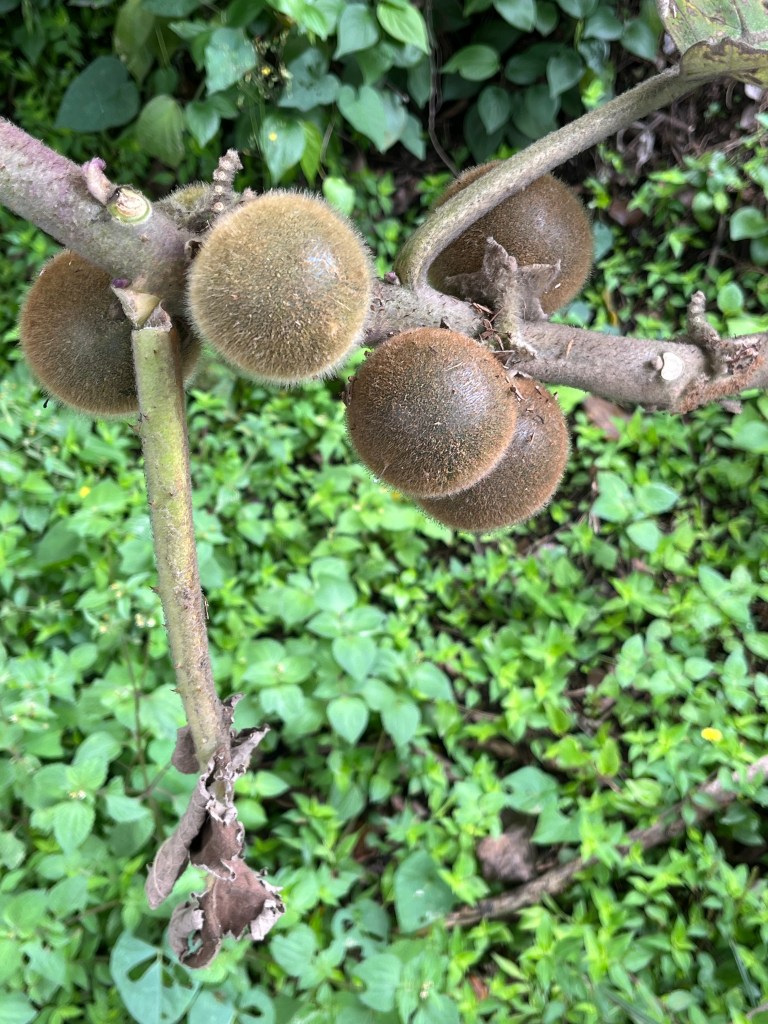
After taking photos and videos of the waterfall, the trio of Colombians, Yahm, and I headed back to the entrance. They stopped to drink some aguapanela and we left them behind after saying goodbye. We had been hiking for hours and wanted food at the restaurant near the entrance. After we finished eating a traditional Colombian lunch we headed back to the main road to flag down a bus. Along the way, we captured some photos of beautiful flowers and a butterfly.
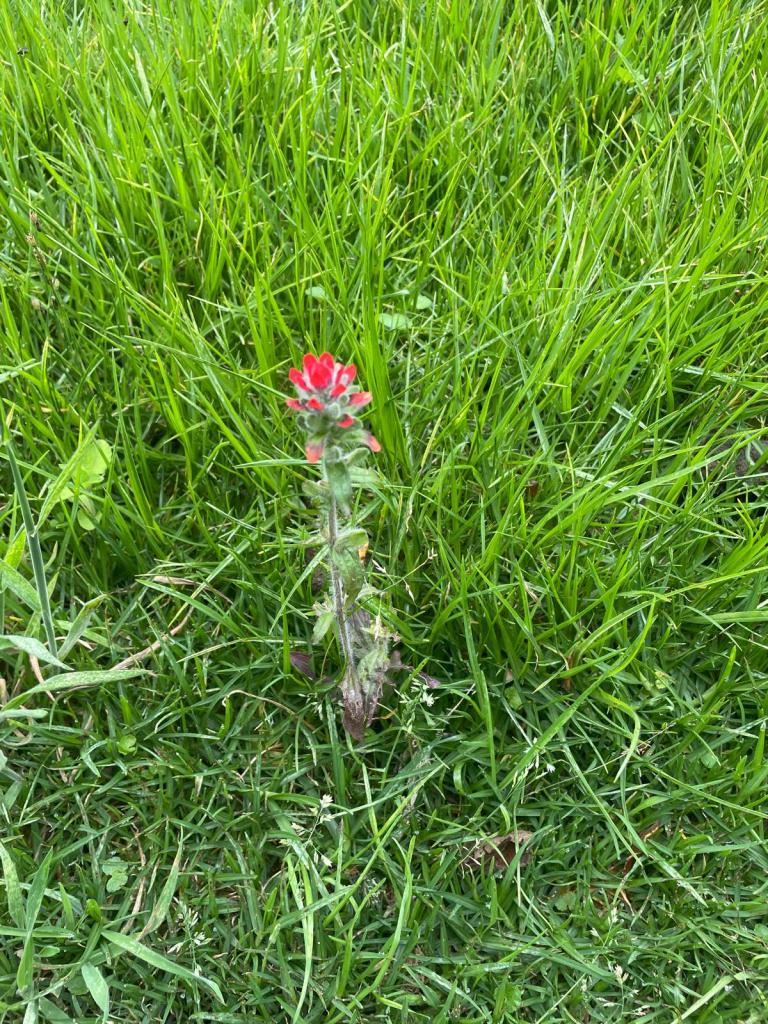
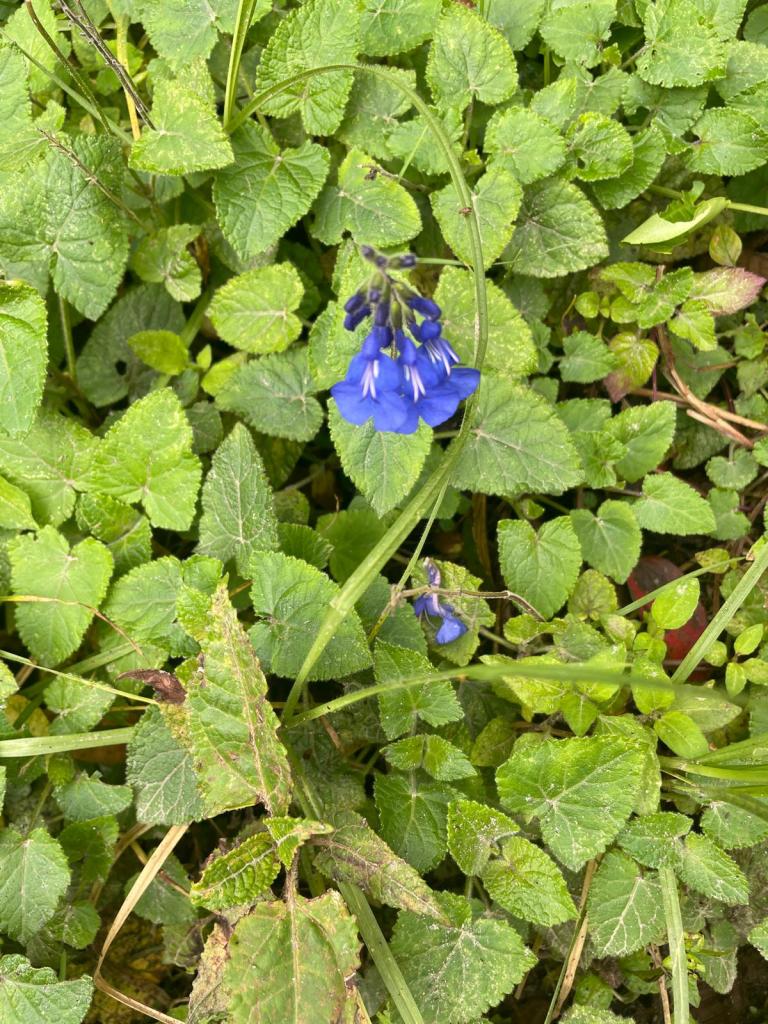

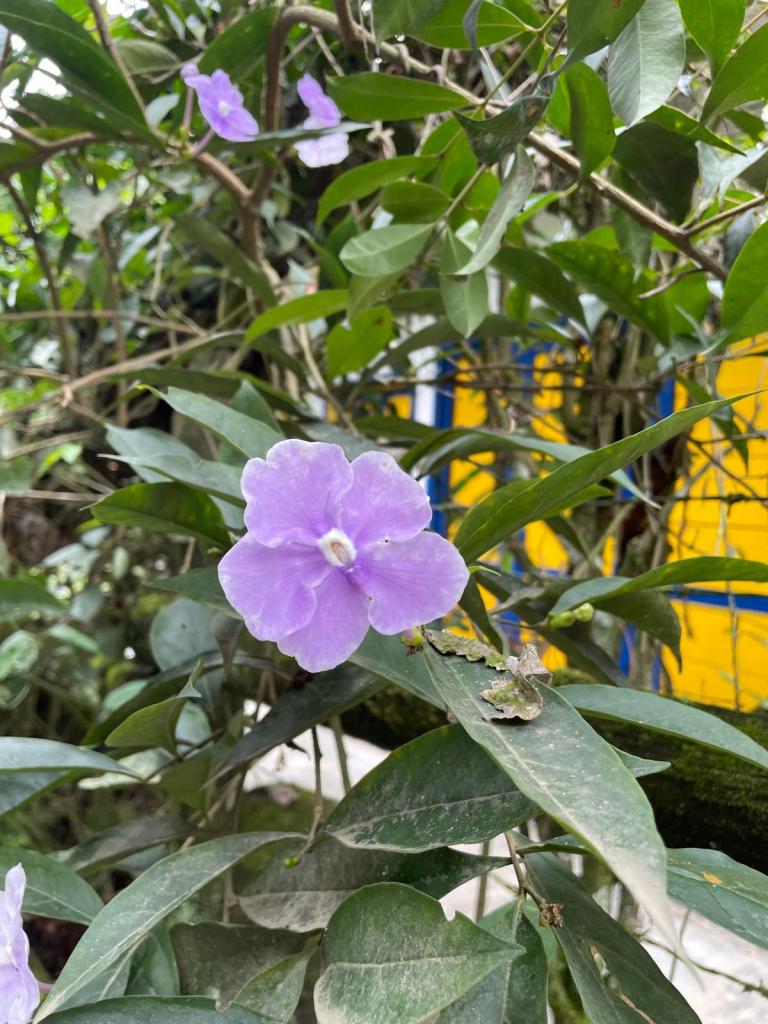
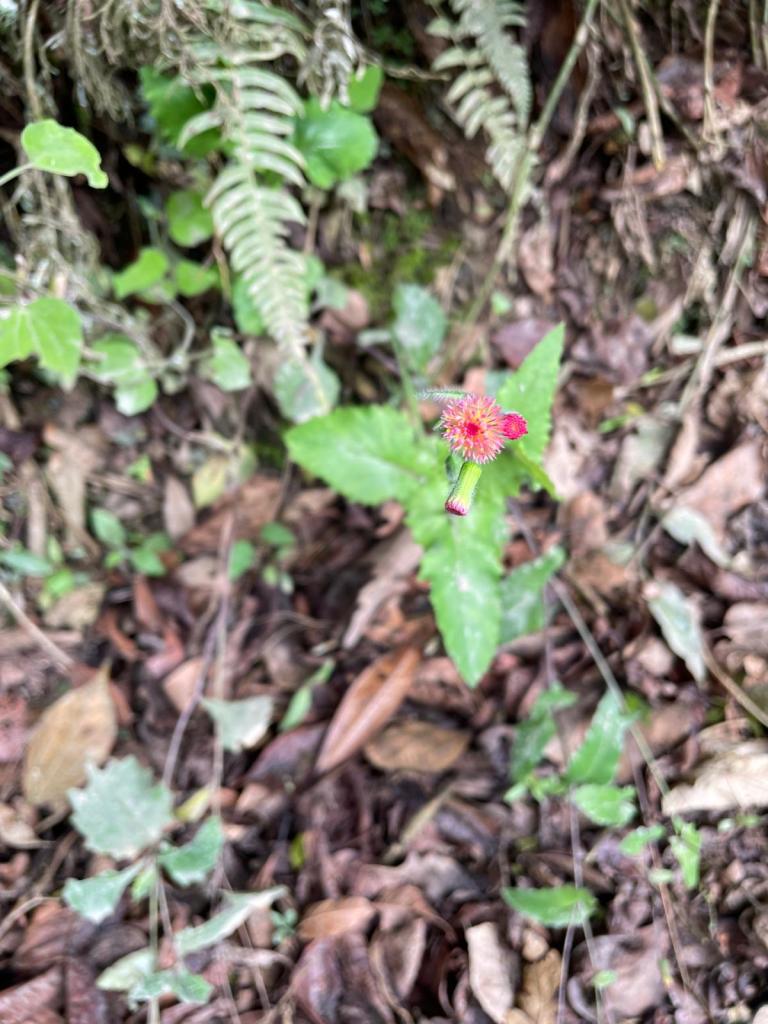

Before we got to the road, a pickup truck stopped alongside us, and who was in it? The trio of Colombians we hiked with to the waterfall! They offered us a ride back to town and we thanked them profusely. It was an example of how once you get to know people, regardless of where they are from, kindness can spring up and collegiality becomes more natural. Once we returned home, we ate, rested, and got ready to head back to urbanity: we have a brief house and pet sitting gig in Bogotá before heading out to Medellín.
The Quindío department offered us a nice taste of Colombia apart from an urban center. Colombians will tell you that the country is like several countries in one. That proved to be true for us as Bogotá and Salento feel like different worlds despite being only around 178 miles (287 kilometers) apart. It will be exciting to see other parts of this amazing country in the coming weeks. Please keep joining us on this adventure and be sure to like, comment, and subscribe to Traveling While Introverted so you don’t miss it!

 Traveling While Introverted
Leave a reply to Surprising & Typical Bites in Salento, Colombia – Traveling While Introverted Cancel reply