Since our plans for Argentina didn’t work out as we hoped, we cut our time short and decided to venture to a new country. We chose Uruguay for a few reasons. When we did our initial research about Latin America, Uruguay piqued our interest. The country has more cows than people and has a long history of stable democratic governance. Rather than flying, which was our main mode of international transit on our trip so far, we were able to hop on a ferry. Not only was this a nice change of pace, but this ferry is the fastest in the world! The ride was pretty seamless and we spent most of our time chatting with a lovely American couple looking to retire in Panamá.
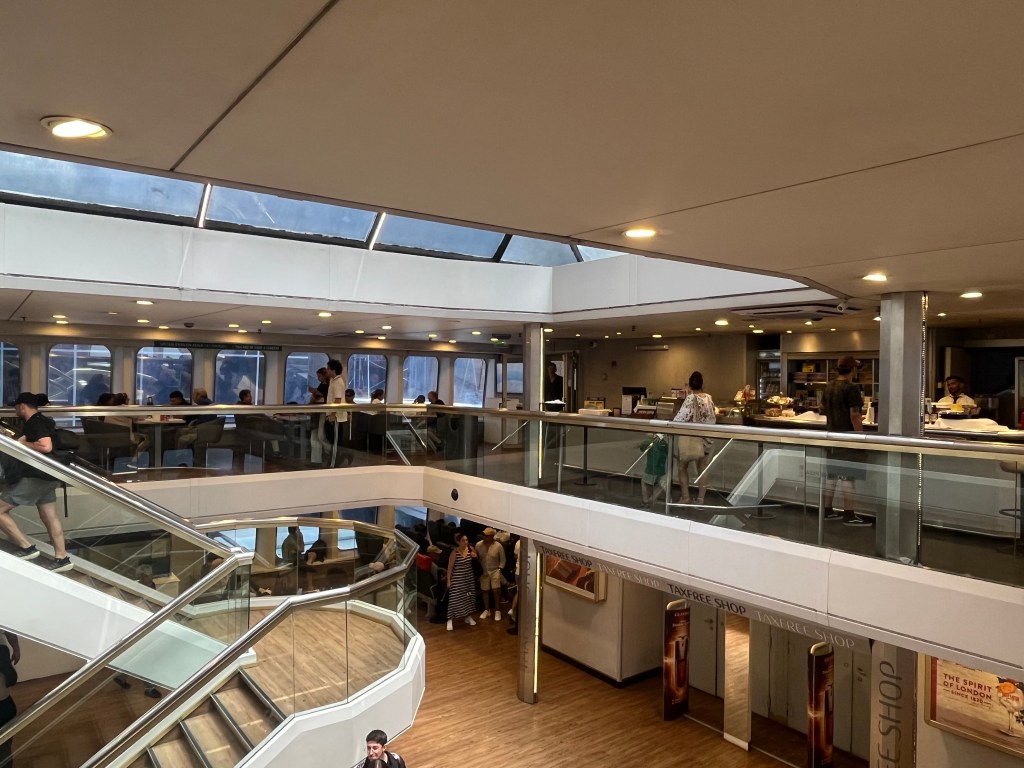
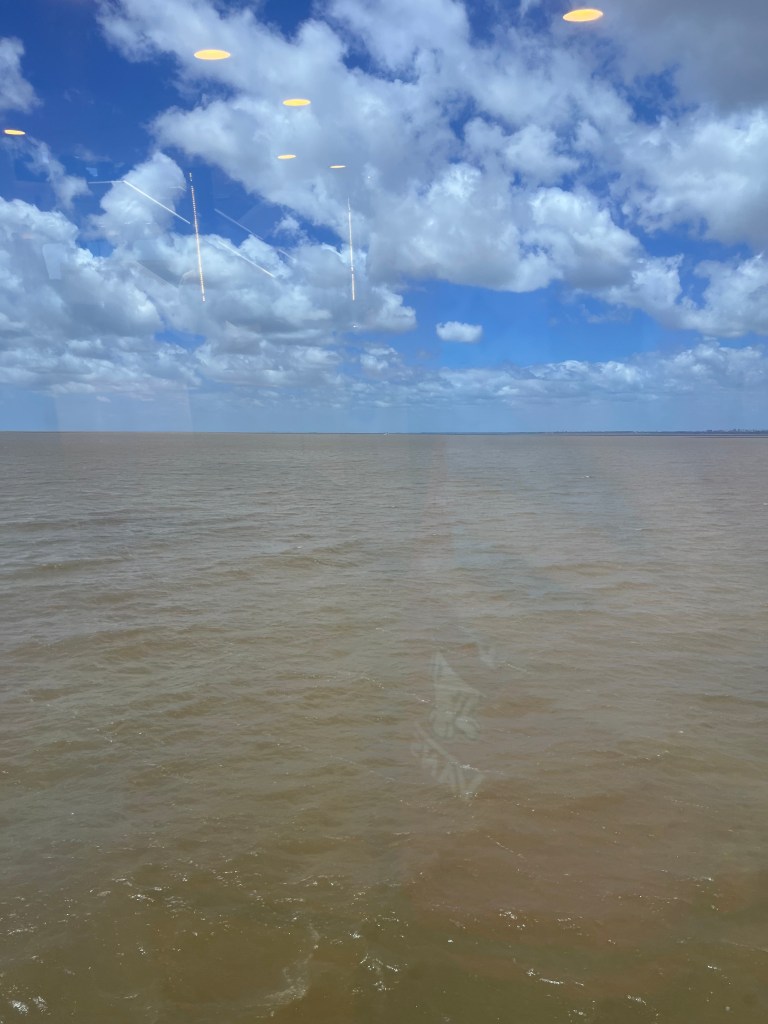
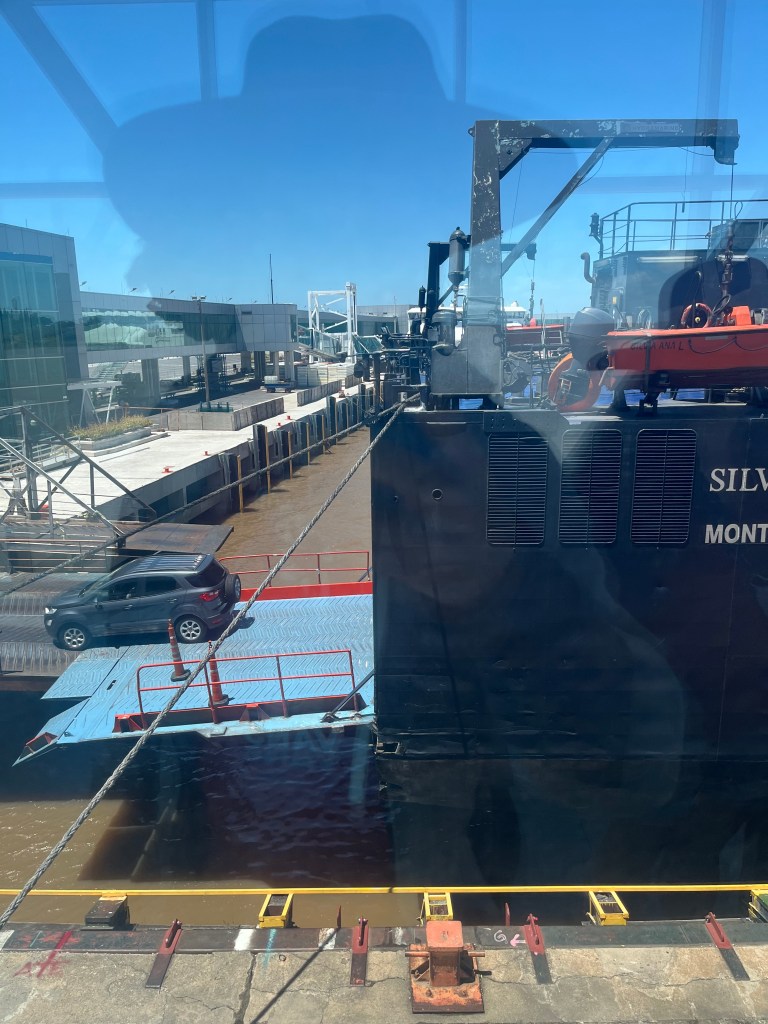
Photos left to right: the interior of the ferry; the Río de la Plata on the way to Uruguay; a car being driven off the ferry at the dock in Uruguay
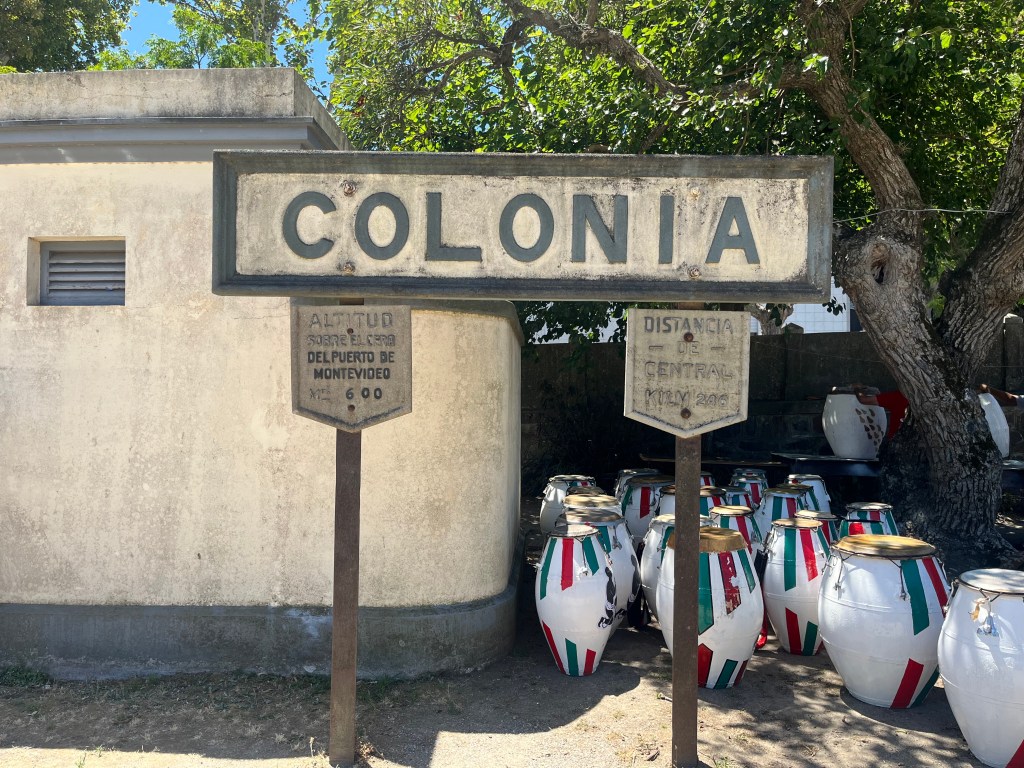
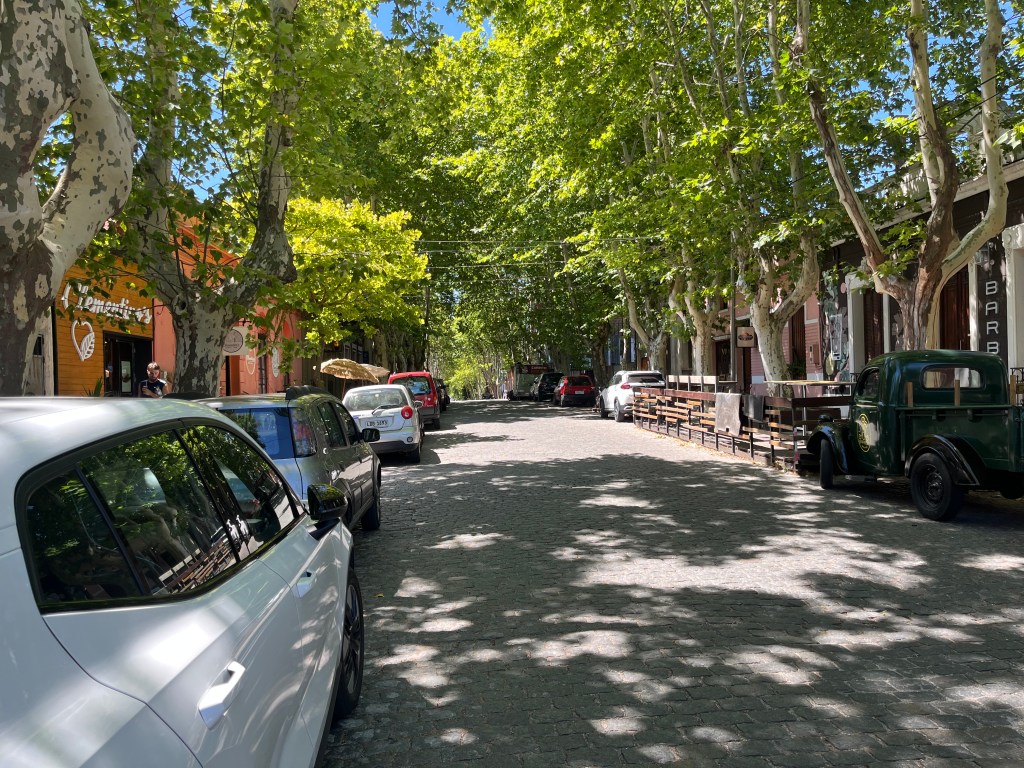
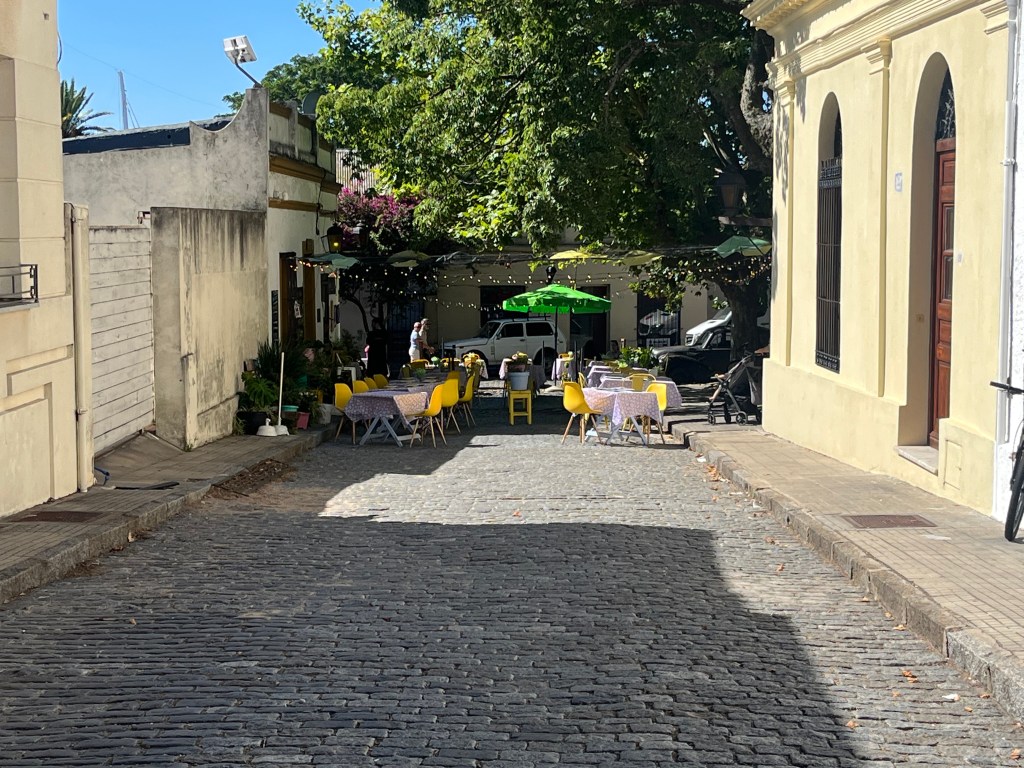
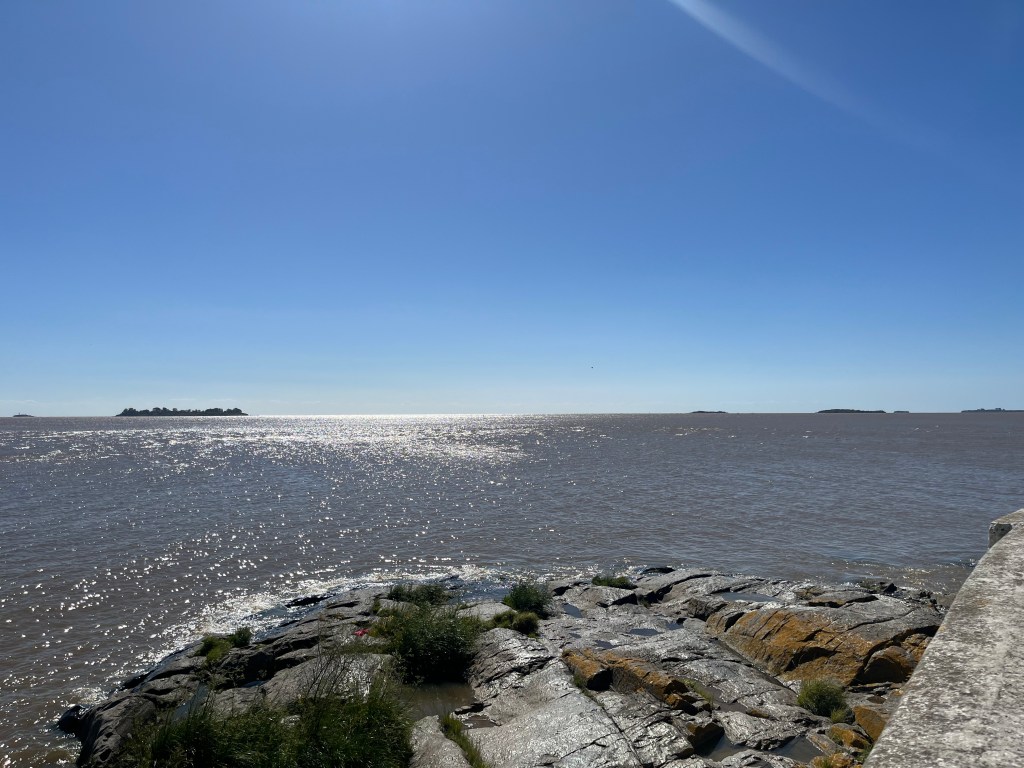
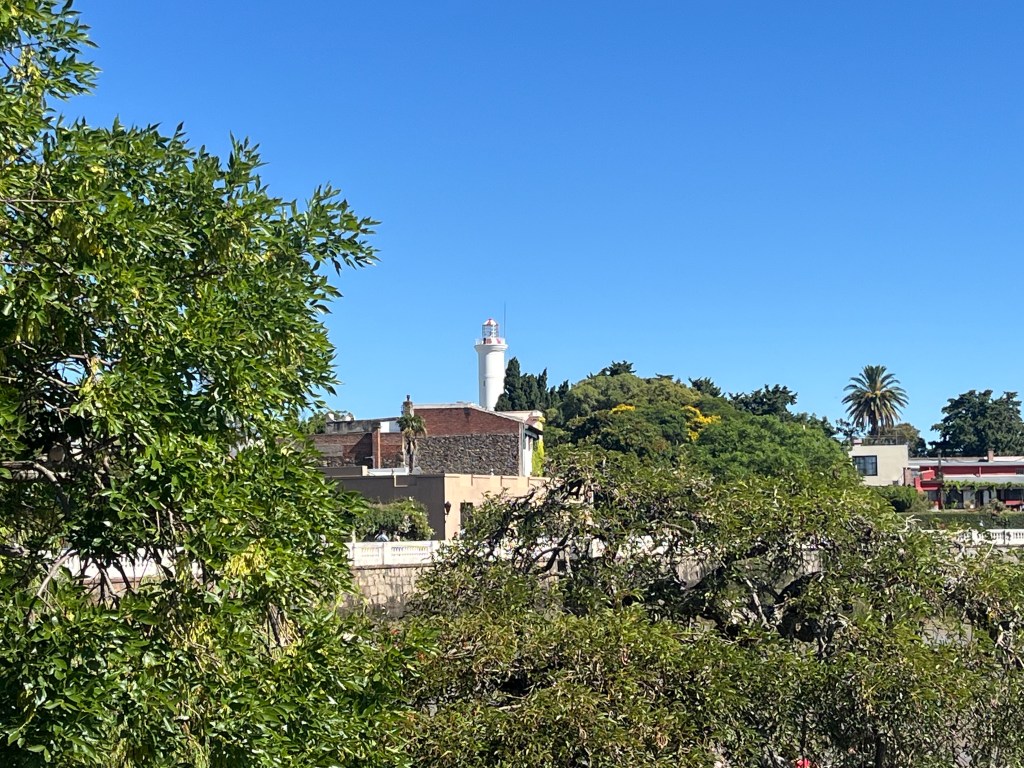
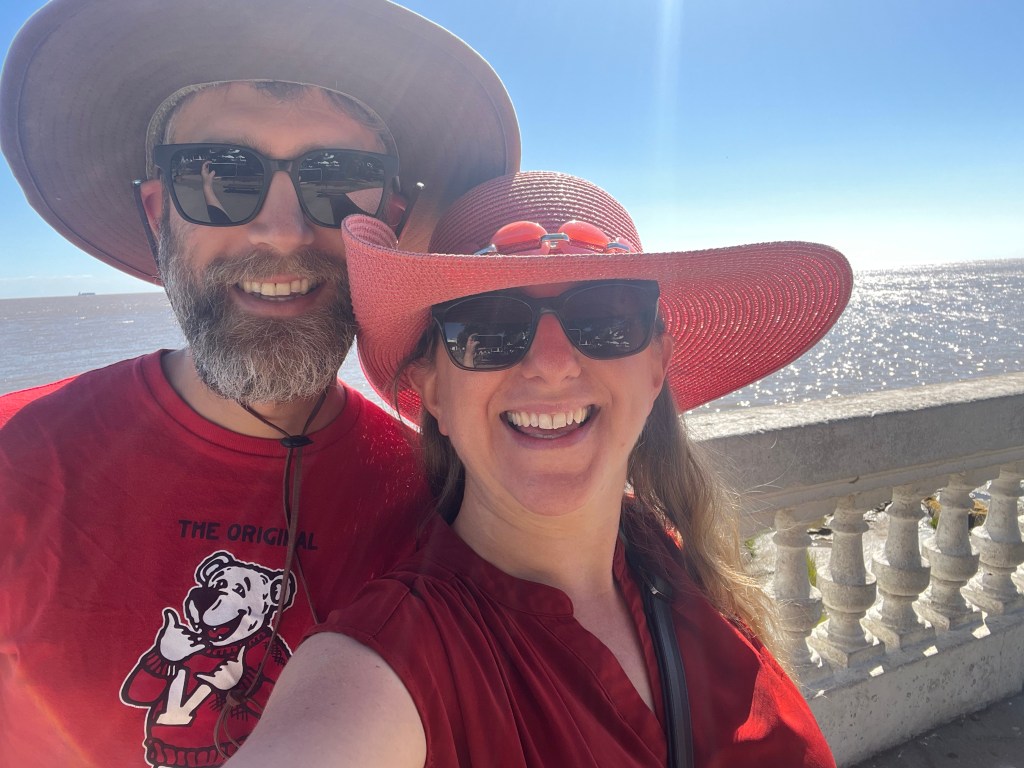
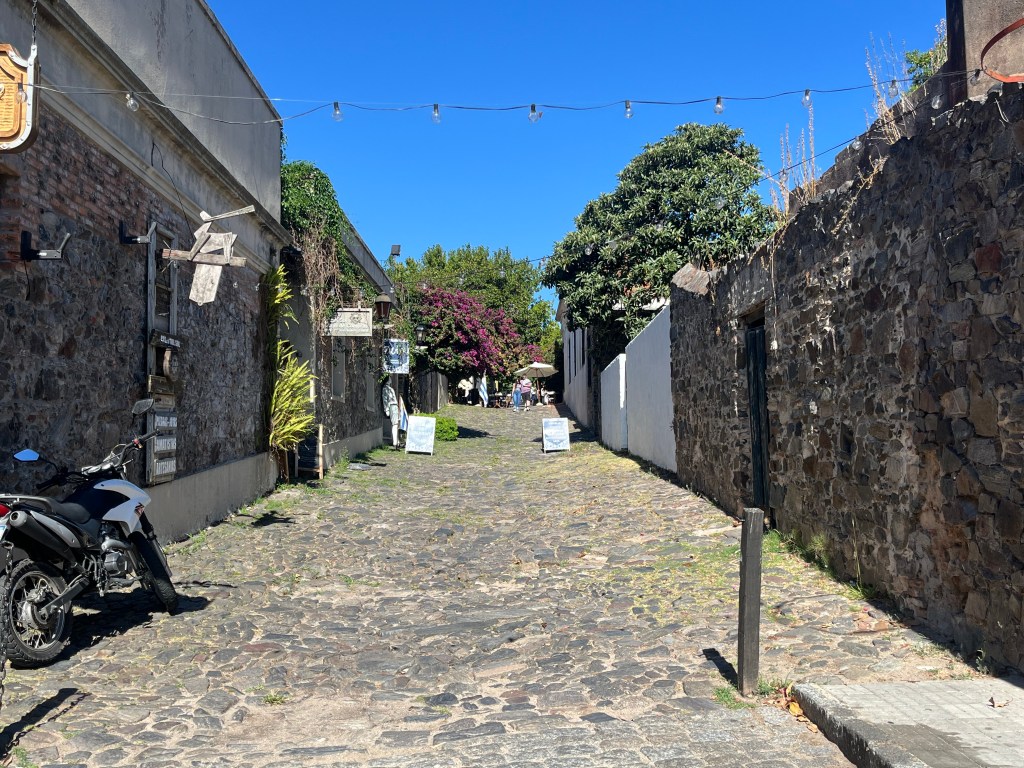
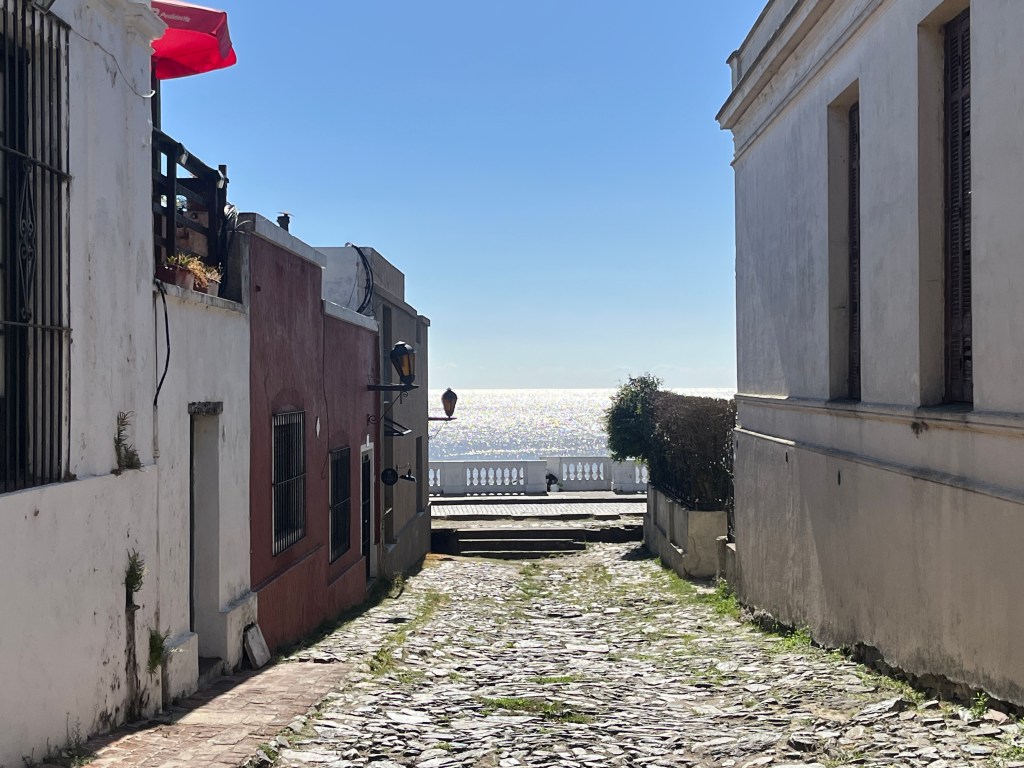
The city that we landed in is called Colonia del Sacramento, or Colonia for short. Once we settled into our hotel, we went for a walk around the historic downtown. Though this is (another) colonial Portuguese and Spanish town, we found it very charming. Perhaps one of the reasons we enjoyed it so much is because of its very laid back energy. Buenos Aires is not a typical hustle and bustle city in our experience, but we felt a shift when we arrived in Colonia. The tree-lined streets, the sleepy afternoons, and the mom-and-pop cafés and restaurants made us feel like we were on a holiday. Colonia offers a mixture of modern and colonial architecture, as well as beautiful views of the Río de la Plata.
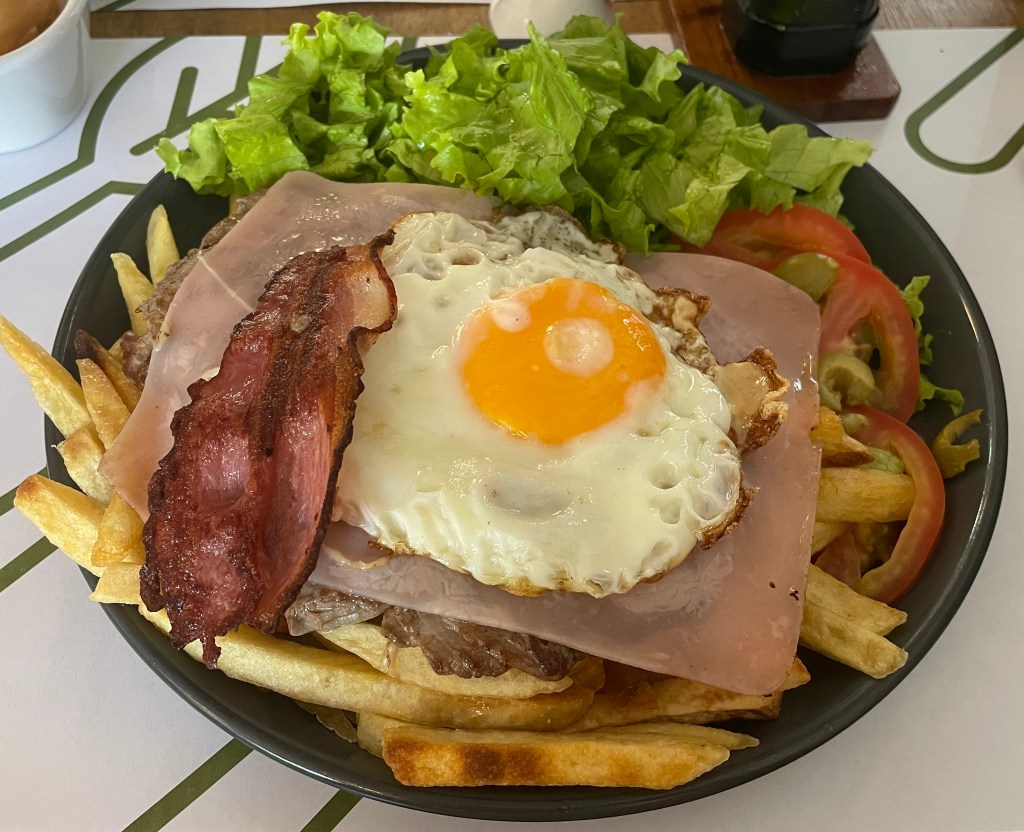
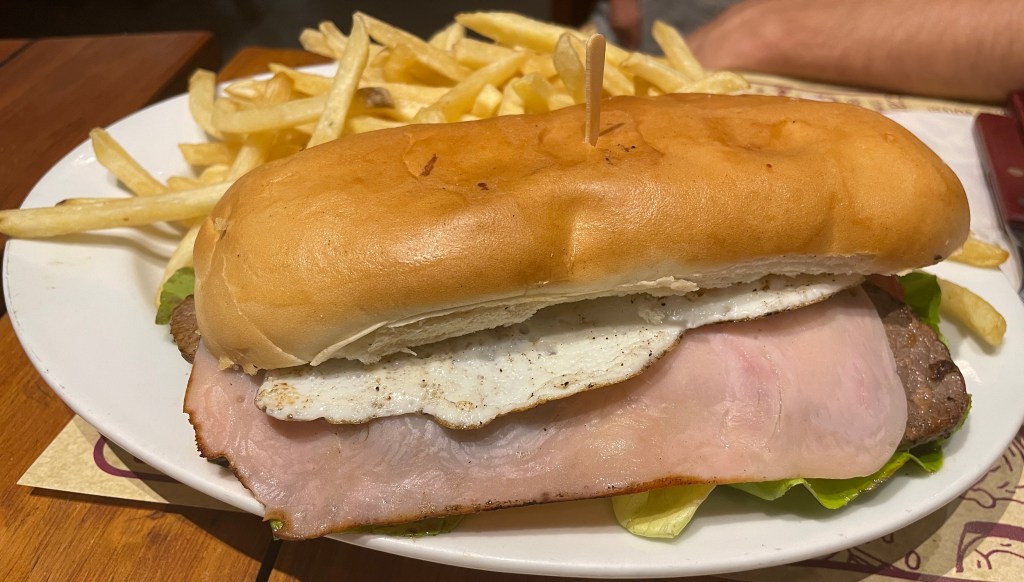
Normally, Yahm would have a separate blog entry about the food in Colonia, but, to be honest, none of the food really stood out except for one dish. Chivito is a uniquely Uruguayan dish that we both had the chance to try in Colonia. Though normally served as a sandwich, it can also be served as a plate. The classic version includes thinly grilled beef steak, deli ham, bacon, a fried egg, mozzarella cheese, lettuce, tomato, and onion on a toasted white bun. Though both of us ate chivitos without cheese, Yahm got hers on a plate while Adam ordered the sandwich version. While this isn’t something we would eat everyday, it was a fun treat that was different enough from a typical parilla item to make it interesting.
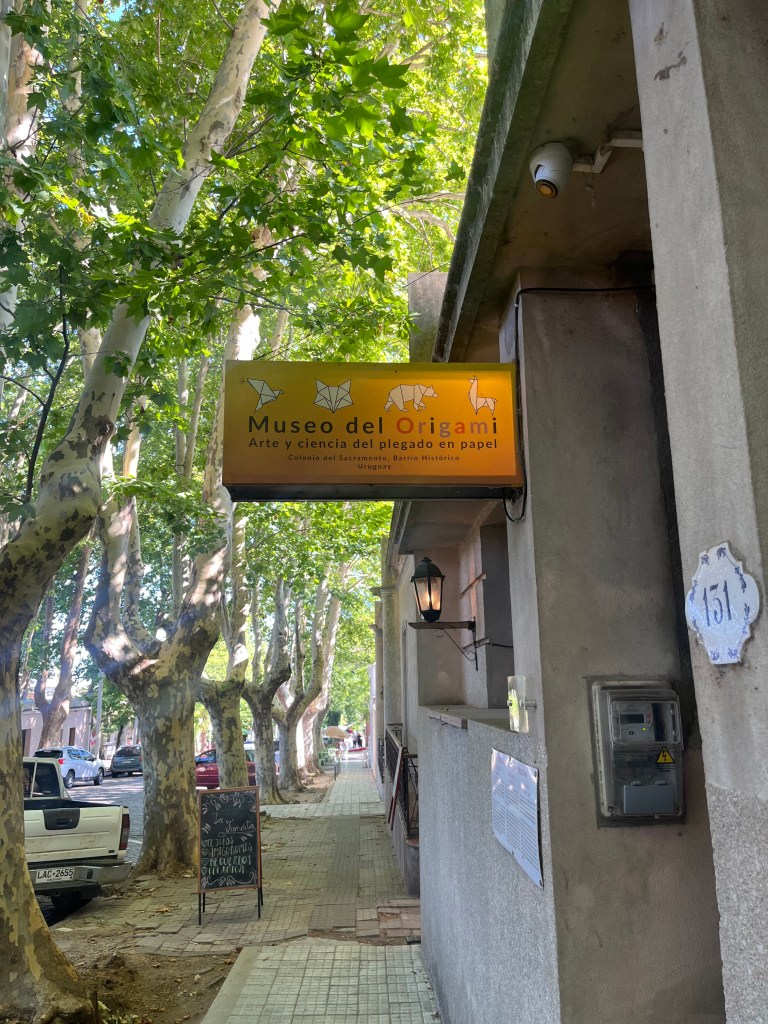
One of the places Yahm insisted on visiting was the Museo de Origami (Origami Museum). This small museum taught us about the history of paper folding, the origins of modern origami, and featured beautiful sculptures. Considering how little there is to do in Colonia, visiting this museum was a lovely way to enrich an afternoon. Extra kudos to the museum for having excellent translations available in English and Portuguese. (Many Brazilians vacation in Uruguay.)
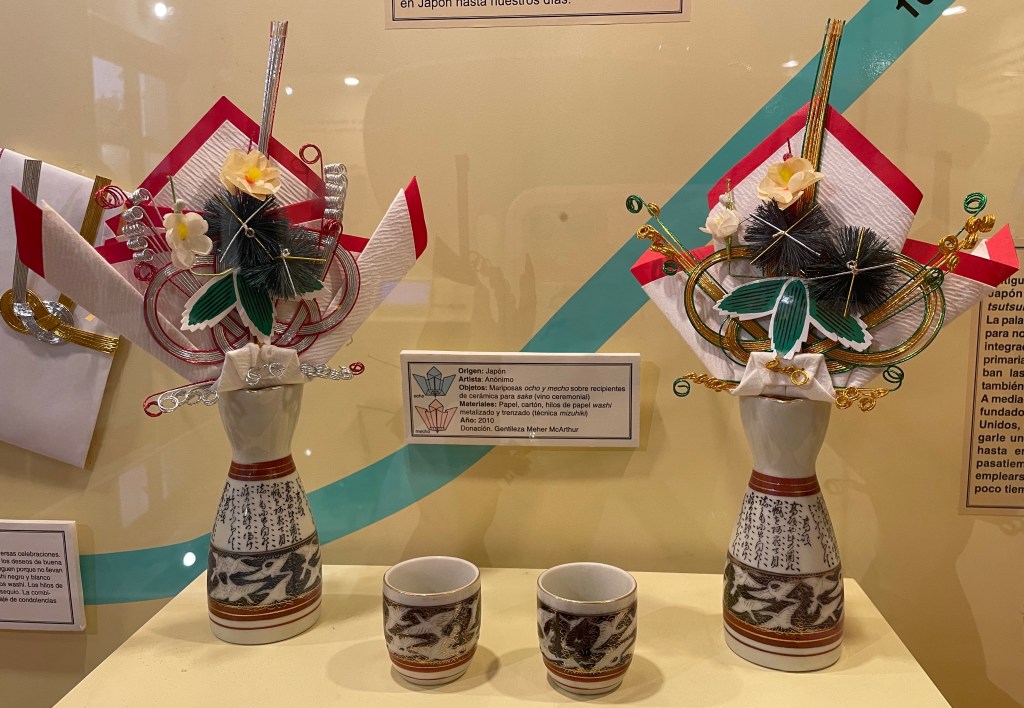
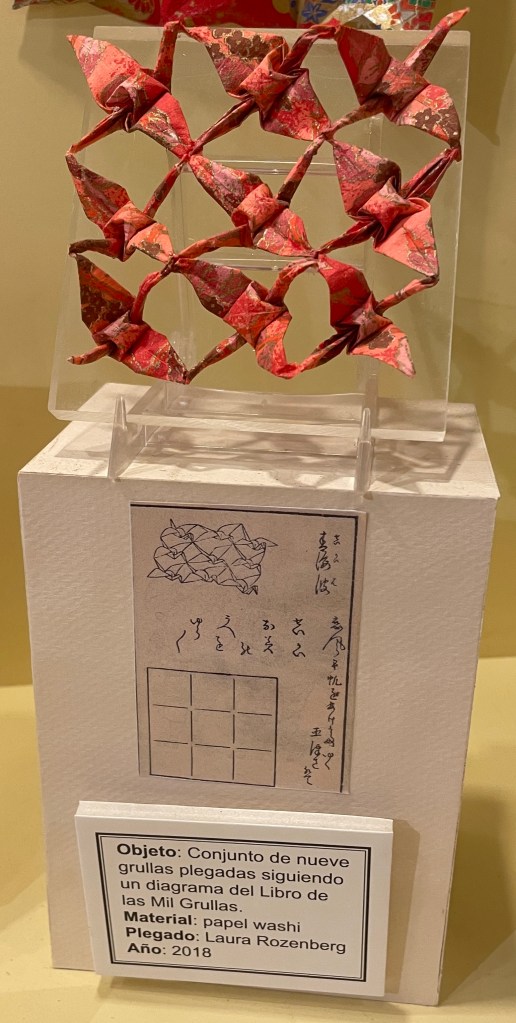
Photos, left to right: entrance to the museum; Japanese sake vessels decorated with paper for a wedding ceremony (enlarge the photo to see details); paper cranes that are connected together through folding rather than glue or another adhesive
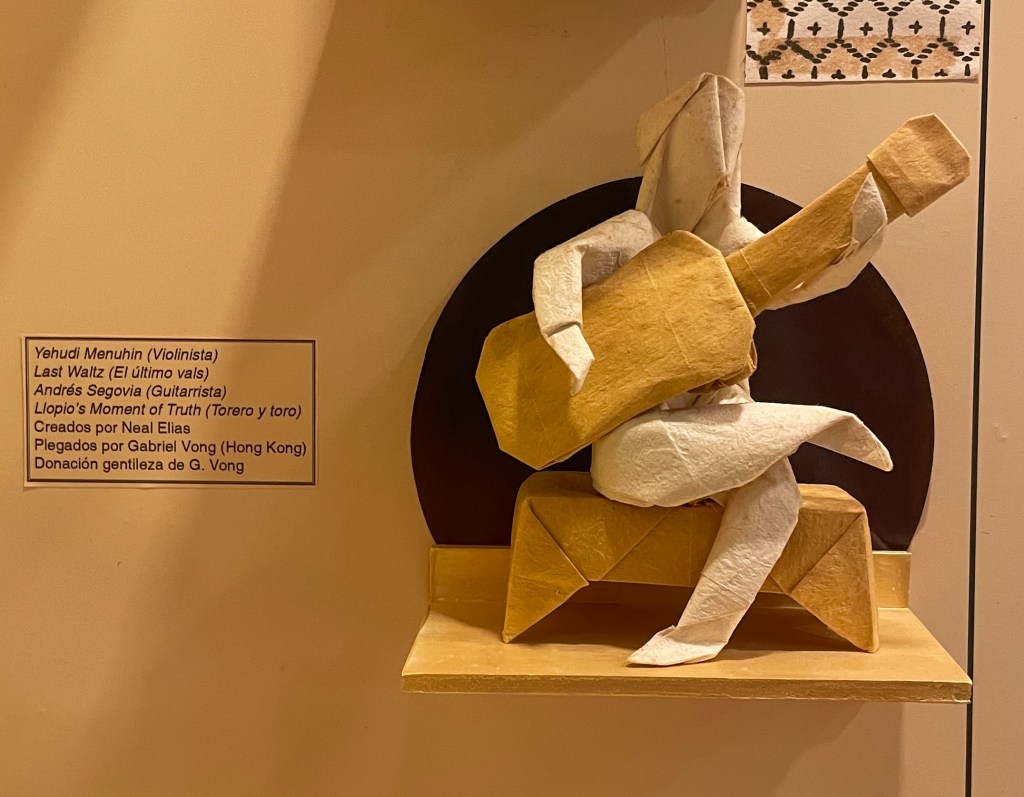
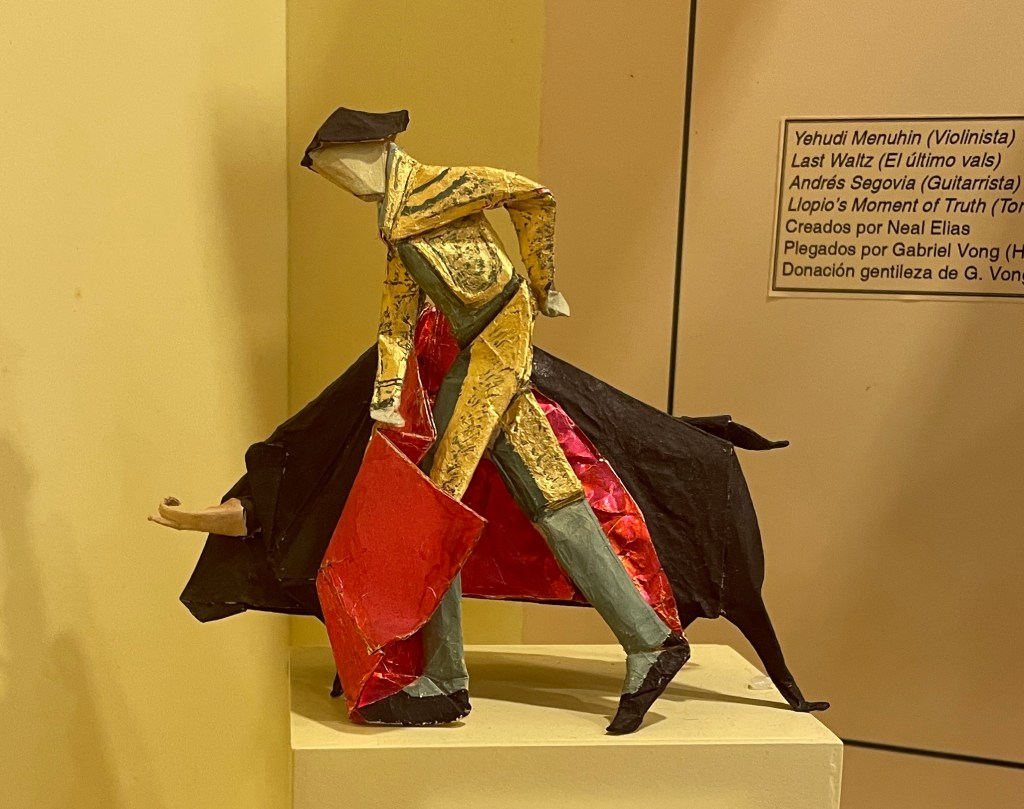
Photos left to right: a person playing the guitar by Andrés Segovia; a bull and matador by Neil Elias
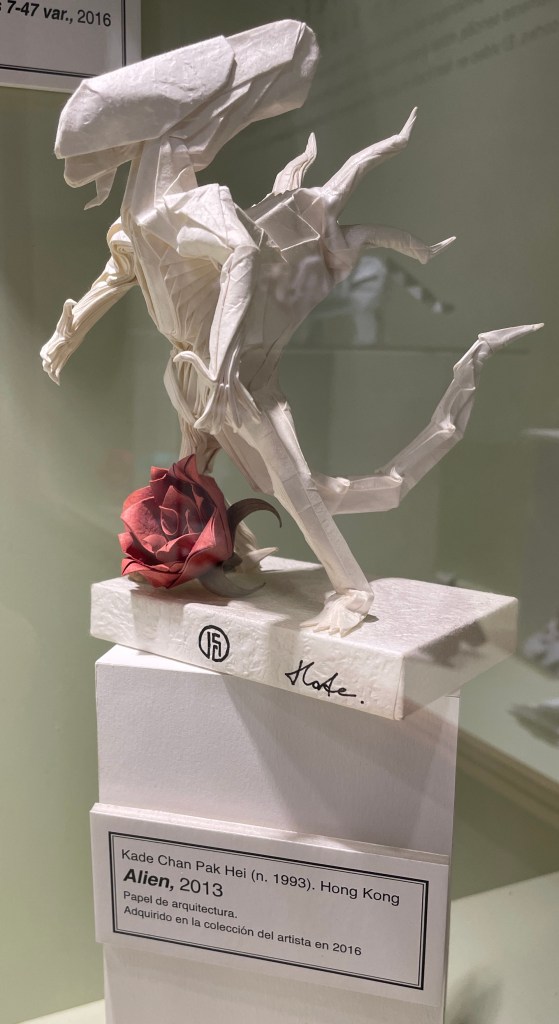
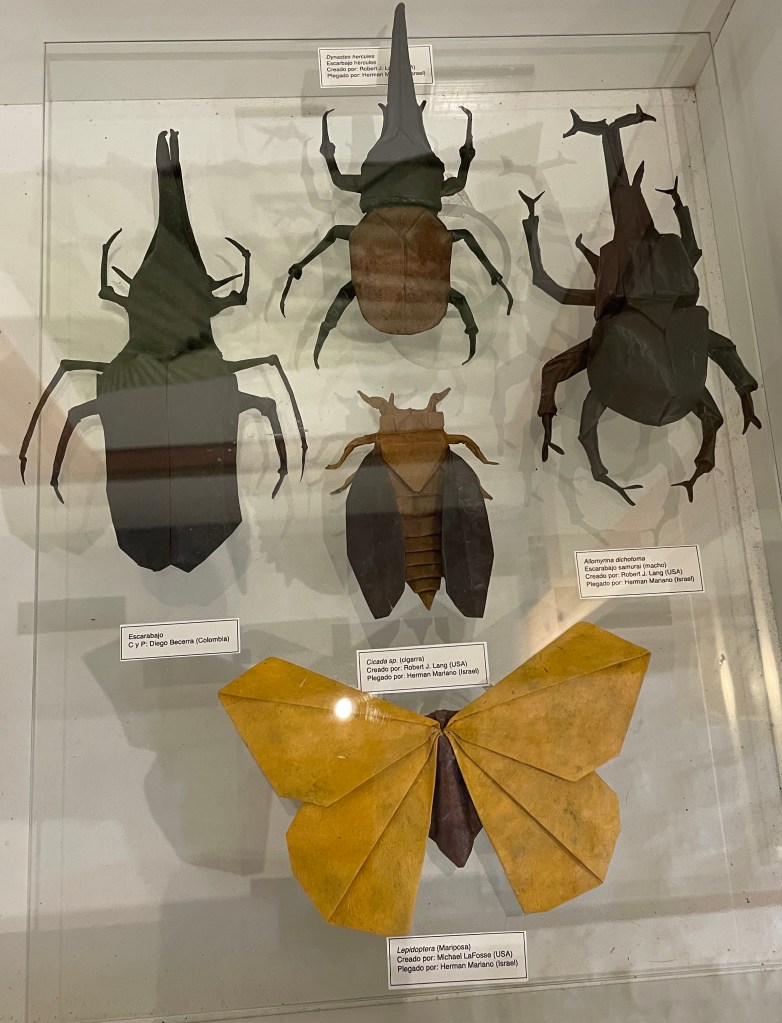
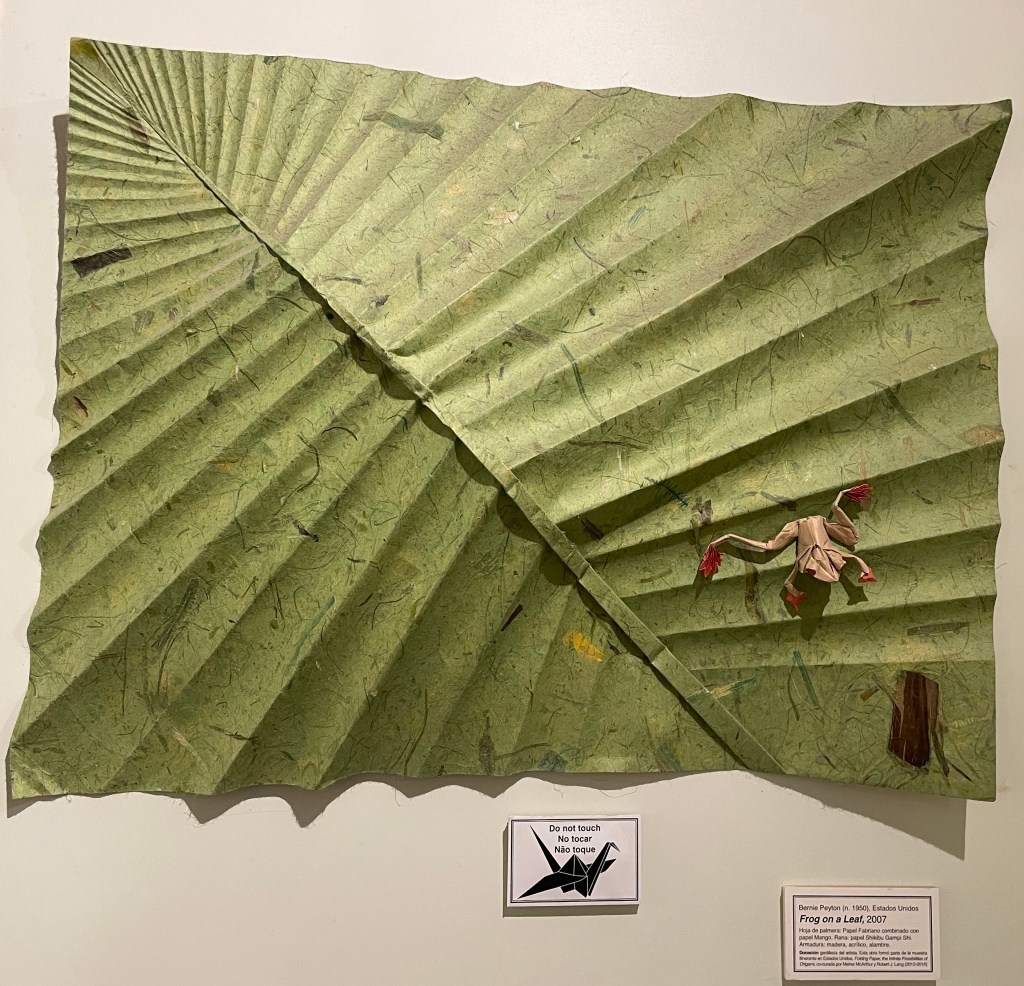
Photos, left to right: the creature from the movie Alien and a rose; a variety of beetles and moths; a frog on a leaf. Everything is made out of paper with minimal use of adhesives
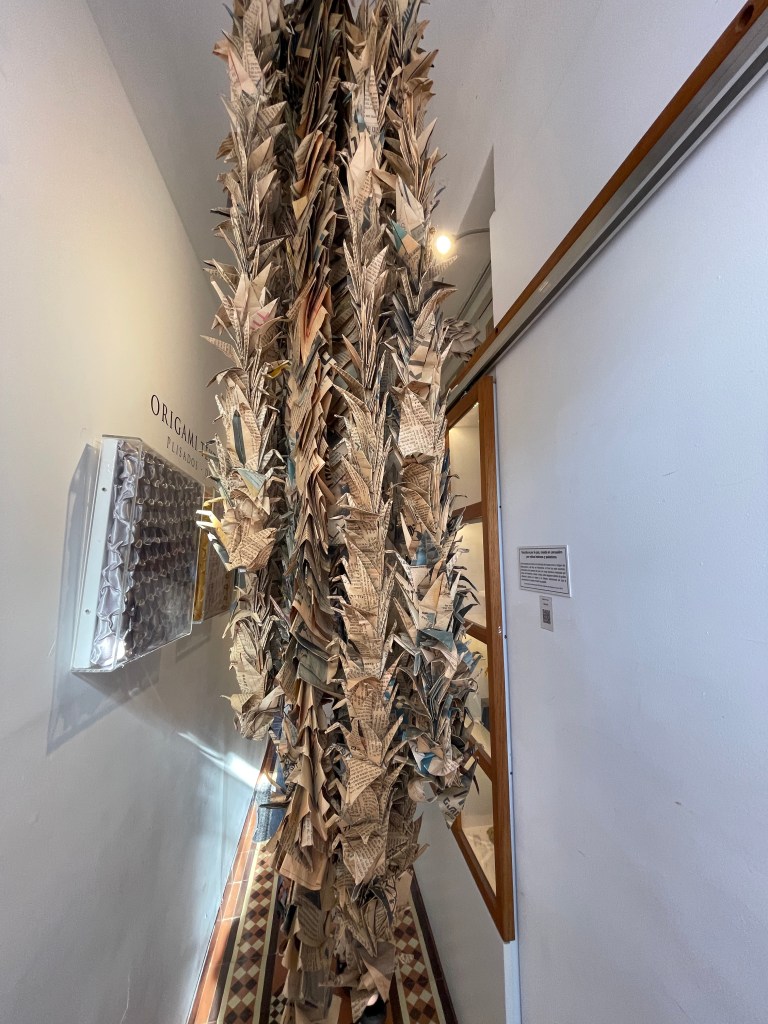
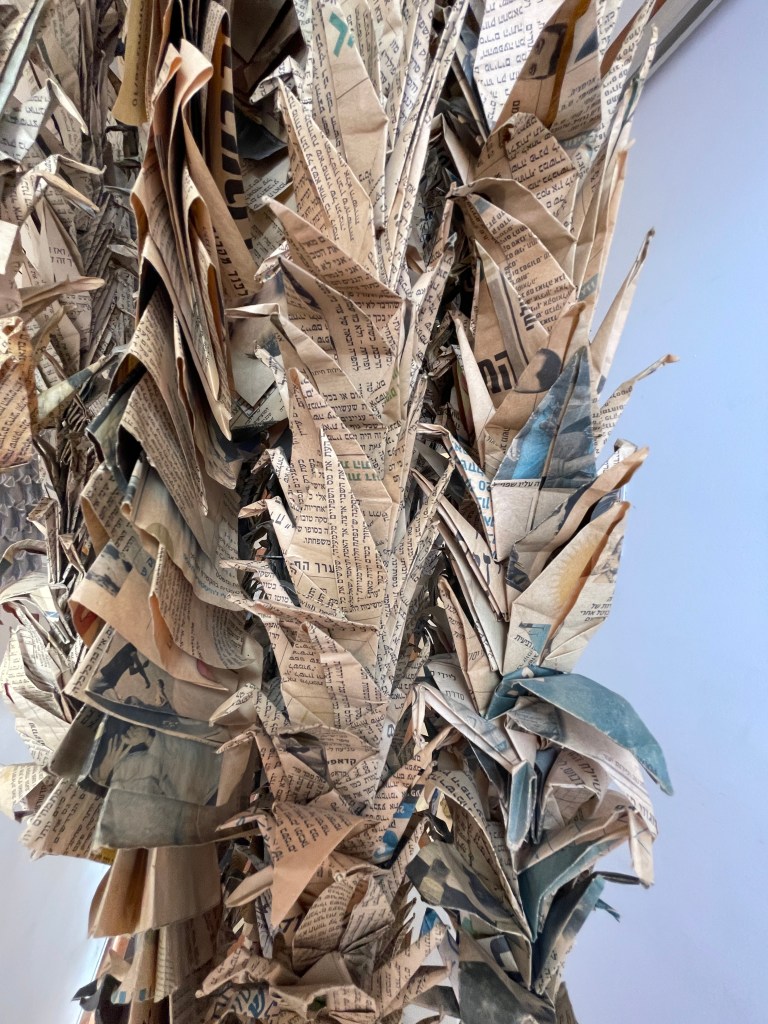
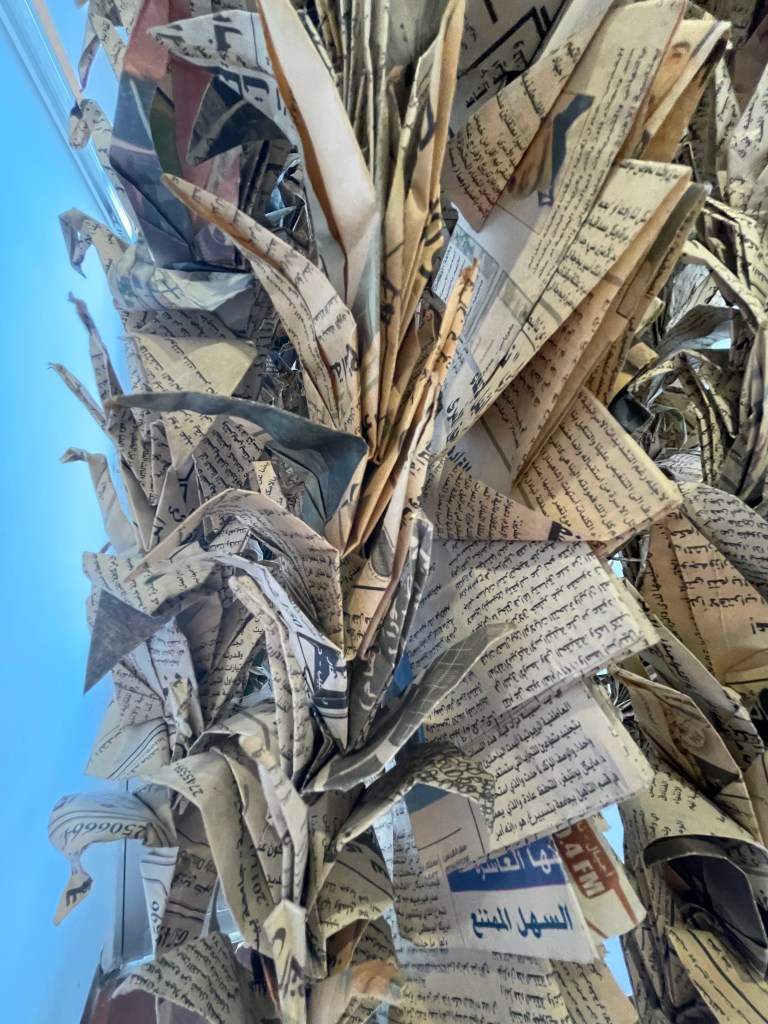
At the end of the exhibit, there were hundreds of paper cranes on top of one another. The person working at the museum explained that it was a project completed by both Israeli and Palestinian children out of local newspapers (in Hebrew and Arabic) as a way to encourage peace and bridge divides. This made Yahm teary-eyed, of course.
After a few days in Colonia, we hopped on a bus to Montevideo, the capital and largest city in the country. Within three hours, we were back in urbanity, though Montevideo is one of the calmest cities we’ve visited on this trip. We will share our experiences in this city soon so stay tuned. Be sure to like, comment, and subscribe to Traveling While Introverted so you don’t miss it!
 Traveling While Introverted
Leave a reply to Montevideo: Uruguay’s Surprising Capital – Traveling While Introverted Cancel reply