After a few fun days in Colonia del Sacramento, we hopped on a bus to the capital city of Montevideo. Because we were staying in the city for 2.5 weeks, we took our time exploring and learning about Uruguayan culture. The day we arrived was also the beginning of Carnaval, which is an incredibly unique annual event. Carnaval is celebrated all over the world and Montevideo has the longest running one (1.5 months!) so we also had opportunities to partake in the festivities. More about that later, but first some cityscape photos.
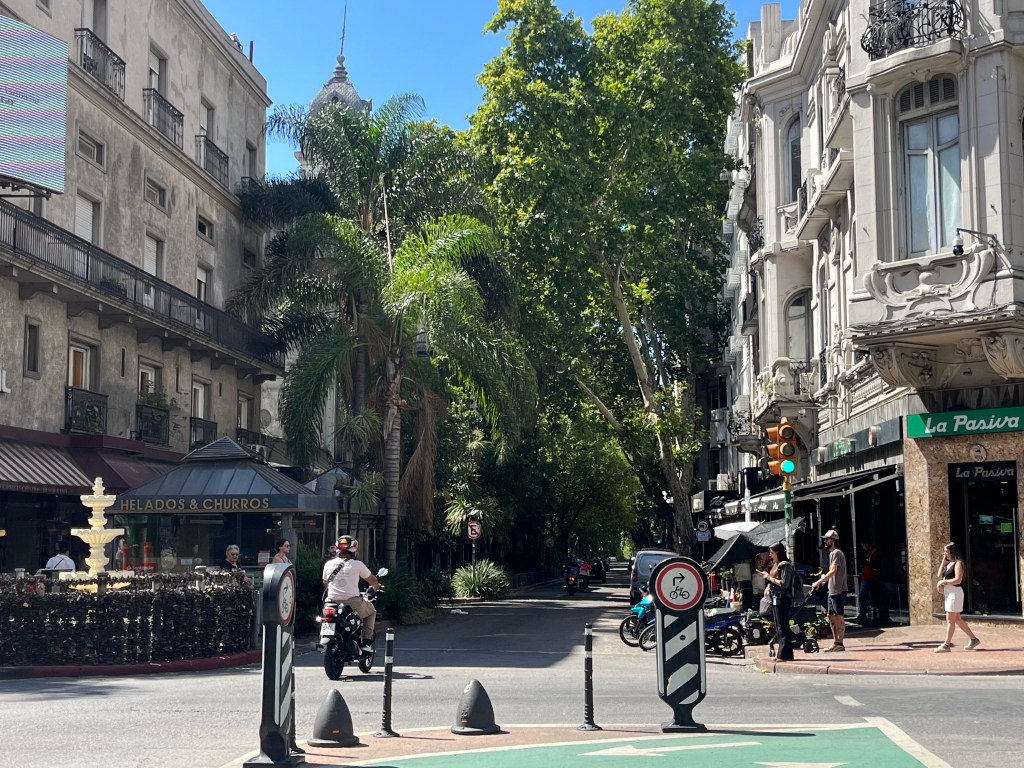
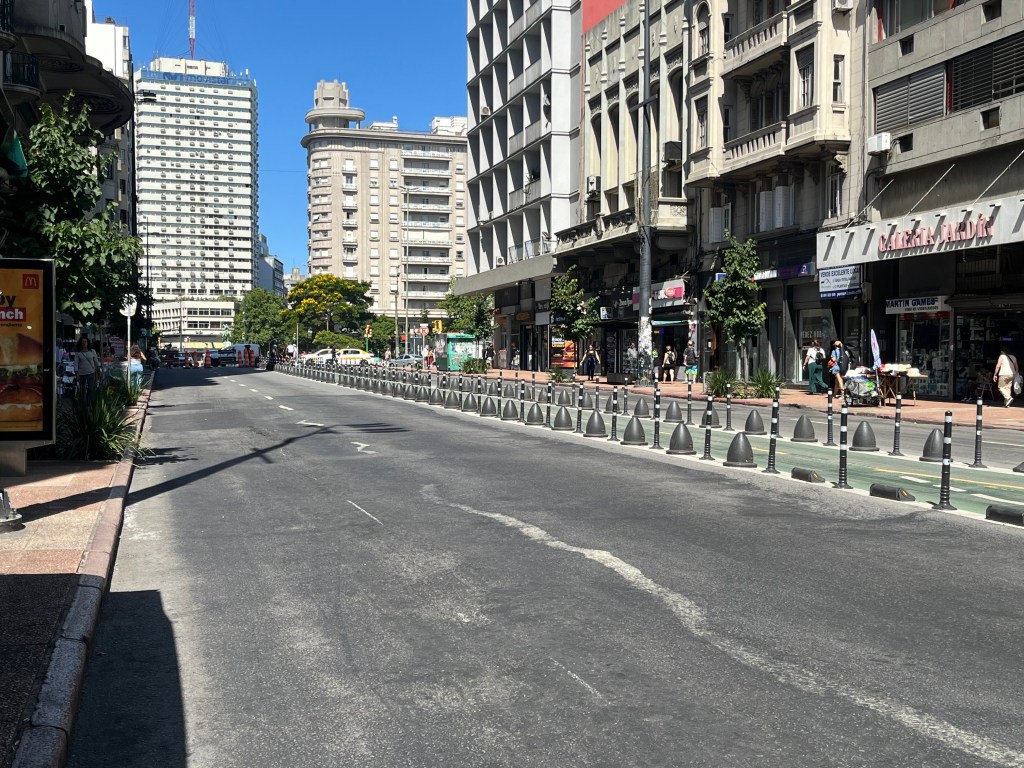
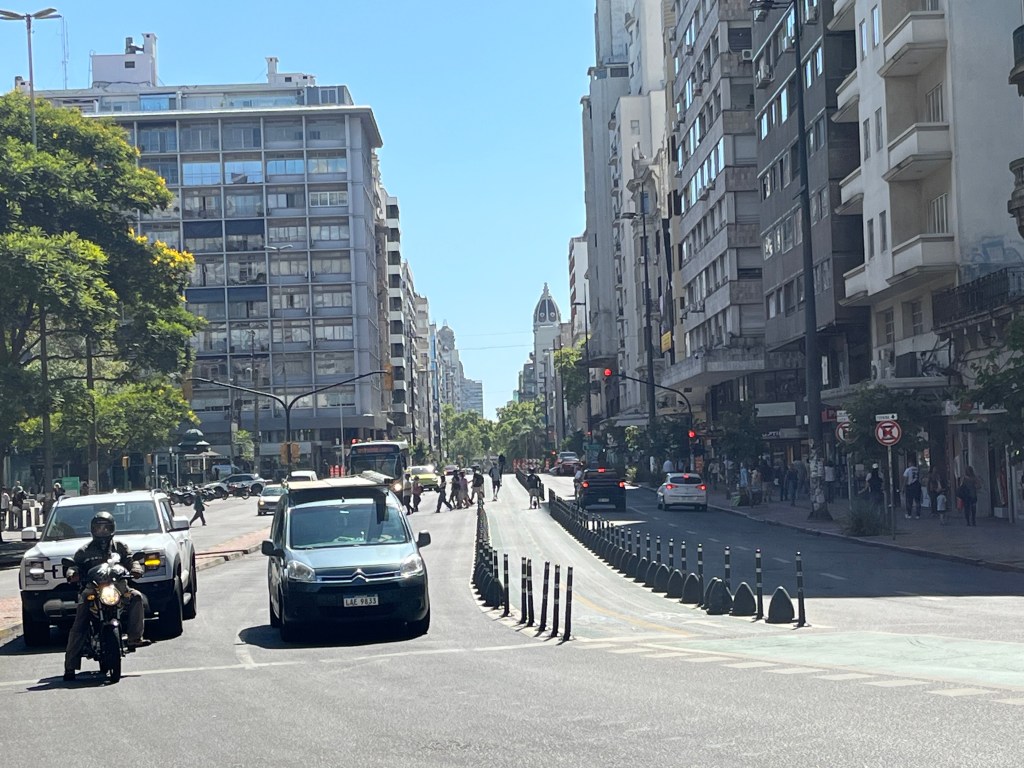
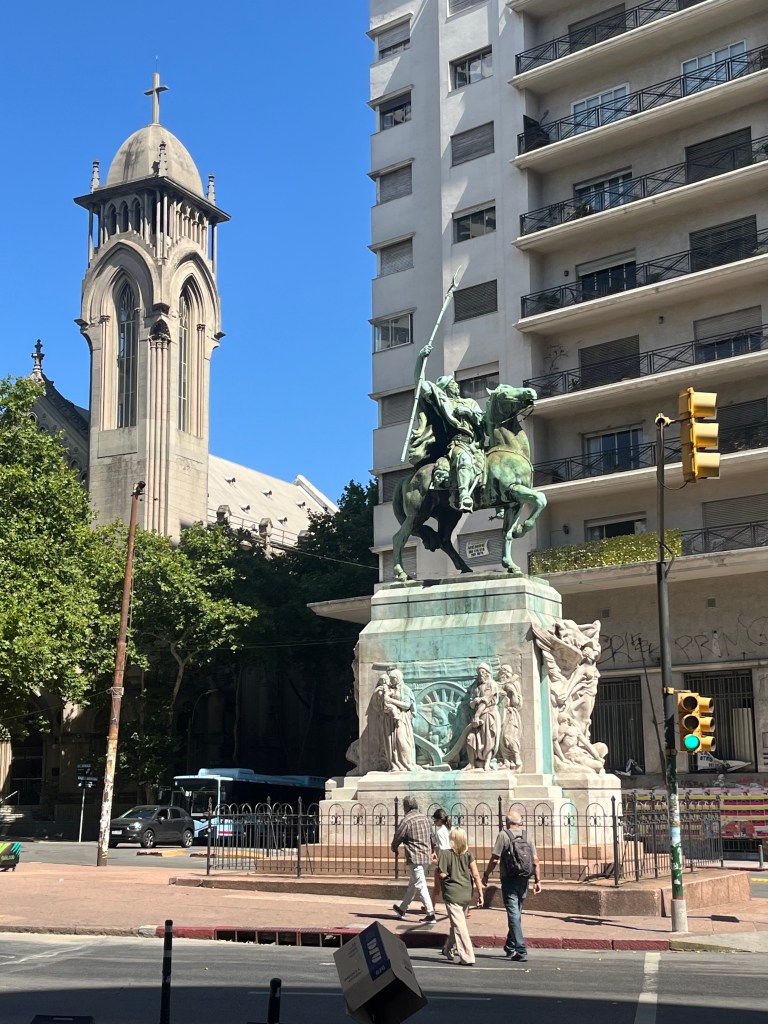
In the photos below you’ll notice the mixture of colonial-style buildings and dramatic statues mixed with modern mid-rises. One of the best parts of Montevideo is its walkability. In fact, it’s one of the most pedestrian-friendly cities we have visited on our trip. The city’s embrace of multi-modal transit can be seen in the top row of photos. Besides public transit that runs every day and wide sidewalks, major thoroughfares have a dedicated segregated bicycle lane. This way, cars, bikes, and pedestrians can share the road safely, each at their own pace. The far right photo in the bottom row says “A sea free of petroleum” in Spanish. Uruguay is nearly entirely powered by green energy and every election cycle petrol companies try to change that. While we were in Montevideo, there were several protests against off-shore drilling.
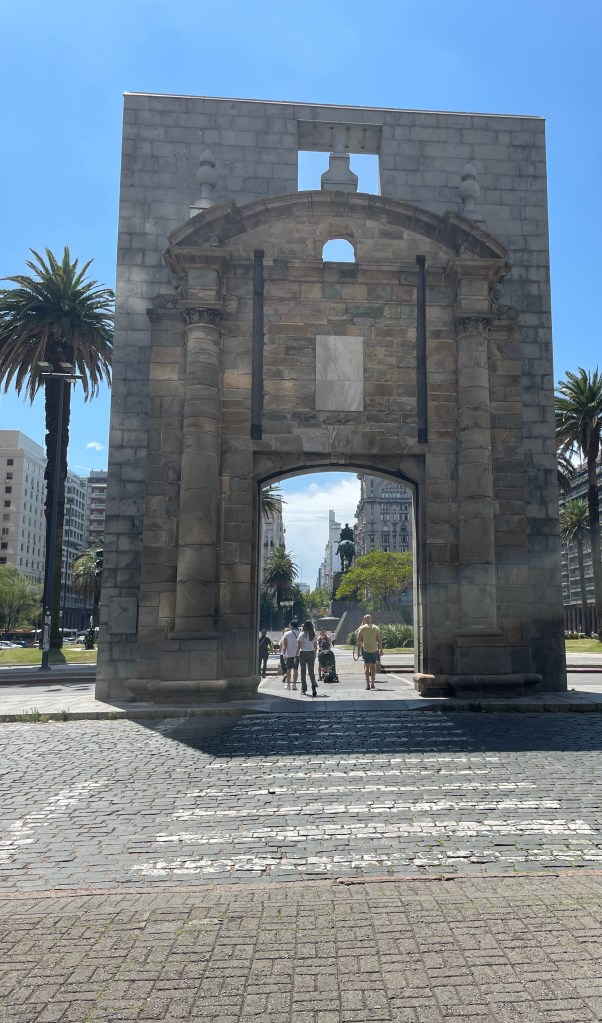
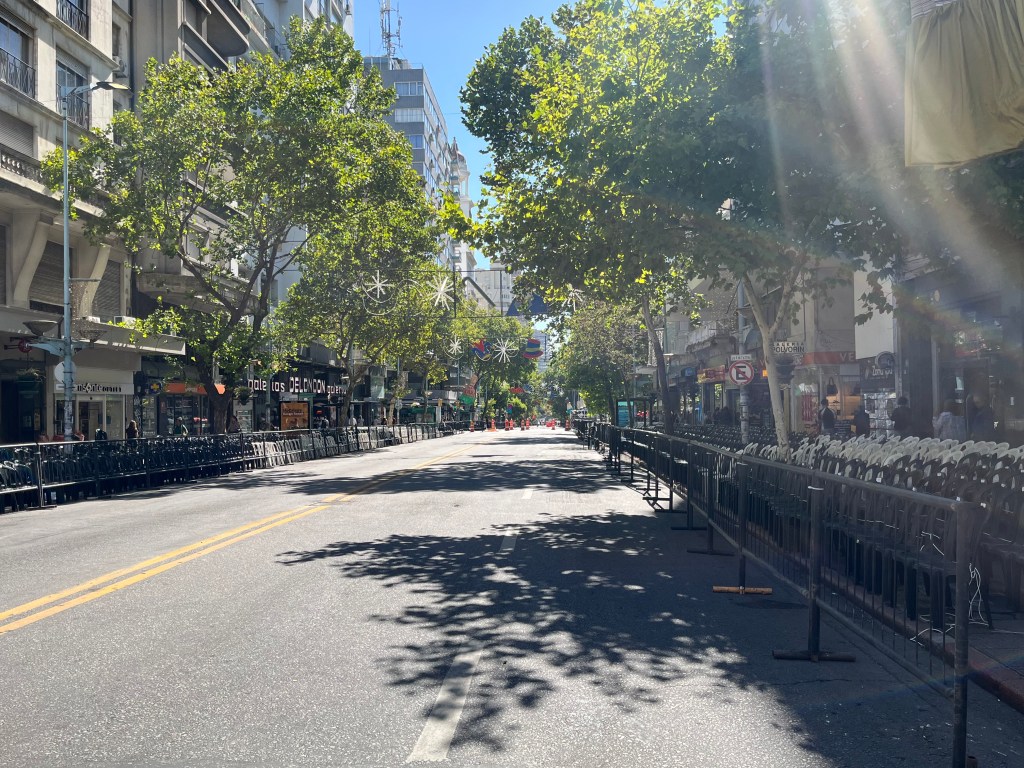
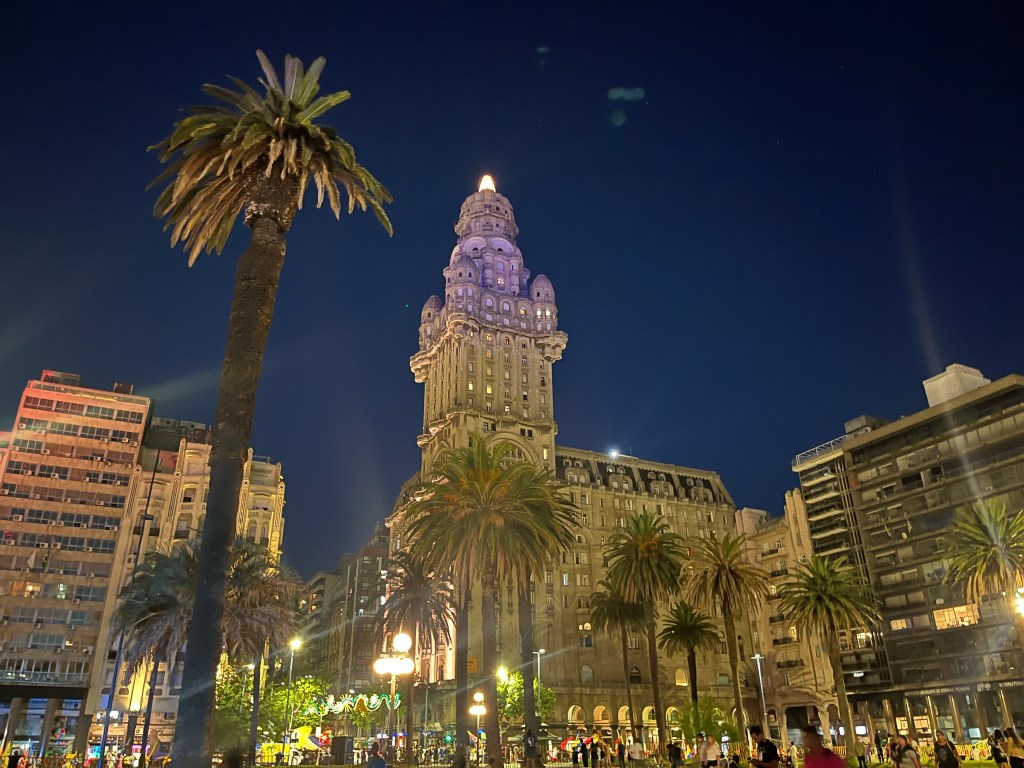
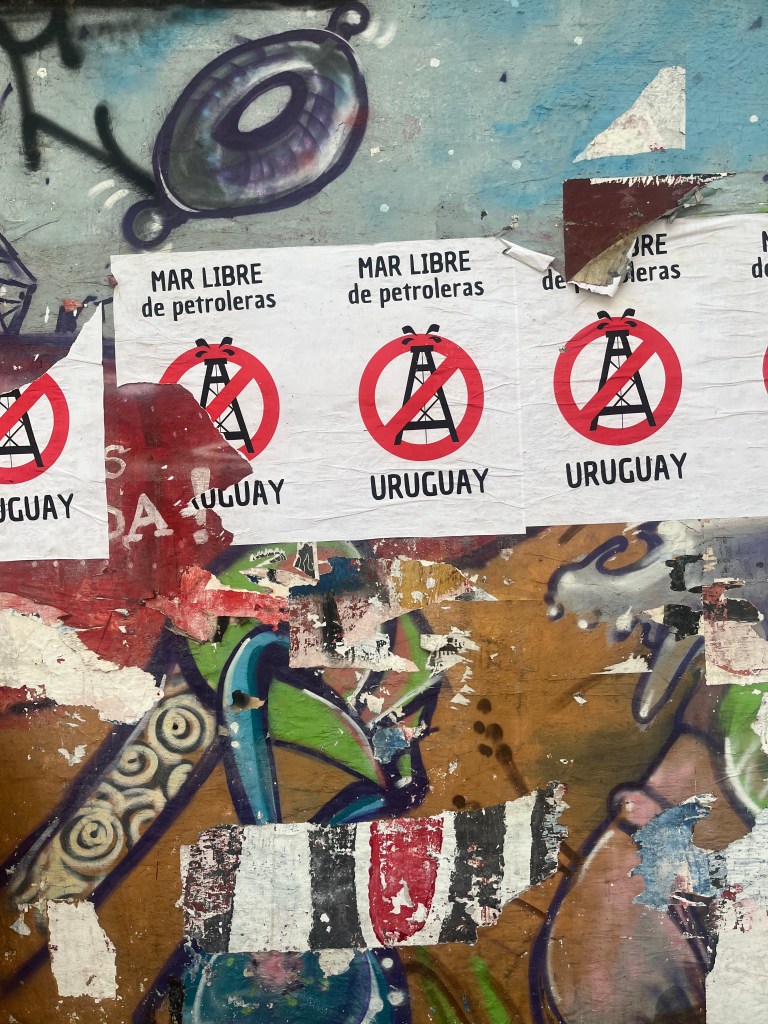
One of Montevideo’s features is a 22-kilometer (13.7 miles) rambla, or walkway, along the coast. We initially wanted to rent bikes to see it all, but the seats were too tall for Yahm. (This happens more often than you might think! Life isn’t easy for short people.) The day was sunny and warm, and we walked from our aparto-hotel to the coast to begin our walk. This coast, by the way, is the other side of the Río de la Plata, not the Atlantic Ocean which begins further to the east.
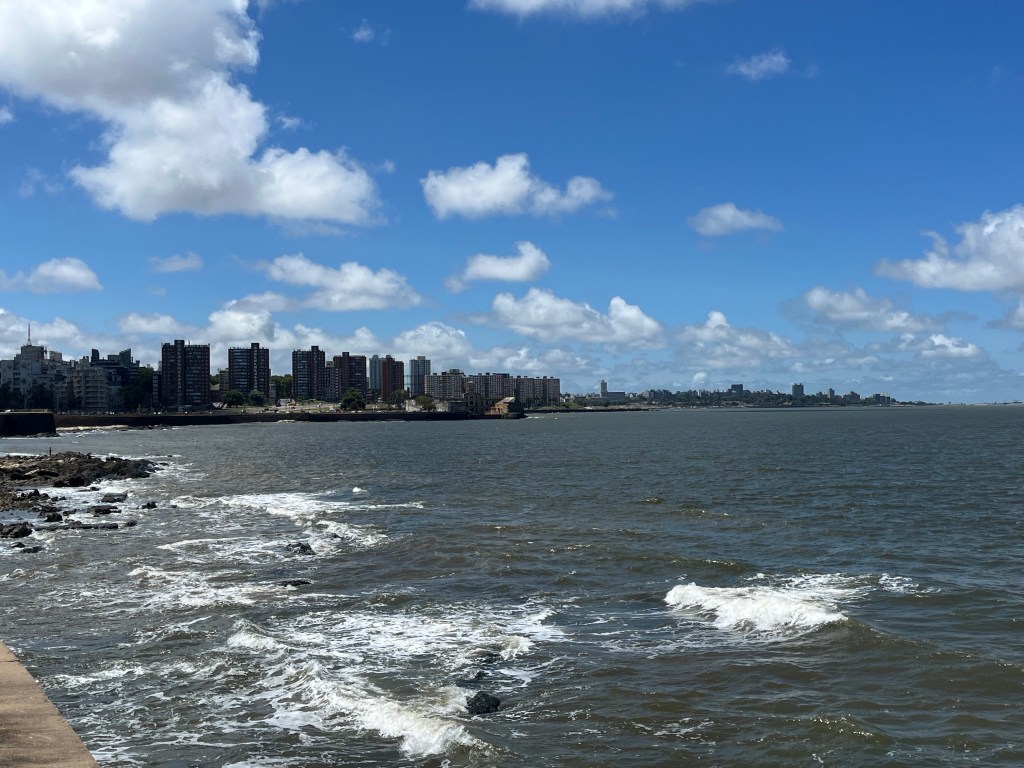
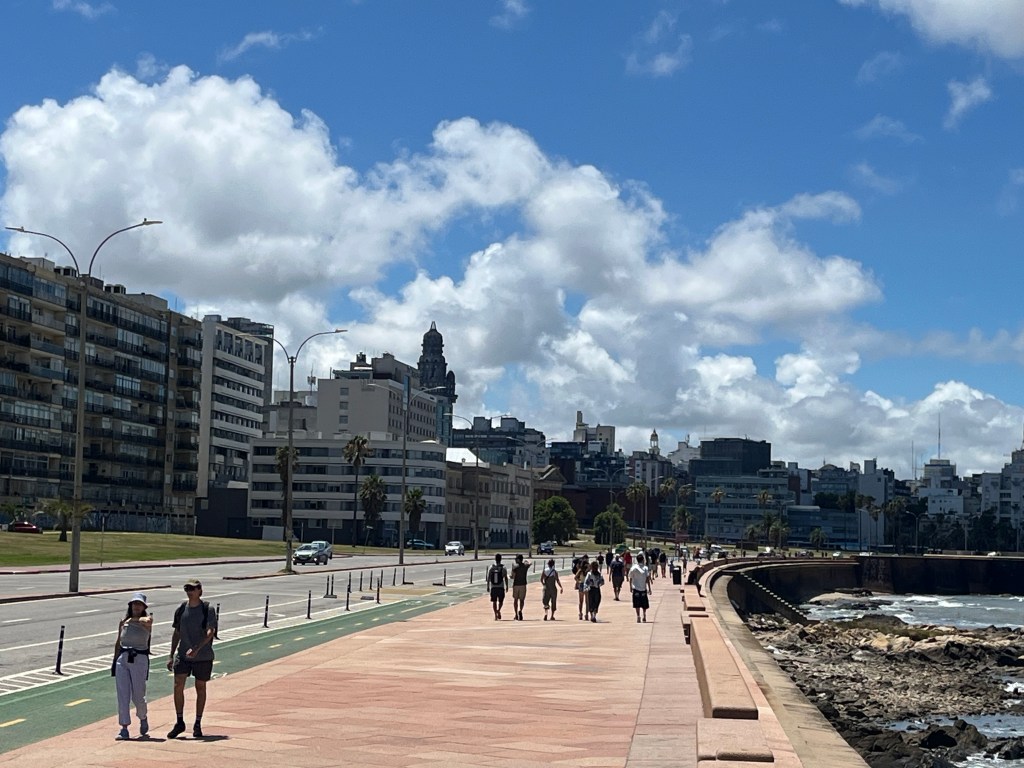
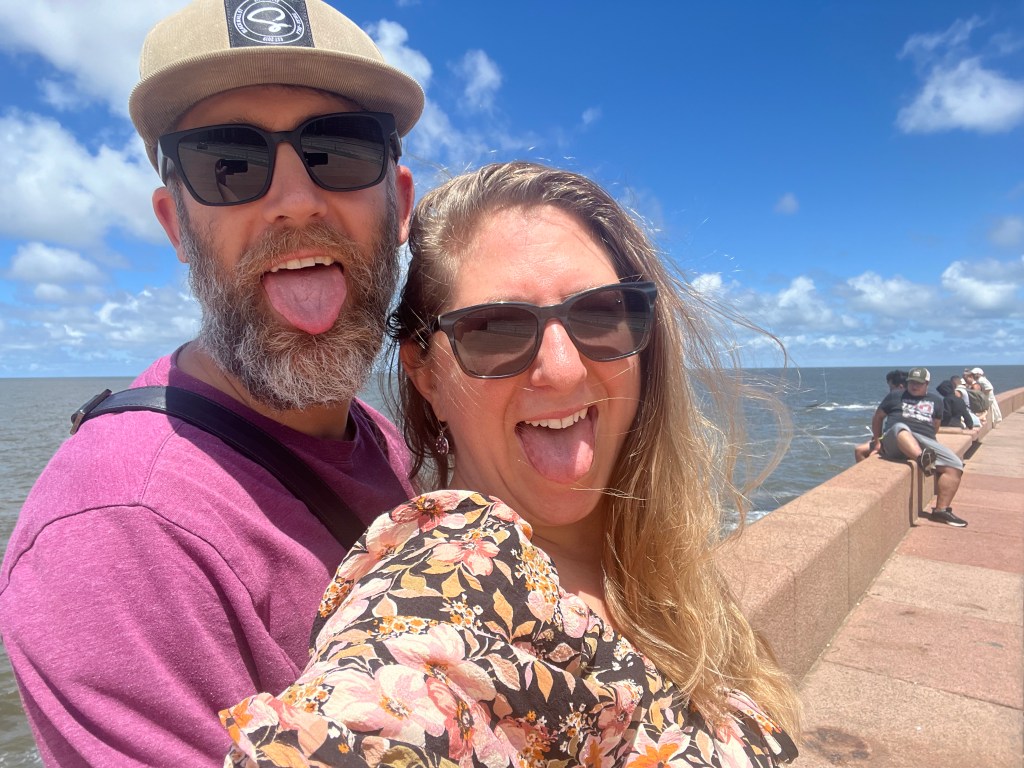
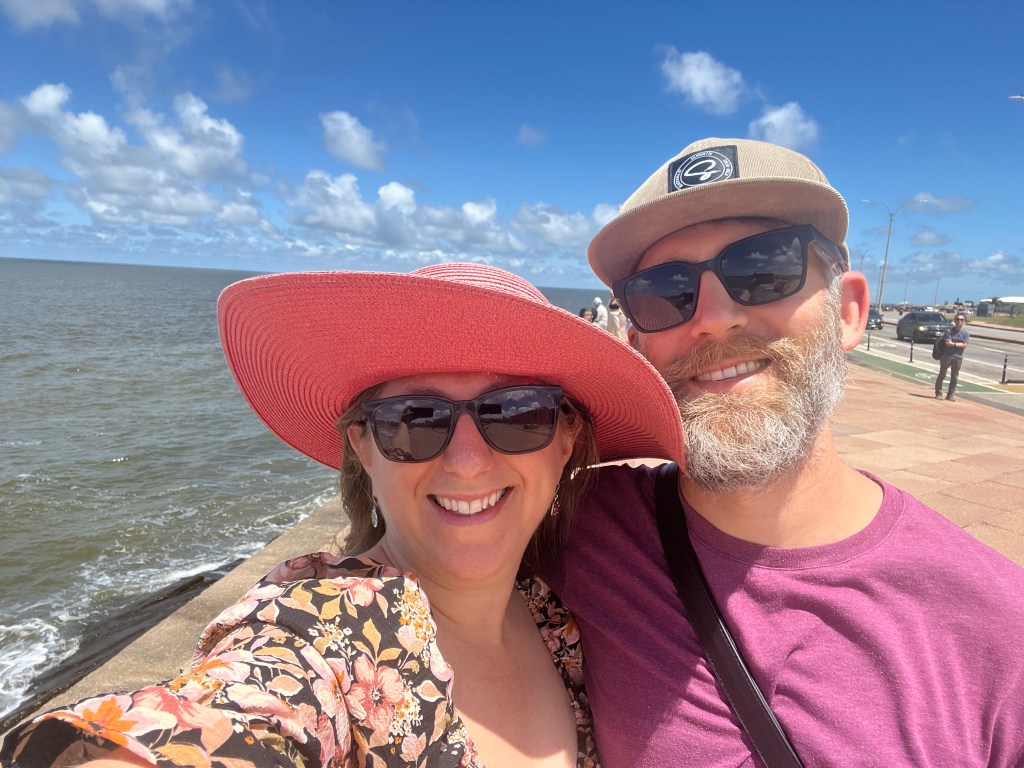
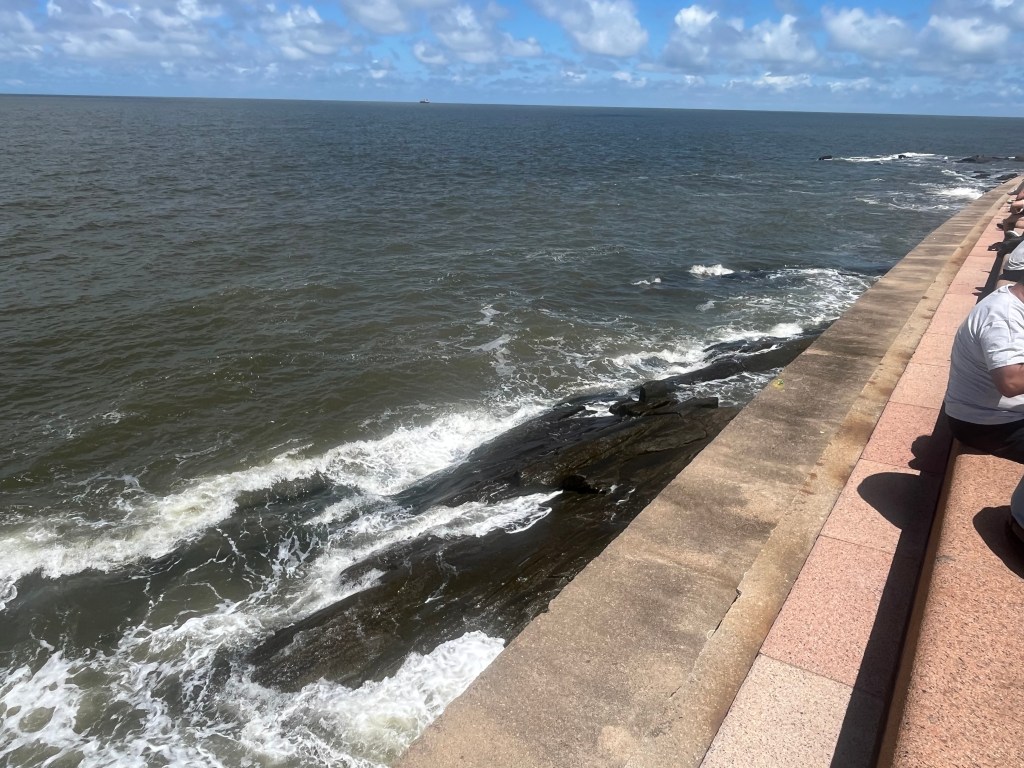
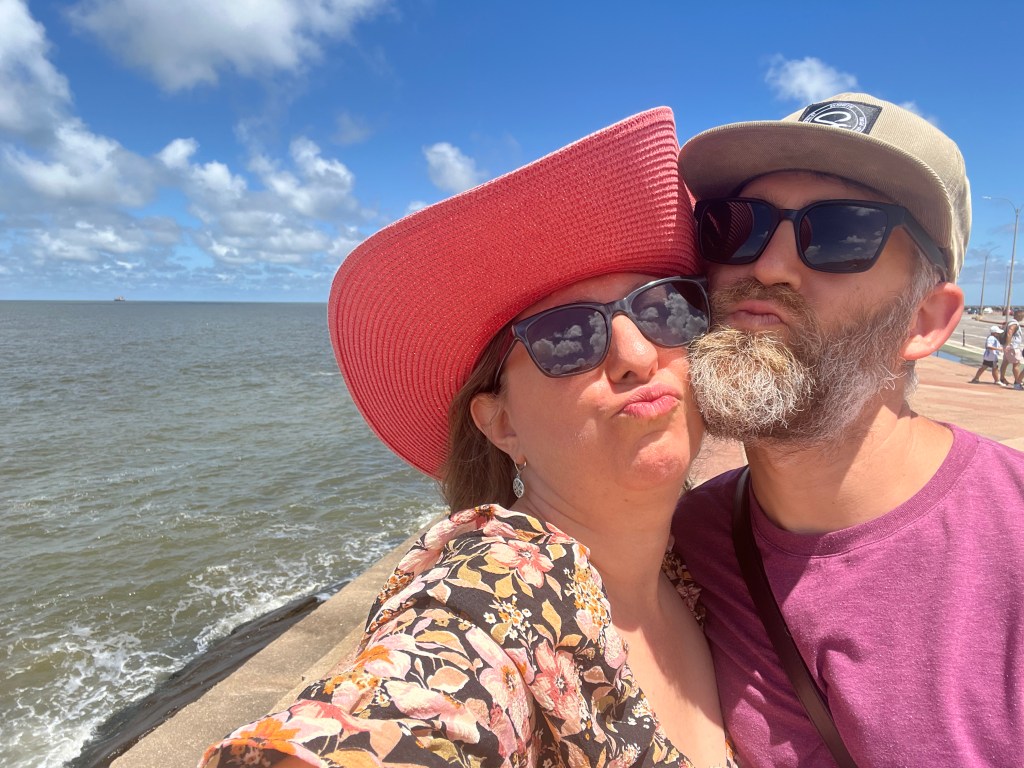
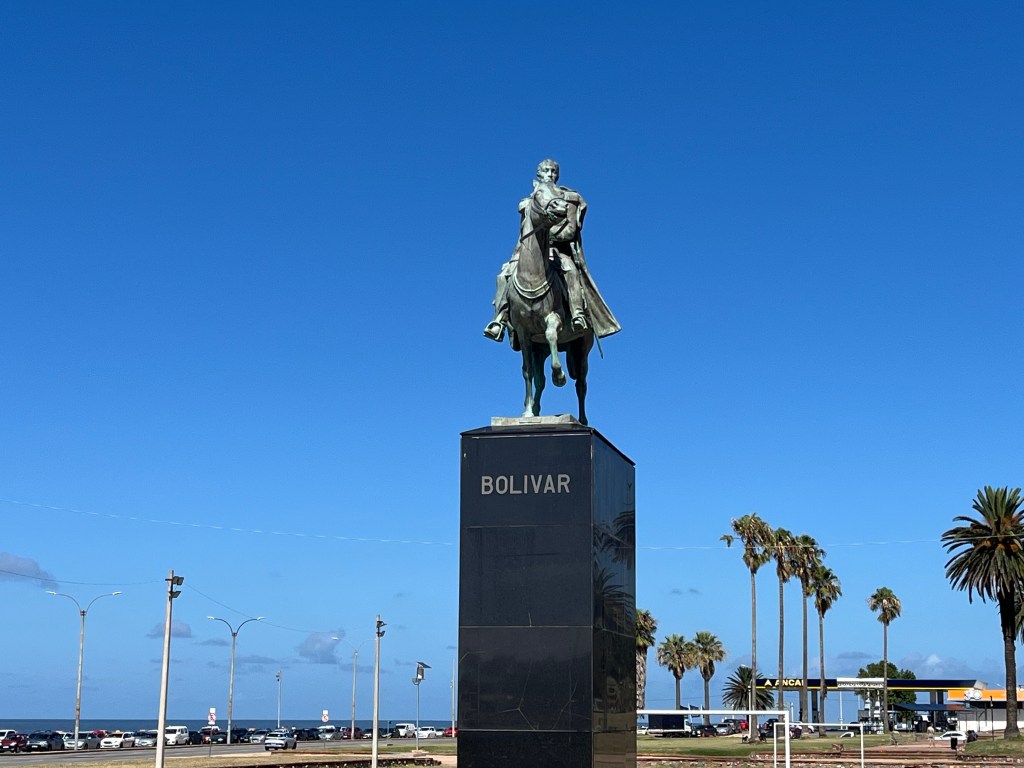
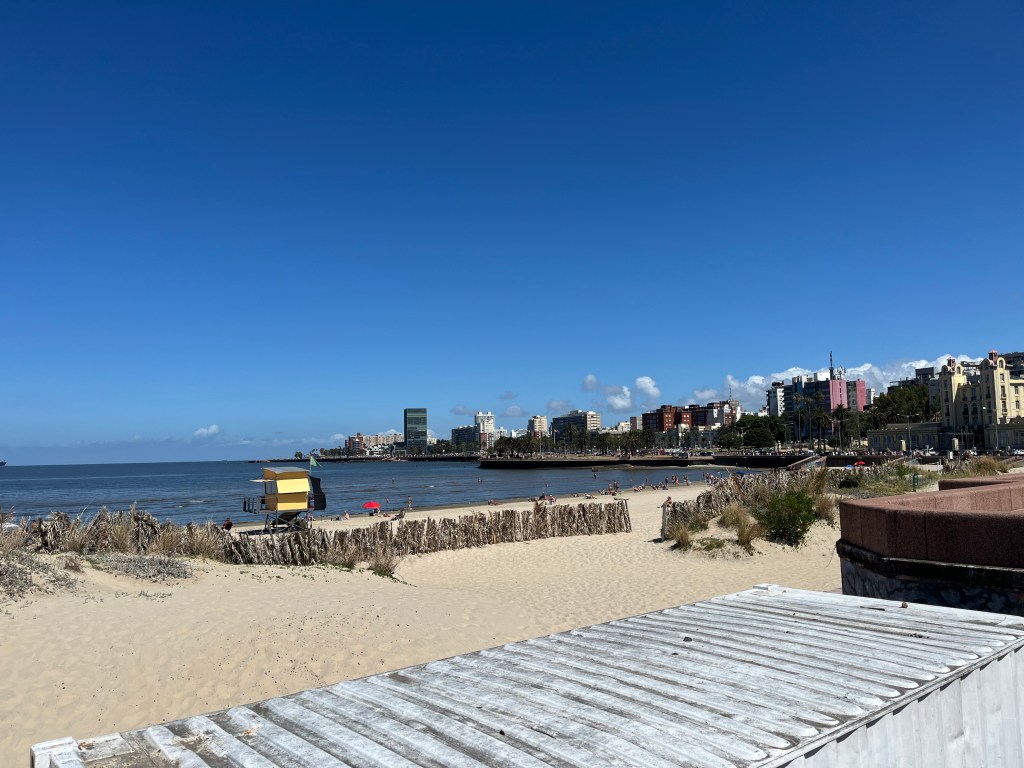
As we walked along, we noticed more and more people on the rambla. Considering how sleepy Uruguay generally is, it was odd to see a large crowd forming. Eventually, we noticed people standing around at a particular place and waiting for something to happen. Here’s a video of the crowd:
Eventually, Yahm asked some people what all the hubbub was about. Turns out, a group of helicopters from Spain were planning an airshow. It was supposed to start at 11, but it was already 11:30 with no helicopters in sight. We waited a little bit, but started walking. Eventually we did get to catch a glimpse of the show.
Of course we also visited quite a few museums. We visited the Museo Andes 1972 that commemorates a tragic plane crash in the Andes along the Argentine-Chilean border. All the passengers were Uruguayan and many were college students on a national rugby team on their way to a tournament in Santiago, Chile. The plane crashed into the mountains and, somehow, 16 of the 45 passengers survived after 72 days in extreme conditions. The harrowing journey is also recapped in a book and movie, both named Alive. Besides recounting the time spent in the mountains and remembering those who lost their lives, the museum teaches attendees about thermodynamics and how fragile the human body can be in extreme conditions. Adam went into a simulator that replicated a cold Andean night at -20 Celsius (-4 Fahrenheit) for two minutes. By the second minute, the cold starts to set in and become uncomfortable. The most important lesson Yahm learned from the museum is not to eat snow because it cools the body too quickly and makes it harder to stay warm. Instead, it’s important to melt snow so that it doesn’t shock the body. (We didn’t take any photos.)
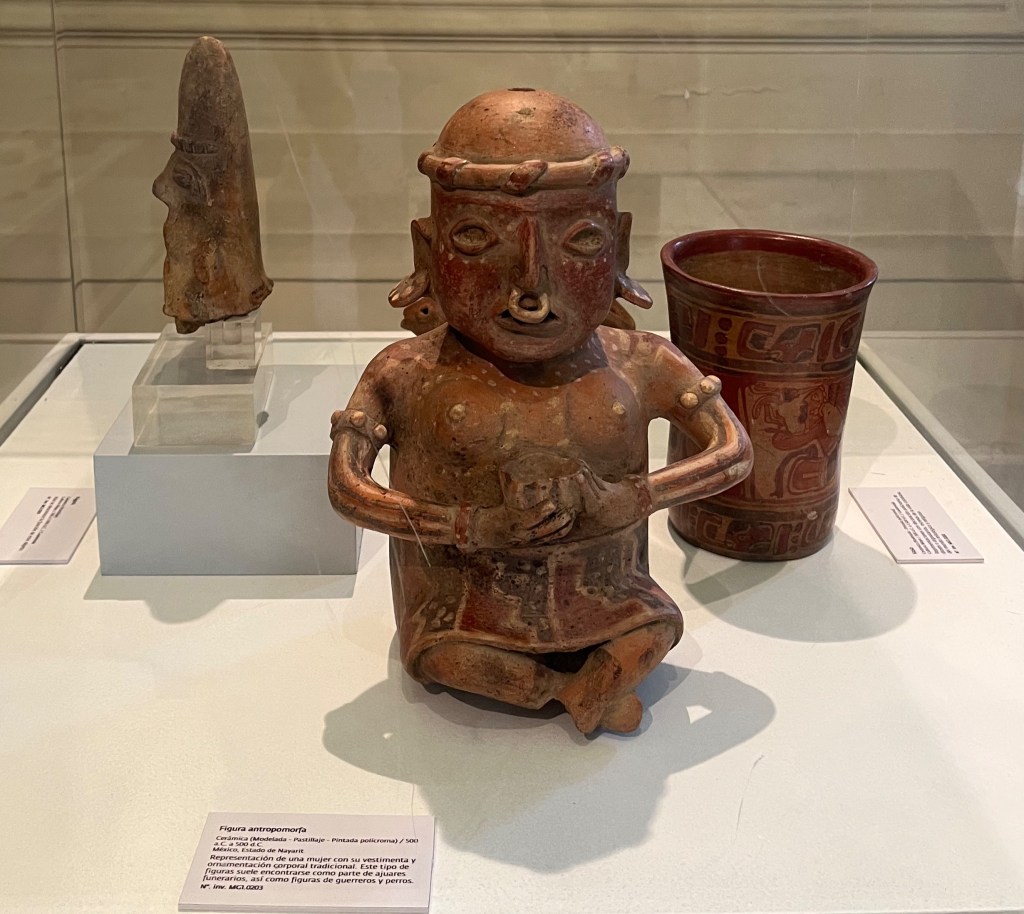
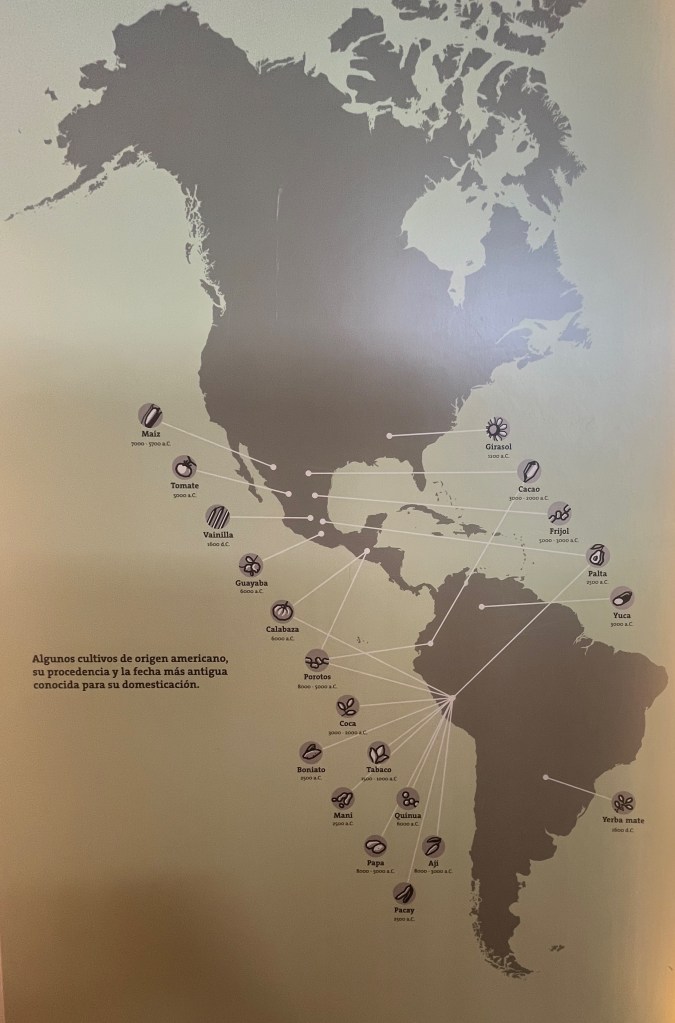
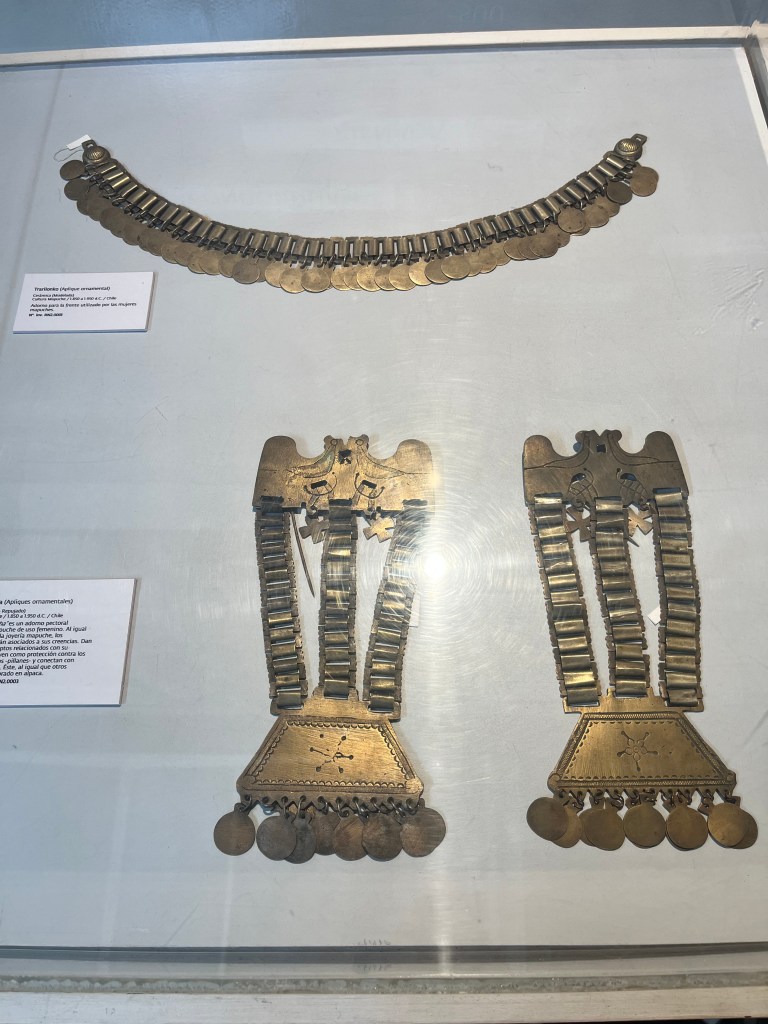
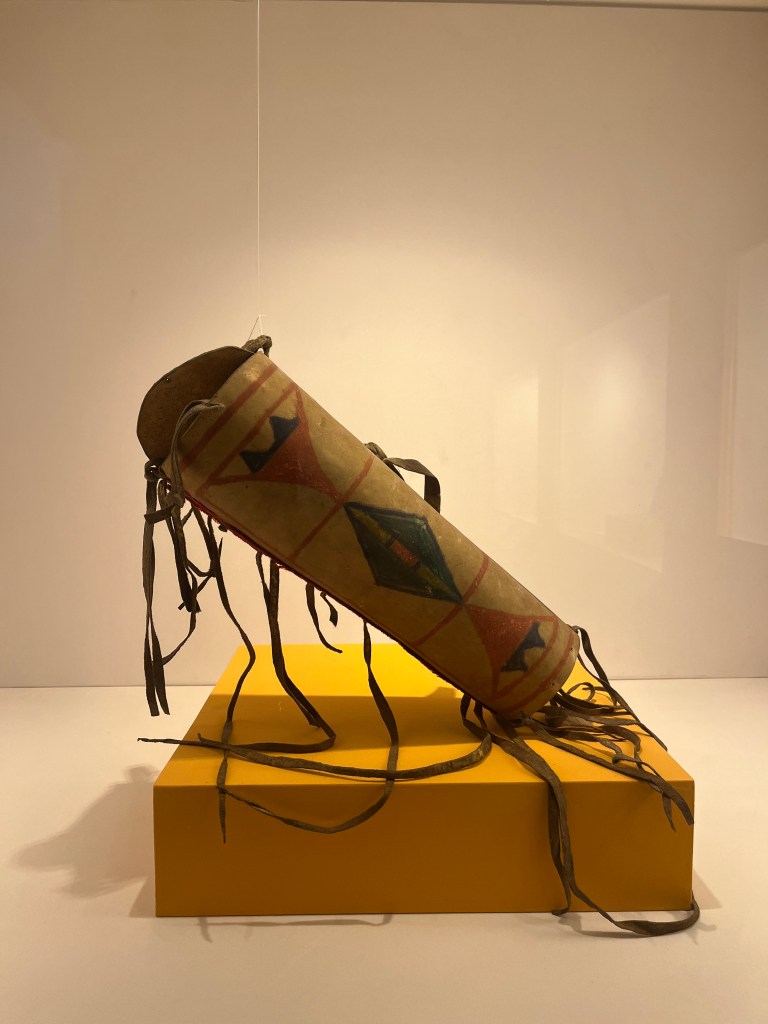
A museum we both enjoyed visiting was the Museo de Arte Precolombino e Indígena (MAPI). In this museum, artifacts and artwork from Indigenous populations throughout the Americas are on display to show their rich history. Both pre-Colombian and contemporary pieces are displayed to emphasize that Indigenous communities continue to exist throughout the continents.
First row, left to right: an artifact from Nayarit, Mexico; a map of food originating from the Americas; gold ornaments from Chile
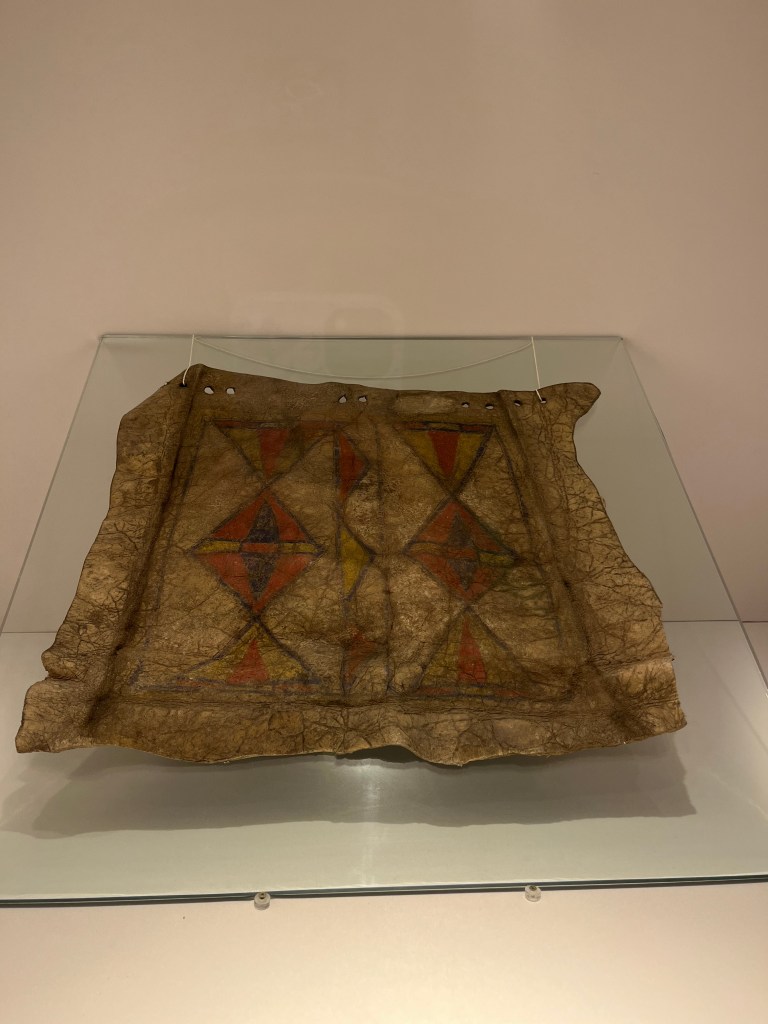
Second row: one of the rooms in the museum had a display about bison leather as used by Tribes of the North American Plains
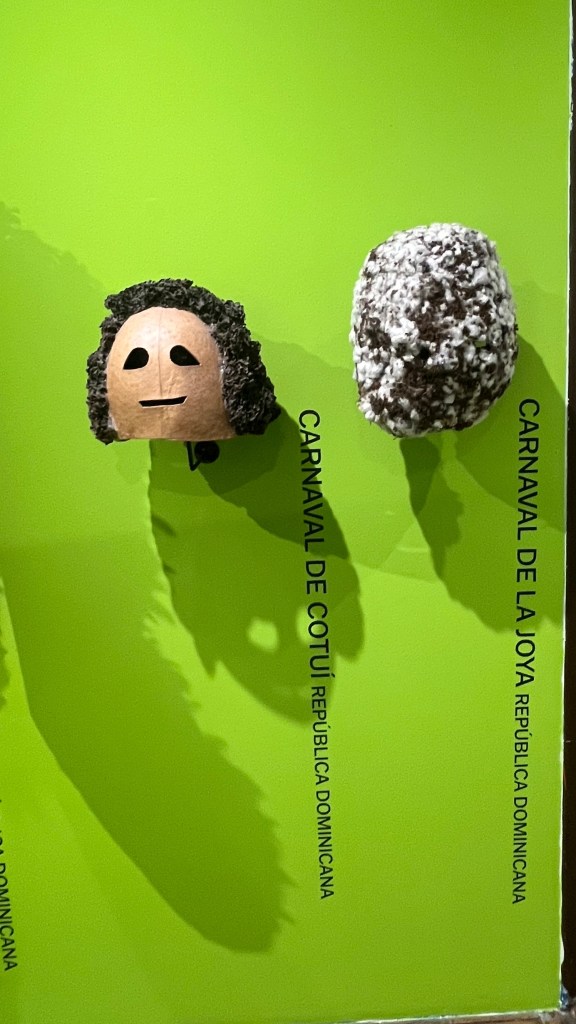
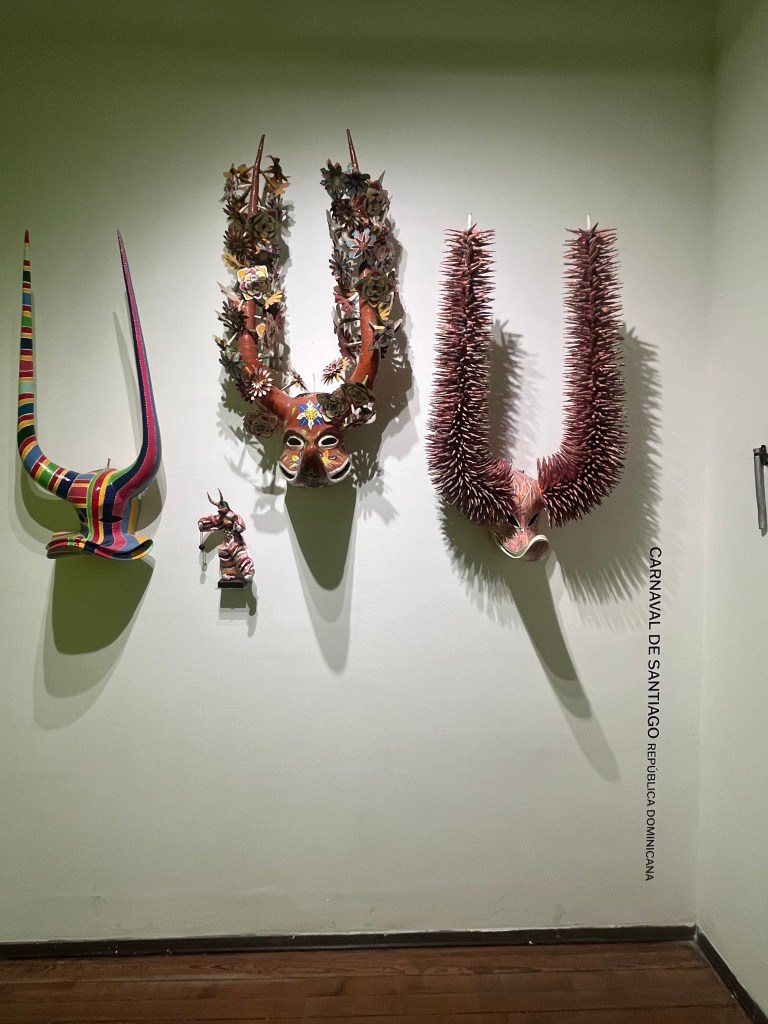
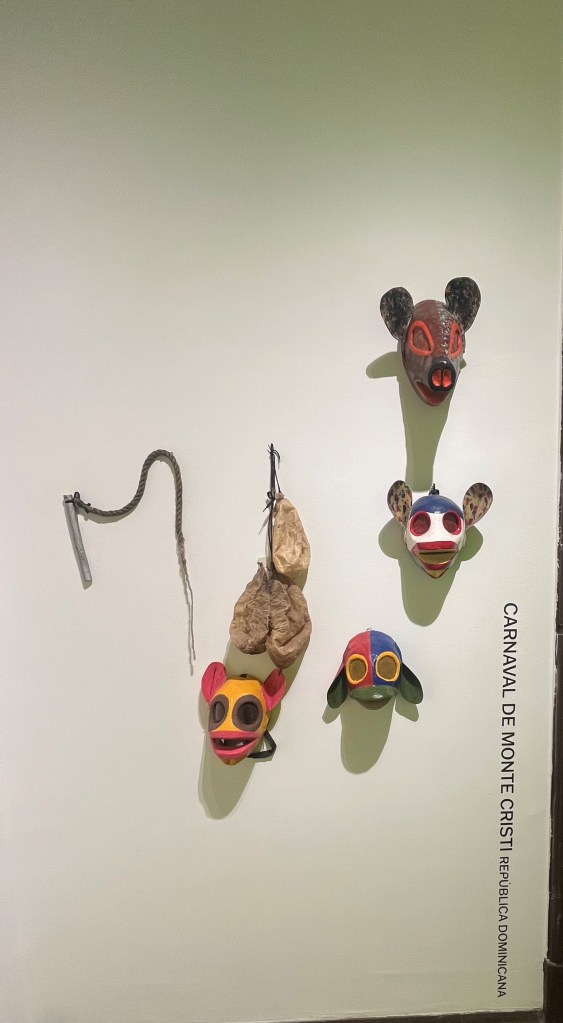
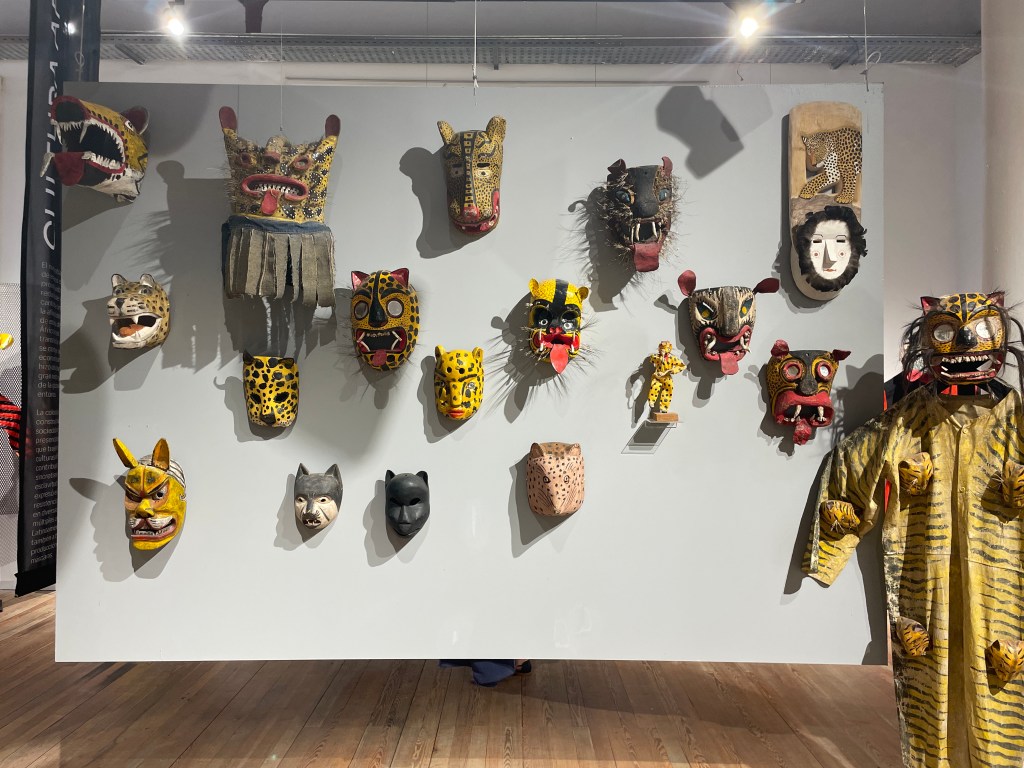
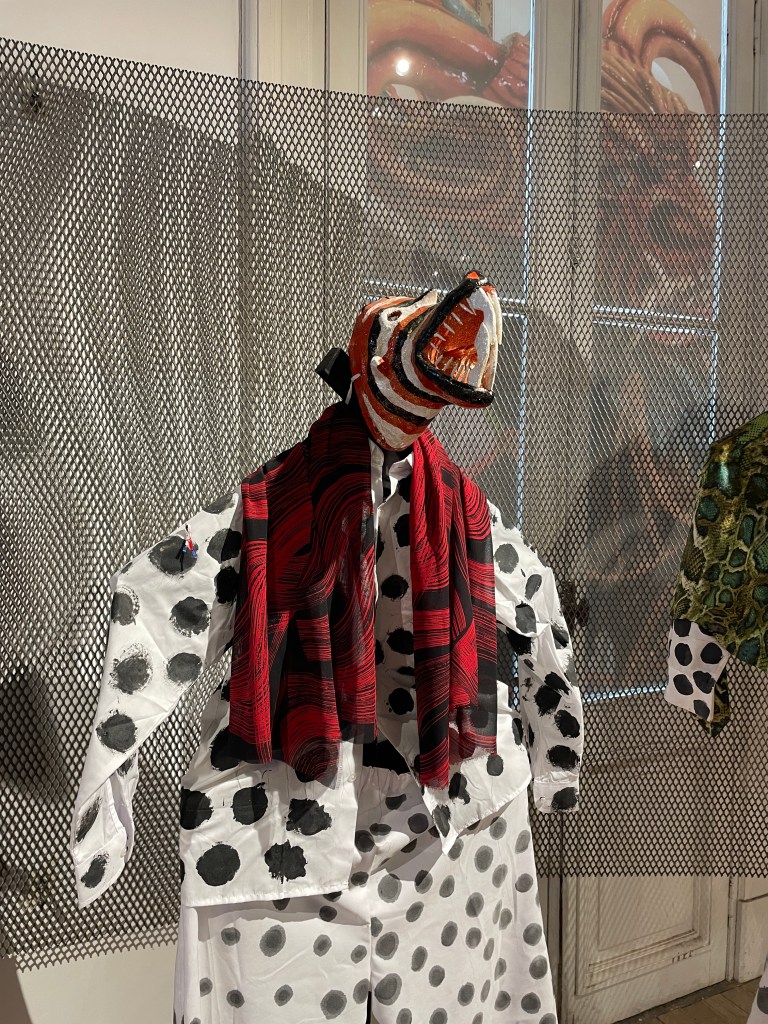
Third and forth rows: Carnaval masks from Latin America and the Caribbean
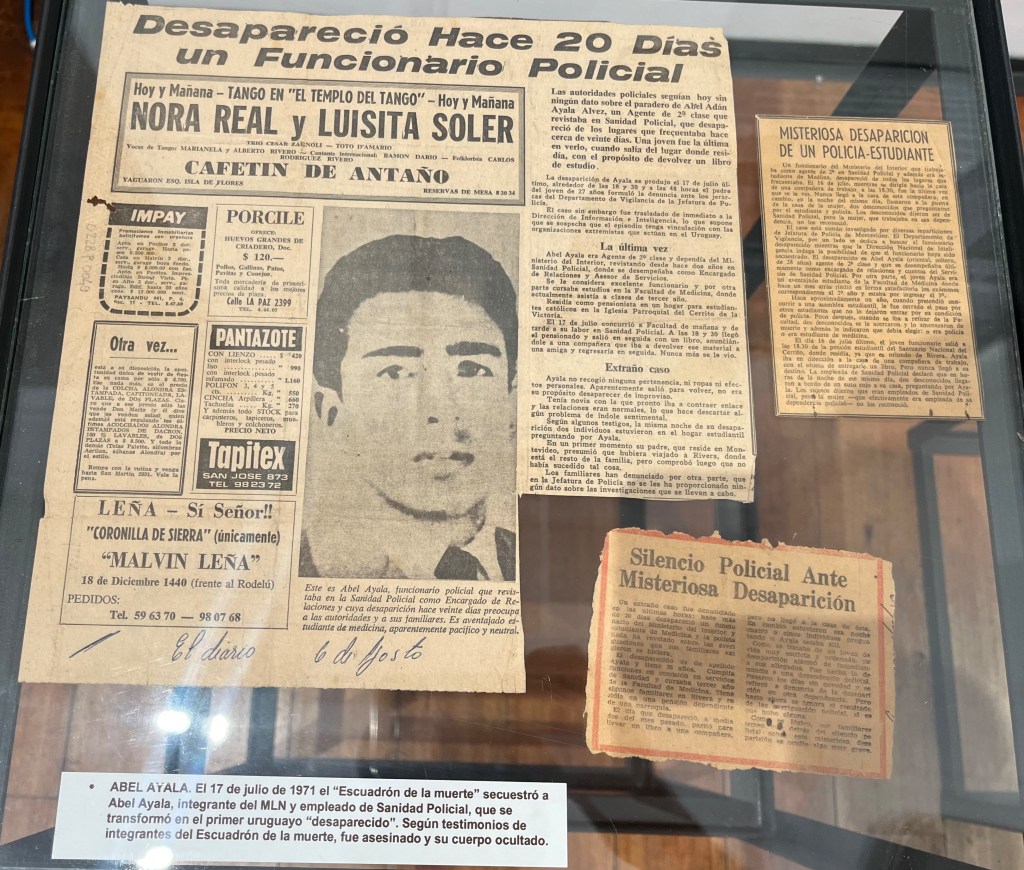
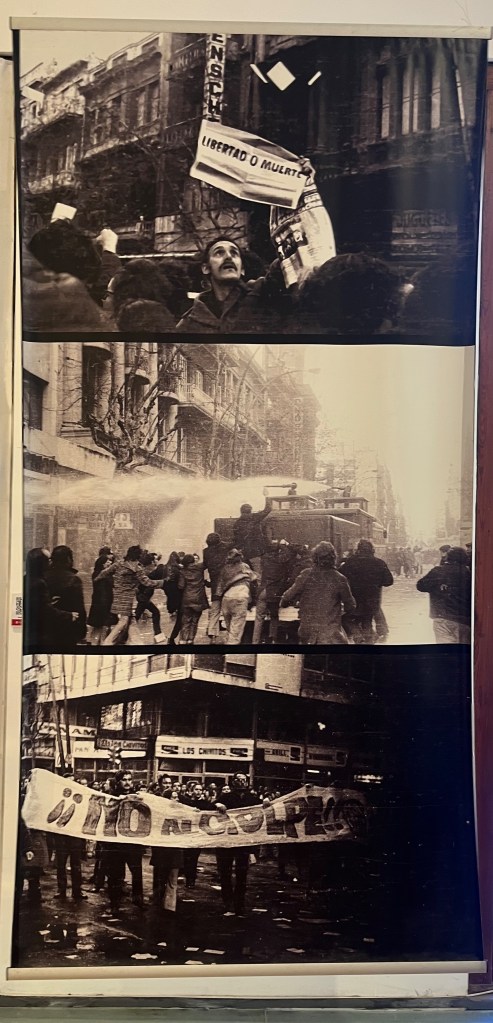
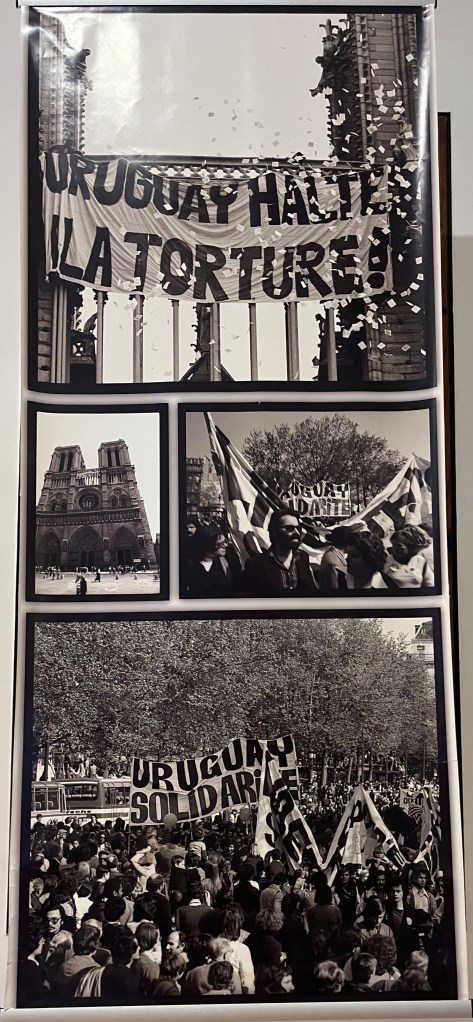
As has become our tradition, we visited the Museo de la Memoria that commemorates the repression and violence of Uruguay’s civic military dictatorship era from 1973-1985. When we realized that the dates overlapped with the Argentine military dictatorship, we wondered if there was a connection. As it turns out, Operation Condor was a broad coordinated effort to instill right-wing dictatorships in the “cone of South America.” These countries included Argentina, Bolivia, Brazil, Chile, Ecuador, Paraguay, Peru, and Uruguay. The United States and France (though they deny this) were the primary financiers of these regimes as an extension of the Cold War. There is a lot to be said about this complex history, particularly when it comes to powerful countries paying for a repressive and deadly proxy war to meet their ideological goals. We encourage you to read more about Operation Condor here and here. Learning about Operation Condor left a deep impression on Adam.
The Museo de la Memoria was small but featured very powerful artifacts about this dark time in the country’s history. This was not the only time the country was under a dictatorship, but it was the most violent and most recent. Once the dictatorship fell, the country became a democratic republic and has since championed many progressive laws including recognizing same-sex marriage, legalizing marijuana, and providing government-funded gender-affirming care. Despite all this progress, justice has not been served completely and some people who were disappeared were never found.
After the dictatorship fell, the government actively encouraged Uruguayans who had left to return. Thousands had fled to neighboring countries or to other continents and many decided to stay away. While it is touching that a government would try to encourage its citizens to come home, it was a powerful reminder to Yahm about the fragility of loyalty. How can a person trust their government to not betray its people if the incentive to repress is tempting enough?
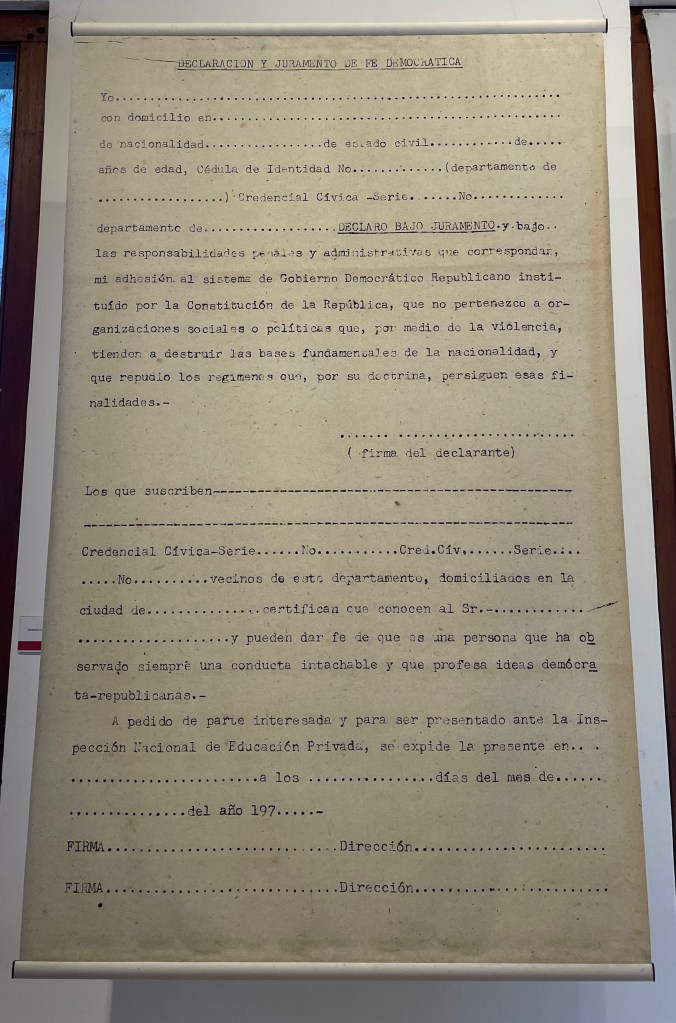
Photos, left to right: the loyalty oath people were required to sign; newspaper clippings of a political disappearing
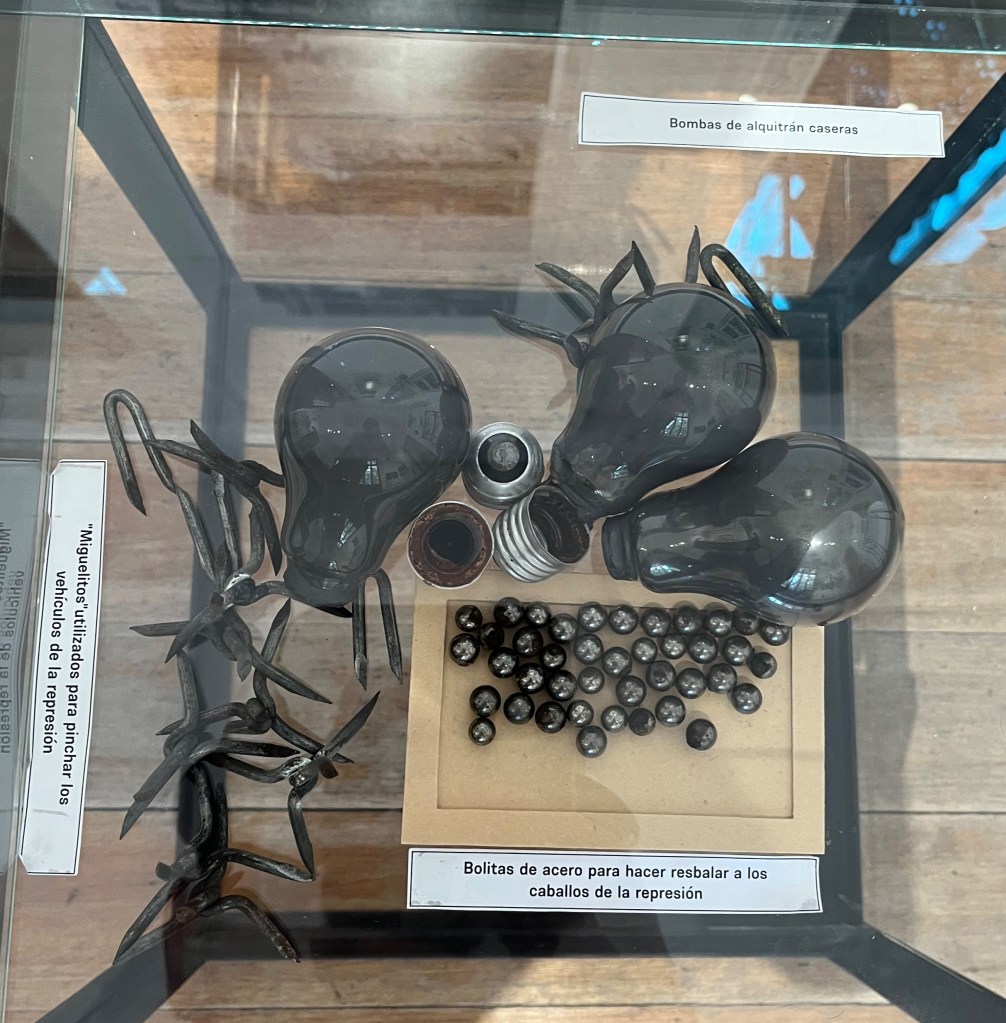
Photos, left to right: demonstrations throughout Uruguay; shrapnel that was hidden in light bulbs
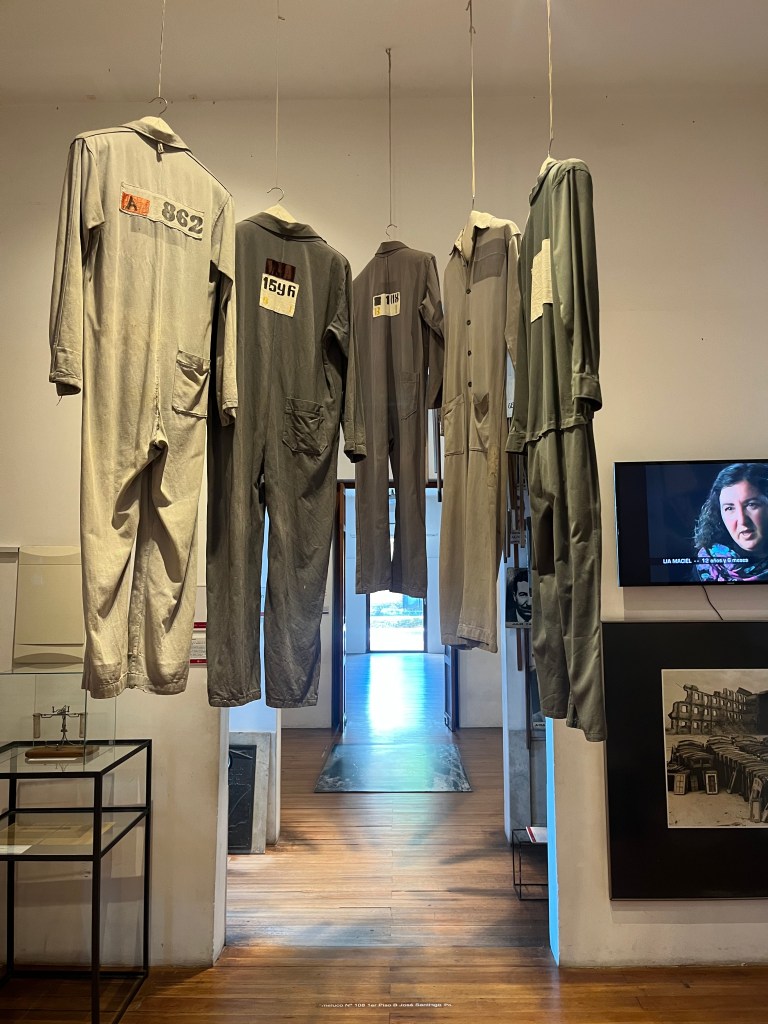
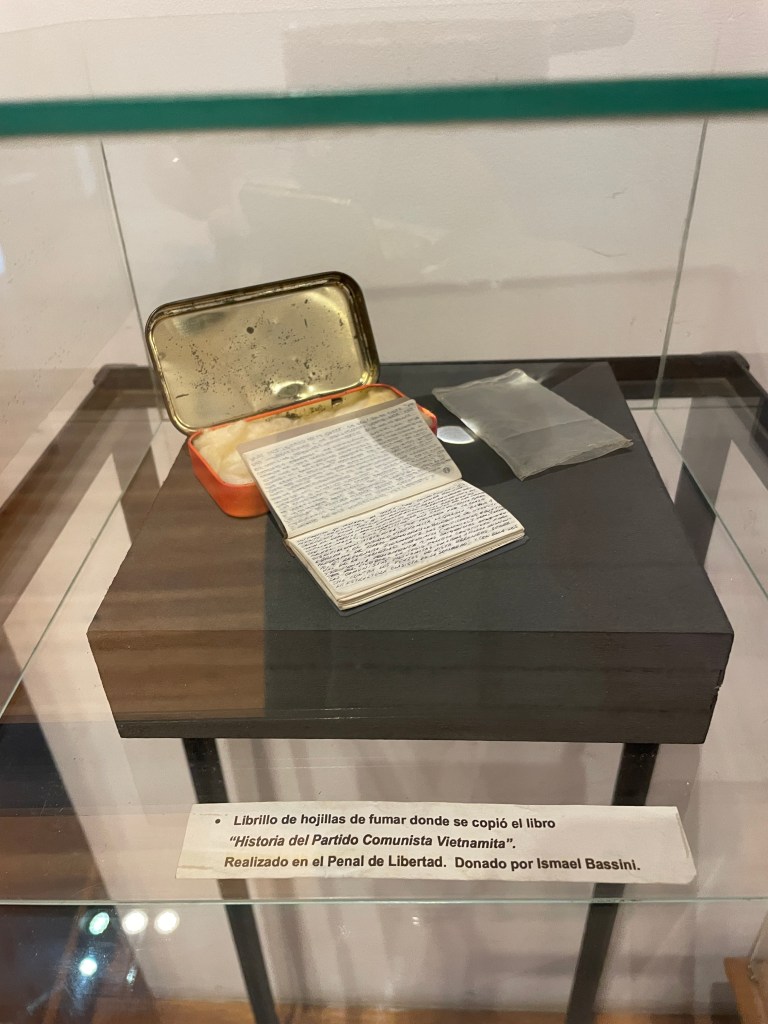
Photos, left to right: uniforms of political prisoners who were tortured; an example of some of the items that prisoners made to keep their spirits alive; here someone wrote the history of Communist Vietnam on cigarette paper
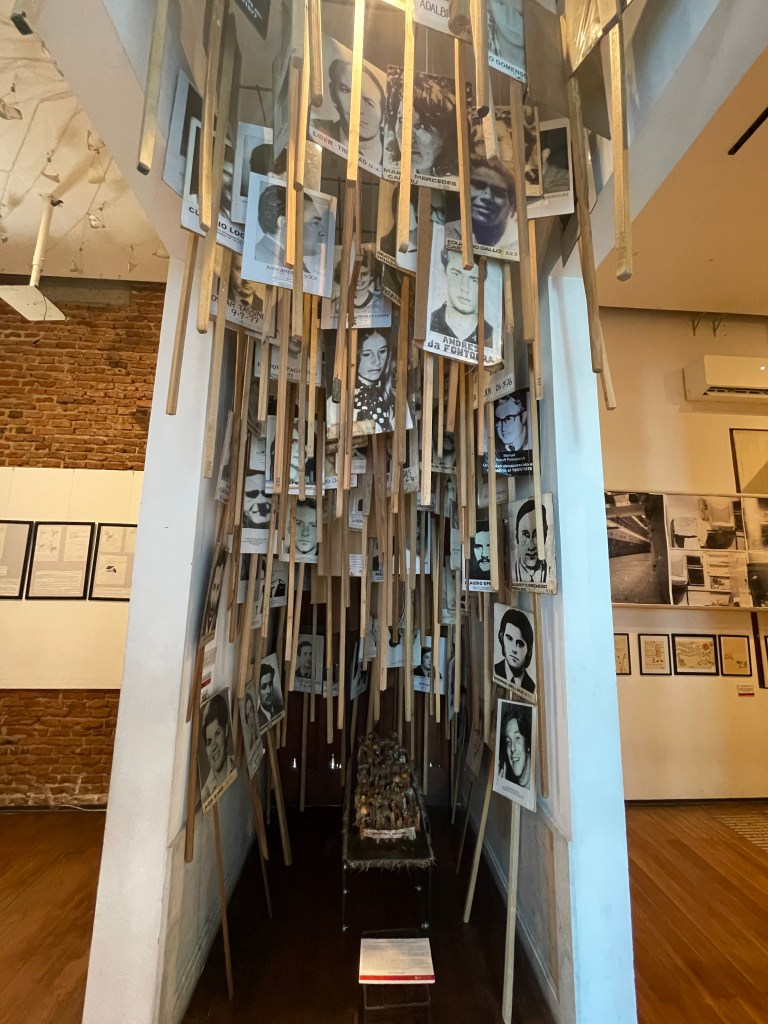
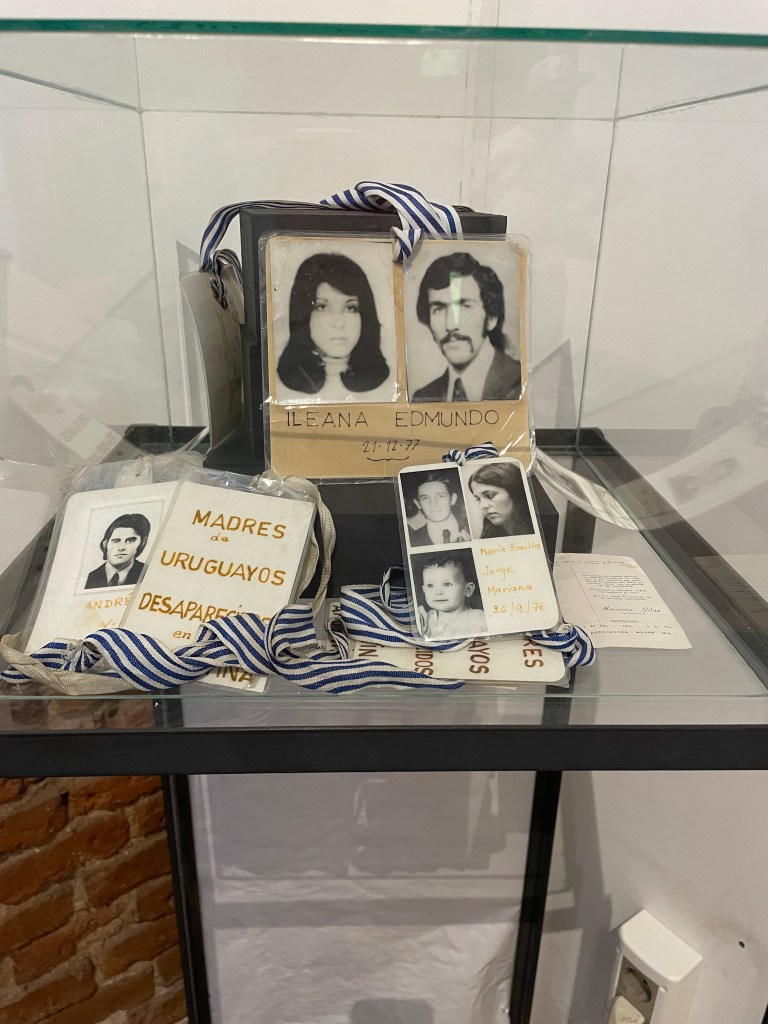
Photos, left to right: people who have never been accounted for once they disappeared; badges worn by mothers of disappeared people who are still missing. 230 people are still missing according to the museum.
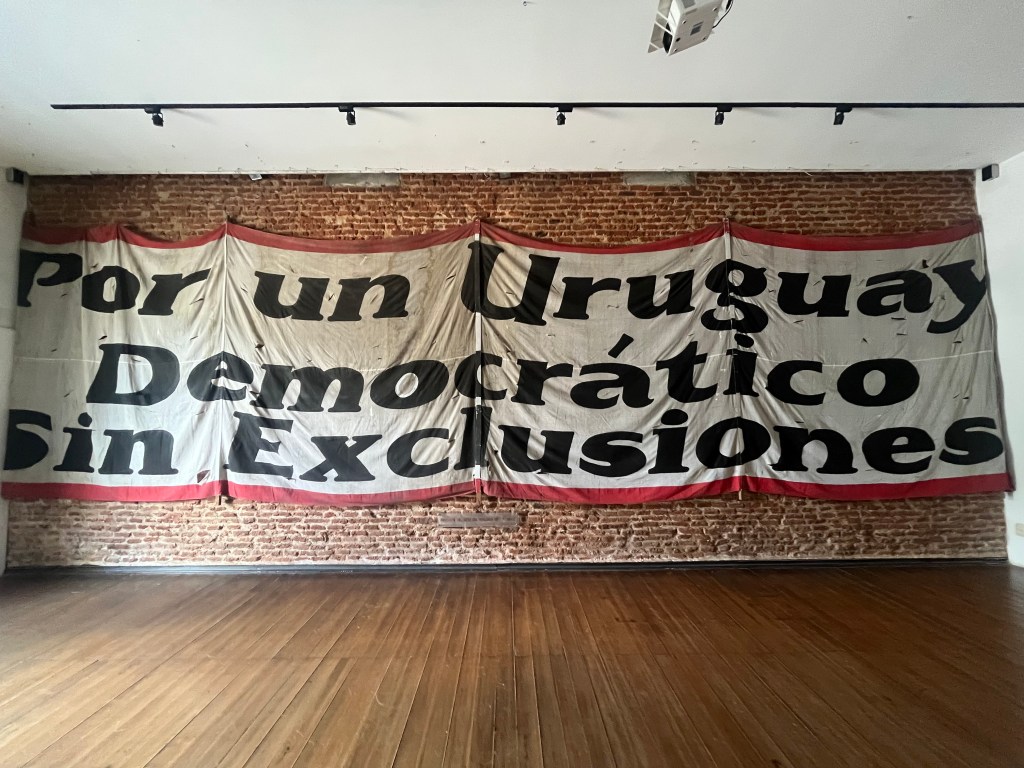
The sign says “For a democratic Uruguay without exclusions.”
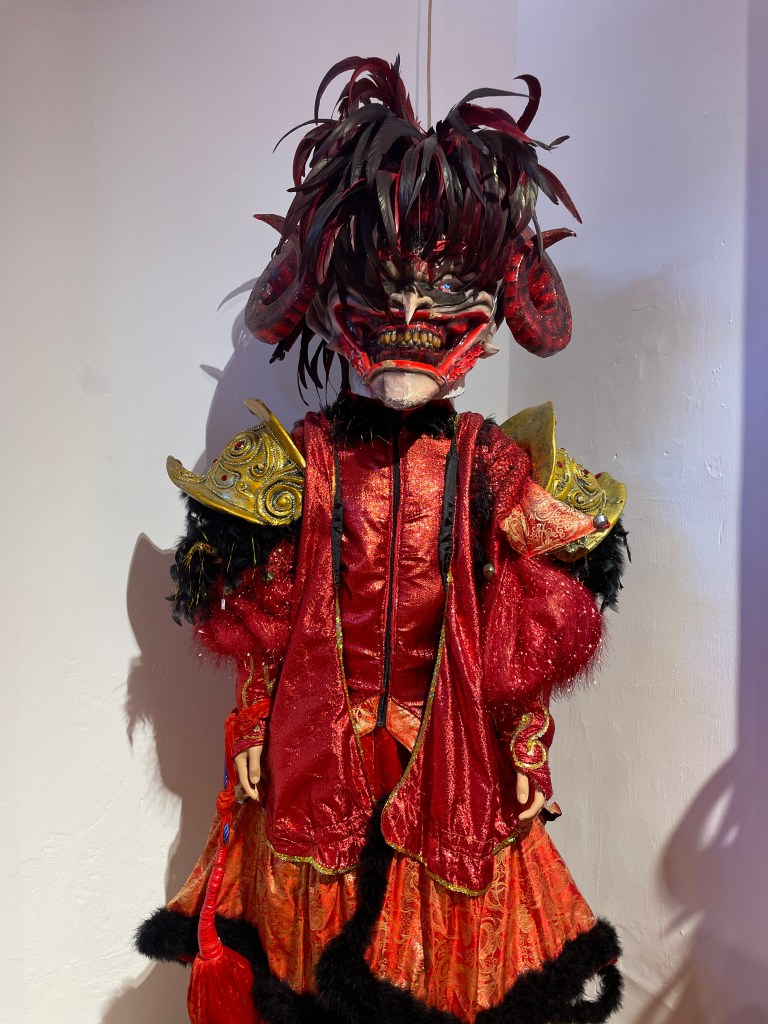
The final museum worth mentioning is the Museo del Carnaval, which we wanted to visit considering that Carnaval was happening all around us. The best part of the museum were the intricate costumes that performers have worn over the decades. The pictures below don’t quite capture their intricacy and vibrancy, but it’s impressive nonetheless.
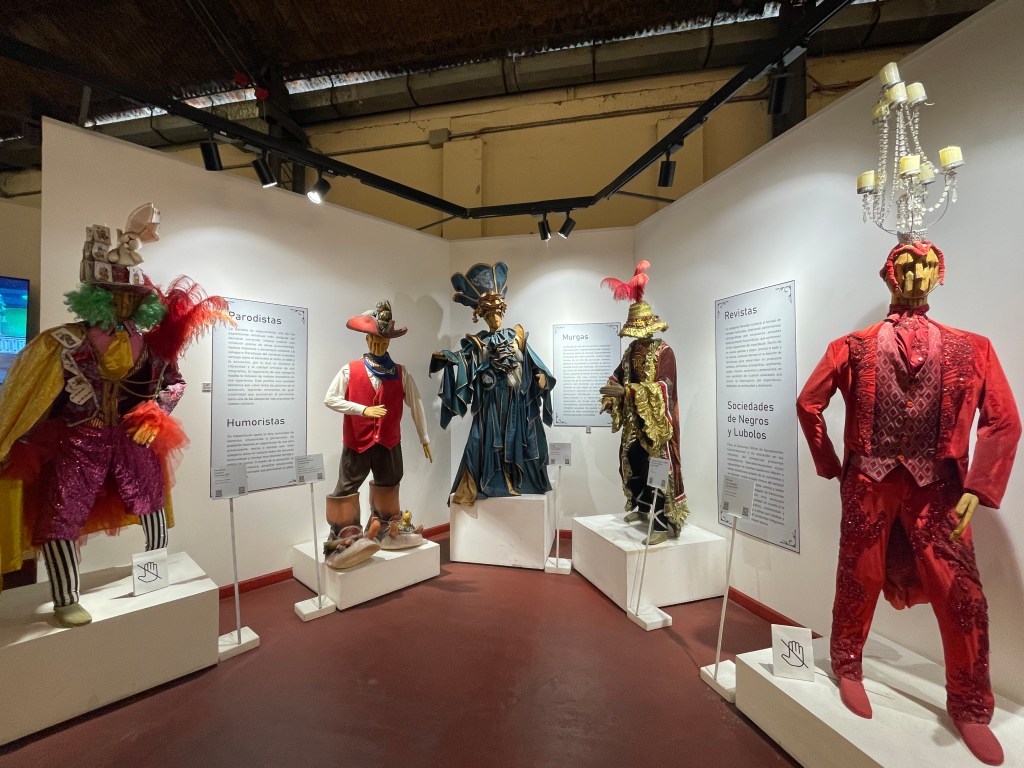
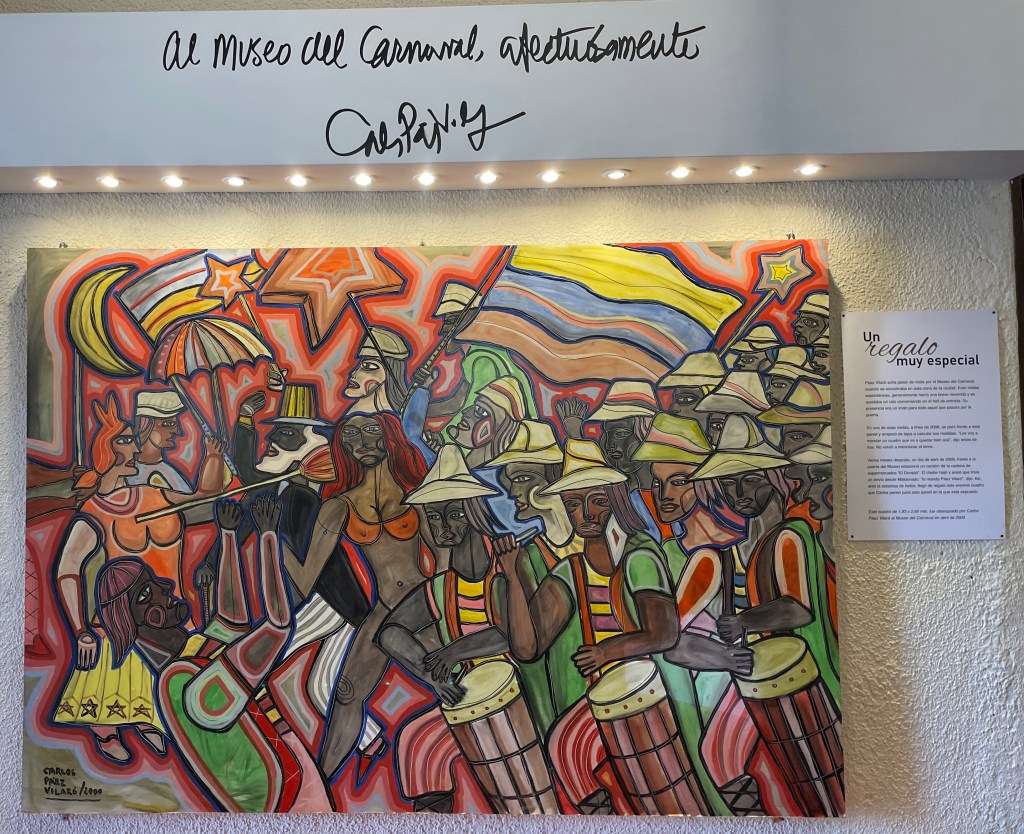
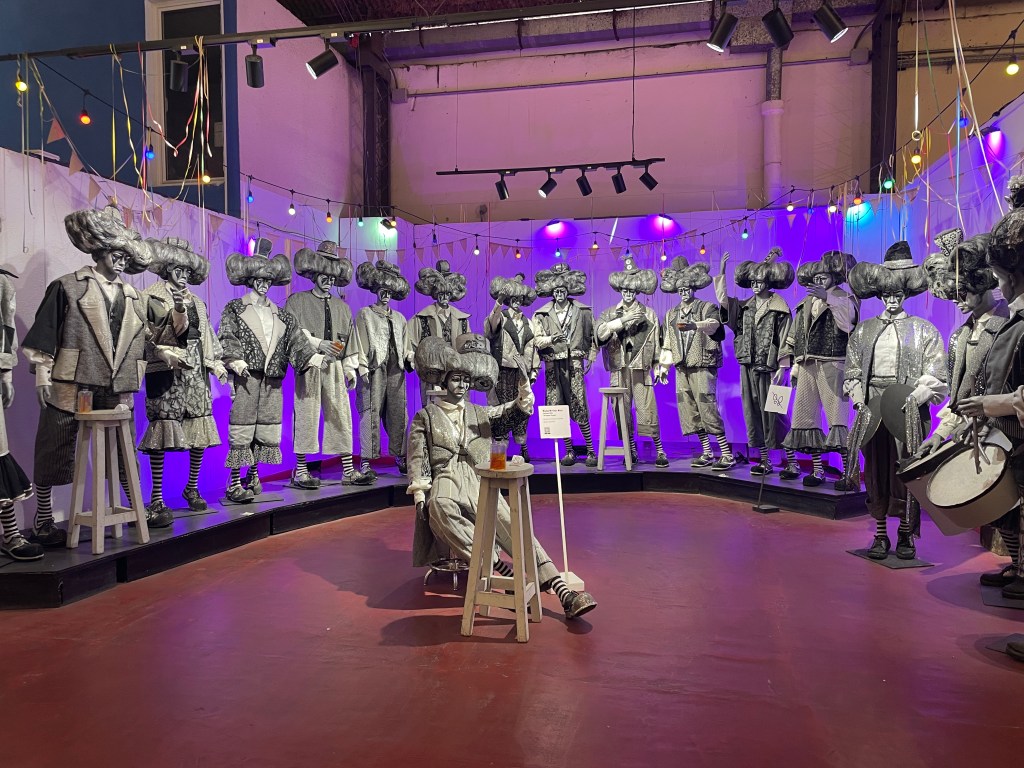
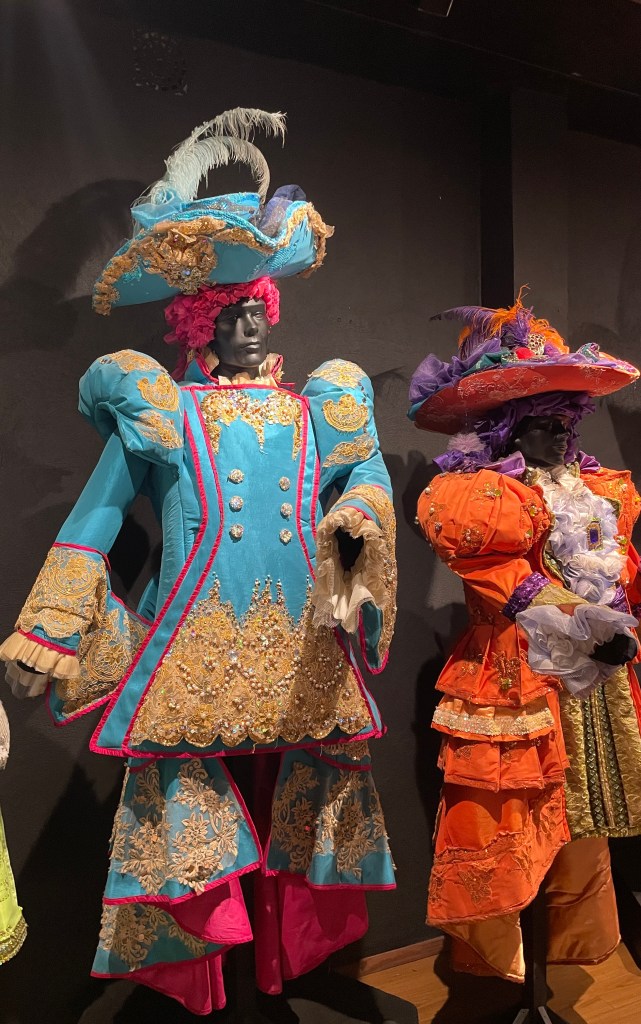
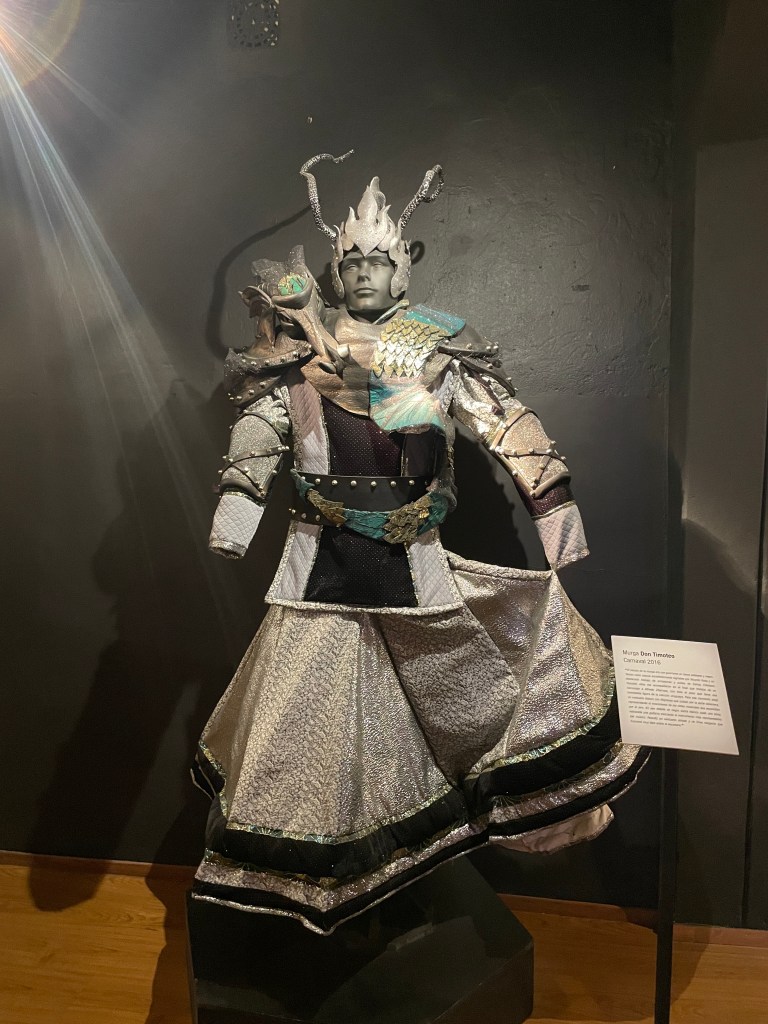
In Montevideo, troupes perform multiple times throughout the festivities. The first two nights of Carnaval begin with a parade that lasts well into the morning. During the rest of the month, troupes perform tablados or staged performances to limited crowds that are also broadcast on television. These performances include plays, satire, and musical performances. Then there are the llamadas, which harken back to the days of enslavement. Enslaved Africans were only allowed to celebrate Carnaval one night, so they would call to one another. (Llamada means “to call” in Spanish.) Today, the llamadas feature the best troupes and they parade down the streets of Montevideo for two nights.
When we arrived in Montevideo, we glimpsed the opening parade but didn’t have a particularly good view. Then Yahm tried to get tickets for a tablado but missed the window to see the best ones. (In retrospect, this was a good thing because our Spanish is not good enough to follow along.) Yahm was going to try to purchase tickets for the llamada, but before she could, we had a chance encounter that turned into one of the best experiences of our trip.
Montevideo has one Mexican restaurant (that we know of) called Lone Star. After walking around the old city, we decided to stop in for lunch. Since our server, Xavier, spoke very good English, we got to talking. When he heard we were staying in Montevideo for another week, he mentioned the “special parade” happening next week. Yahm replied that she wanted to buy tickets for the llamadas, and he promptly invited us to his apartment since his balcony overlooks the route. On the evening of the first llamada, we walked to his apartment with snacks and wine in hand. When he let us up, we discovered a bunch of people were already there drinking and cheering.
Xavier is from Mexico and is studying theater at the university in Montevideo. Most of the people in his apartment were classmates or friends of the classmates. We were the only non-Latin Americans and the oldest people in the room. That said, we had an amazing time watching the llamadas and getting to know this eccentric group of people. With the help of mostly human translators in the form of Xavier and Augustín, one of the playwrights in the room, we were able to get to know even the people whose English was nonexistent. Going to bed at 3am, waking up in the afternoon, and being groggy all day was a fun throwback to our 20s. Plus, we got some of the best views of the parade.
A quick explanation of each troupe so you can understand the videos below. Each troupe represents a different city or town in Uruguay and consists of several types of performers. It begins with flag wavers and followed by people carrying paper-máché stars and a moon, a large group of women dancing in unison, several “old couples” that represent the history of Carnaval, a few more dancers with particularly loud costumes that interact with the crowds, and drummers. (The old couples are Yahm’s favorite, especially when the old men use their canes to shake their bodies and drop to their knees on the floor.) Needless to say, everyone is gorgeous.
After two and a half weeks in Montevideo, our Uruguayan journey continues along the country’s Atlantic Coast. Keep an eye out for that post and remember to like, comment, and subscribe to Traveling While Introverted so you don’t miss it!
 Traveling While Introverted
Leave a reply to Tales from Uruguay’s Atlantic Coast – Traveling While Introverted Cancel reply