As mentioned in Part 1 of our Los Angeles recap, coming back to our hometown was an opportunity to experience the city with explorer’s eyes. Unlike our travels through Latin America, we also got to explore new and familiar places with friends and family too, which made these experiences more special.
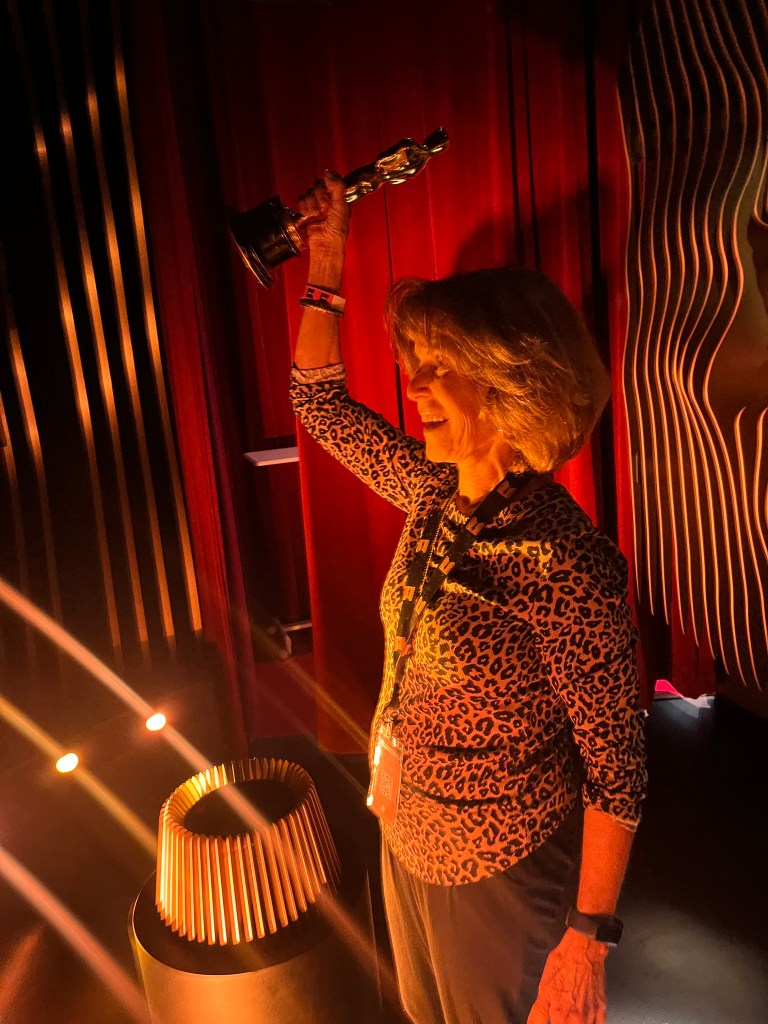
Because we hadn’t lived in Los Angeles for a long time, we don’t always have a chance to celebrate loved one’s birthdays in person. When we can, we like to plan a “consensual kidnapping.” Typically, these are days where we take a loved one (or each other) on a fun day full of surprises centered around their favorite things. The first person up for this birthday kidnapping was Adam’s mother, Joey. Since she is an actress, (no really, look at her IMDB page), we decided to take her to the Academy Museum of Motion Pictures. None of had ever visited and they had wonderful exhibits about the history of the movie industry in Hollywood, costumes worn in different movies, and various milestone Oscars. The real draw of the museum, though, was The Oscars Experience, where Joey got to see her name in lights and pretend she just won an Oscar. After the museum, we had lunch at the Farmer’s Market at the Grove, which Yahm had never really had a chance to experience. The Grove is a large outdoor mall with a lot of shishi brands and the Farmer’s Market is not a farmer’s market at all, but an outdoor food court. Joey had a wonderful time.
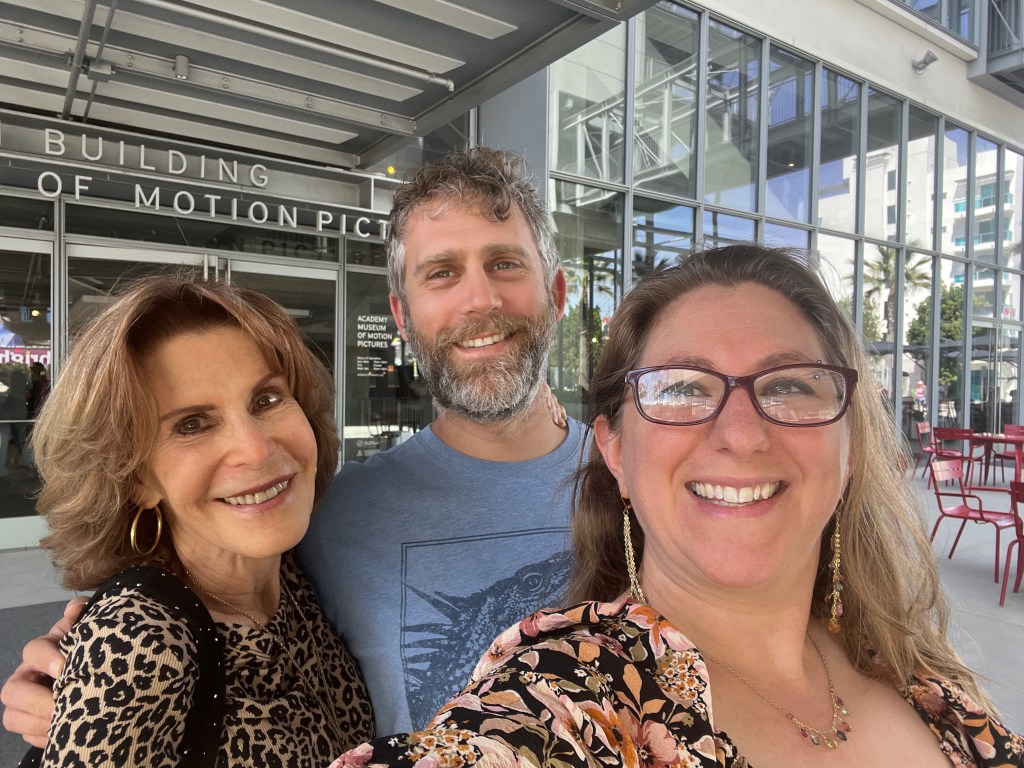
Consensual kidnapping isn’t just for birthdays though. When Father’s Day rolled around, we offered to have a fun day with Adam’s father, Moshe. Moshe isn’t too big on surprises, though, so he requested to eat lunch at a Guatemalan restaurant and visit the Los Angeles Natural History Museum. The food was a hit; more on that on Yahm’s forthcoming post about all the food we ate. The Natural History Museum had many fossils and exhibits that you can find at similar museums across the country, but there was also a special Los Angeles-specific exhibit that recounted the history of the area from before European contact to the present.
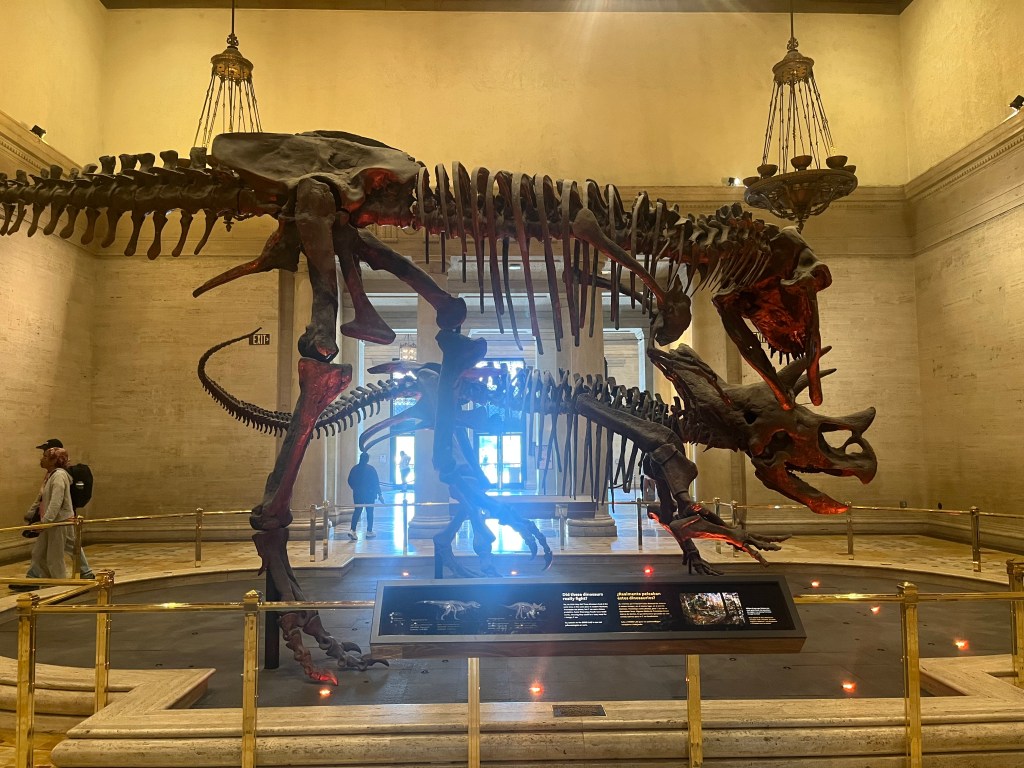
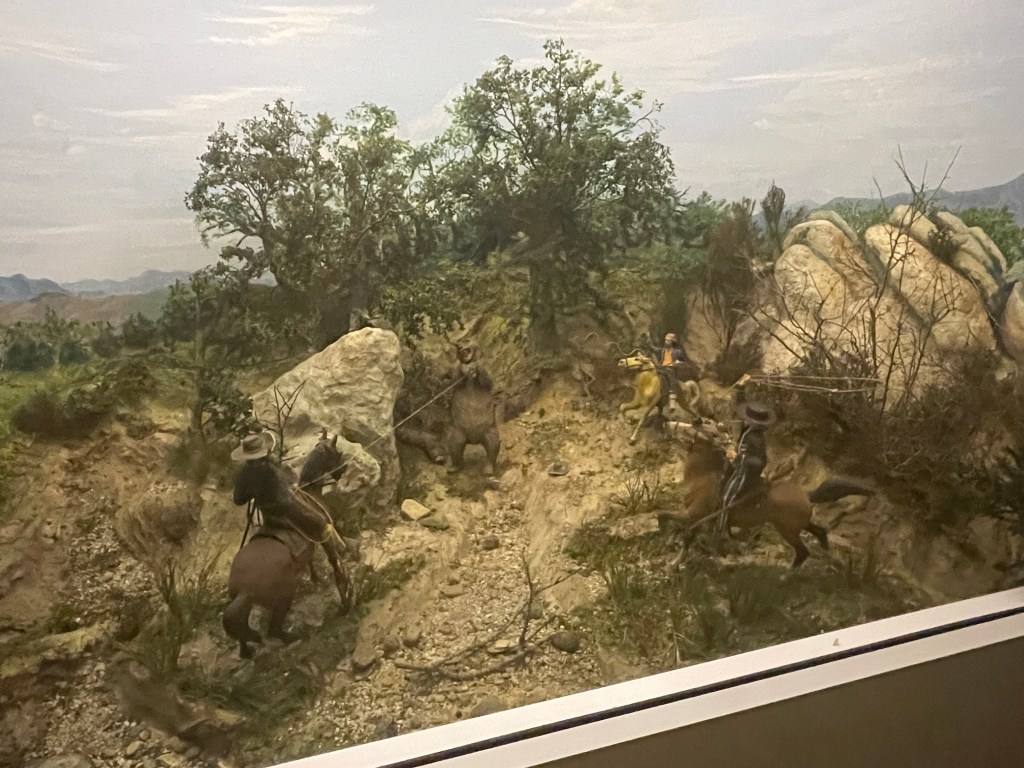
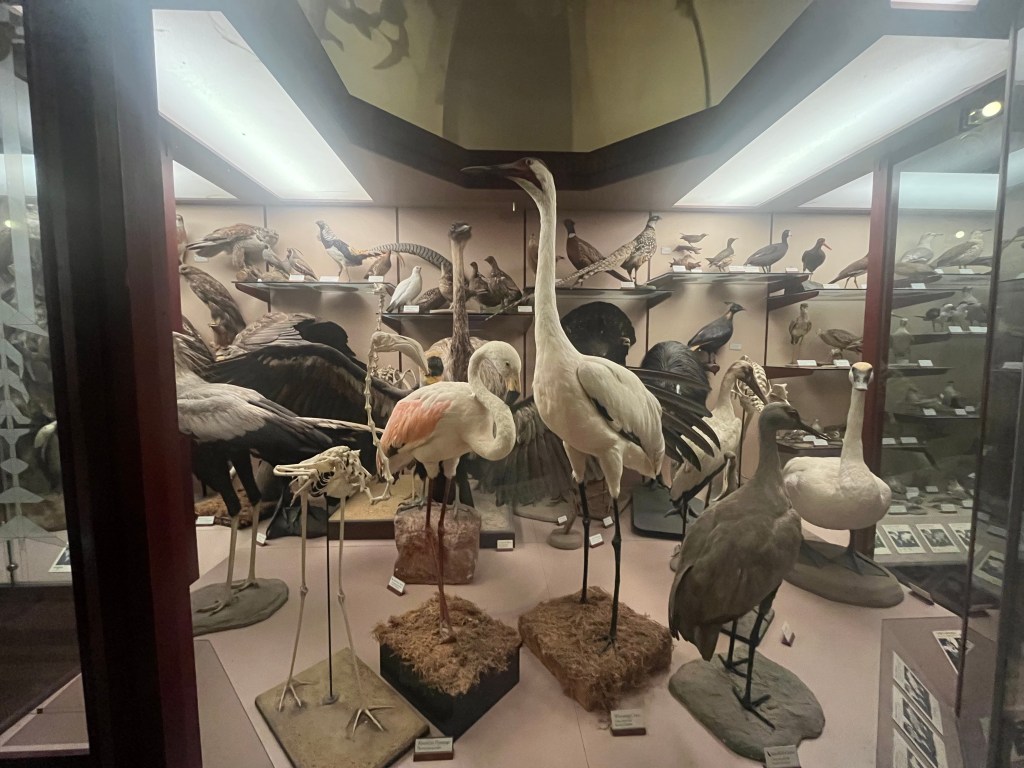
What’s interesting about the fossils displayed in natural history museums is that they are always locally-found. On the left is a photo of a tyranosaur attacking a triceratops. (Who doesn’t love an action shot?) This particular museum also has compelling dioramas and the one in the center features a now-extinct California grizzly bear being captured by Mexican ranchers (center photo). These bears were captured to fight against bulls. This particular museum also has an incredible bird room filled with taxidermic birds from all over the world. It’s quite overwhelming, but beautifully organized (right photo).
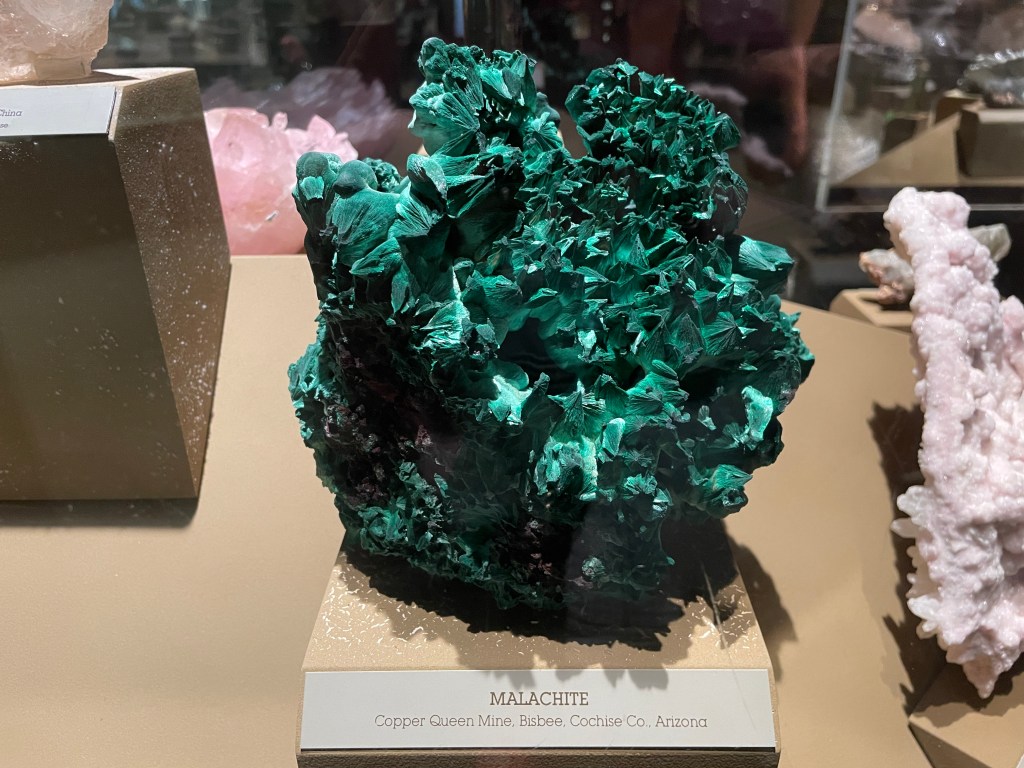
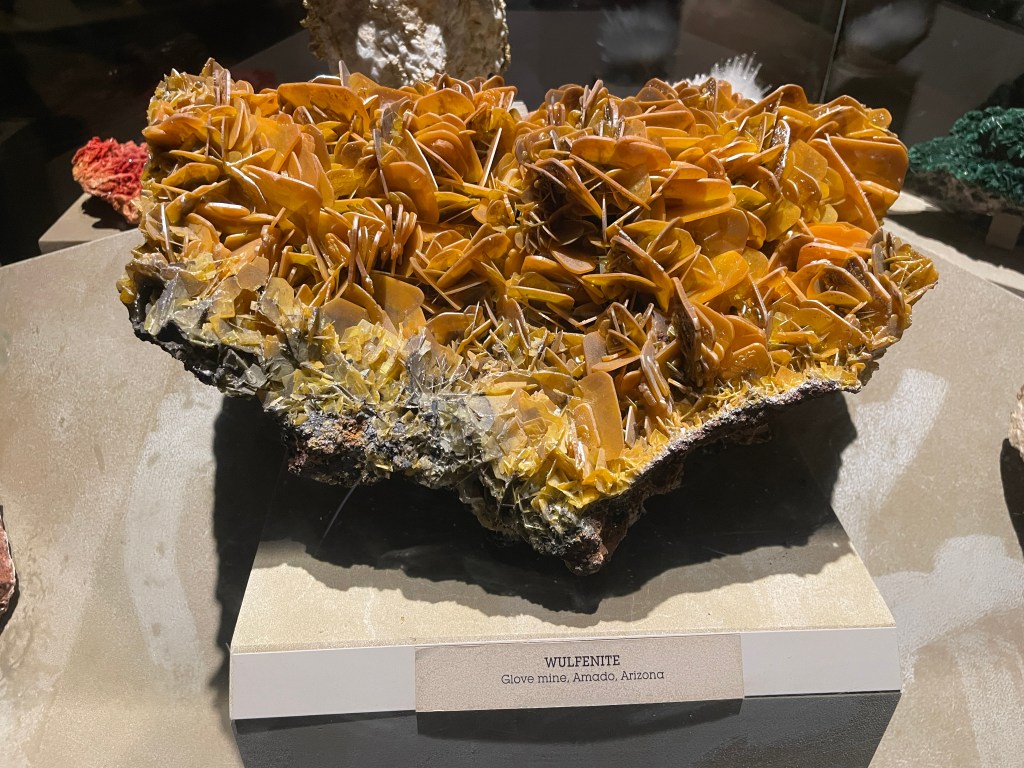
The museum had a special exhibit featuring minerals and gems from all over the world. Having lived in Arizona, we couldn’t help but admire the beautiful malachite (left) and wulfenite (right) that were mined in the state. Fun fact: wulfenite is Arizona’s state mineral.
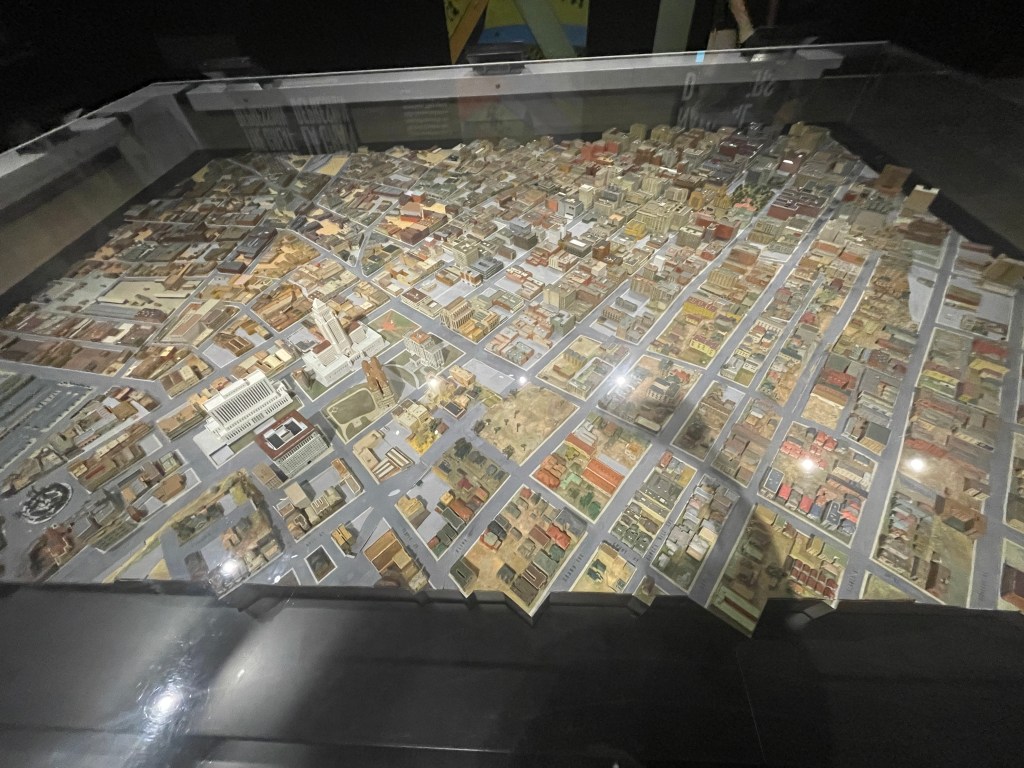
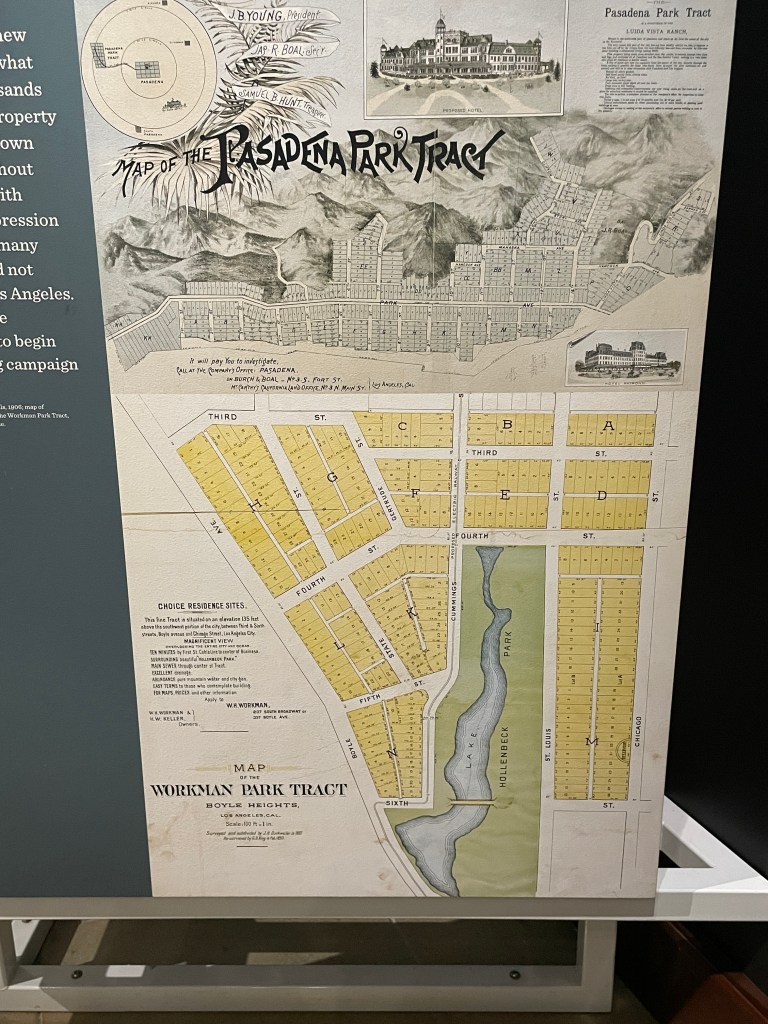
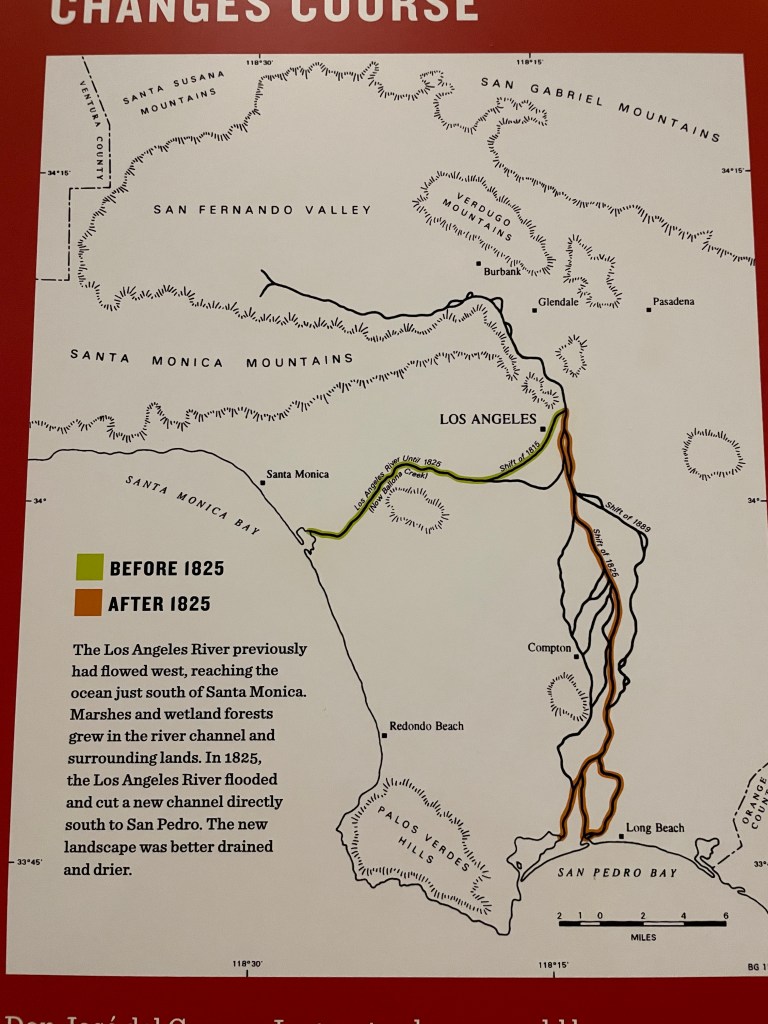
The Los Angeles exhibit featured all sorts of unique artifacts. One of the more impressive ones was the diorama of the city built in 1935 by the Works Progress Administration (WPA) (left photo). Of course the Los Angeles metro area has expanded since then, but the map remains accurate to this day. The center photo is of a poster displaying the early tract design of the suburban city of Pasadena. On the right is a map showcasing the Los Angeles River jumping its original channel and forming its current route. To those who may not know: when rivers are un-dammed they will change course and shift their channels often.
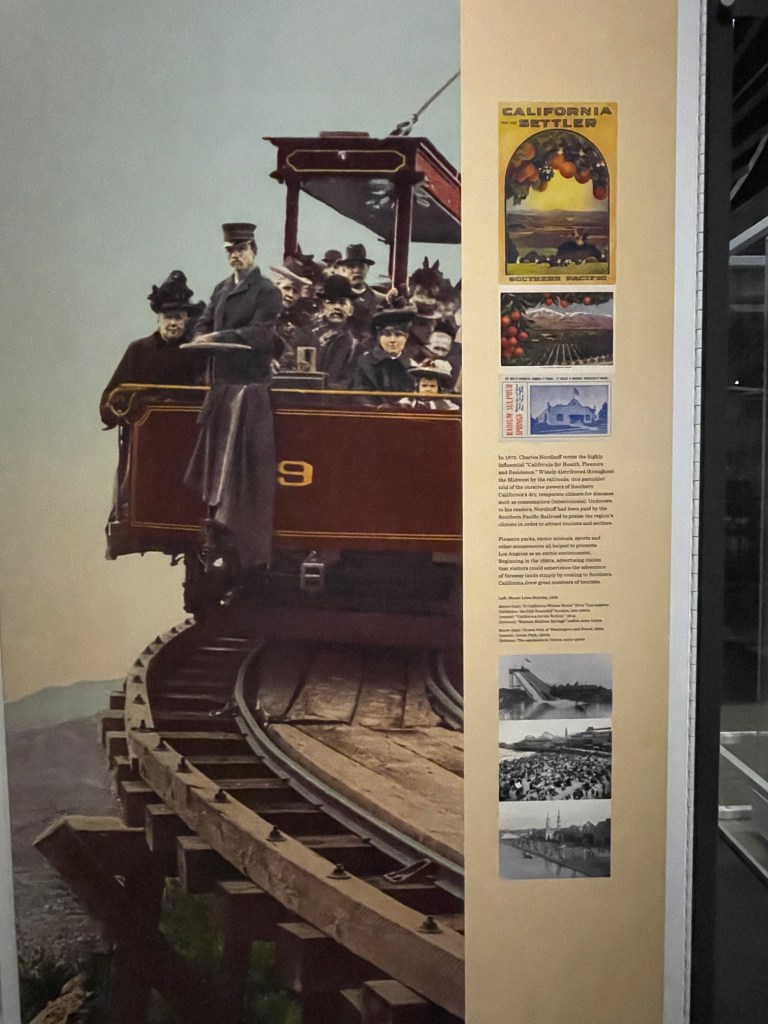
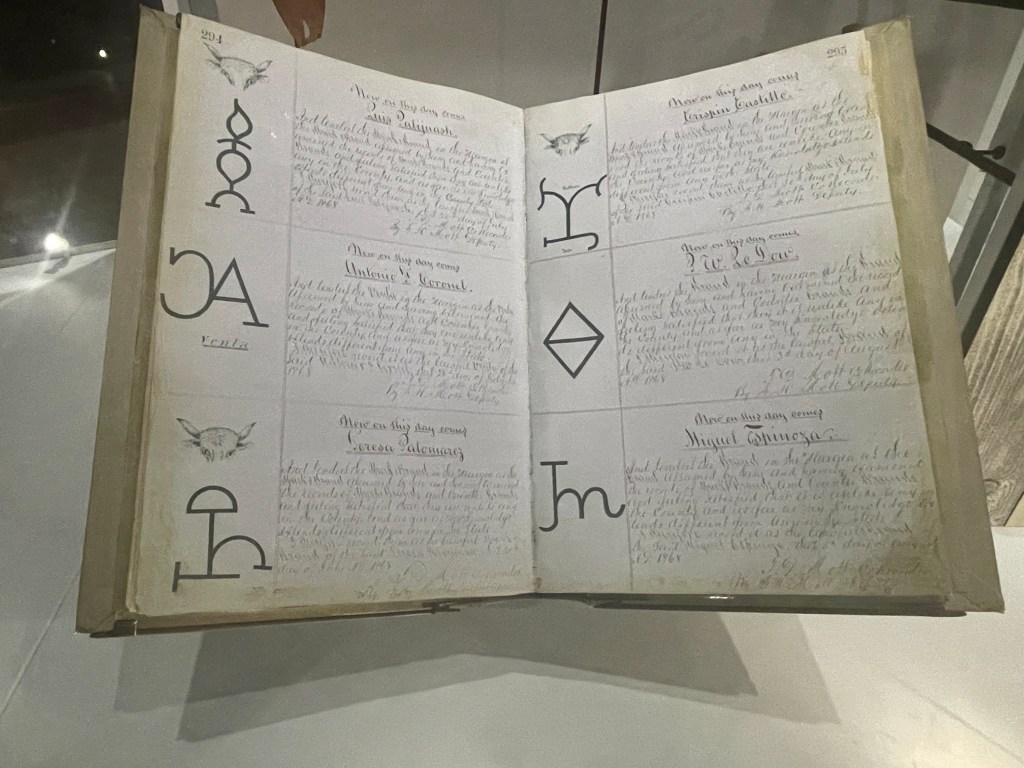
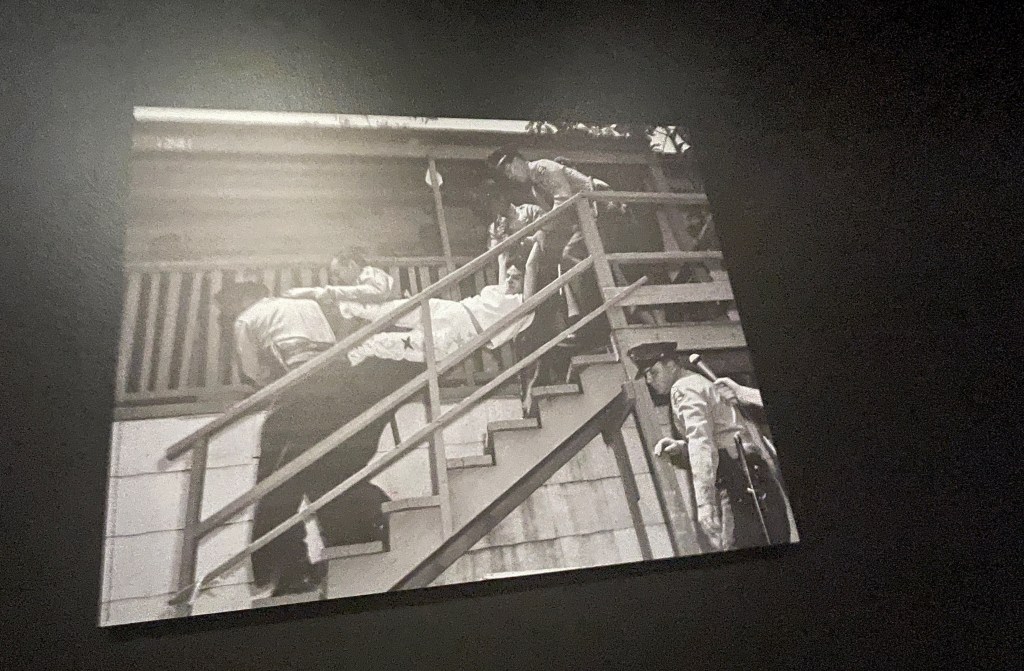
One of the reasons that Los Angeles (and the Western United States in general) grew so rapidly was because of boosters. Besides promoting opportunities for work and a chance to purchase land, the climate was and still is a profound draw for many. The left photo features several posters created by Charles Nordhoff, a prolific journalist and one of the city’s largest boosters during the late-19th century. (He has a street named after him, of course.) Cattle ranching was so popular in the West that cattle brand books can be found in many states. By registering a specific cattle brand, ranchers could distinguish their cattle from their neighbors’ to reduce disputes (center photo). Finally, the photo on the right is of a woman being forcibly removed from her home by police in the late 1950s. During this time, the city bulldozed hundreds of homes occupied by Mexican-American workers to make way for Dodger Stadium.
In case you’re wondering, we had a joint Mother’s Day surprise celebration with both of our mothers. Yahm prepared a really fun brunch and everyone tried their hand at making nail polish flowers. Moshe and Yahm’s mother, Kaye, made the prettiest flowers. It’s definitely an activity that requires practice to get right!
The final consensual kidnapping we did was for Moshe’s birthday. As was the case for Father’s Day, it wasn’t a total surprise but we still had a good time. We ate Guatemalan food and, this time, visited Japan House. Japan House is a cultural exchange hub funded by the Japanese government to teach other nations about the history, culture, and foodways of Japan. These spaces feature changing exhibits, retail stores, cafes, and more. There are three Japan Houses in the world, all in cities with large Japanese populations: Los Angeles, London, and São Paulo. We didn’t visit Japan House during our first or return trip to São Paulo, despite staying close to it both times we were there. The Japan House in Los Angeles is spread throughout the Hollywood and Highland mall complex, but we only had time to see the first floor display called “Washoku: Nature and Culture in Japanese Cuisine.”
Some of our favorite fun facts we learned are:
- There are currently about 300 varietals of rice cultivated in Japan, but only 20 of them make up 80% of the rice market.
- Many of the fruits and vegetables commonly used in Japanese cuisine were imported from around the world, including daikon radish (Europe), yuzu (East Asia), Japanese pumpkin (Central America), and cabbage (Europe).
- Soft water (water with low concentrations of calcium and magnesium) is much more prevalent in Japan and has had a significant influence on local cuisine. Think about, for example, the gentle flavors of miso broth and how much the type of water used can alter its flavor. In contrast, European water is hard (high concentrations of calcium and magnesium), which is why thick hearty stews are more popular because they help mask the mineral taste of water.
- Bento boxes became prevalent during the Edo period (1603-1838), which was a time when art and entertainment flourished throughout Japan.
- Salt rocks don’t exist in Japan, so salt is collected by drying seaweed, boiling seawater, and extracting salt from sand.
One of our favorite ways to get around in L.A. is taking the subways, light rails, and buses that make up the Metro system. If you’ve only casually visited the city, you might be surprised to learn it exists or how extensive and efficient it is. Although L.A. remains car-centric, the transit system continues to expand and significantly cuts down on car pollution, traffic, and the frustrating task of finding parking. So when we decided to meet a friend downtown, we obviously took the metro to Union Station.
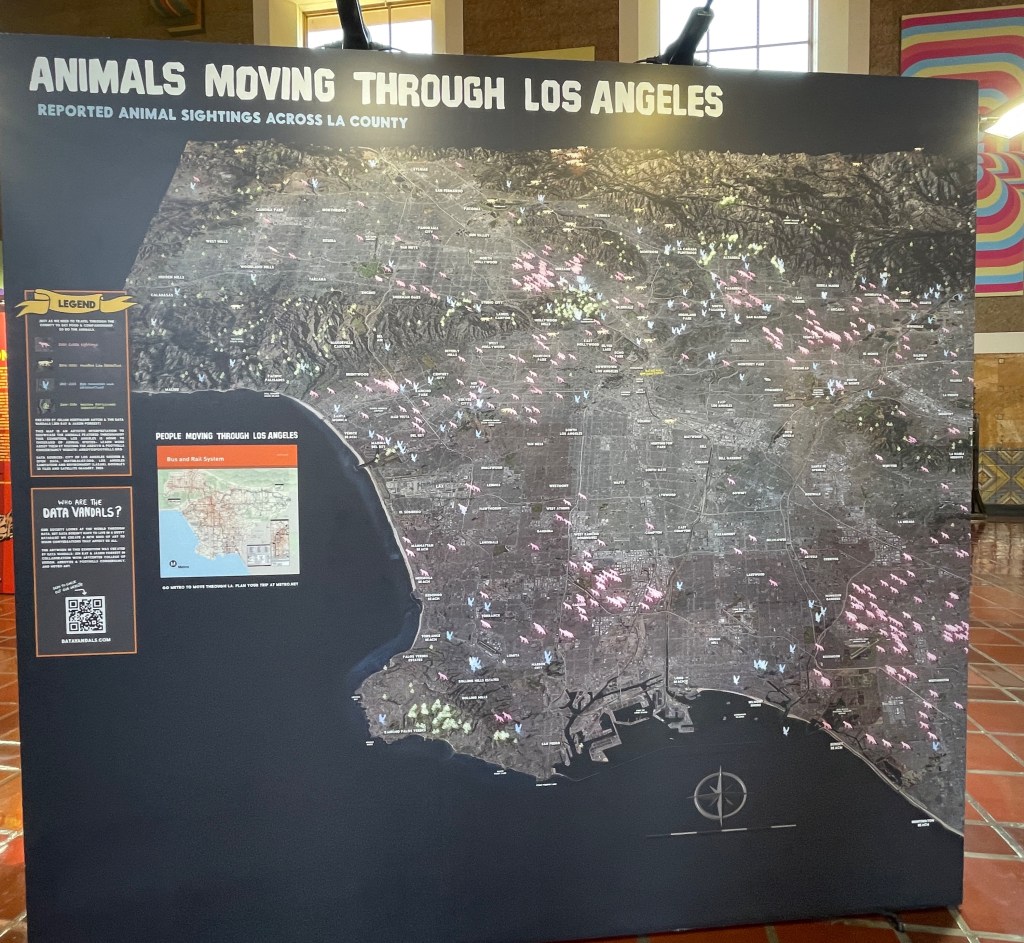
Union Station is an exceptional historical building built in the art deco style. Since we were visiting during the 2026 FIFA World Cup and L.A. was one of the host cities, we stumbled upon a special exhibit about the unique wildlife in and around the city. Even some of the most urbane Angelenos are somewhat aware of the unique biodiversity that exists in the area. Monarch butterflies, snakes, coyotes, and mountain lions are just a few animals that we coexist with. (We all shed a collective tear when P-22 died.) Below are photos of the exhibit that explain each species’ role in the ecosystem, as well as featuring a fantastic map of species movement. (The movement data was captured via photos or videos of animals that people took and camera traps that capture movement).
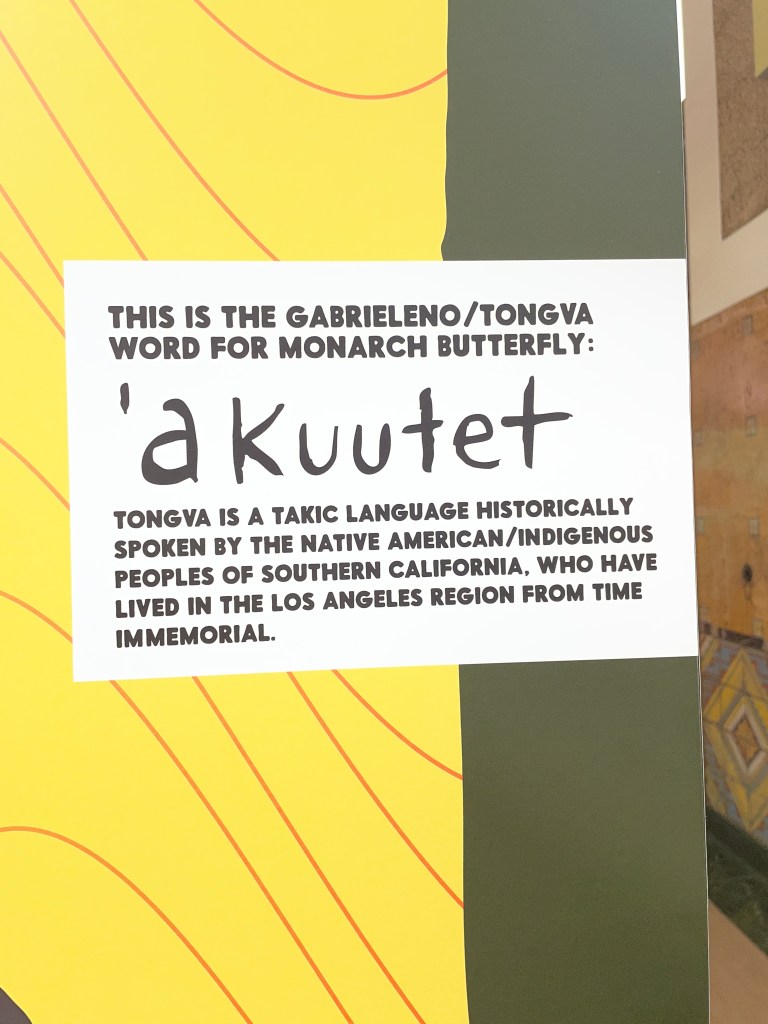
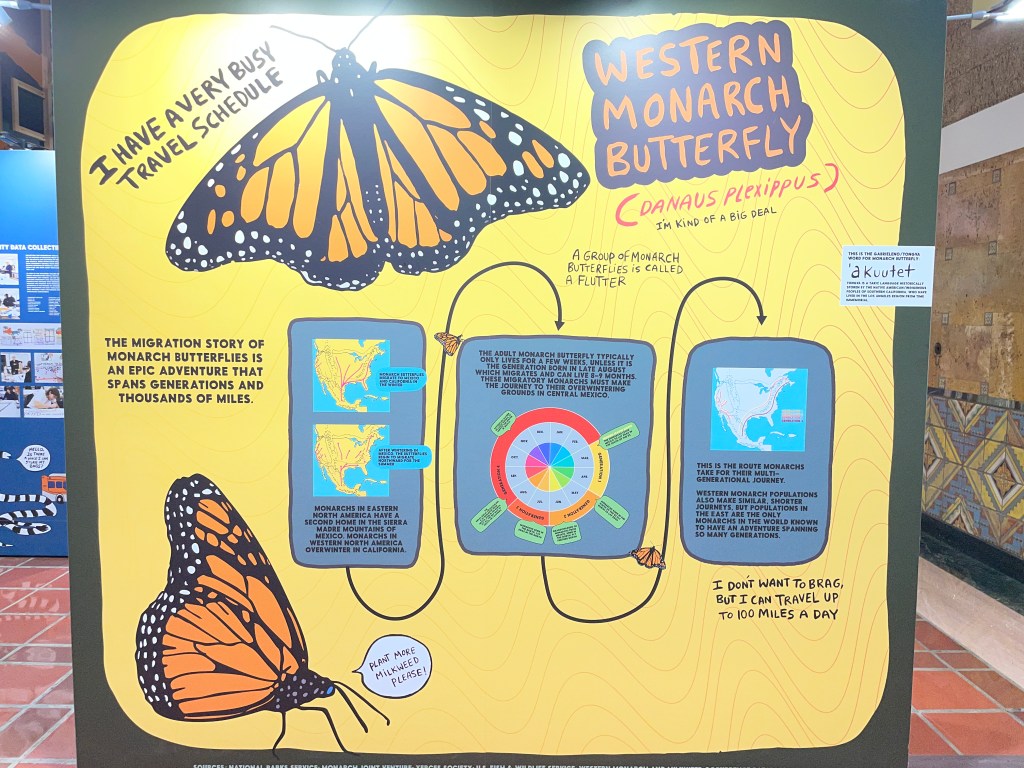
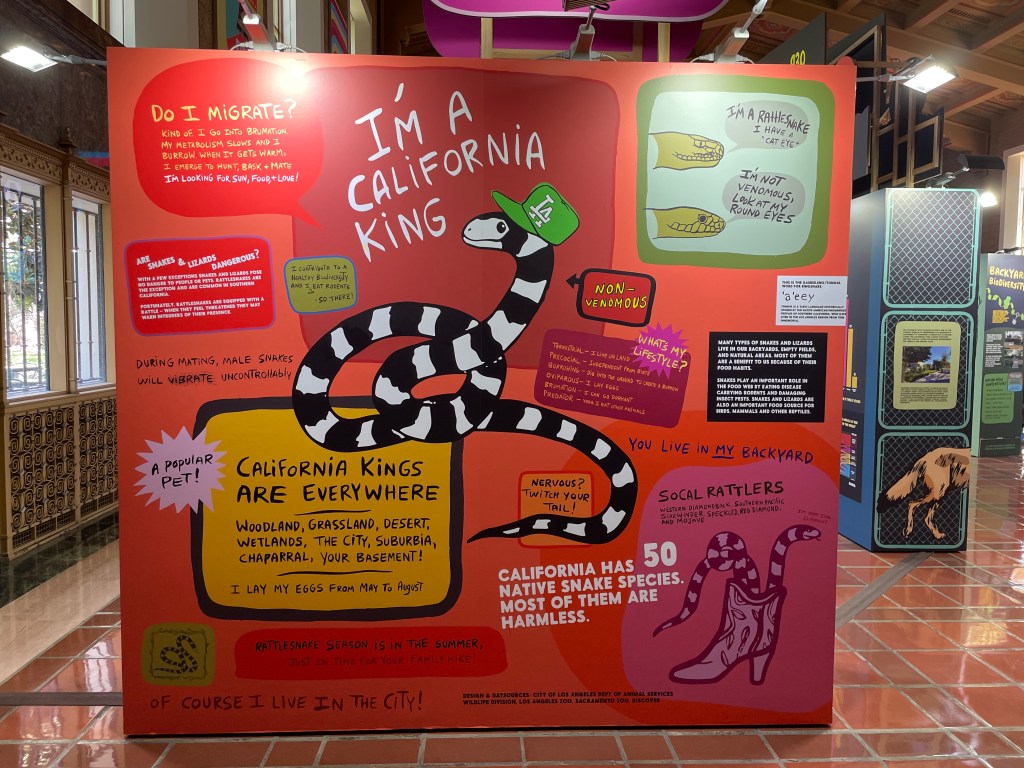
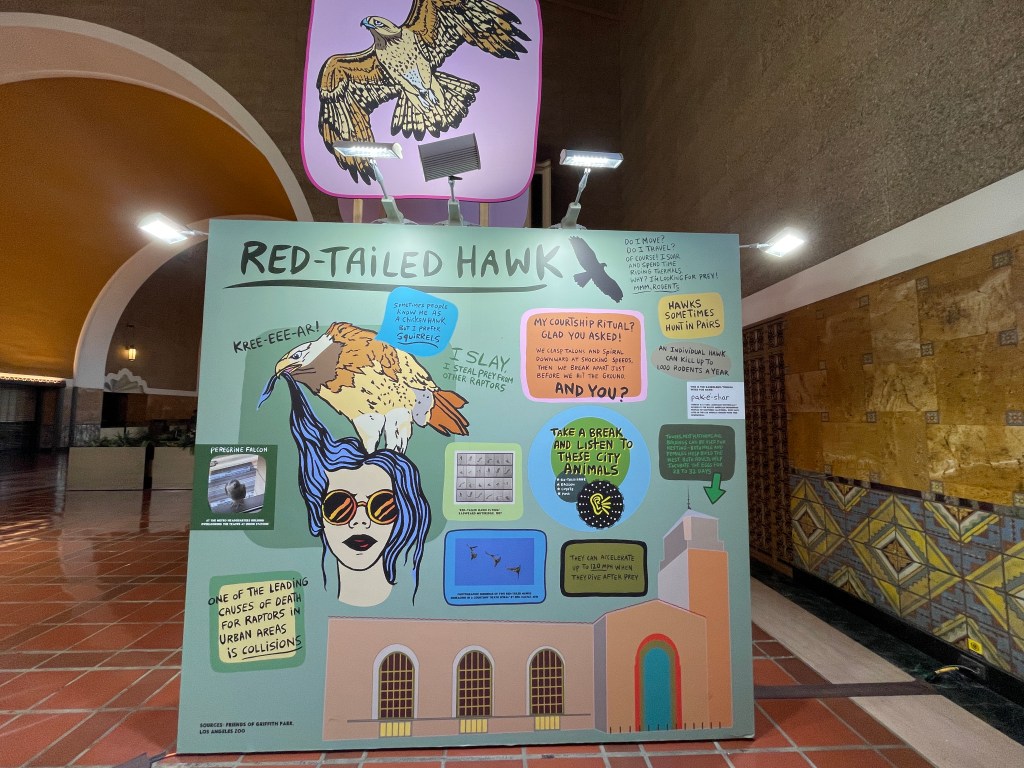
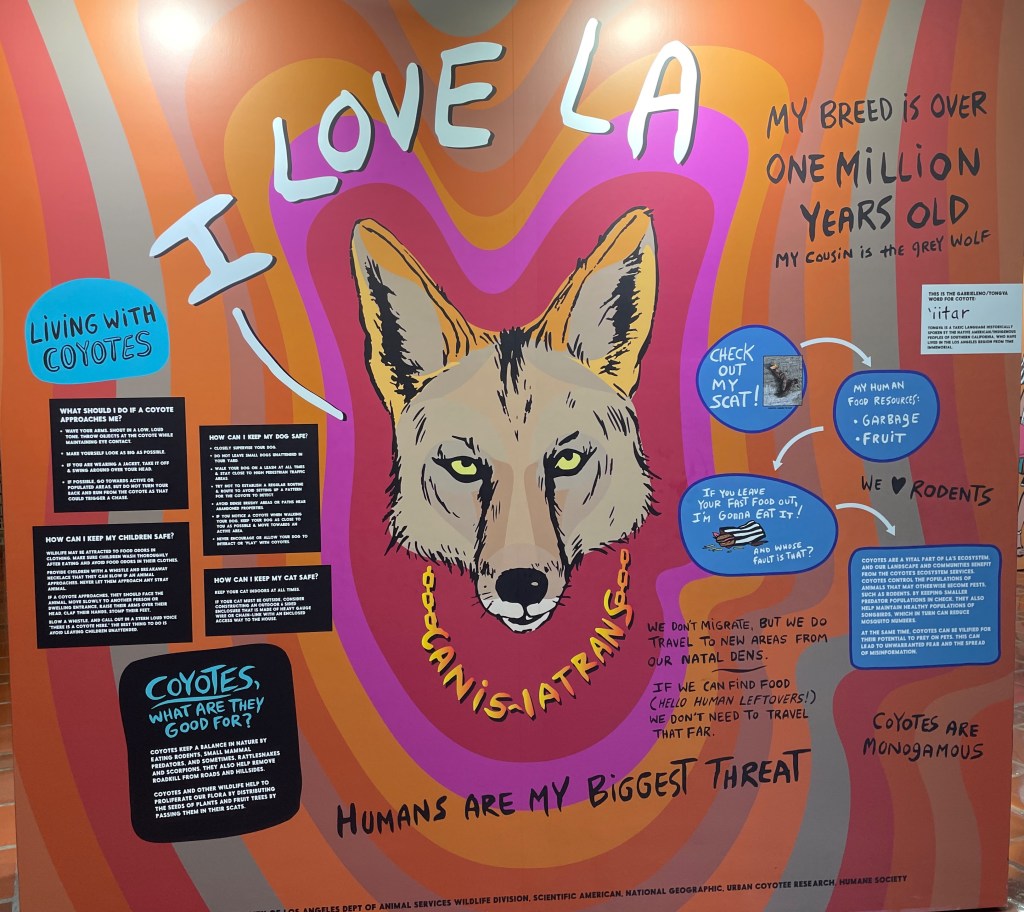
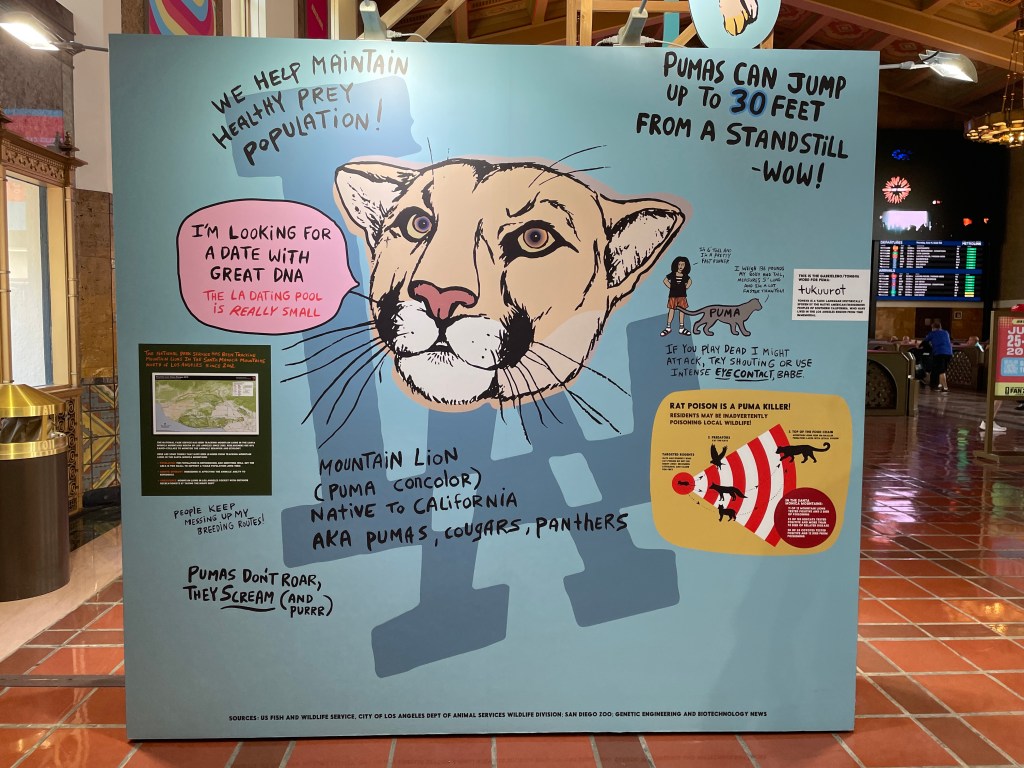
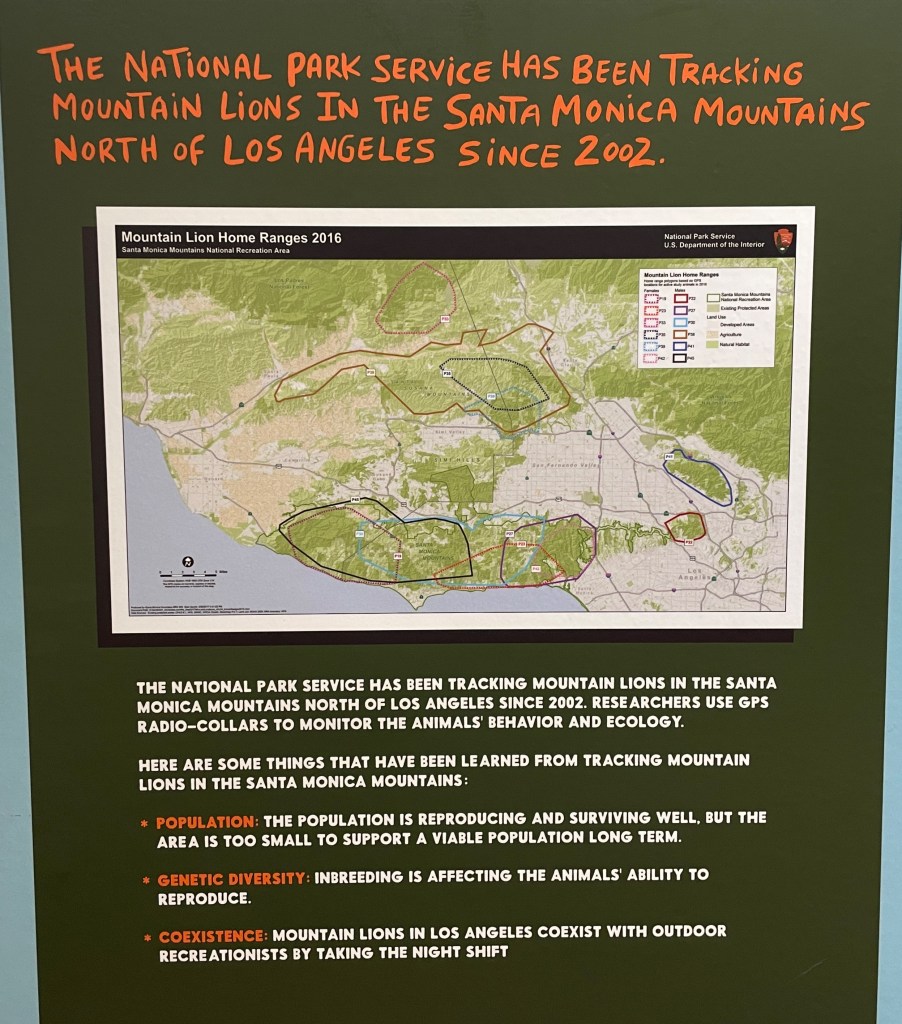
In fact, both of us have had encounters with mid- and large-sized wildlife in surprisingly urban areas. Below is a video Adam recorded of a coyote patrolling the walking paths along the major thoroughfare of Mulholland Highway in the middle of the day. (These adaptable canines can now be found throughout North America.)
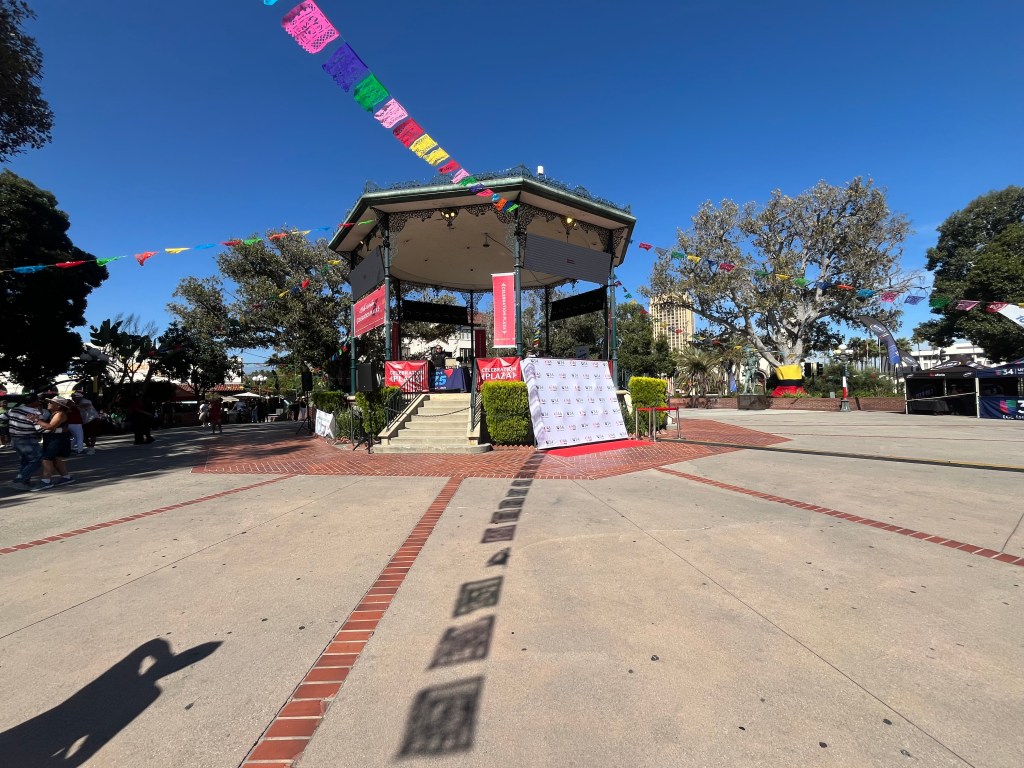
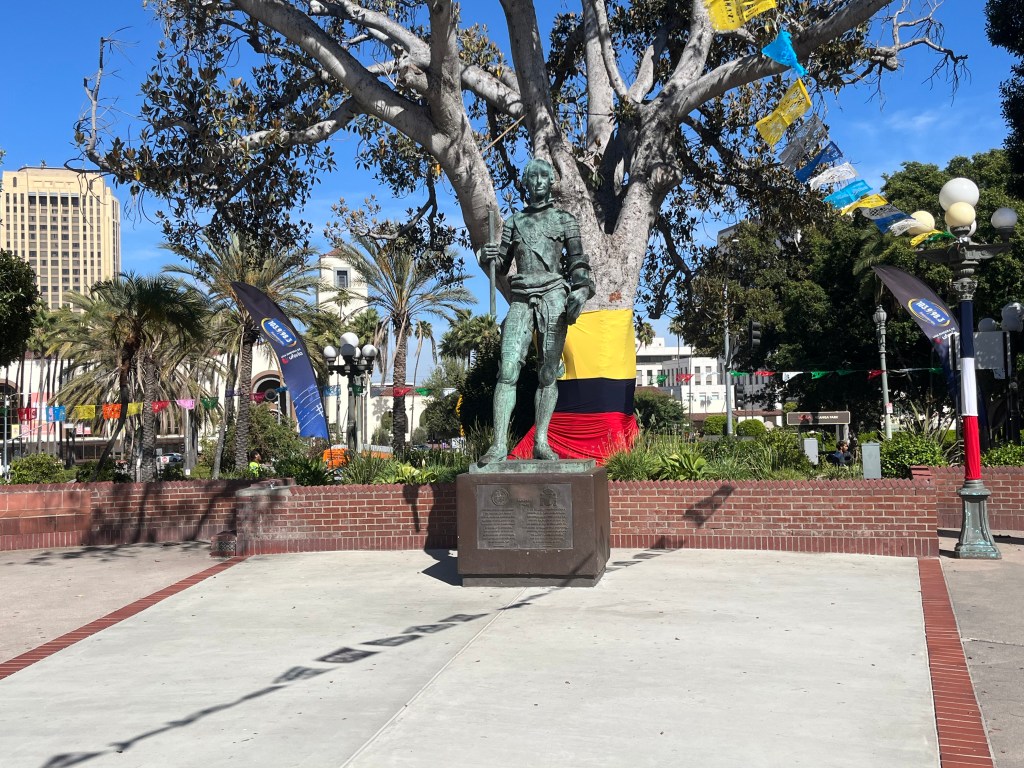
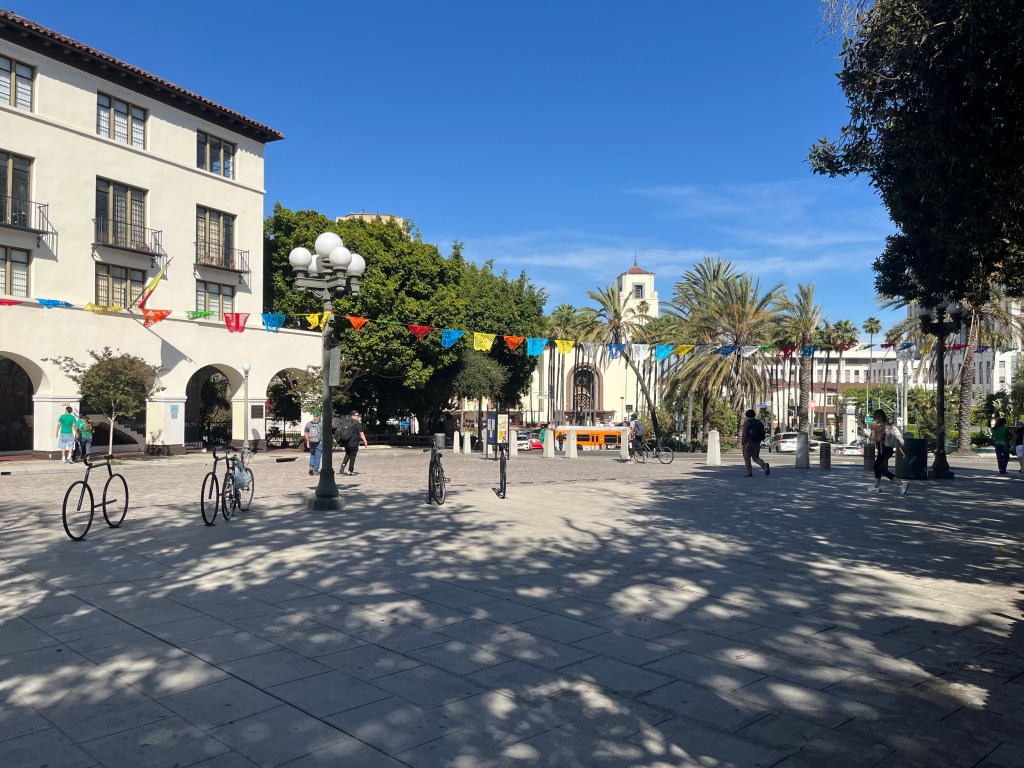
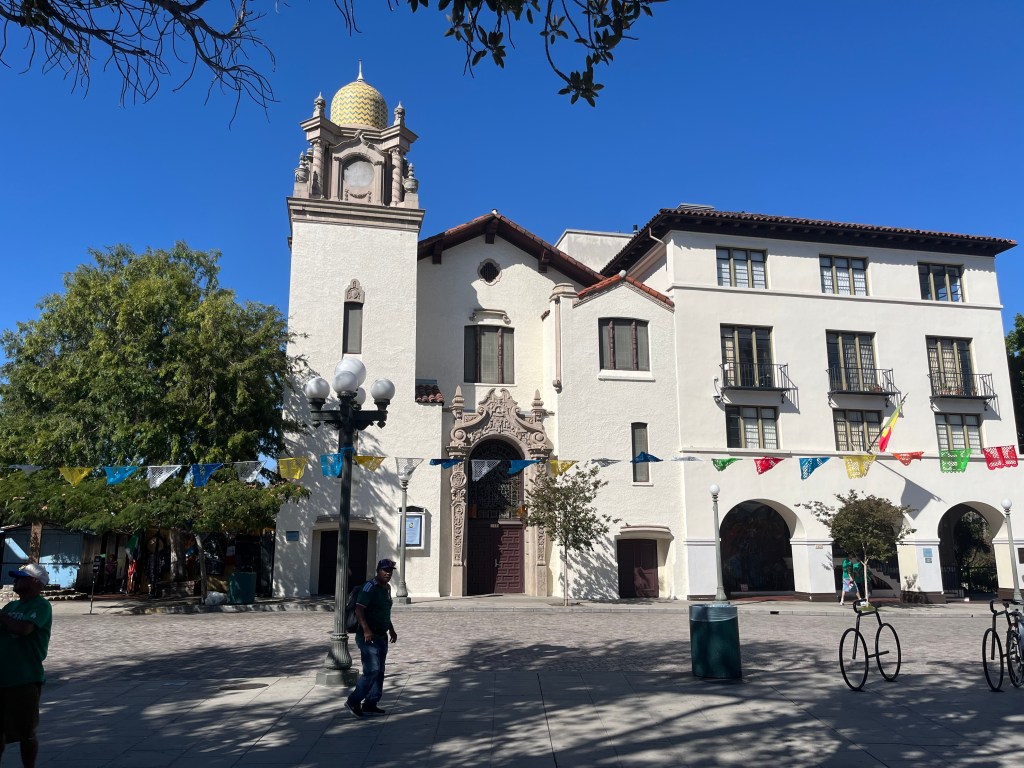
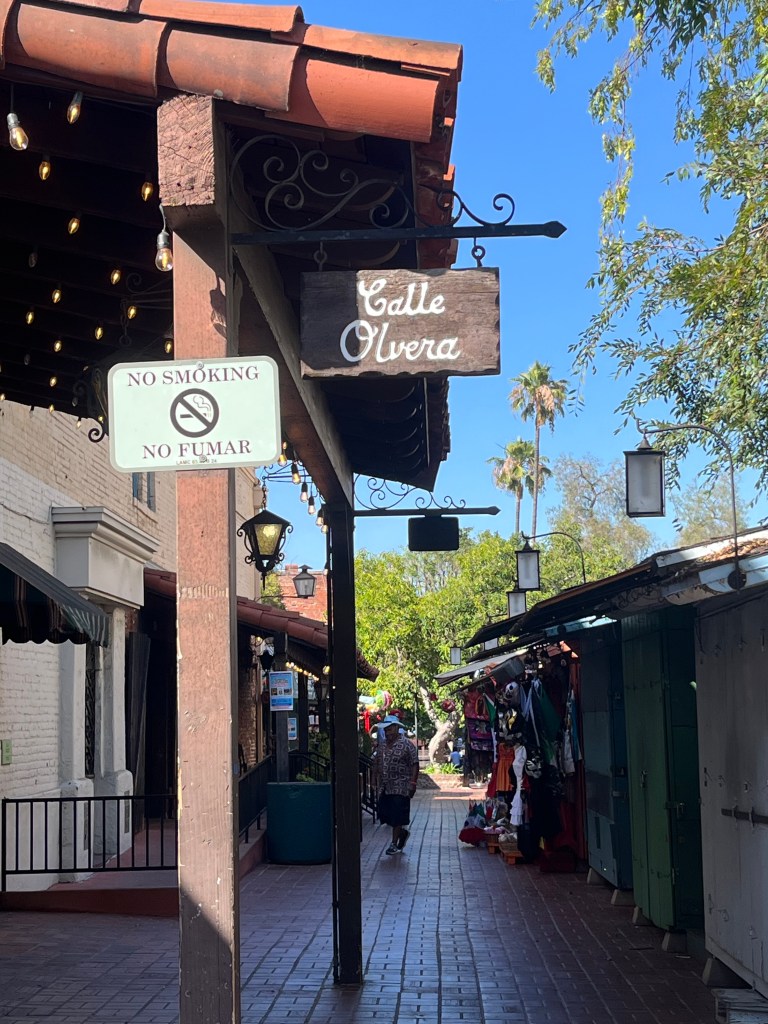
After taking in the exhibit, we exited Union Station and walked to Olvera Street which we hadn’t visited in a long time. This street and the surrounding pueblo is the original settlement of El Pueblo de Los Ángeles by the Spanish in the late 1700s. Many of the buildings in the area date back to that era, making them among the oldest European buildings in both the city and the country. The area wasn’t quite as bustling as we knew it to be in the past, though there was a fiesta with a live Mariachi band in the main square. While we hope it was quiet because everyone was getting ready to watch a soccer match, we suspect other reasons have turned the area into a quieter space (tariffs, ICE raids, and so on). Still, it was fun to visit such a Spanish- and Mexican-centric area.
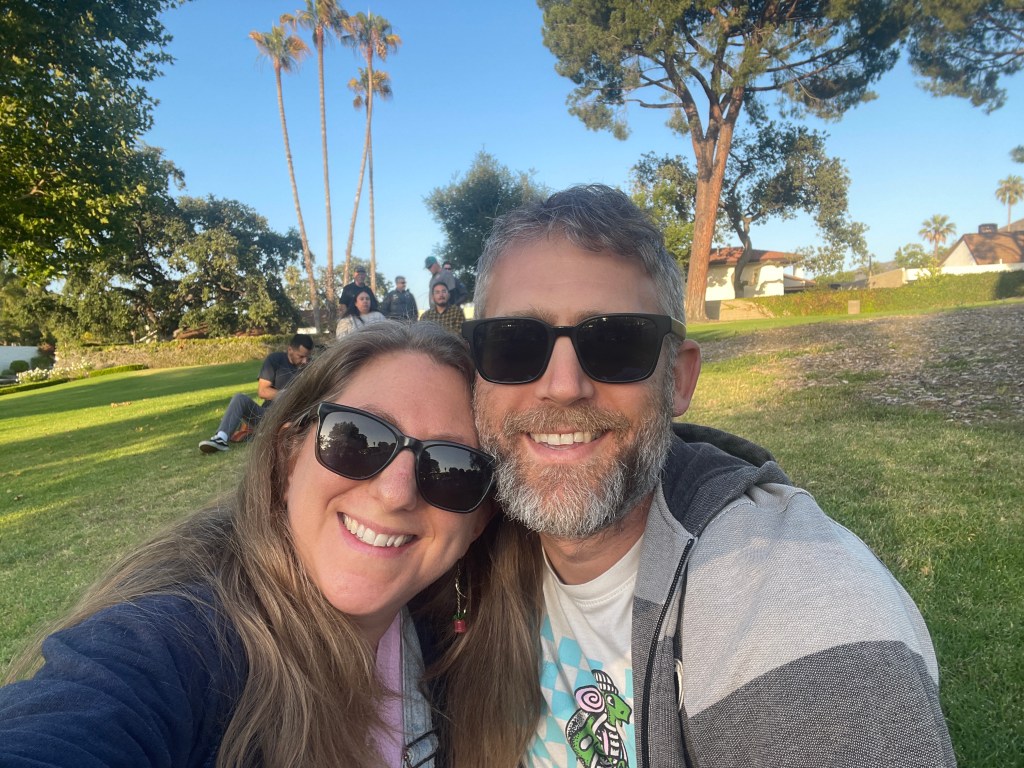
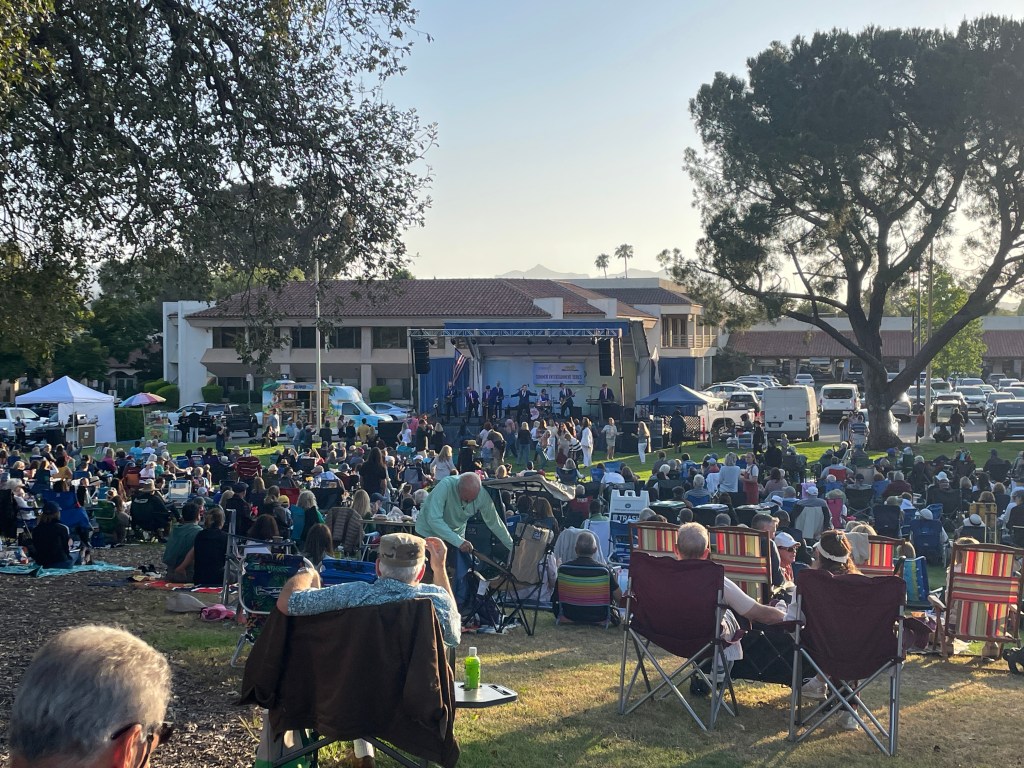
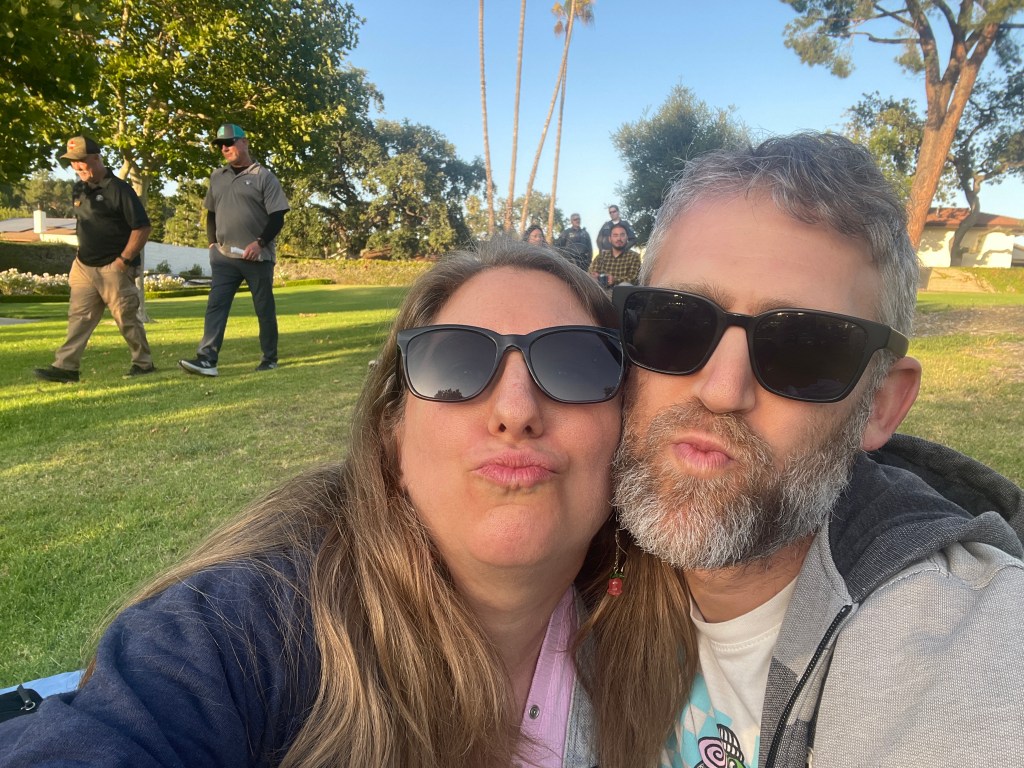
As explorers, we tried to break out of our shells and attend events we normally wouldn’t bother with when we lived in L.A. Adam isn’t much of a live music person and we can both feel overwhelmed by large crowds. (We are introverts after all!) Still, we went to see a Motown cover band in a local park. We brought a blanket and snacks so that we could enjoy the music as the sun set. Even though there was a large crowd, we managed to find a space where we could enjoy the show without worrying we would be run over. The band itself was great (who doesn’t love Motown?) and they even did two encores.
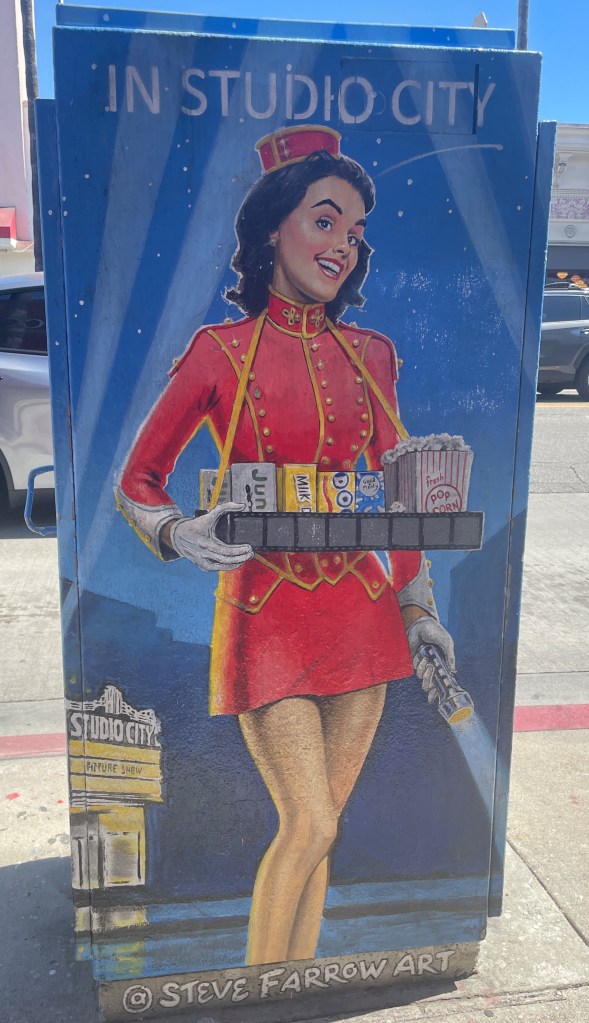
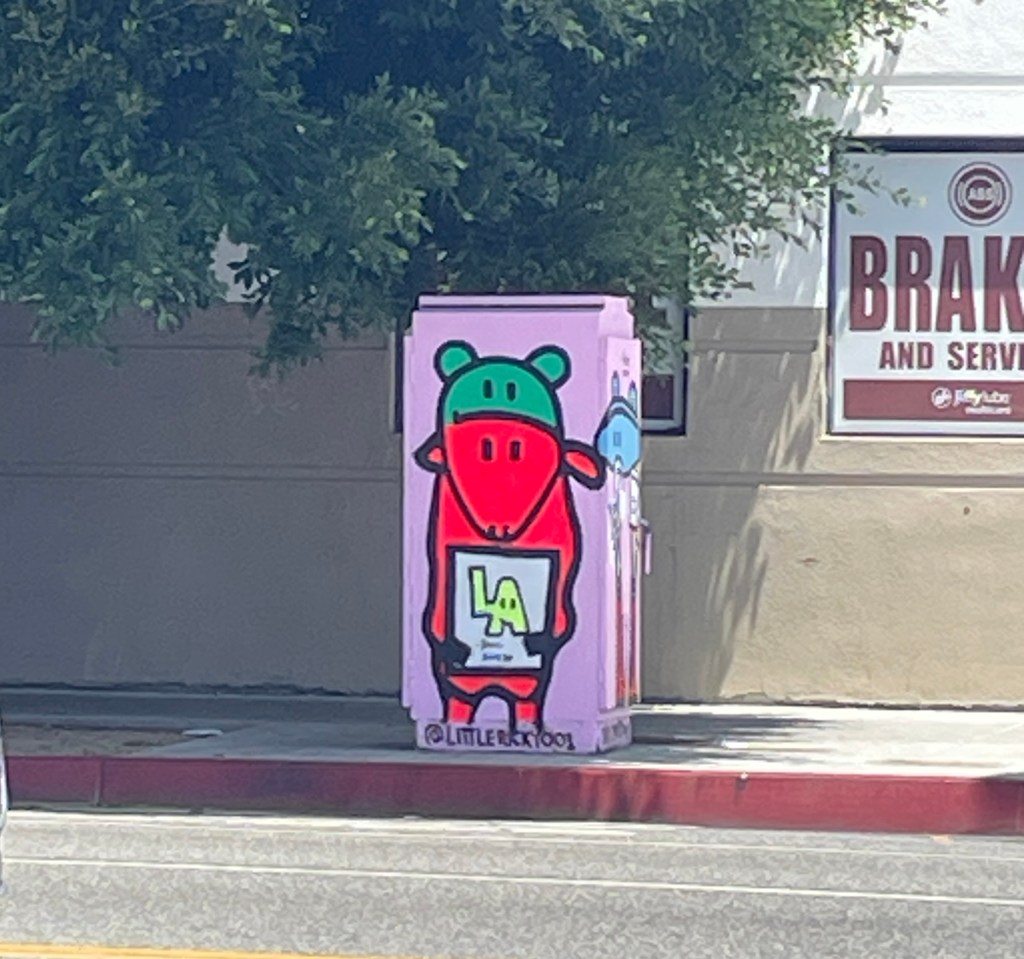
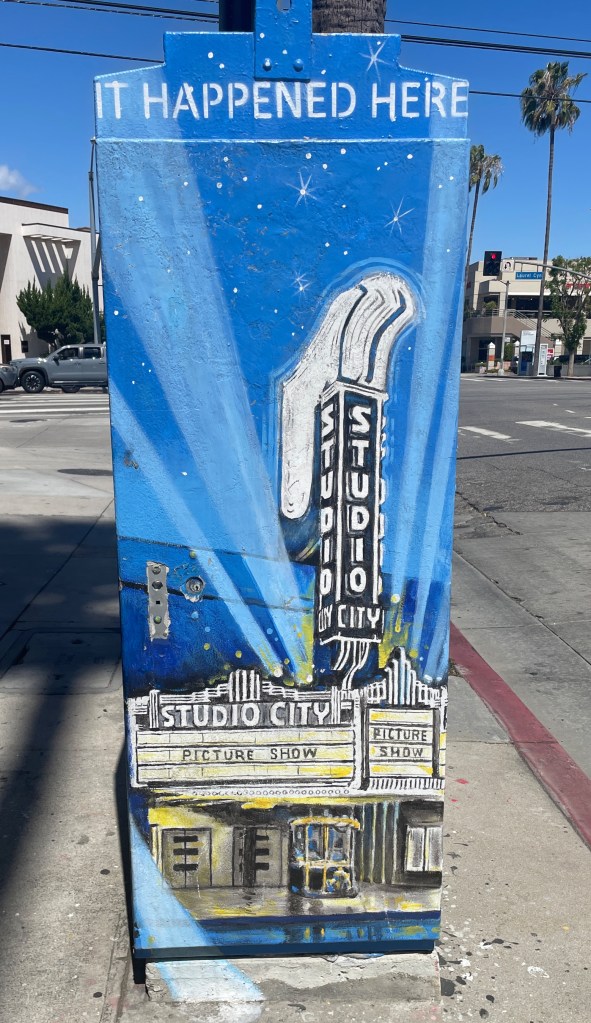
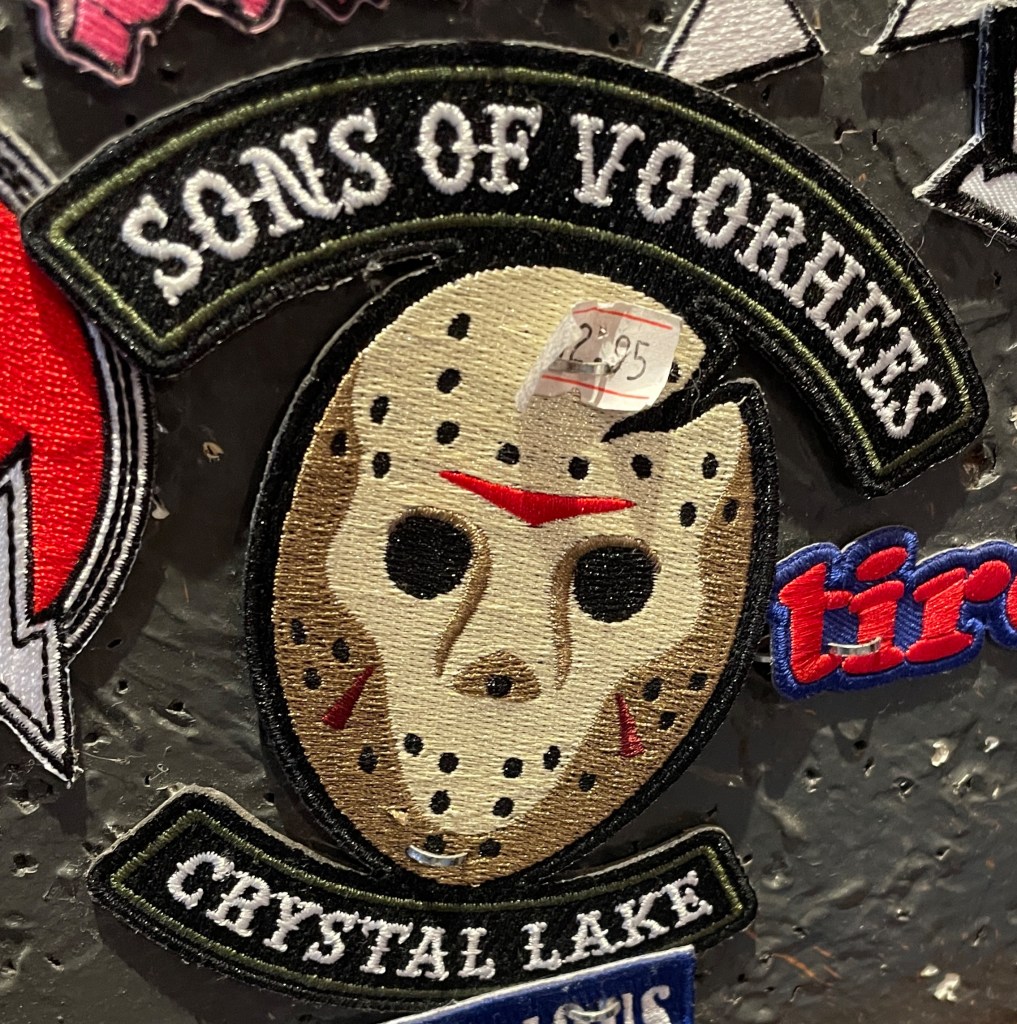
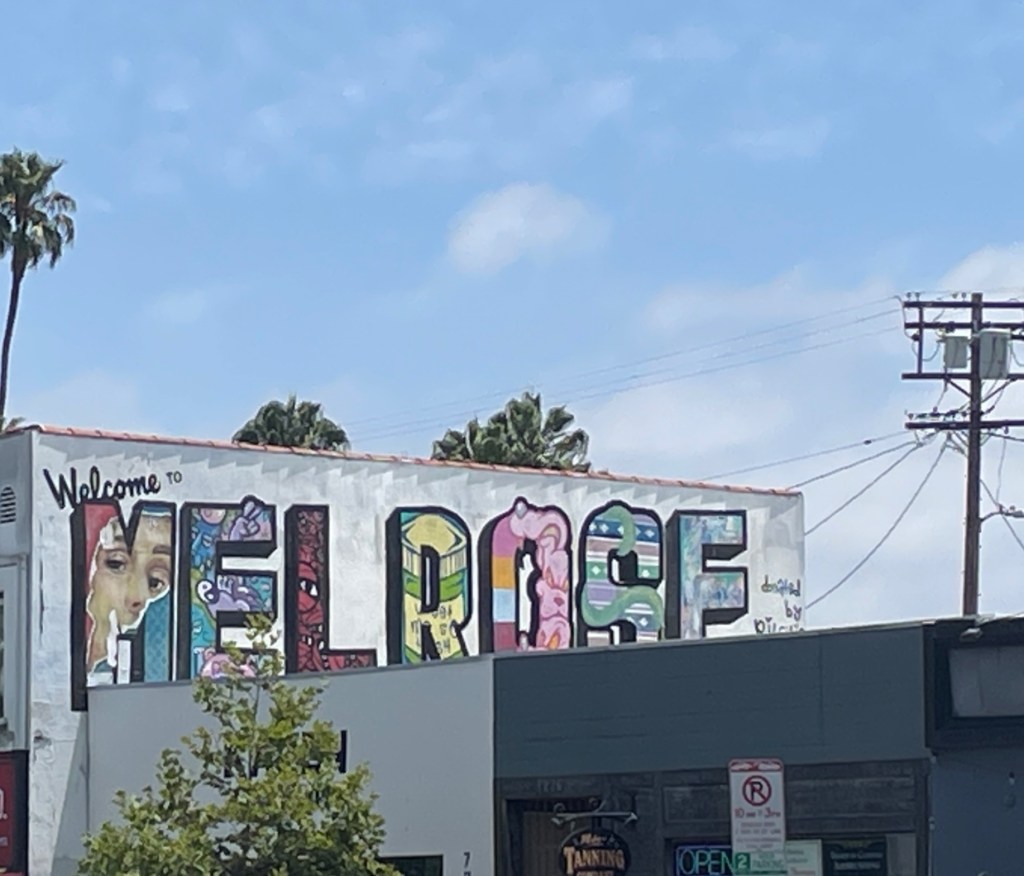
Lastly, below are photos of some of our favorite graffiti, murals, stickers, and patches we saw since we arrived in late March.
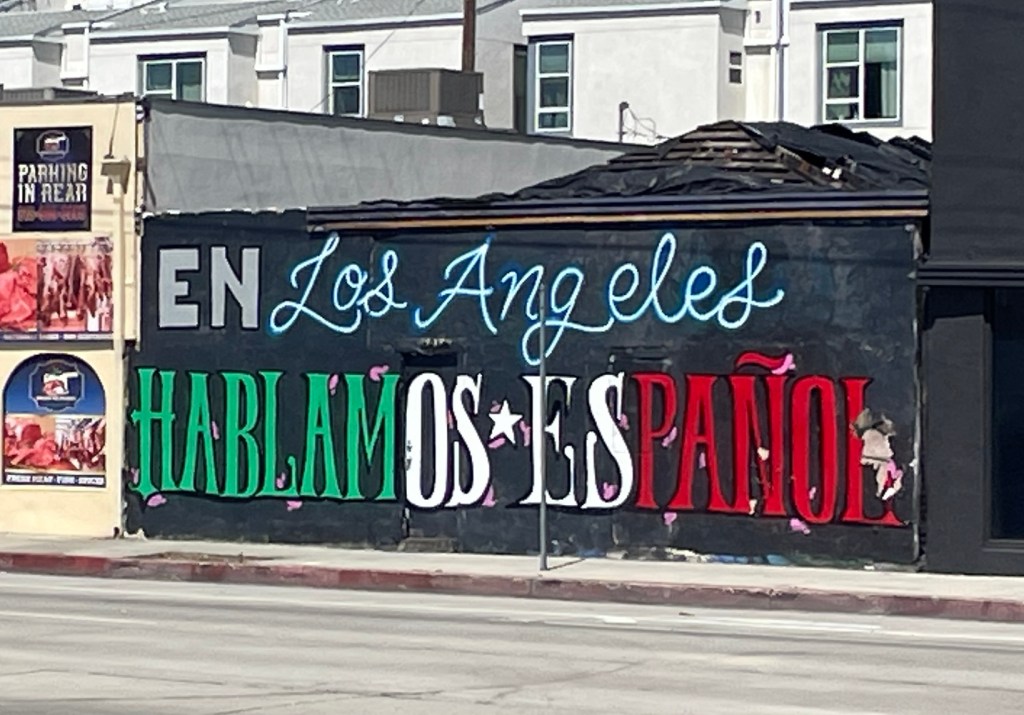
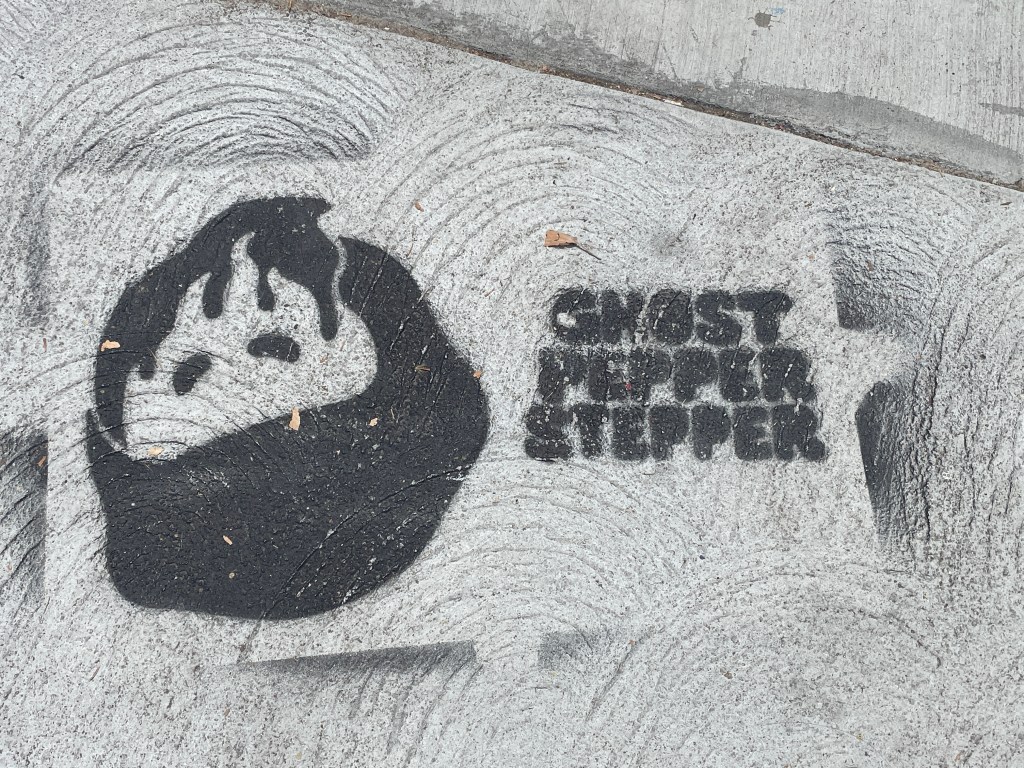
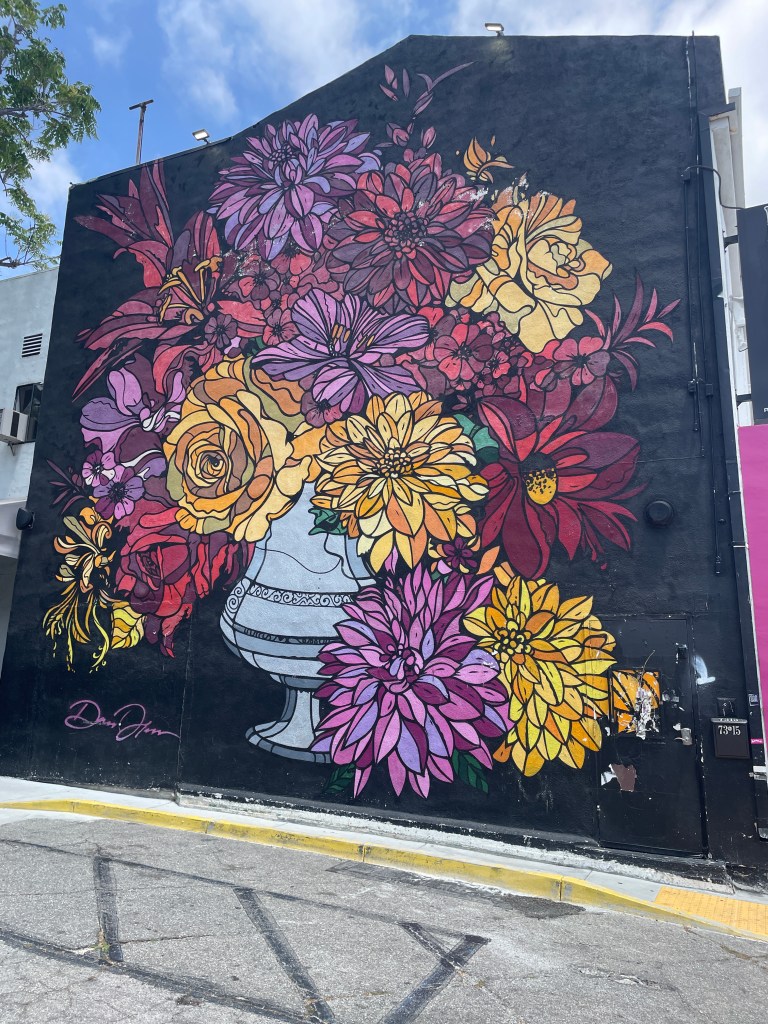
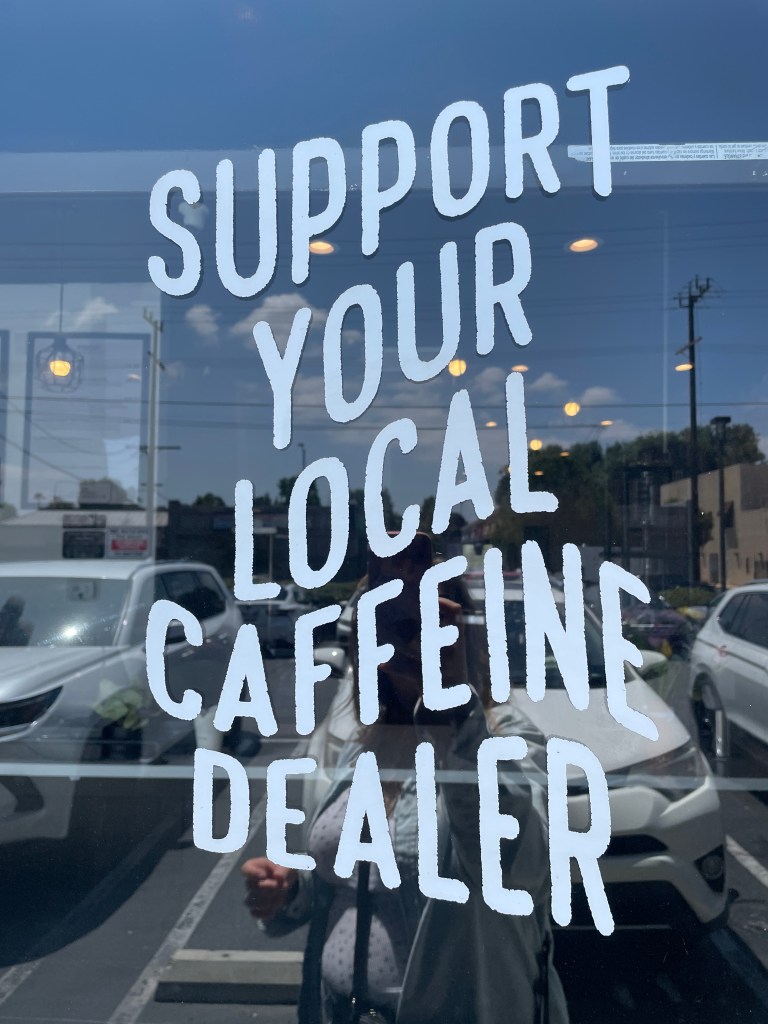
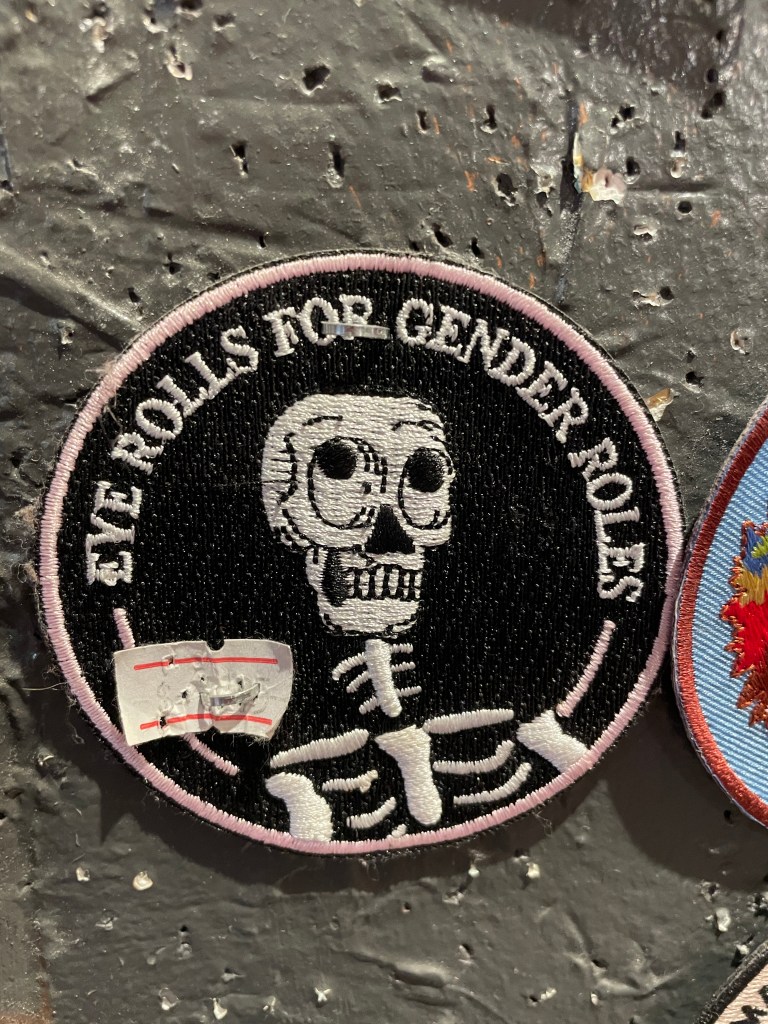
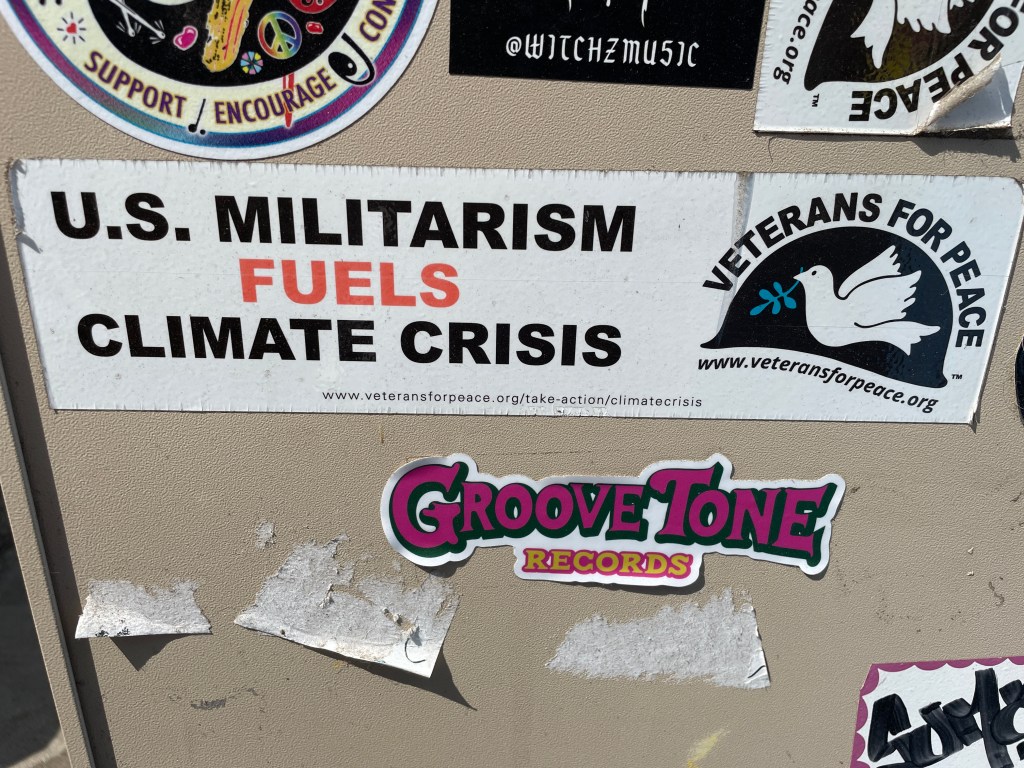
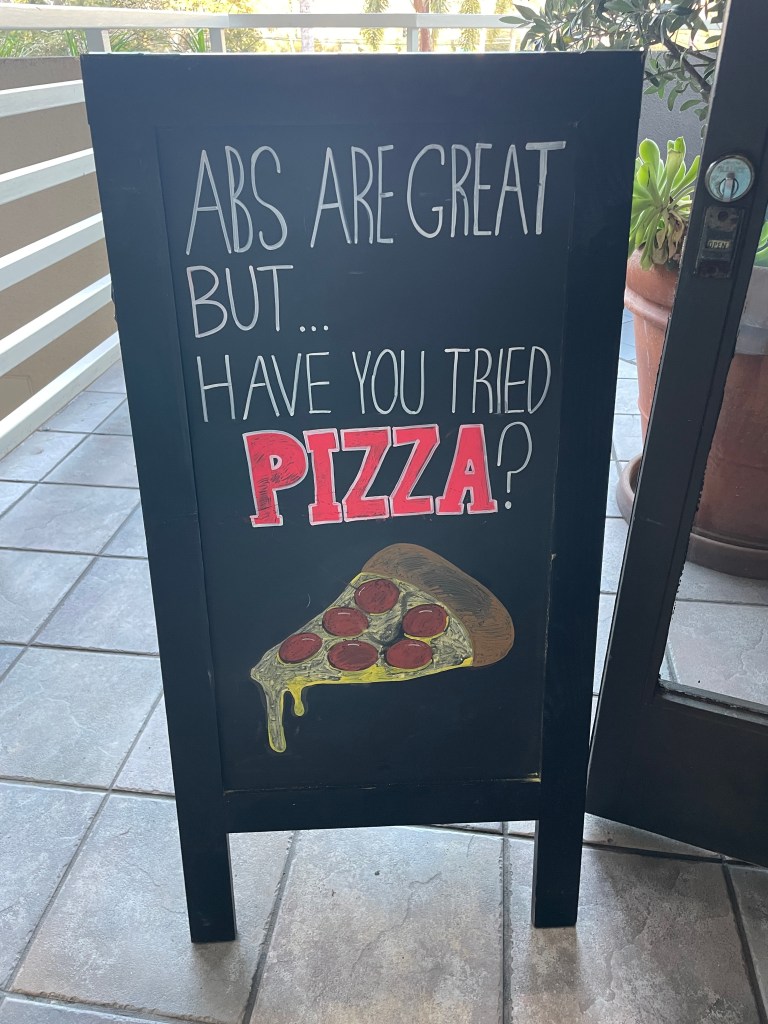
While this is our last post about our time in L.A., Yahm will have one more recap about books she read and food we ate. After that, you can expect more posts about starting a new chapter in our new home for the foreseeable future: Duluth, Minnesota. Be sure to like, comment and subscribe to Traveling While Introverted so you don’t miss our next post!


Leave a Reply