In our last post, we mentioned that we were planning a move to Duluth, Minnesota. After months of both of us job searching, Adam landed a position as a planner for the city. Within two weeks of receiving the job offer, we packed up our stuff, said our goodbyes, and left Los Angeles.
In the past, when we moved from state to state, we typically drove our car to explore so-called “fly over country.” Besides an opportunity to see more of the U.S., one of the main reasons we had to drive was because of our pet snake, Eve. While technically we could have flown with her, the logistics were a nightmare so driving made more sense. When we decided to leave the U.S. last year, we made the very difficult decision to give her up to a reptile rescue center in Tucson, Arizona. Since we didn’t have Eve or a car, we flew to Minnesota. Flying domestically with our big ol’ mochilas was about as surreal as when we first landed in Guatemala. Both of us kept expecting to hear Spanish and needing to fill out customs forms even though we knew that wasn’t going to happen.
We landed in the Minneapolis-St. Paul Airport and took a three-hour shuttle to Duluth. The shuttle dropped us off at the Duluth Airport (it didn’t make sense to fly directly to Duluth for a variety of reasons we won’t bore you with), we picked up our rental car, and drove to our hotel. We knew we needed to get a good night’s sleep because the next few weeks were going to be jam-packed.
Because we’ve moved to different states, we have developed a particular way of acclimating to a new place. (Quite frankly, much of this applied to our travels in Latin America but on a smaller scale.) We do a lot of research about a place before we even arrive to make sure we have a basic lay of the land. Adam is very good about figuring out the literal lay of the land, including the way a city is designed, what areas are under construction or should be avoided, and, of course, what natural escapes are nearby. Yahm, on the other hand, zeroes in on grocery stores, restaurants, libraries, cultural centers, and how to access everyday necessities. Once we have a basic sense of the city we’re moving to, we begin contacting real estate agents about touring properties for rent. We like to have appointments ready so we’re not twiddling our thumbs. Typically, our goal is to sign a lease within a week of landing. True to form, we were able to find housing within a week. By the time Adam started his new job, we were unpacked, purchased a car, and had a basic sense of town.
We have never lived in a place quite like Duluth. The city is less than 200 miles away from the Canadian border, making it the most northerly city we’ve ever lived in. Needless to say, the winters will require some adjusting but we’re not worried and you shouldn’t be either. Besides that, the very layout of the city takes getting used to. The Los Angeles and Phoenix metros are built like grids with looping freeways and long roads that are built for relatively-easy navigation. Tuscaloosa, Alabama (where we resided from 2017-2021) wasn’t quite a grid, but because a U.S. Interstate ran through town, it acted as an easy dividing line. Duluth, on the other hand, sits right on Lake Superior (more on that in a moment) and on a hill. As a result, driving “north” on most roads is actually northeast and driving “south” is actually southwest. It’s almost impossible to not walk or drive uphill anywhere in town, making it the San Francisco of the Northland. (The northeastern area of Minnesota is known as the Northland.) Roads constantly intersect one another but with a lot of name changes, so, theoretically, you know where you are based on the name of the street. Below is a map of the Duluth area with terrain and a compass pointing true north for those who are curious. You’ll also notice that Duluth is just a hop, skip, and a jump away from Wisconsin.
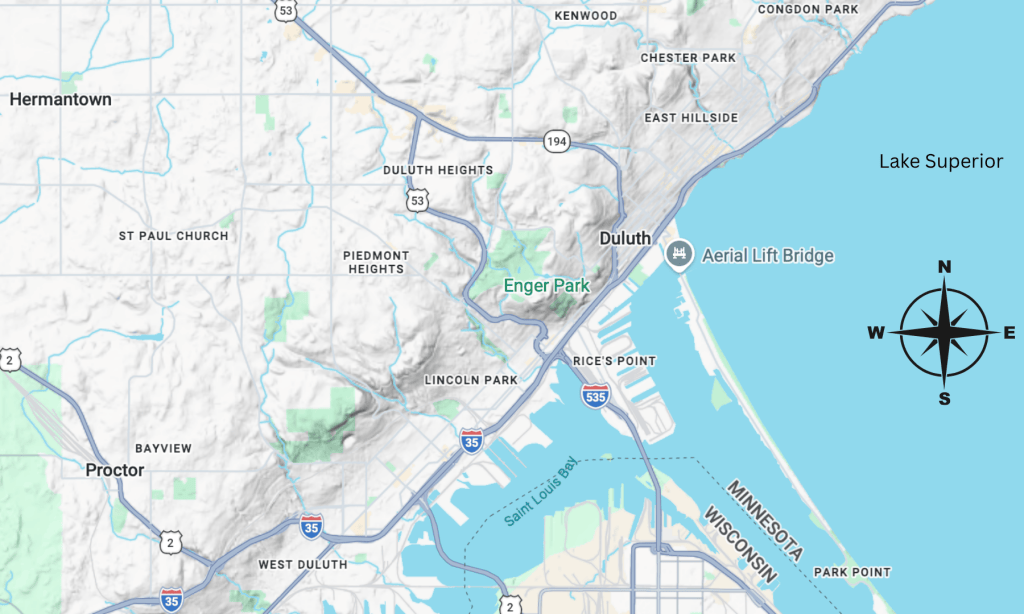
Lake Superior is the largest and deepest of the North American Great Lakes. Globally, Superior ranks as the largest freshwater lake by surface area, the third largest freshwater lake by volume, and the third deepest freshwater lake. The lake is so vast that it also creates its own weather systems, which is why this particular area of Minnesota gets very cold and wet. Duluth has one of the largest inland ports and the world’s furthest inland port for oceangoing ships. The lake isn’t just a transportation hub or a source for freshwater; it also creates a sense of place. Year-round, people will swim, sail, fish, and enjoy the views of the lake. There’s also a sandbar that extends for seven miles onto the lake connecting Minnesota to Wisconsin. (On the map above, look at the area between the Aerial Life Bridge and Park Point.) Sandbars typically only exist in saltwater systems, so this natural sandbar is particularly unique. Thanks to the sand, the shore along Duluth feels like a beach and reminds us of the shores in northern California. On windy days, the surf breaks on the shore and locals have told us that on stormy days, the waves crash like ocean waves do. If we didn’t know any better, we would think the lake was an ocean, so we’re still getting used to not smelling salt in the air.
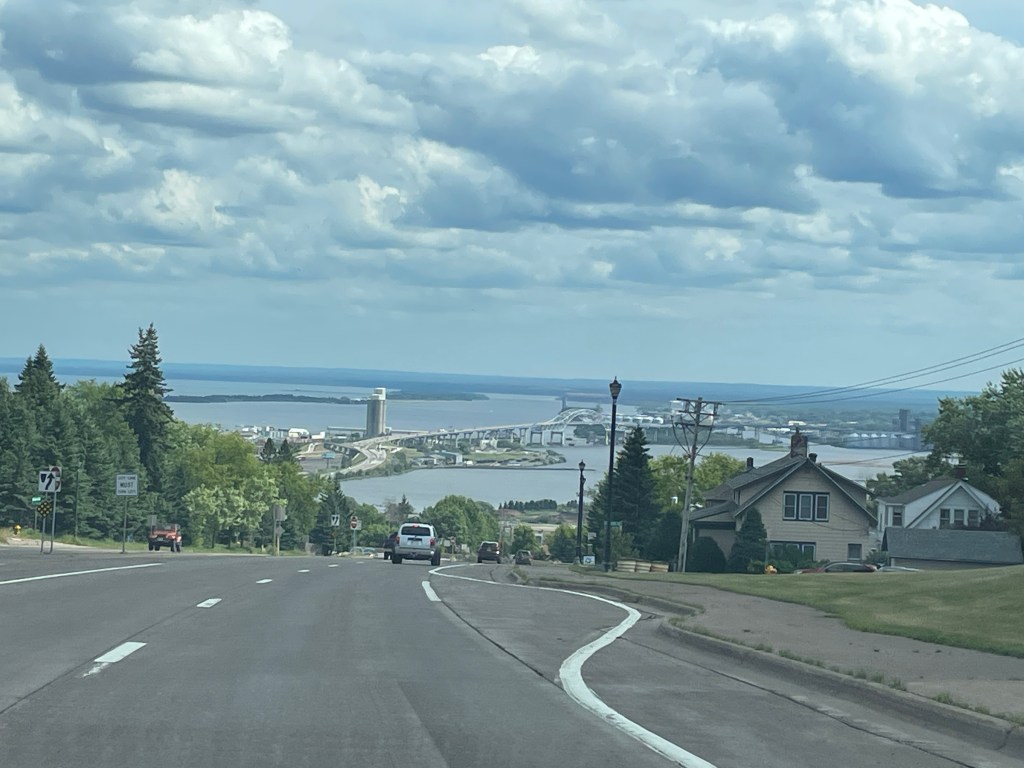
Top row, left to right: view of Duluth and the lake from the top of the hill; view of the lake and sandbar
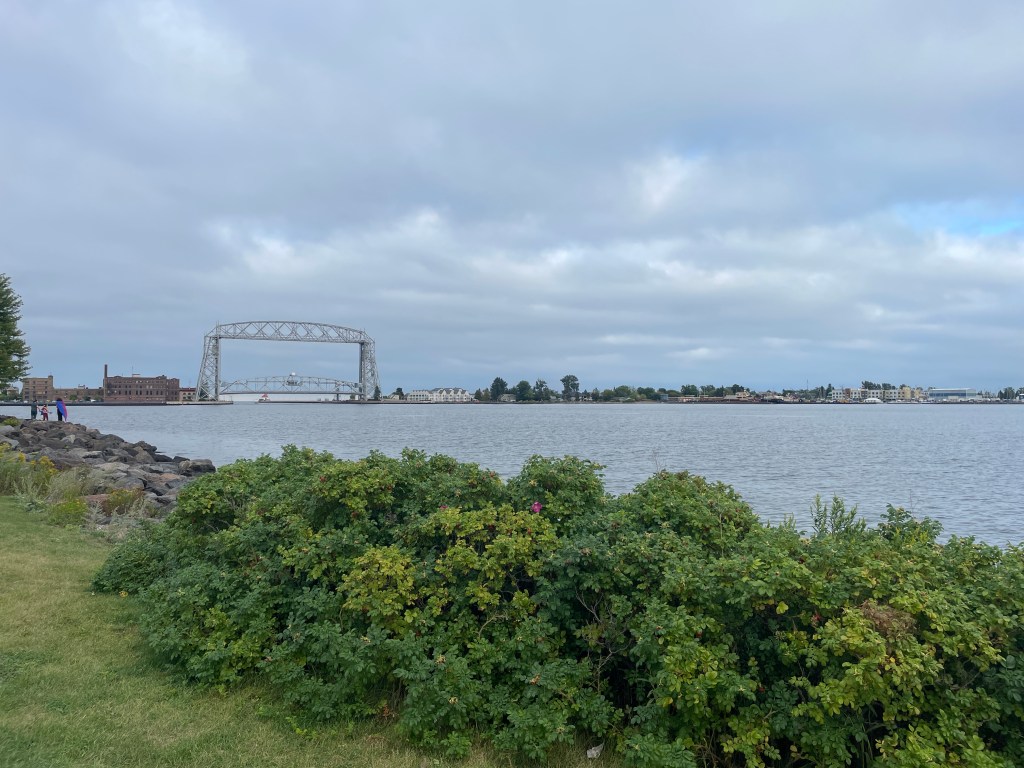
Middle row, left to right: photo of the lake; obligatory selfie; photo of the lake
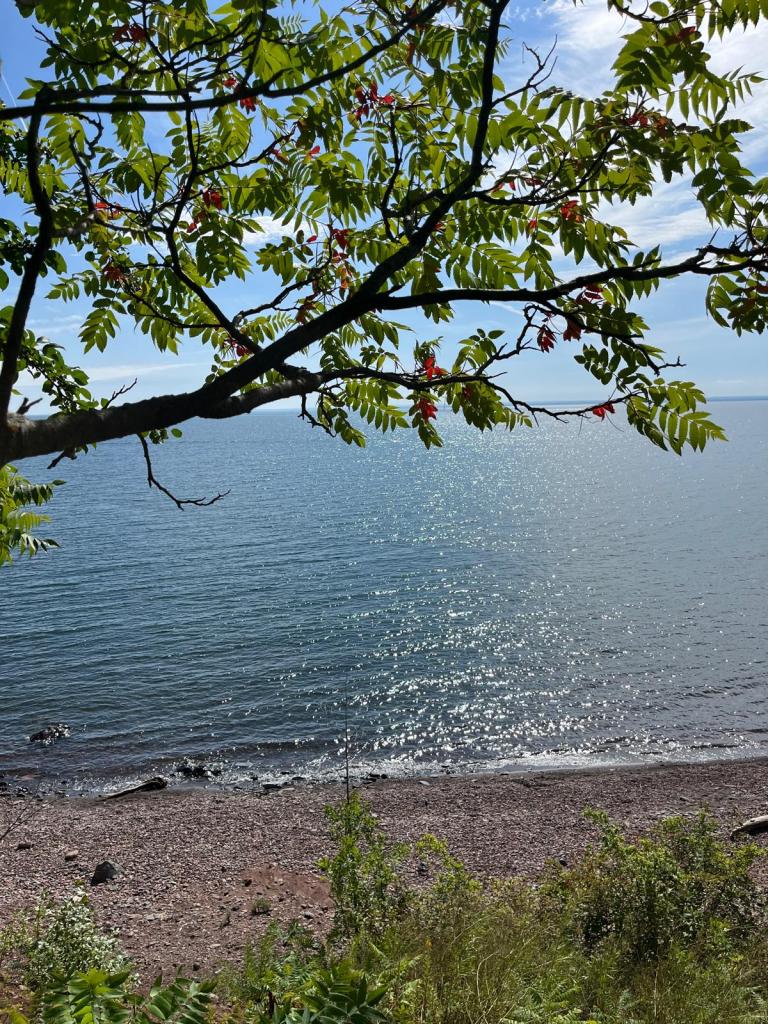
Bottom row, left to right: Adam climbing down rocks to touch the lake; the beach
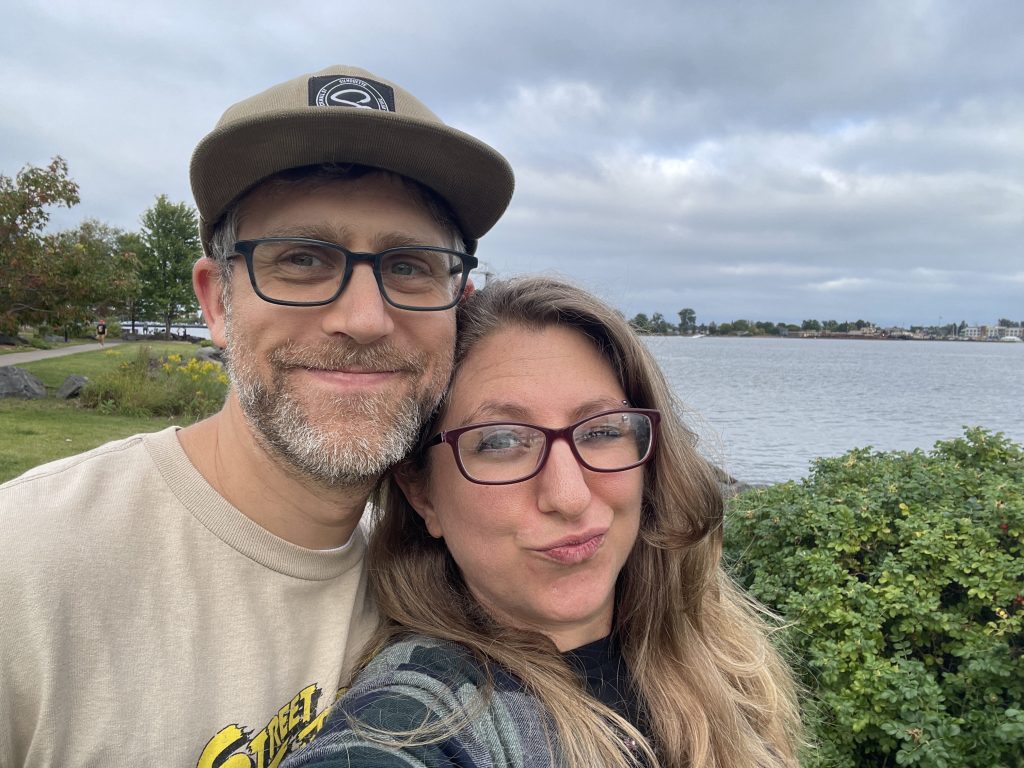
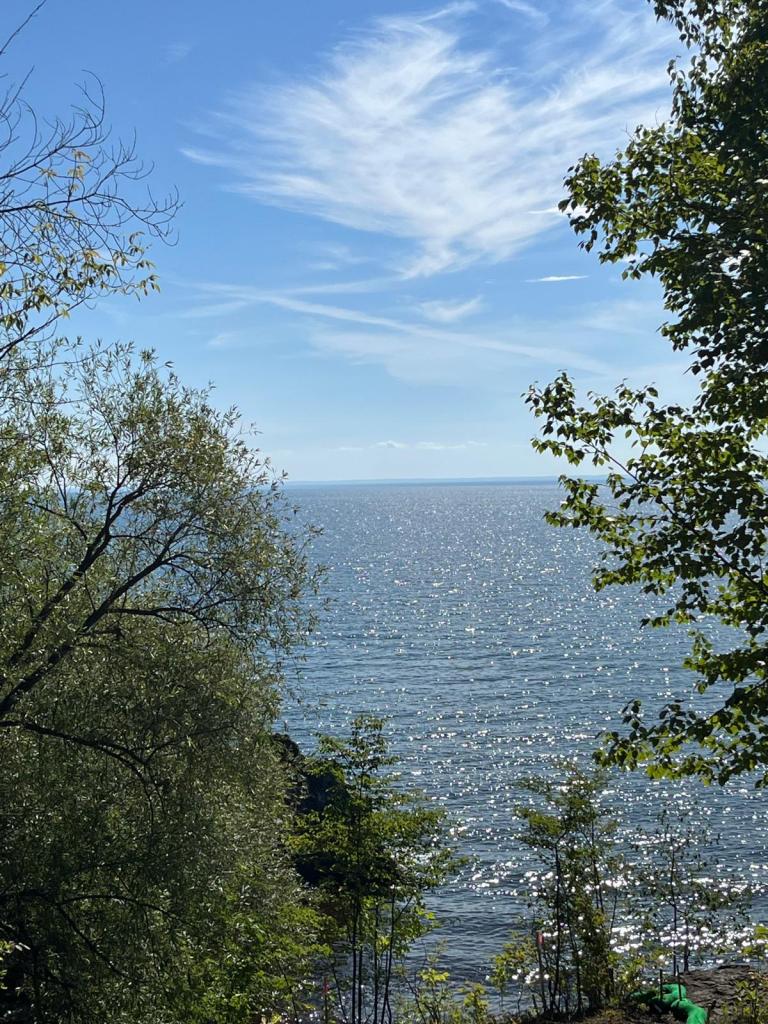
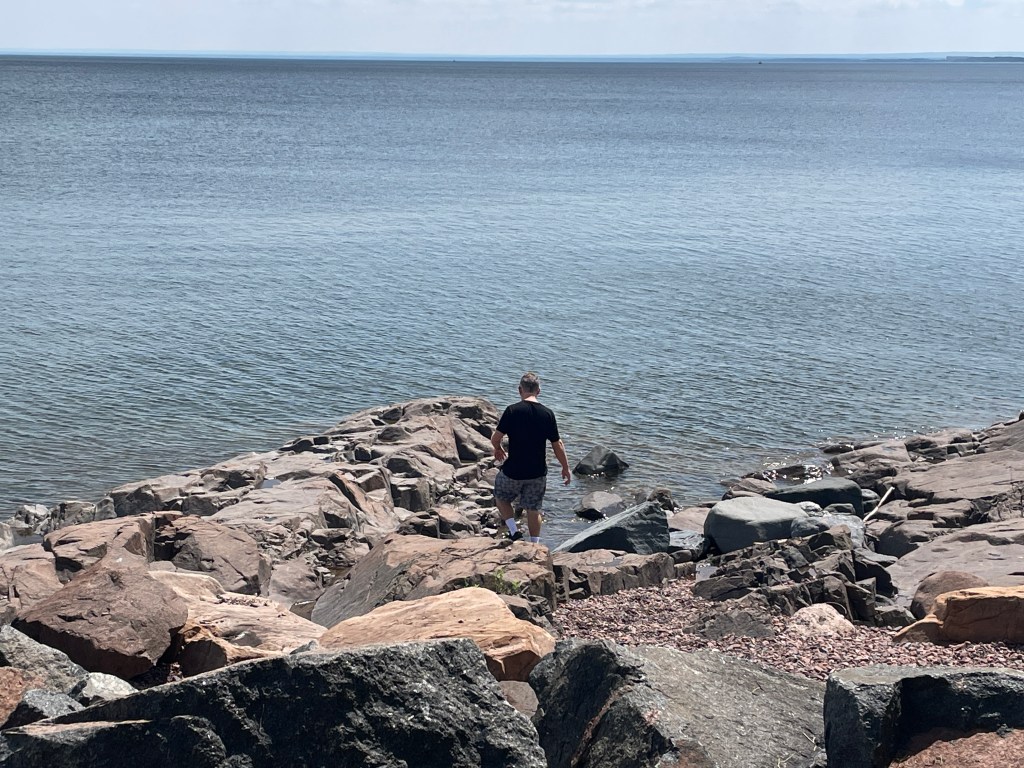
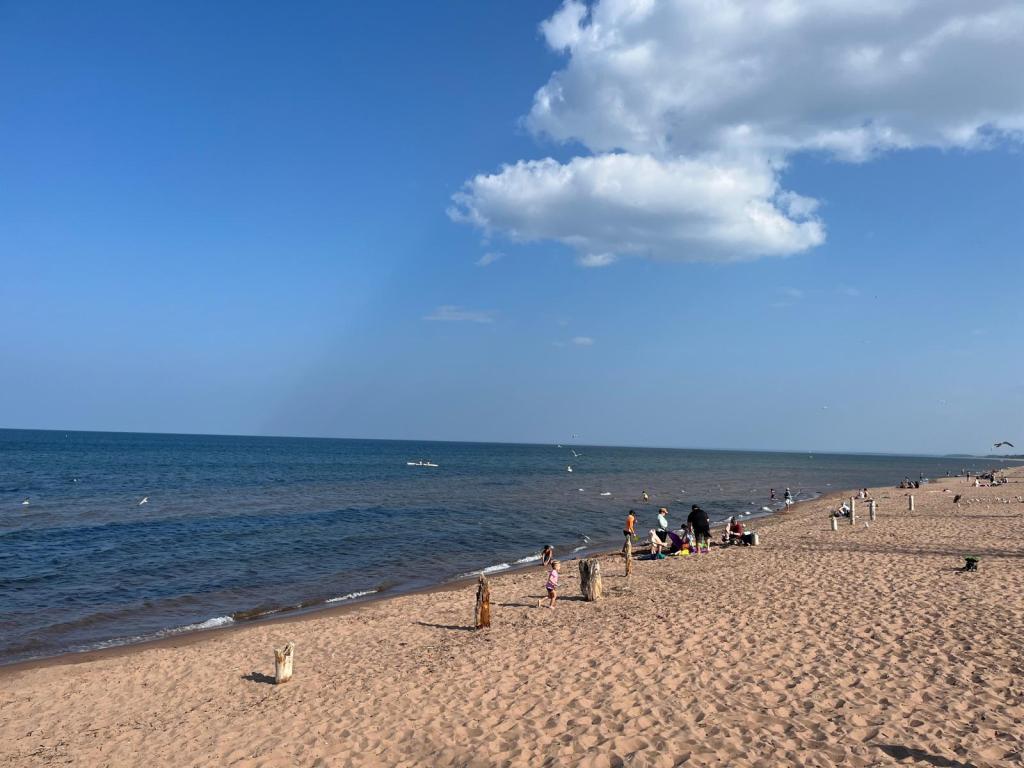
Besides the beautiful views, another thing that has struck us about Duluth is the sense of community that permeates the city. We had heard of “Minnesota nice” which is really the culture of being neighborly, even to strangers. However, Minnesota nice runs deeper in Duluth. Nearly everywhere we went, we found opportunities to chat with strangers about all of the different events and venues around town. For a city of nearly 87,000 people, it seems like there is plenty to do everywhere: art classes, workshops at the co-op grocery, music concerts, theater performances, ballet, opera, and more. Everyone (or nearly everyone) seems to have a finger on the pulse of local, statewide, and national politics too. For years, Minnesota has had incredible voter turnout that exceeds national averages. Small businesses, from ice cream shops to restaurants to the no-plastic goods store, support each other by co-hosting events, selling each other’s products, and so forth. People who live here are invested in the community and it’s inspiring. In fact, it’s so inspiring that we have joined the local synagogue, a first for us as a married couple. (Fun fact: Robert Zimmerman, better known as Bob Dylan, grew up going to this synagogue!)
Besides wanting to get settled, we also wanted to attend local events. One of the first events we went to was a folk concert hosted by the Nordic Cultural Center at a Quaker Friends Meeting House. The music was in English and Norwegian, and featured local and Canadian artists. Even though neither one of us is really into folk music, it was one of the most intimate live music events we had ever attended. Having never been to a Quaker church, Yahm was very impressed by how modest the building was. (Unfortunately, no photos.)
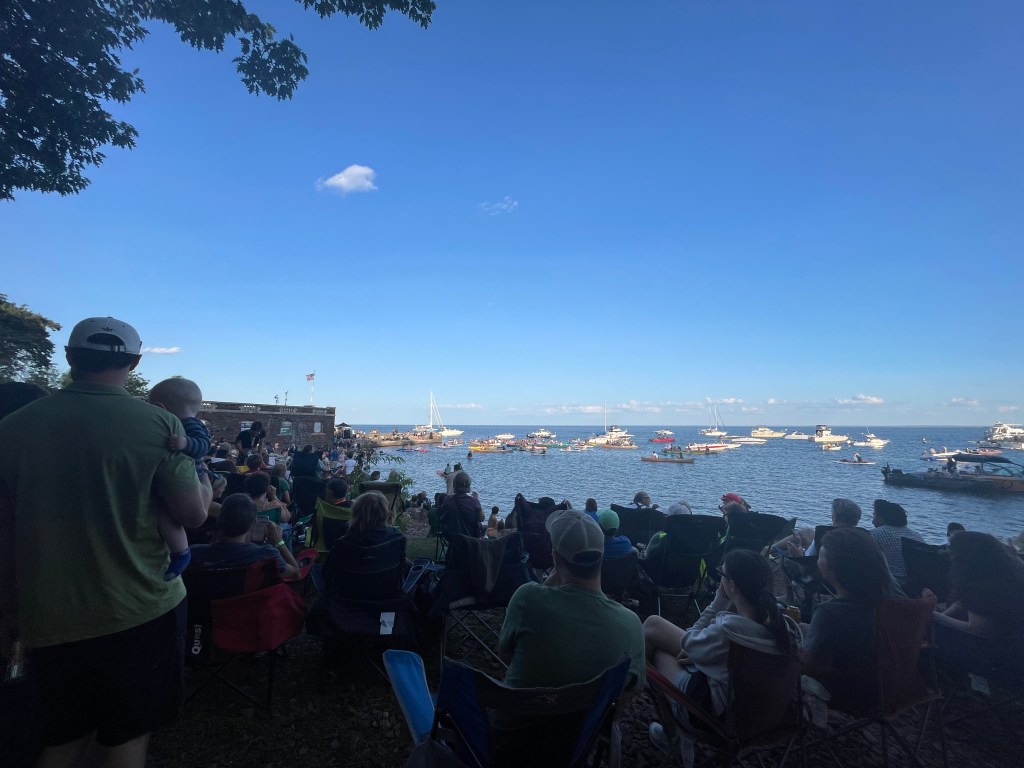
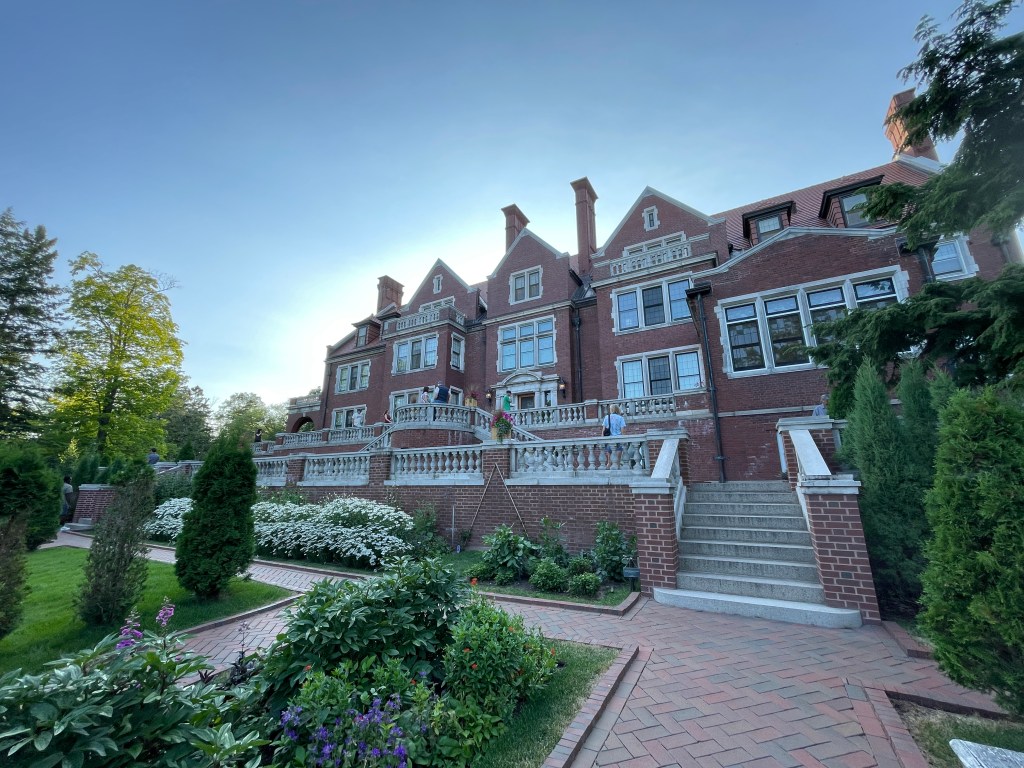
The University of Minnesota has a satellite campus in Duluth and one of the properties they own is a mansion called Glensheen. The mansion sits right on the lake and has a pier that is perfect for events. In the summer months, they host an annual Concerts on the Pier series featuring Minnesota artists. We attended one of the events and it seemed like the whole city turned out. Kids were running around on the grass; people were eating and playing cornhole; and folks sat in their kayaks watching the band play. We hardly saw anyone on their phone, even when we were standing in line waiting for a shuttle to take us to and from the parking lot.
Top row, left to right: attendees at the concert and a view of the lake; a photo the Glensheen mansion
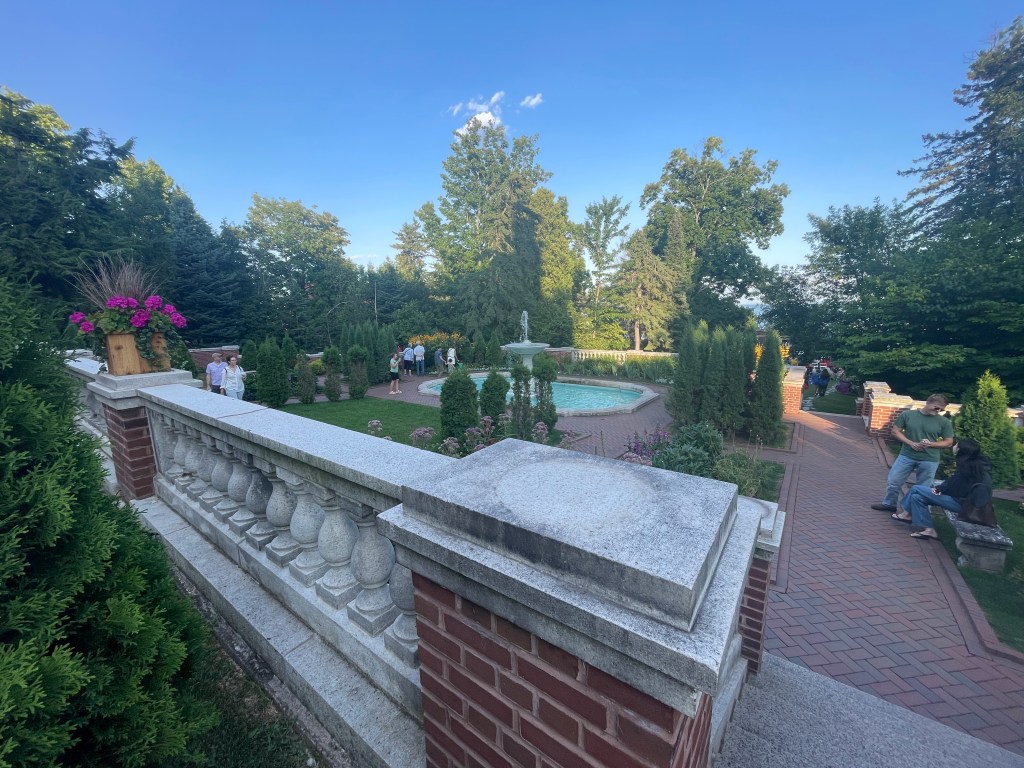
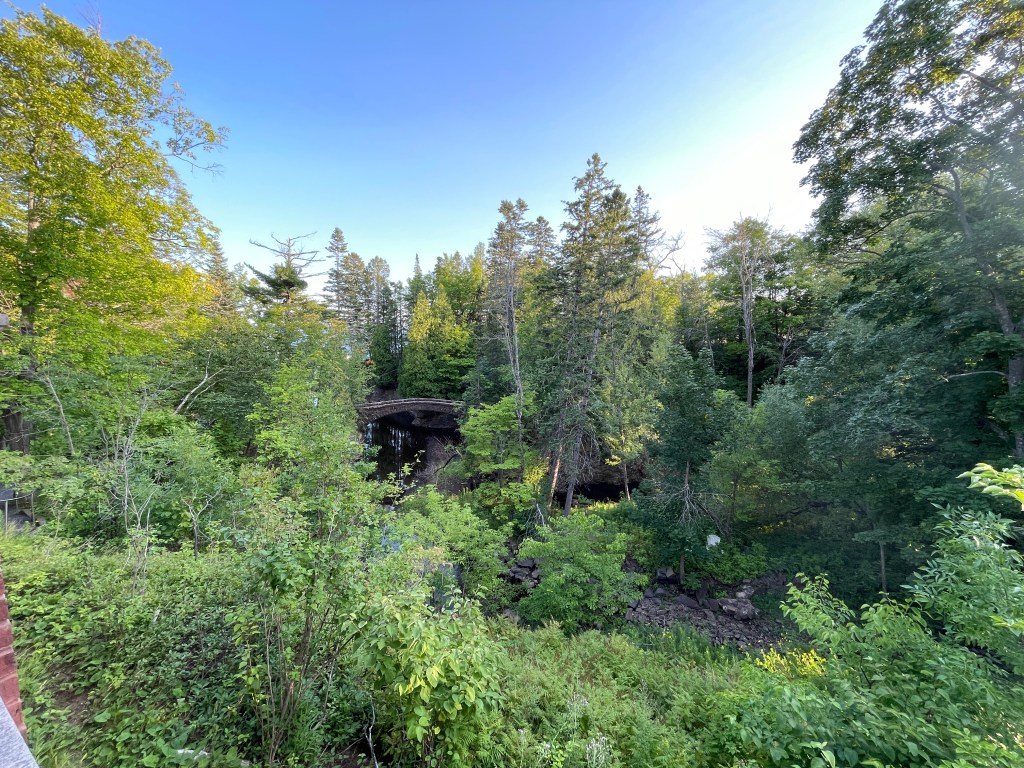
Bottom row, left to right: the garden in front of the mansion; some of the trails around Glensheen
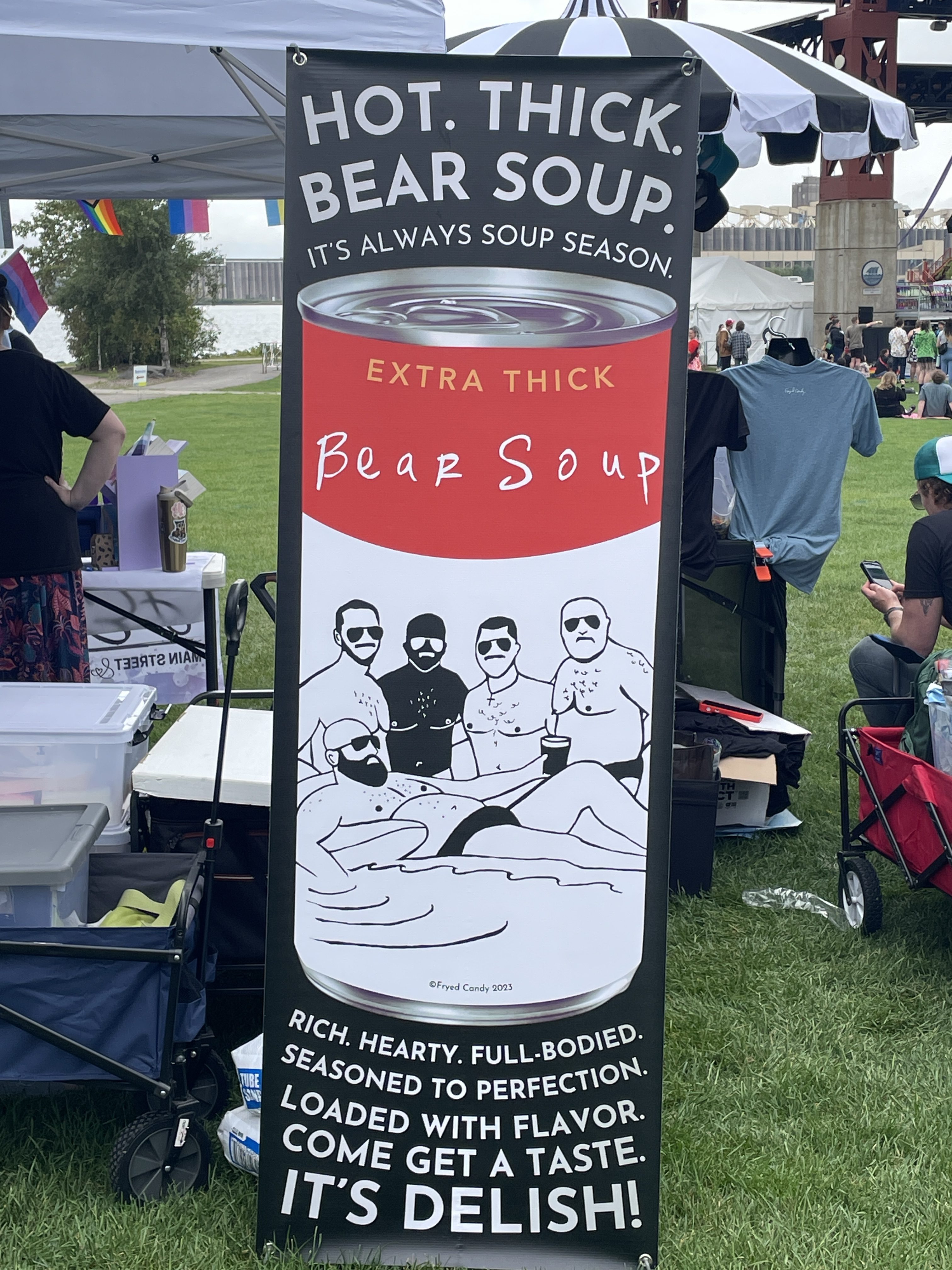
While pride parades are held all over the world in June, Duluth and Superior, Wisconsin hold a joint Pride Festival in September. (Because Duluth and Superior are so close, they are often referred to as the Twin Ports, much like how Minneapolis and St. Paul are known as the Twin Cities.) The festival is held at Bayfront Festival Park which, of course, offers a beautiful view of the lake and is not far from city hall. The festivities are held over two days and typically include a parade. We attended on Saturday, which featured drag shows, vendors, food trucks, and many local organizations.
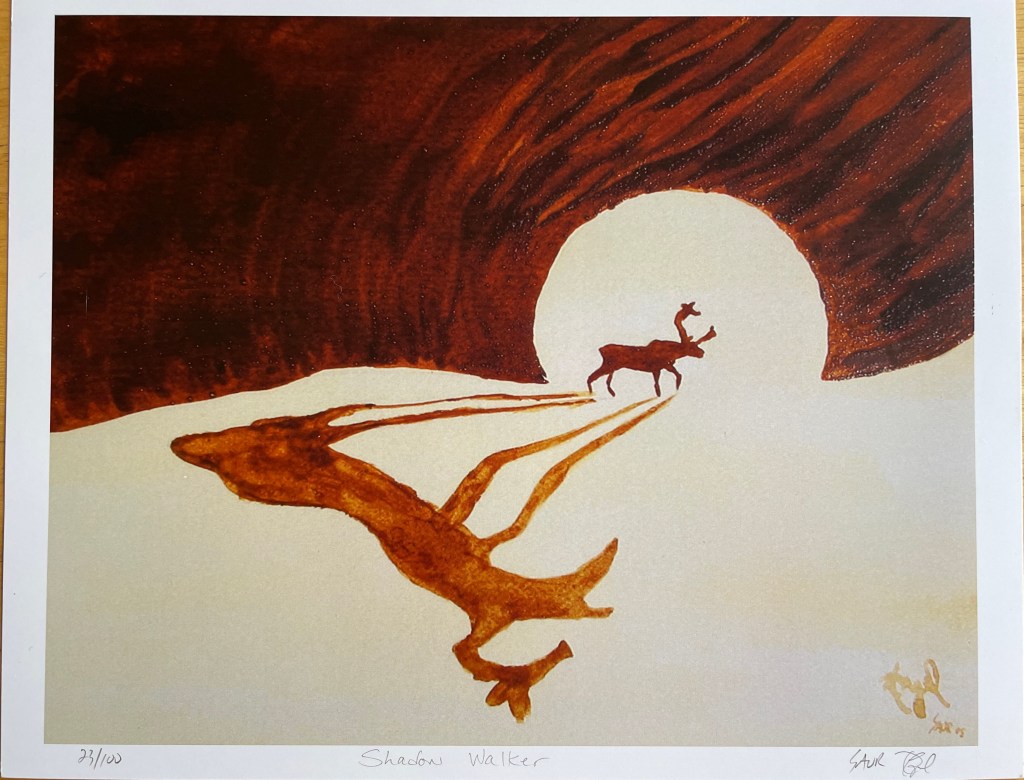
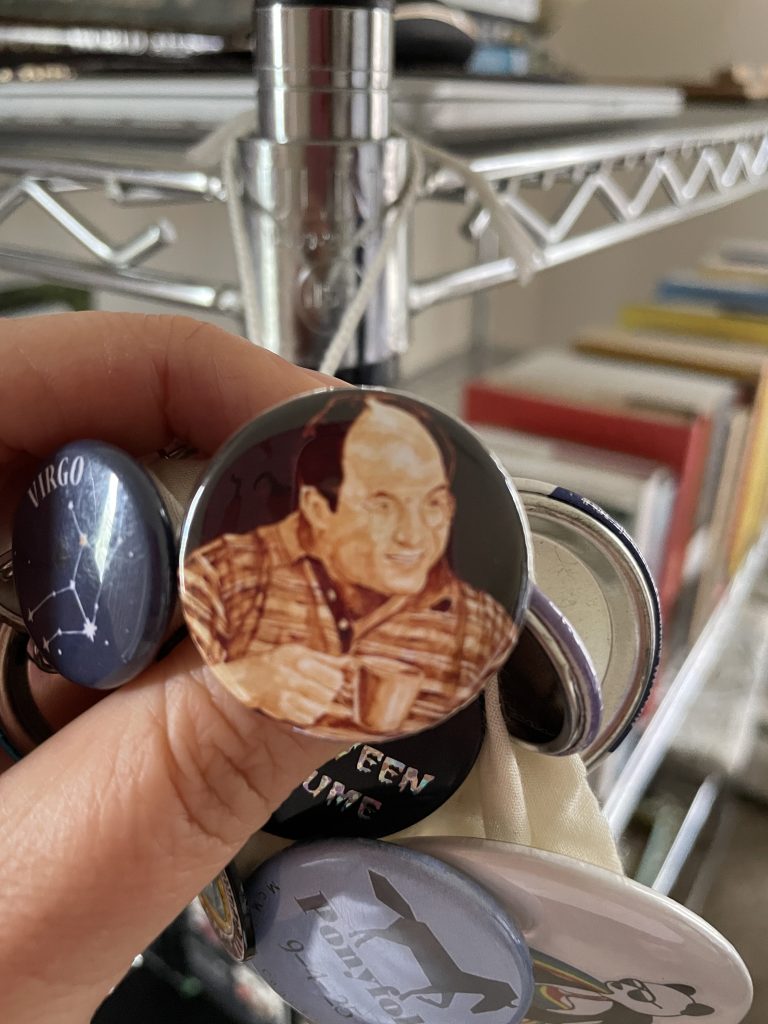
One of the great pleasures in our lives is drinking coffee. We are those coffee snobs that buy single-origin beans, grind them fresh every morning, and drink coffee without milk, sugar, or other flavorings. With that in mind, we were very excited when we found out that the 4th annual Bienvenue CoffeeFest would be held in September. At the event, local coffee roasters and cafes offered free samples of their coffee so that attendees could purchase drinks and beans. We purchased five bags of coffee that we can’t wait to brew in the coming weeks. Besides coffee, there was a live DJ, speakers, baked goods for sale, and an exhibit featuring the art of Angel Sarkela-Saur and Andrew Saur who use brewed coffee like watercolor to paint. We purchased a print and got a free pin (pictured below). The event was held at The Depot, a historic building that is part museum, part exhibit hall, and part theater/symphony hall.
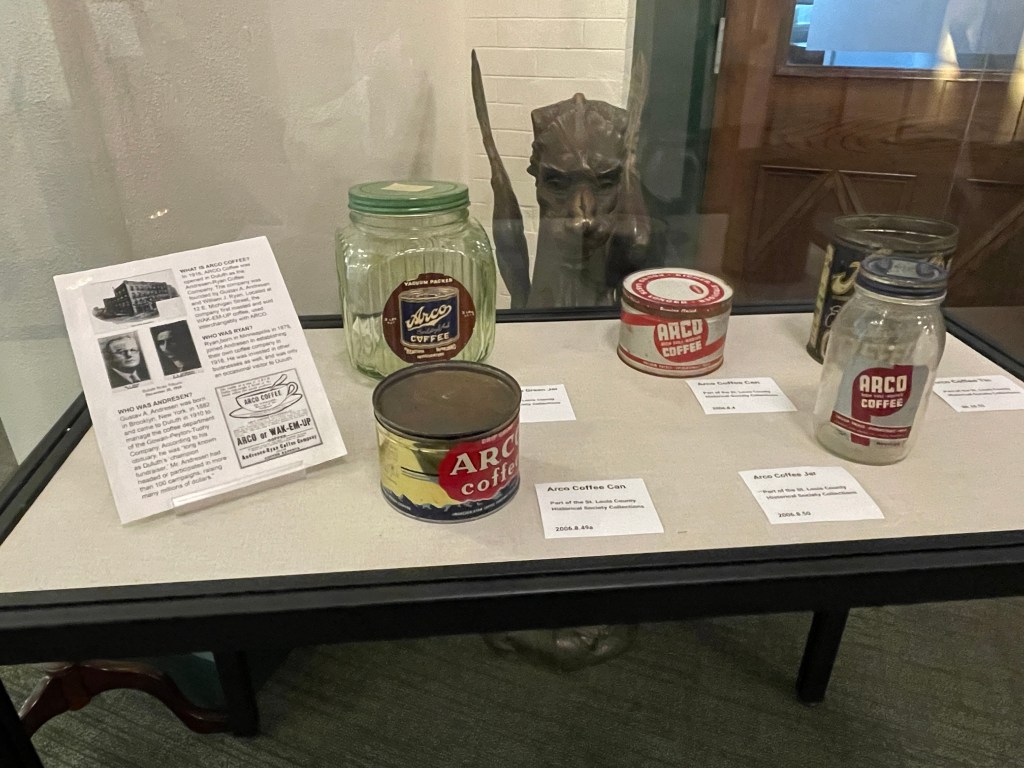
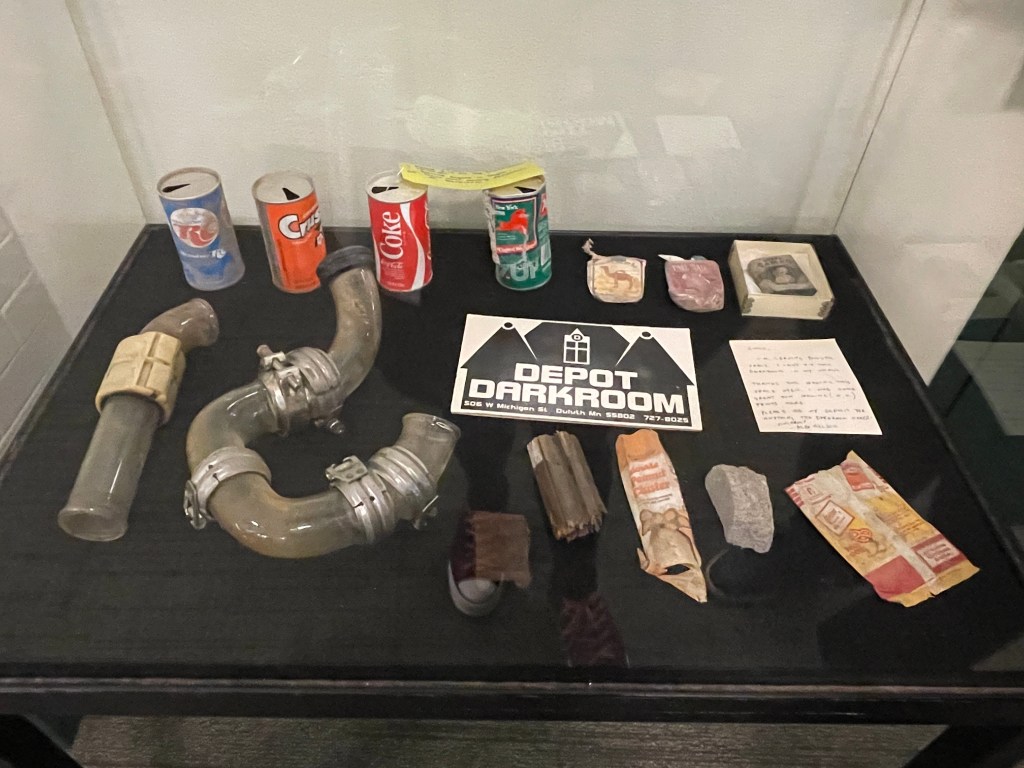
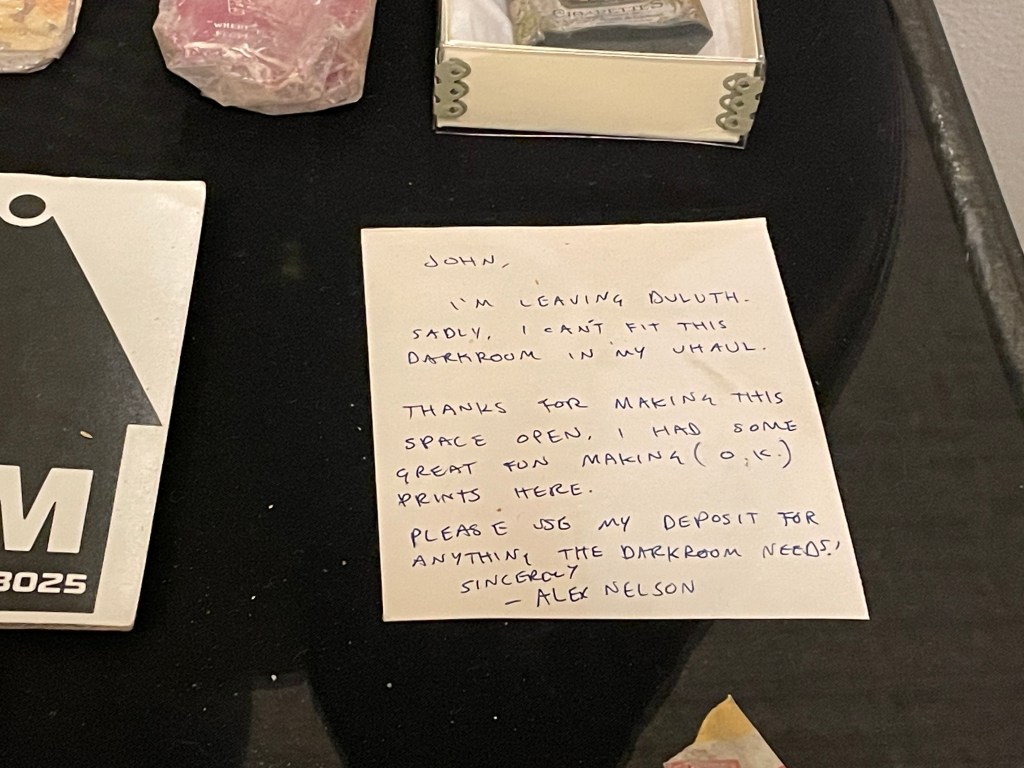
Top row, left to right: a display of Arco Coffee items which has been a staple of the Twin Ports since 1912; a display of items found in the walls of The Depot during renovation; a close-up of a letter in the display
Bottom row, left to right: “Shadow Walker” by the Coffee Artists; a pin of George Costanza from Seinfeld that we received as a free gift for purchasing a print
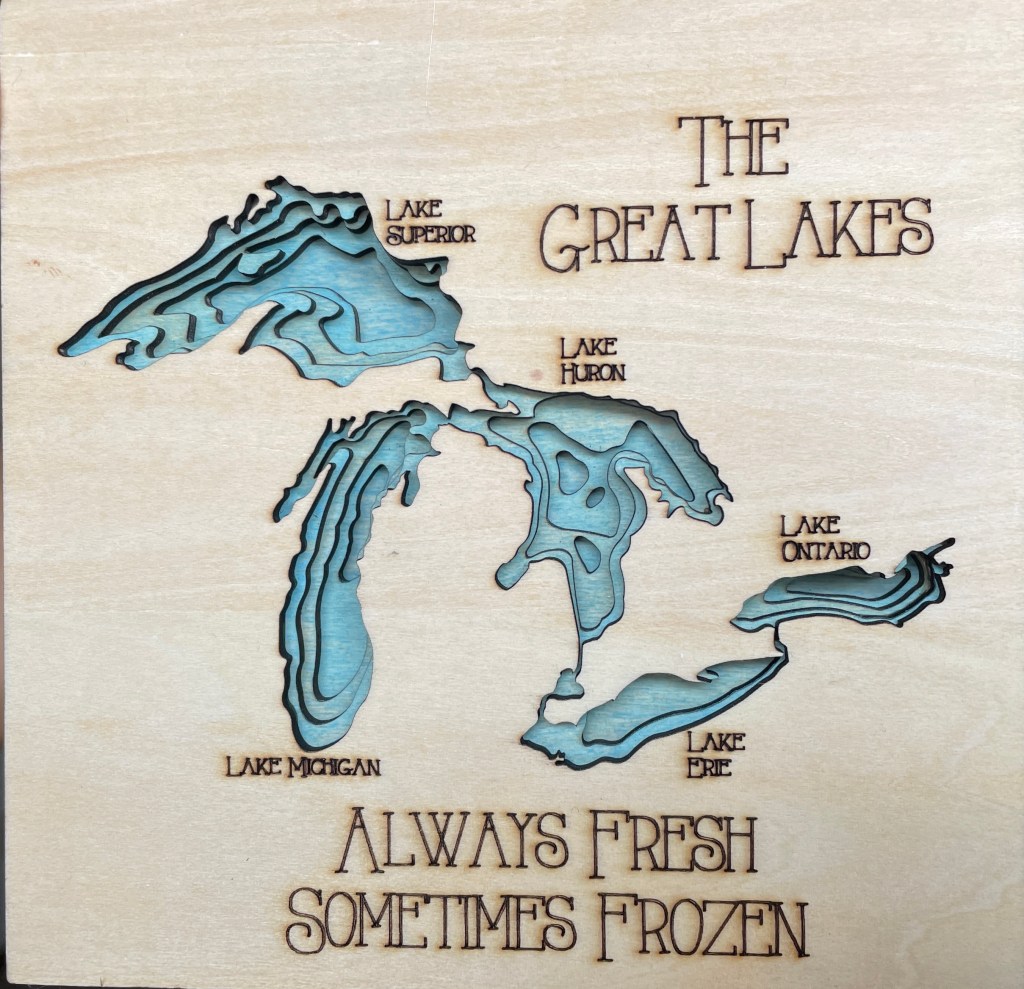
After the CoffeeFest, we headed to the Duluth Entertainment Convention Center (DECC) for Applepalooza. Apples are a big deal in the Northland and Honey Crisp apples were developed at the University of Minnesota. We don’t have any good photos, but we got to try apple cider, two new varietals of apples (Champagne and Cortland), and check out a bunch of local vendors. To the right is a photo of a wood engraving of the Great Lakes that we purchased. The rings in the lakes represent their depths.
There are plenty of events and festivals outside of Duluth, too. Besides apples, one of the staples of this region is wild rice, so it’s not surprising that there are many festivals celebrating this important grass. (Rice is a grass, if you didn’t know.) Yahm found a rice festival hosted by the Lac de Flambeau Band of the Lake Superior Chippewa Indians that reside in modern-day Wisconsin. The reservation was a three-hour drive from Duluth, but we didn’t mind because it was also an opportunity to explore Wisconsin beyond Superior. (If you’re wondering why the band’s name sounds French, it’s because it is! New France stretched from New Orleans up into Canada, including the Northland.)
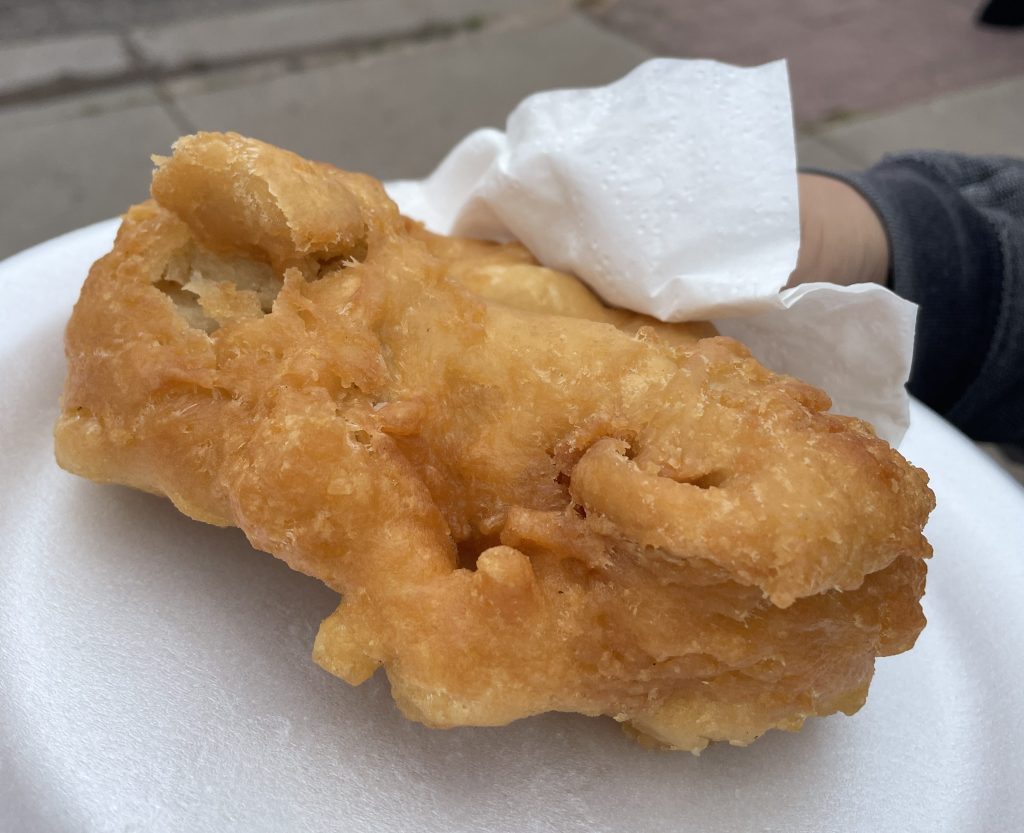
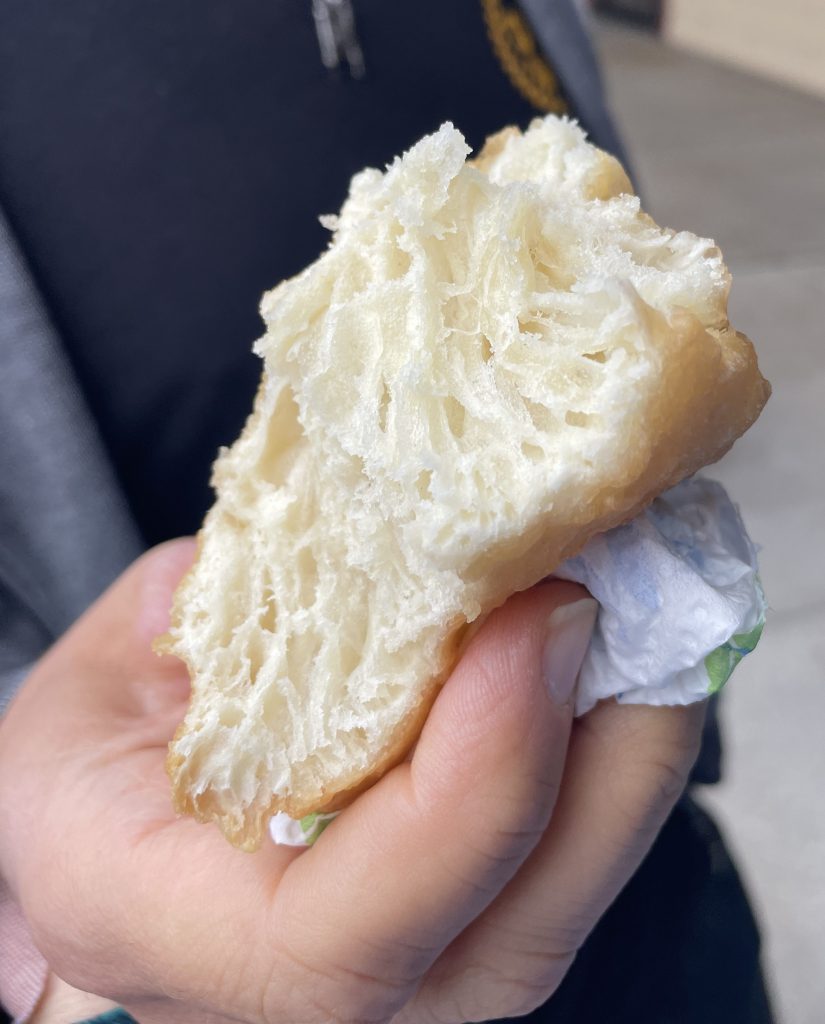
When we arrived at the festival, we of course gravitated to the food stands. (Normally Yahm would talk about the food in her corner, but she has plenty to write about by focusing on Duluth. Watch for that forthcoming post in the next week or so!) We were surprised to find people selling fry bread, since we typically associate that with the Diné (Navajo) of the Southwest. As it turns out, since the Red Power movement of the 1960s, fry bread had become popular among tribes across North America, though there are some key variations. The fry bread Adam ate at this festival was denser and thicker than the ones we ate while in Arizona. Below are photos of two different fry breads that Adam tried.
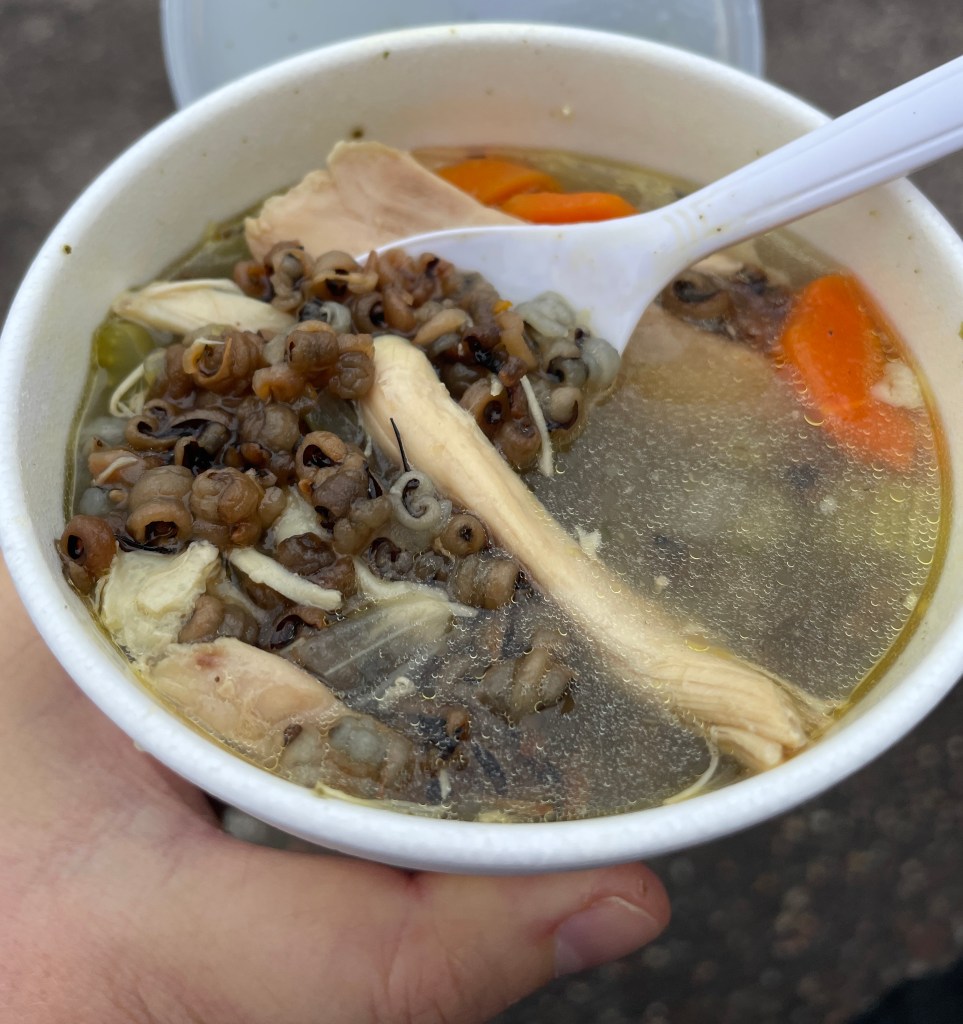
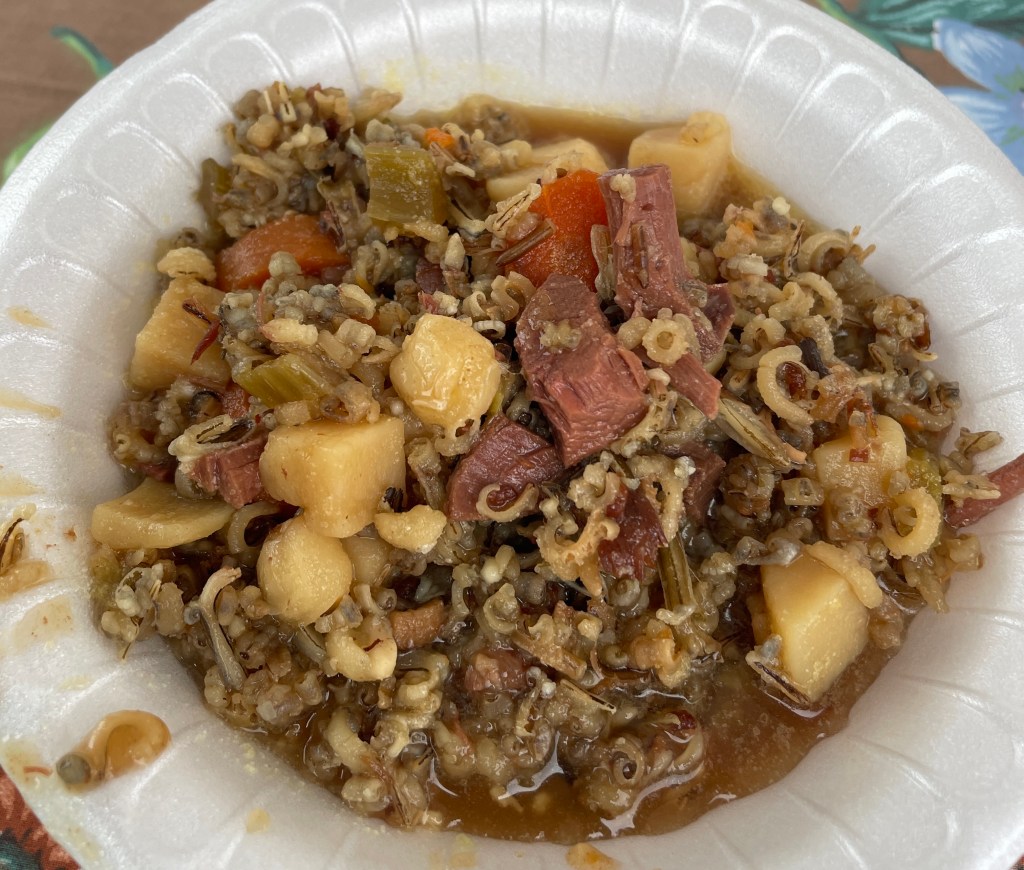
Vendors were showcasing all sorts of dishes made with wild rice such as burgers, tacos (made with fry bread instead of tortillas), and sandwiches. Because it was pretty chilly, we tried two different kinds of soups. The first was chicken and wild rice, which was some of the best either one of us had tried (left photo). It was so comforting and delicious. The other was deer and wild rice soup (right photo). It was Yahm’s first time trying deer and it was a little too gamey for her taste, though she did eat a fair amount. You’ll notice in the photos below a lot of curled up, snail-looking things: that’s the wild rice!
The real highlight of the event was the opportunity to see the Powwow, which lasted for about an hour and a half. The Powwow was held in a small arena, where dancers danced in a circle on grass. In the center of the grass were drummers, singers, and an emcee who was incredibly engaging. He spoke in both English and Ojibwe, though the singers only sang in Ojibwe. (The Lac de Flambeau are part of the Ojibwe Native American tribe.) There were several types of dancers and they were distinguished by their costumes. For some dances everyone danced together; other times certain dance styles were showcased. The most moving part of the Powwow was seeing children dancing. To think that Powwows were illegal for nearly a century and that generations of Native Americans were not allowed to speak and sing in their languages, but young people are working hard to keep these traditions alive and it is incredibly powerful to see.
Below are two videos. The first is a short excerpt of a dance that honors the flags: Ojibwe, United States, and POW-MIA/Veterans. (Native Americans enlist in the U.S. military at a rate of five times the national average!) The second video is the last bit of another dance.
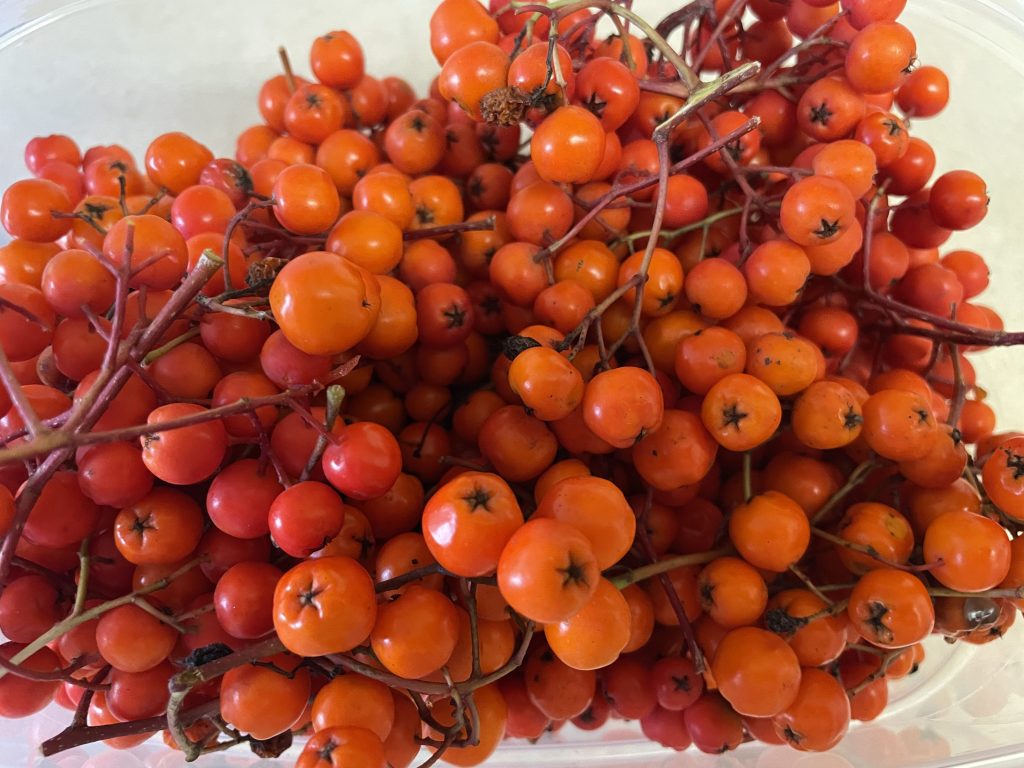
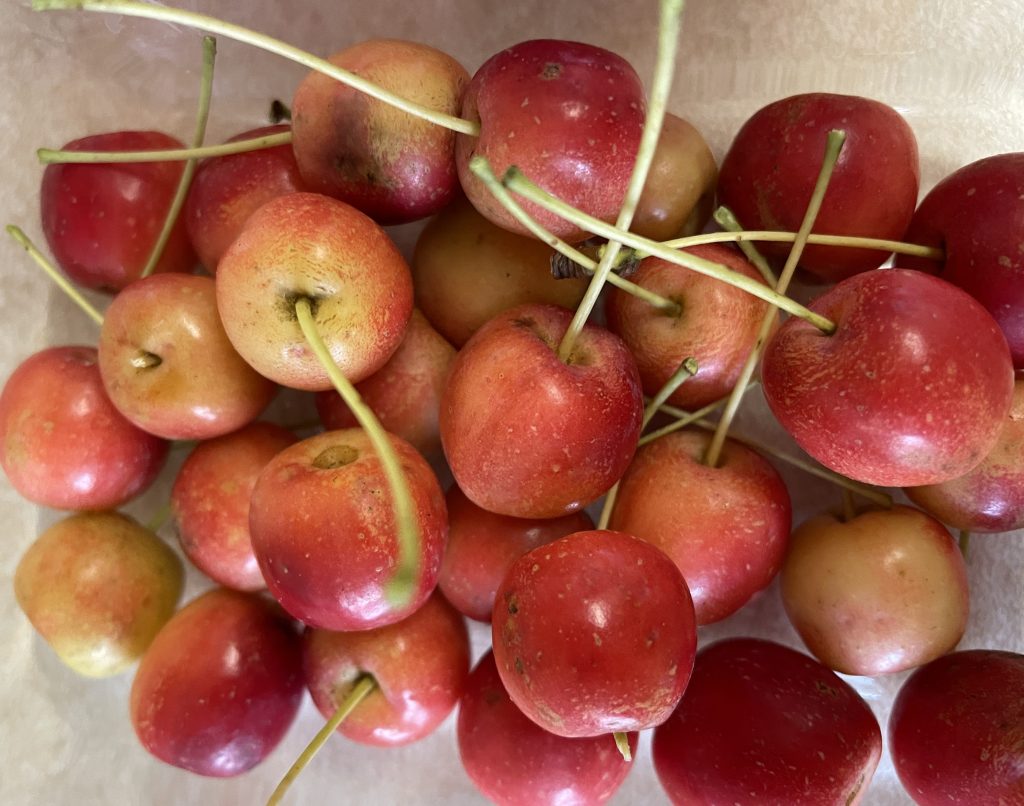
Besides going to festivals, we’re also trying to learn about local flora. Yahm is particularly interested in foraging edible fruit. Behind our apartment complex is a trail called Web Woods. As we hiked through it, we noticed a few fruiting trees. The first berry we tried was the Rowan Mountain Ash which was incredibly bitter. We picked a lot thinking that with enough sugar, Yahm could make a sweet jam. As she cooked them, they became even more bitter and astringent, so she threw them out. Next, we found some wild crab apples, which look like cherries in very tall trees. Though they are very tart, they made for a delicious jam. The tricky part about cooking them is that, because they are small, we need to pick a lot of fruit and the seed is annoying to get out of the pulp. Adam enjoys eating crab apples raw, but Yahm has warned him to be careful not to eat too many because they will give him a stomach ache.
Left to right: Rowan Mountain Ash berries; crab apples
Though we’ve only lived in Duluth for six weeks, we feel quite at home and look forward to exploring the Northland and experiencing the seasons. Stay tuned for a post in Yahm’s corner coming soon. Be sure to like, comment, and subscribe to Traveling While Introverted so you don’t miss it!


Leave a comment