Since Adam had a three-day weekend for Indigenous People’s Day, we decided to take a trip down to the Twin Cities. Unlike our we’ll-see-what-happens-when-we-get-there mindset from when we traveled through Latin America, this time we actually did extensive research about things to do and areas to explore. A three-day weekend is not enough time to see everything Minneapolis and St. Paul have to offer, so you can expect to read more entries about them in the future.
The Twin Cities refers to Minneapolis (the state’s largest city) and St. Paul (the state’s capitol and second largest city) and their surrounding suburbs. Together, this metropolitan area is the largest in Minnesota and the 16th largest in the United States. The two cities are separated by the Mississippi River (yes, that Mississippi River). Typically, twin cities are two cities that grow together and are separated by a river or some other natural boundary. However, Minneapolis wasn’t the original twin in the Twin Cities. The town of St. Anthony was established around the time St. Paul was established, therefore making them twin cities not just by proximity but also by sainthood. Eventually Minneapolis absorbed St. Anthony and became the new twin. As a side note, Minnesotans refer to Minneapolis and St. Paul as just The Cities.
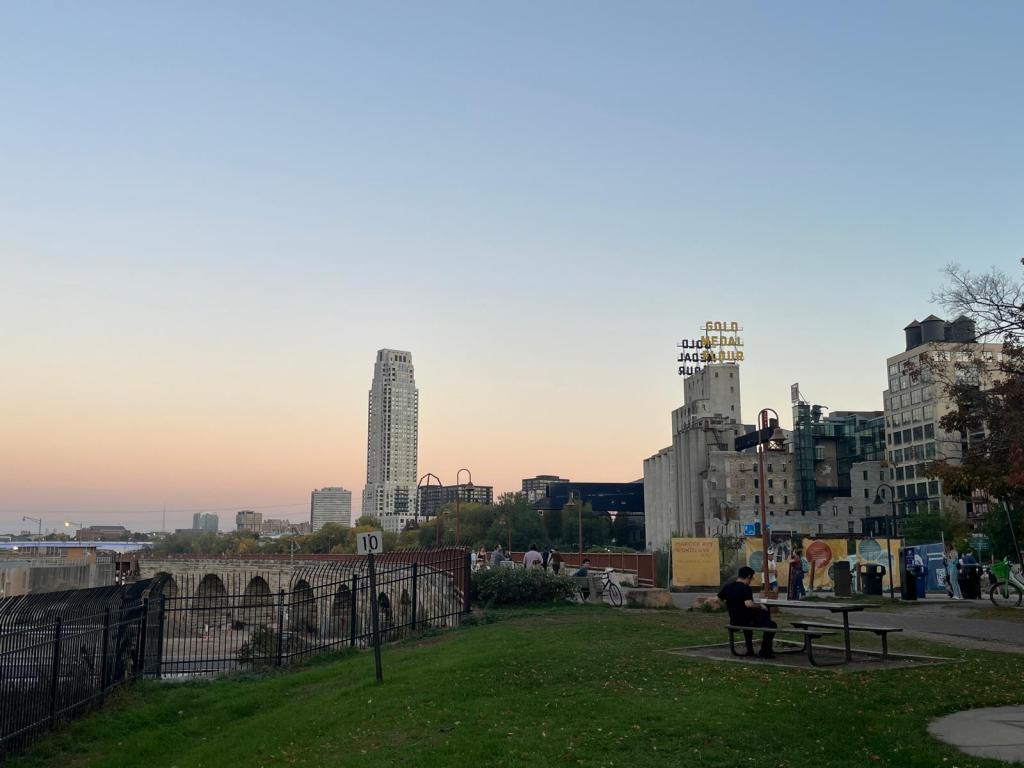
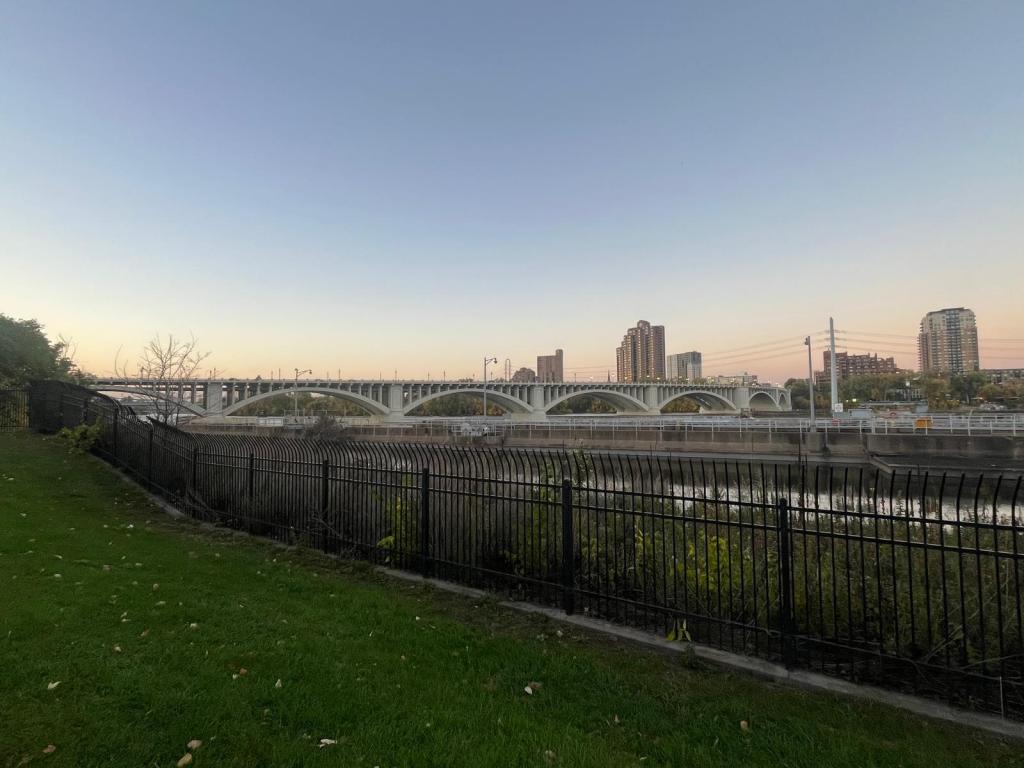
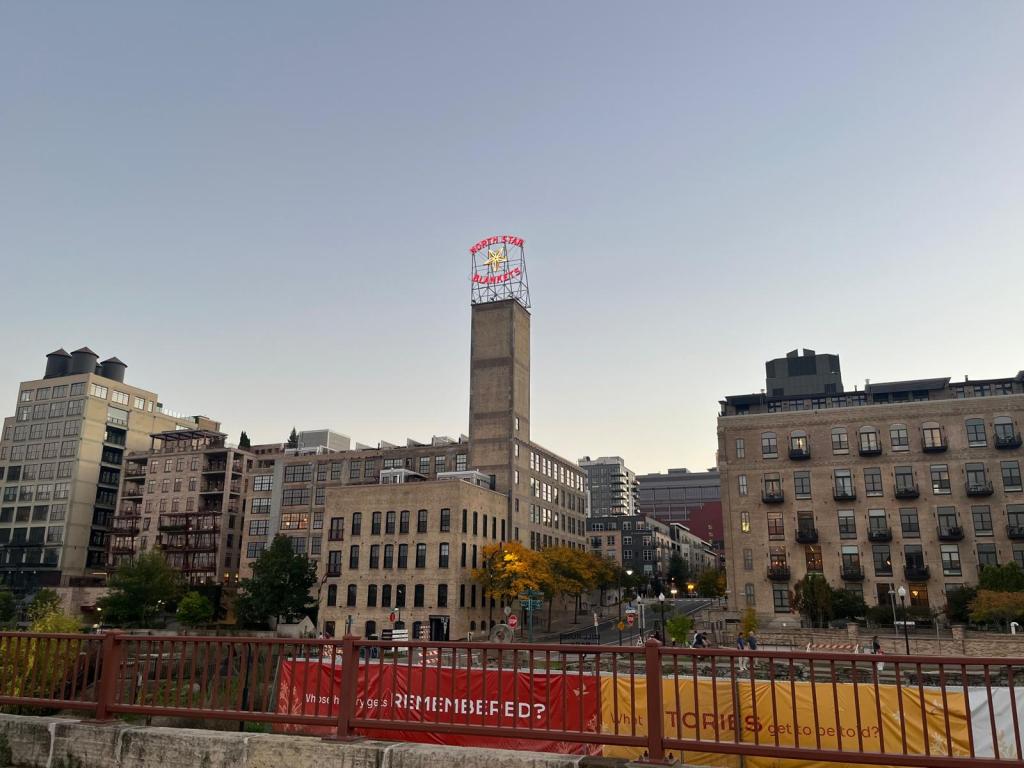
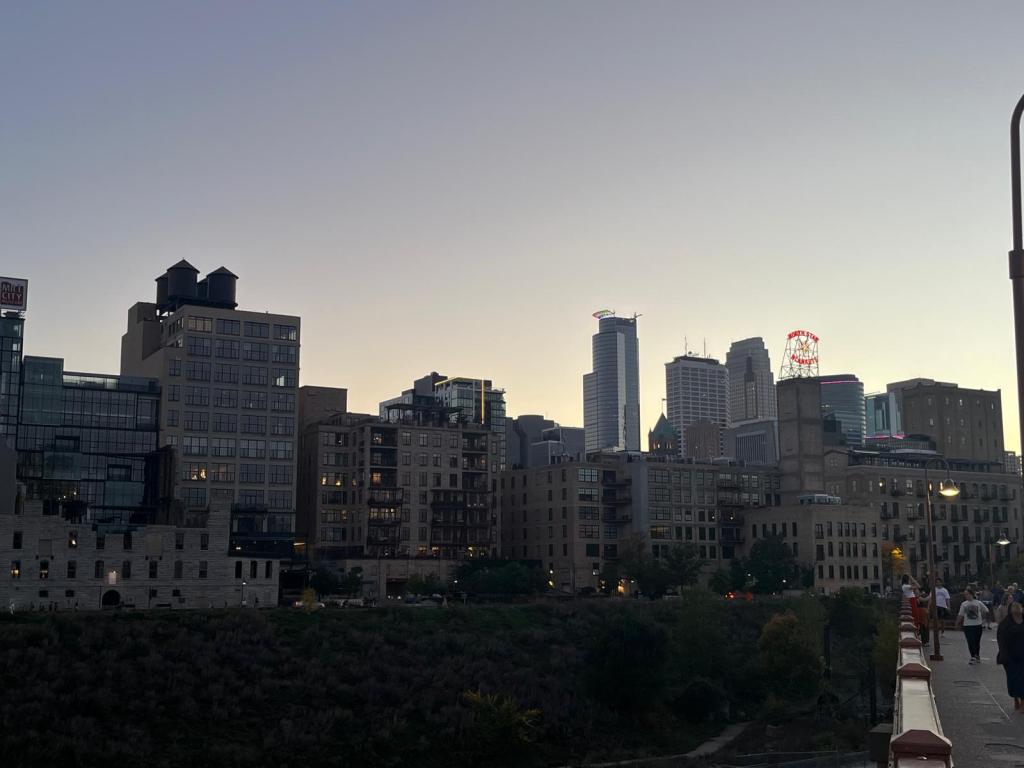
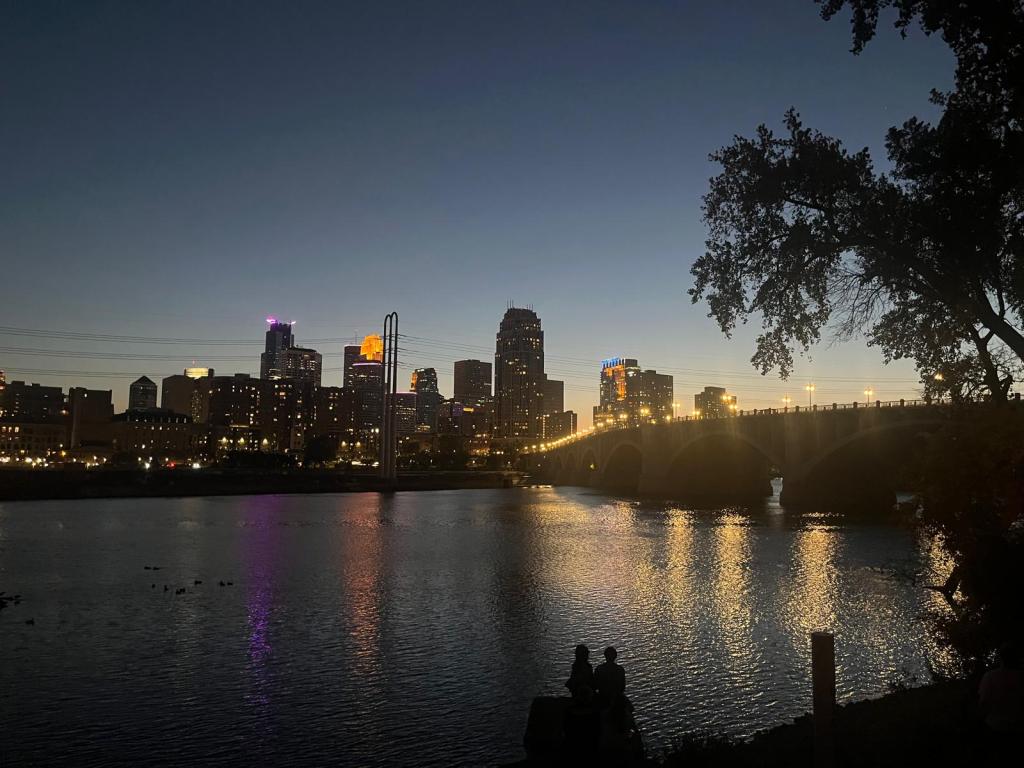
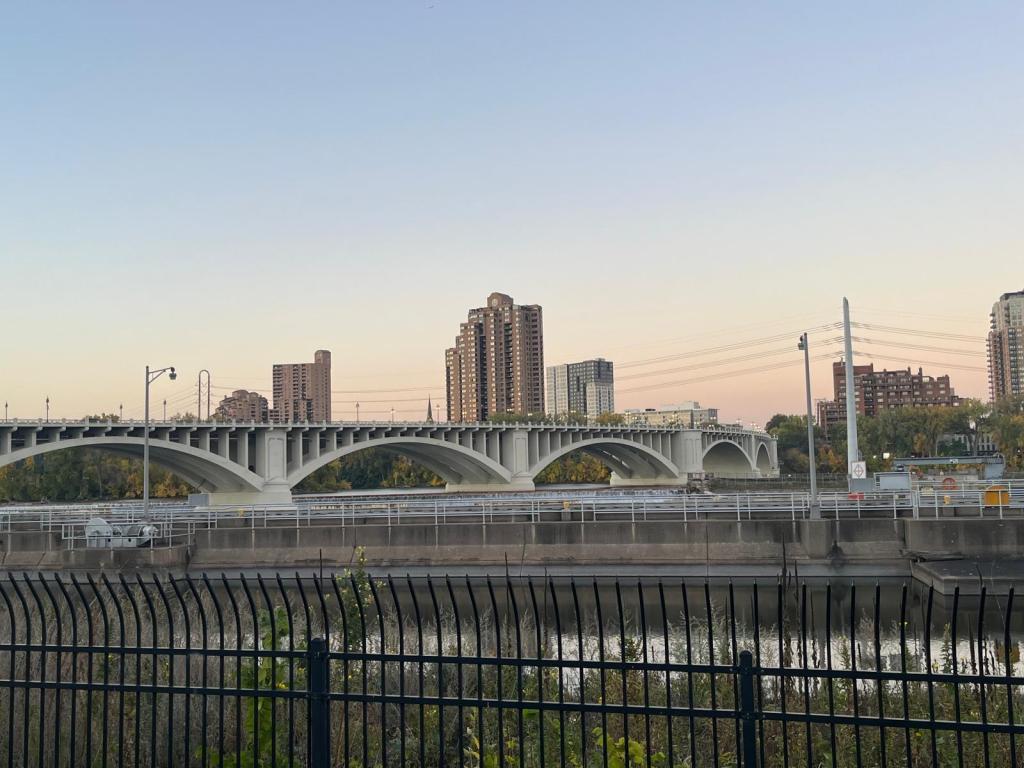
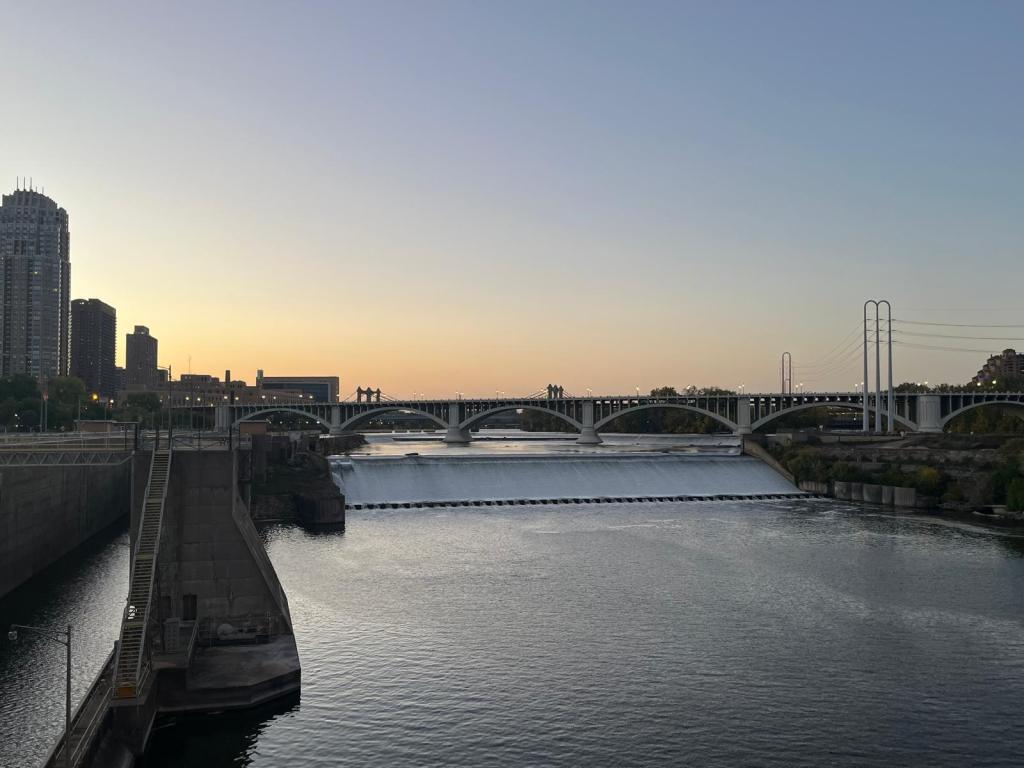
Just because St. Anthony was absorbed by Minneapolis doesn’t mean that it hasn’t left a mark. Minneapolis used to have the largest flour mills in the country and they were built along the Mississippi River below St. Anthony’s Falls. In fact, the Mill City Museum covers the history of the mills and was highly recommended to us. We couldn’t quite make it there this time, but it’s high on our to-visit list. Today, that area, known as the Mill District, boasts green spaces, restaurants, bars, and bridges that are both car- and pedestrian-friendly. We ended up visiting this area twice and really enjoyed walking around. Below are photos of the area at sunset.

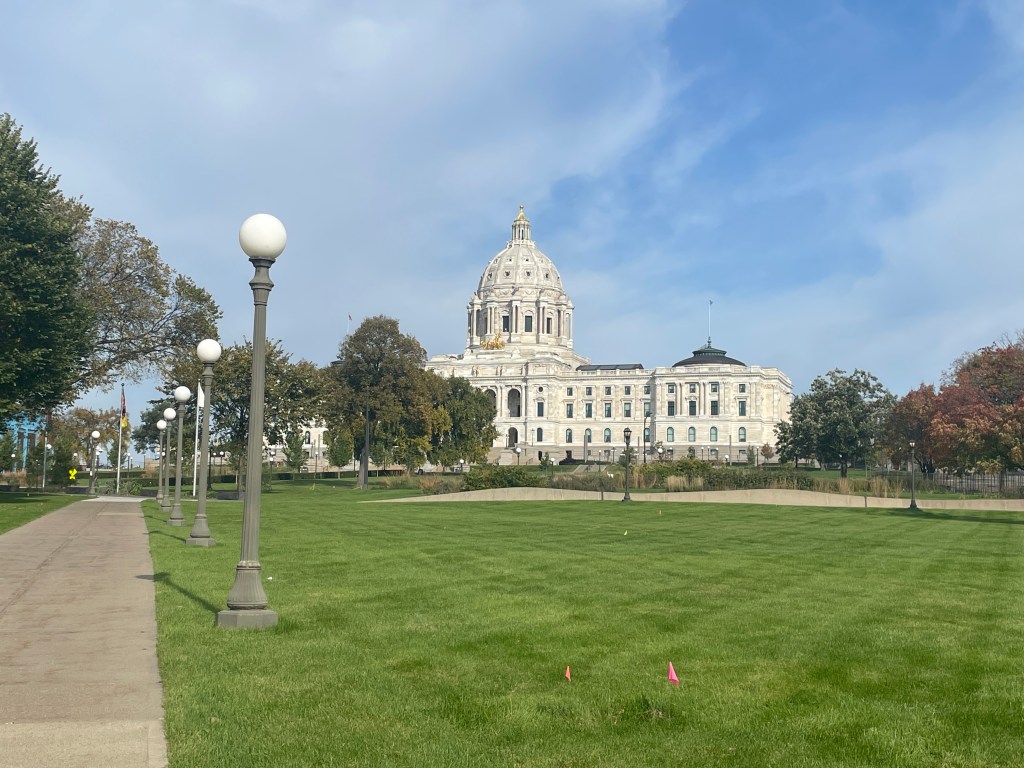
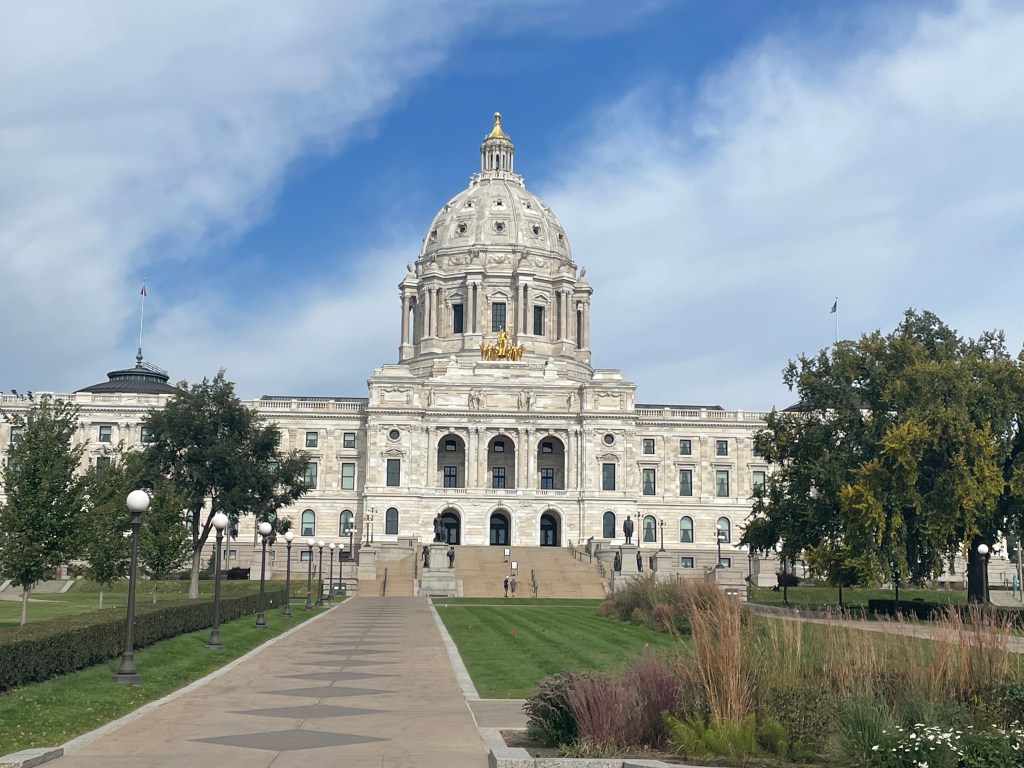
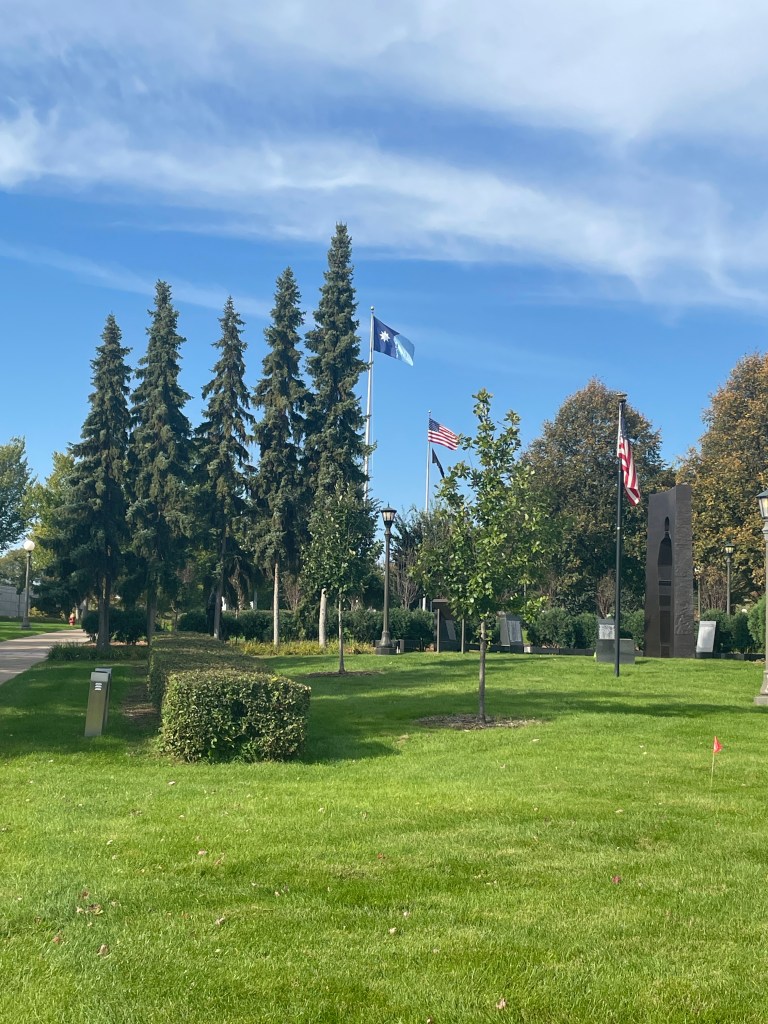
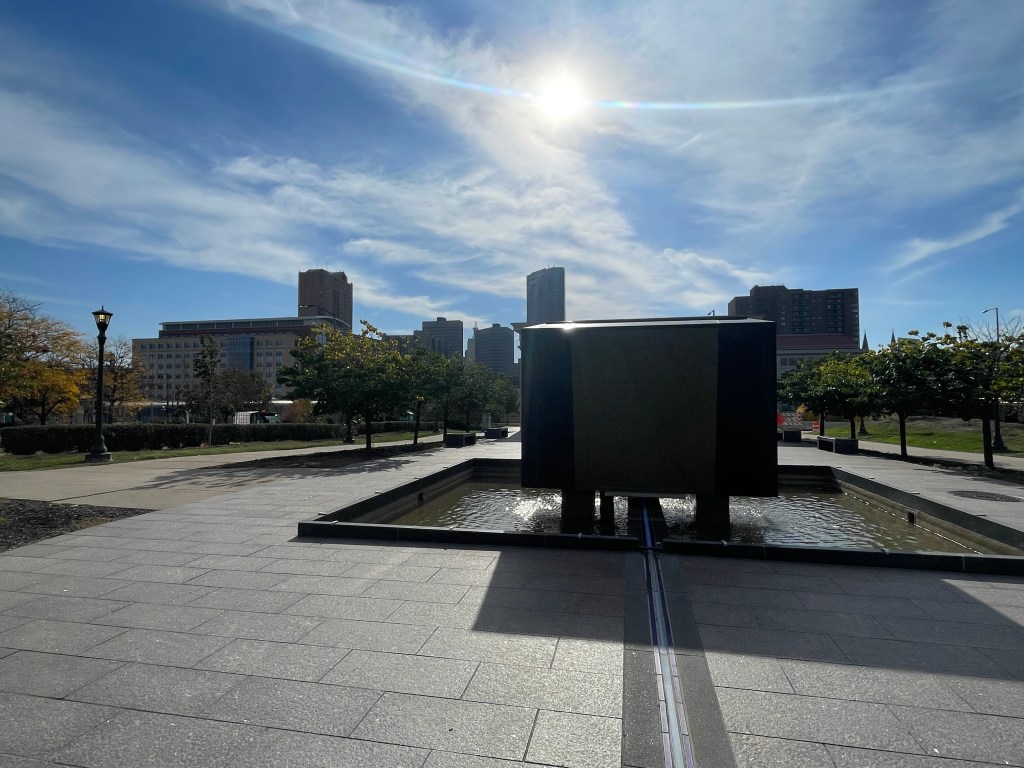
While readers know we’re not particularly interested in architecture, we always like to see the capitol buildings, at least from the outside. The complex surrounding the St. Paul Capitol Building is massive, with plenty of green spaces, memorials to fallen veterans, and flags of all the tribes that reside in Minnesota. The building itself is also impressive, as you can see from the photos below. We decided it was easily one of the most beautiful U.S. state capitol buildings we’ve seen, tied with Oklahoma City (OK), Austin (TX), Salt Lake City (UT), and Little Rock (AR).
Top row, left to right: photos of the capitol building
Bottom row, left to right: Minnesota and U.S. flags flying in the breeze near the capitol building; a memorial in front of the capitol building with the St. Paul skyline in the background
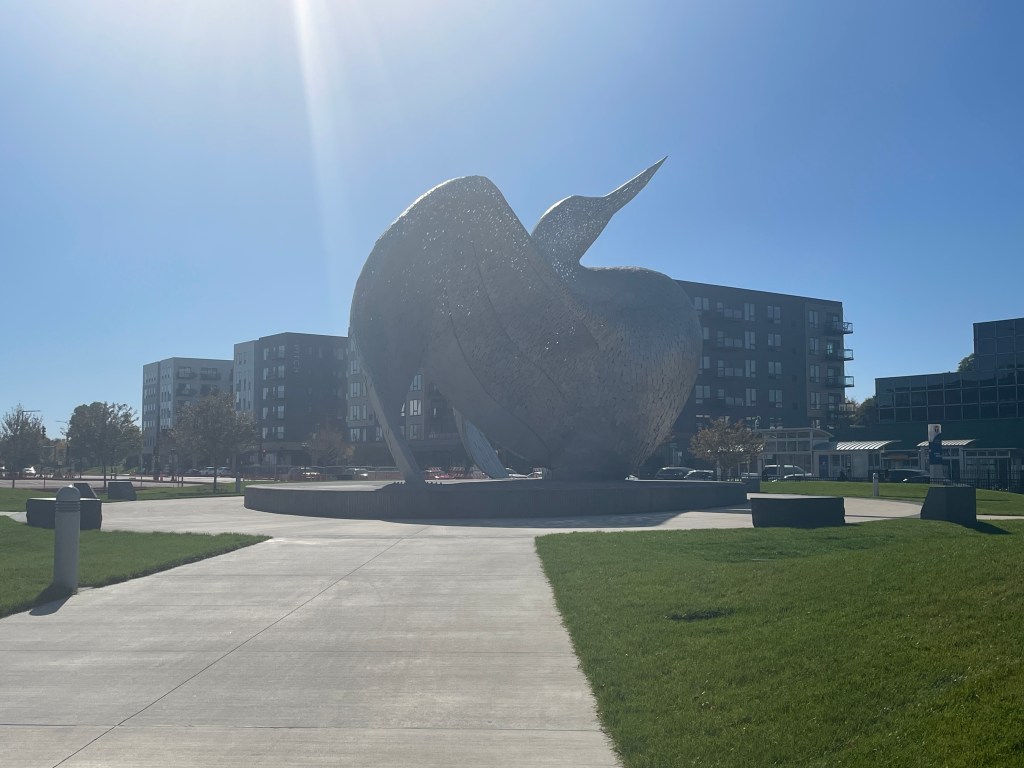
Since the Common Loon is the state bird, homages to the bird are found throughout the state. This statue in downtown St. Paul is called “The Calling.”
If you think you don’t know what a loon is, we guarantee that you do if you’ve ever watched a movie in the last 50 years. Have you ever heard this sound? That is a loon call! It’s probably the most used bird call in the movie industry, but it’s used in all kinds of places that loons don’t live much to birders’ chagrin.
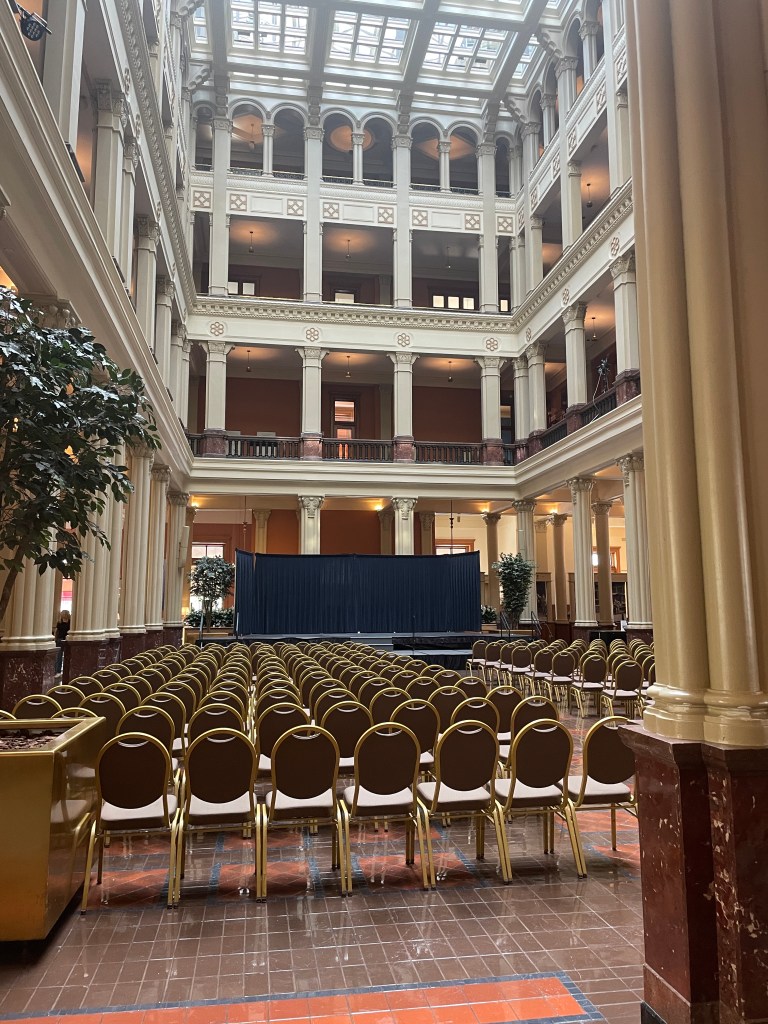
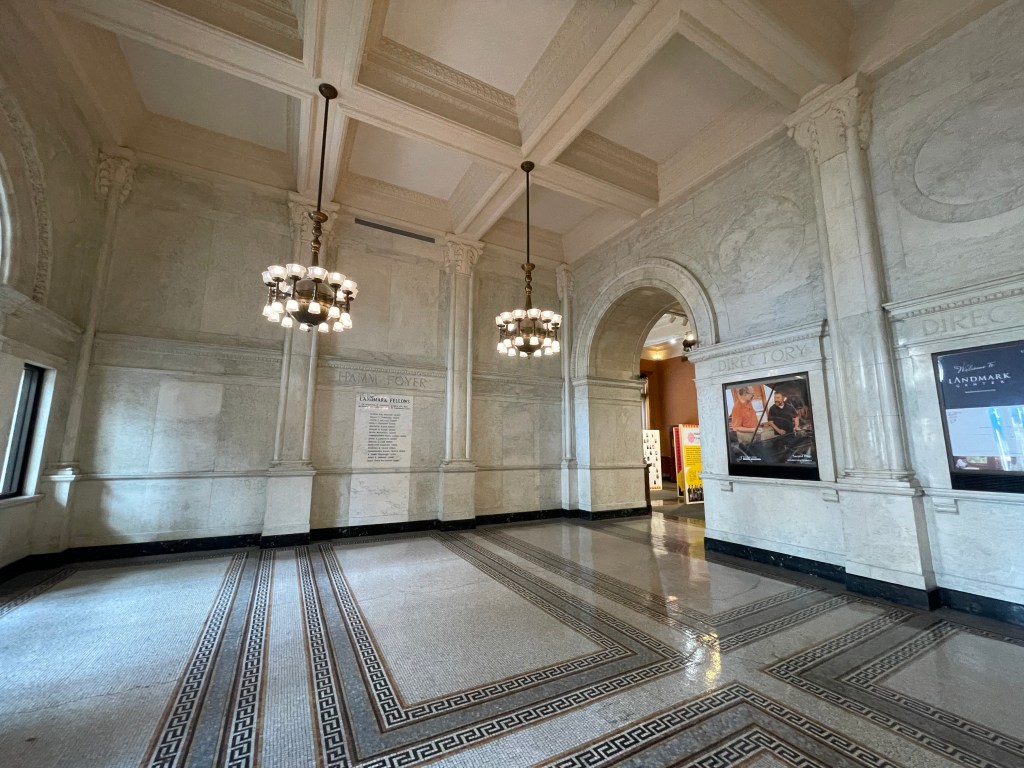
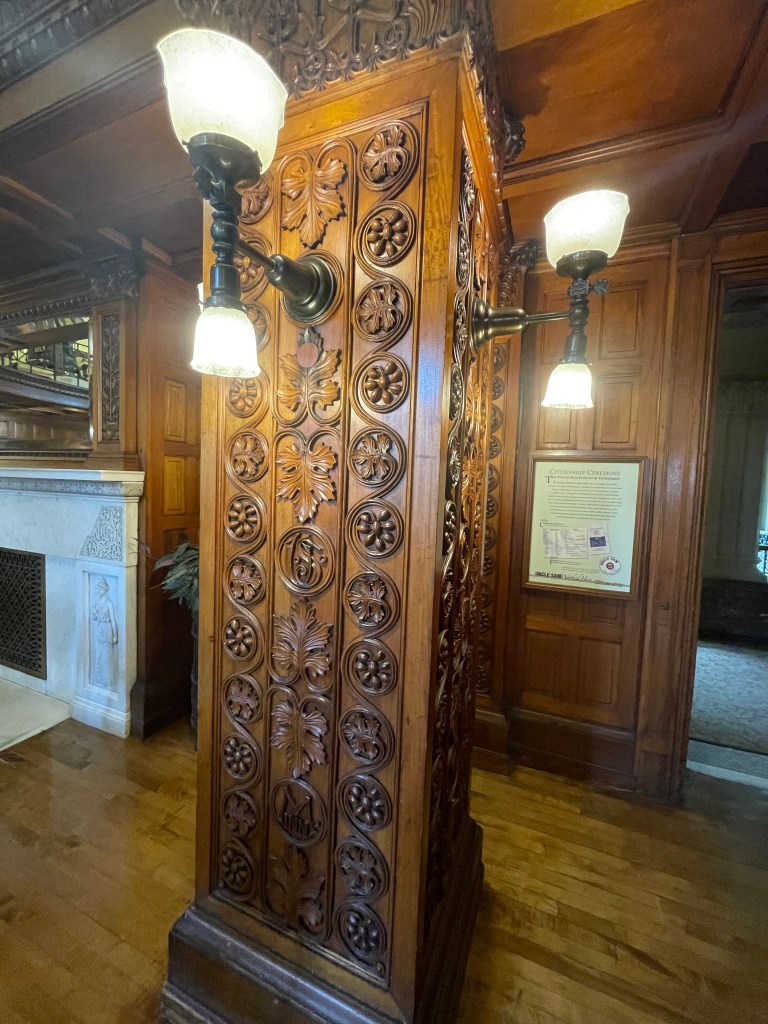
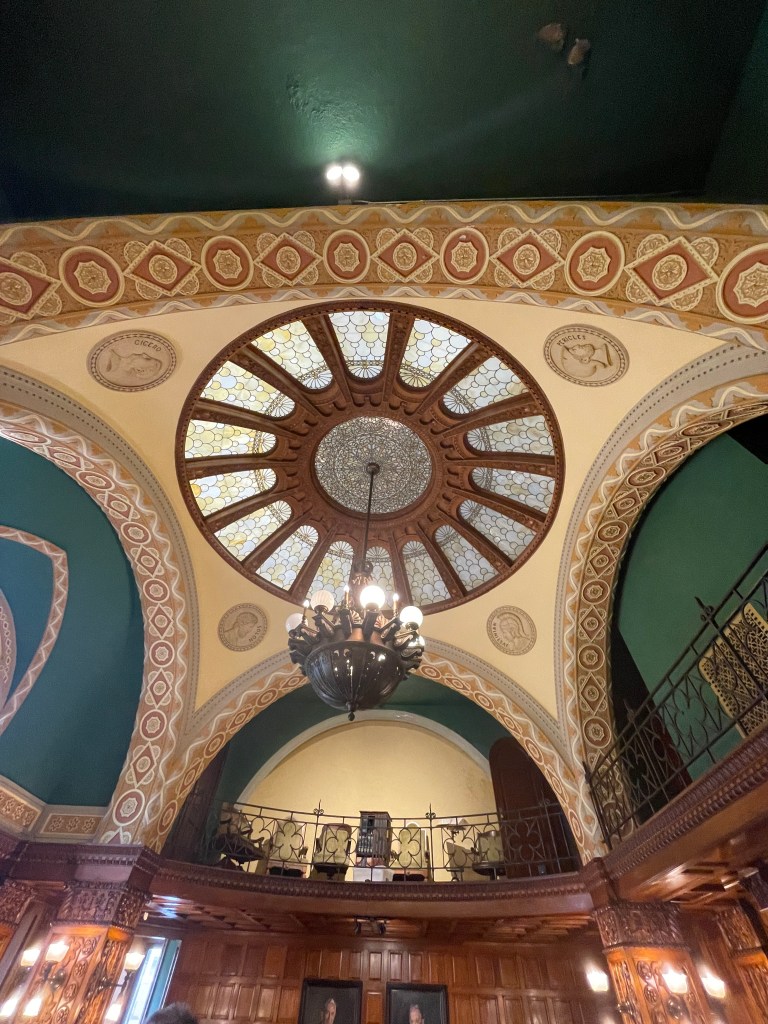
The heart of downtown St. Paul reminded us of so many other capitol city downtowns: lots of government and office buildings; restaurants that cater to business lunches and dinners; hotels; and cultural centers for the curious tourists. One such cultural center is the Landmark Center, which offers free tours for the public. The building used to be a U.S. Post Office building that opened in 1902. At some point, the Post Office decided to leave the building and, eventually, it was purchased by Ramsey County in the 1970s and completely restored. Today, it is used for wedding, funerals, swearing in of government officials and new U.S. citizens, and other public events. The basement and second through fourth floors feature Minnesotan history and art including permanent and special exhibits, guest artists/organizations, the American Association of Woodturners Gallery of Wood Art Museum, the Ramsey County Historical Society, and the Schubert Club Music Museum. As we toured the Center, we were very much reminded of our tour of the Palácio Tiradentes (Tiradentes Palace) in Rio de Janiero, Brazil. In the photos below, you’ll notice that the light fixtures have top and bottom lamps. One side was for electricity, but because it was a relatively new utility and not always consistent, the other side was for gas lamps so that anyone in the building could always have access to light.
Top row, left to right: the main hall of the Landmark Center; the marble entrance to the Landmark Center
Middle row, left to right: a wood column in one of the rooms that features emblems important to Minnesota history; one of the rooms that made us all gasp in awe
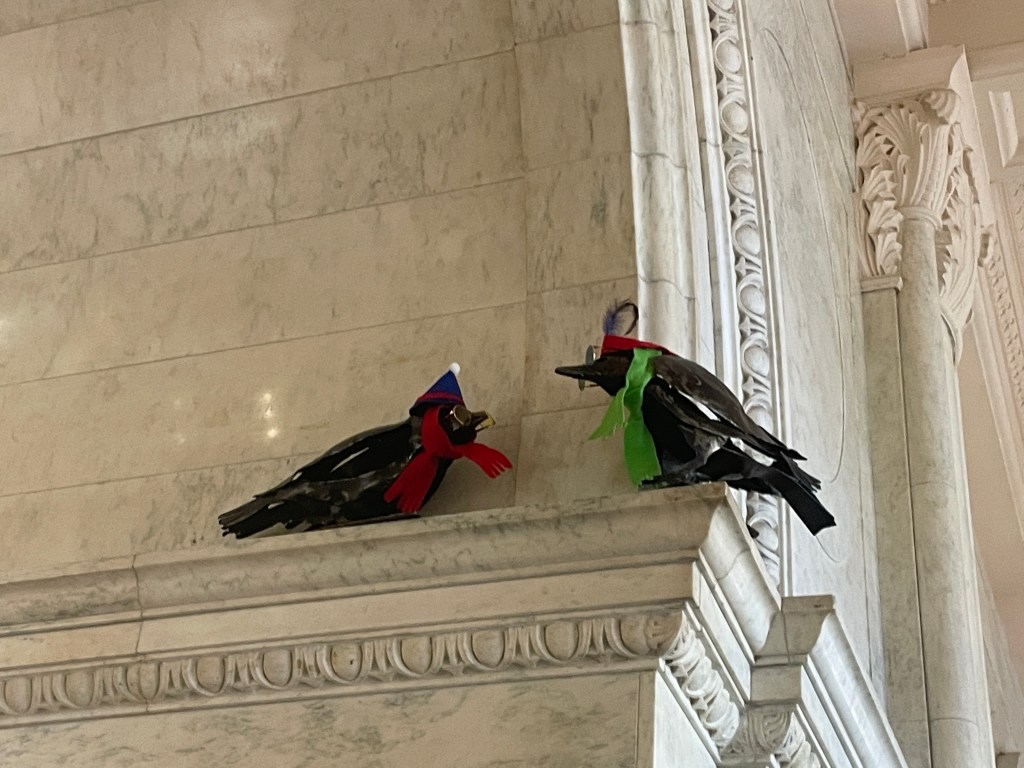
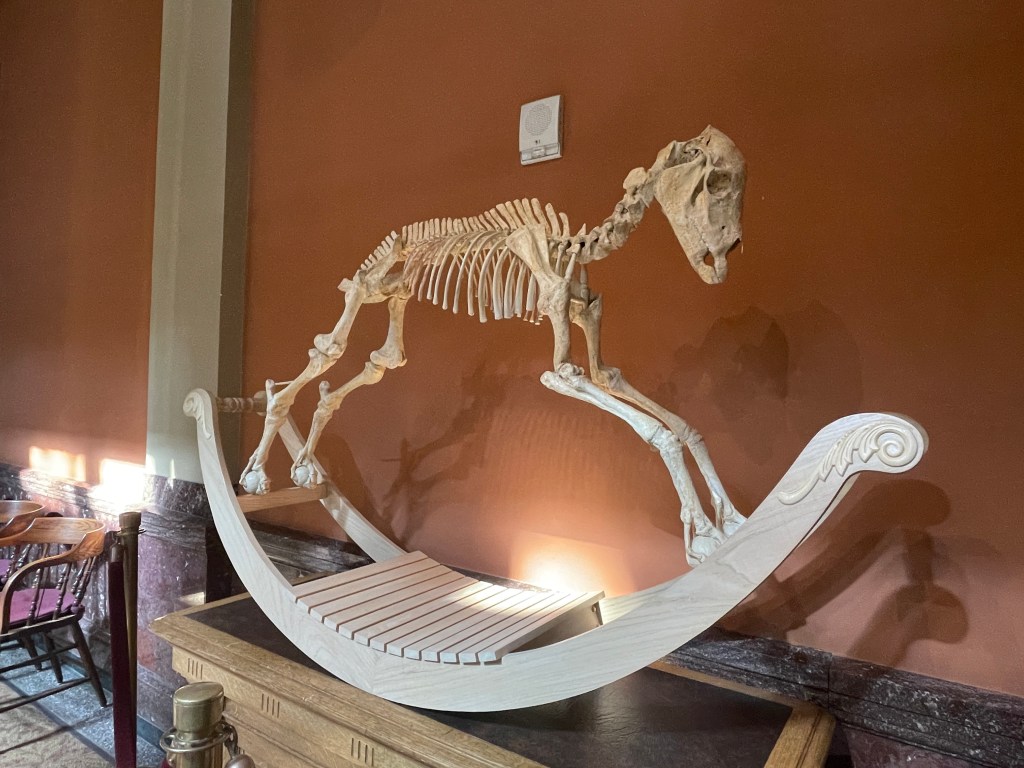
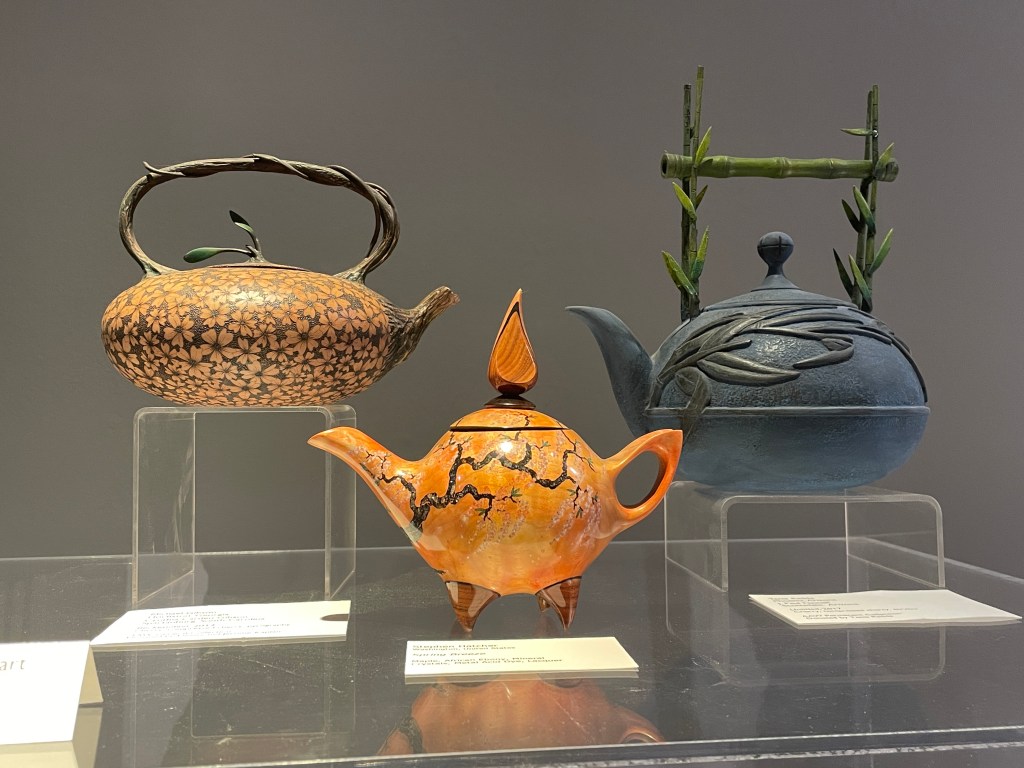
Bottom row, left to right: crows made by a local artist ready for the upcoming Christmas season; “Mesohippus Mirabilis (Imaginary fossil)” by Michael Bahl; teapots carved entirely of wood by members of the American Association of Woodturners
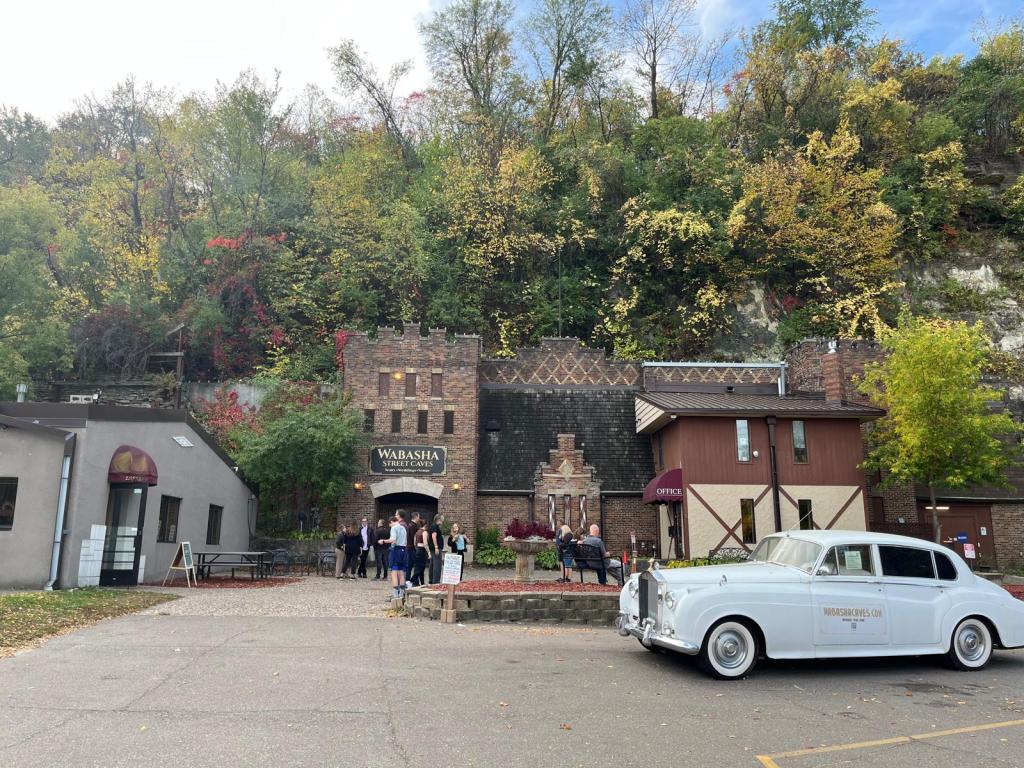
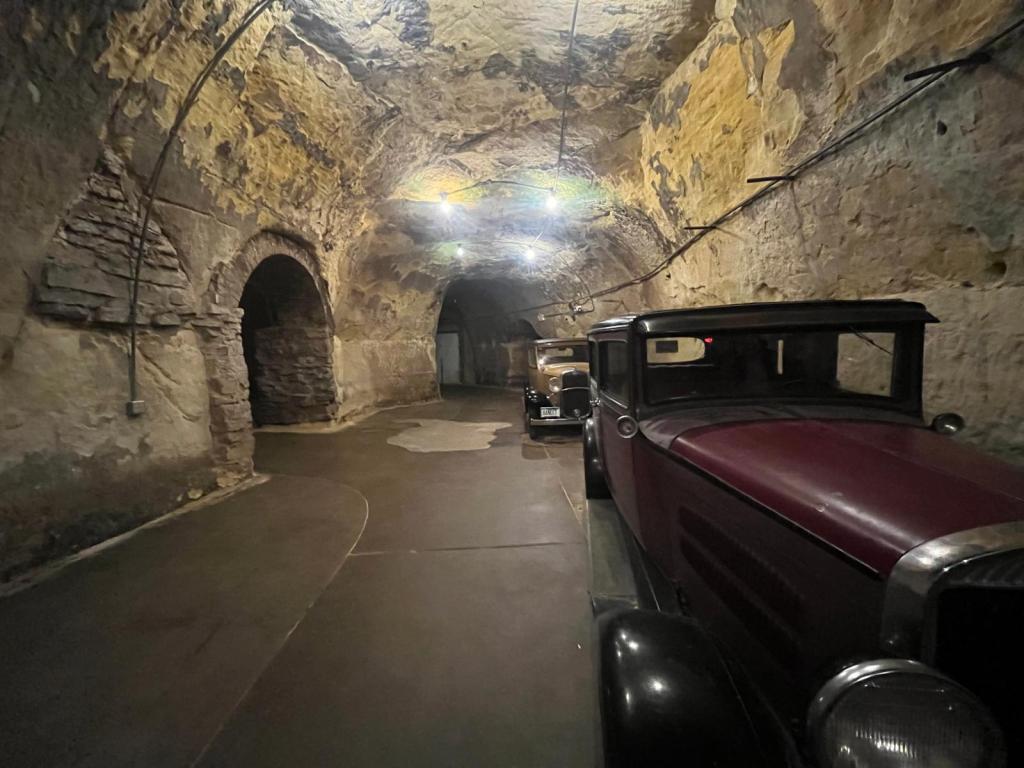
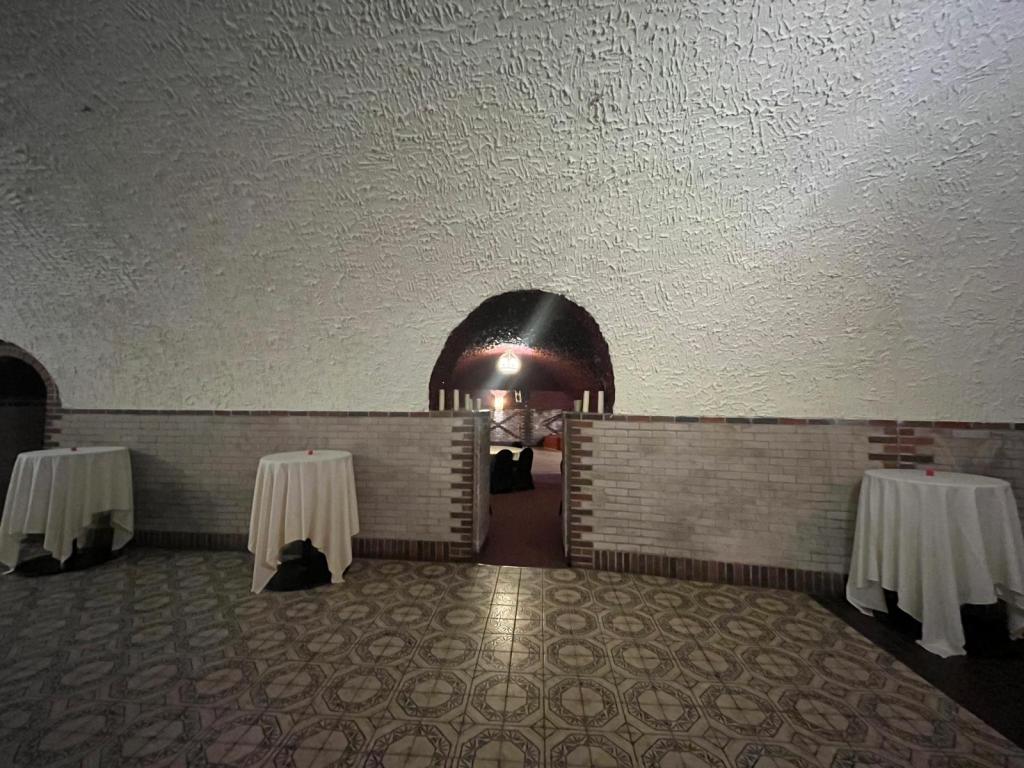
One of the places we were most excited to visit were the Wabasha Street Caves. These caves are a fascinating slice of St. Paul history. Initially, these caves were used for refrigeration: residents could rent out space to store their food in the summer months. Eventually, a French entrepreneur wanted to expand his mushroom business to the United States. He loved the caves so much that he purchased them and began growing mushrooms, which boomed. (The mushroom company lives on today as Lehman’s.) In the 1920s, the caves began a new business venture: mobsters stored their liquor in the caves and opened a speakeasy. As a way to encourage mobsters to visit, the City of St. Paul promised to not arrest any of them so long as they didn’t commit any crimes within city limits. Once Prohibition was repealed and mobsters realized they were losing all of their money, they turned to kidnapping political and business elites for ransom. Eventually, the caves were abandoned or used to house debris from flooding events.
Today, the caves host events and parties, as well as tours about its history. As we toured the caves, we both lamented we didn’t have a reason to host a mobster-themed party like a wedding or bar/bat mitzvah. In the third photo below, you’ll notice that the hallway looks like a mushroom. When the caves turned from a mushroom farm into a speakeasy, the owners wanted to make sure to reference its history.
Photos, left to right: exterior of the Wabasha Street Caves; inside the caves with replicas of the cars used to transport liquor; one of the dining rooms
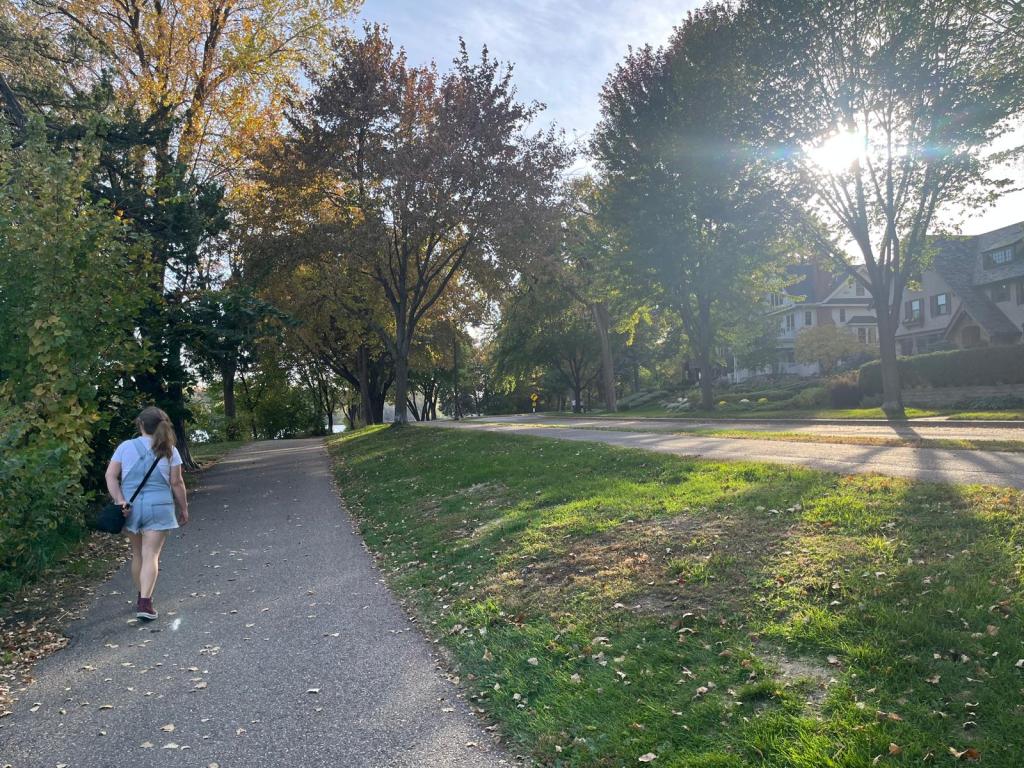
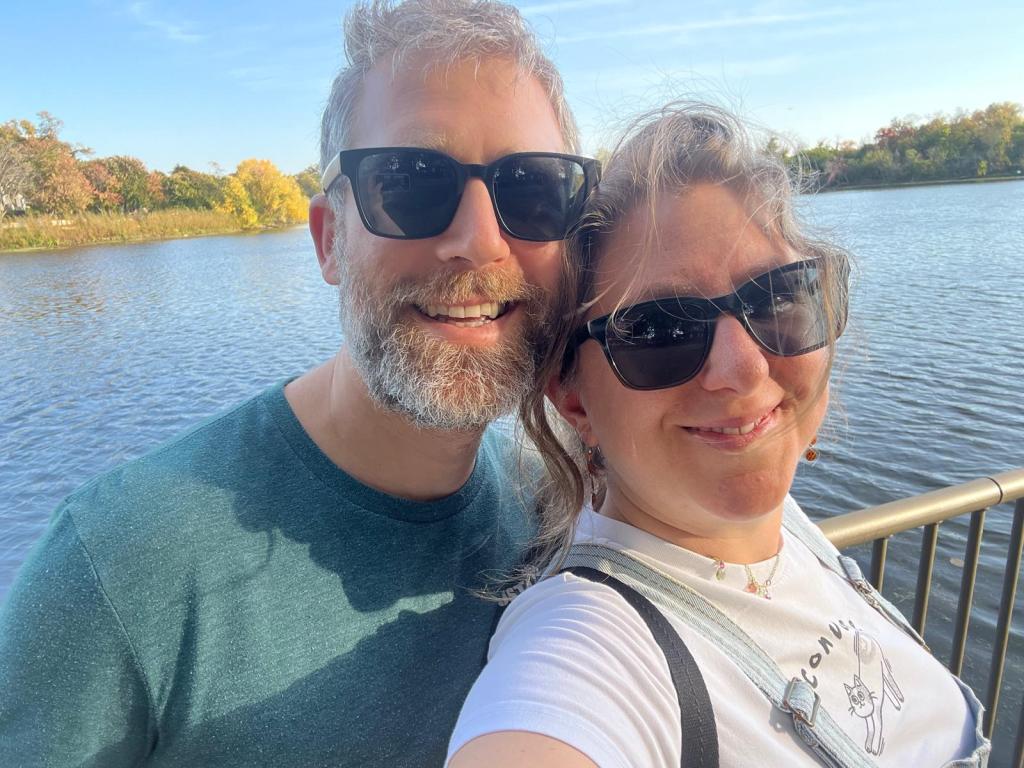
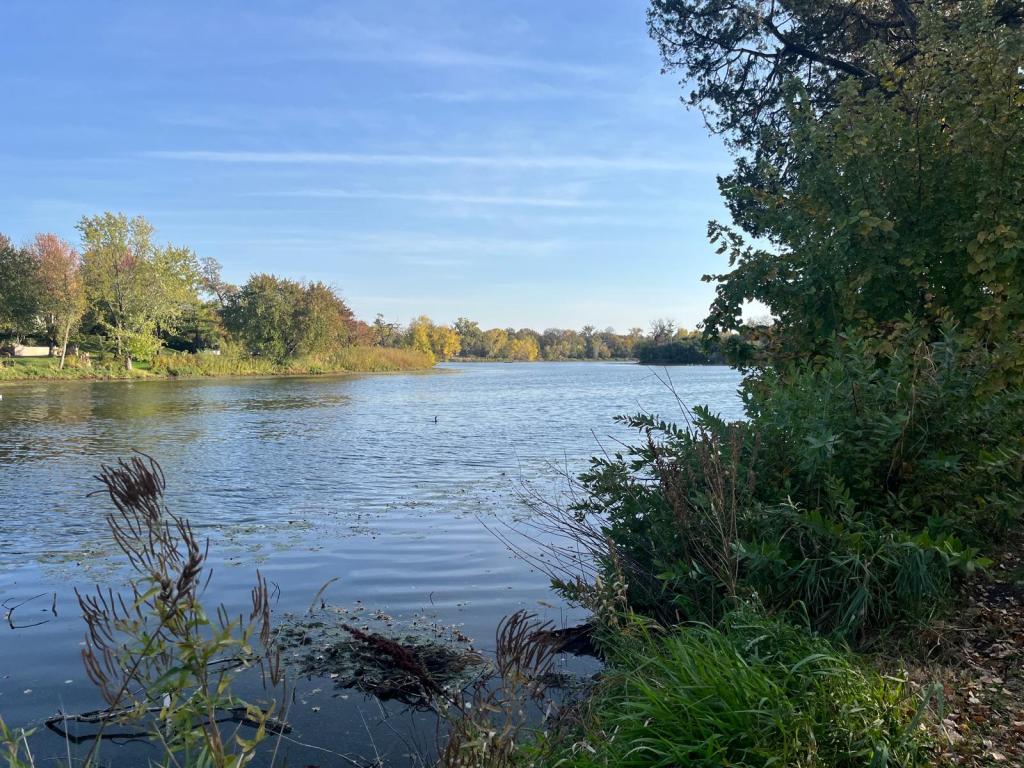
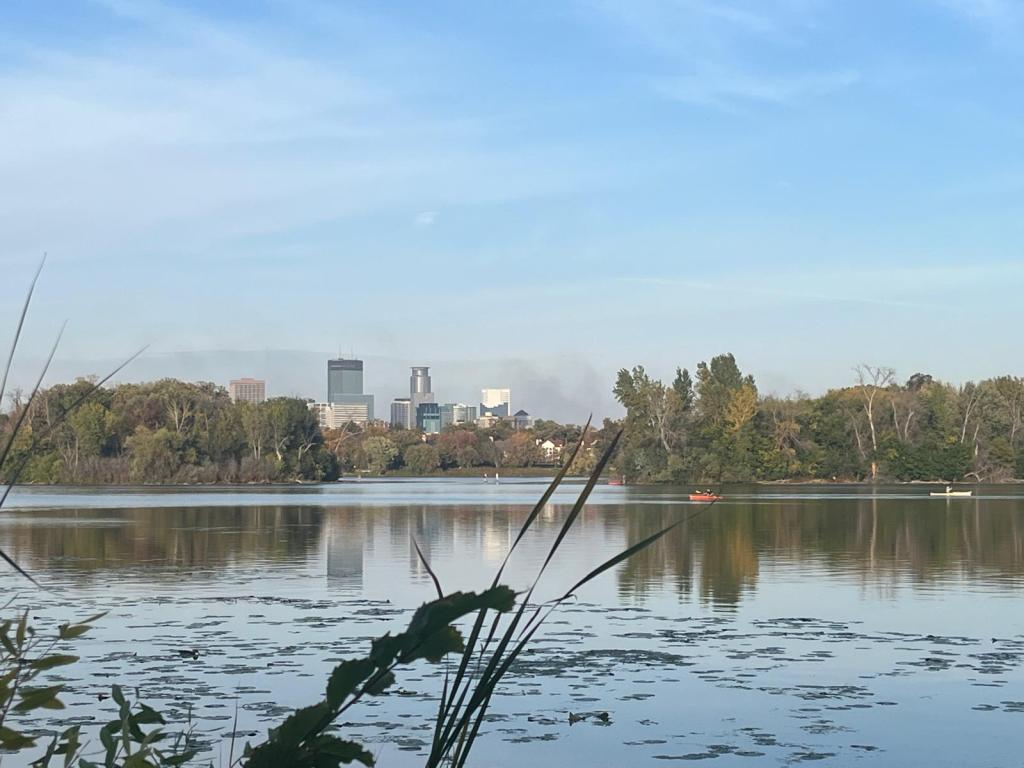
While the Twin Cities boast many green spaces for folks to enjoy, one of the most beautiful and extensive is the Minneapolis Chain of Lakes Regional Park. This park features five (natural) lakes with paths that connect both between the lakes and to other parts of Minneapolis. If someone wanted to visit all five lakes in one day, they would have to walk or bike about 15 miles. Each lake has its own character and vibe, so that visitors can get everything they want out of their experience. We walked along Lake of the Isles, which took us almost two hours. This particular lake offers birding areas, a dog park, and recreational activities such as fishing. It’s a beautiful park that we plan on revisiting, though, hopefully it won’t be 80 degrees next time. (It was an unseasonably hot weekend.)
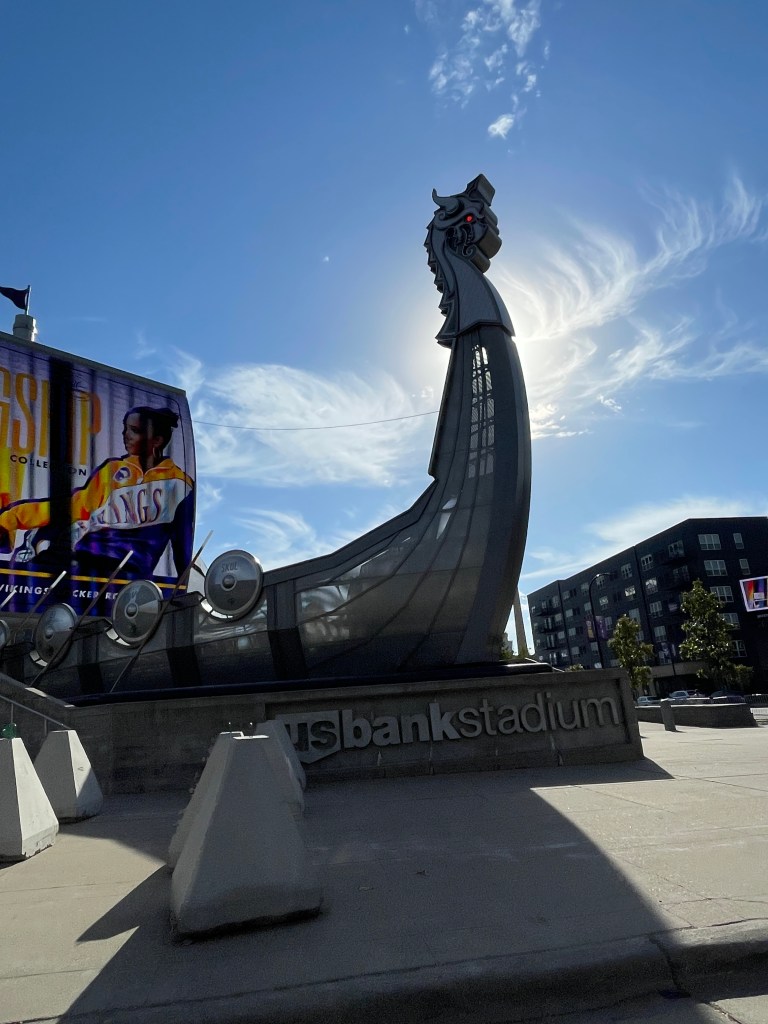
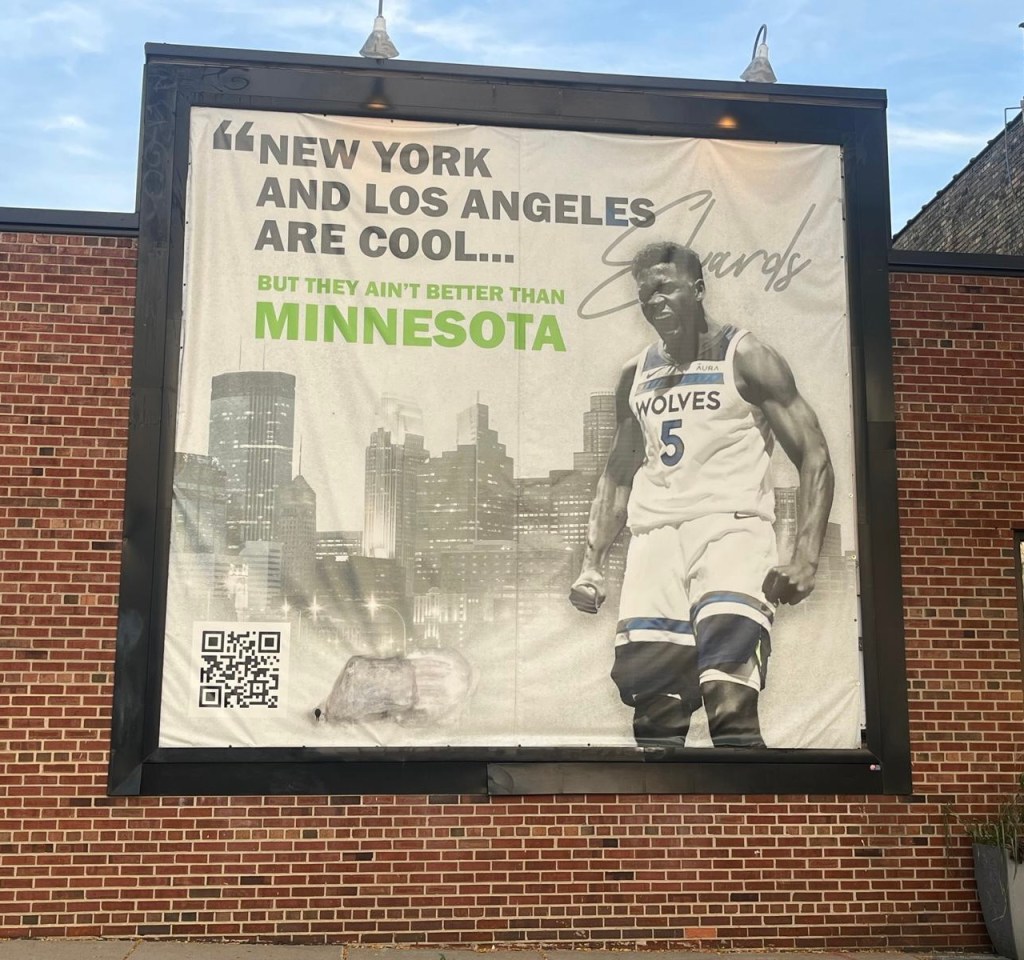
Of course, no trip the Twin Cities would be complete without at least a sports reference or two. Midwesterners are known, among other things, for their love of sports, both at the college and professional level, so it’s no surprise we saw references everywhere. In fact, it felt like everywhere we drove in Minneapolis, we could always spot U.S. Bank Stadium where the Minnesota Vikings (NFL) play, much like the Acropolis in Athens.
Left to right: the Viking ship outside of U.S. Bank Stadium; a sign with Minnesota Timberwolves’ (NBA) star Anthony Edwards
Coming up, Yahm will recap our culinary adventures in the Cities. Be sure to like, comment, and subscribe to Traveling While Introverted so you don’t miss it!


Leave a Reply